
The Havasu Falls backpacking setup
The hike to Havasu Falls is one of the most rewarding trips in American backpacking — and one of the hardest to actually get on. Once your reservation is locked in, this is a straightforward overnight system built for a hot, dry, roughly ten-mile canyon descent, days spent in and around turquoise water, and a genuinely tough climb back out.
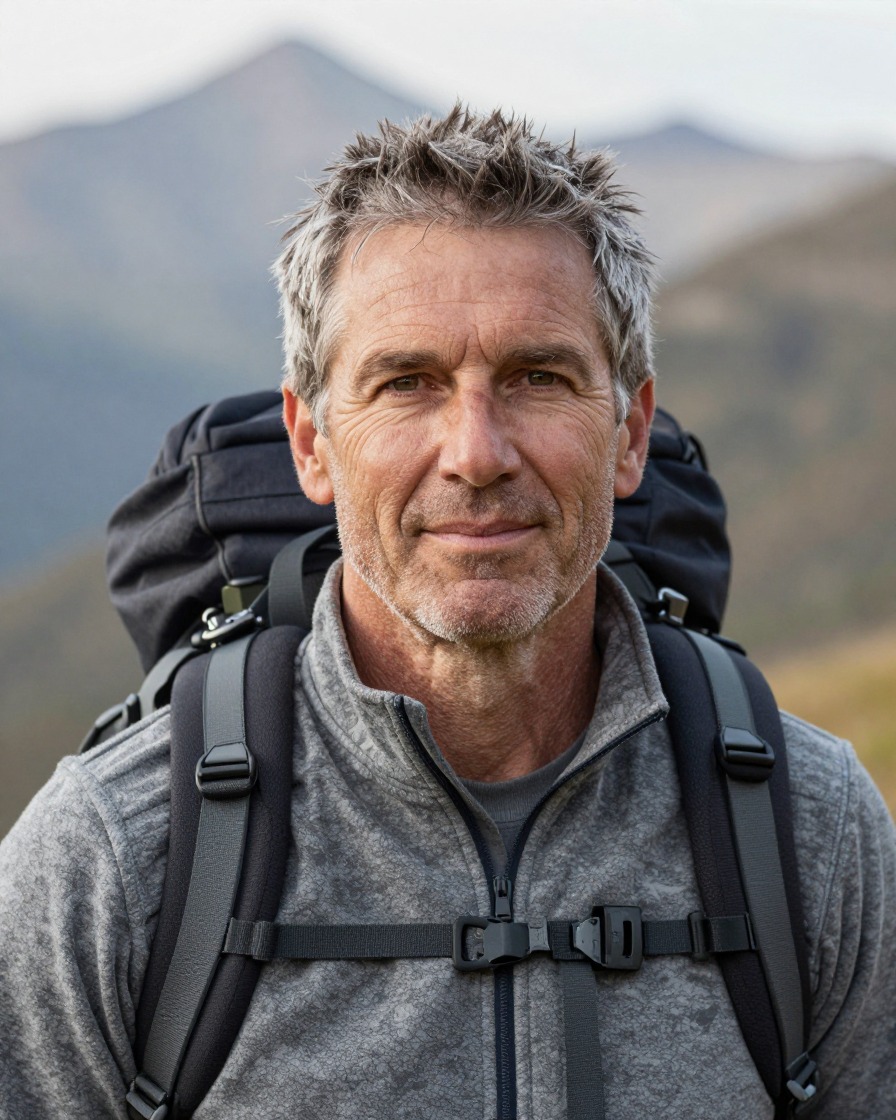
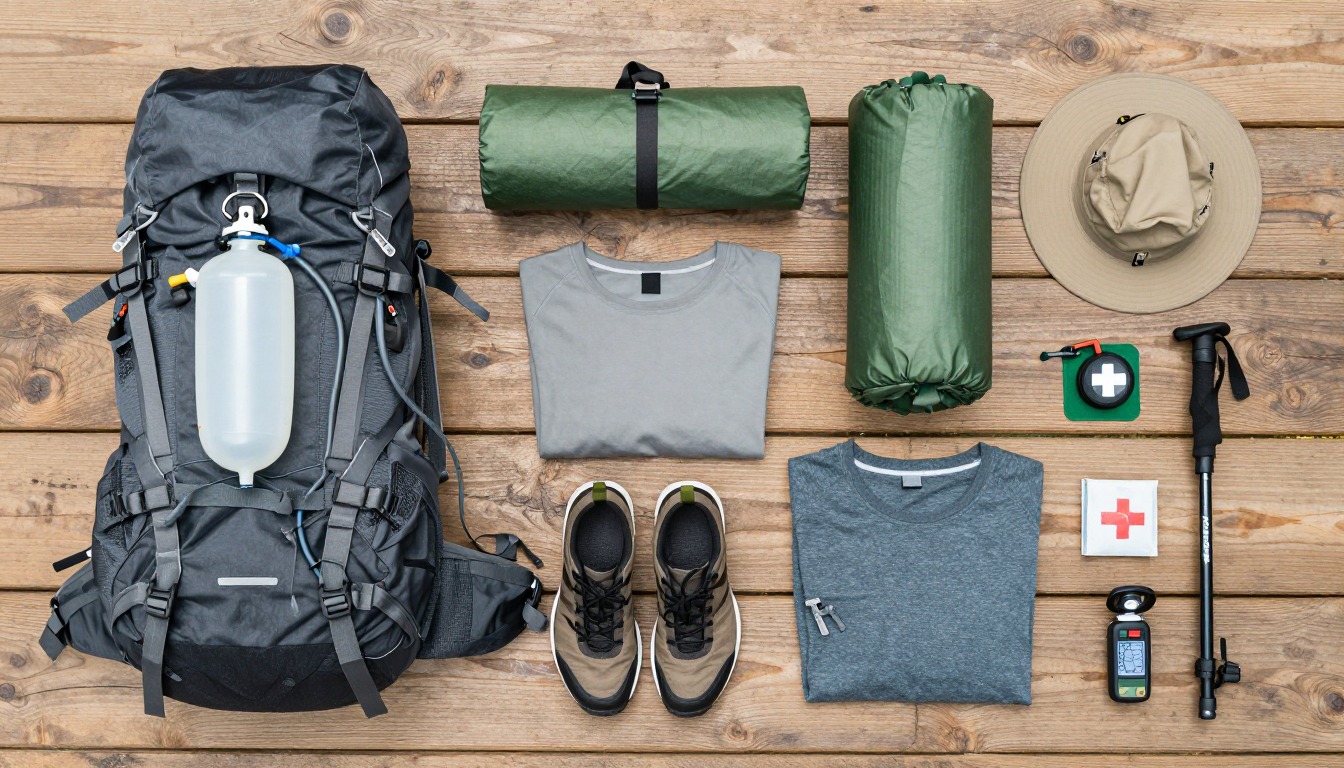
This kit is shaped by two facts: the trail is fully exposed desert canyon for miles in both directions, and once you're in, you're committed to the dates on your reservation. So the pack is sized to carry a real overnight kit for roughly ten miles each way, water and sun protection get treated as seriously as they would on any desert hike, and the sleep system is tuned for a canyon floor that actually runs milder at night than the rim high above it. Because Supai and the campground have no trash service, everything you carry in that isn't food or fuel comes back out with you.
This setup suits backpackers who already have — or are actively pursuing — a valid overnight camping reservation with the Havasupai Tribe, and who are comfortable with a long, hot, largely unshaded hike carrying a full overnight kit. It assumes established-trail conditions, a fixed check-in and check-out date, and at least one night at the campground between Havasu and Mooney Falls. If you don't have a confirmed reservation yet, treat this as your planning list for when you do — there's no walk-up or day-hike option here. Hikers who struggle with sustained heat or steep, sustained climbing should think hard about the exit hike in particular, or look at the mule and helicopter options the tribe offers separately from camping.
- Lock in your logistics first — a confirmed Havasupai Tribe camping reservation, your exact entry and exit dates, and a plan for the roughly ten-mile hike each way.
- Build the sleep system for a warm desert canyon floor, not a cold high-desert night — Supai sits well below the rim and rarely gets as cold after dark.
- Pack for the falls as seriously as you pack for the trail — water shoes and a dry bag matter as much as your boots once you're at camp.
- Plan your climb out around the heat — an early-morning or first-light start on the switchbacks back to the hilltop is what most hikers wish they'd done.
About this setup
Havasu Falls is reached entirely on foot — or by mule or helicopter, for those who book that separately — on Havasupai Tribal land in a side canyon of the Grand Canyon. Every visitor needs a confirmed overnight camping reservation made directly through the tribe's own reservation system before they go; there's no day-hiking, no walk-up entry, and no buying your way in at the trailhead. Dates are limited and reservations for the season routinely sell out within hours of opening, so most people plan well over a year ahead and build the rest of the trip around whatever dates they actually secure.
The hike itself runs from Hualapai Hilltop down a set of exposed switchbacks that drop several hundred feet in the first mile or so, then levels into a long, sandy wash for the rest of the way to Supai village — roughly eight miles in, with the campground another couple of miles beyond that, for about ten miles total each way. There's little to no shade for almost the entire distance, and it's the same trail on the way out, just steeper in places and later in the trip, when you're more tired. Supai village has a store, a café and a water source; the campground, strung along Havasu Creek between Havasu Falls and Mooney Falls, has its own water point too.
The reward is the water itself — a string of blue-green travertine pools and waterfalls the whole trip is built around. Getting to some of them means wading or swimming, and getting down to Mooney Falls means a chain-and-ladder descent through a short tunnel on wet, slick rock, which is exactly why water shoes and a dry bag for your phone or camera earn a place in this kit. Camp brings its own small logistics: ravens and squirrels are bold and persistent around any unattended food, and there's no trash service at Supai or the campground, so everything that isn't food, water or fuel goes back out with you, same as it came in. Summer afternoons can also bring sudden thunderstorms and real flash-flood risk in the canyon — treat any posted tribal ranger guidance on weather or trail conditions as the final word, ahead of anything on this list.
The pack
A multi-day desert canyon trip calls for a real overnight pack, not a beefed-up daypack — you're carrying a full camp for roughly ten miles each way.
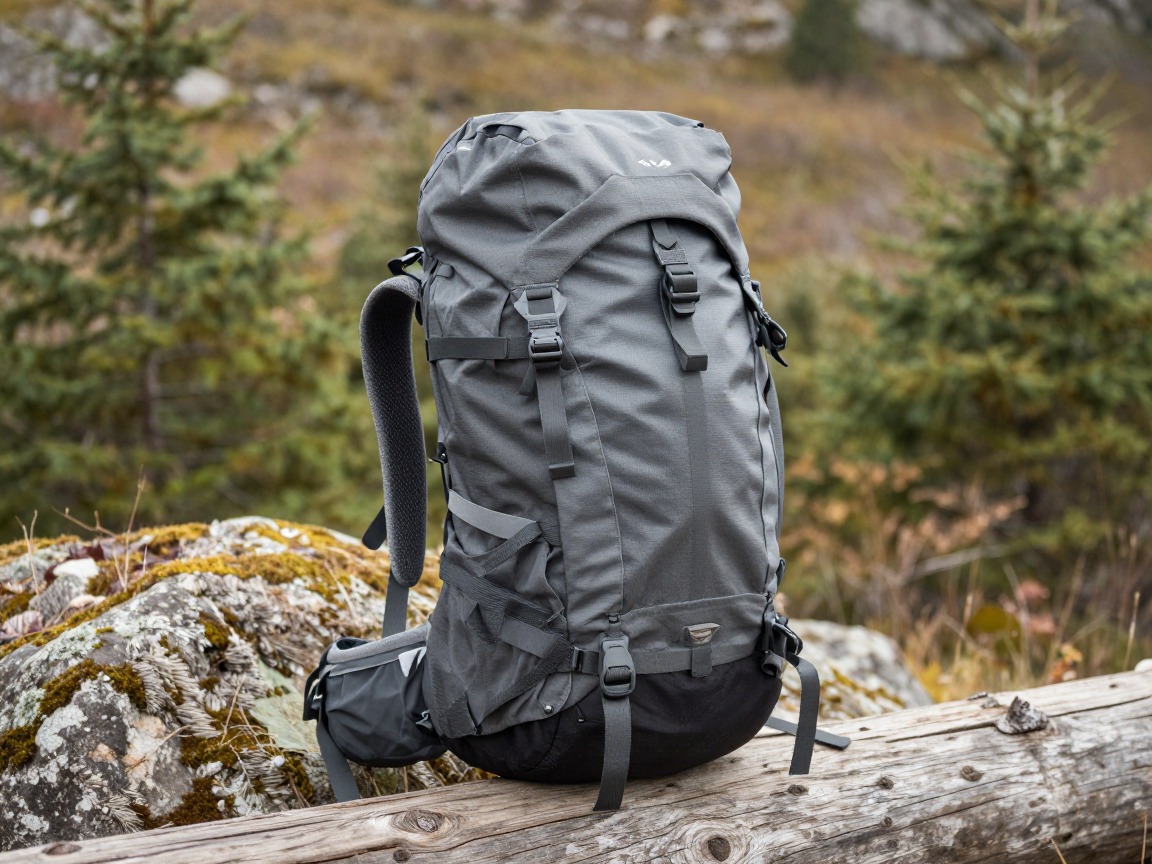
Overnight backpack
Carries your full camp — shelter, sleep system, food and water — for the ten-mile hike to Supai and the campground, and back out again.
What to look for: A supportive hip belt that actually carries the load, 45–55 L for a one-to-two-night trip, and a torso length matched to you. Good ventilation on the back panel earns its keep on the hot, exposed hike in.
 WoneNice 50L Check price
  Teton 55L Scout Internal Frame Backpack for Hiking Check price
 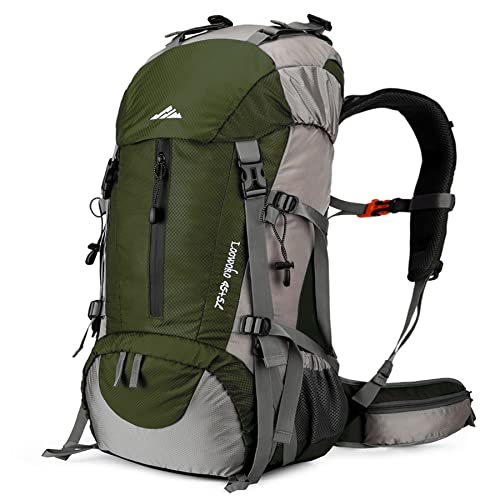 Loowoko 50L Hiking Backpack with Rain Cover for Both Men & Women Check price
 - A pack rain cover or liner (afternoon storms are possible in warmer months)
Reservation, water & the hike in
Nothing on this list matters without a confirmed reservation — and once you have one, the hike in is a long, hot, exposed carry that deserves real water planning.
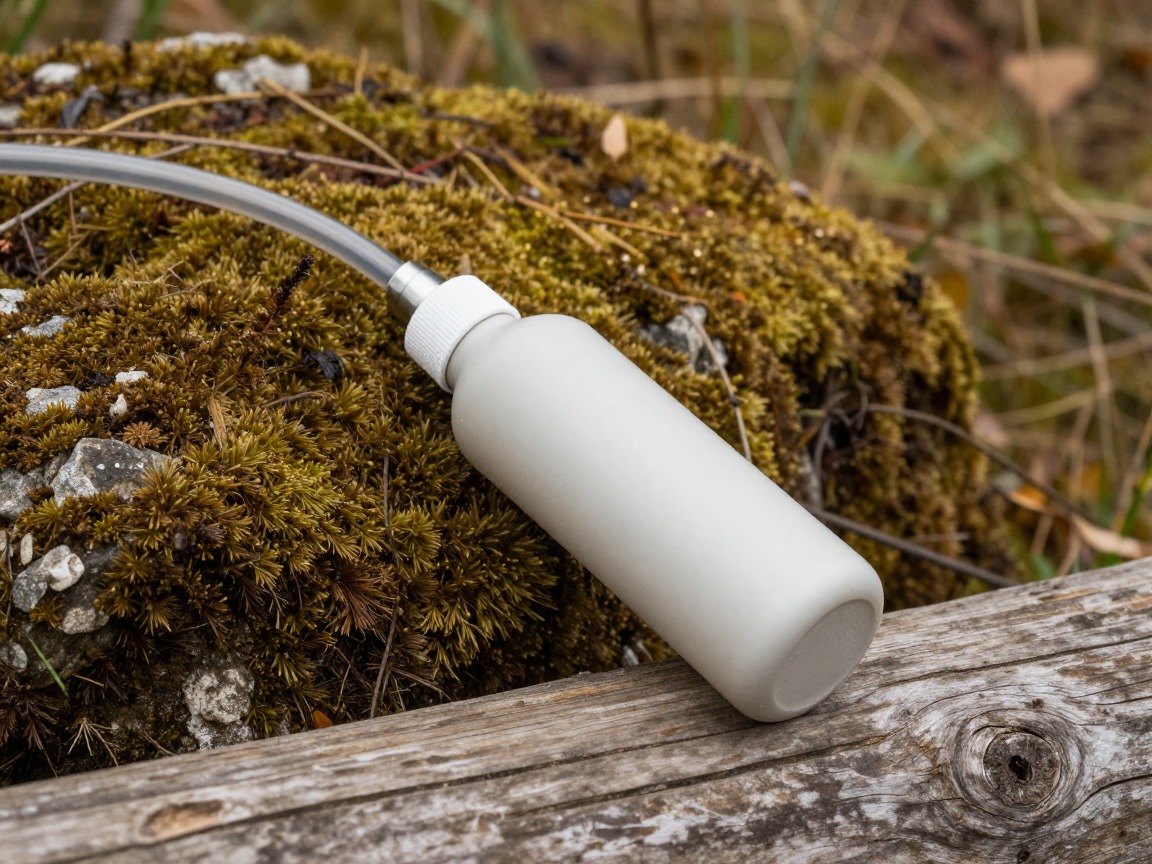
Hydration reservoir
Lets you sip constantly through the exposed switchbacks and the long wash into Supai, instead of stopping to dig out a bottle.
What to look for: A 2–3 L bladder that fits your pack's sleeve, an insulated hose and bite valve to slow heat gain, and a wide opening you can actually clean.
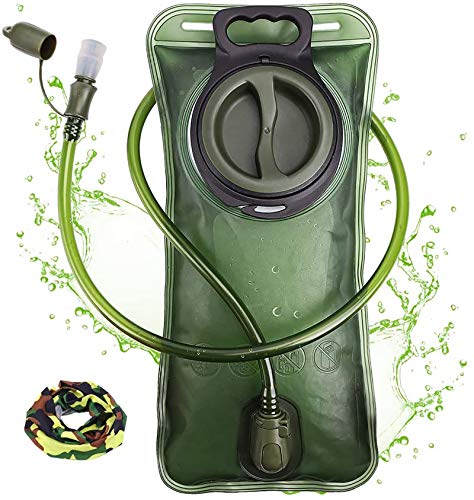 Hydration Bladder Check price
  Hydration Bladder Check price
  Mdvora 1.5L/2L/2.5L/3L Hydration Bladder Check price
 - Confirmed Havasupai Tribe camping reservation and your exact entry/exit dates (no walk-ups)
- A wide-mouth backup water bottle
- Electrolyte drink mix or tabs
- Cash or a card for the village store/café, if you plan to use it
Shelter
A lightweight one- or two-person tent covers the designated camping area strung along the creek between Havasu and Mooney Falls.
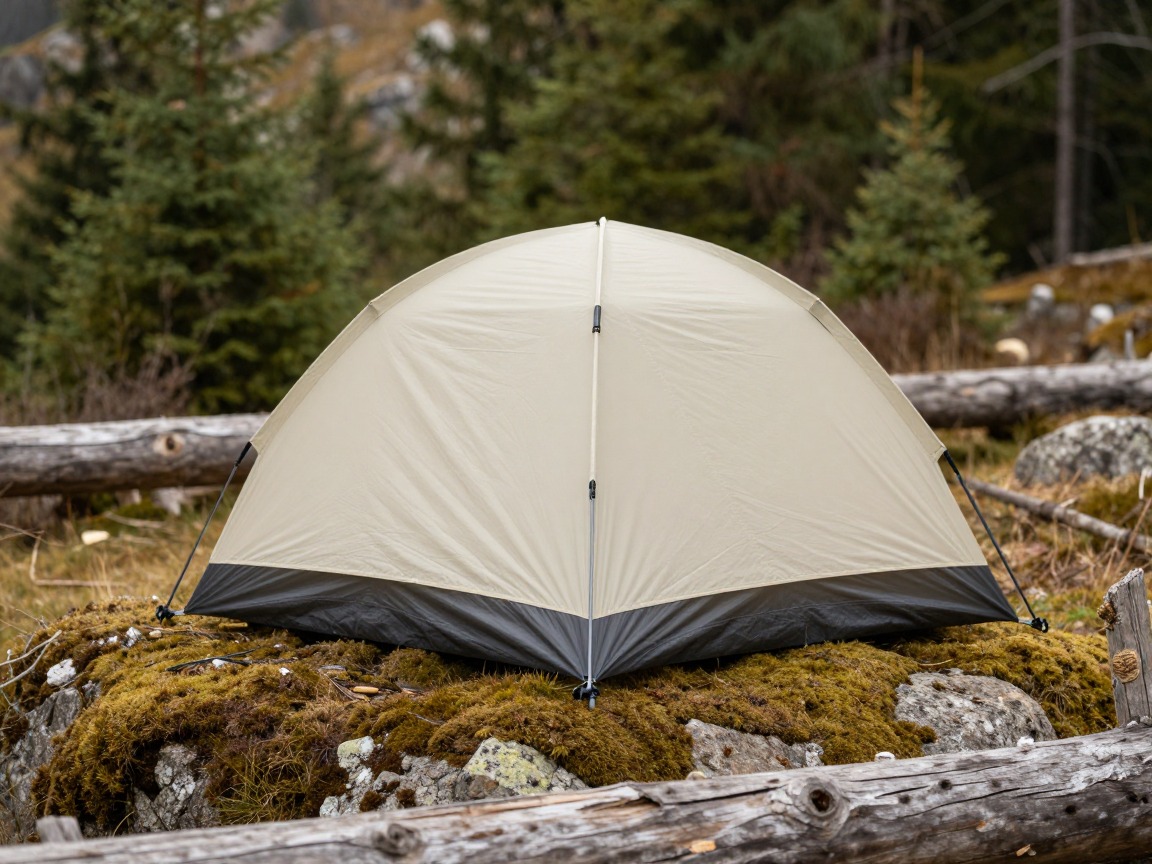
Backpacking tent
Your shelter at the campground — a freestanding tent pitches easily on the mixed sand-and-rock sites along the creek.
What to look for: A freestanding or semi-freestanding design that doesn't rely on soft sand to hold stakes, good ventilation for warm nights, and a packed weight you're happy carrying for ten miles.
 Night Cat 2-Persons Backpacking Tent: Waterproof Lightweight Camping Check price
  BISINNA 2/4 Person Camping Tent Lightweight Waterproof Backpacking T Check price
  Forceatt Tent for 2 Person is Waterproof and Windproof Check price
 - Extra rocks or sand stakes for sites where regular stakes don't hold
Sleep system
Supai sits well below the canyon rim, so nights at camp usually run milder than the classic cold-desert-night expectation — size your sleep system to match.
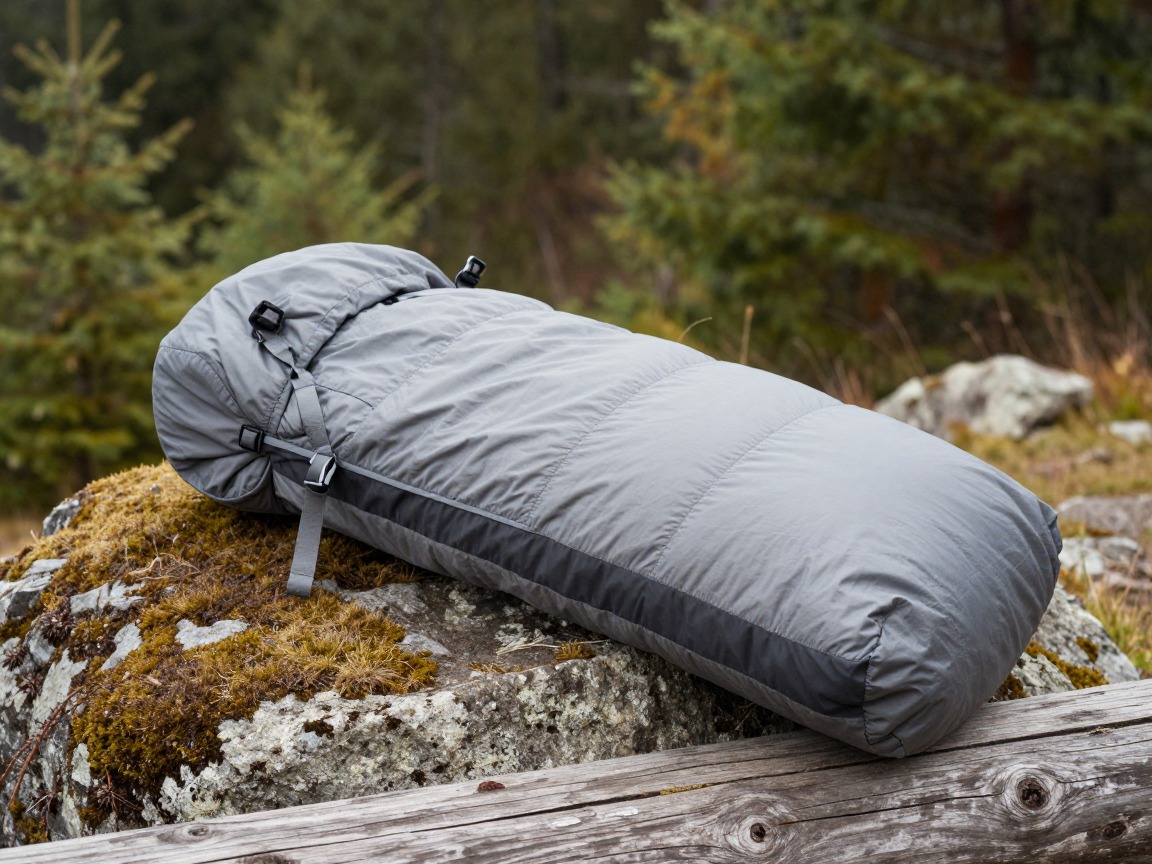
Sleeping bag
A lighter, warm-weather bag suits most of the season here better than a deep-cold bag you'll never fully use.
What to look for: A comfort rating matched to a mild desert-canyon night rather than a high-desert or alpine one, good venting, and a packed size that doesn't crowd the rest of a ten-mile kit.
 MalloMe Sleeping Bags for Adults Cold Weather & Warm - Backpacking C Check price
 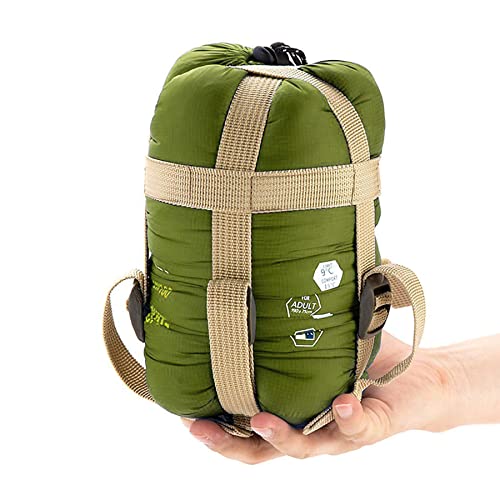 ECOOPRO Portable Check price
  Teton Trailhead Check price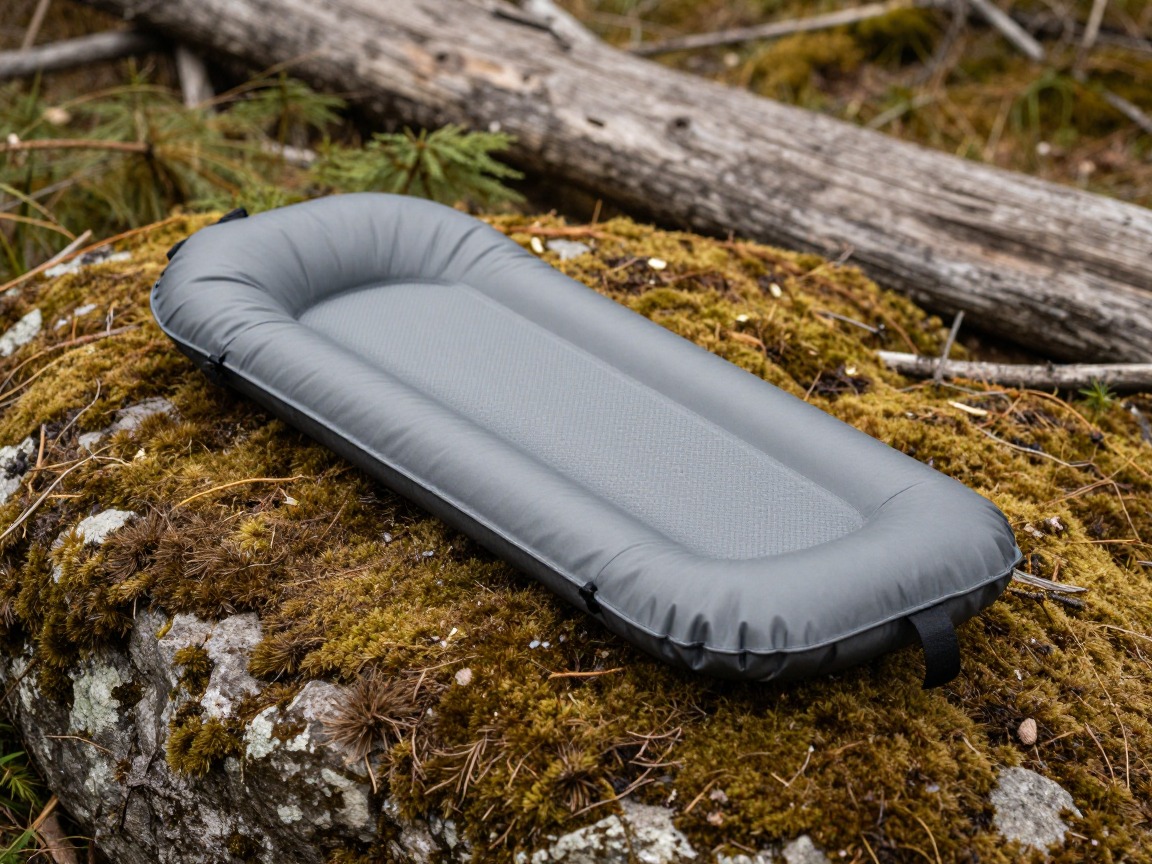
Sleeping pad
Cushions you from mixed sand and rock, and adds a little insulation even on a warm night.
What to look for: Moderate R-value is usually enough here; prioritize comfort, packed size and a quiet fabric over heavy cold-weather insulation.
 FUN PAC Camping Sleeping Pad Check price
  Gear Doctors® Ether 17.5oz Ultralight Camping Sleeping Pad Check price
  Oramoose 4in Ultralight Camping Sleeping Pad with Pillow and Foot Pu Check price
 - Earplugs (creek noise and a busy campground both carry at night)
Swim gear for the falls & creek
The falls are the whole point of the trip, and reaching some of them means wading, swimming, or a wet, slick descent — pack for the water as deliberately as you pack for the trail.
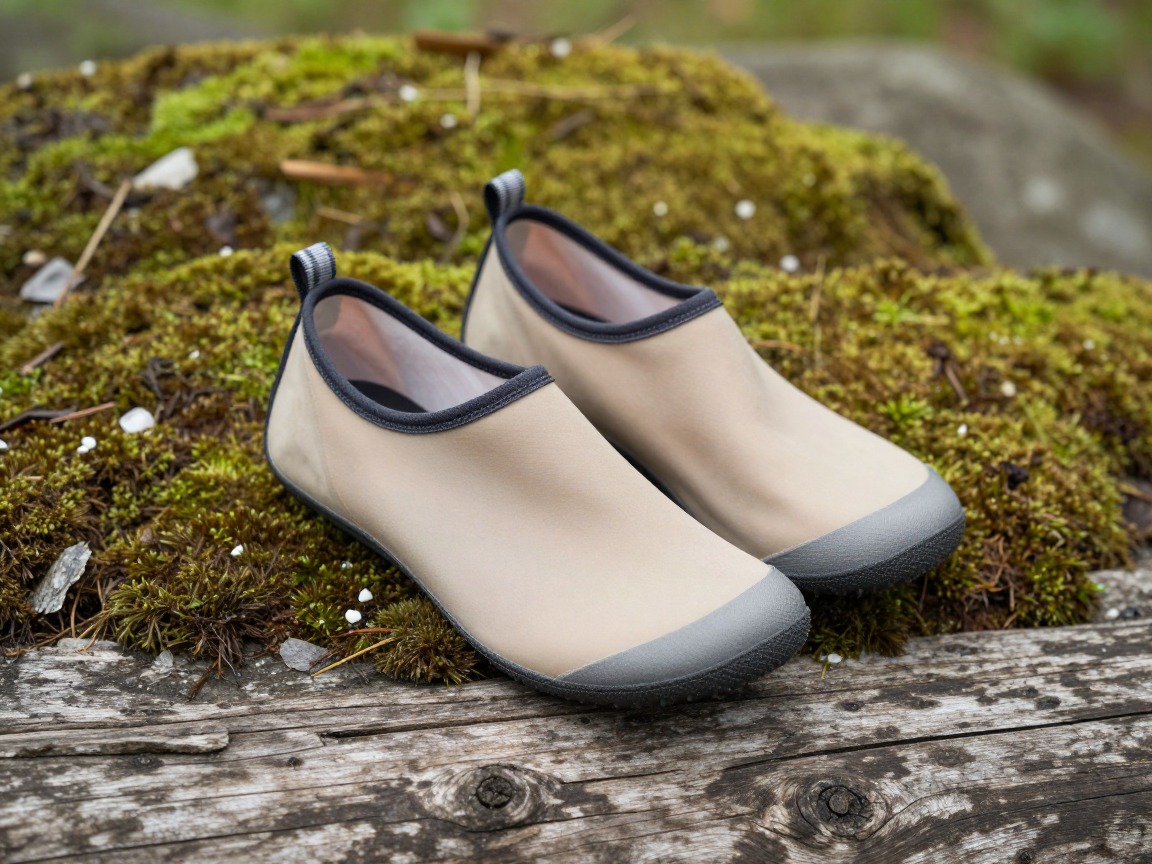
Water shoes
Protects your feet on slick travertine, submerged rock and the chain-and-ladder descent to Mooney Falls, where hiking boots and bare feet both struggle.
What to look for: A snug, secure fit with a strap or heel that won't pull off in current, real grip on wet rock, and quick drainage so they don't stay waterlogged in your pack.
 SEEKWAY Water Shoes for Women Adult Quick-Dry Aqua Sock Barefoot Men Check price
  Water Shoes Mens Women Barefoot Shoes Quick-Dry Aqua Outdoor Sports Check price
 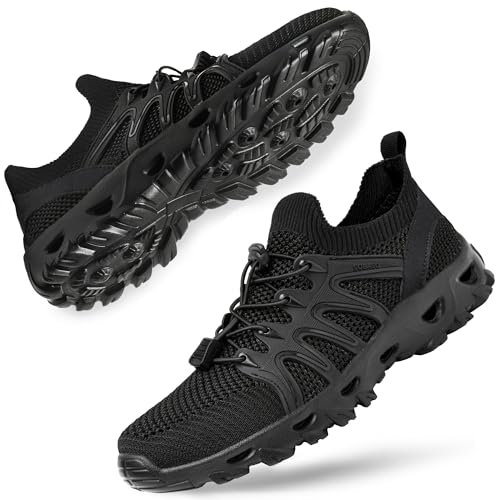 Alibress Water Shoes for Women Men Lightweight Men's Water Hiking Sh Check price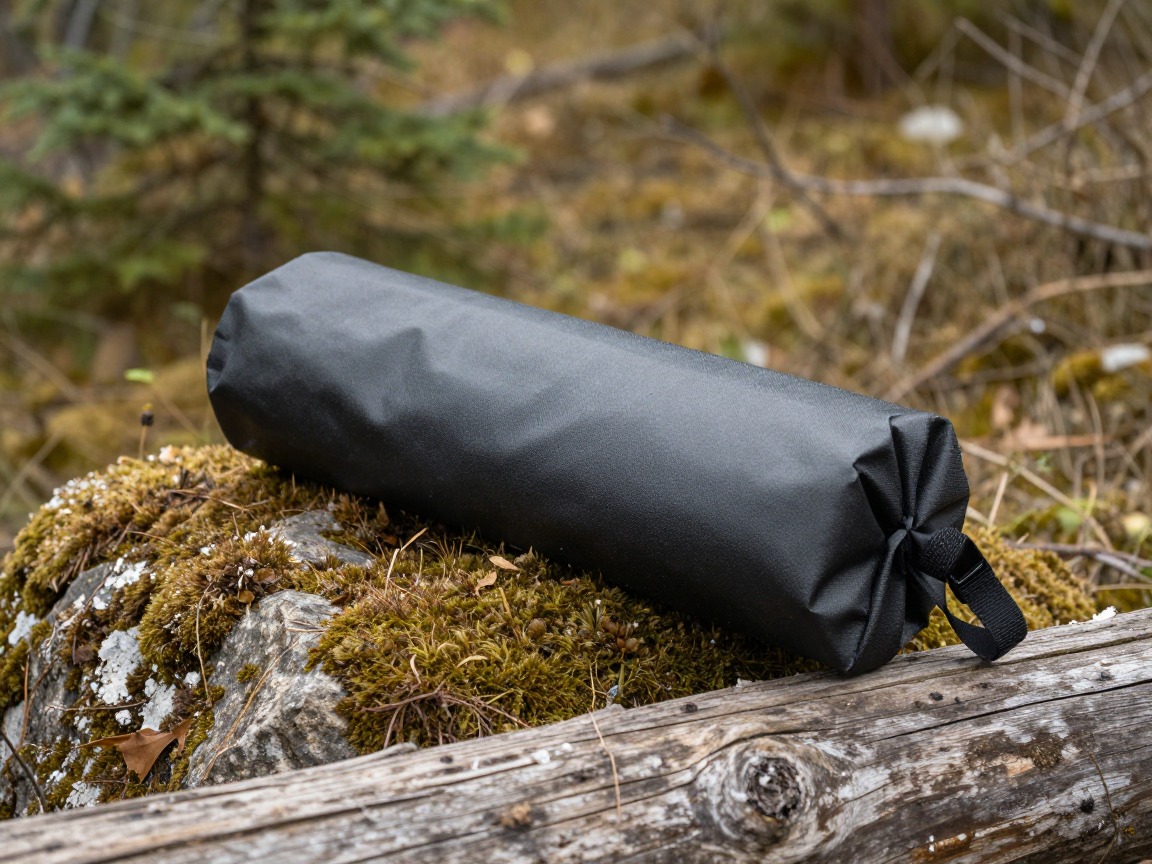
Small dry bag
Keeps your phone, camera or anything else you don't want soaked safe while you're wading, swimming, or down at Mooney Falls.
What to look for: A size that fits just what you're carrying to the water each day, a reliable roll-top seal, and a bright color that's easy to spot on a towel or ledge.
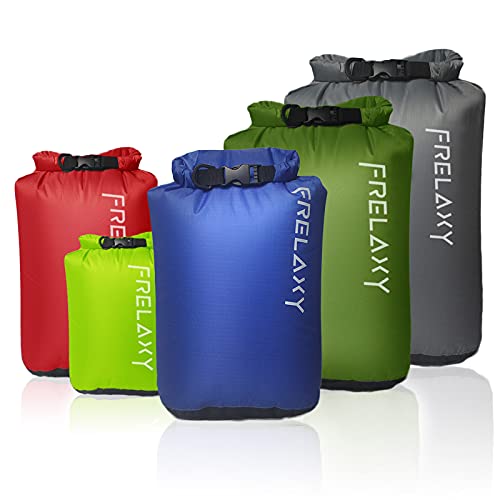 Frelaxy Dry Bag 5 Pack Check price
  ILZAR 6PCS Dry Bags Waterproof Check price
 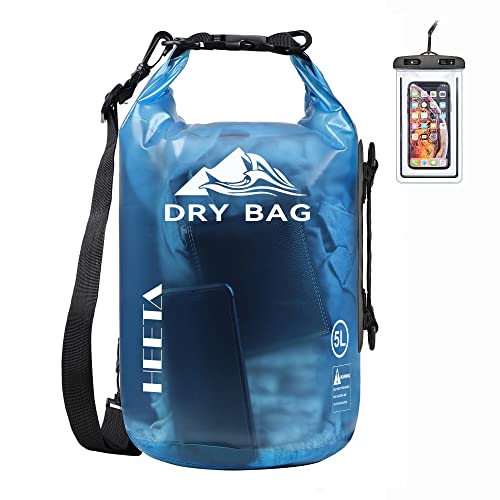 HEETA Dry Bag Waterproof Backpack with Phone Case Check price
 - Swimsuit and a quick-dry towel
- A soap-free routine near the pools — soap and sunscreen residue damage the travertine formations
Sun, heat & the climb out
There's almost no shade on this trail, and the final climb back to Hualapai Hilltop is the hardest mile of the whole trip — plan for heat in both directions.
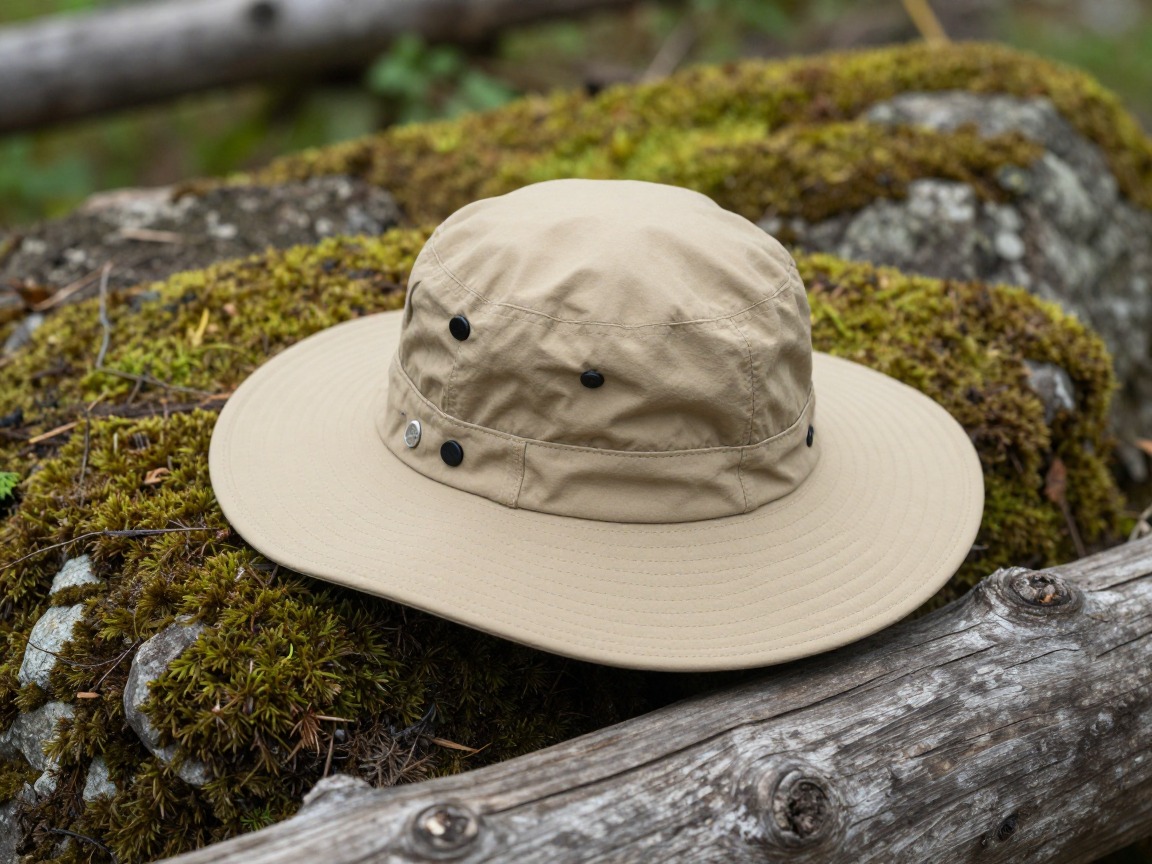
Wide-brim sun hat
Shades your face and neck through miles of fully exposed switchbacks and wash where there's no natural shade at all.
What to look for: A wide brim to cover your neck, a chin cord for the wind on the switchbacks, and a light color that reflects rather than absorbs heat.
 FURTALK Womens Sun Hat with Ponytail Hole Beach Hiking Summer Wide B Check price
 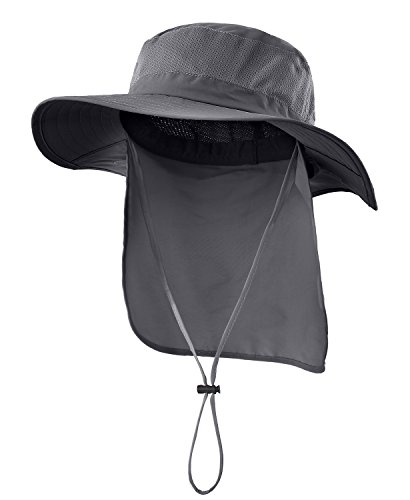 Home Prefer Outdoor UPF50+ Mesh Sun Hat Wide Brim Fishing Hat with N Check price
  FURTALK Sun Hats for Men Fishing Hat UPF Protection Wide Brim Bucket Check price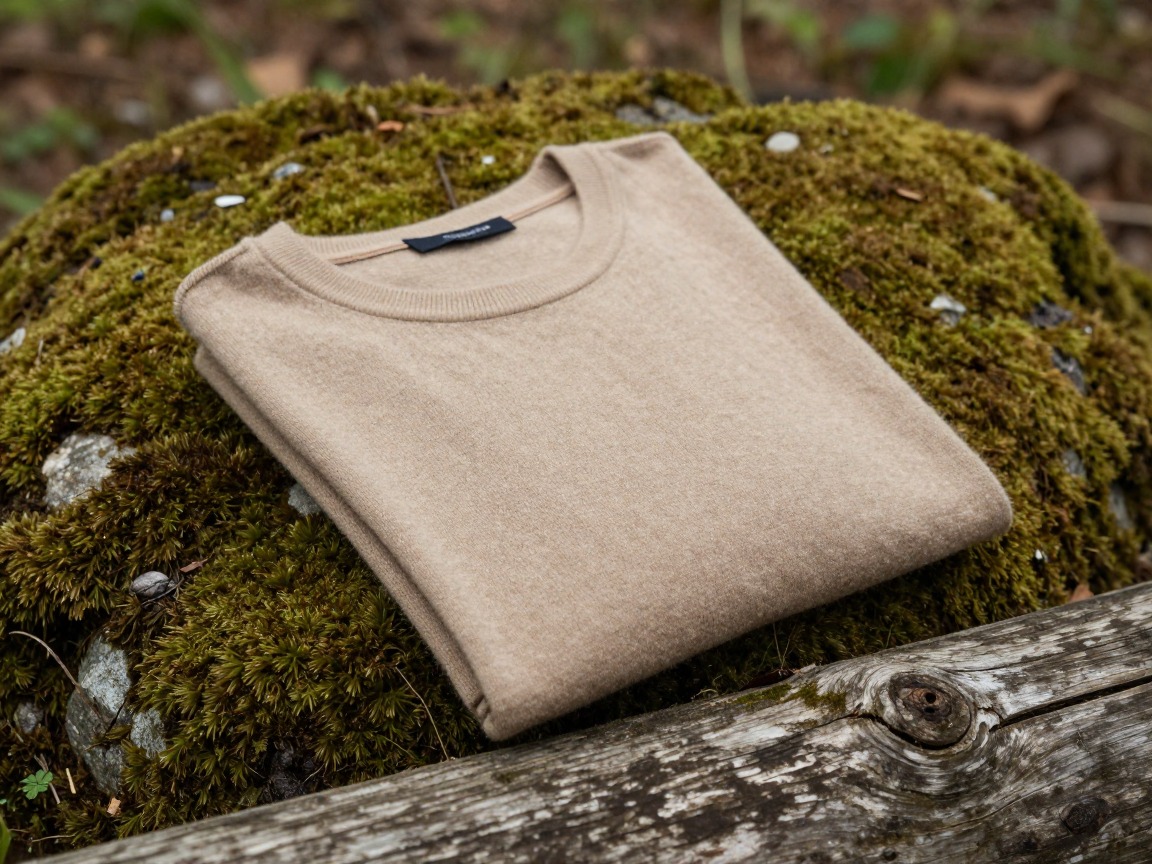
Sun hoodie
A lightweight, long-sleeve hooded layer blocks direct UV on the hike in and out, when the canyon offers you no shade to hide in.
What to look for: UPF-rated fabric, a loose fit that moves air, and thumbholes to cover the backs of your hands on the exposed sections.
 100% Merino Wool Base Layer Men Set - Thermal Underwear for Men Long Check price
  Merino.tech Merino Wool Base Layer Women Set - Heavyweight Check price
  100% Merino Wool Base Layer Men Set - Thermal Long Underwear with Ba Check price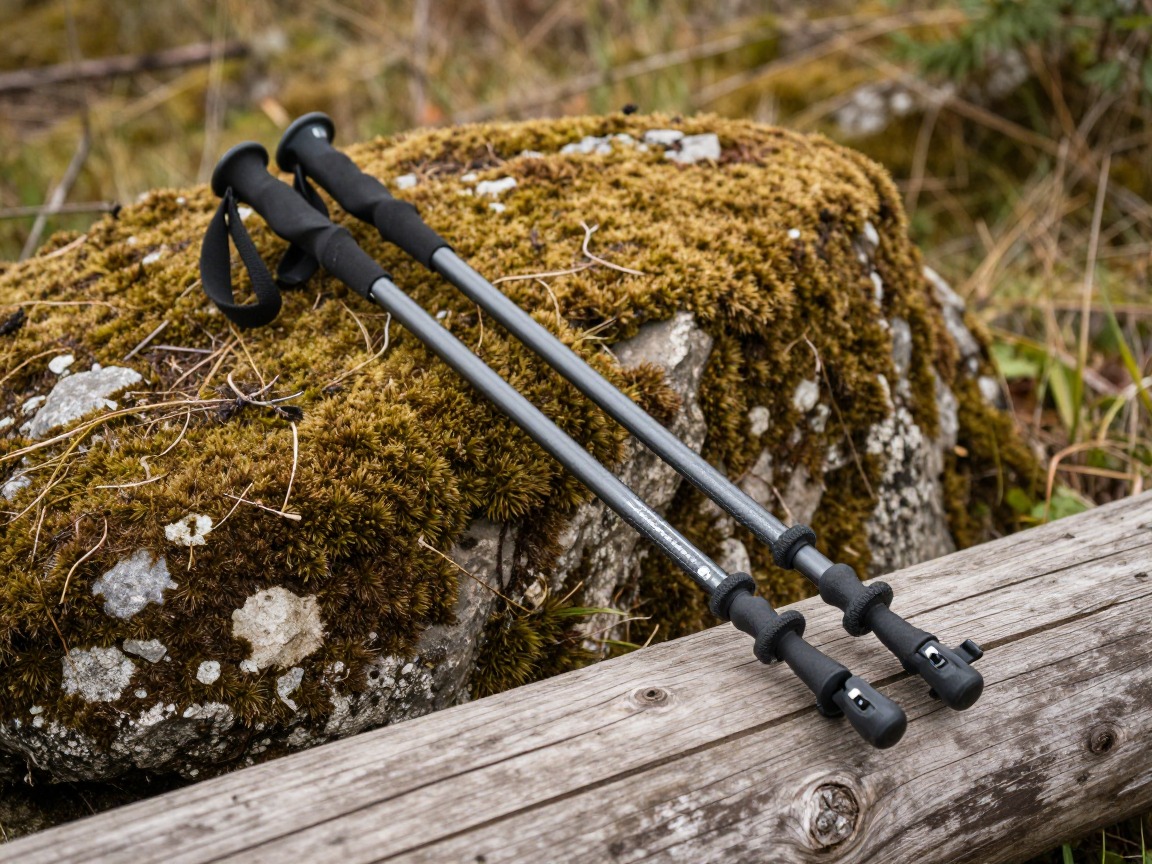
Trekking poles
Take real strain off your knees on the steep switchback descent, and give you something to lean into on the long climb back out.
What to look for: Sturdy locks that hold under load and tips that survive rock and hardpack — you'll use them hard in both directions.
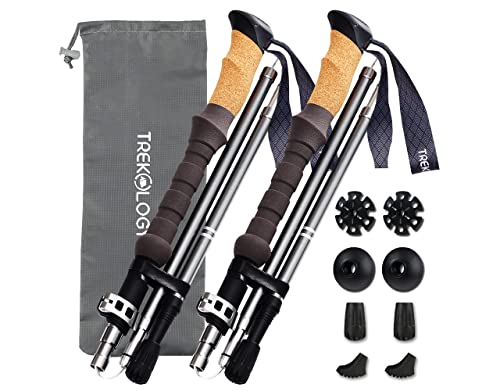 Trekology Trek-Z Cork Grip Collapsible Lightweight Hiking Trekking P Check price
 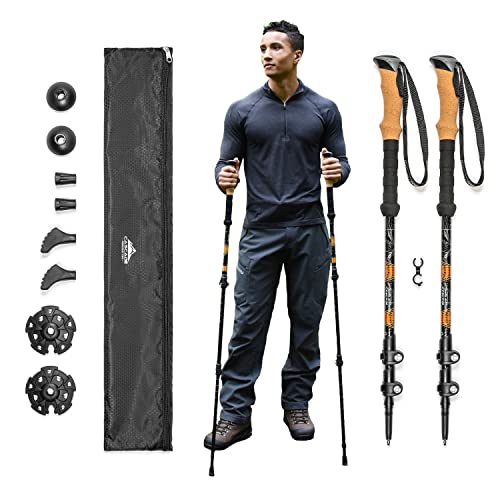 Cascade Mountain Tech Trekking Poles Check price
 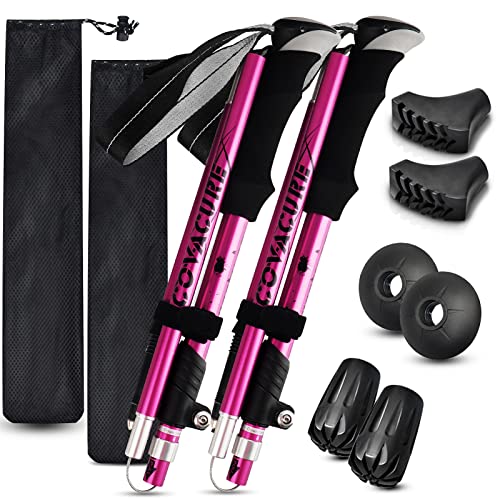 covacure Hiking Poles Check price
 - Sunglasses
- High-SPF sunscreen & SPF lip balm
- A buff or neck gaiter
Food, critters, safety & pack-out
There's no cell service in the canyon and no trash pickup at camp — plan your safety net and your food storage before you go, and carry every scrap of trash back out.
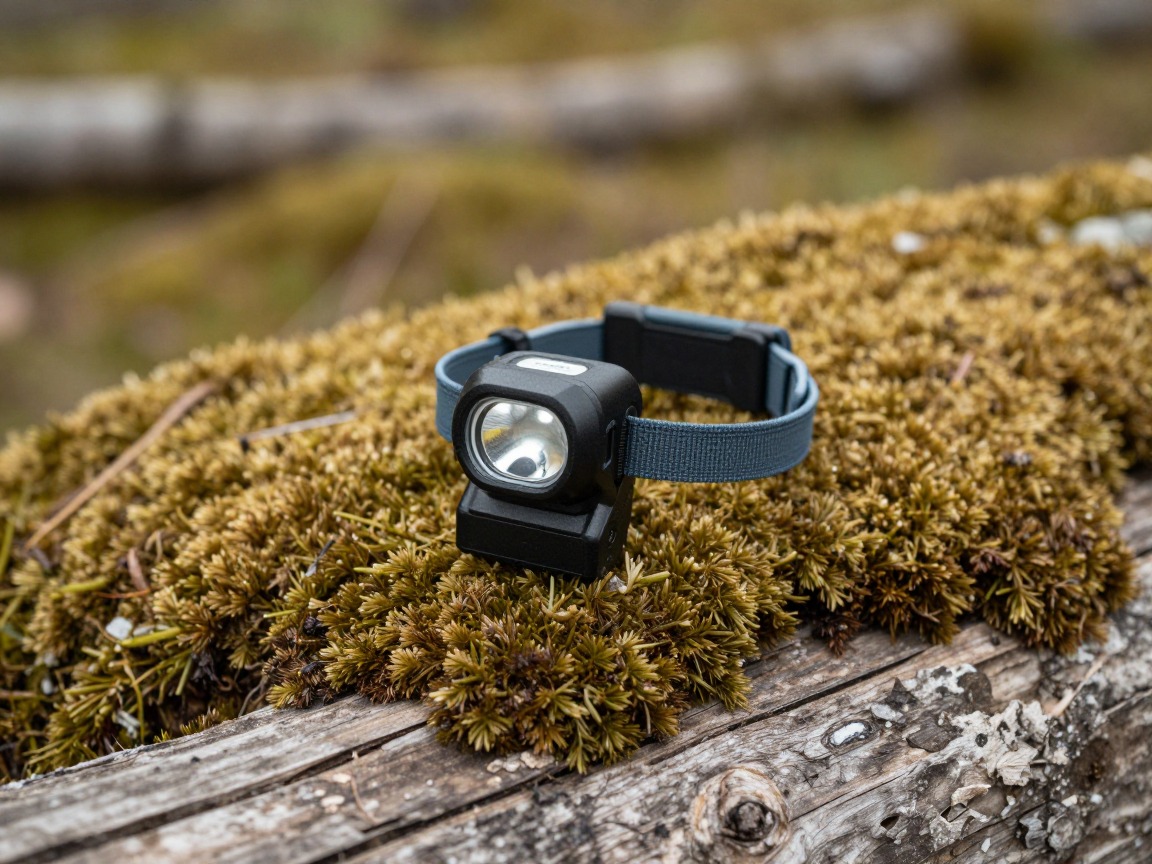
Headlamp
Essential for a pre-dawn start on the climb out, camp chores after dark, and an early walk to the tunnel or chains at Mooney Falls.
What to look for: Enough brightness for switchback navigation in the dark, a red mode for camp, and spare batteries or a charge — heat is hard on batteries here too.
 LHKNL Headlamp Flashlight Check price
 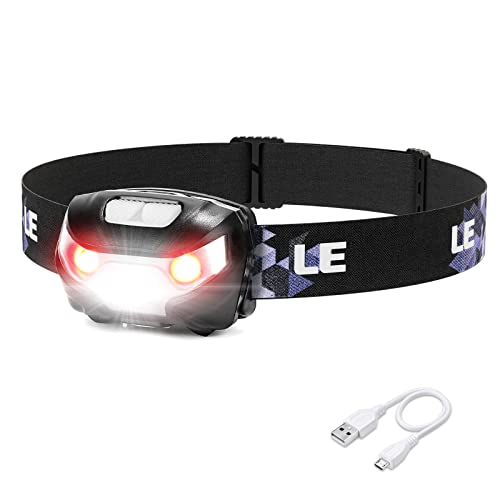 Lepro LED Headlamp Rechargeable IPX4 Waterproof Headlight 5 Modes - Check price
 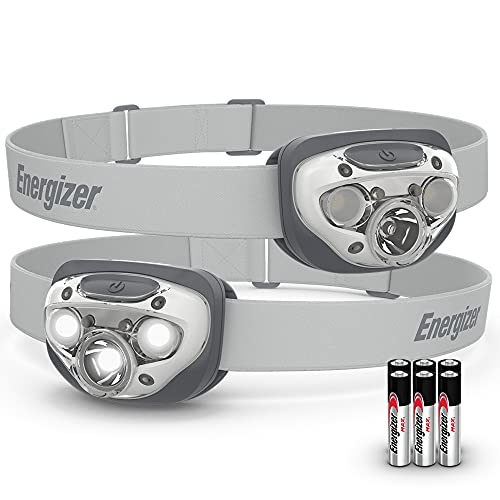 Energizer LED Headlamp PRO Check price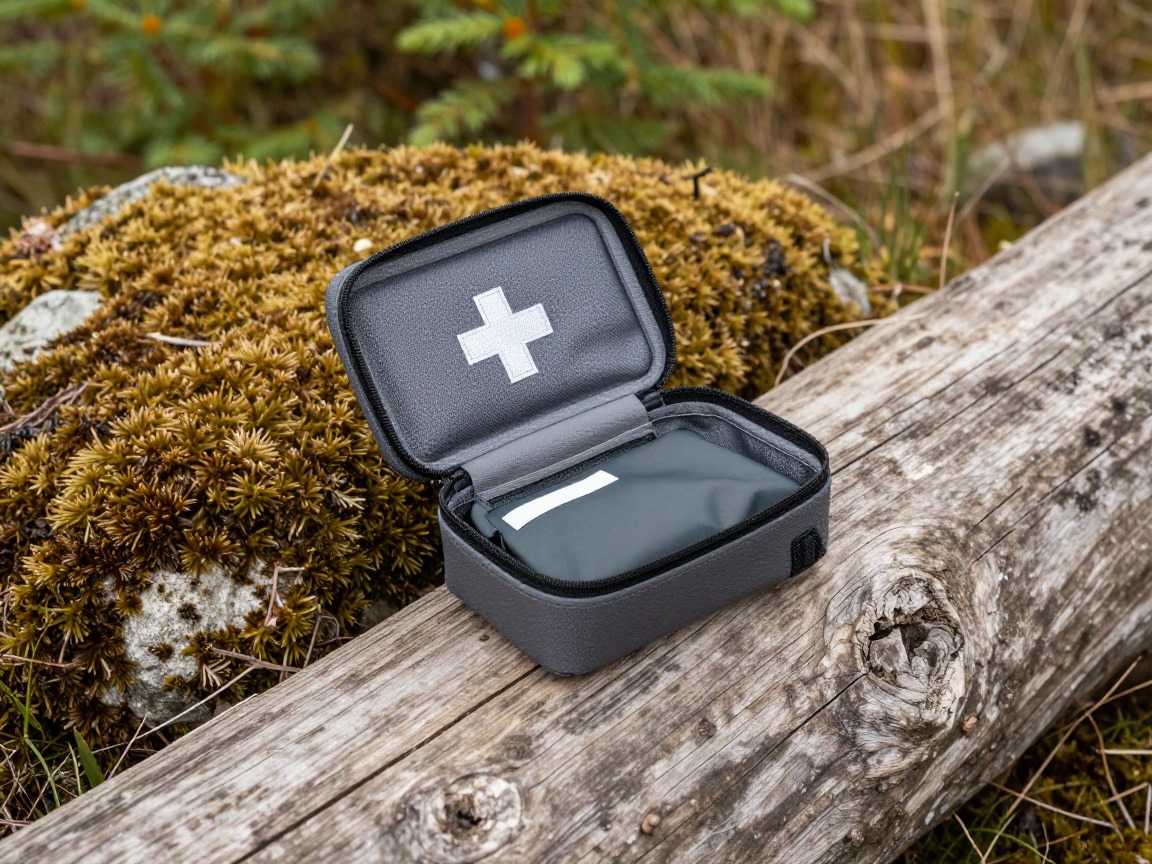
First-aid kit
Covers blisters, cuts on wet rock, and the basics for a ten-mile hike each way, with the judgment to recognize heat illness before it becomes serious.
What to look for: A compact kit weighted toward blisters and cuts, room for your own medications, and a working knowledge of early heat-illness signs — get to shade and cool off at the first signs, and treat confusion or collapse as a call for emergency help immediately.
 Mini First Aid Kit - 150 Piece Small Waterproof EVA Hard Shell Case Check price
  Adventure Medical Kits Ultralight/Watertight Medical Kit .5 Check price
 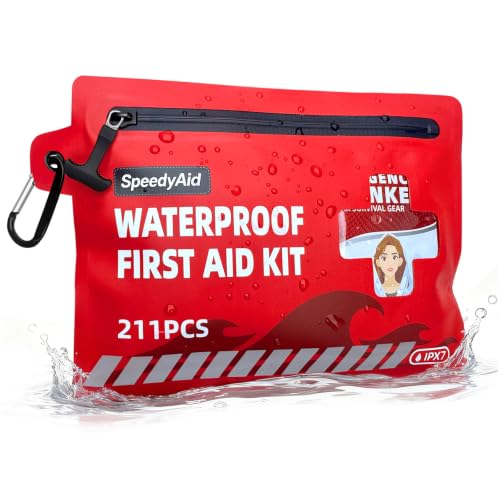 211 PCS Waterproof First Aid Kit Check price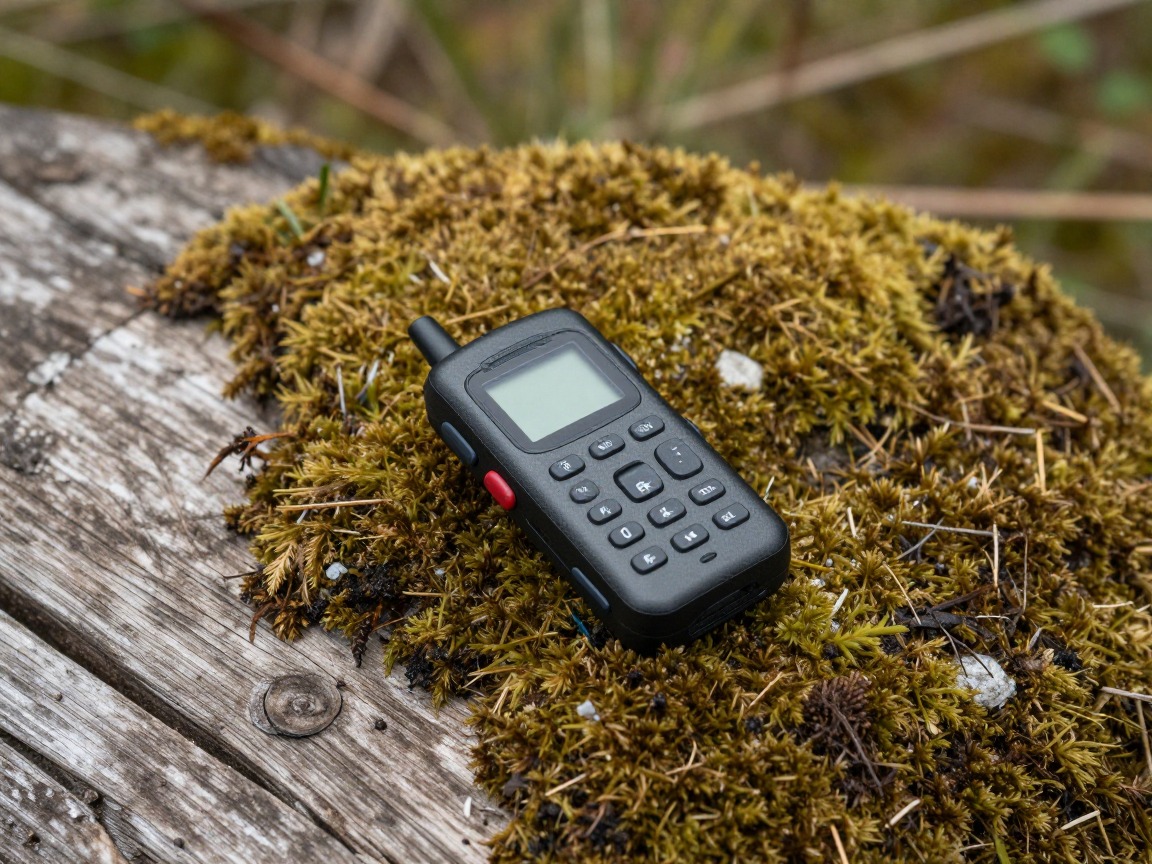
Satellite messenger
The canyon has no cell service, so this is your line to help if something goes wrong on the trail or at camp.
What to look for: Two-way messaging so you can confirm help is actually coming, and battery life that covers the full trip without a recharge.
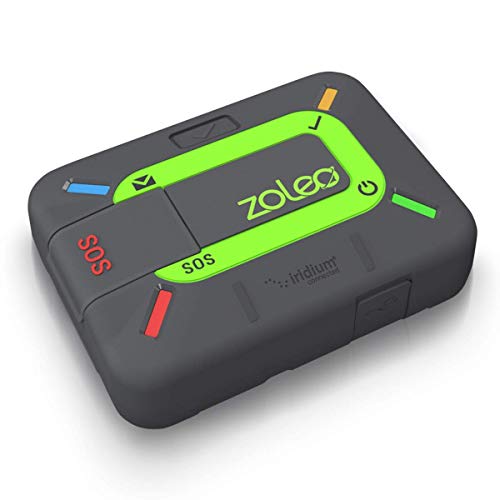 ZOLEO Satellite Communicator Check price
  Garmin inReach® Messenger Satellite Communicator Check price
  Garmin inReach® Mini 2 Check price
 - Sturdy, already broken-in trail shoes or boots for the ten-mile hike
- Hiking socks
- Critter-resistant food storage — ravens and squirrels are bold and persistent at camp
- Trash bags for a full pack-out (there is no trash service at Supai or the campground)
- Map or offline GPS of the route
- Whistle
- Phone + power bank
How to adapt this setup
Both are optional services booked separately from your camping reservation, for hauling gear or people in or out. Treat them as a possible bonus, not a guarantee, and still pack as though you're carrying everything yourself.
If your reservation covers it, an extra day opens up Beaver Falls — a further, mostly unshaded hike from camp — so add a day of food, sun protection and water capacity to cover it.
Summer afternoons can bring sudden thunderstorms and real flash-flood risk in the canyon. Watch the sky, know the higher ground near your site, and follow any tribal ranger guidance on weather or trail conditions immediately.
Lighter sun and water needs, but the exposed switchbacks and long wash still deserve full sun protection — and camp can still turn cool after dark, so don't drop the warm layer entirely.
Split shared gear like the tent and first-aid kit across packs, but make sure every person still carries their own water, sun protection and a way to call for help if the group gets separated.
Common mistakes to avoid
- Planning the trip before securing an actual confirmed reservation — there is no walk-up or day-hike option.
- Treating the climb out like just another desert hike and starting it in full midday heat instead of at first light.
- Over-packing cold-weather insulation for what's usually a fairly mild canyon-floor night, and carrying the extra weight for nothing.
- Hiking to the pools or descending to Mooney Falls in trail shoes instead of proper water shoes on slick, wet travertine.
- Washing with soap or letting sunscreen rinse directly into the pools, which damages the fragile travertine formations.
- Assuming there's trash service at Supai or the campground and packing out only some of what you brought in.
Make it yours
Frequently asked questions
How long is the hike to Havasu Falls?
About ten miles each way from the Hualapai Hilltop trailhead — roughly eight miles down exposed switchbacks and a long sandy wash to Supai village, then another couple of miles to the campground between Havasu and Mooney Falls.
Do I need a permit for Havasu Falls?
Yes. Every visitor needs a confirmed overnight camping reservation booked directly through the Havasupai Tribe before they go. There's no day-hiking and no walk-up entry, and dates for the season typically sell out within hours of opening.
What shoes do I need for Havasu Falls?
Sturdy, already broken-in trail shoes or boots for the ten-mile hike itself, plus separate water shoes for wading, swimming and the chain-and-ladder descent to Mooney Falls, where wet travertine gets genuinely slick.
How do I keep my food safe from wildlife at Havasu campground?
Ravens and squirrels are bold and persistent around any unattended food. Use a critter-resistant bag or container, keep food out of reach when you're not right there, and never leave a pack open at your site.
Can I use a mule or helicopter to carry my gear to Havasu Falls?
Yes, both are offered as separate, optional services from the camping reservation itself, for hauling gear or people in or out. Treat them as a possible bonus rather than a guarantee, and pack as if you're carrying everything yourself.
Illustrative images show the type of gear, not specific products. Recommendations link to similar items on Amazon; we only ever link real listings and never show fabricated prices or ratings. General planning guidance, not a substitute for your own judgment or professional backcountry-safety instruction.