
The geocaching day hike setup
Geocaching turns a regular hike into a treasure hunt: a GPS coordinate leads you to a hidden container, you sign the log, maybe trade a small trinket, and re-hide it exactly where you found it. This is a complete geocaching day-hike setup — the navigation tools that get you there, the small kit for actually working a cache, and the standard day-hike safety gear that still matters once the trail behind you disappears.
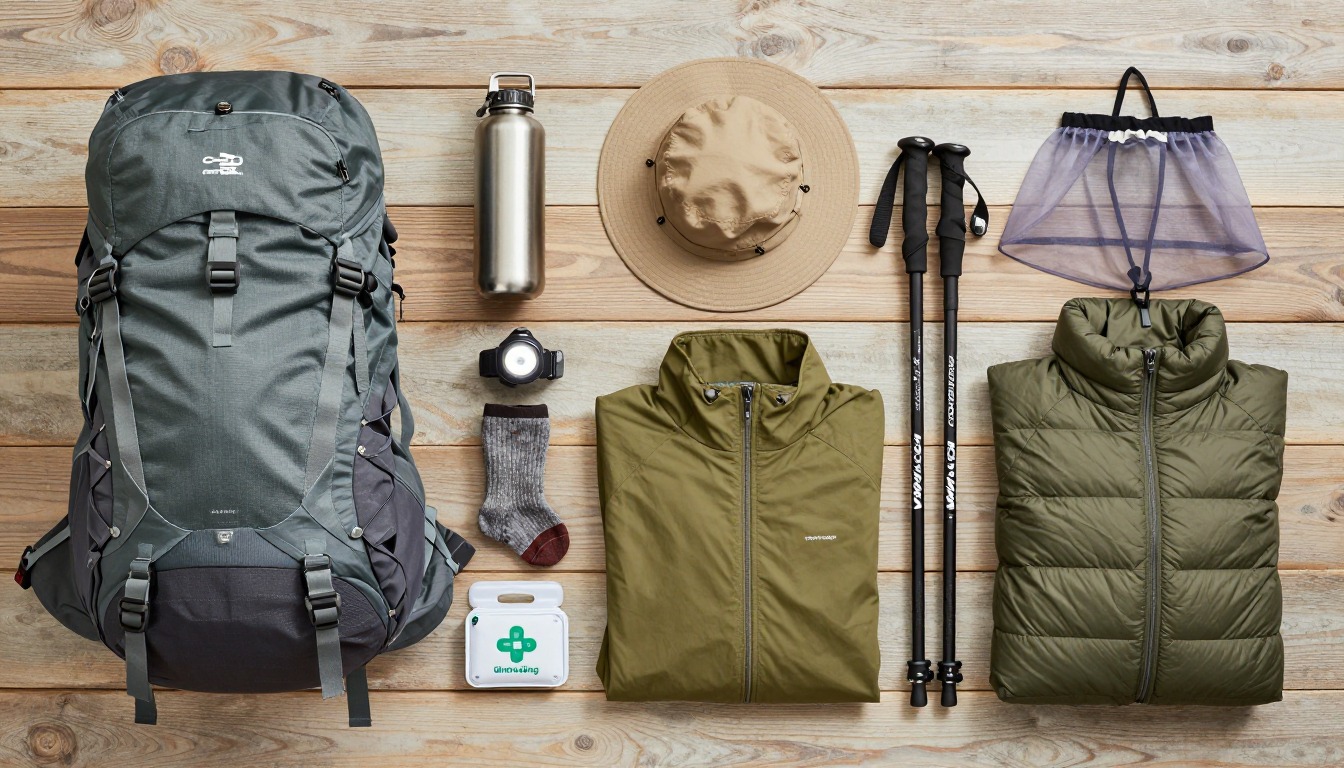
A geocaching kit is built around two things a normal day hike doesn't need: reliable navigation with backup power, since you'll be checking a GPS or app far more often than a hiker just following a trail, and a small cache kit — pen, tweezers, trade items — for actually working a hide once you find it. Everything else is the same day-hike safety net as any other outing, because chasing a cache off-trail through brush or over uneven ground is real hiking, even if the destination is a hidden container instead of a summit.
Anyone hunting caches on a day hike, from a family working a park's cache trail to a solo hiker using geocaching as a reason to explore a new trail system. It suits caches reachable within a few hours of a marked trailhead and cell coverage. If you're chasing remote backcountry caches well beyond cell service, treat it like a longer backcountry trip rather than a standard day hike and add the redundancy that goes with one.
- Start with a day pack that has an easy-access pocket for the phone or GPS you'll be checking constantly.
- Add reliable navigation with backup power — a dead phone with no offline map is the single most common geocaching fail.
- Pack a small cache kit — pen, tweezers, trade items — sized to actually work a hide once you find it.
- Round out with the same water, sun, weather and first-aid basics any day hike needs, since bushwhacking to a cache is still real trail time.
About this setup
A geocaching GPS or app narrows a cache down to a fairly small search area, but civilian GPS accuracy is usually only good to within several yards — it gets you close, then your eyes do the rest. That's normal, not a sign anything's wrong, and it's why the search phase (scanning likely hiding spots: the base of a tree, under a rock ledge, behind a guardrail post) matters as much as the GPS arrow itself. It's also why a dead phone is such a common trip-ending problem: screen-on navigation, plus stopping to check the app every few minutes, burns through a battery far faster than simply following a trail, which is the entire reason a backup power bank belongs in this kit.
Working a cache has its own small etiquette. Every cache has a logbook, and signing it — with your own pen, since plenty of caches run out of one or never had one to begin with — is the actual point of the find, more than any trinket inside. If a cache holds trade items, the norm is trading up or even, never just taking; nano and micro caches are usually logbook-only, with a tightly rolled paper log that a pair of tweezers makes much easier to extract and re-roll without tearing. Re-hide the container exactly as you found it, and many geocachers carry an extra trash bag to practice Cache In, Trash Out — packing out litter near a hide as a small trail-maintenance habit.
The part of geocaching that catches people out isn't the cache — it's the ground between the trail and it. Plenty of hides sit a short scramble off the marked path, through brush, over deadfall or down a slope, and it's easy to follow the GPS arrow further off-trail than you realize while your attention is on the screen instead of your surroundings. Treat any off-trail stretch like real hiking: note a landmark or two before you leave the trail, know roughly which direction gets you back to it, and set a turnaround time before you start searching. None of this needs to be complicated, but a phone battery and a GPS signal are not a substitute for paying attention to where you actually are.
The daypack & digital trail
Geocaching means checking a screen constantly, so the pack and the navigation setup underneath it matter more than on a normal hike.
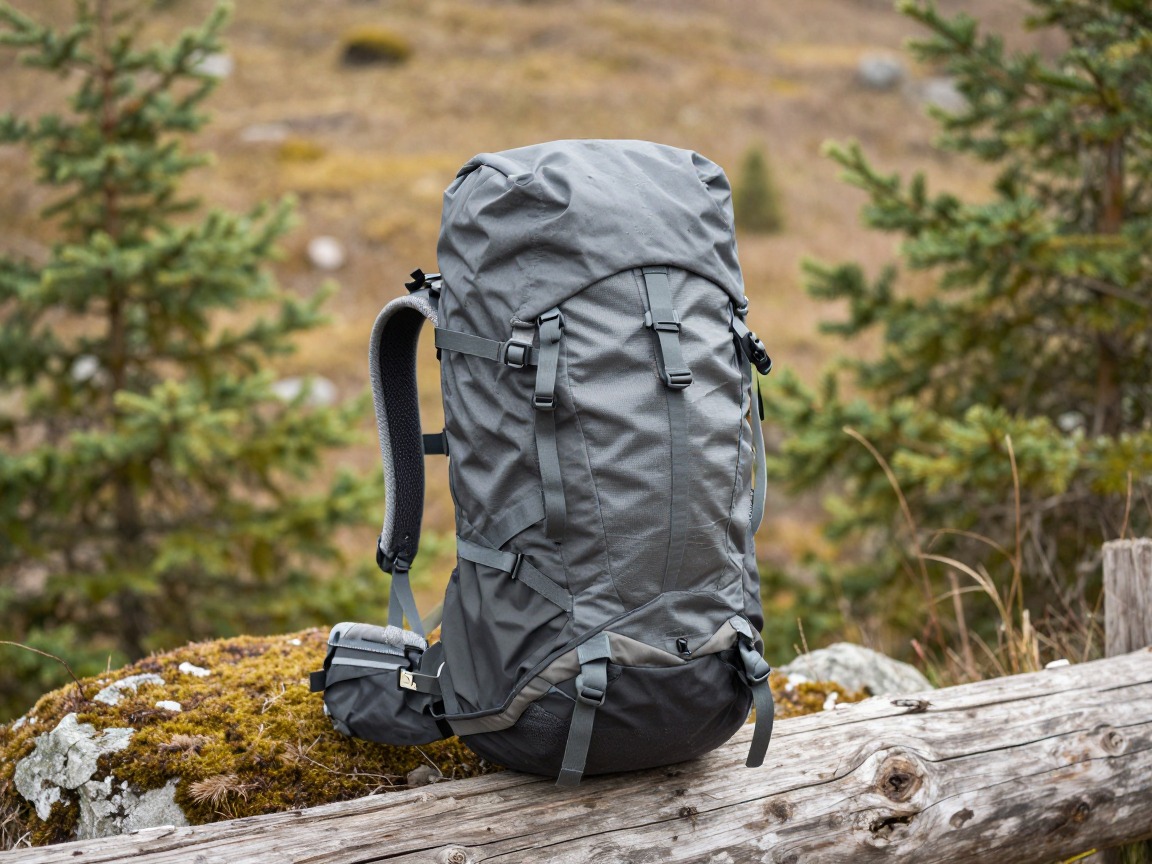
Geocaching daypack
Carries your phone or GPS, the cache kit, water and the standard day-hike safety gear — everything you need for a day of hunting caches on and off the trail.
What to look for: 15–25 L is plenty, with an easy-access outer pocket for the phone or GPS you'll be checking constantly, and a hip belt so the weight doesn't nag at you on longer approach trails.
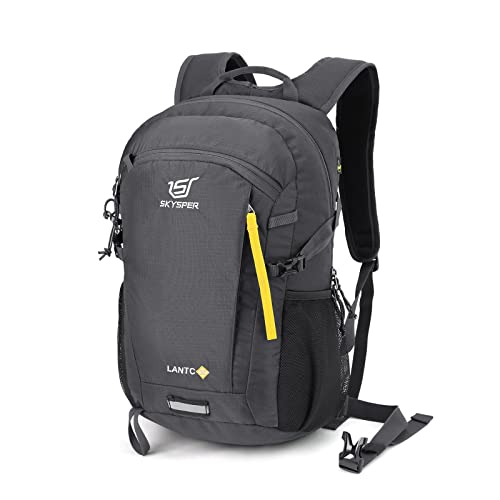 SKYSPER Small Hiking Backpack Check price
  Osprey Sportlite 20L Lightweight Hiking Backpack Check price
 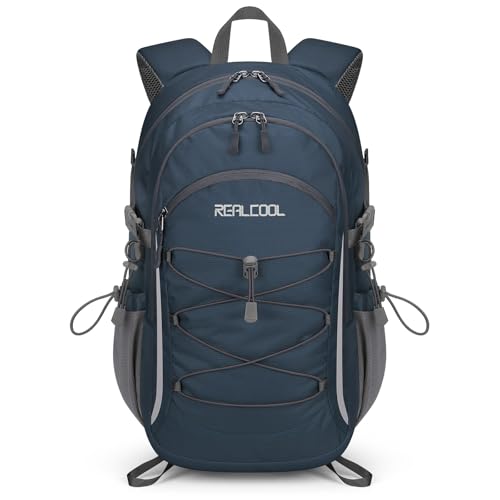 RealCool 20L Lightweight Hiking Backpack Check price
 - GPS unit or smartphone with a geocaching app (Geocaching.com, Cachly, or similar) with the day's caches downloaded
- Backup power bank and a charging cable — GPS apps and a bright screen drain a phone far faster than normal trail navigation
- Offline maps downloaded, plus cache coordinates and hints written down as a paper backup
- Spare batteries, if you're carrying a dedicated handheld GPS unit instead of a phone
Sun, bugs & trail comfort
Geocaching means a lot more standing still in the open scanning for a hide, and more stepping off-trail into brush, than regular hiking.
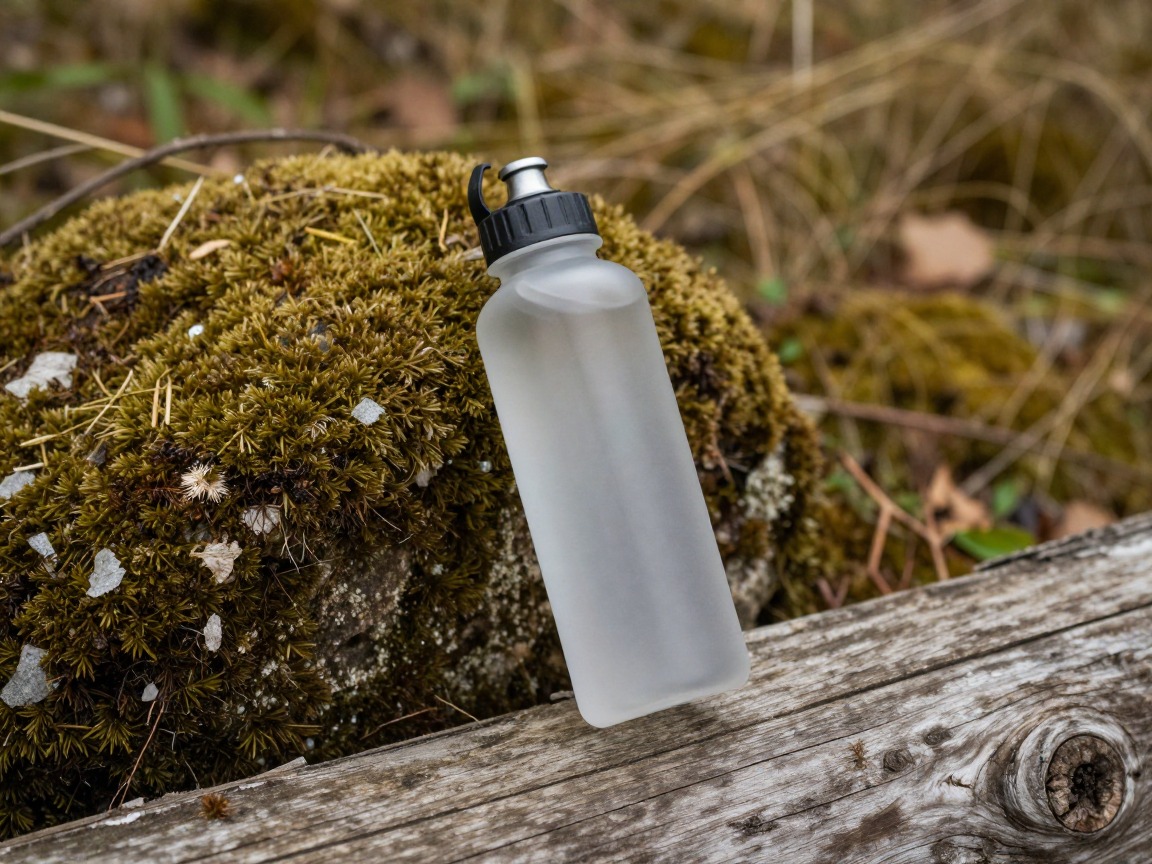
Water bottle
Simple hydration for a day that often runs longer than planned — geocaching trips have a way of turning 'one quick find' into several hours on trail.
What to look for: A tough, wide-mouth bottle that's easy to refill and quick to grab one-handed while your other hand is holding a phone or GPS.
 Nalgene 32 oz Wide Mouth Water Bottle Check price
  Nalgene 32 oz Wide Mouth Water Bottle Check price
  Nalgene 32 oz Wide Mouth Water Bottle Check price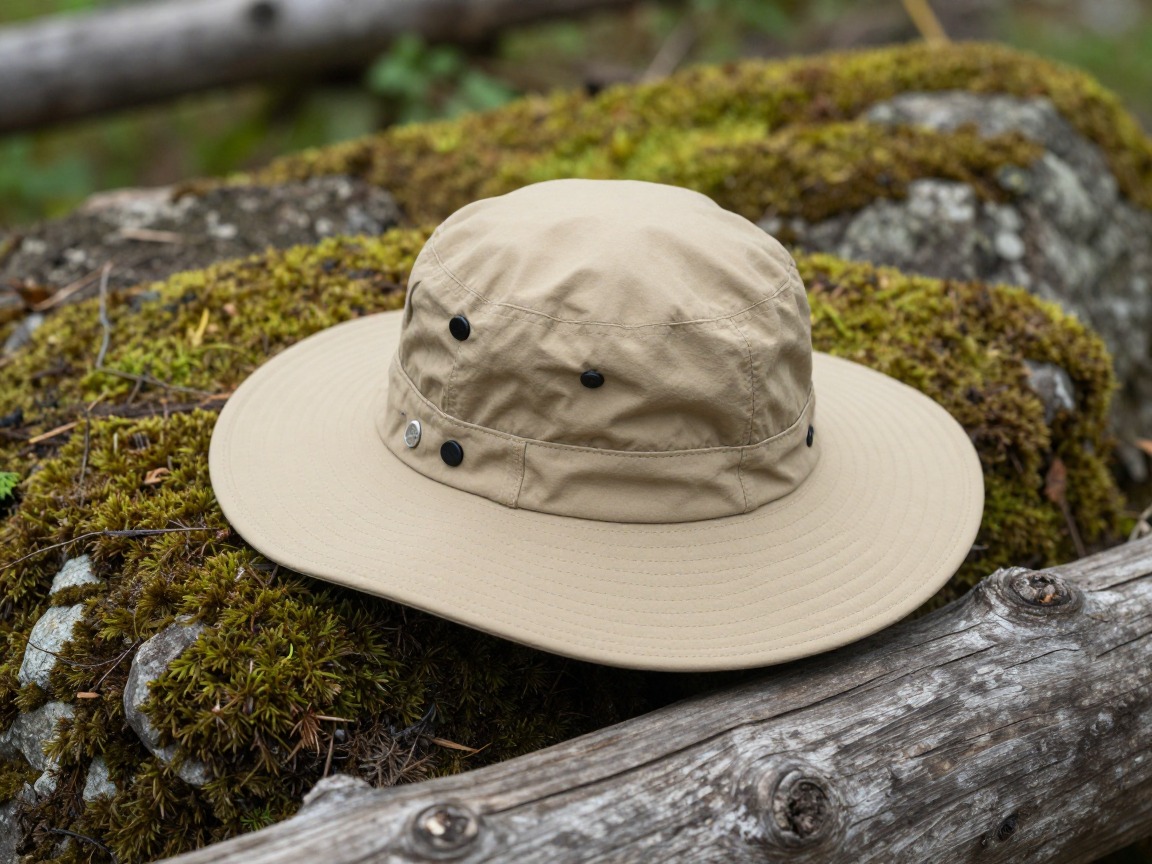
Sun hat
Shades your face and neck while you're stopped scanning tree branches, rock piles and guardrails for a hidden container — geocaching involves a lot more standing still in the open than steady hiking.
What to look for: A brim wide enough to actually block sun, breathable fabric, and a fit secure enough not to blow off mid-search.
 FURTALK Womens Sun Hat with Ponytail Hole Beach Hiking Summer Wide B Check price
 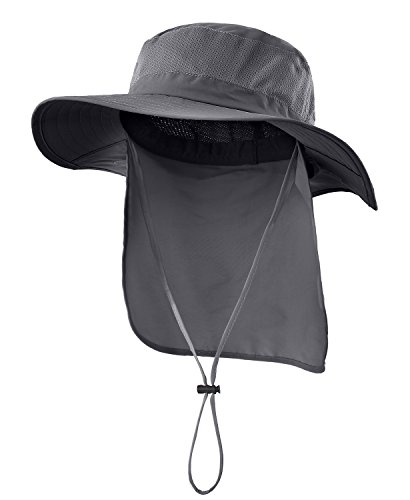 Home Prefer Outdoor UPF50+ Mesh Sun Hat Wide Brim Fishing Hat with N Check price
  FURTALK Sun Hats for Men Fishing Hat UPF Protection Wide Brim Bucket Check price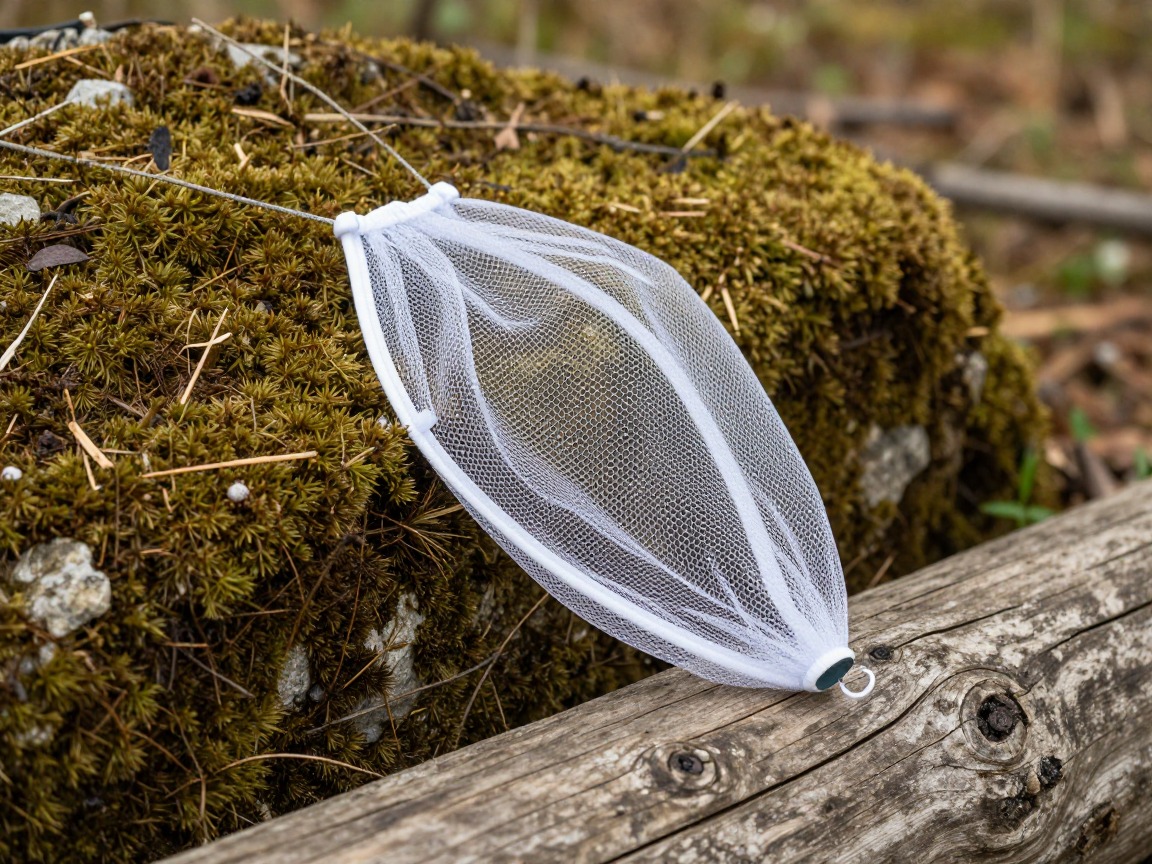
Bug protection
A layer or repellent that covers you while you're pushing through brush and standing in tall grass looking for a cache — exactly where ticks and mosquitoes wait.
What to look for: A DEET or picaridin repellent, or permethrin-treated clothing, plus long sleeves and pants you can tuck in if the caches you're chasing sit in brushy or wooded spots.
 South to East Mosquito Head Net for Insects 2 Pack Check price
  2 Pack Mosquito Head Net Mesh for Hiking & Outdoors Check price
 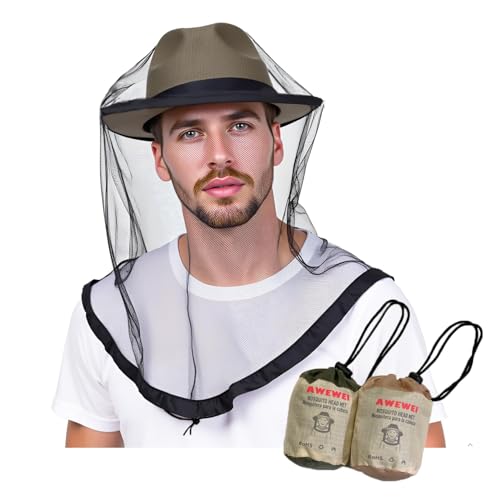 AWEWEI Mosquito Head Net Check price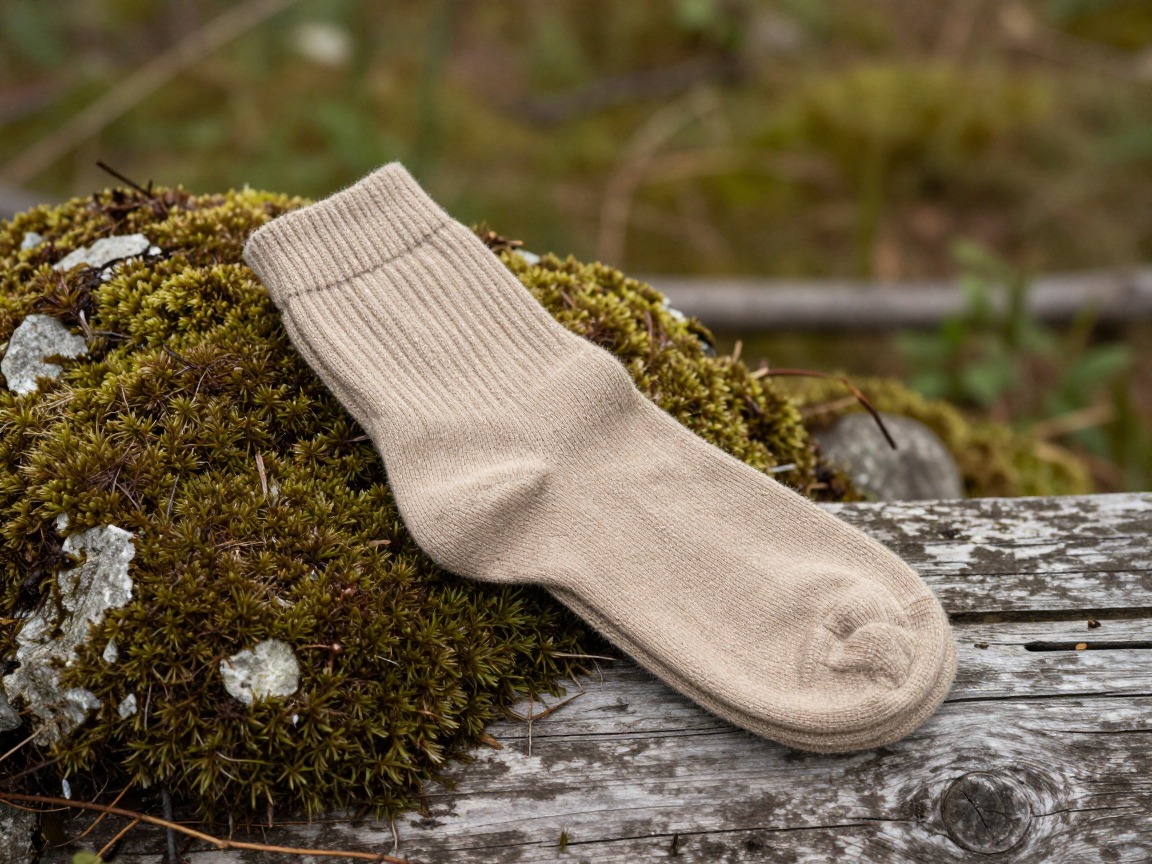
Hiking socks
A dry, comfortable pair matters more on a geocaching day, since you'll be stepping off-trail into mud, leaf litter and creek edges that regular hikers walk past.
What to look for: Wool or a synthetic blend, never cotton — a wet sock from a creek crossing or muddy detour chills your foot and starts a blister fast.
 Alvada Merino Wool Hiking Socks Thermal Warm Crew Winter Boot Sock F Check price
  DANISH ENDURANCE Merino Wool Socks for Men & Women Check price
  innotree 3 Pack Men's Merino Wool Hiking Socks Check price
 - Sunscreen and SPF lip balm
- Moisture-wicking shirt and pants that hold up to pushing through brush
- Snacks and a lunch — geocaching days run longer than planned once you start chasing 'just one more'
The cache kit — tools & trade
Finding the cache is only half the job; working it properly takes a small kit of its own.
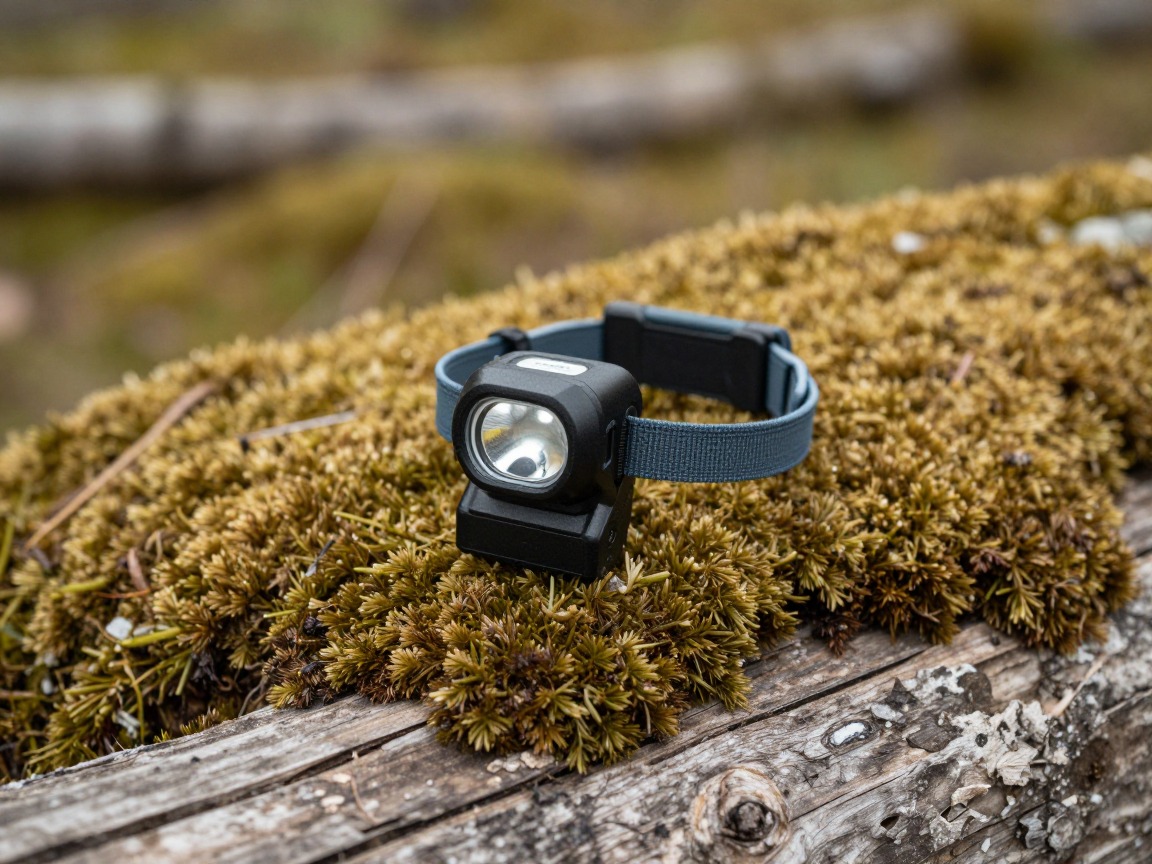
Headlamp
Caches hide in dark spots — under root balls, inside hollow logs, at the back of culverts and guardrail ends — and a light beats squinting with your phone's flashlight while you're holding a GPS in the other hand.
What to look for: Hands-free and bright enough to actually see into a dark gap, with a simple on/off and a lock mode so it doesn't switch on and drain in your pack.
 LHKNL Headlamp Flashlight Check price
 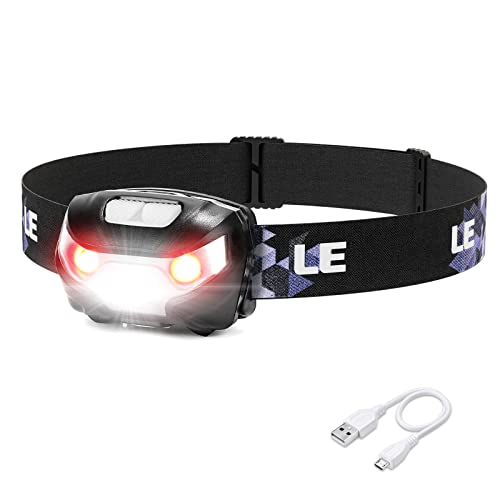 Lepro LED Headlamp Rechargeable IPX4 Waterproof Headlight 5 Modes - Check price
 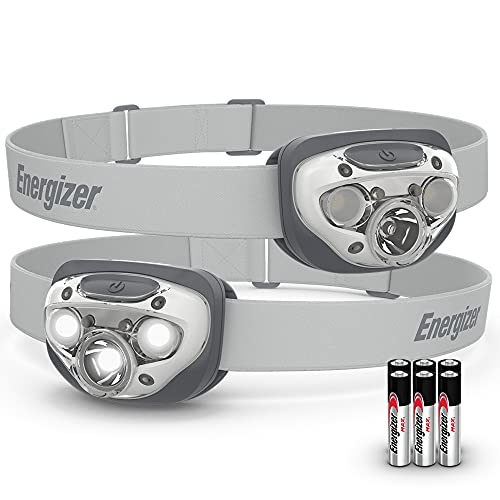 Energizer LED Headlamp PRO Check price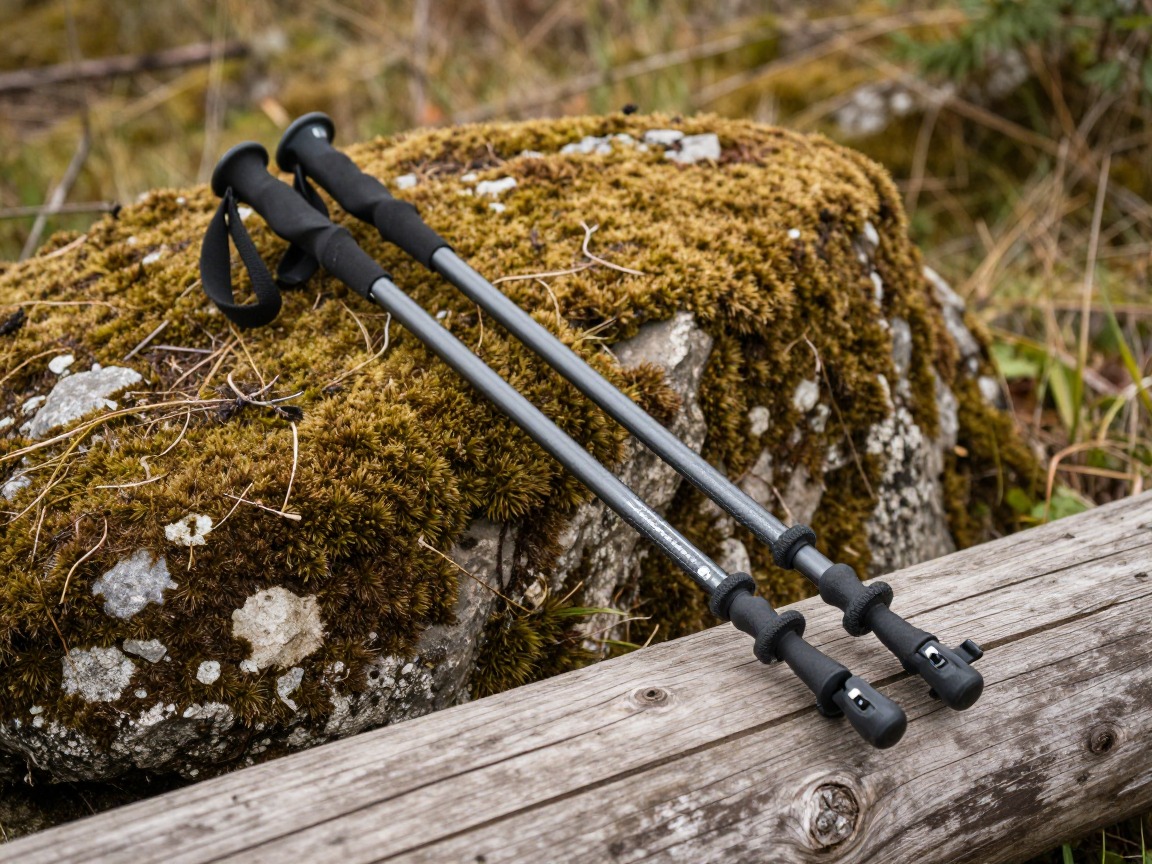
Trekking poles
Steadies you on the uneven, off-trail ground that bushwhacking to a cache often involves — loose slopes, log crossings and leaf-covered footing that regular hikers avoid.
What to look for: Adjustable length, comfortable grips, and locks that hold under load — useful for probing leaf litter or brush at a hide site as much as for balance.
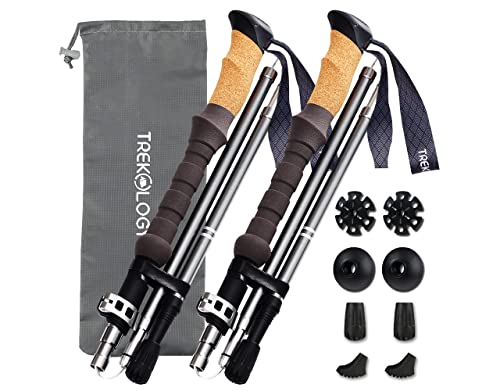 Trekology Trek-Z Cork Grip Collapsible Lightweight Hiking Trekking P Check price
 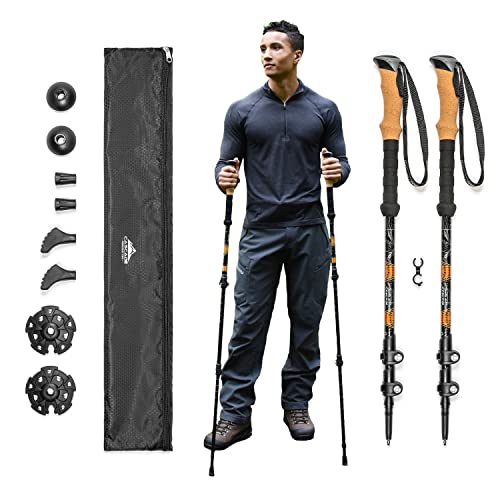 Cascade Mountain Tech Trekking Poles Check price
 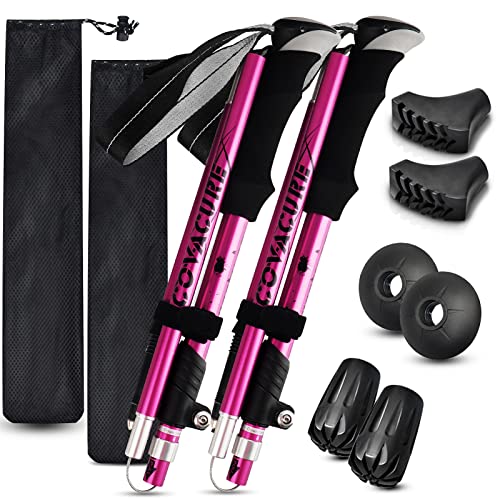 covacure Hiking Poles Check price
 - A pen — most cache logs are paper, and plenty of hiders forget to leave one inside, or it's dried out
- Tweezers or small forceps for extracting a tightly rolled log from a micro or nano cache without tearing it
- Small trade items of equal or greater value than what you take, sized for a standard ammo-can or lock-and-lock cache
- A zip-close bag to keep the logbook dry when you re-hide the cache
- A small notebook or your phone's notes app to log finds and any hints worth remembering
Safety & staying found off-trail
The part of geocaching that catches people out isn't the cache itself — it's the ground between the trail and the cache.
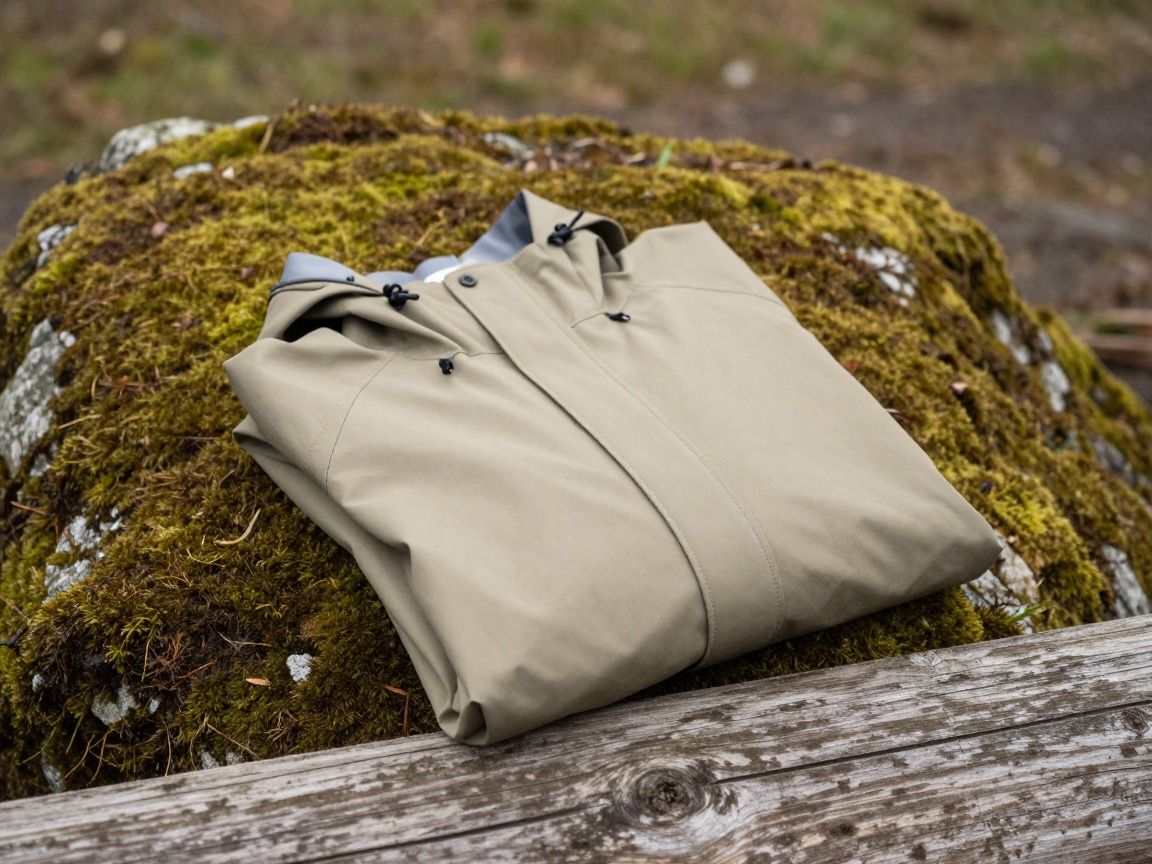
Rain shell
A packable waterproof layer for weather turning while you're focused on the hunt instead of the sky — easy to miss when you're staring at a GPS arrow.
What to look for: Waterproof and breathable, with a hood, and small enough packed that you always bring it along.
 UIQUR Mens Rain Jacket Raincoat Waterproof Windbreaker Black L Check price
  COOFANDY Men's Waterproof Hiking Travel Shell Breathable Rain Jacket Check price
  Columbia Womens Arcadia II Waterproof Rain Jacket Check price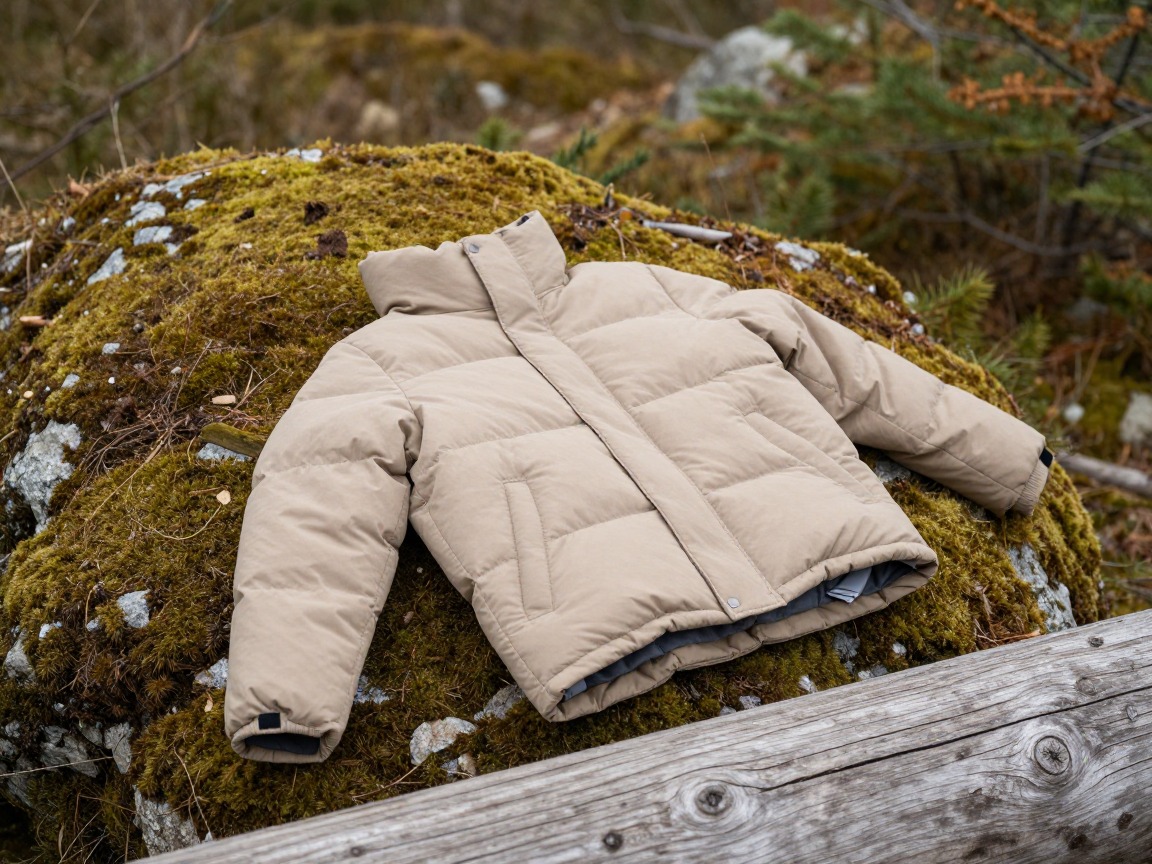
Warm layer
A light spare layer for standing still while you search — geocaching involves a lot more stopping and scanning than steady hiking, which cools you down fast.
What to look for: Packs down small, is easy to throw on at a cold search site, and is synthetic if you expect any damp.
 Outdoor Ventures Women's Packable Lightweight Puffer Jacket with Hoo Check price
  Amazon Essentials Women's Lightweight Long-Sleeve Water-Resistant Pa Check price
  Outdoor Ventures Women's Packable Lightweight Puffer Jacket with Hoo Check price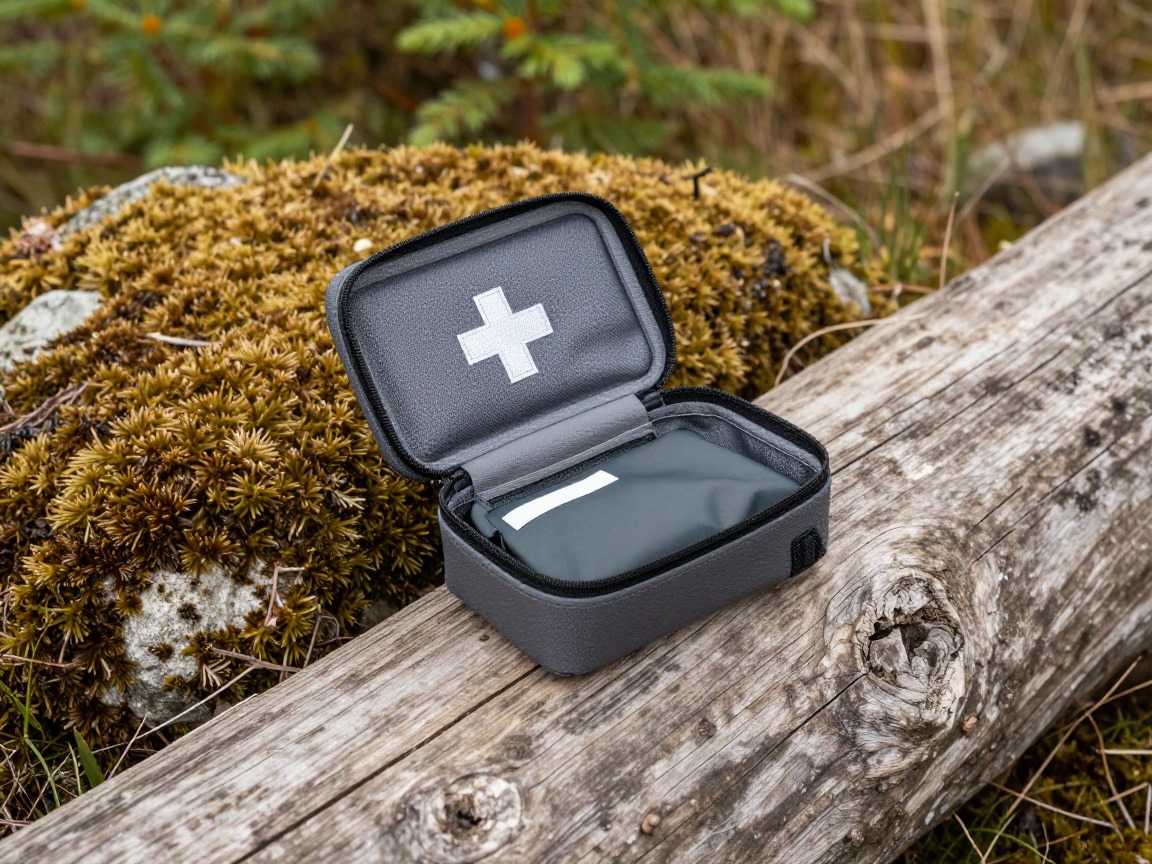
First-aid kit
A standard day-hike kit, sized for the scrapes that come with reaching into brush, under rocks and along guardrails to find a hide.
What to look for: Basics for cuts, splinters and blisters, plus enough tape and gauze for a scraped hand from a rockier-than-expected hide. Know what's in it before you need it.
 Mini First Aid Kit - 150 Piece Small Waterproof EVA Hard Shell Case Check price
  Adventure Medical Kits Ultralight/Watertight Medical Kit .5 Check price
 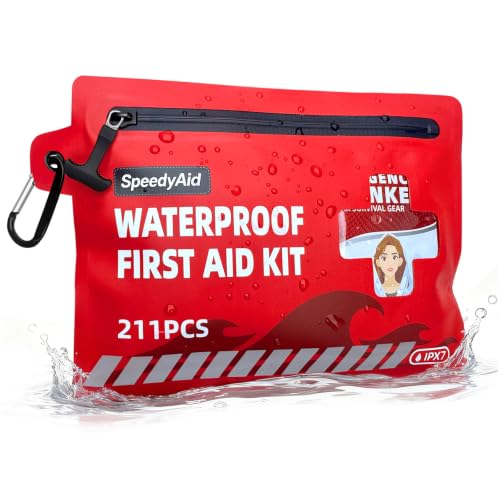 211 PCS Waterproof First Aid Kit Check price
 - A whistle
- A clear turnaround or bail-out time set before you start bushwhacking toward a cache
- Tell someone which caches you're chasing and when you expect to be back
- A mental note of a landmark and your route in before you leave the marked trail — the GPS arrow points at the cache, not at the trail behind you
How to adapt this setup
Sticking to an easy, marked cache trail with kids? Trim the off-trail safety margin and lean toward the family day-hike list — let each kid carry their own mini pack with a pocket for trade items.
Chasing caches well beyond cell coverage means treating it like a backcountry trip, not a day hike — add more water and redundancy, and tell someone your full route, not just your trailhead.
Hunting mostly tiny, logbook-only hides? Lean harder on the tweezers, and skip carrying trade items you won't have anywhere to leave.
Standing still scanning brush in full sun adds up fast — prioritize water and sun protection, and start early to search during the cooler part of the day.
If the caches you're chasing sit in tall grass or dense brush, add permethrin-treated clothing and a thorough tick check at the end of the day, on top of standard bug protection.
Common mistakes to avoid
- Letting the phone battery run down from constant GPS checks with no power bank to back it up.
- Chasing the GPS arrow further off-trail than intended without noting a landmark or your way back.
- Showing up with no pen, then discovering the cache's own pen is missing or long dried out.
- Trading down — taking a better item than you leave, which sours the cache for the next finder.
- Skipping standard day-hike safety gear because the trip 'is just a short cache hunt.'
- Not re-hiding a cache exactly as found, which makes it harder for the next geocacher to spot and more visible to non-geocachers.
Make it yours
Frequently asked questions
Do I need a dedicated GPS unit for geocaching, or is a phone enough?
A smartphone with a geocaching app is enough for most day hikes, since accuracy is similar to a dedicated handheld GPS and the app also stores hints and logs. A dedicated GPS unit mainly helps with battery life and can work better without cell signal, which matters more on longer or more remote trips.
How accurate is GPS for finding a cache?
Civilian GPS is generally accurate to within several yards, not exact feet, so it gets you into the right general area rather than pointing at the exact hiding spot. Once you're close, slow down and start scanning likely hiding spots instead of watching the arrow.
What do I do if a cache doesn't have a pen inside?
Bring your own — it's common for a cache's pen to be missing, dried out, or the log itself to be full, so a pen is one of the most-forgotten essentials. A backup pencil is worth keeping in the cache kit too, since pens can run dry or freeze in cold weather.
Is it safe to bushwhack off-trail to reach a cache?
It can be, if you treat it like any other off-trail hiking: note a landmark before you leave the trail, know your general direction back, and set a turnaround time before you start. Watch your footing on uneven, brush-covered ground, and skip a hide entirely if the terrain looks genuinely unsafe.
What should I trade in a geocache?
Small, inexpensive items of similar or greater value than what you take — trinkets, stickers, small toys — work well, and nothing valuable, fragile or inappropriate for any finder. Many micro and nano caches are logbook-only with no room for trade items at all, so check the cache size before you plan to trade.
Illustrative images show the type of gear, not specific products. Recommendations link to similar items on Amazon; we only ever link real listings and never show fabricated prices or ratings. General planning guidance, not a substitute for your own judgment or professional backcountry-safety instruction.