The foraging day hike setup
A foraging day hike is a normal day hike with three things added: something to gather in, something to identify with certainty, and a clear sense of what the land allows. This is that setup, piece by piece — what each item is for, why it's built this way, and how to make it yours.
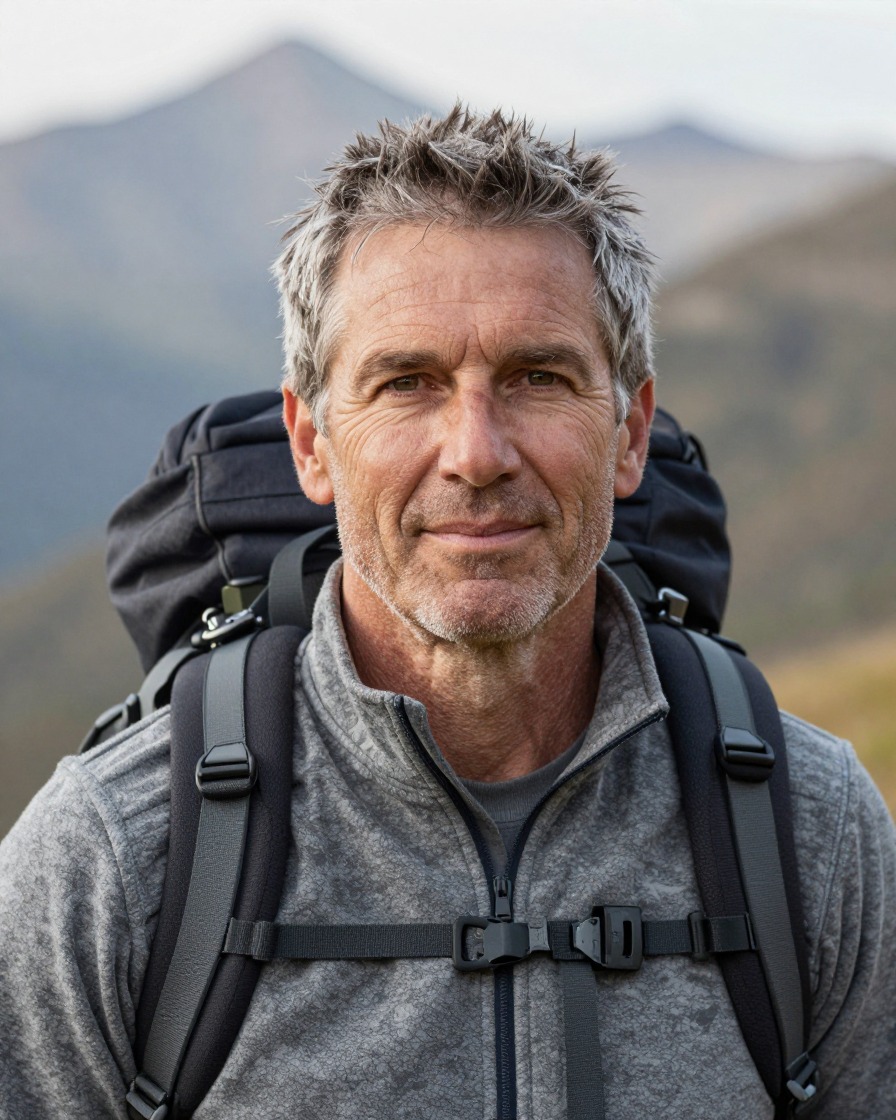
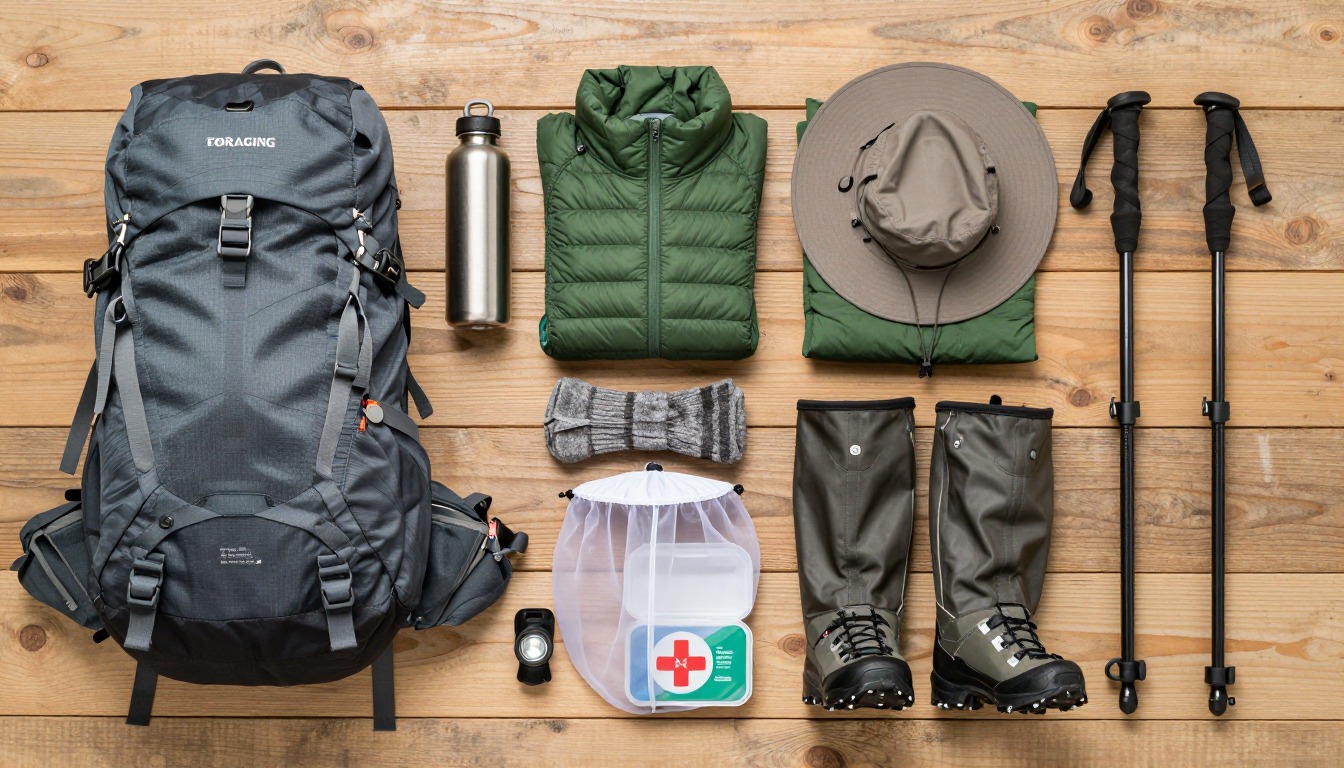
A foraging day kit is a standard day-hike kit with three additions: gear to collect with, a way to identify what you find with total certainty, and the permits and limits that keep harvesting legal and sustainable. None of it replaces expert judgment — a field guide and a good knife only support an identification that has to come from a real, confirmed source. Everything here earns its place on a normal day out, or on the day identification and legality actually matter.
Hikers who already have their day-hike basics sorted and want to add responsible foraging to a familiar trail — ideally alongside an experienced forager or a guided walk for anything you plan to eat. It's not for solo beginners eating on a guess, or for land where foraging isn't permitted — check the rules before you go.
- Start with your normal day-hike kit — pack, water, food, layers and the safety trio — this setup adds to that.
- Add the collection gear: breathable bags or a basket, and a small, sharp knife for a clean cut instead of pulling whole plants.
- Never harvest on a guess — carry a trusted field guide and confirm with an experienced forager before you eat anything.
- Check the permit and harvest rules for the land you're visiting, and set a personal limit so you leave most of it behind.
About this setup
Foraging has grown from a niche hobby into a mainstream reason to hit the trail — wild greens, berries and mushrooms connect a hike to the season and the place in a way a granola bar never will. But a foraging day hike carries a risk a straight walk doesn't: some wild plants and mushrooms are genuinely dangerous, with toxic species that closely resemble edible ones and have injured or killed experienced foragers, not just beginners. That risk isn't a reason to stay home — it's a reason to never shortcut identification.
The rule that matters more than any piece of gear: never eat anything you haven't identified with total certainty, cross-checked against more than one reliable source, and ideally confirmed by someone with real expertise. A field guide is essential, but it's a second opinion, not a verdict — an app that matches a single photo is not a substitute for expert confirmation. If there's any doubt at all, leave it where it grows.
Legality and sustainability matter just as much once you're confident in an identification. Rules vary by who manages the land: many national forests allow personal-use foraging within posted limits, national parks commonly prohibit it, and state, local and private land all set their own terms — check before you pick, not after. Sustainable foraging means taking a small fraction of any patch and leaving the rest to regrow and feed the wildlife that depends on it.
The pack
A 15–30 liter daypack works for foraging as well as it does for any day hike, with a little extra room for what you gather.
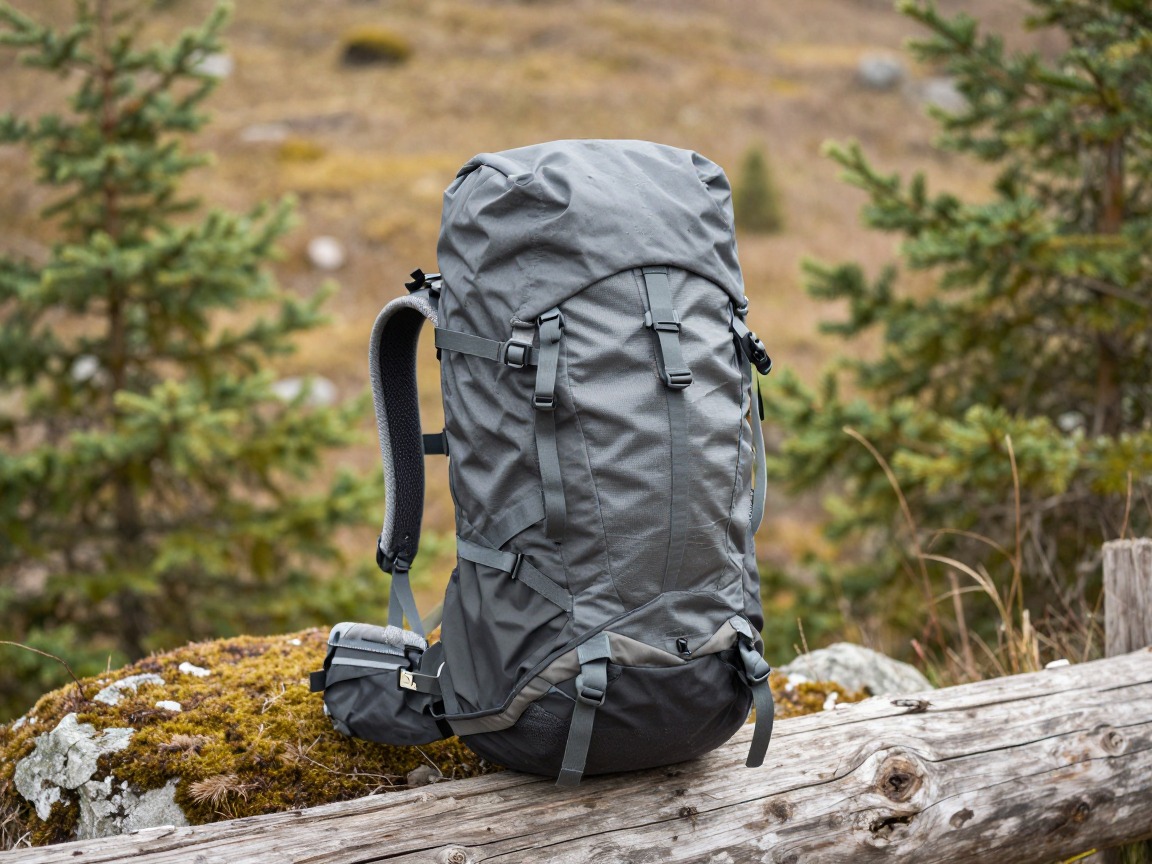
A day-sized backpack
Holds your Ten Essentials plus room to bring food home — foraging days mean more stopping and crouching than steady walking, so comfort matters.
What to look for: A supportive back panel and hip belt, a stretchy external pocket for bags and your field guide, and 18–25 L with slack for what you gather.
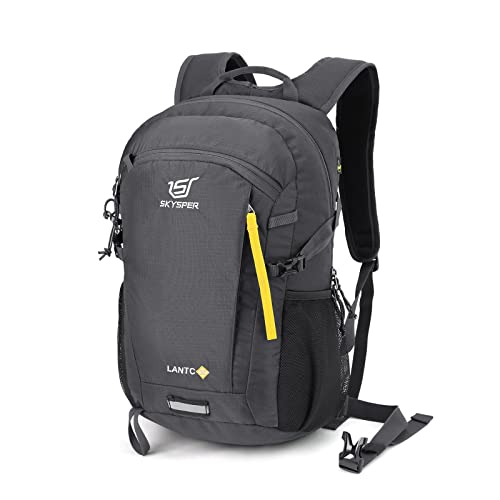 SKYSPER Small Hiking Backpack Check price
  Osprey Sportlite 20L Lightweight Hiking Backpack Check price
 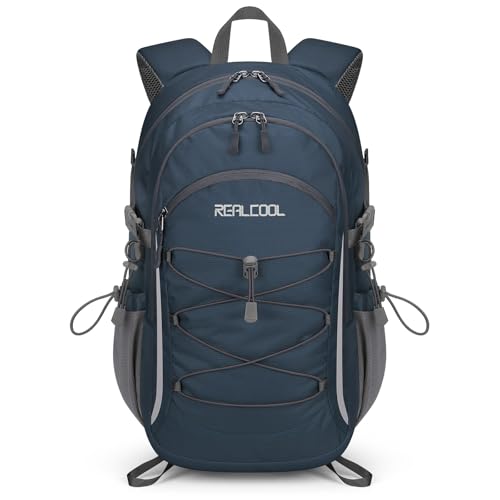 RealCool 20L Lightweight Hiking Backpack Check price
 Foraging kit, ID & the rules
This is the section that matters most: gear to collect with, a reliable way to identify what you find, and the permits and limits that keep harvesting legal and sustainable. Never eat anything you haven't confirmed with certainty — some wild plants and mushrooms are genuinely deadly, and their toxic look-alikes have fooled experienced foragers, not just beginners.
- Breathable mesh or cloth bags, or a basket — never sealed plastic, which traps moisture and spoils what you gather
- A small, sharp foraging knife or a locking multi-tool, for a clean cut instead of pulling up the whole plant
- A current, region-specific field guide, treated as a second opinion — never the final word on its own
- A hand lens for the close details a good guide asks you to check
- Contact for a local foraging group or mycological society who can confirm an identification in person
- Your permit or permission slip, printed or saved offline, if the land requires one
- A map showing land ownership along your route — national forest, national park, state and private land all set different rules
- A personal limit for anything you pick, and a reusable container instead of single-use plastic for what you take home
Water & food
Carry enough water to drink and to rinse what you gather, and treat food as fuel for a slower, stop-and-start kind of day.
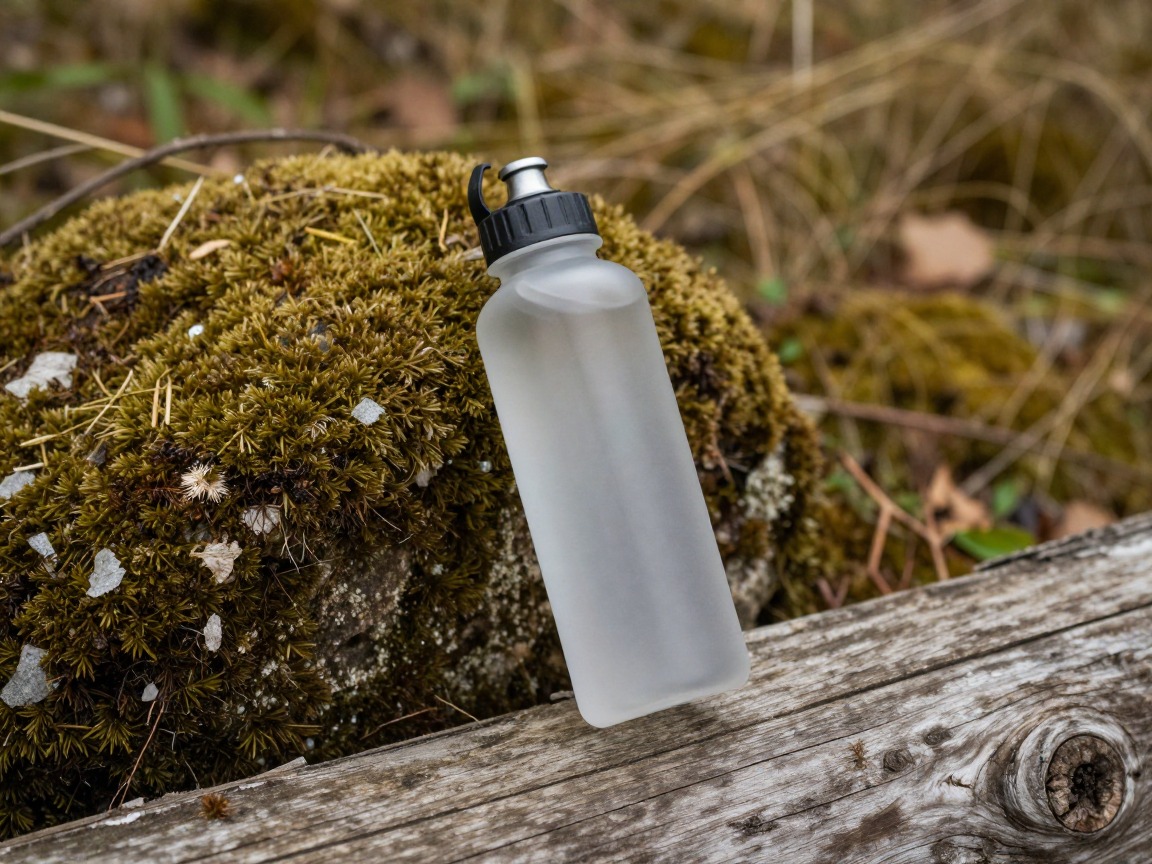
Water bottle
Keeps you hydrated and gives you clean water on hand to rinse dirt off foraged greens before you taste anything.
What to look for: A tough, wide-mouth bottle that's easy to refill and easy to pour slowly over hands or greens in the field.
 Nalgene 32 oz Wide Mouth Water Bottle Check price
  Nalgene 32 oz Wide Mouth Water Bottle Check price
  Nalgene 32 oz Wide Mouth Water Bottle Check price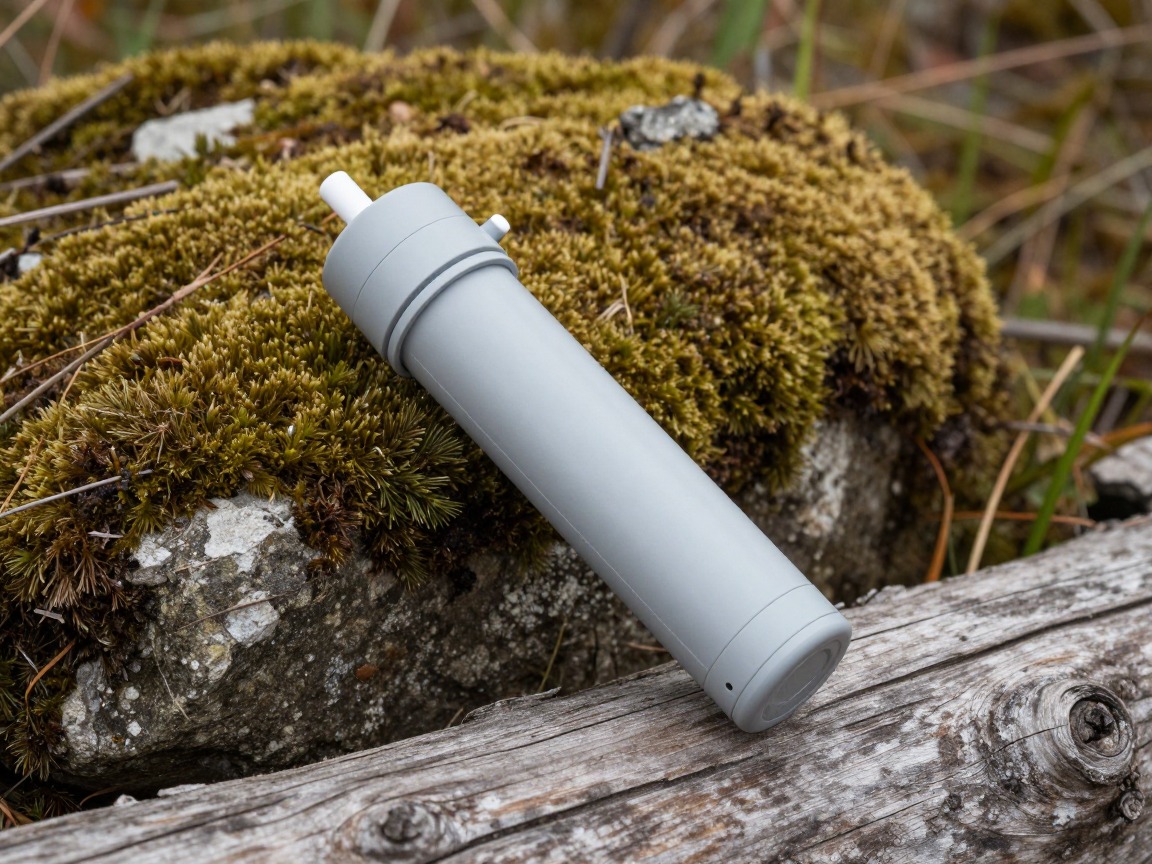
Water filter
Turns a stream into safe drinking and rinsing water, so you're not limited to what's already on your back.
What to look for: A fast-flowing squeeze filter that's simple to backflush — useful for topping up between patches.
 Sawyer Squeeze Water Filtration System Check price
  Sawyer Products SP128 Mini Water Filtration System Check price
  LifeStraw Personal Water Filter for Hiking Check price
 - Lunch and high-energy snacks
- A way to rinse foraged finds before eating them raw
- Hand sanitizer or wipes for handling soil and plants before you eat
Clothing & layers
Dress in layers you can add or shed, and lean toward long sleeves and pants — foraging means reaching into brush, not just walking past it.
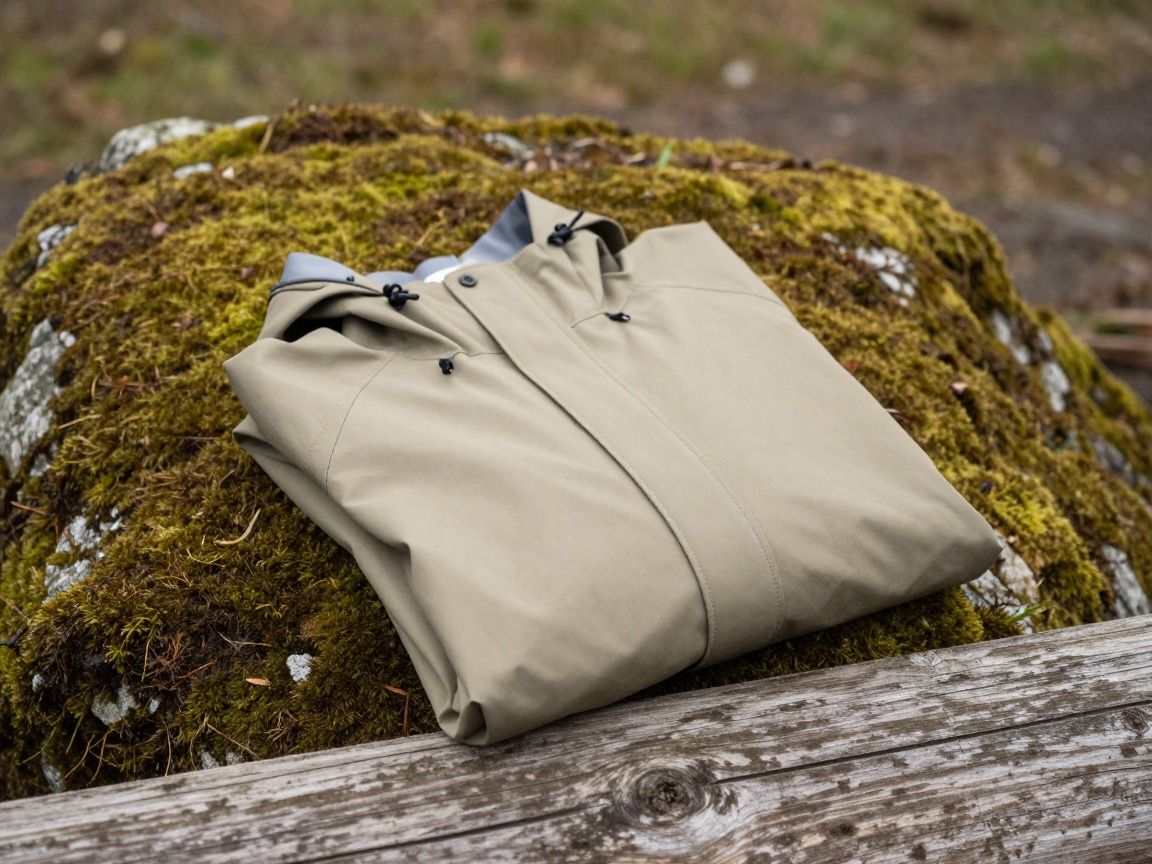
Rain shell
A packable waterproof jacket blocks wind as well as rain, and shrugs off wet undergrowth when you reach into a patch.
What to look for: Waterproof and breathable, with a hood that fits over a hat, packed small enough you always bring it.
 UIQUR Mens Rain Jacket Raincoat Waterproof Windbreaker Black L Check price
  COOFANDY Men's Waterproof Hiking Travel Shell Breathable Rain Jacket Check price
  Columbia Womens Arcadia II Waterproof Rain Jacket Check price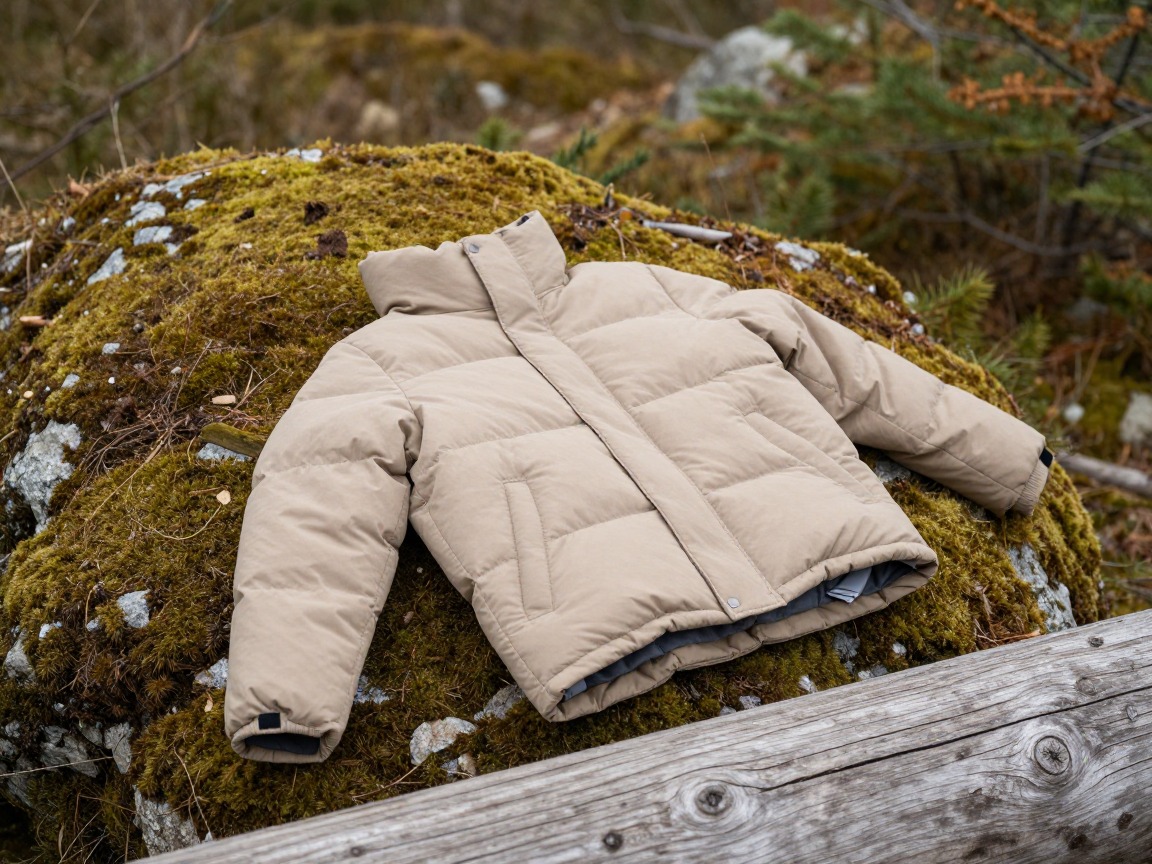
Warm layer
A light fleece or packable puffy for breaks spent crouched over a patch, which cools you faster than walking does.
What to look for: The most warmth for its weight and pack size — synthetic shrugs off damp brush better than down.
 Outdoor Ventures Women's Packable Lightweight Puffer Jacket with Hoo Check price
  Amazon Essentials Women's Lightweight Long-Sleeve Water-Resistant Pa Check price
  Outdoor Ventures Women's Packable Lightweight Puffer Jacket with Hoo Check price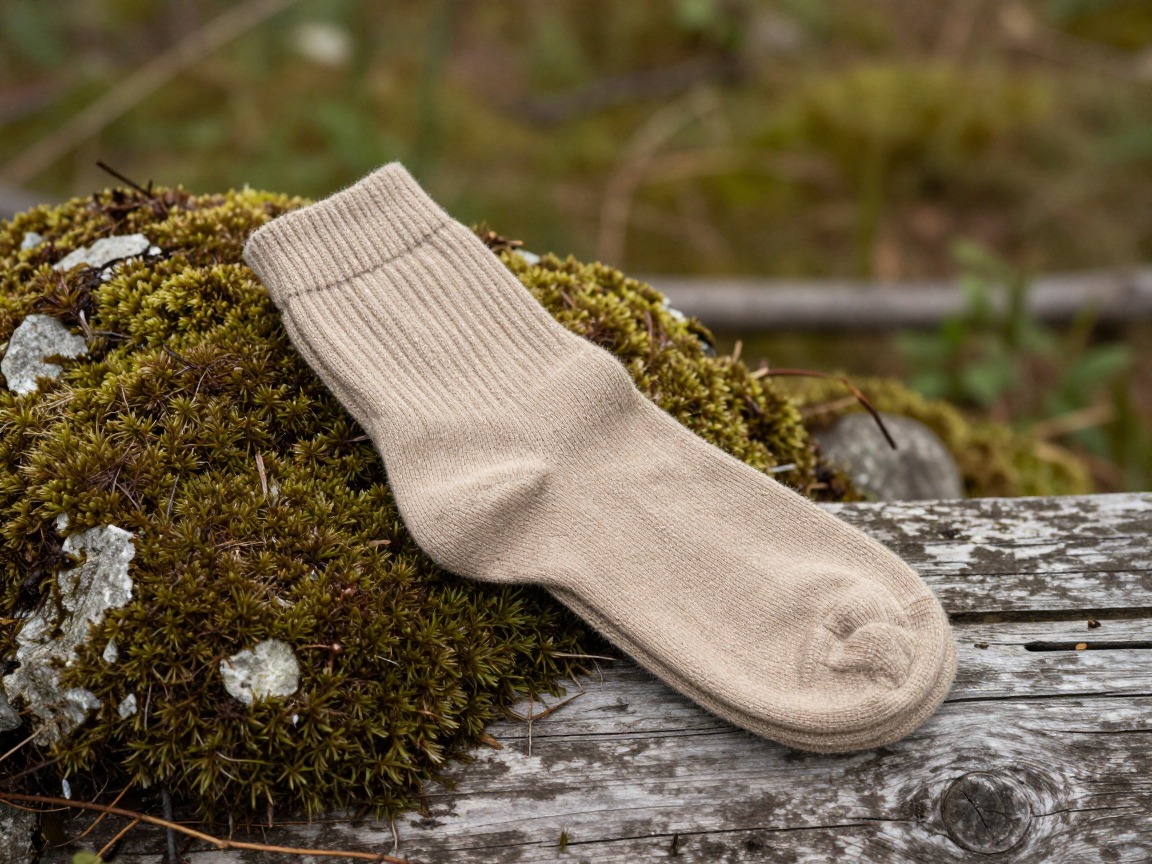
Hiking socks
Wool or synthetic socks manage moisture and prevent blisters on a day with more standing than steady miles.
What to look for: Wool or a wool blend, cushioned where your boot rubs. Never cotton — it holds sweat and breeds blisters.
 Alvada Merino Wool Hiking Socks Thermal Warm Crew Winter Boot Sock F Check price
  DANISH ENDURANCE Merino Wool Socks for Men & Women Check price
  innotree 3 Pack Men's Merino Wool Hiking Socks Check price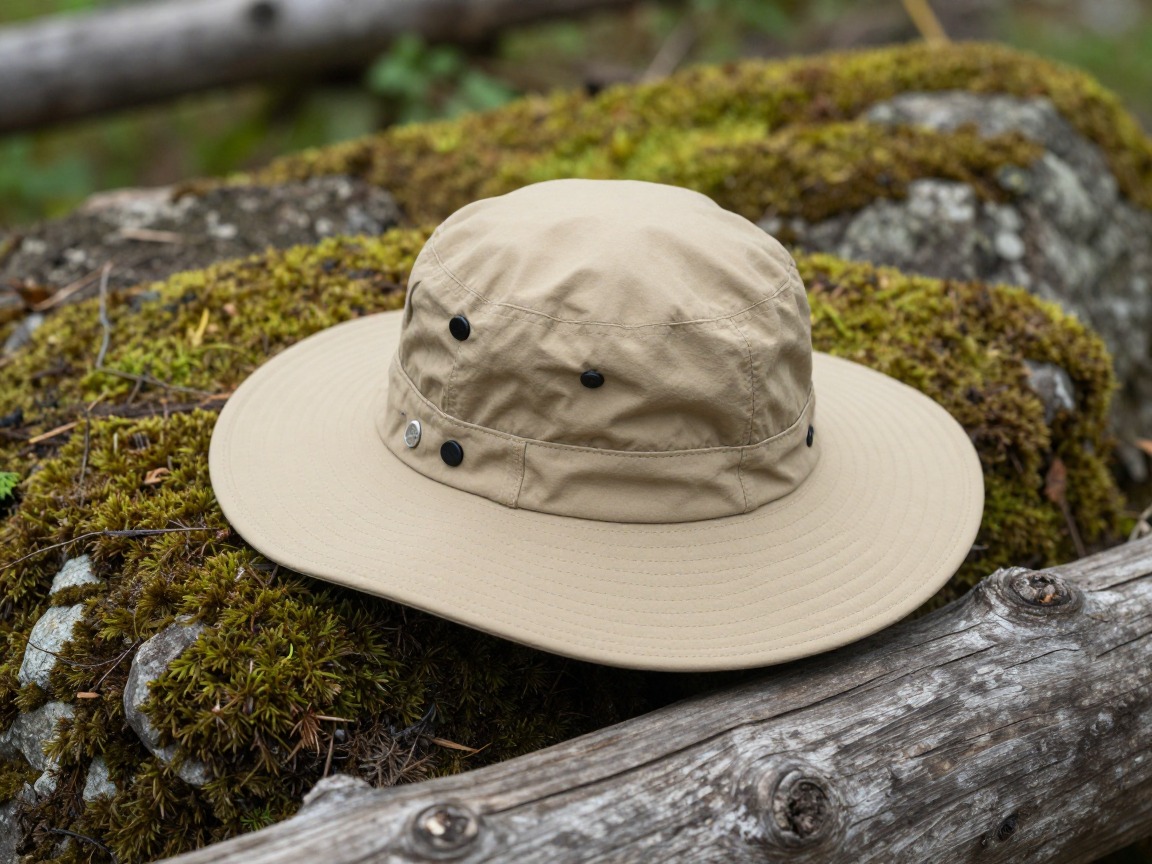
Sun protection
A brimmed hat plus sunscreen and sunglasses — you'll spend real time head-down scanning the ground, so sun exposure adds up.
What to look for: A brim that shades your face and neck, breathable and packable, paired with sunscreen.
 FURTALK Womens Sun Hat with Ponytail Hole Beach Hiking Summer Wide B Check price
 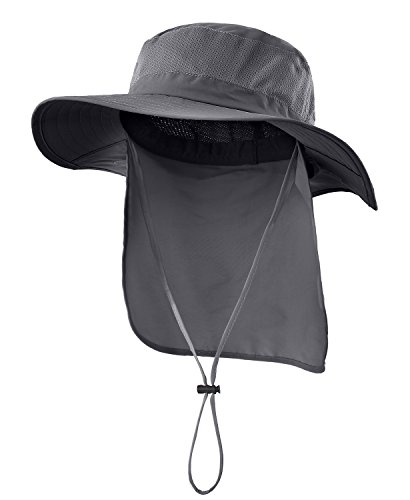 Home Prefer Outdoor UPF50+ Mesh Sun Hat Wide Brim Fishing Hat with N Check price
  FURTALK Sun Hats for Men Fishing Hat UPF Protection Wide Brim Bucket Check price
 - Moisture-wicking shirt & long hiking pants (long pants help against brush and poison ivy)
- Warm hat or buff (shoulder seasons)
Brush, bugs & footing
Reaching into undergrowth to gather puts your hands, legs and ankles somewhere a normal trail walk wouldn't — plan for it.
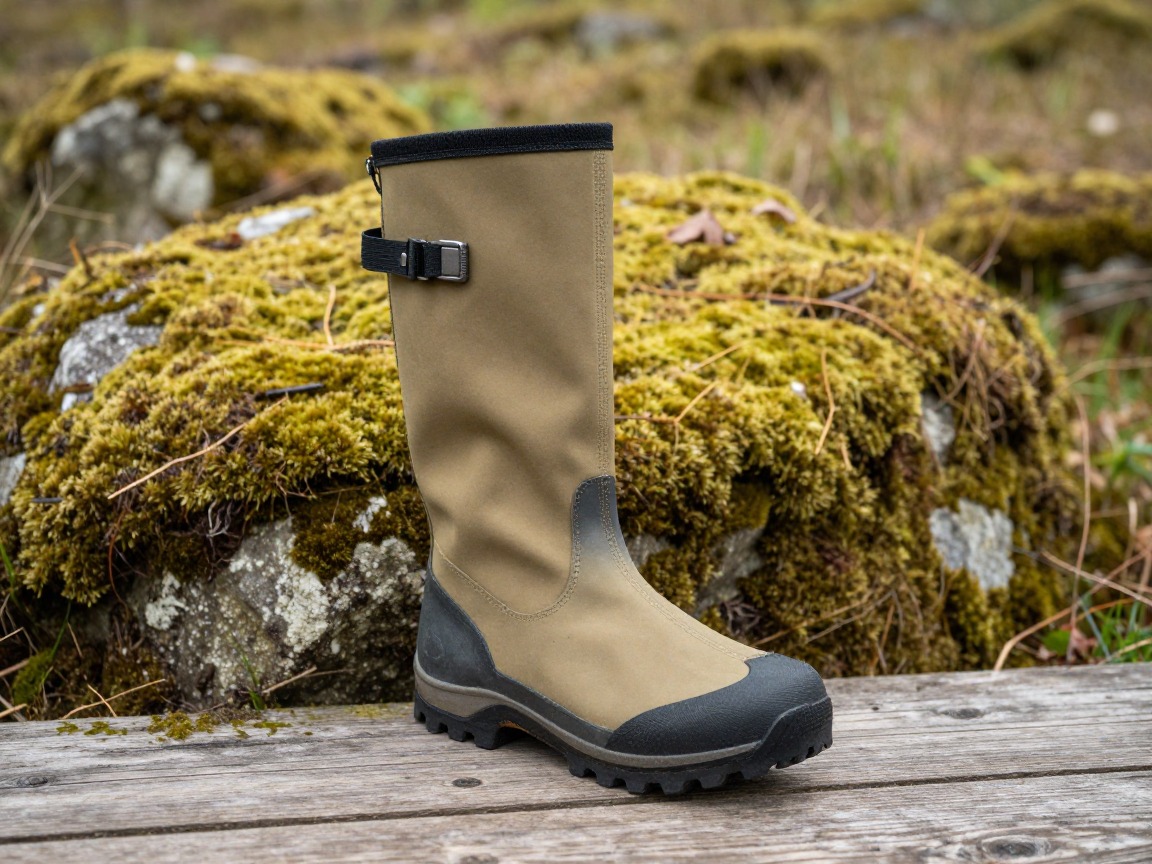
Gaiters
Keep debris, ticks and irritant sap off your lower legs and out of your boots when you step off-trail to reach a patch.
What to look for: Breathable but tough fabric, a solid boot hook, and a closure you can open one-handed.
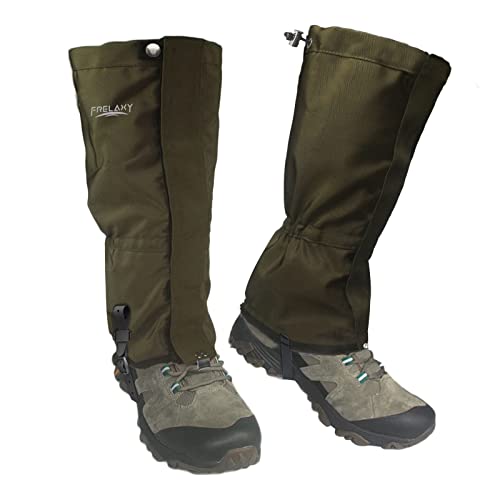 Frelaxy Leg Gaiters 100% Waterproof Hiking Gaiters Check price Frelaxy Ultra High-Performance Hunting Gaiters Check price
 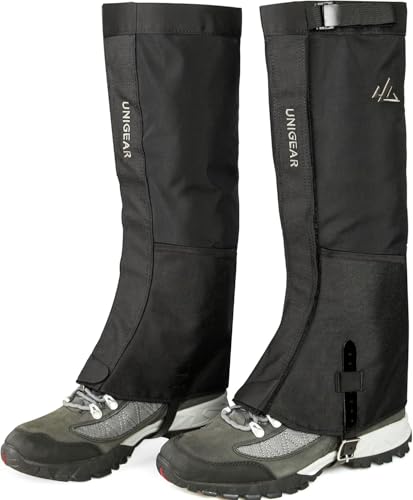 Unigear Leg Gaiters Check price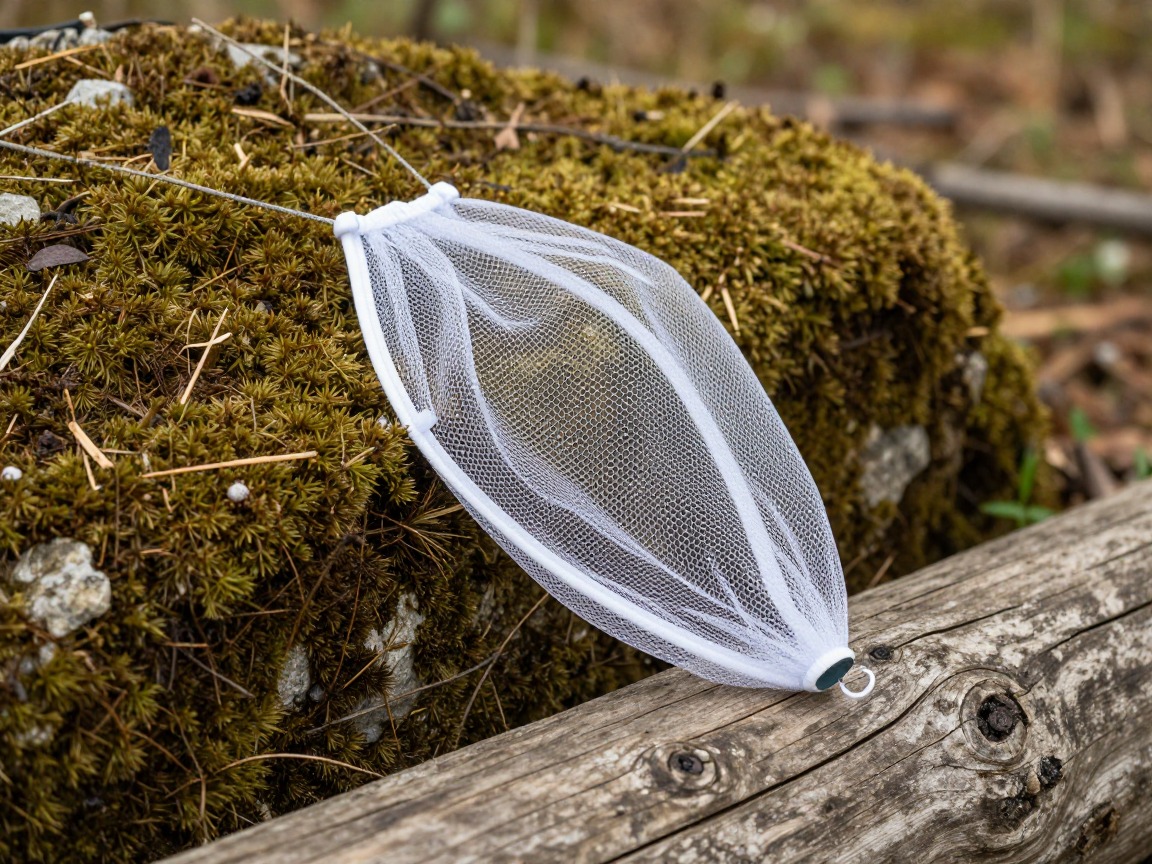
Insect protection
Repellent and treated clothing matter more here, since foraging means standing still in brush and leaf litter — prime tick habitat.
What to look for: An EPA-registered repellent, and permethrin-treated clothing in tick-heavy regions. Check labels for reapplication timing.
 South to East Mosquito Head Net for Insects 2 Pack Check price
  2 Pack Mosquito Head Net Mesh for Hiking & Outdoors Check price
 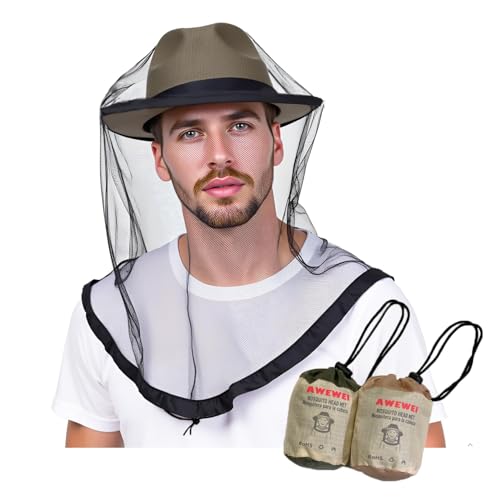 AWEWEI Mosquito Head Net Check price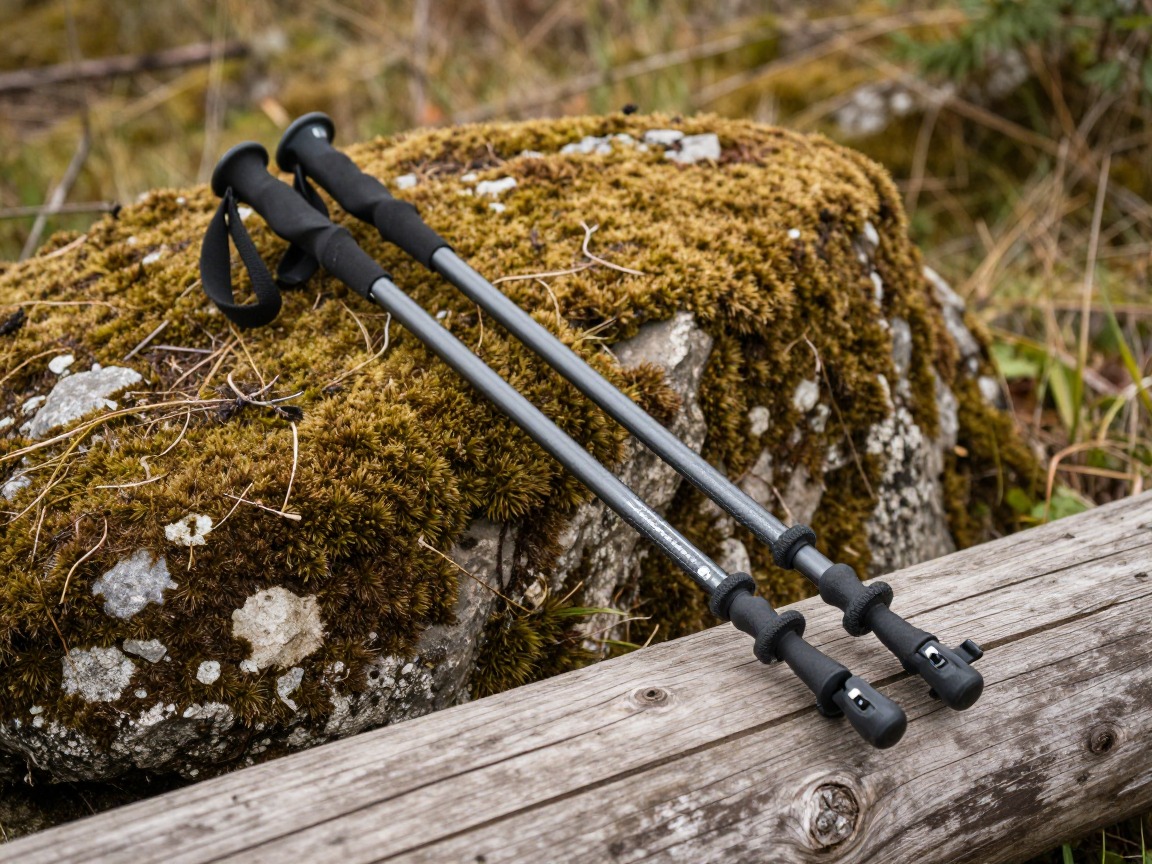
Trekking pole
One pole helps part brambles or poison ivy before you reach in, and both help with balance on root-covered ground while you're looking down.
What to look for: Adjustable length and locks that hold — you'll be repositioning them constantly, not settling into a rhythm.
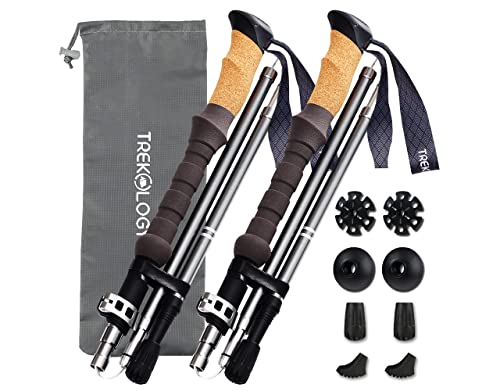 Trekology Trek-Z Cork Grip Collapsible Lightweight Hiking Trekking P Check price
 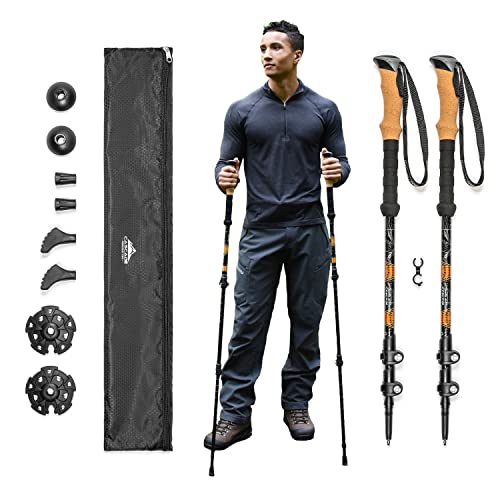 Cascade Mountain Tech Trekking Poles Check price
 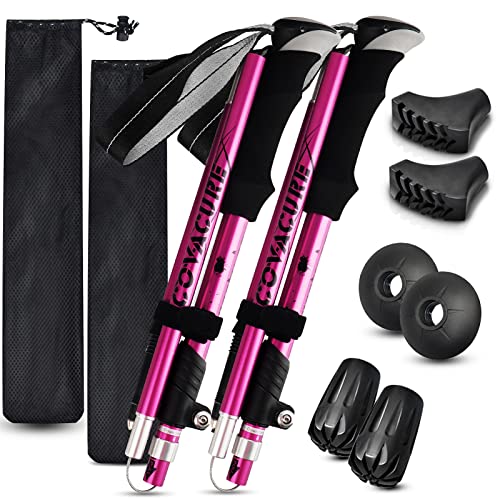 covacure Hiking Poles Check price
 - Garden or work gloves for thorny or skin-irritant plants
- A spare pair of socks if crossing wet ground
Navigation, light & safety
A light, a map and a small first-aid kit turn a late finish into a minor inconvenience — and they weigh almost nothing.
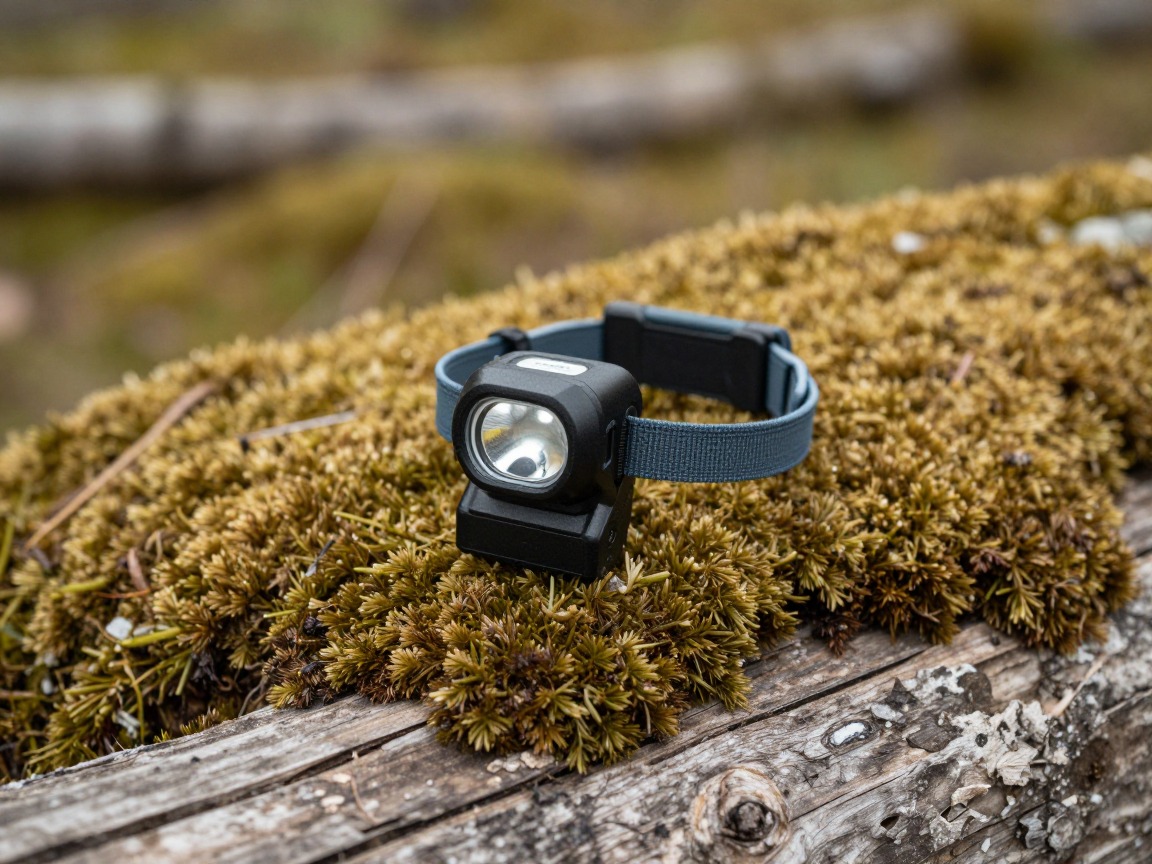
Headlamp
Hands-free light for an unplanned late finish, easy to run into when 'just one more patch' keeps you out longer.
What to look for: Enough output to hike by (roughly 200+ lumens), and rechargeable or easily-swapped batteries.
 LHKNL Headlamp Flashlight Check price
 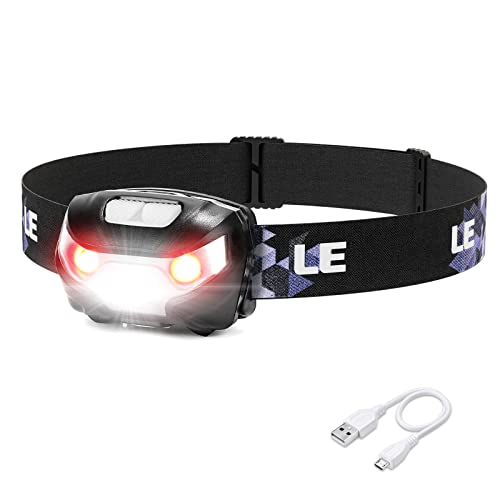 Lepro LED Headlamp Rechargeable IPX4 Waterproof Headlight 5 Modes - Check price
 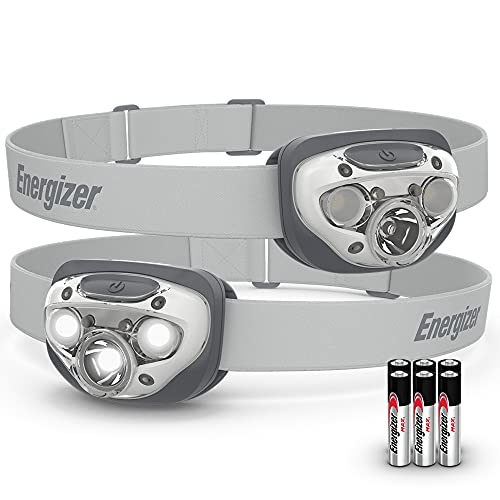 Energizer LED Headlamp PRO Check price
First-aid kit
A compact kit for cuts, blisters and skin reactions — pair it with washing exposed skin promptly if you brush an irritant plant.
What to look for: Weighted toward blisters and cuts — the basics you'd actually use, not the biggest kit on the shelf.
 Mini First Aid Kit - 150 Piece Small Waterproof EVA Hard Shell Case Check price
  Adventure Medical Kits Ultralight/Watertight Medical Kit .5 Check price
 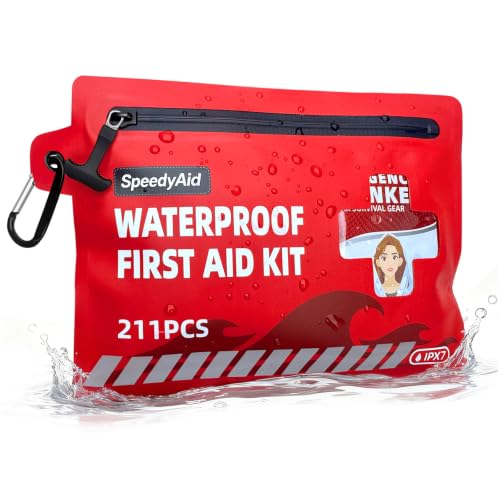 211 PCS Waterproof First Aid Kit Check price
 - Map + compass or GPS (with offline maps)
- Sunscreen & SPF lip balm
- Whistle
- Phone + power bank
- Fire — lighter/matches
- Emergency shelter (bivy/space blanket)
How to adapt this setup
Mushrooms carry the highest stakes of any wild food — some of the deadliest species have harmless-looking look-alikes. Go with an experienced mycological society or certified expert before you ever eat a wild mushroom.
Common berries and greens sit at the lower-risk end of foraging, but 'easier' still means 'certain' — toxic look-alikes exist for many popular wild edibles.
Digging roots or stripping bark kills or scars a plant for years, and many land managers restrict it outright. Check local rules before you bring a trowel.
A local foraging walk or mycological society outing is the best upgrade to this kit — real-time correction catches what no book can.
Spend a season practicing identification and getting expert confirmation before you eat anything picked yourself, and never sample a find before it's independently confirmed.
Common mistakes to avoid
- Eating anything on a single photo-matching app or a half-confident guess instead of getting expert confirmation.
- Picking mushrooms to 'identify at home later' instead of confirming on the spot with someone who knows them.
- Harvesting without checking whether the land allows it — national parks commonly prohibit foraging entirely.
- Stripping a patch bare instead of taking a small share and leaving the rest for wildlife.
- Sealing finds in plastic bags, which trap moisture and turn a good harvest to mush.
- Reaching into brush bare-handed and paying for it later with a poison ivy or nettle reaction.
Make it yours
Frequently asked questions
Is foraging legal on public land?
It depends on the land manager. Many national forests allow personal-use foraging within limits, national parks generally prohibit it, and state and private land vary. Check the specific rules for your trail before you pick anything.
How do I know if a wild plant or mushroom is safe to eat?
You don't, from a photo or a guess — and neither does an app. Safe identification means cross-checking reliable sources and getting confirmation from an experienced forager. Some wild plants and mushrooms are deadly, so if you're not certain, don't eat it.
What's the most important piece of foraging gear?
A reliable, region-specific field guide, used as a second opinion rather than a final answer — the expertise that keeps you safe matters more than any gear.
How much wild food is okay to pick?
Take a small fraction of any patch and leave the majority for wildlife and regrowth — many foragers use a rough guideline of no more than a third. Overharvesting can wipe out a patch for years.
Do I need a permit to forage?
Often, yes, particularly on national forest land, and rules vary by state and district. Check with the land manager before you go and carry any required permit.
Illustrative images show the type of gear, not specific products. Recommendations link to similar items on Amazon; we only ever link real listings and never show fabricated prices or ratings. General planning guidance, not a substitute for your own judgment or professional backcountry-safety instruction.