
The fastpacking setup
Fastpacking swaps a hiking pace for a running one, carrying a stripped-down overnight kit in a vest-style or small 20–40 L pack. This setup walks through what that kit actually looks like — the pack, a minimal shelter and sleep system, food and water on the move — and where it trades comfort for speed.
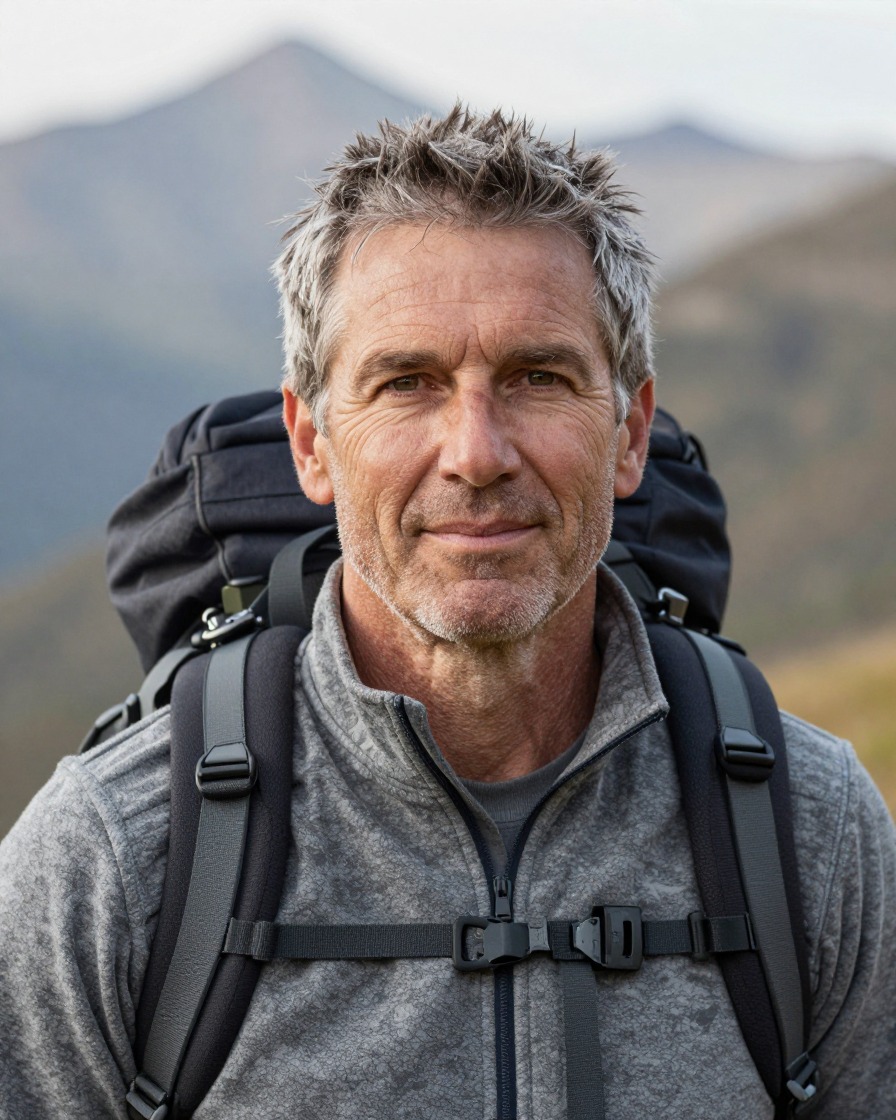
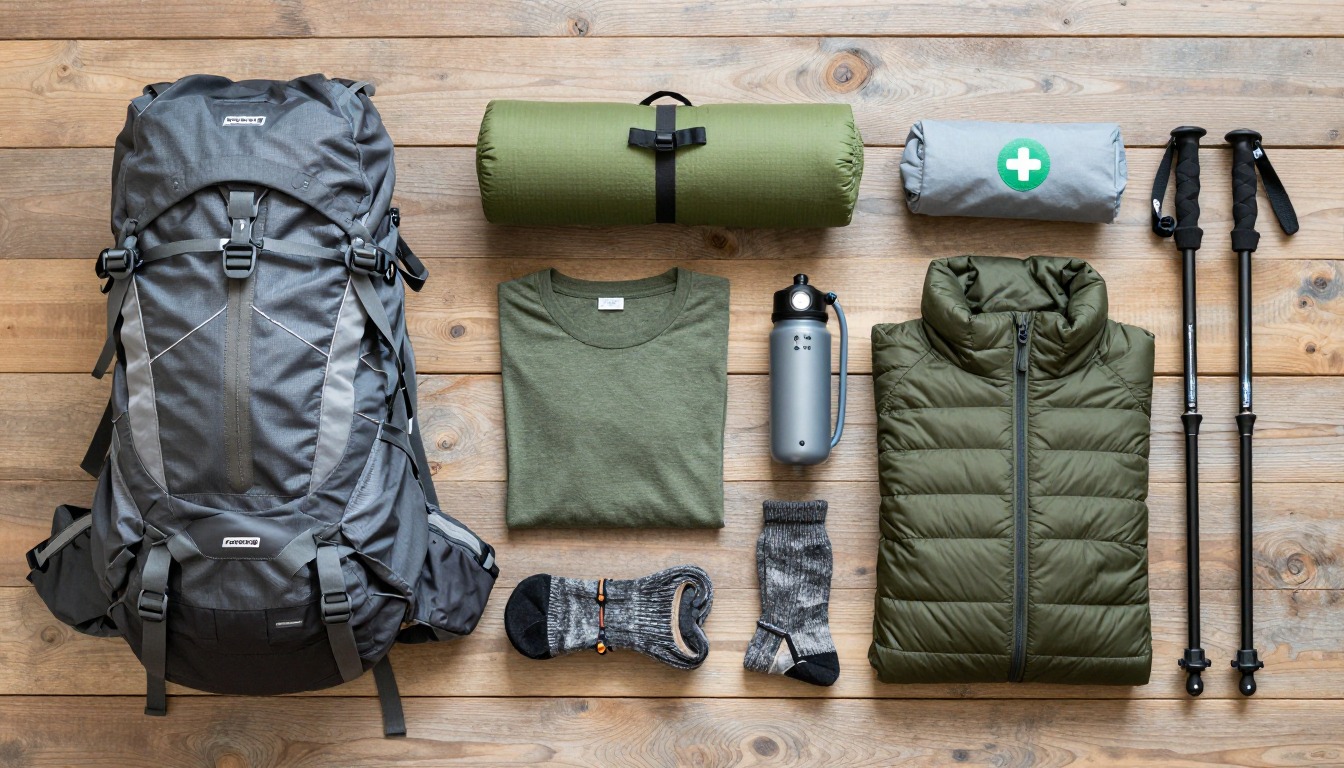
A fastpacking kit is built around one number: total pack weight, not base weight, because food and water are what makes a load bounce once you pick up the pace. Every choice below asks a question a framed backpacking kit never has to — does this ride quietly at a run? Redundancy gets cut hard. The safety layer doesn't.
Hikers who already run or trail-run and want to cover thru-hike-length routes in days instead of a week, moving at a mixed run-hike rhythm over technical terrain. It's not the place to start backpacking — build fitness and overnight experience first, then bring a running gait to a kit you already trust.
- Start with total pack weight, not just base weight — food and water are what make a load bounce at a run.
- Pick the pack to the load: a running vest under roughly 8–10 lb, a lightly framed fastpacking pack above that.
- Cut the kitchen before anything else — many fastpackers eat cold, calorie-dense food and skip cooking entirely.
- Keep every safety item non-negotiable, then test the whole kit on a short overnight before a big-mile route.
About this setup
Fastpacking covers multi-day trail routes by running the smooth, runnable sections and hiking the steep or technical ones, carrying a minimal overnight kit instead of stopping to set up a full camp system. It grew out of ultrarunning, as athletes chasing fastest-known-time attempts needed to carry a night's gear without losing running form. The result links routes that would take a week of standard backpacking into two to four days, at real cost to comfort and redundancy.
The organizing idea isn't a gram count — it's total pack weight, everything on your back including food and water, since that's what determines whether a load bounces at a run. Most fastpackers keep it under roughly 15 lb. Below that, a running vest with no frame or hipbelt carries the load fine; above it, a lightly framed pack with a slim hipbelt starts to earn its keep.
None of this replaces fitness or judgment. Sustaining a run-hike rhythm over consecutive days asks more of your cardiovascular system than walking the same miles, and a stripped-down kit has less margin if the weather turns. Treat the safety layer — navigation, insulation, first aid, water treatment — as fixed, and build up through shorter overnight trips first.
The pack
A running-vest-style or lightly framed 20–40 L pack carries a fastpacking kit close to the body so it doesn't bounce at speed.
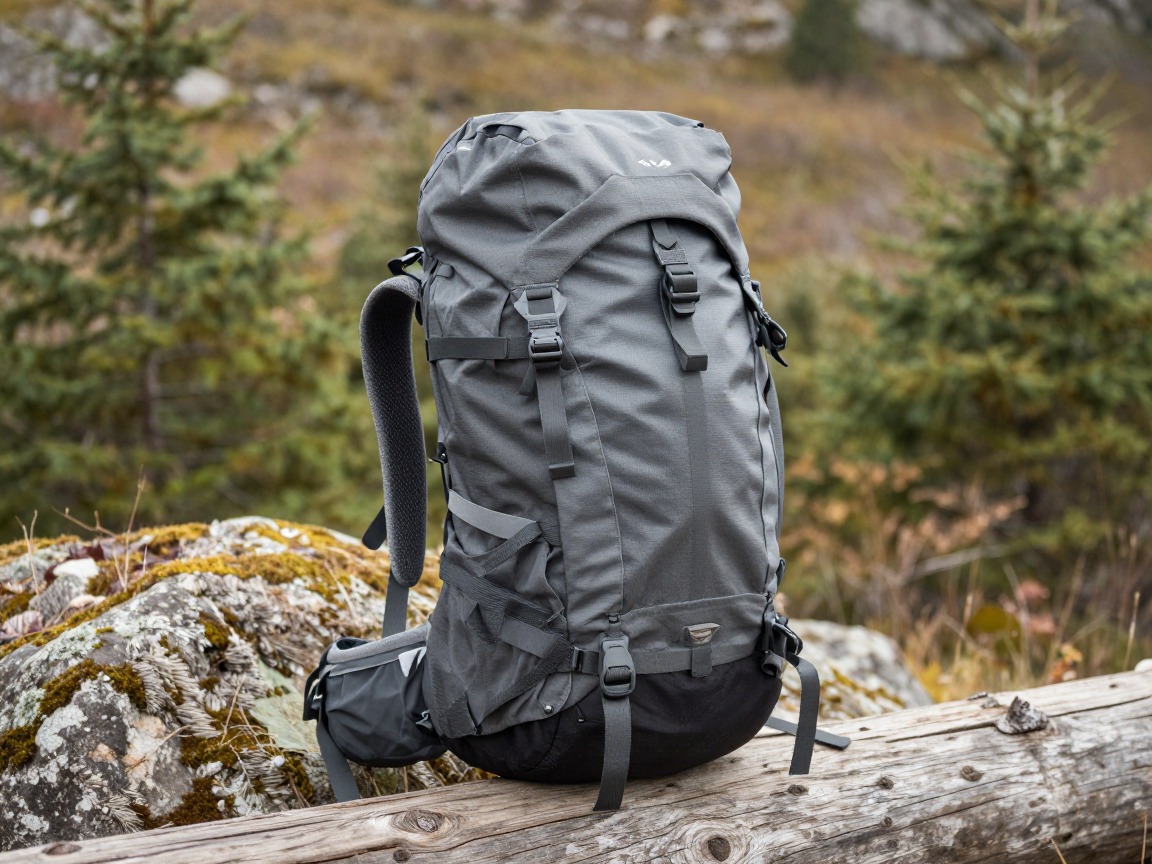
Fastpacking pack
A lightly framed 20–40 L pack sits close to the back with minimal shift, using a light frame sheet or foam panel and a slim hipbelt instead of a full pack's bulk.
What to look for: A slim, low-profile hipbelt that rides higher than a standard backpacking belt, stretch-mesh front pockets for quick food access, and pole loops for hands-free running. Match capacity to trip length, not 'just in case'.
 WoneNice 50L Check price
  Teton 55L Scout Internal Frame Backpack for Hiking Check price
 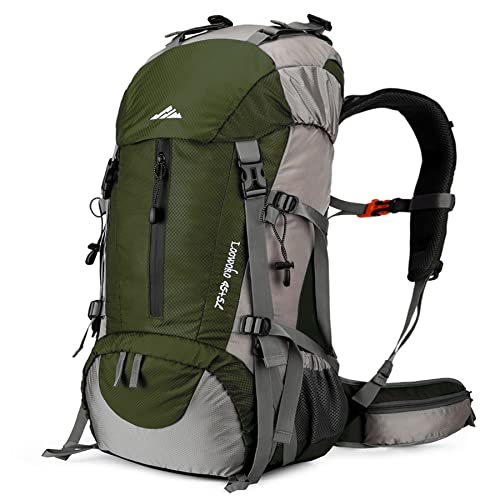 Loowoko 50L Hiking Backpack with Rain Cover for Both Men & Women Check price
 - A running hydration vest (5–20 L), for the lightest solo setups
- Compression straps cinched tight to stop shift at a run
Shelter & sleep
Shelter and sleep are where fastpacking cuts hardest — a tarp or bivy and a light quilt save both weight and pack space.
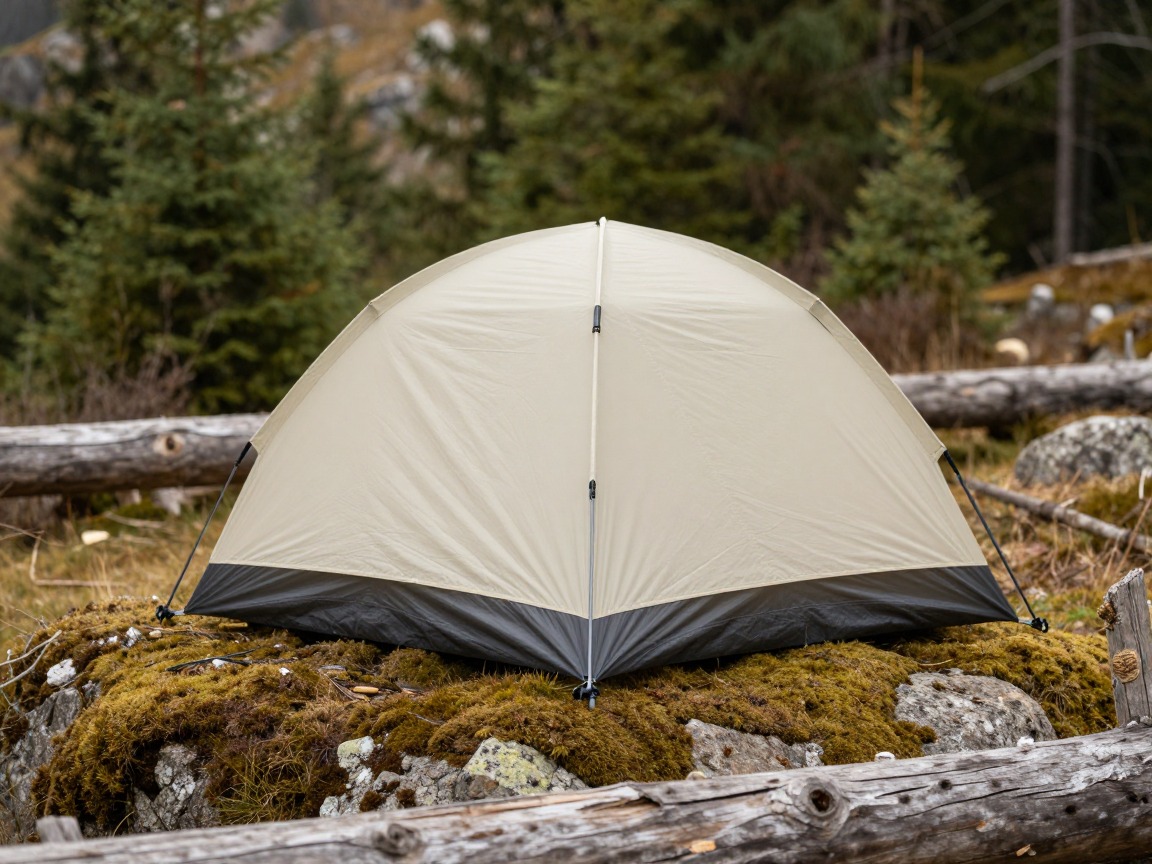
Minimalist shelter
A tarp, bivy or single-wall shelter trims weight and pack volume — the two things a vest-style pack has the least of.
What to look for: The lightest option you can pitch fast and sleep in — a bivy for solo, ultra-minimal trips, a trekking-pole tarp for a little more room. Practice the pitch before you need it in the dark.
 Night Cat 2-Persons Backpacking Tent: Waterproof Lightweight Camping Check price
  BISINNA 2/4 Person Camping Tent Lightweight Waterproof Backpacking T Check price
  Forceatt Tent for 2 Person is Waterproof and Windproof Check price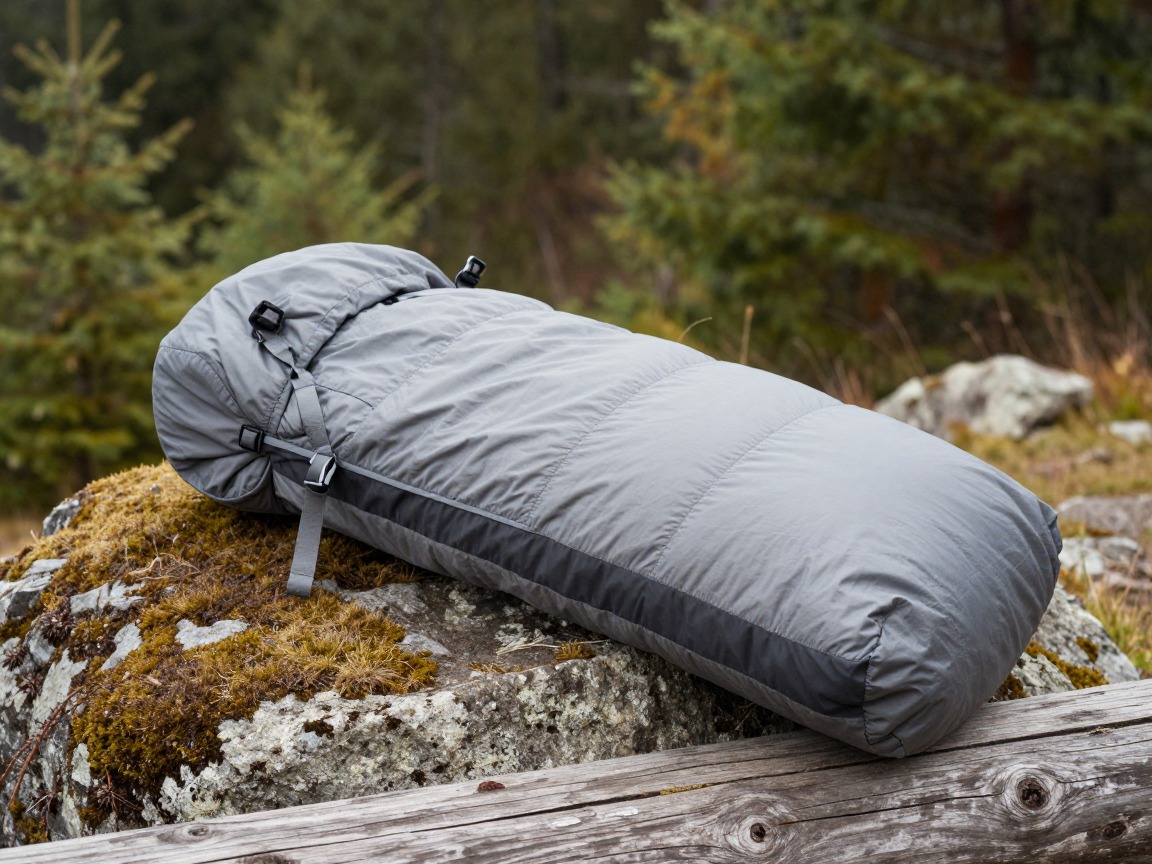
Quilt or compact bag
A down quilt sized to the trip's expected low, not the coldest night you could imagine — nights on a fastpacking itinerary are usually short.
What to look for: Rated a little below your expected low, sized down since you'll spend fewer hours in it than on a standard backpacking trip. Down packs smallest; keep it dry.
 MalloMe Sleeping Bags for Adults Cold Weather & Warm - Backpacking C Check price
 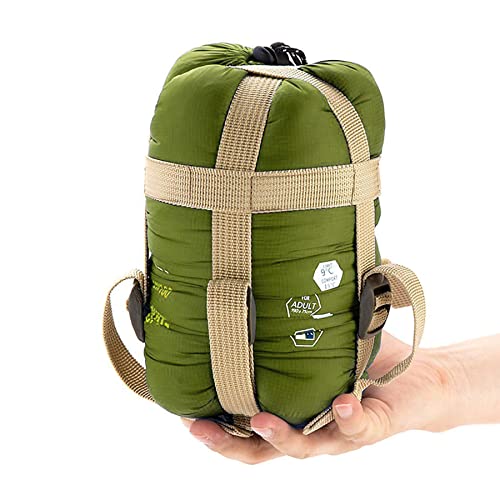 ECOOPRO Portable Check price
  Teton Trailhead Check price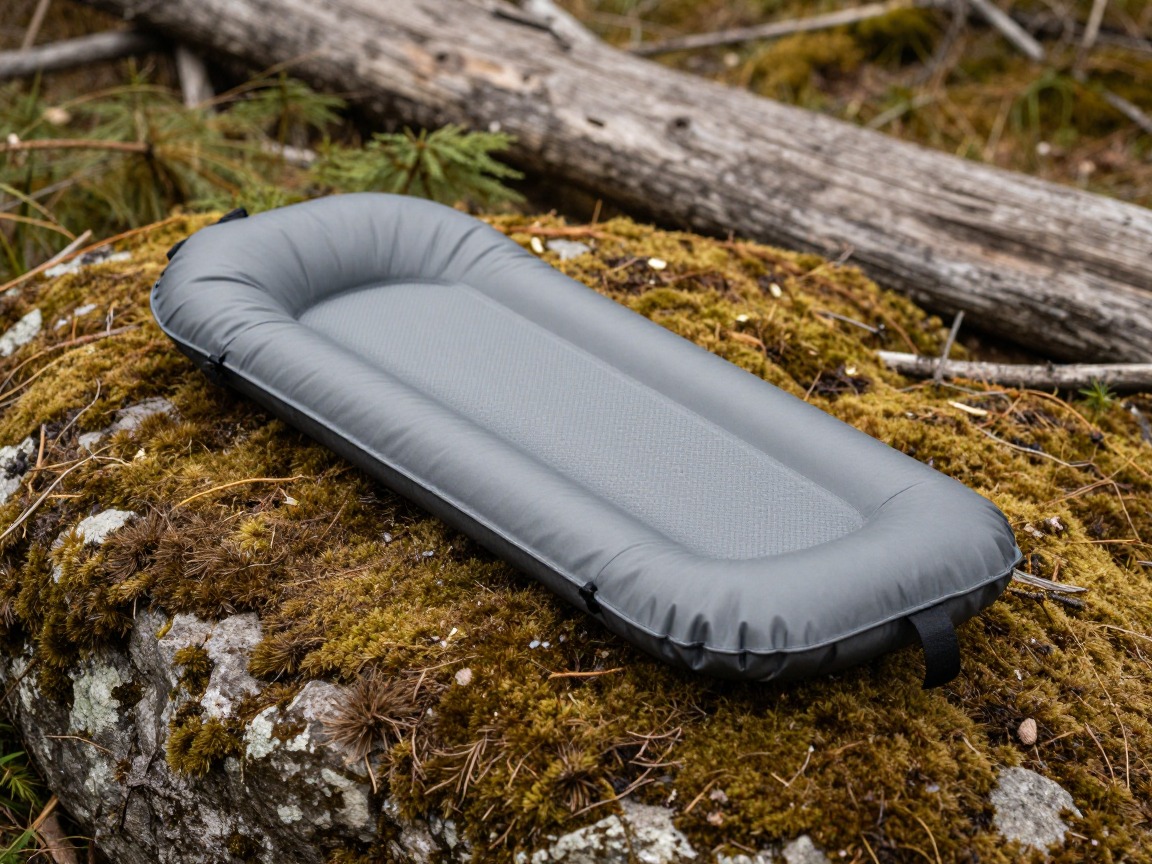
Light sleeping pad
A short, light inflatable or torso-length foam pad insulates you from the ground without adding weight or bulk.
What to look for: A torso-length pad if you're fine resting your legs on an empty pack; enough R-value for the season, since ground warmth matters as much as the quilt.
 FUN PAC Camping Sleeping Pad Check price
  Gear Doctors® Ether 17.5oz Ultralight Camping Sleeping Pad Check price
  Oramoose 4in Ultralight Camping Sleeping Pad with Pillow and Foot Pu Check price
 - Stakes and guylines (minimal set)
- Trekking poles double as shelter poles
Food & water on the move
Many fastpackers skip cooking entirely and eat cold, calorie-dense food between short breaks, treating water on the go instead of carrying it all.
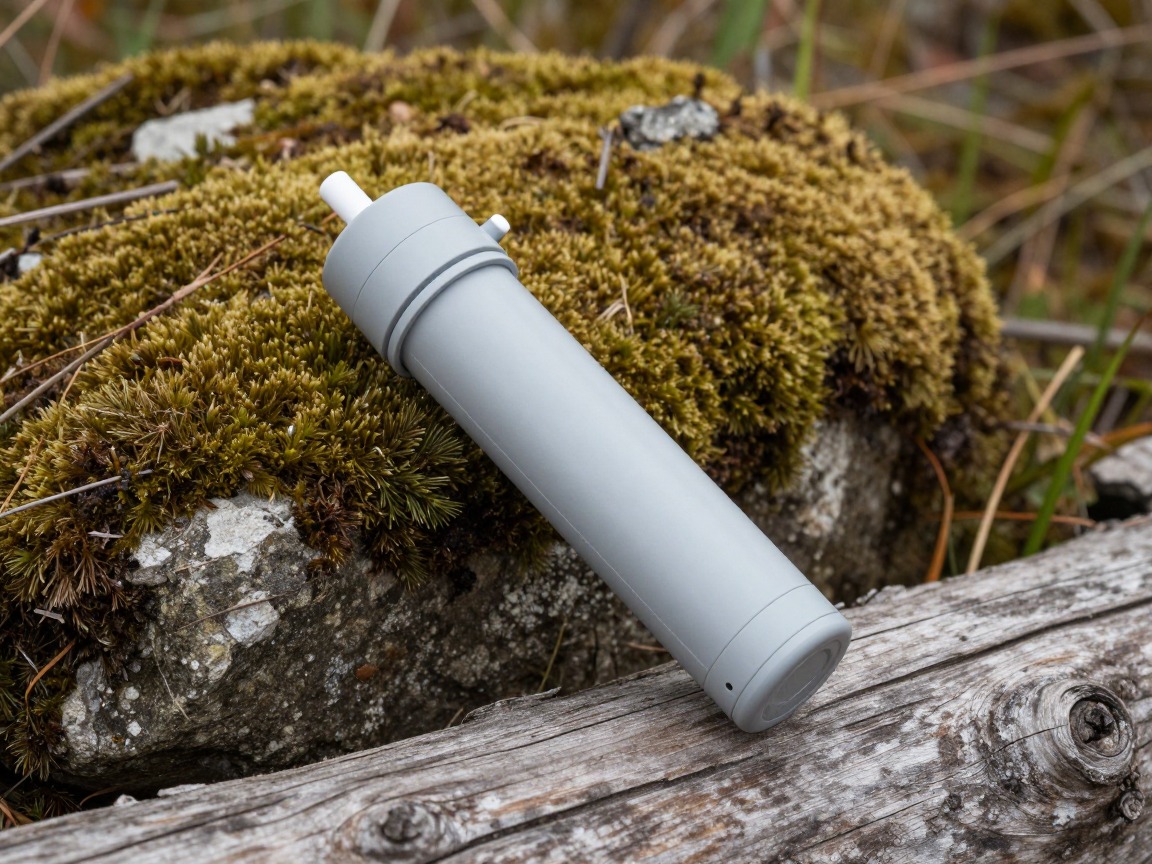
Water filter
A fast squeeze filter lets you carry less water between sources and treat on the move instead of stopping to boil.
What to look for: Fast flow and easy field cleaning matter more here, since you're refilling more often for less time at each stop. Know your route's water sources before you go.
 Sawyer Squeeze Water Filtration System Check price
  Sawyer Products SP128 Mini Water Filtration System Check price
  LifeStraw Personal Water Filter for Hiking Check price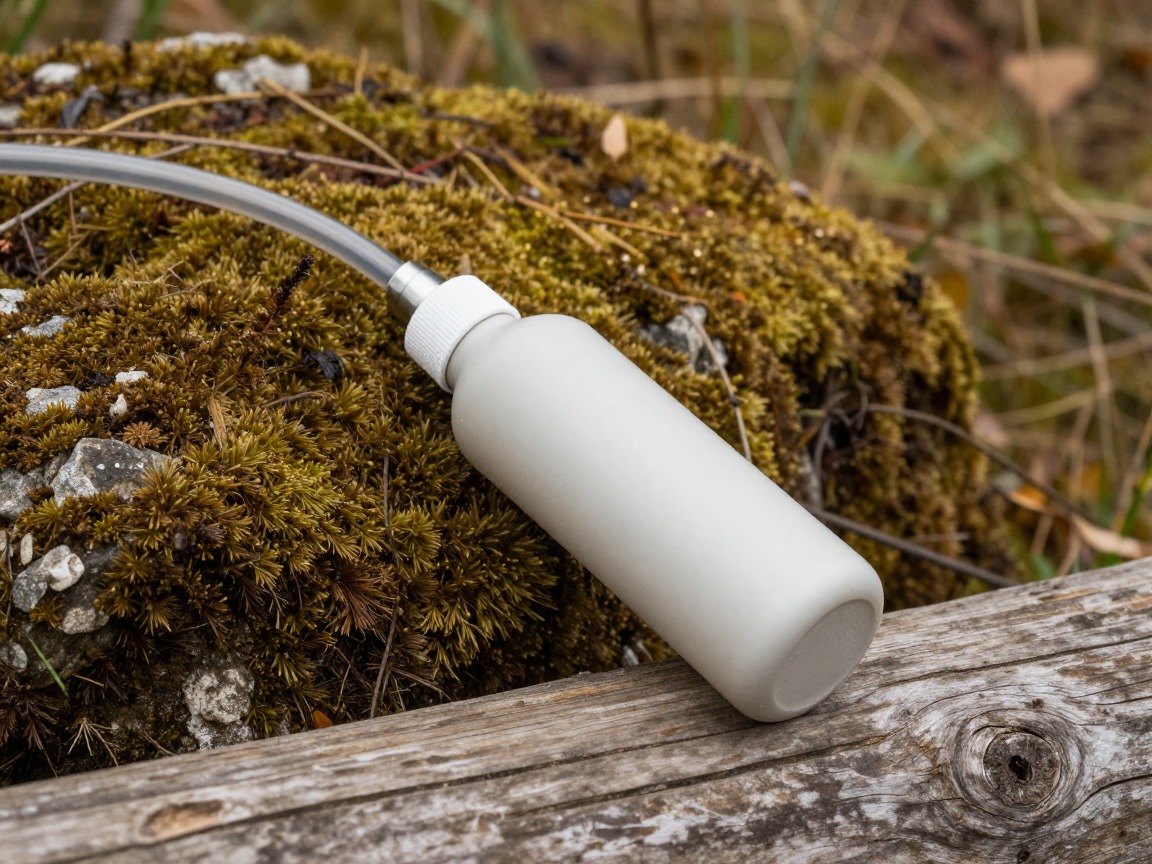
Hydration reservoir or vest bladder
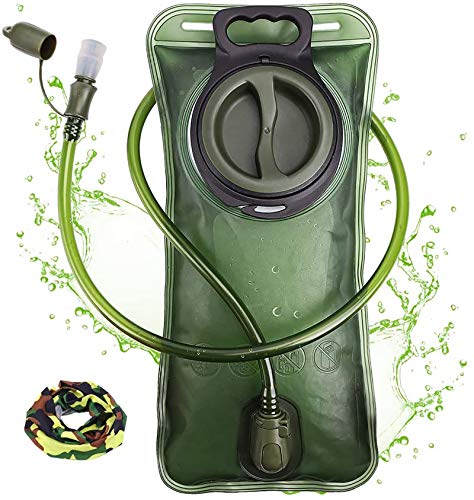
A bladder or vest-compatible reservoir lets you sip hands-free at a run, which is why most fastpackers use one instead of a bottle.
What to look for: Sized to fit your vest or pack's sleeve, with a bite valve you can use without breaking stride. Many vests pair a reservoir with front soft flasks.
 Hydration Bladder Check price
  Hydration Bladder Check price
  Mdvora 1.5L/2L/2.5L/3L Hydration Bladder Check price
 - Soft flasks (2 x 500 ml) for quick sips
- Calorie-dense, no-cook food calculated by the day
- Electrolyte tabs or drink mix
- A tiny stove and one small pot, if a hot meal is worth the weight
Run-friendly clothing
Wear one, carry one: a layering system that works at both a run and a hike, with no room for spare outfits.
Base layer
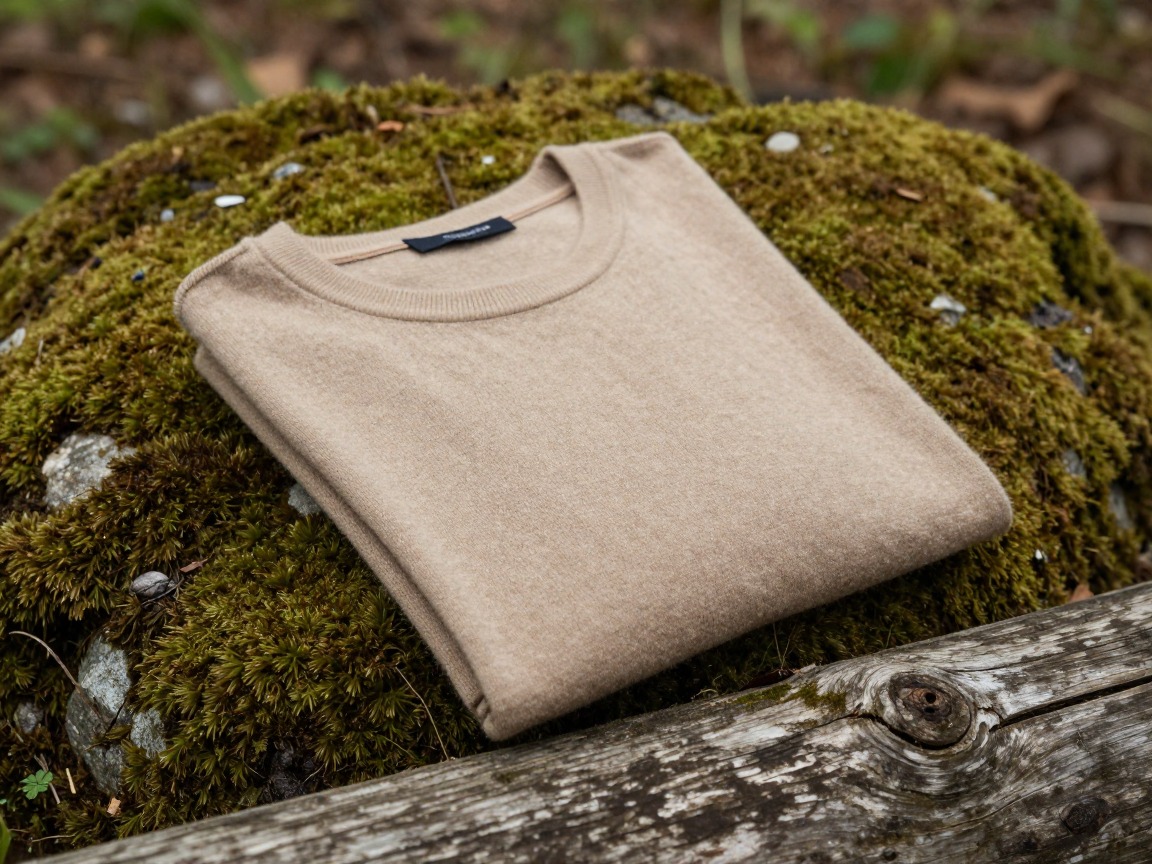
A light, odor-resistant base layer worn the whole trip manages sweat at a run and replaces the spares you don't have room for.
What to look for: Light merino or a synthetic blend that resists odor over days and dries fast between a sweaty climb and a cold descent.
 100% Merino Wool Base Layer Men Set - Thermal Underwear for Men Long Check price
  Merino.tech Merino Wool Base Layer Women Set - Heavyweight Check price
  100% Merino Wool Base Layer Men Set - Thermal Long Underwear with Ba Check price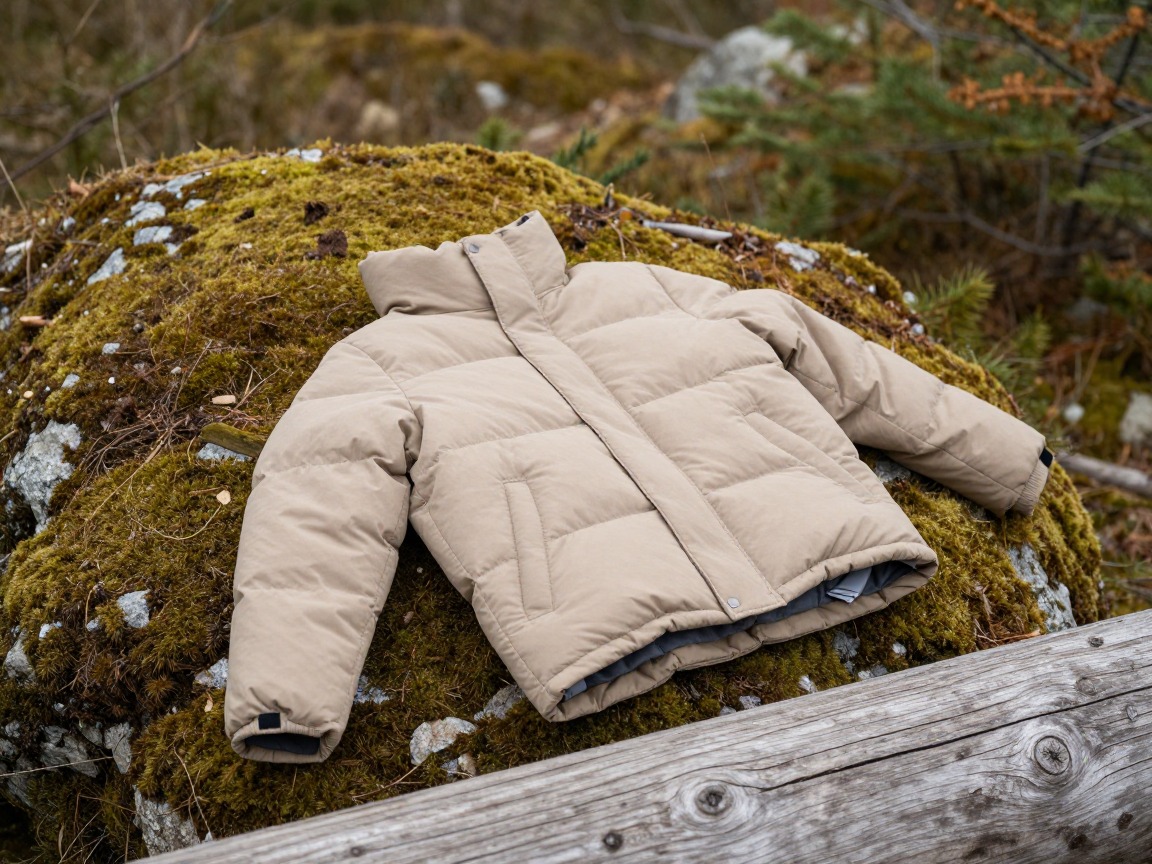
Puffy
A packable down jacket is your camp warmth and emergency layer for when you stop moving and body heat disappears fast.
What to look for: The most warmth for the least weight and pack volume — rated for standing at camp, not for running, since you'll generate heat on the move.
 Outdoor Ventures Women's Packable Lightweight Puffer Jacket with Hoo Check price
  Amazon Essentials Women's Lightweight Long-Sleeve Water-Resistant Pa Check price
  Outdoor Ventures Women's Packable Lightweight Puffer Jacket with Hoo Check price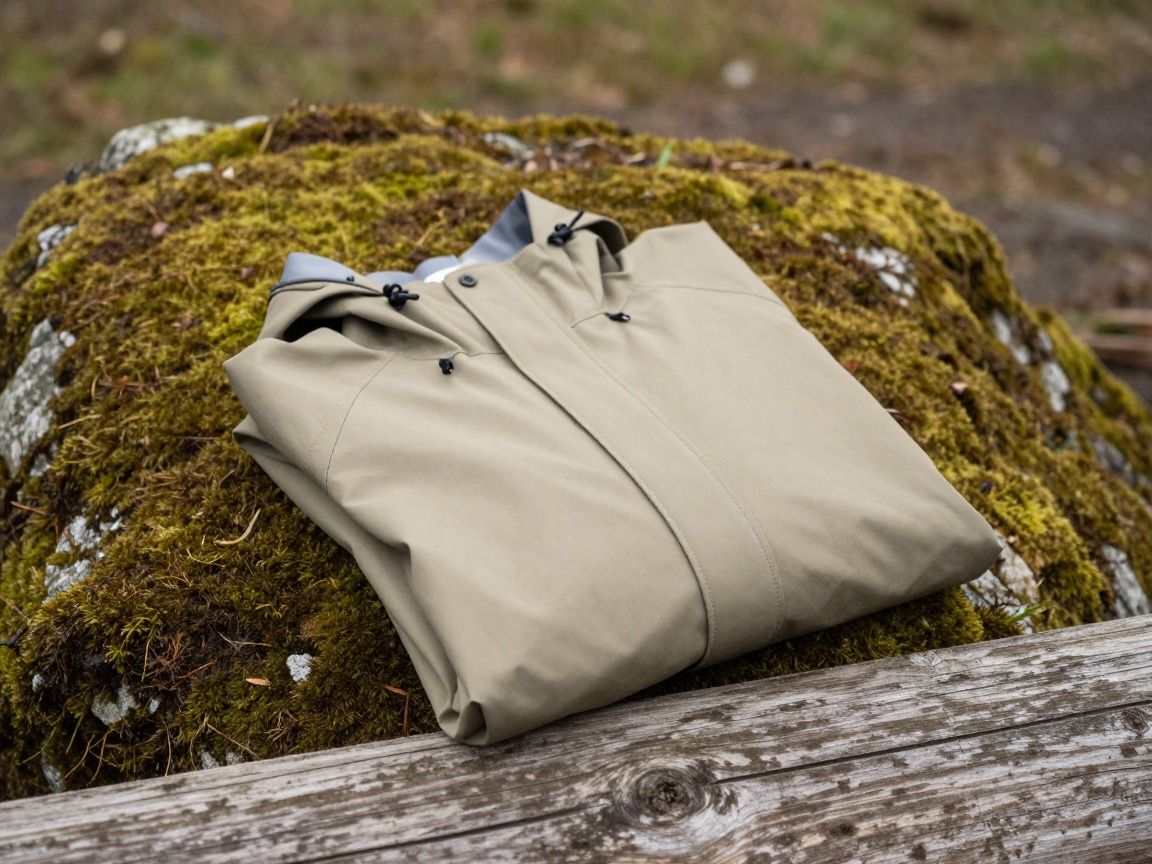
Light rain shell
A minimal waterproof-breathable shell blocks wind and rain without the weight of a heavier hardshell that restricts your arm swing.
What to look for: Light enough that you forget it's in the pack, with a hood that fits over a hat and enough breathability to run in.
 UIQUR Mens Rain Jacket Raincoat Waterproof Windbreaker Black L Check price
  COOFANDY Men's Waterproof Hiking Travel Shell Breathable Rain Jacket Check price
  Columbia Womens Arcadia II Waterproof Rain Jacket Check price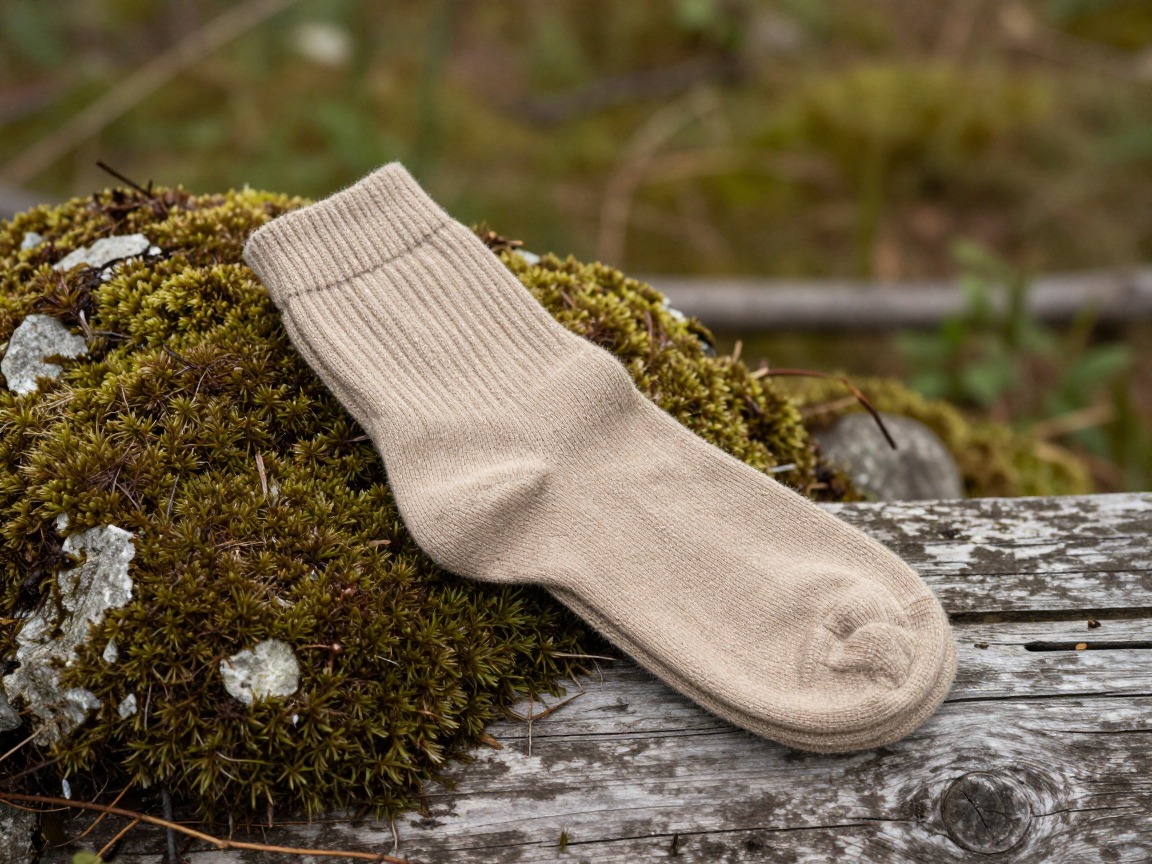
Running-friendly socks
Wool or synthetic socks built for running mileage manage moisture over back-to-back days better than a standard hiking sock.
What to look for: A low-cushion, moisture-managing sock built for running distance, with one dry spare for camp. Never cotton — it breeds blisters fast.
 Alvada Merino Wool Hiking Socks Thermal Warm Crew Winter Boot Sock F Check price
  DANISH ENDURANCE Merino Wool Socks for Men & Women Check price
  innotree 3 Pack Men's Merino Wool Hiking Socks Check price
 - Running shorts or hiking tights
- Sun hat or cap, plus sunglasses
Safety & navigation
Cut redundancy everywhere else, but keep this layer intact — moving fast and far from help is when it matters most.
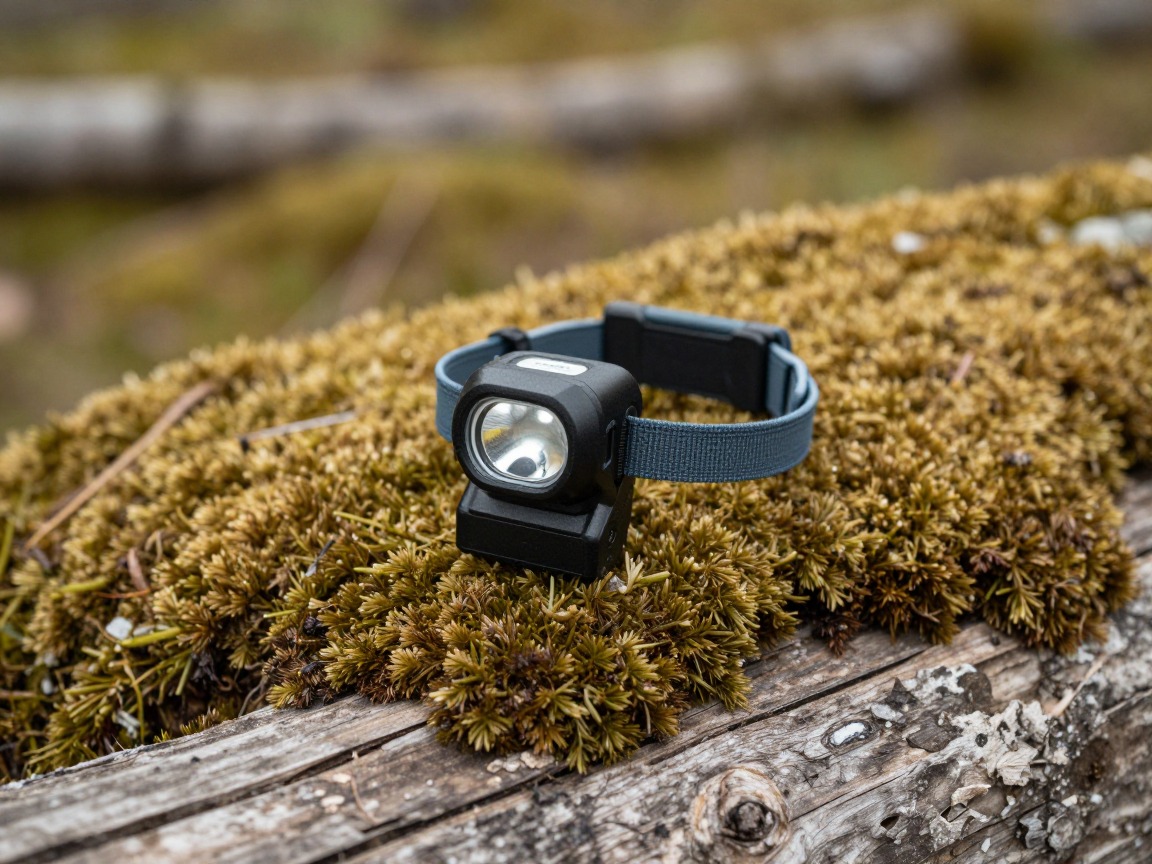
Tiny headlamp
A small, light headlamp for an early start, a late finish, or camp chores after dark — never skip it.
What to look for: A sub-ounce rechargeable model is plenty for a fastpacking itinerary's short nights. A lock mode stops it draining in a vest pocket.
 LHKNL Headlamp Flashlight Check price
 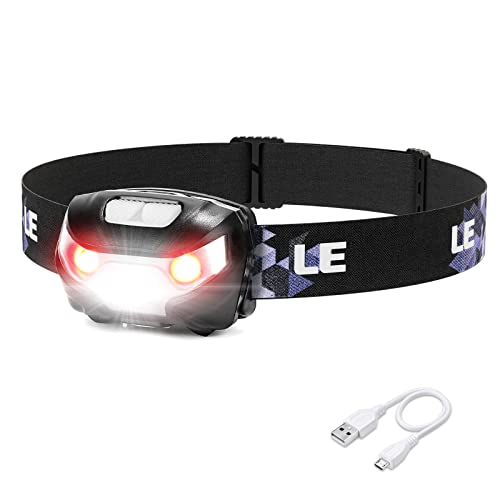 Lepro LED Headlamp Rechargeable IPX4 Waterproof Headlight 5 Modes - Check price
 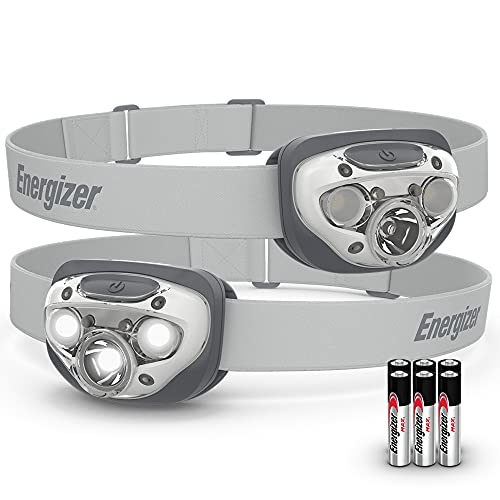 Energizer LED Headlamp PRO Check price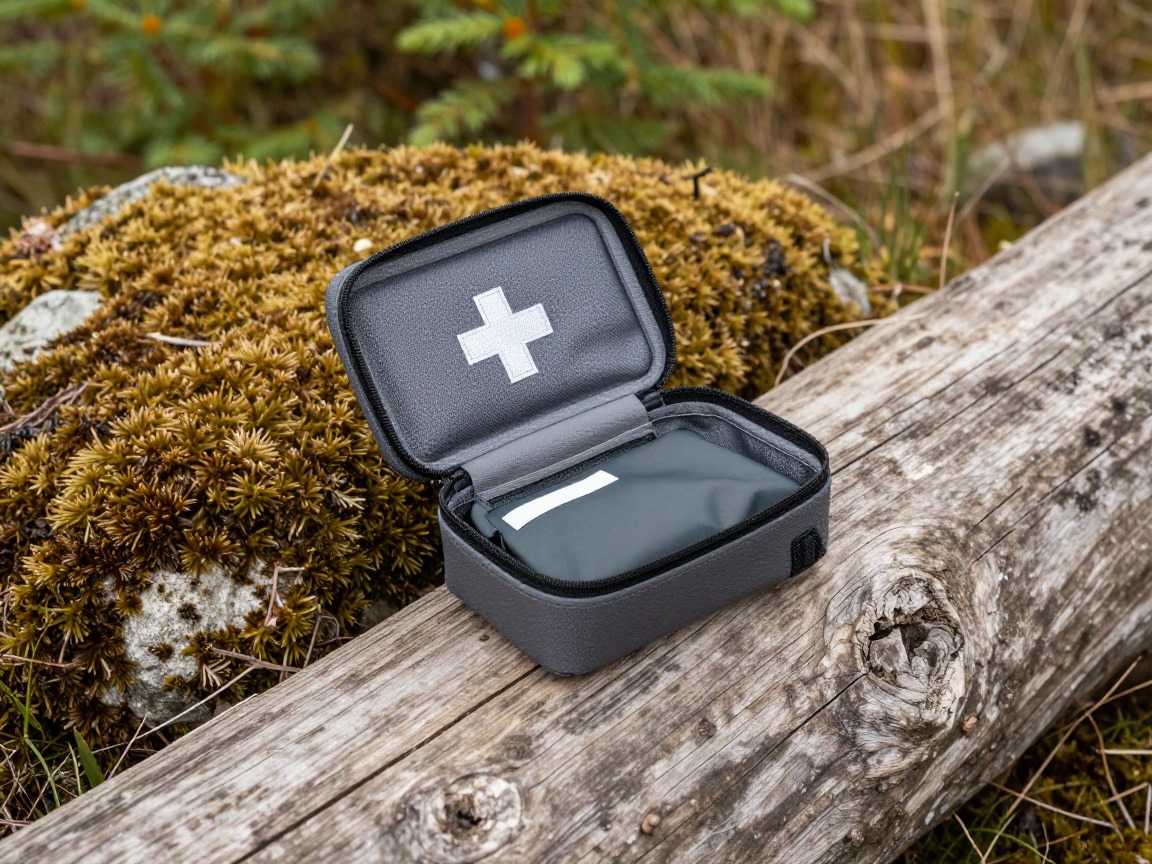
Minimal first-aid kit
A pared-down but complete kit for blisters, cuts and the basics, sized to how far you are from help on a given route.
What to look for: Blister care, a few key meds and wound closure, plus the knowledge to improvise the rest — minimal, never absent.
 Mini First Aid Kit - 150 Piece Small Waterproof EVA Hard Shell Case Check price
  Adventure Medical Kits Ultralight/Watertight Medical Kit .5 Check price
 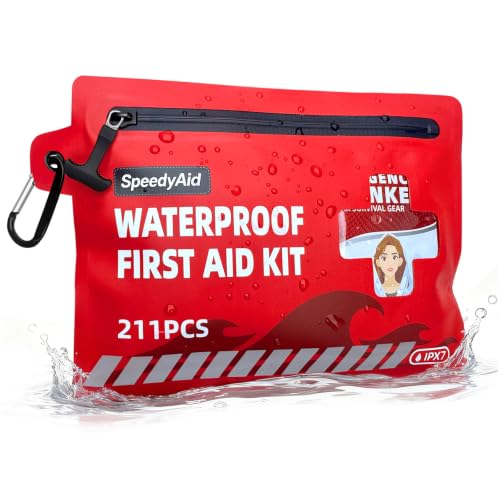 211 PCS Waterproof First Aid Kit Check price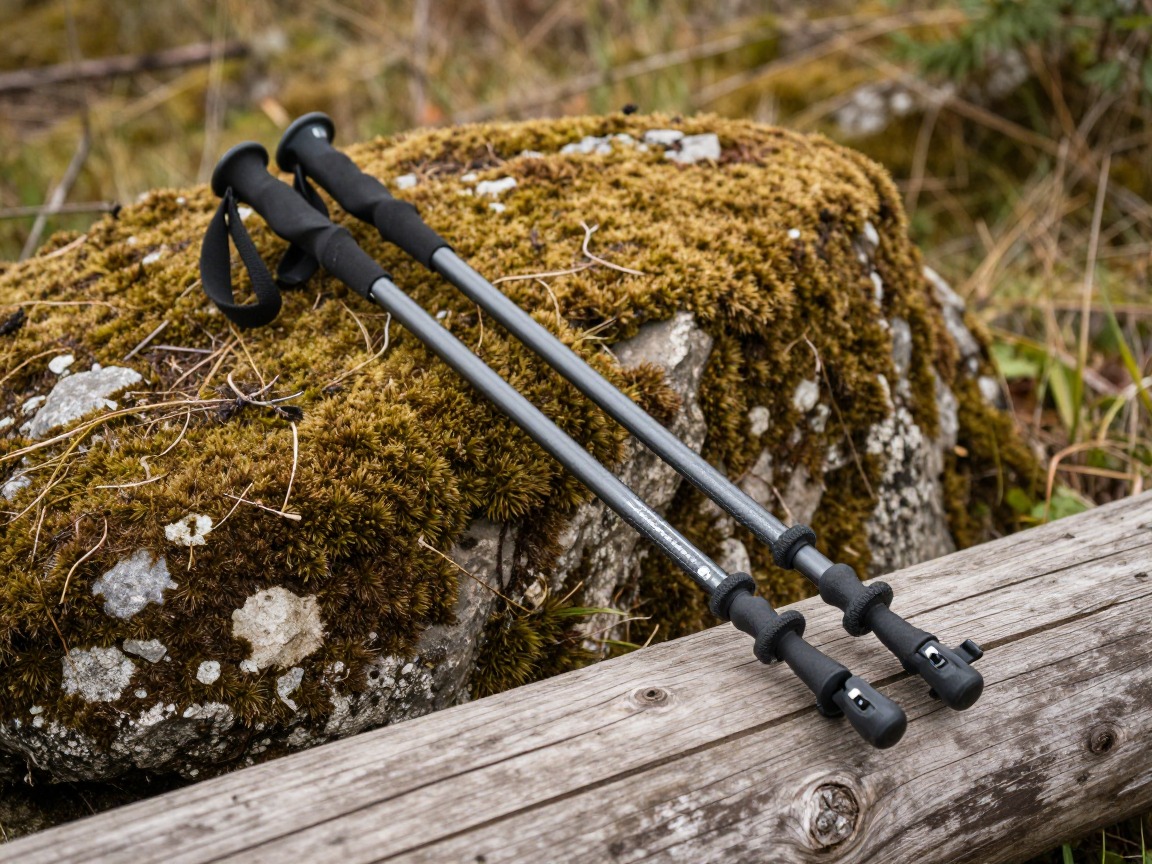
Trekking poles
Poles save your legs on climbs and descents, add stability on technical ground, and often double as your shelter's poles at camp.
What to look for: Adjustable, packable poles with locks that hold under load and a strap system you can flick into a running grip.
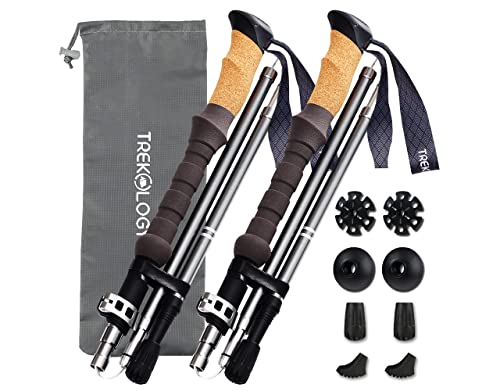 Trekology Trek-Z Cork Grip Collapsible Lightweight Hiking Trekking P Check price
 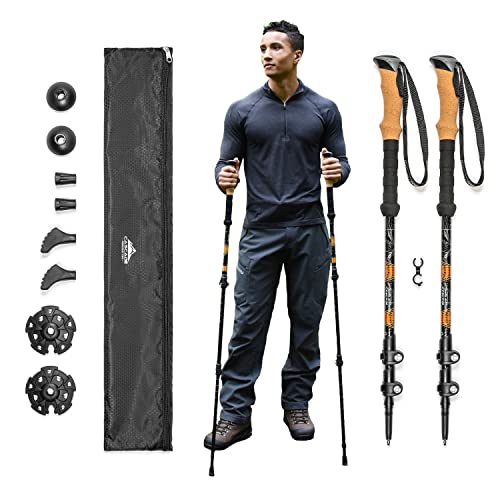 Cascade Mountain Tech Trekking Poles Check price
 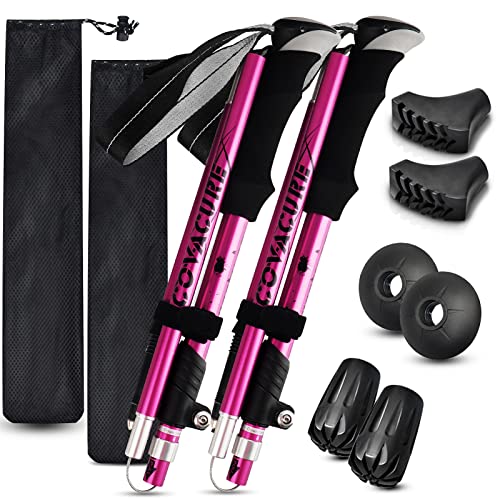 covacure Hiking Poles Check price
 - Phone with offline maps + a power bank
- Whistle
- Fire kit (lighter or matches)
- Emergency shelter or bivy, if not your main shelter
- Sunscreen
How to adapt this setup
A single overnight can run about as light as it gets — a bivy or tarp, a light quilt, a day of no-cook food. Total weight matters less for one night.
Add a day of food for every extra night, and total pack weight climbs accordingly — food, not gear, is what makes a three-night fastpack heavier than a one-nighter.
Rocky, exposed or off-trail sections flatten the mileage gap with hiking, since there's less runnable ground. Add traction for scrambling and drop your daily mileage target to match the terrain.
Add real insulation, a warmer quilt and a higher-R pad before you add mileage — a summer-built kit gets dangerous fast once nights turn cold.
Common mistakes to avoid
- Buying a fastpacking pack before checking whether a plain running vest already covers your total load.
- Cutting the safety layer — navigation, insulation, first aid, water treatment — to save a few ounces.
- Packing a full cook system 'just in case' instead of committing to cold, calorie-dense food.
- Choosing a shelter you've only pitched at home, never practiced pitching fast and tired.
- Judging the kit by base weight alone and ignoring total pack weight, then bouncing at a run.
- Attempting a big-mile route before you've done a few short, loaded overnight runs.
Make it yours
Frequently asked questions
What is fastpacking?
Fastpacking means covering multi-day trail routes by alternating running and hiking, carrying a stripped-down overnight kit — shelter, sleep system, food and water treatment — in a vest-style or lightly framed pack. The goal is to run the smooth sections and hike the rest, covering more ground per day than a hiking pace allows.
How much weight should a fastpacking kit carry?
Most fastpackers aim to keep total pack weight — everything on your back, including food and water — under roughly 15 lb, the point past which an unstructured load starts to bounce at a run. Above that, a lightly framed pack with a slim hipbelt carries the extra weight more comfortably.
Do I need a running vest or a fastpacking pack?
It depends on total load, not preference. A running vest suits loads under about 8–10 lb; above that, a lightly framed fastpacking pack with a slim hipbelt carries multi-night loads more comfortably, trading some of the vest's close, no-bounce fit for real load transfer off your shoulders.
Do fastpackers cook hot meals?
Many don't. Skipping a stove, pot and fuel saves real pack weight and volume, so cold-soaking or no-cook, calorie-dense food is common on shorter trips. Others still carry a tiny canister stove for a hot dinner — a genuine trade-off between comfort and weight, not a rule either way.
Is fastpacking safe?
It can be, with the same discipline as any backcountry trip: keep navigation, insulation, first aid and water treatment non-negotiable even as everything else gets cut. Fastpacking asks more of your fitness than hiking the same route, so build up through shorter, loaded overnights before a big-mile route far from help.
Illustrative images show the type of gear, not specific products. Recommendations link to similar items on Amazon; we only ever link real listings and never show fabricated prices or ratings. General planning guidance, not a substitute for your own judgment or professional backcountry-safety instruction.