
The family day hike setup (with kids)
Hiking with kids isn't a smaller version of hiking with adults — it's a different sport, built around short attention spans, small legs and constant snacks. This is a complete family day-hike setup: what the adult carries, what the kids carry themselves, and how to keep the outing fun instead of a slog.
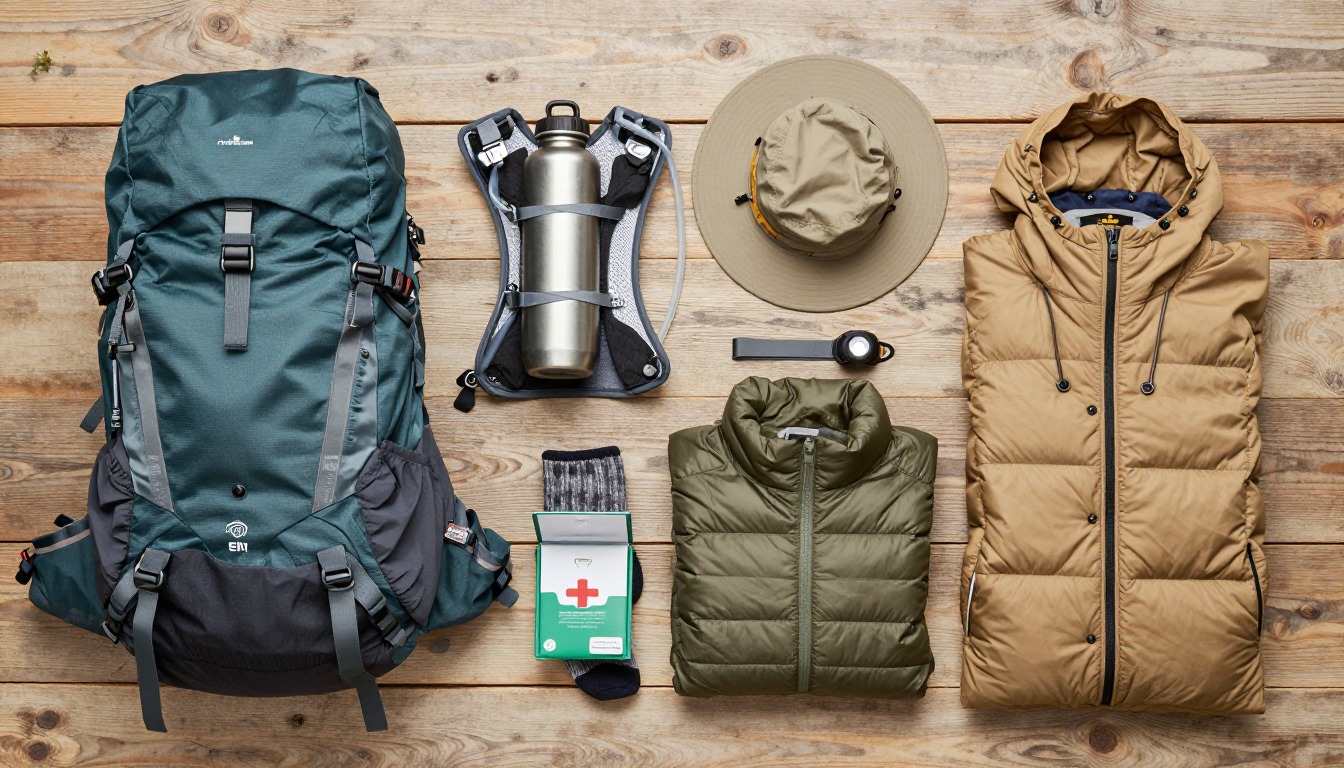
A family kit is built around one goal: the kids want to come back next weekend. That means the trip stays short enough to finish on a high note, morale tools like snacks, games and a clear destination do as much work as gear, and every walking-age kid carries a tiny pack of their own — just enough to feel like a real hiker, never enough to slow them down. The adult carries the redundancy: extra water, a spare layer, a first-aid kit sized for scraped knees, and the safety basics that matter more with kids along, not less.
Families with one or more walking-age kids (roughly age three and up) heading out for an hour or two to half a day on an easy, well-marked trail. If your youngest still needs to be carried the whole way, look at a child-carrier setup instead of this one; if your kids already hike like adults for several miles, the standard day-hike list will serve you better.
- Pick the trail to match your shortest-legged hiker, not your longest — a short win beats a long slog every time.
- Give each walking-age kid their own mini pack with water, a snack and one favorite thing, and let them carry it themselves.
- Build the adult pack around redundancy: extra water, extra snacks, spare layers, and a first-aid kit sized for kids.
- Pack the morale kit — snacks, a simple game or a scavenger-hunt list, and a clear, achievable turnaround point.
About this setup
Family day hikes fail for predictable reasons, and almost none of them are about gear. A trail that's too long for the youngest legs, a snack schedule that starts too late, a promised destination that turns out to be another mile past what anyone said — these are the things that turn an outing into a carried, crying kid and a day nobody wants to repeat. The fix isn't more gear, it's a shorter, better-planned trip: pick a trail matched to your slowest hiker, plan for double the adult time estimate, and build in a real, visible turnaround like a bridge, a lake or a big rock.
Kids also handle heat, cold and dehydration worse than adults do, and they're bad at telling you until it's already a problem — a child who's gone quiet and cranky is often thirsty or overheated, not just tired. That's why this kit leans on doing the offering for them: water on a schedule rather than on request, sunscreen reapplied whether they ask or not, and a spare layer in the adult pack for the kid who insists they're not cold right up until they are. None of it needs to be expensive or technical; it just needs to actually get used, and if a child ever seems genuinely unwell, treat it seriously and get help rather than waiting it out.
The other half of a good family hike is letting kids own part of it. A mini pack they chose and carry themselves, a whistle they get to wear, a scavenger hunt or a 'first one to spot a chipmunk' game — these cost nothing and do more for a smooth hike than almost any piece of gear. Treat the list below as the redundancy and safety net the adult carries, built around a trip that's genuinely designed for kids, not a scaled-down adult hike.
The packs — yours and theirs
The adult carries a slightly bigger daypack than usual, because a family outing means carrying for more than one person. Each walking-age kid gets a tiny pack of their own.
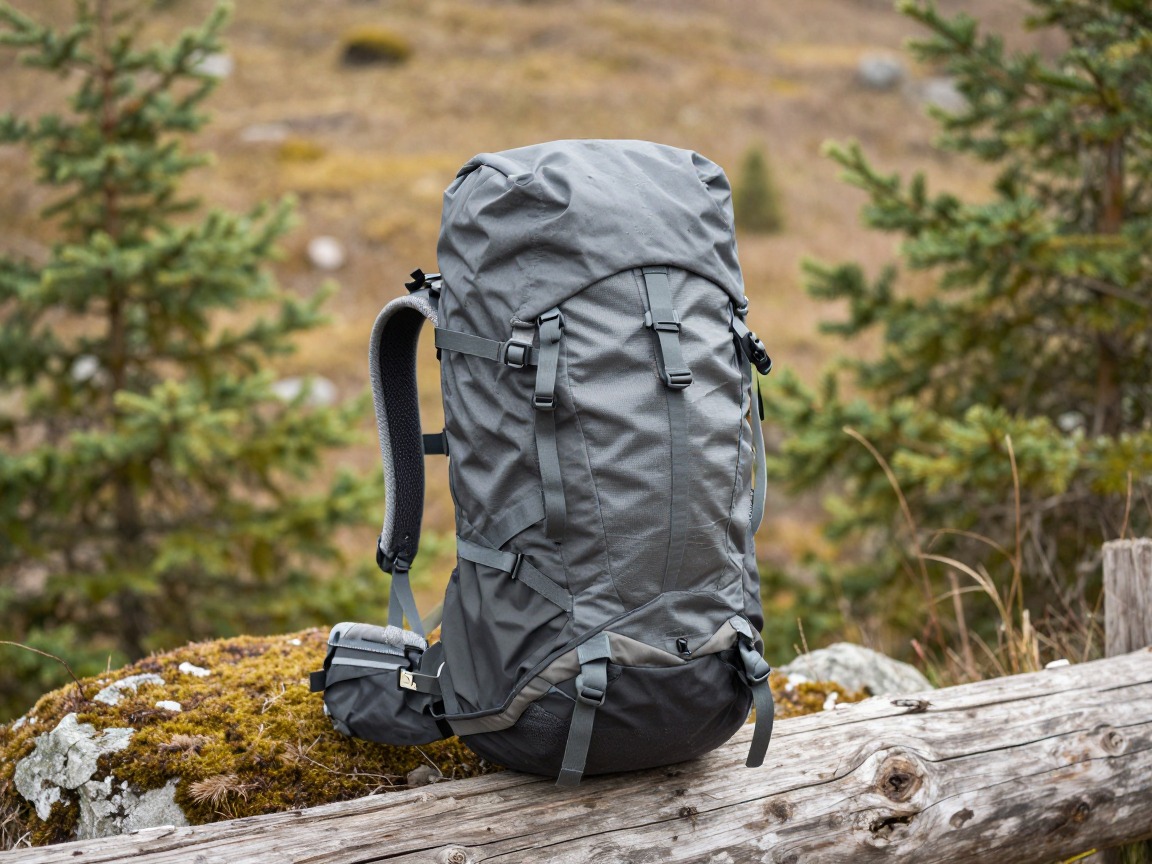
Family-sized daypack (adult)
Carries the extra water, snacks, layers and first-aid kit for the whole family — bigger than a solo day pack because you're covering for small people who can't carry much themselves.
What to look for: 25–35 L with a real hip belt so the extra weight rides on your hips, easy-access side pockets for the water and snacks you'll reach for constantly, and room to stash a kid's jacket or a tired child's own pack.
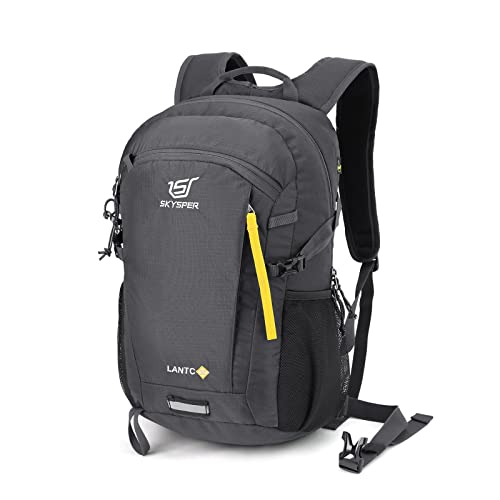 SKYSPER Small Hiking Backpack Check price
  Osprey Sportlite 20L Lightweight Hiking Backpack Check price
 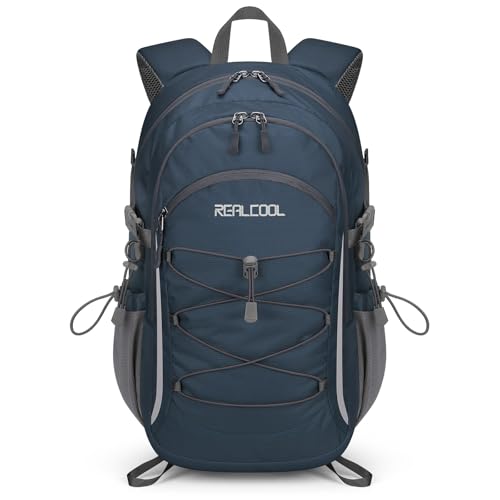 RealCool 20L Lightweight Hiking Backpack Check price
 Kids' mini daypack
A scaled-down pack a child carries themselves — just their water, a snack and a small toy or trailside treasure. Carrying their own gear makes them feel like a real hiker.
What to look for: Light enough that it's barely there even empty, a chest strap so it doesn't slide off small shoulders, and a size and design the child picked out themselves — buy-in matters more than any feature.
SKYSPER Small Hiking Backpack Check price Osprey Sportlite 20L Lightweight Hiking Backpack Check price RealCool 20L Lightweight Hiking Backpack Check price Water, snacks & fuel
Kids dehydrate and bonk faster than adults, and the fix for both is the same: water and food, offered often, before they ask.
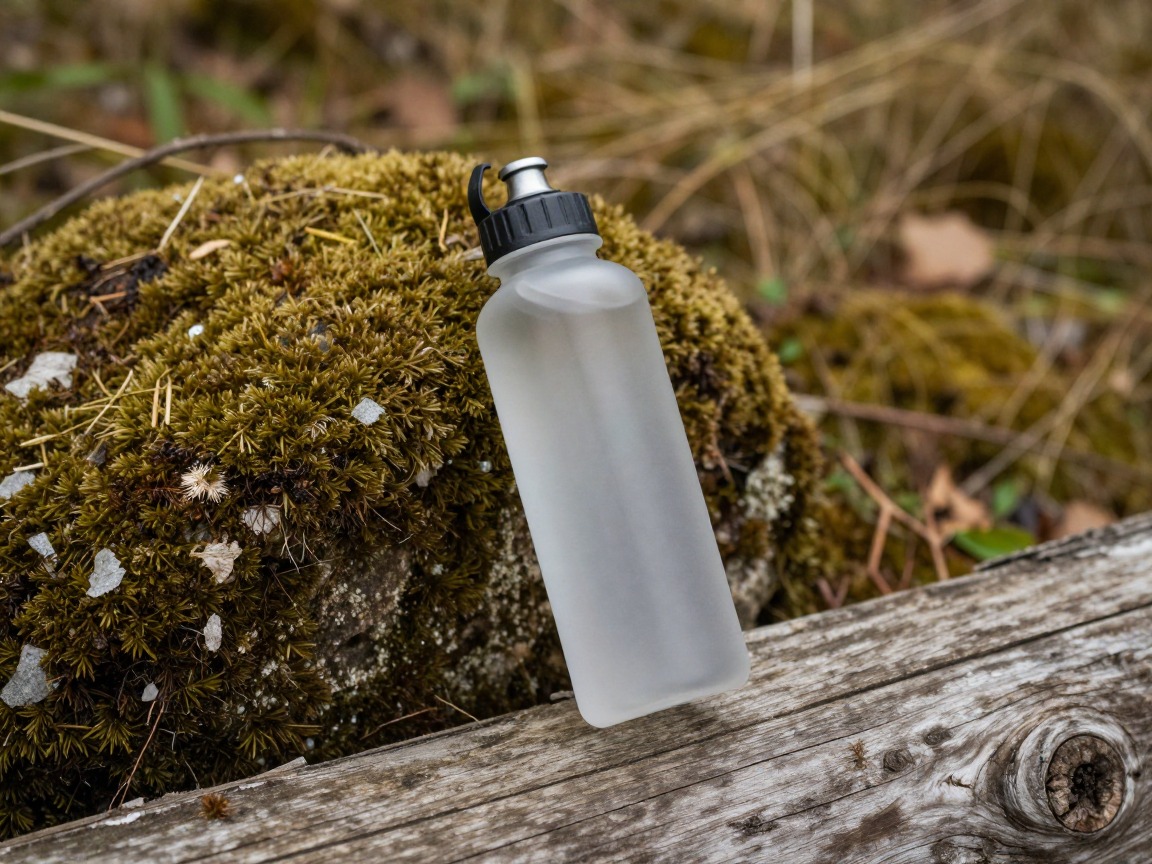
Kid-sized water bottle
An easy-to-drink-from bottle sized for small hands, carried in their own pack so they can sip whenever they want without waiting on you.
What to look for: Light, easy to open one-handed, and small enough a kid can actually lift it to drink — 12–16 oz is plenty for a few hours on trail. A carabiner clip keeps it from getting left behind at a snack stop.
 Nalgene 32 oz Wide Mouth Water Bottle Check price
  Nalgene 32 oz Wide Mouth Water Bottle Check price
  Nalgene 32 oz Wide Mouth Water Bottle Check price
Adult hydration reservoir
Backup water for the whole group rides in the adult's pack; a reservoir makes it easy to top up kids' bottles without digging for a jug.
What to look for: A 2–3 L bladder so there's genuinely enough for refills, an easy-to-clean wide opening, and a bite valve you can lock off so it doesn't leak into the pack.
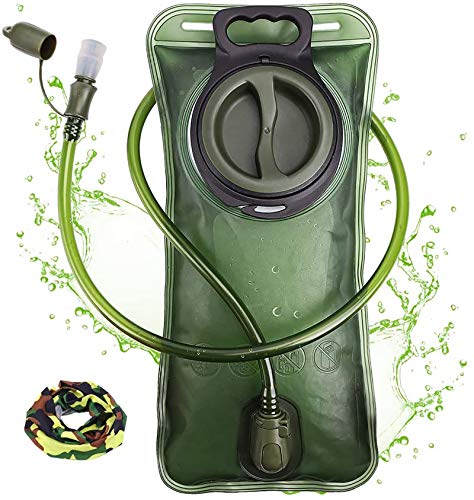 Hydration Bladder Check price
  Hydration Bladder Check price
  Mdvora 1.5L/2L/2.5L/3L Hydration Bladder Check price
 - Snacks in small, frequent portions — more than you think you'll need
- A favorite treat saved for the turnaround or a tough stretch (a real morale tool)
- Electrolyte drink mix for hot days
Sun, layers & comfort
Kids overheat, sunburn and get cold faster than adults do, so sun protection and a spare layer matter even on a short, mild hike.
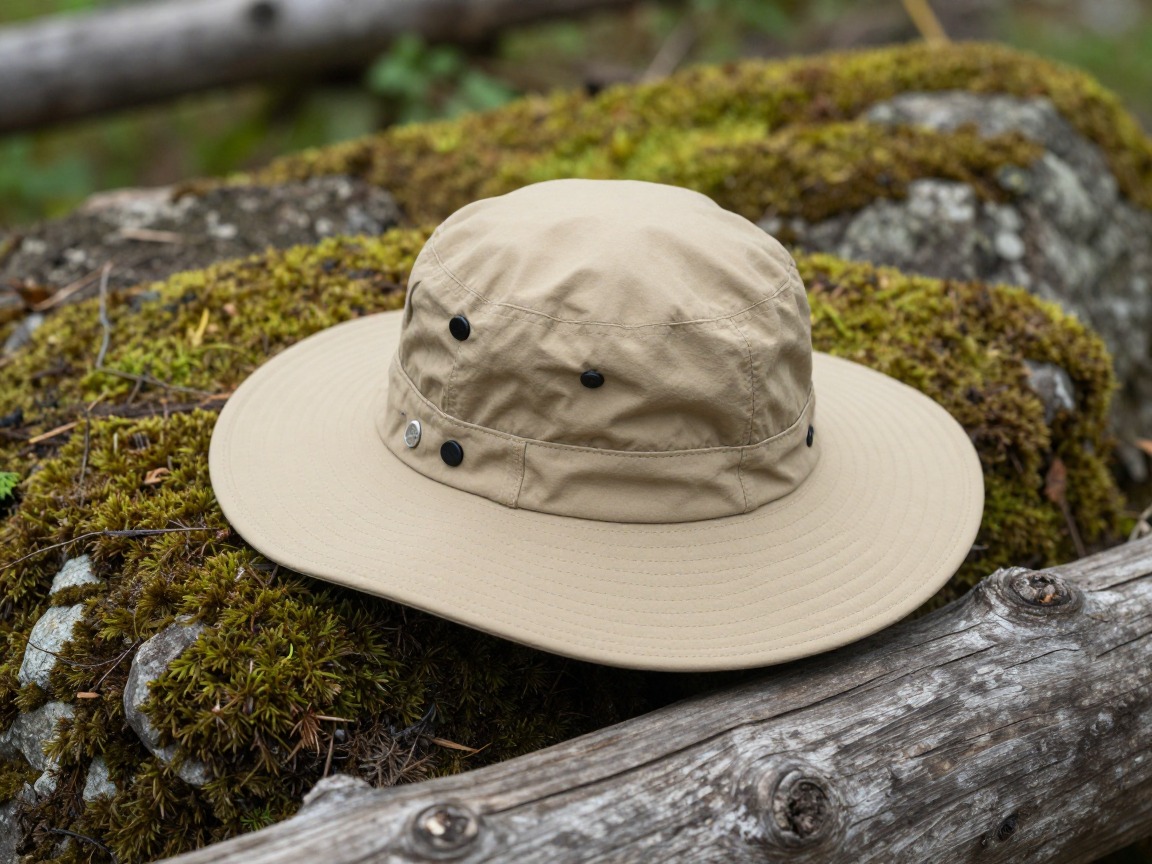
Kid's sun hat
A brimmed hat shades a child's face, ears and neck — skin that burns fast and that they won't think to protect themselves.
What to look for: A soft brim that won't blow off in wind (a chin strap helps), breathable fabric, and a fit they'll actually keep on — a hat fought over all hike does no good.
 FURTALK Womens Sun Hat with Ponytail Hole Beach Hiking Summer Wide B Check price
 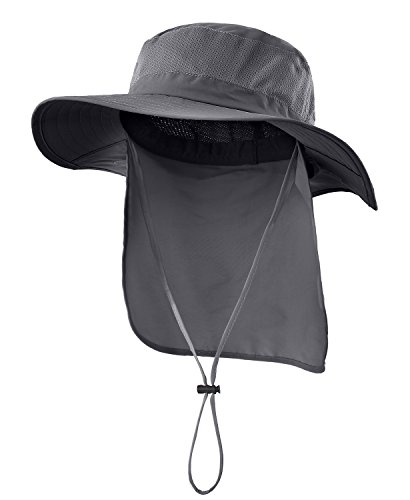 Home Prefer Outdoor UPF50+ Mesh Sun Hat Wide Brim Fishing Hat with N Check price
  FURTALK Sun Hats for Men Fishing Hat UPF Protection Wide Brim Bucket Check price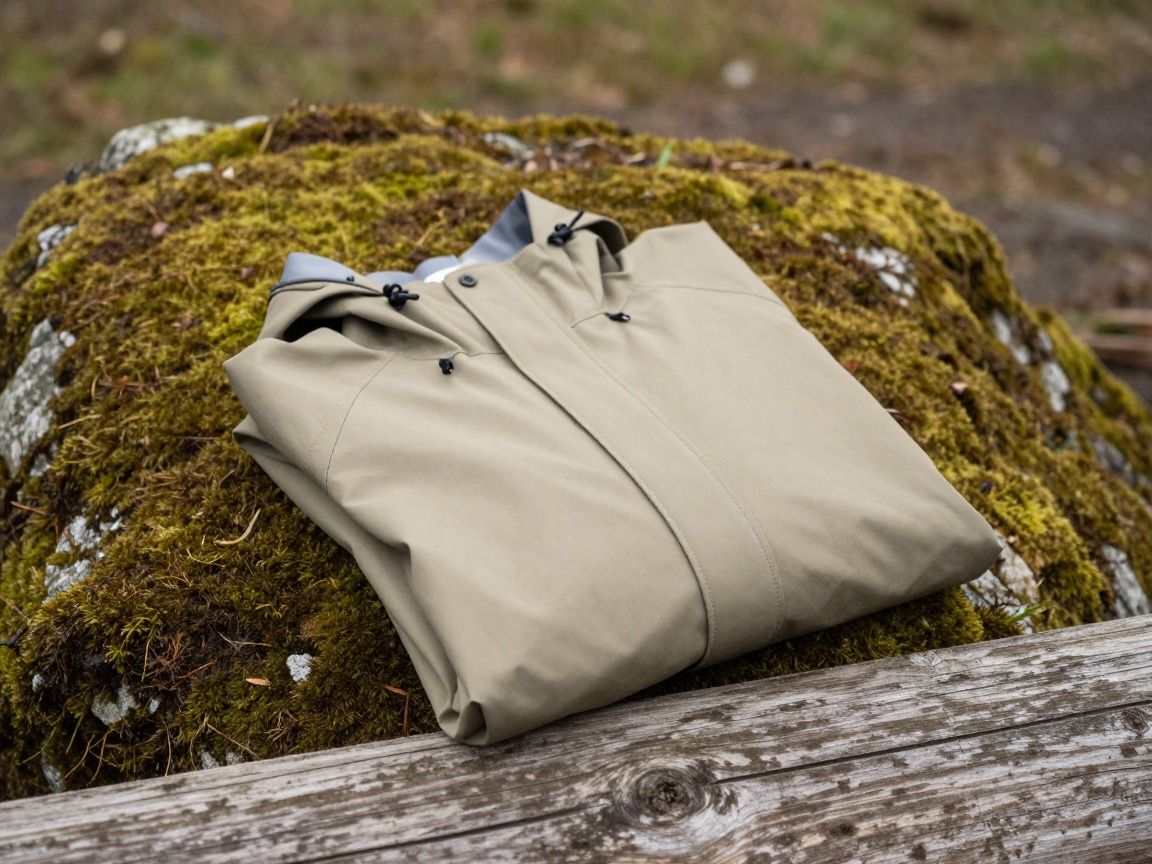
Kid's packable rain layer
A light waterproof shell keeps a child dry and warm if the weather turns, and it packs small enough to disappear into the adult's pack until needed.
What to look for: Simple for a child to get on and off without help, a hood, and a size with room to layer underneath — a little roomy is fine since kids grow fast.
 UIQUR Mens Rain Jacket Raincoat Waterproof Windbreaker Black L Check price
  COOFANDY Men's Waterproof Hiking Travel Shell Breathable Rain Jacket Check price
  Columbia Womens Arcadia II Waterproof Rain Jacket Check price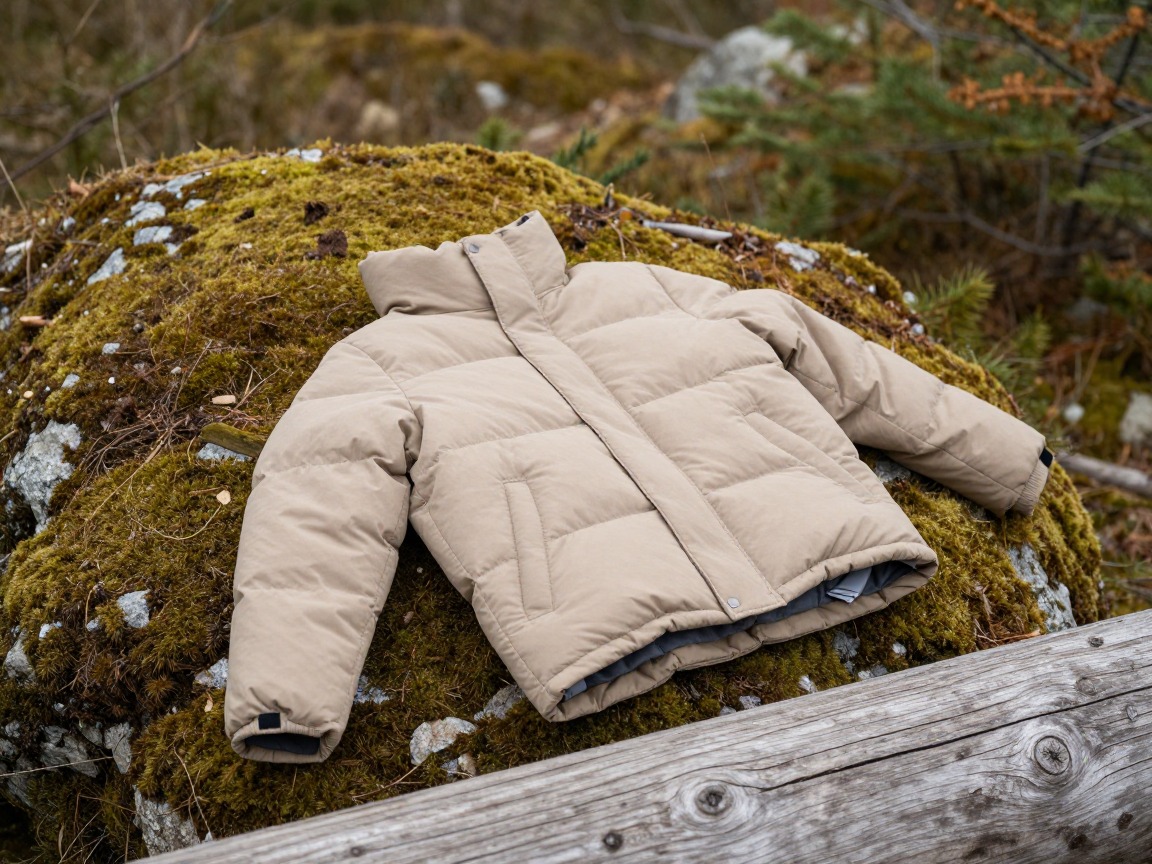
Spare warm layer
An extra fleece or light puffy for a child who gets cold sitting still at a snack break, even on a day that feels warm to you.
What to look for: Something that packs small, is easy for a child to put on themselves, and — for younger kids — genuinely a spare on top of what they're already wearing, since cold hits them faster than it hits adults.
 Outdoor Ventures Women's Packable Lightweight Puffer Jacket with Hoo Check price
  Amazon Essentials Women's Lightweight Long-Sleeve Water-Resistant Pa Check price
  Outdoor Ventures Women's Packable Lightweight Puffer Jacket with Hoo Check price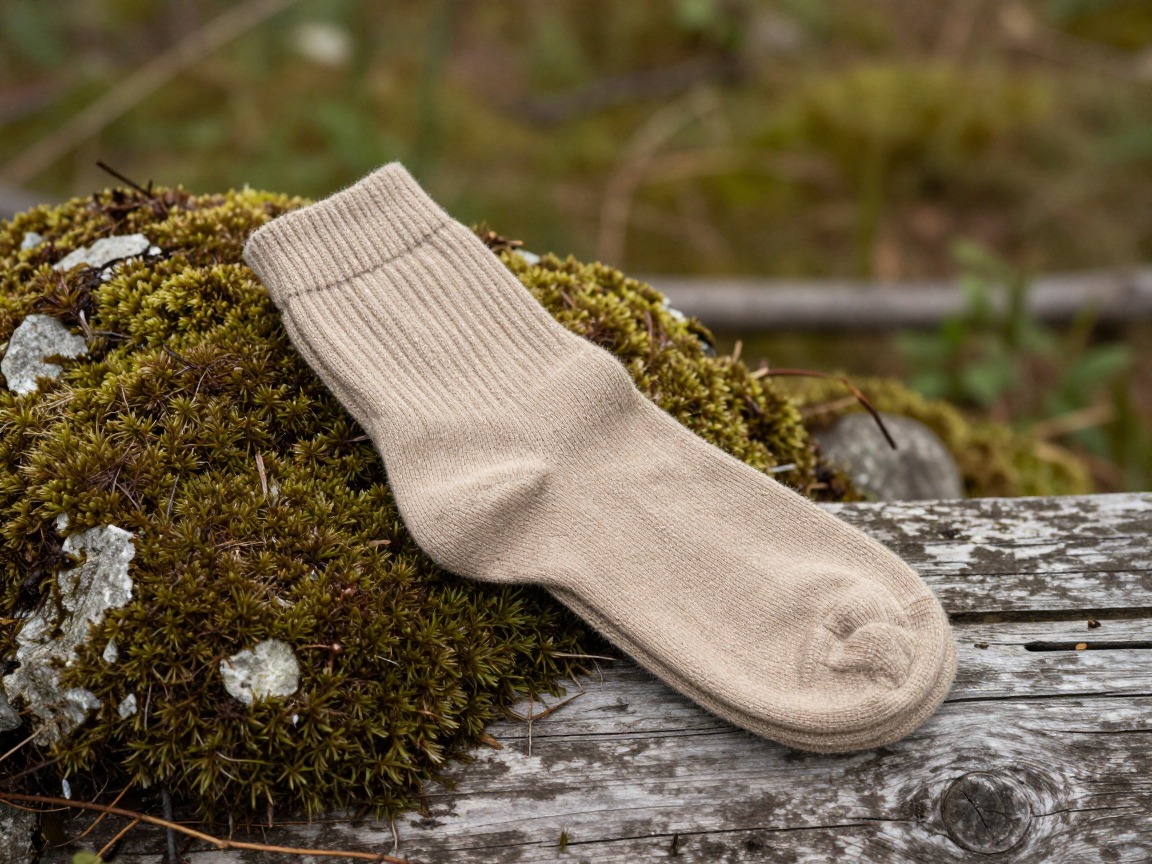
Extra pair of socks
Wet feet turn a good hike sour fast; a dry spare pair fixes a puddle mishap or a splash across a creek crossing.
What to look for: A snug, comfortable fit and a fabric that isn't cotton — a soaked cotton sock chills a small foot and starts a blister.
 Alvada Merino Wool Hiking Socks Thermal Warm Crew Winter Boot Sock F Check price
  DANISH ENDURANCE Merino Wool Socks for Men & Women Check price
  innotree 3 Pack Men's Merino Wool Hiking Socks Check price
 - Kid-safe sunscreen, reapplied more often than you'd bother for yourself
- A full spare outfit in the adult's pack, not just a spare layer
- Hand sanitizer for snack stops and post-bathroom-break moments
- Comfortable, already-broken-in shoes or sneakers — not brand new ones
Safety, pace & fun
With kids, safety kit doubles as morale kit — the whistle they get to wear is exciting, not just precautionary, and the game you packed is what gets everyone to the turnaround without a meltdown.
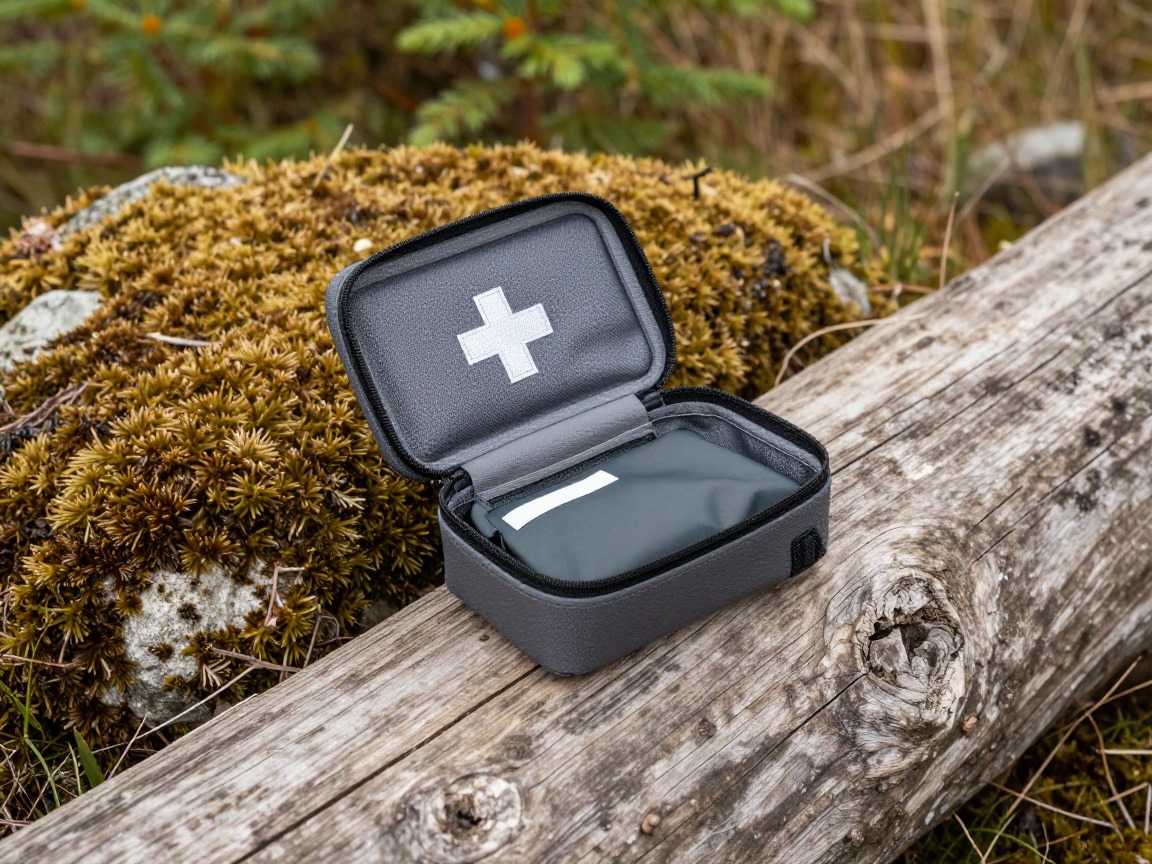
Family first-aid kit
Built around what actually happens with kids on trail — scraped knees, splinters and blisters — plus the basics for a bigger problem.
What to look for: Extra bandages and blister care beyond a standard kit, kid-friendly adhesive bandages (the fun designs genuinely help), and tweezers for splinters. Know what's in it before you need it.
 Mini First Aid Kit - 150 Piece Small Waterproof EVA Hard Shell Case Check price
  Adventure Medical Kits Ultralight/Watertight Medical Kit .5 Check price
 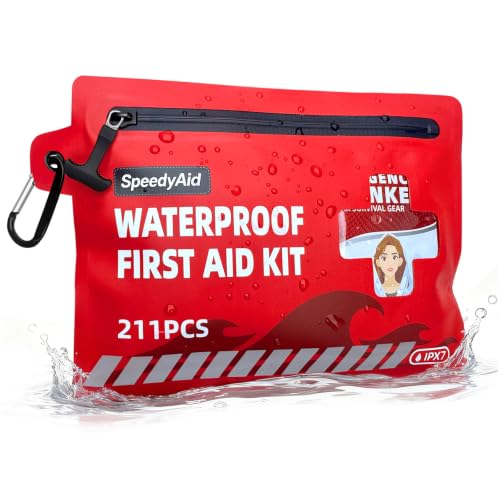 211 PCS Waterproof First Aid Kit Check price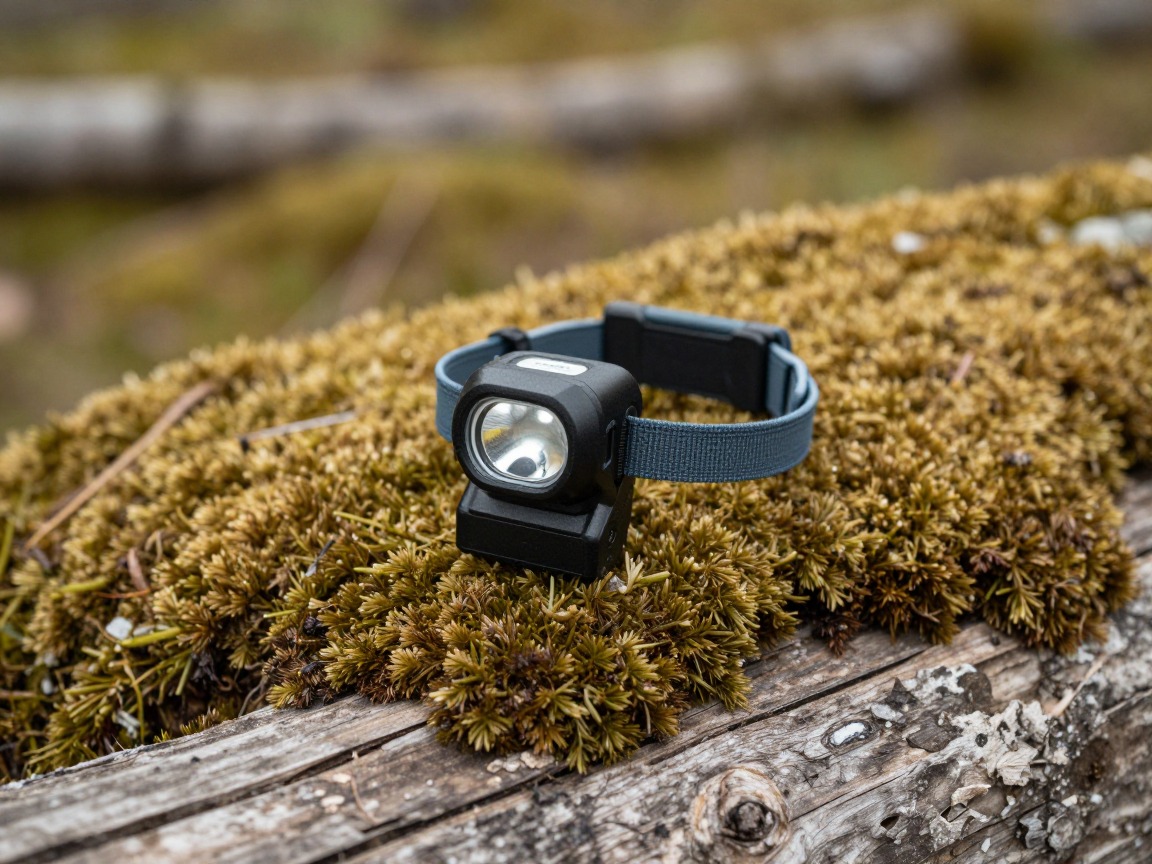
Headlamp
A backup light in case a short hike runs long — an easy thing to overlook when the plan is 'we'll be back before dark.'
What to look for: A comfortable, adjustable strap, a simple one-button on/off, and a lock mode so it doesn't switch on and drain in the pack.
 LHKNL Headlamp Flashlight Check price
 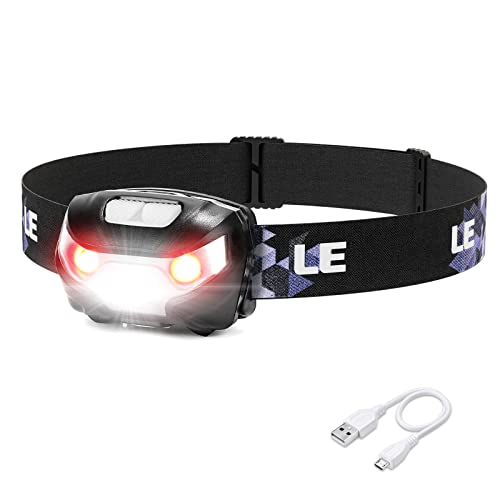 Lepro LED Headlamp Rechargeable IPX4 Waterproof Headlight 5 Modes - Check price
 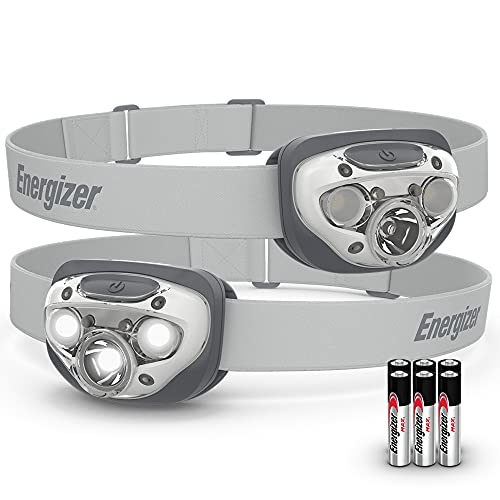 Energizer LED Headlamp PRO Check price
 - A whistle for each walking-age kid, worn where they can reach it, with the rule 'only in an emergency'
- A recent photo of each child on your phone from that morning — what they're wearing, for a fast description if anyone gets separated
- A simple game, scavenger-hunt list or 'spot the...' challenge to carry everyone through the harder stretch
- A clear, named turnaround point everyone agrees to before you start
- Phone, fully charged, with the trail map downloaded offline
How to adapt this setup
If your youngest can't walk the distance, this list isn't the right starting point — add a child carrier and plan the hike around the carrying adult's comfort, not the toddler's pace.
More kids means more unpredictability, not just more gear — plan an even shorter trail, bring a second adult if you can, and expect the group to move at the slowest child's pace, always.
Start early, pick a shaded or water-adjacent trail, and treat sun protection and water as the priority over everything else — heat hits kids faster than it hits you.
Add a warmer layer and a hat with ear coverage, and shorten the trip — kids cool down fast once they stop moving at a snack break.
Once kids are happily hiking a few miles on their own steam, lean toward the standard day-hike list and let them carry a bit more of their own kit.
Common mistakes to avoid
- Picking a trail matched to what you can hike, not what the youngest kid can hike.
- Waiting for a child to ask for water or a snack instead of offering on a schedule.
- Promising a destination that's further than it looks, then having to explain the extra mile.
- Skipping sun protection because the hike is 'short' — kids burn fast even in under an hour.
- No plan for what happens if a kid melts down halfway — no snack reserve, no game, no clear turnaround.
- Letting a child's pack carry so little it's pointless, or so much it becomes a fight to wear.
Make it yours
Frequently asked questions
What age can kids start day hiking?
Most kids can handle short, easy trails from around age three to four, walking the whole way with frequent breaks. Keep early hikes to a mile or less, pick flat, shaded routes, and let the child's mood — not a mileage goal — decide when to turn around.
How far can a young kid realistically hike?
It varies a lot by child, but as a rough guide, plan on roughly a mile per year of age for kids under about eight, with plenty of stops. Watch the child, not the plan — a slow, happy mile beats a fast, miserable one.
Should kids carry their own backpack?
Yes, if they're old enough to walk the distance — a light pack with their water, a snack and one small treasure builds ownership and pride in the hike. Keep it genuinely light; the adult should still carry the redundancy and any heavy items.
What if my child gets too hot or won't drink enough water?
Watch them closely for flushed skin, quietness or crankiness, keep them in shade where you can, and keep offering water and rest rather than waiting for them to ask. If a child seems unwell or doesn't improve with rest, shade and fluids, treat it as urgent and get help.
What safety gear matters most for hiking with kids?
A whistle each child wears (with the rule it's for emergencies only), a recent photo of what they're wearing that day, and a first-aid kit sized for scrapes and blisters cover most real situations. Add hand sanitizer, sun protection and a clear turnaround point, and you've covered the basics well.
Illustrative images show the type of gear, not specific products. Recommendations link to similar items on Amazon; we only ever link real listings and never show fabricated prices or ratings. General planning guidance, not a substitute for your own judgment or professional backcountry-safety instruction.