
The family backpacking setup (with kids)
Backpacking with kids isn't a lighter version of your usual trip — it's a different trip, built around a different center of gravity. This setup redistributes the load so parents carry the shared weight, gives the kids' sleep system extra attention, and builds in more morale and more safety margin than you'd pack alone.
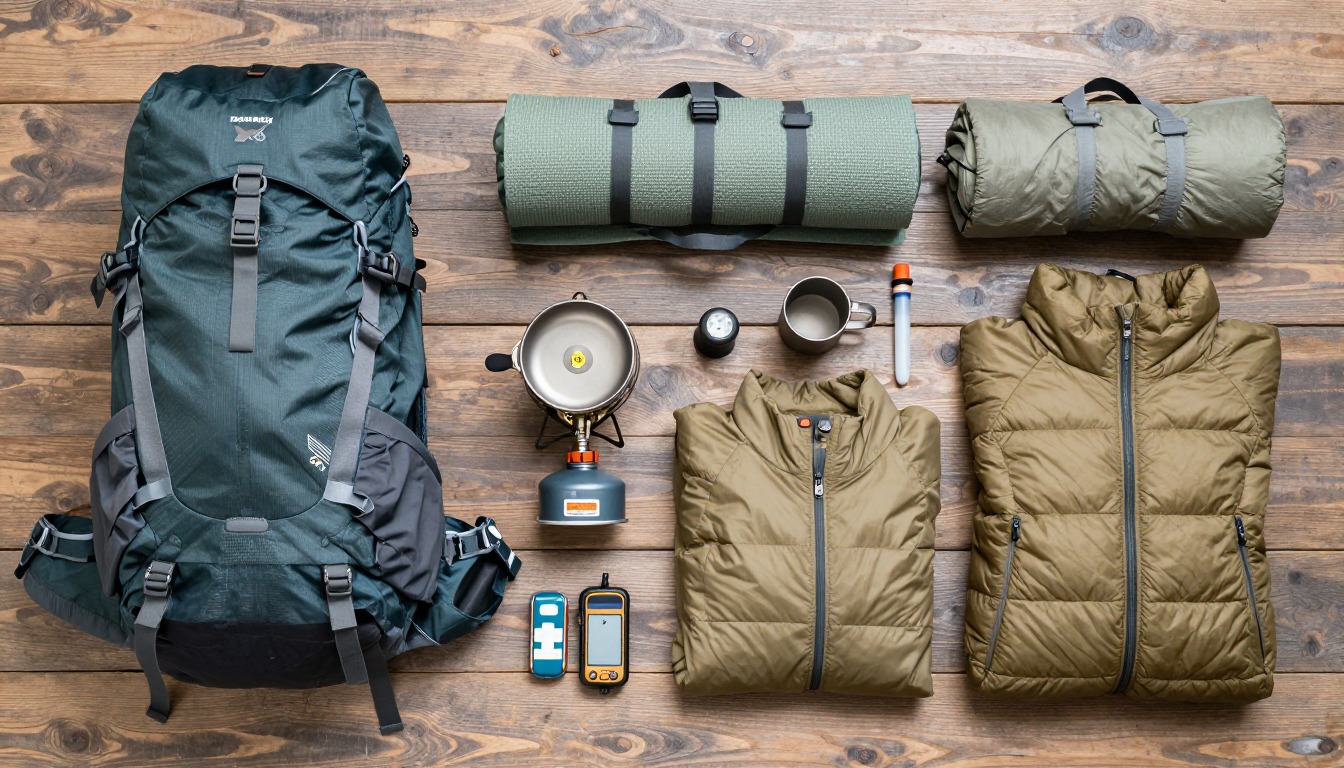
A family overnight kit is built around the same big-three system as any backpacking trip — pack, shelter, sleep — but redistributed: adults carry the shared load so a kid's pack stays light, and the sleep system is chosen to keep the least cold-tolerant person in the tent genuinely warm. Food, morale and a wider safety margin carry more weight in the decisions here than they would solo, because a happy, warm, well-fed kid is what makes the whole trip work.
Families with at least one kid old enough to hike a short distance under their own power and sleep through a night in a tent, heading out for one easy overnight on an established, well-traveled trail. If your youngest still needs to be carried or isn't ready to sleep away from home, treat this as a future goal and start with car camping instead; for older, more experienced kids ready for real mileage, look to the standard weekend backpacking setup.
- Split the gear by capability, not headcount — parents carry the shared shelter, kitchen and safety kit in a bigger pack; each kid carries only their own light daypack.
- Build the kids' sleep system first, and warmer than you think you need — a warm, comfortable kid at night is what keeps the whole trip on track.
- Pick a shorter, easier route than you'd choose solo, on an established trail with a clear, known way to bail out early.
- Plan food the kids will actually eat and a little built-in morale — a treat, a game, a comfort item — then weigh the pack and trim what you didn't touch.
About this setup
A family overnight isn't a lighter version of your usual backpacking trip — it's a different kind of trip with a different center of gravity. The gear doesn't split evenly by headcount; it splits by capability. Parents carry the shelter, the kitchen, the filter and most of the shared weight, so a kid's pack stays light enough that carrying it never becomes the reason the day goes sideways. That's why the adult pack on this list runs bigger than a solo weekend setup — it's absorbing gear for people who can't yet carry their own share.
Kids also run the show differently once the sun goes down. A cold, overtired or bored kid at camp will sour a trip faster than any trail condition, which is why this list leans harder on the sleep system and on morale than a solo packing list would. A genuinely warm bag and pad matter more for a kid than for an adult, because kids sleep less soundly and lose heat faster, and a little planned entertainment — a game, a treat, a comfort item from home — buys real goodwill during the long stretch between dinner and lights-out.
The route matters as much as the gear. Pick something shorter and easier than you'd choose solo, on an established trail with a known way to bail out early if a kid taps out, and build in a wider safety margin than you'd carry alone — extra first aid, a way to call for help with no cell signal, and a plan everyone in the group actually knows. None of that is overkill; it's what turns a first family overnight that could have gone sideways into the one everyone asks to do again.
The packs
Parents carry the shared weight so kids can carry just their own stuff — that split is what makes a family overnight actually work.
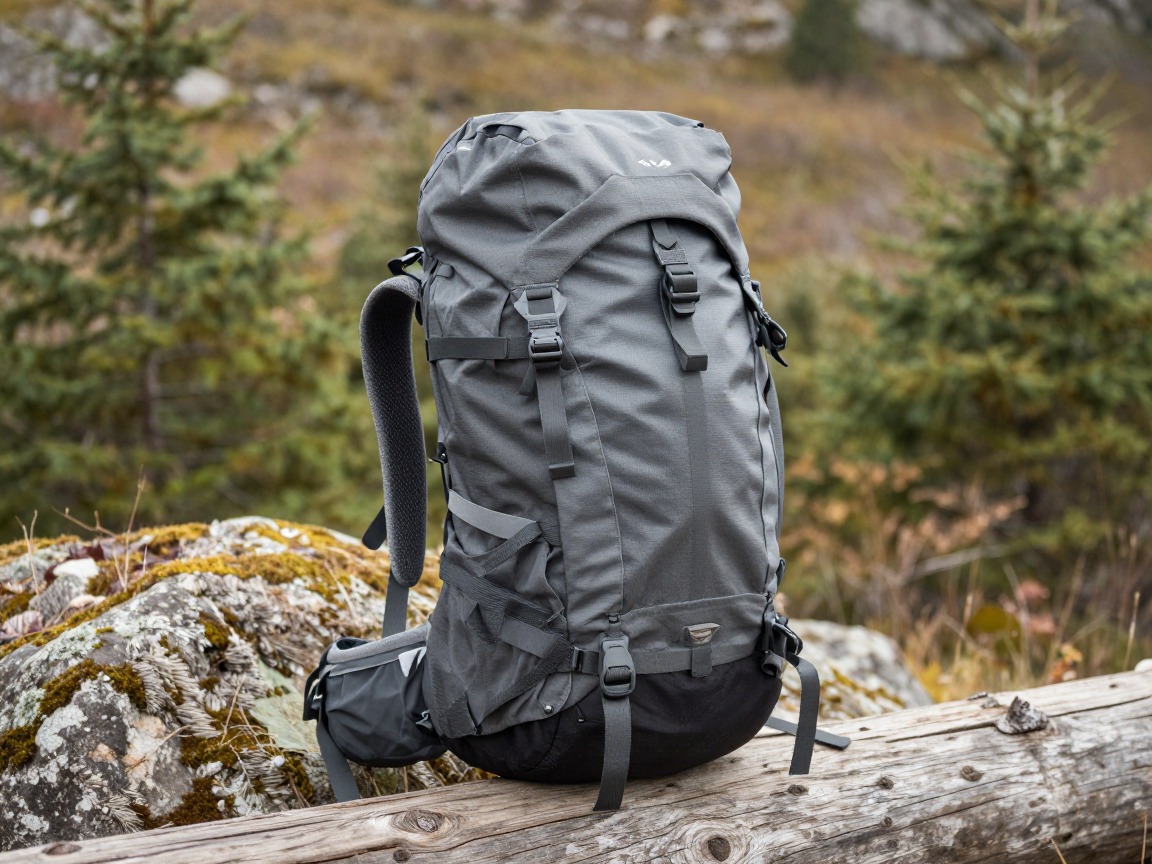
Family overnight pack
Sized up from a normal weekend pack because it's carrying the shared shelter, kitchen and a chunk of the kids' gear on top of your own kit.
What to look for: More volume than you'd pick for yourself alone (55–65 L is common for a parent hauling family gear), a hip belt that genuinely carries the load, and room to strap overflow to the outside for the trip home.
 WoneNice 50L Check price
  Teton 55L Scout Internal Frame Backpack for Hiking Check price
 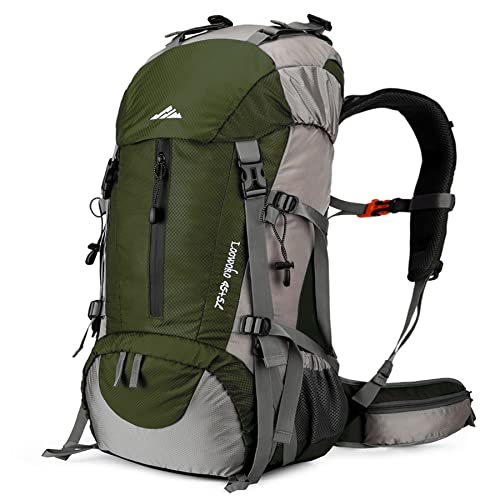 Loowoko 50L Hiking Backpack with Rain Cover for Both Men & Women Check price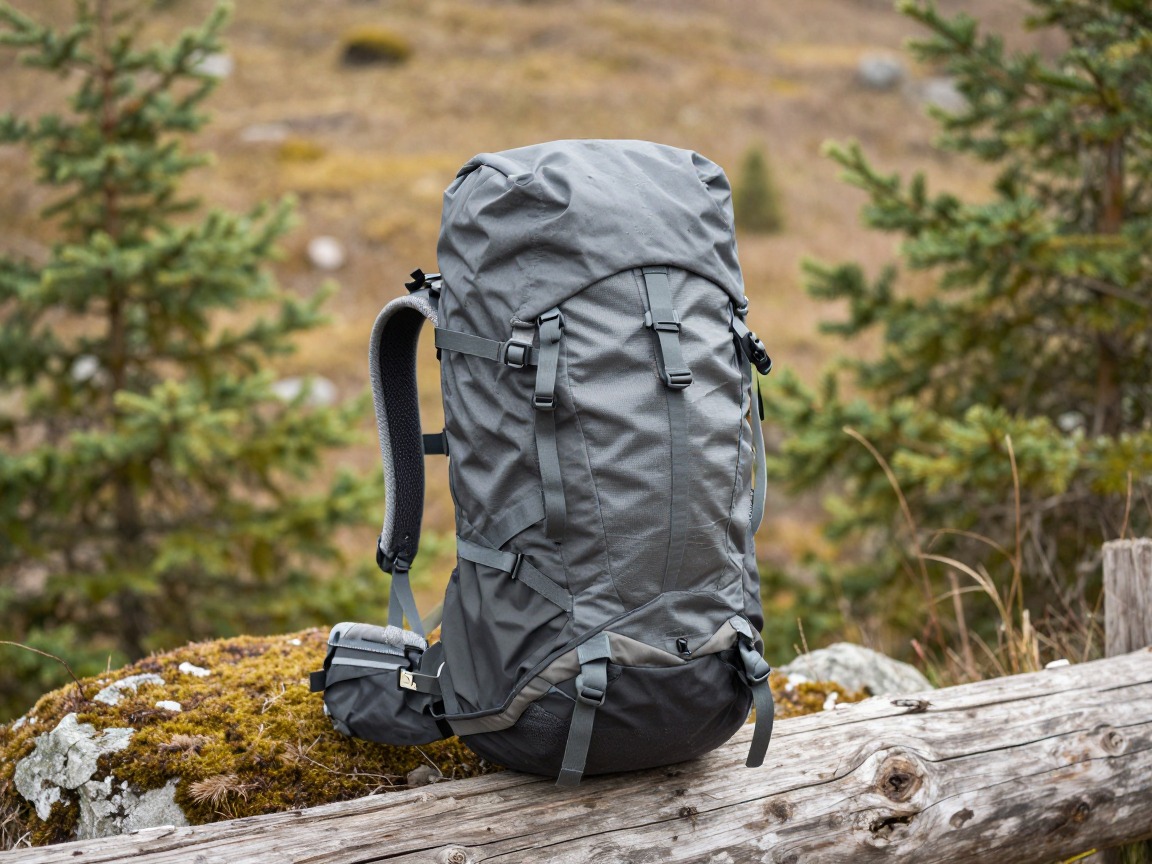
Kid's own pack
A small pack lets a kid carry their own water, a snack and a favorite comfort item — light enough that carrying it is never the reason the day goes sideways.
What to look for: Small and simple (a few liters is plenty), an adjustable fit for a growing kid, and nothing heavy enough inside to slow them down or sour the mood.
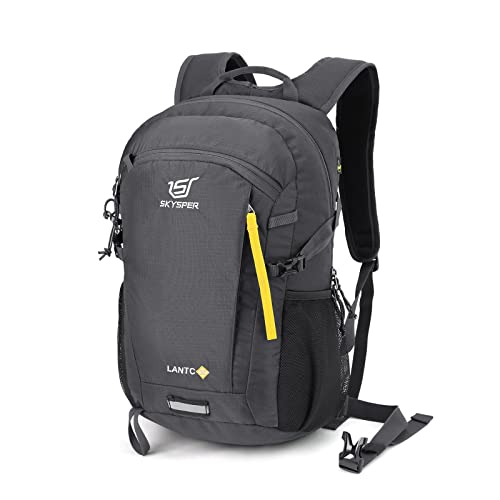 SKYSPER Small Hiking Backpack Check price
  Osprey Sportlite 20L Lightweight Hiking Backpack Check price
 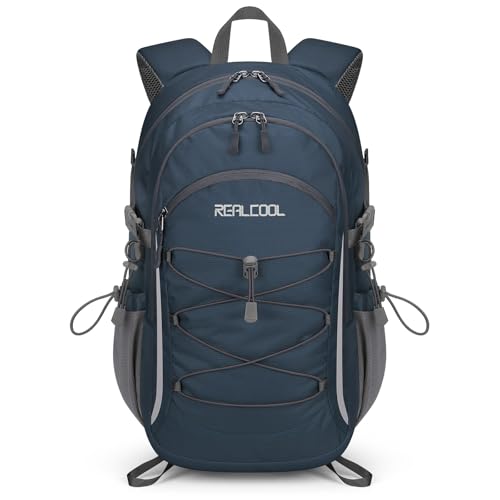 RealCool 20L Lightweight Hiking Backpack Check price
 - Pack rain covers for both the adult and kid packs
Shelter
One roomy tent keeps the family together and makes a rainy morning far less miserable for everyone.
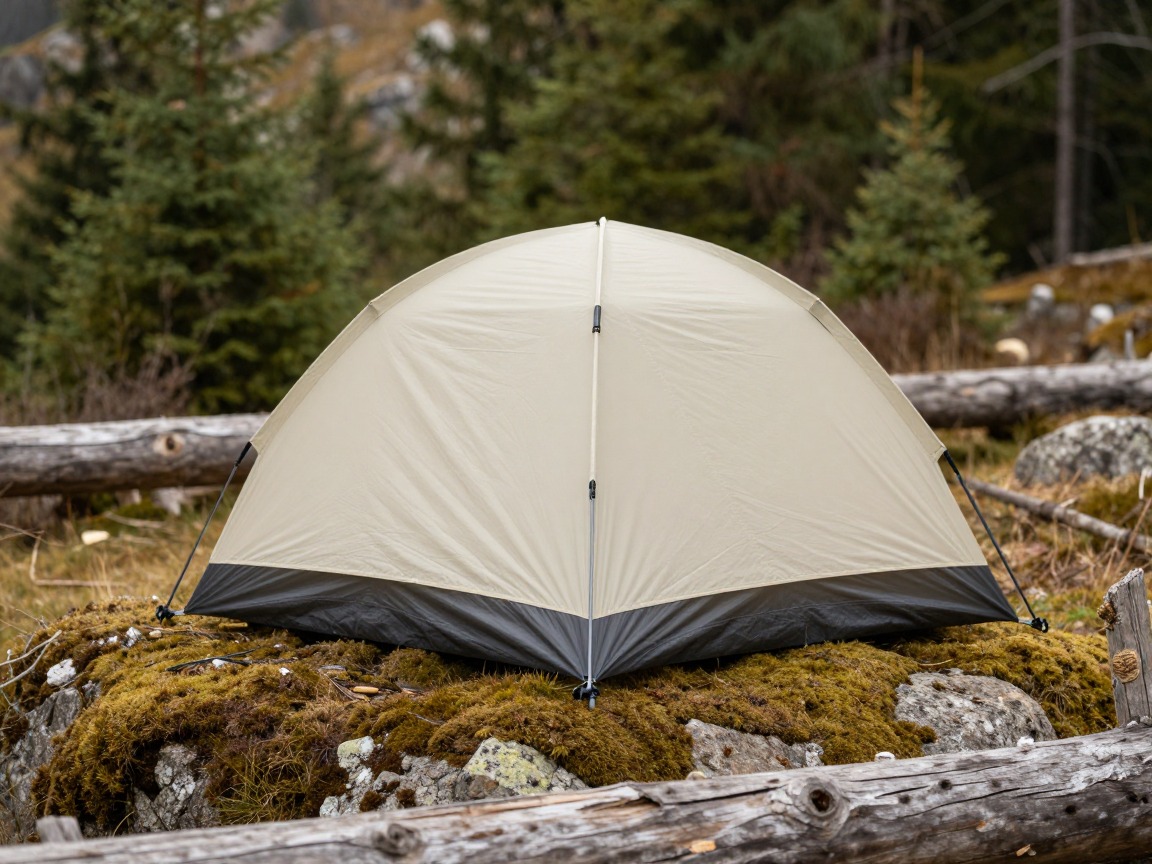
Family tent
Bigger than a typical two-person backpacking tent — everyone sleeps, and waits out any weather, in one shelter, which matters more with kids than the extra ounces cost.
What to look for: A 3–4 person capacity for two adults and one or two kids, a full-coverage fly for genuine weather protection, and a vestibule roomy enough for wet boots and gear.
 Night Cat 2-Persons Backpacking Tent: Waterproof Lightweight Camping Check price
  BISINNA 2/4 Person Camping Tent Lightweight Waterproof Backpacking T Check price
  Forceatt Tent for 2 Person is Waterproof and Windproof Check price
 - Stakes & guylines
- Groundsheet or footprint
Sleep system
A cold or uncomfortable kid ends the trip fast — their sleep system deserves more attention than anyone else's.
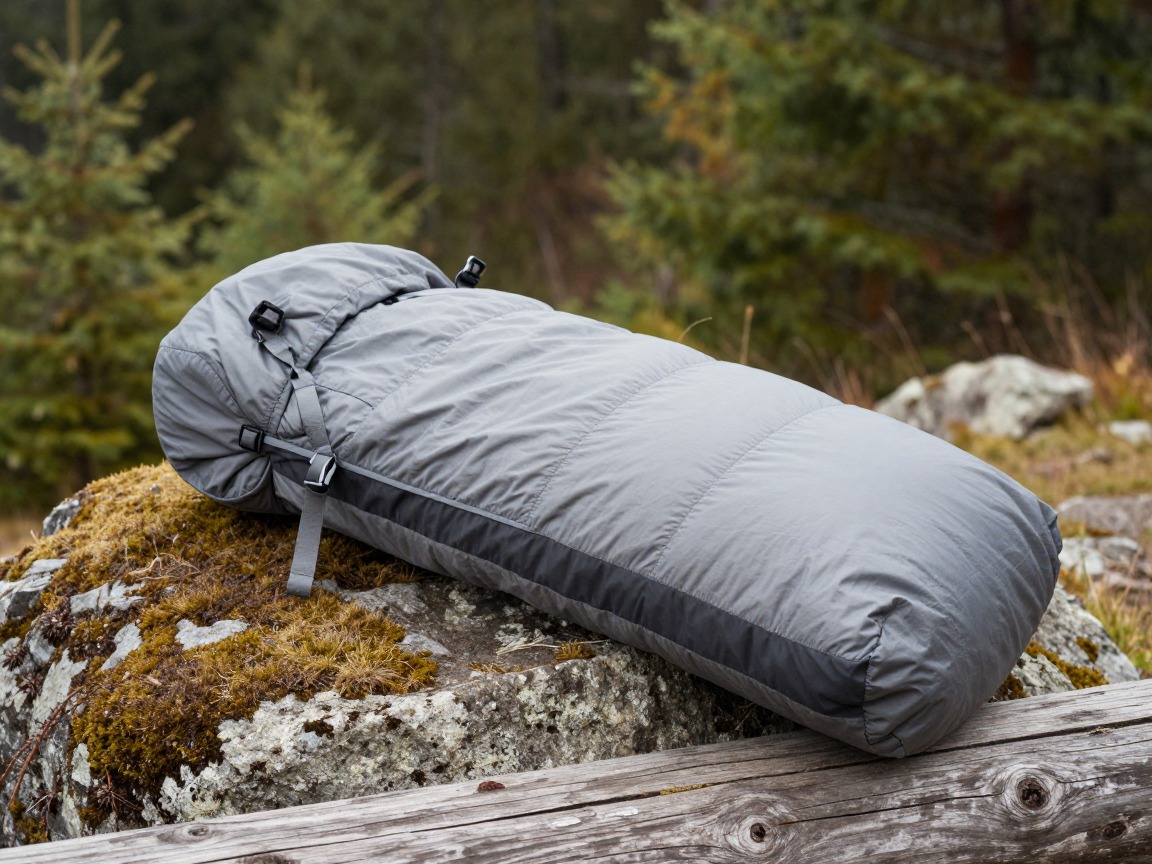
Kids' sleeping bags
Kids lose heat faster than adults and sleep less soundly, so their bag needs a genuinely warm rating, not just a smaller size.
What to look for: A comfort rating clearly below the expected overnight low, a hood that actually cinches down snug, and a length that fits close to their height so there's no dead air space left to warm.
 MalloMe Sleeping Bags for Adults Cold Weather & Warm - Backpacking C Check price
 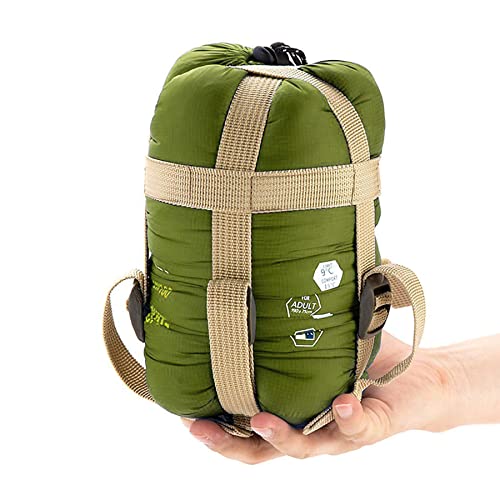 ECOOPRO Portable Check price
  Teton Trailhead Check price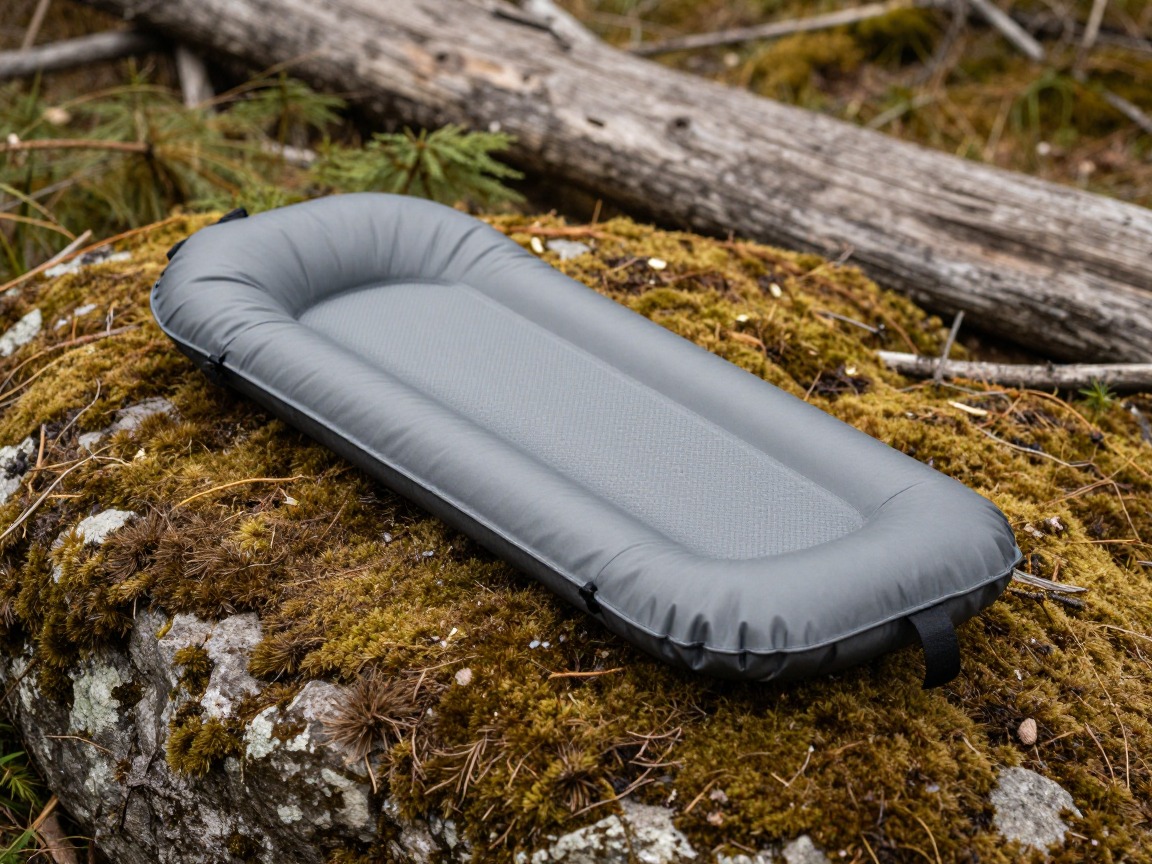
Sleeping pads
Insulation from the cold ground matters as much for kids as the bag itself — a thin or worn pad undoes a warm bag fast.
What to look for: Enough R-value for the season, a size that keeps a wriggly sleeper from rolling off in the night, and a pad quiet enough that shifting around doesn't wake the whole tent.
 FUN PAC Camping Sleeping Pad Check price
  Gear Doctors® Ether 17.5oz Ultralight Camping Sleeping Pad Check price
  Oramoose 4in Ultralight Camping Sleeping Pad with Pillow and Foot Pu Check price
 - A sleeping bag liner to add warmth or let a roomier bag fit a smaller kid
- A stuffed animal, small blanket or other comfort item from home
- Dry sleep clothes to change into once the day's clothes get damp
Kitchen & food
Camping isn't the night to try new foods — cook what the kids already know they'll eat, and keep a treat in reserve for morale.
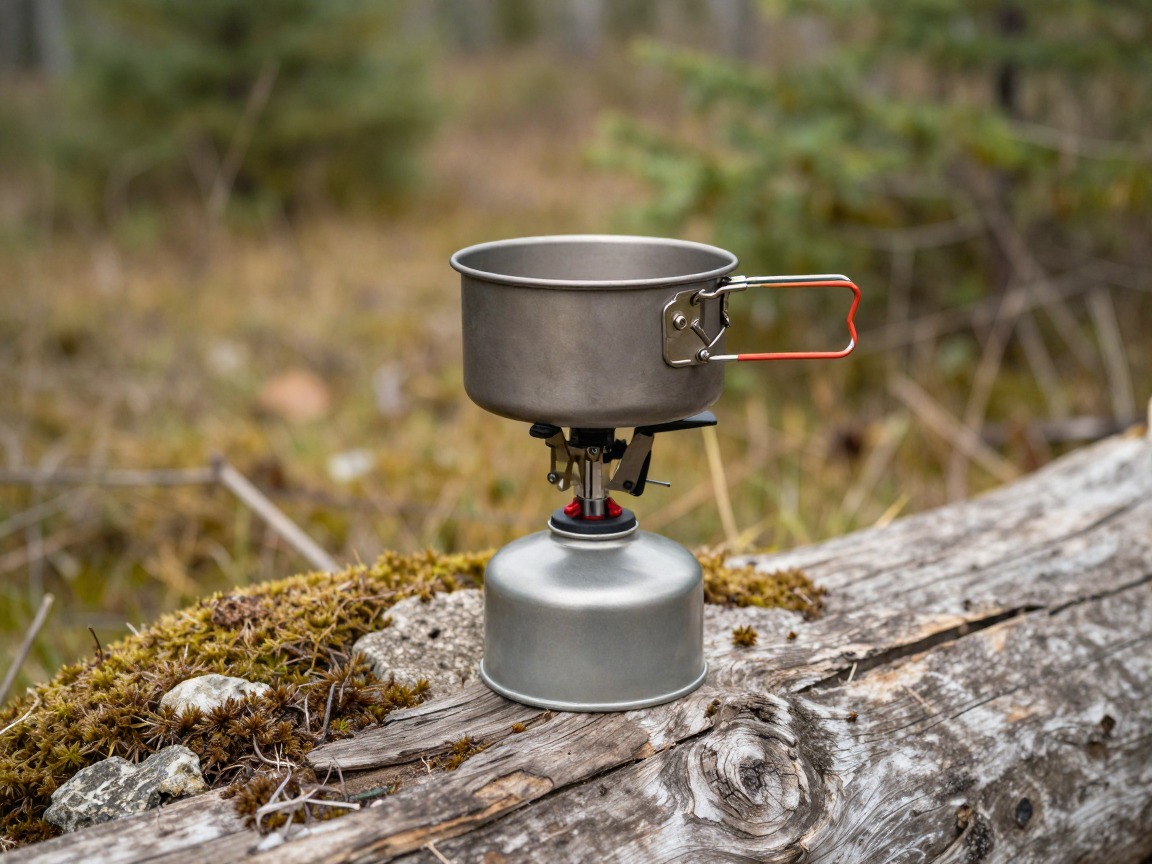
Backpacking stove
A simple canister stove boils water fast for the familiar, easy meals that actually get eaten at the end of a long day.
What to look for: A stable base (a family camp kitchen gets bumped more than a solo one), a quick boil time, and fuel you can buy near the trailhead.
 AOTU Portable Camping Stoves Backpacking Stove with Piezo Ignition S Check price
  MSR PocketRocket 2 Ultralight Camping and Backpacking Stove Check price
  Fire-Maple Greenpeak 1 Camping Stove with Piezo Ignition Portable Ga Check price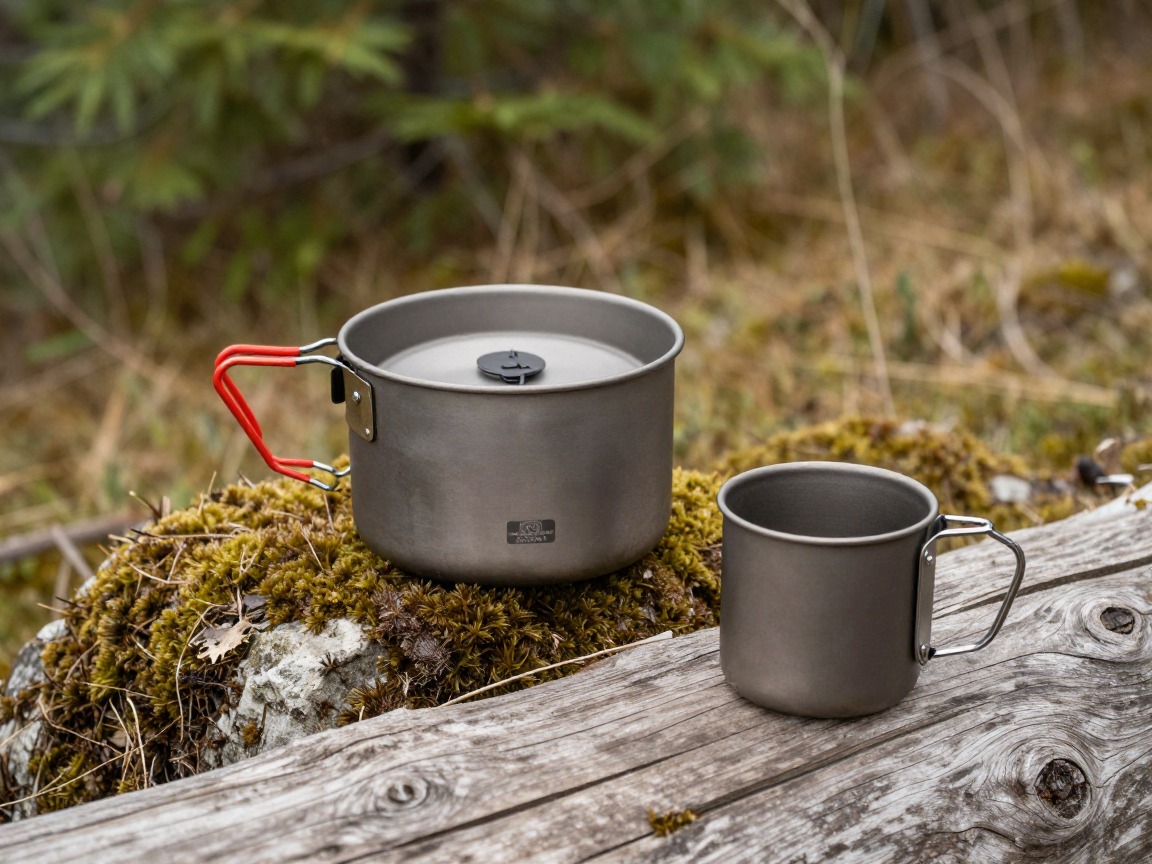
Pot & bowls
One larger pot covers the family meal, while separate bowls make portions and cleanup easier with more than one eater.
What to look for: A pot sized for the whole family's dinner in one go, a light bowl or two so kids aren't waiting around hungry, and a lid that doubles as a plate.
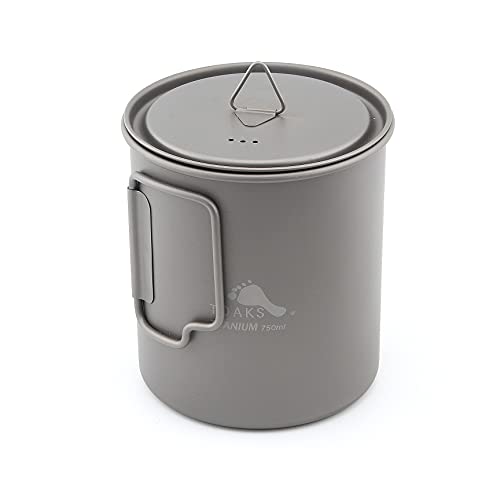 TOAKS Titanium 750ml Pot Check price
  TOAKS Titanium 750ml Pot with Bail Handle for Ultralight Camping Check price
  TOAKS Titanium 1100ml Pot with Pan Check price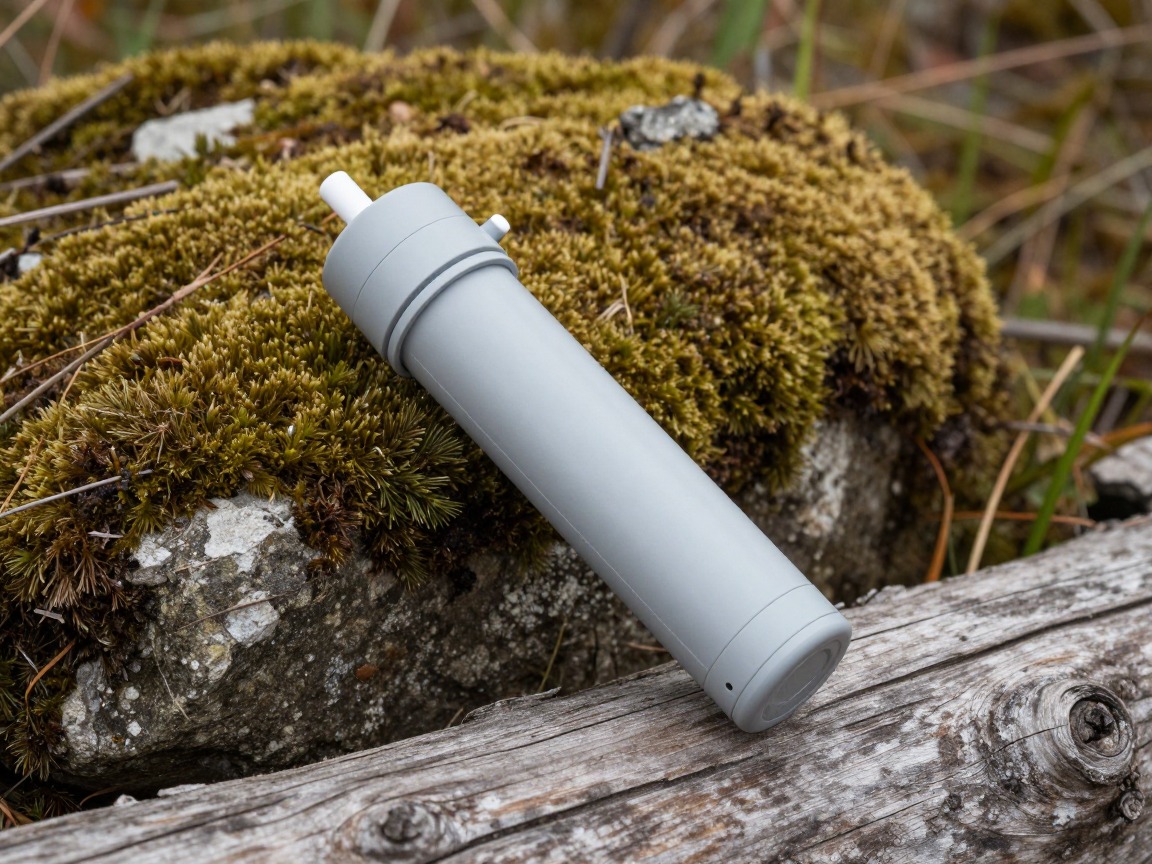
Water filter
Treats stream and lake water for the whole family, so you're not hauling every drop of the trip's water from the car.
What to look for: Fast, simple operation you can run one-handed while managing kids, an easy field clean, and enough capacity for several people's water needs.
 Sawyer Squeeze Water Filtration System Check price
  Sawyer Products SP128 Mini Water Filtration System Check price
  LifeStraw Personal Water Filter for Hiking Check price
 - Familiar, high-calorie meals and snacks the kids already like
- A treat or dessert to look forward to at camp
- Extra snacks — kids burn through calories fast and get cranky before they say they're hungry
- Food storage appropriate for the area (canister or hang)
Clothing & layers
Kids get wetter and colder faster than adults do, so pack more spare layers for them than you'd think you need.
Rain shells
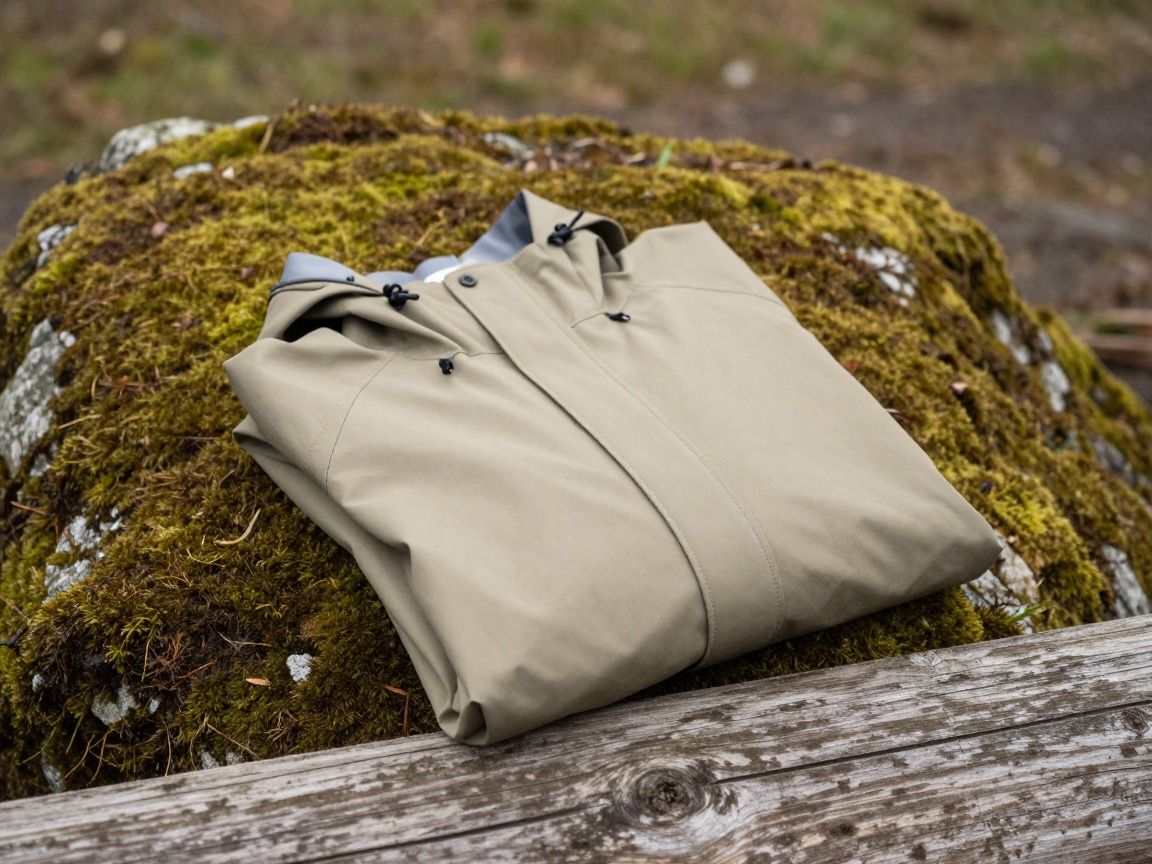
Kids find every puddle and every reason to keep playing in the rain — a proper waterproof shell keeps that from turning into a cold, miserable evening.
What to look for: Genuinely waterproof, not just water-resistant, a hood that stays put during play, and room to layer a warm mid-layer underneath.
 UIQUR Mens Rain Jacket Raincoat Waterproof Windbreaker Black L Check price
  COOFANDY Men's Waterproof Hiking Travel Shell Breathable Rain Jacket Check price
  Columbia Womens Arcadia II Waterproof Rain Jacket Check price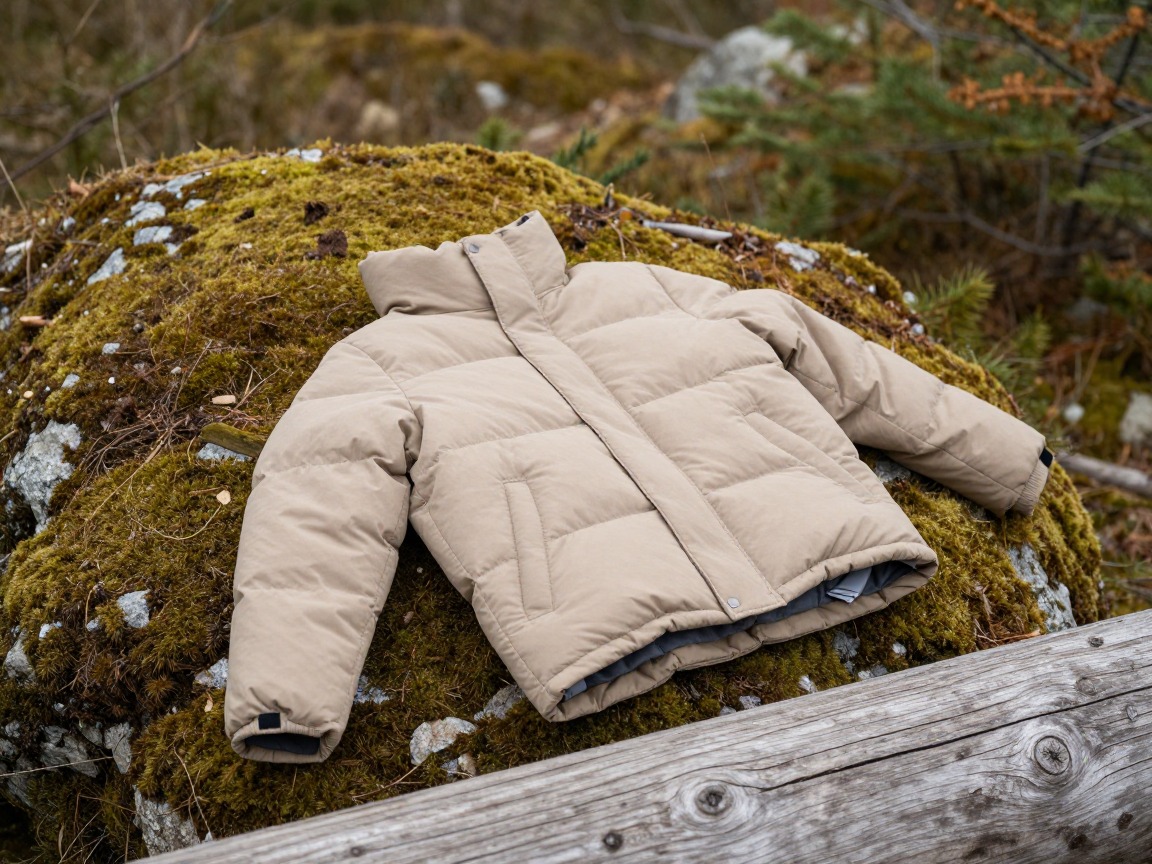
Warm layer
A packable puffy or fleece for camp, once the sun drops and a day of hiking and playing stops generating body heat.
What to look for: Enough warmth for cooling evenings at camp, easy for a kid to put on and take off themselves, and a little extra room to fit over a base layer.
 Outdoor Ventures Women's Packable Lightweight Puffer Jacket with Hoo Check price
  Amazon Essentials Women's Lightweight Long-Sleeve Water-Resistant Pa Check price
  Outdoor Ventures Women's Packable Lightweight Puffer Jacket with Hoo Check price
 - Spare base layers and socks — pack more than you think for kids
- Warm hat and gloves, even in summer at elevation
- Sun hat, sunglasses and sunscreen
Navigation, light & safety
The margin for things going sideways should be wider with kids along — carry a bit more redundancy than you would solo.
Headlamps
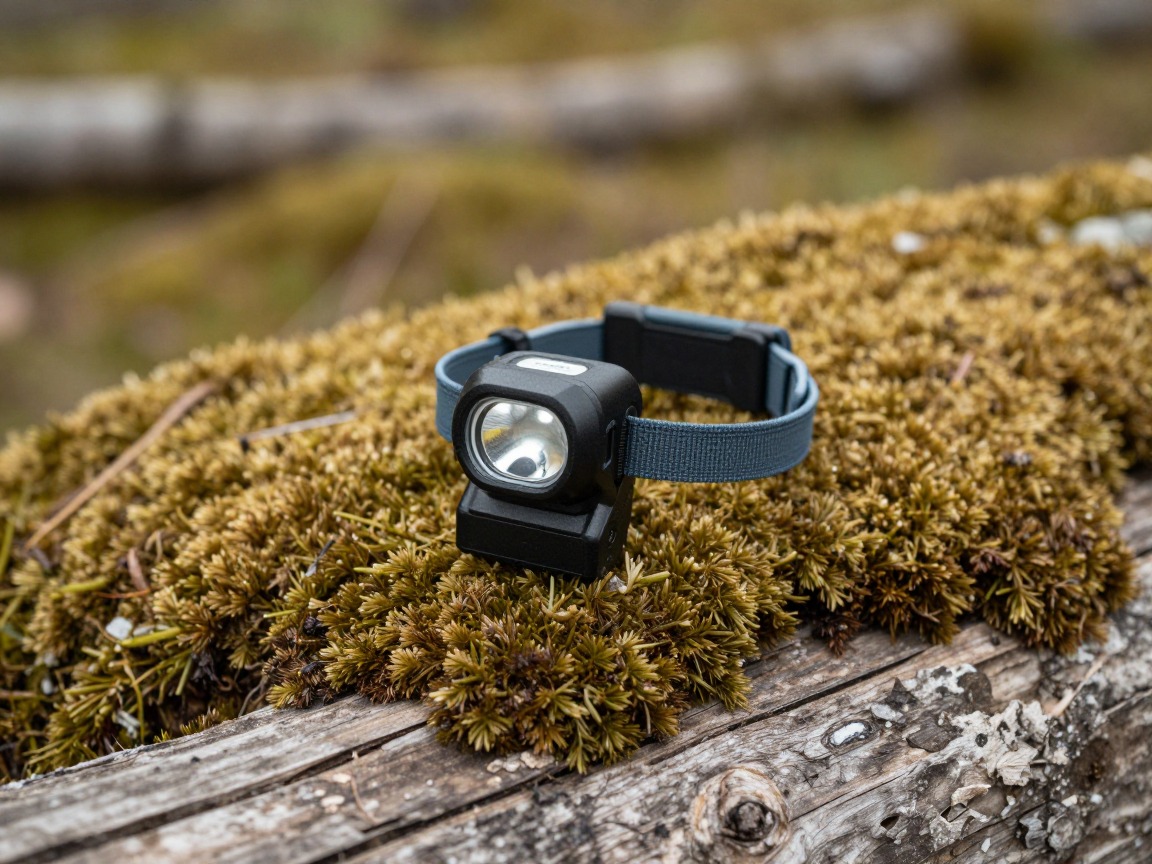
A headlamp for every hiking-age kid, not just the adults — nighttime bathroom trips and camp chores go much smoother when no one's holding a single shared light.
What to look for: A comfortable strap sized for a smaller head, a low-power or locked mode so curious hands don't drain it overnight, and a red-light option that's gentler on sleepy eyes.
 LHKNL Headlamp Flashlight Check price
 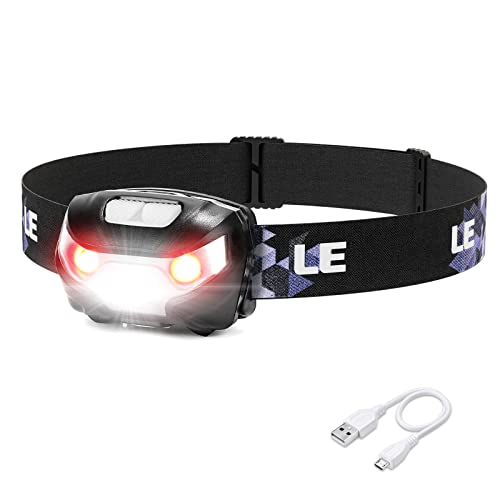 Lepro LED Headlamp Rechargeable IPX4 Waterproof Headlight 5 Modes - Check price
 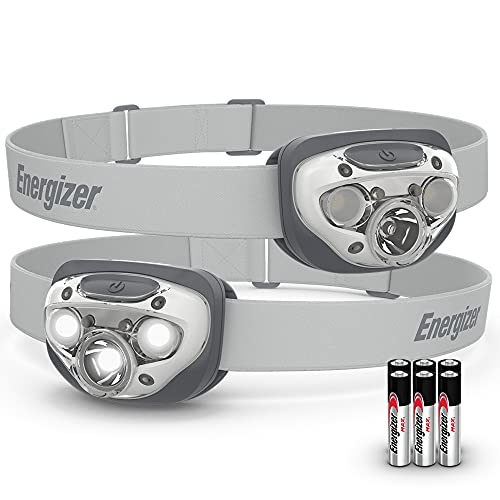 Energizer LED Headlamp PRO Check price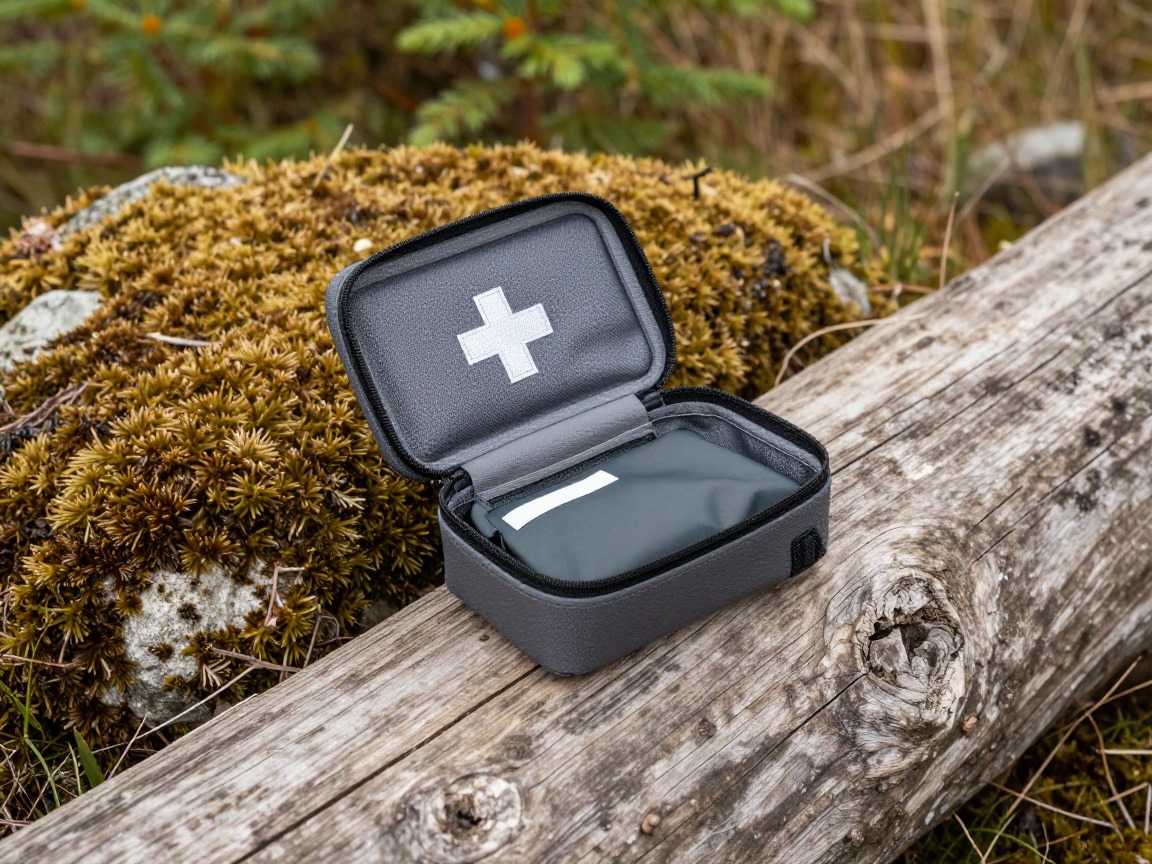
First-aid kit
A fuller kit than you'd carry solo — kids find splinters, scrapes and bee stings that adults on the same trail somehow avoid.
What to look for: Extra blister and scrape supplies, any child-specific medication you actually use, and tweezers — and the knowledge to use all of it, not just the kit itself.
 Mini First Aid Kit - 150 Piece Small Waterproof EVA Hard Shell Case Check price
  Adventure Medical Kits Ultralight/Watertight Medical Kit .5 Check price
 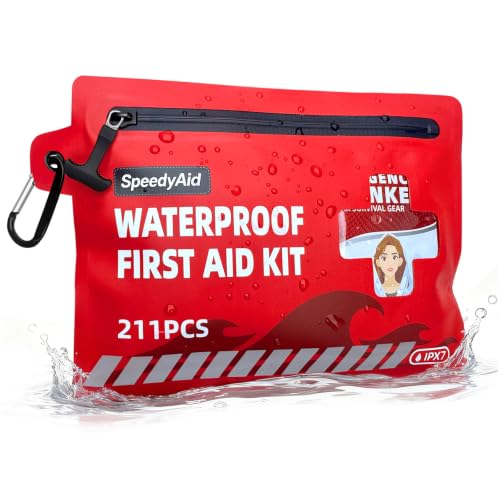 211 PCS Waterproof First Aid Kit Check price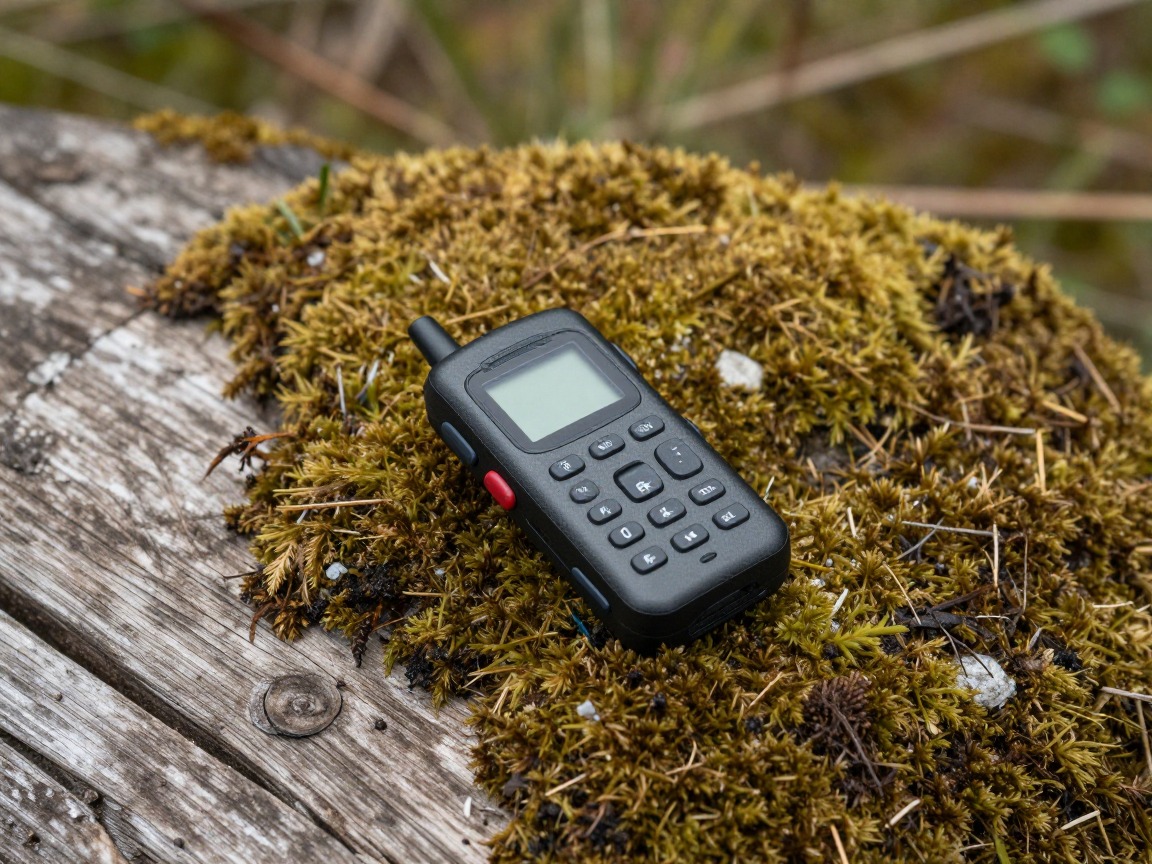
Satellite messenger
Extra peace of mind when you're farther from help with kids in tow — a way to call for help or check in even with no cell signal.
What to look for: Two-way messaging, not just an SOS button, a battery that comfortably covers the trip, and a subscription plan you'll actually keep active.
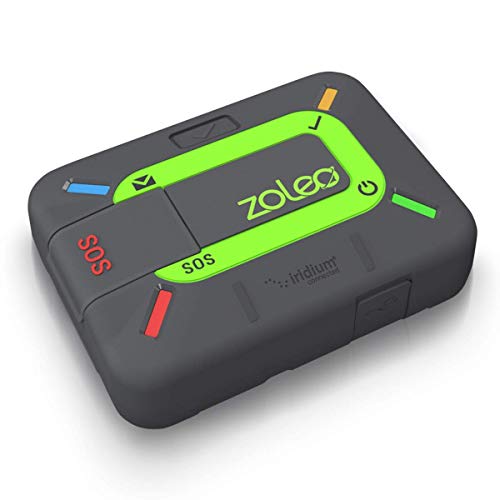 ZOLEO Satellite Communicator Check price
  Garmin inReach® Messenger Satellite Communicator Check price
  Garmin inReach® Mini 2 Check price
 - Map + compass or GPS (offline)
- Trekking poles for the adults
- A whistle for every kid, and taught how and when to use it
- Phone + power bank
- A plan and a bail-out point everyone in the group knows
How to adapt this setup
If a younger child isn't hiking or sleeping in their own bag yet, a child-carrier backpack worn by an adult can bring them along for day sections — but treat the trip as closer to car camping than a full backcountry overnight until they're old enough for their own kit.
Keep the hike short (a mile or two), pick a well-traveled, established site with a known bail-out, and treat the whole trip as a dress rehearsal for something more ambitious later.
As kids get bigger and stronger, let them carry a bit more of their own gear and add a night or a few extra miles — but keep checking in on how they're actually doing, not just watching the mileage plan.
Lead with water and shade, start hiking early to beat the heat, and build in a long midday break — kids overheat and dehydrate faster than adults tend to notice.
Add a warmer bag and an extra layer before you add distance — a cold, unhappy kid at bedtime undoes the whole trip faster than any mileage decision.
Common mistakes to avoid
- Picking a route that's too long or too remote for the least experienced hiker in the group.
- Skimping on the kids' sleep system to save weight — a cold kid at night ends the trip.
- No bail-out plan or backup pickup point if a kid taps out partway through.
- Bringing new, untried food instead of meals you already know the kids will eat.
- Underestimating how much morale matters — no game, treat or downtime plan for camp.
- Splitting gear evenly by person instead of by capability, so a kid ends up carrying more than they should.
Make it yours
Frequently asked questions
What age can kids start backpacking overnight?
There's no fixed age — it depends more on a kid's stamina, comfort sleeping away from home, and interest than a birthday. Many families start with a short, easy overnight once a child can comfortably hike a mile or two and sleep through a night in a tent, then build distance and nights from there.
How do you split gear between parents and kids on a family trip?
Parents carry the shared load — tent, kitchen, filter, and most of the food and safety gear — while a kid's pack stays light: their own water, a snack and a small comfort item. As kids get older and stronger, they can gradually take on more of their own kit.
What size tent do you need for a family backpacking trip?
A 3–4 person tent comfortably fits two adults and one or two kids, with room for wet gear near the door. It's heavier than a two-person tent, but keeping the whole family in one shelter is worth the extra weight on a trip like this.
How do you keep kids warm at night while camping?
Start with a sleeping bag rated clearly below the expected low and a pad with enough R-value for the ground, then add a liner or extra sleep layer if the night turns colder than planned. A comfort item from home also helps a kid settle down and actually sleep.
What food should you bring backpacking with kids?
Familiar, high-calorie meals and snacks a kid already likes — this isn't the trip to test something new. Pack extra snacks, since kids burn through calories fast and get cranky before they say they're hungry, and keep a treat in reserve for camp morale.
Illustrative images show the type of gear, not specific products. Recommendations link to similar items on Amazon; we only ever link real listings and never show fabricated prices or ratings. General planning guidance, not a substitute for your own judgment or professional backcountry-safety instruction.