
The fall foliage day hike setup
A fall foliage hike starts cold and ends mild, and the trail changes under your feet along the way. This is a complete autumn day-hiking setup, explained piece by piece: how to layer for the swing in temperature, why the days run out faster than you expect, and how to adapt it into your own.
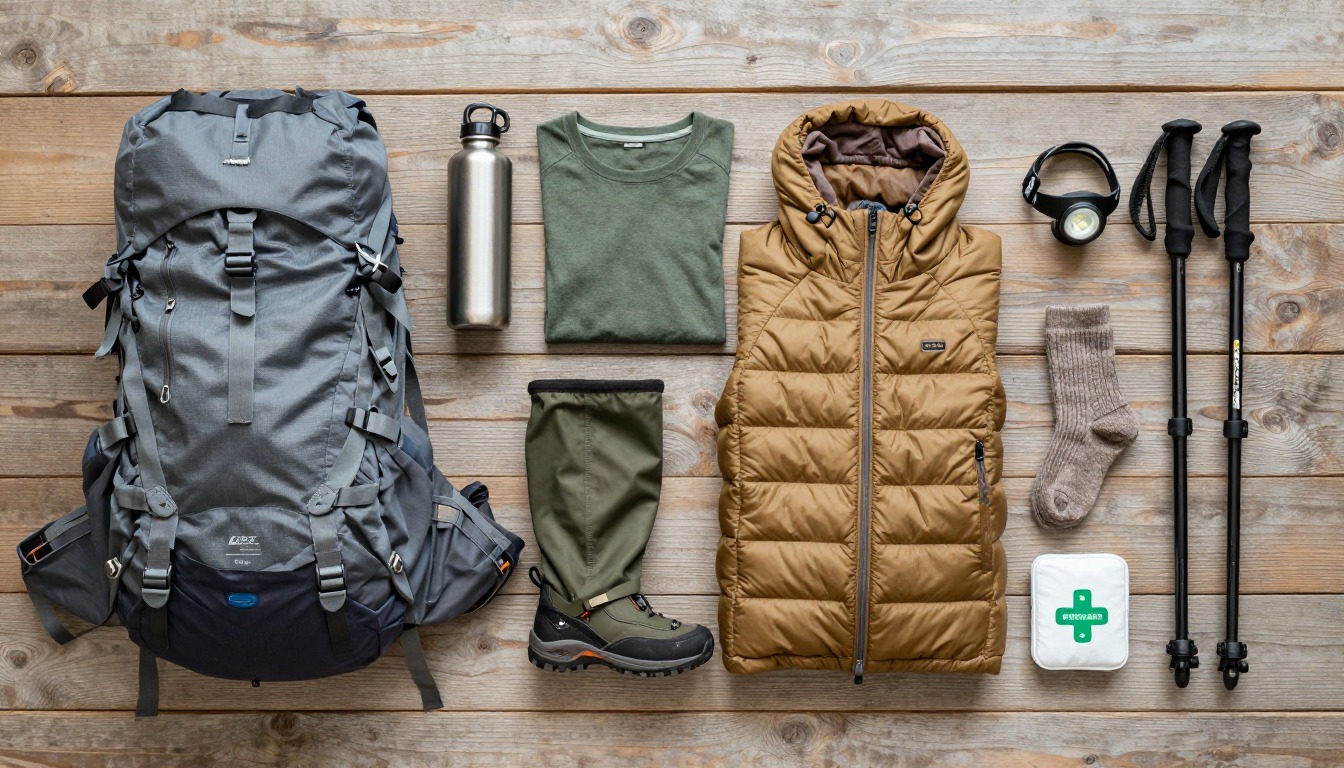
Autumn asks for a kit built around change: the morning you start in is rarely the afternoon you finish in, and the daylight you have is less than the calendar suggests. Everything here manages that swing — layers you can add and shed, light that gets you home after an early sunset, and footing for a trail buried under wet leaves.
Leaf-peepers and regular day hikers heading out on marked trails for a color hike lasting a few hours to most of a day. Scale down for a short, mild afternoon walk; scale up toward the winter day-hike setup once frost turns to ice underfoot.
- Start with the pack and fit it to your torso — everything else rides on that.
- Build the layering system around the morning-to-afternoon swing: a base you wear all day, a warm layer for breaks, a shell for wind and showers.
- Add the safety trio that matters most as days shorten — headlamp, first aid, navigation — and set a turnaround time before you leave the car.
- Finish with footing for the season: gaiters if leaf litter is deep, poles for slick roots, then trim what you won't use.
About this setup
A fall foliage hike is one of the best reasons to be on trail — the color, the cool air, the quiet after the summer crowds thin out — but it's also a season that changes the rules mid-hike. You can start at a trailhead cold enough to see your breath and finish the same loop in a T-shirt, then need the jacket back the moment you stop at the overlook. The kit below manages that swing rather than dressing for one temperature.
The other fall-specific fact that catches people out is daylight. It's easy to leave the house at a time that felt fine in July and find the sun down an hour or two earlier than your body still expects. That's not dramatic on a marked trail, but it's real — a wrong turn near dusk in October gets dark fast, where the same mistake in June leaves hours to fix it. A headlamp, a real turnaround time and telling someone your plan do most of the work here.
Underfoot, the trail is different too. A season of leaf drop buries roots, rocks and mud under a soft-looking carpet that hides exactly what you're stepping on, and morning dew or a light frost adds slickness that isn't there by afternoon. None of this needs specialized gear — just attention, decent footwear and poles to test ground you can't quite see. Treat this setup as a starting point that flexes with the morning's cold, the leaf depth, and the daylight you actually have.
The pack
A 15–20 liter daypack holds a fuller layering system than a summer hike needs, without tempting you to overpack.
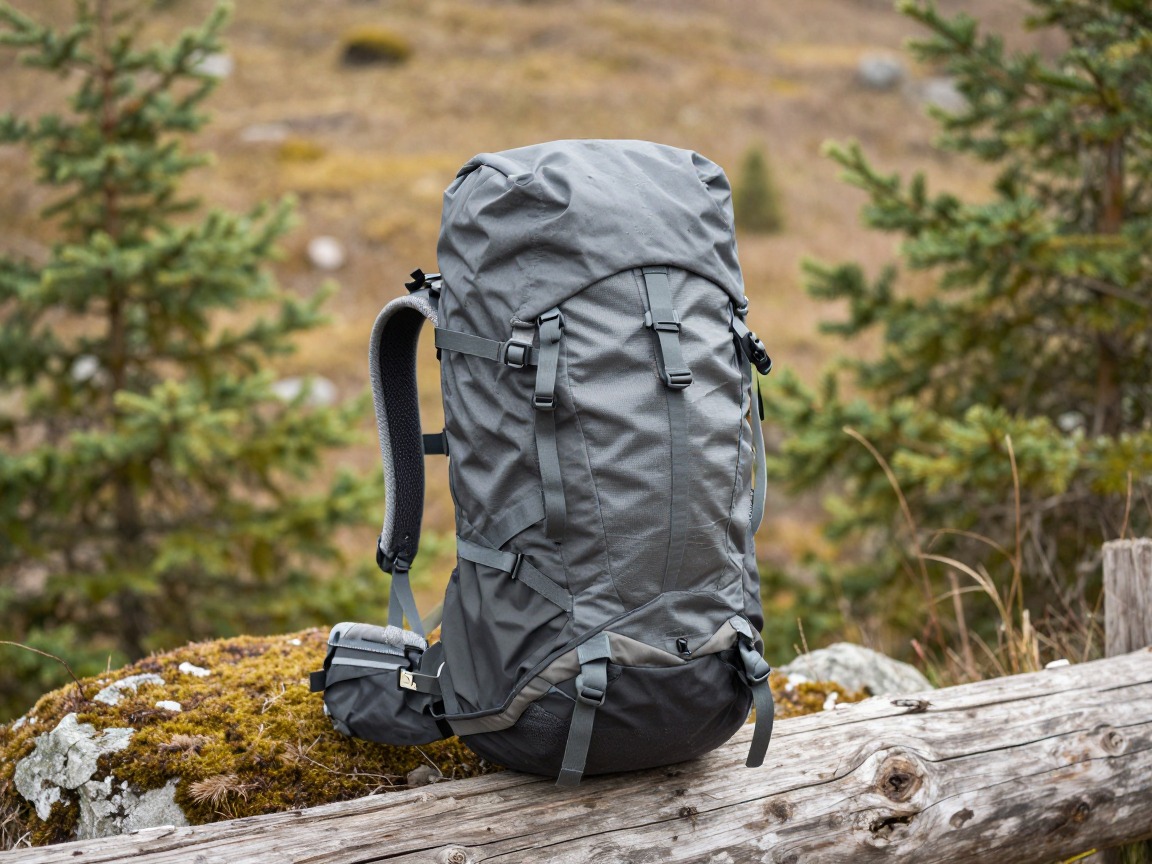
A day-sized backpack
Carries the extra layer fall demands — a shed base layer, a warm mid-layer and a packed shell — plus food, water and the safety kit.
What to look for: A supportive back panel, a simple hip belt, and 15–20 L — a touch more than a summer daypack, since fall means carrying more clothing, not more water.
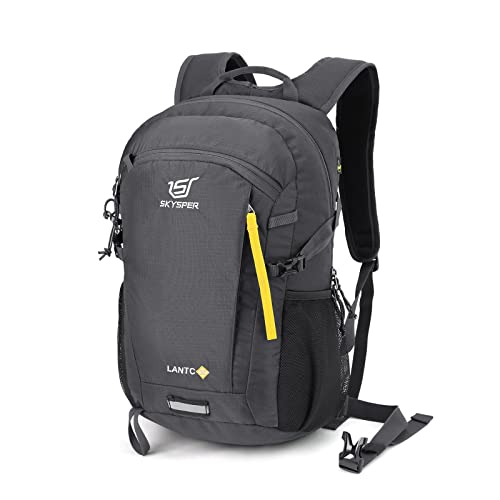 SKYSPER Small Hiking Backpack Check price
  Osprey Sportlite 20L Lightweight Hiking Backpack Check price
 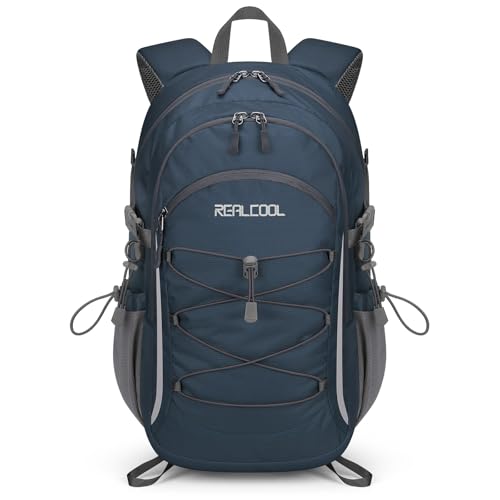 RealCool 20L Lightweight Hiking Backpack Check price
 Water & food
You'll drink less than in summer heat, but food matters more — a hot drink and real calories keep you warm from the inside on a cool day.
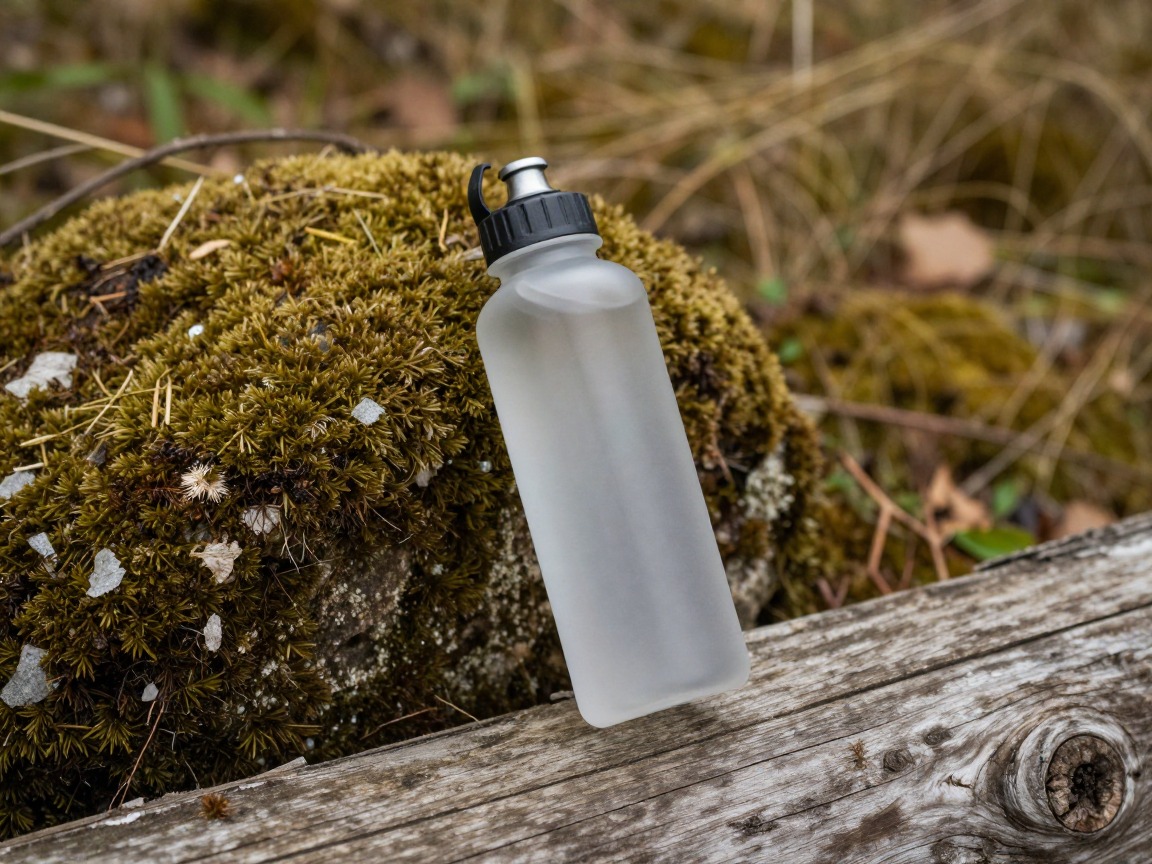
Water bottle
Simple and tough, sized for a cooler day where you're sipping steadily rather than gulping — a wide mouth still makes refilling easy.
What to look for: A tough, wide-mouth bottle that's easy to refill from a stream. 1 L covers most fall day hikes; an insulated bottle stops a cold-morning fill chilling further before lunch.
 Nalgene 32 oz Wide Mouth Water Bottle Check price
  Nalgene 32 oz Wide Mouth Water Bottle Check price
  Nalgene 32 oz Wide Mouth Water Bottle Check price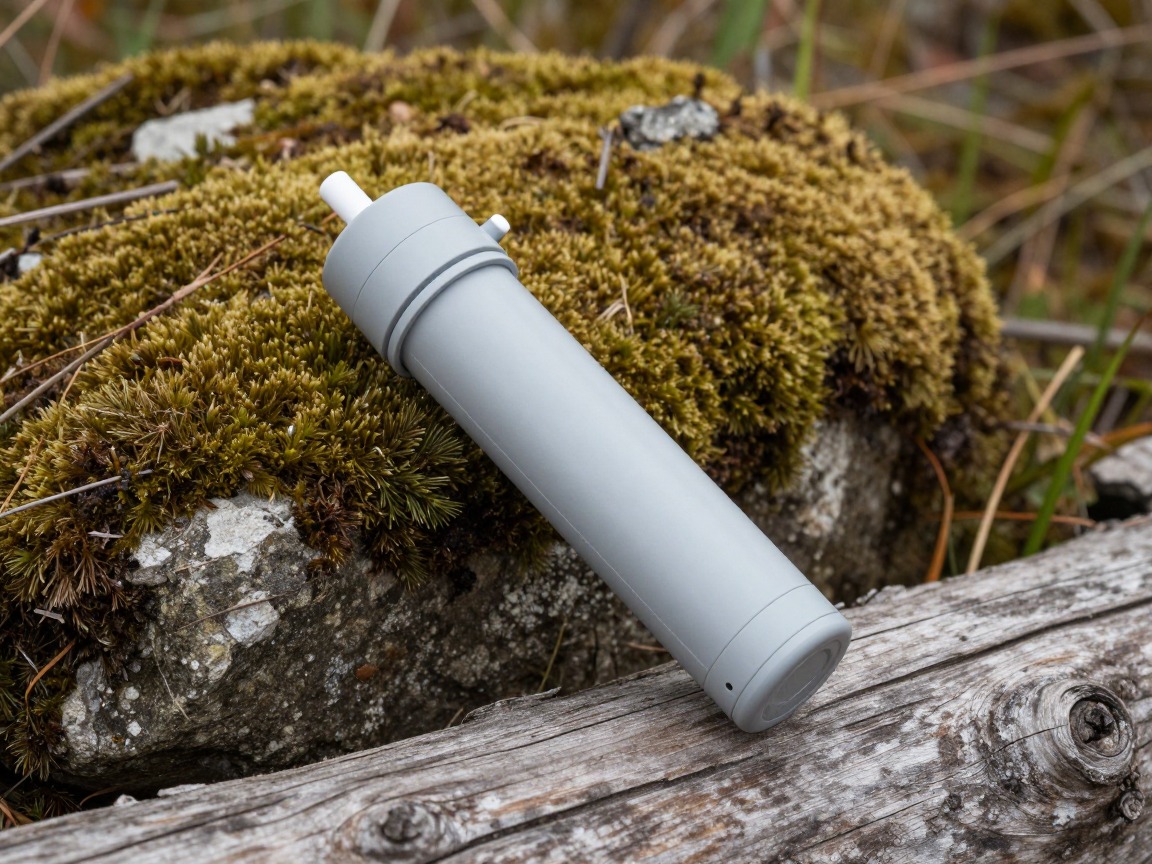
Water filter
Turns any stream into safe drinking water, so a shorter fall hike doesn't mean skipping the backup plan for topping up.
What to look for: Fast flow and easy backflushing — a squeeze filter covers most day hikes. Cold water can slow the flow, so give it a few extra minutes.
 Sawyer Squeeze Water Filtration System Check price
  Sawyer Products SP128 Mini Water Filtration System Check price
  LifeStraw Personal Water Filter for Hiking Check price
 - Lunch + high-energy snacks
- A thermos of something hot for a cold-morning break
- A spare day's emergency food
Clothing & layers
Fall is an active-layering day: you'll likely start in a jacket and finish in a T-shirt, then need the jacket back the moment you stop moving.
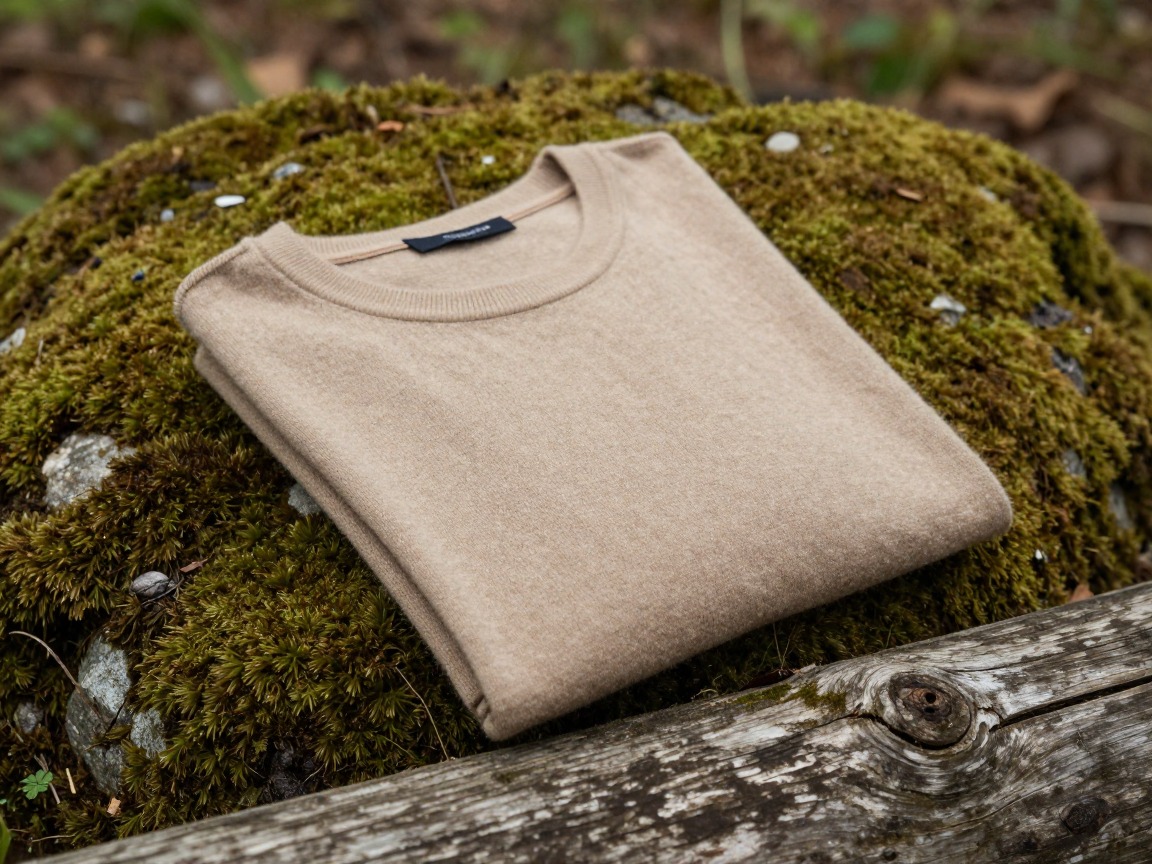
Lightweight base layer
A moisture-wicking layer worn from the cold start through the mild afternoon; it manages sweat as you climb, which cotton can't.
What to look for: A lightweight merino or synthetic base that keeps working whether you're chilly at the trailhead or sweating on a climb. Skip cotton — it stays wet and chills you at the next break.
 100% Merino Wool Base Layer Men Set - Thermal Underwear for Men Long Check price
  Merino.tech Merino Wool Base Layer Women Set - Heavyweight Check price
  100% Merino Wool Base Layer Men Set - Thermal Long Underwear with Ba Check price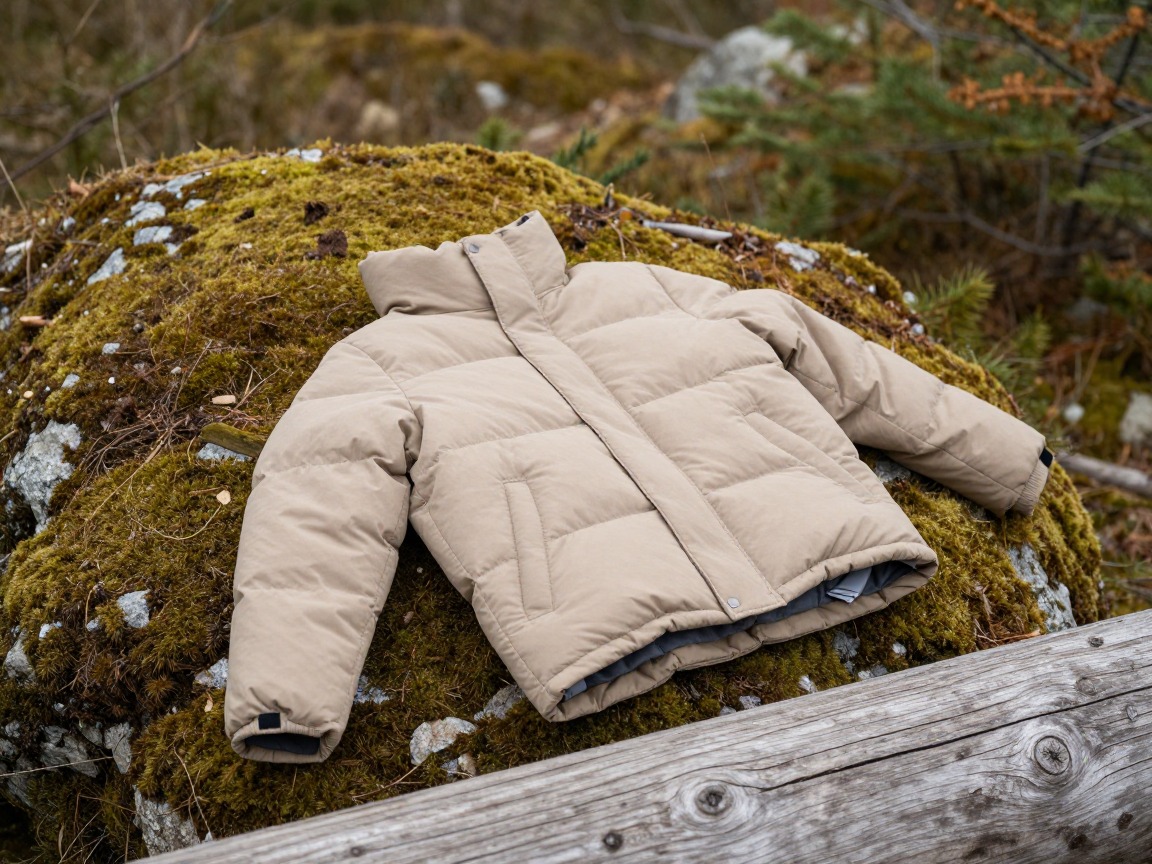
Packable insulating layer
A light fleece or packable puffy for the cold start and for summit stops, when the wind picks up and you cool off fast.
What to look for: Warm for its weight and quick to stuff away — a fleece for active warmth, a puffy for standing at a viewpoint. You'll use it on and off all day.
 Outdoor Ventures Women's Packable Lightweight Puffer Jacket with Hoo Check price
  Amazon Essentials Women's Lightweight Long-Sleeve Water-Resistant Pa Check price
  Outdoor Ventures Women's Packable Lightweight Puffer Jacket with Hoo Check price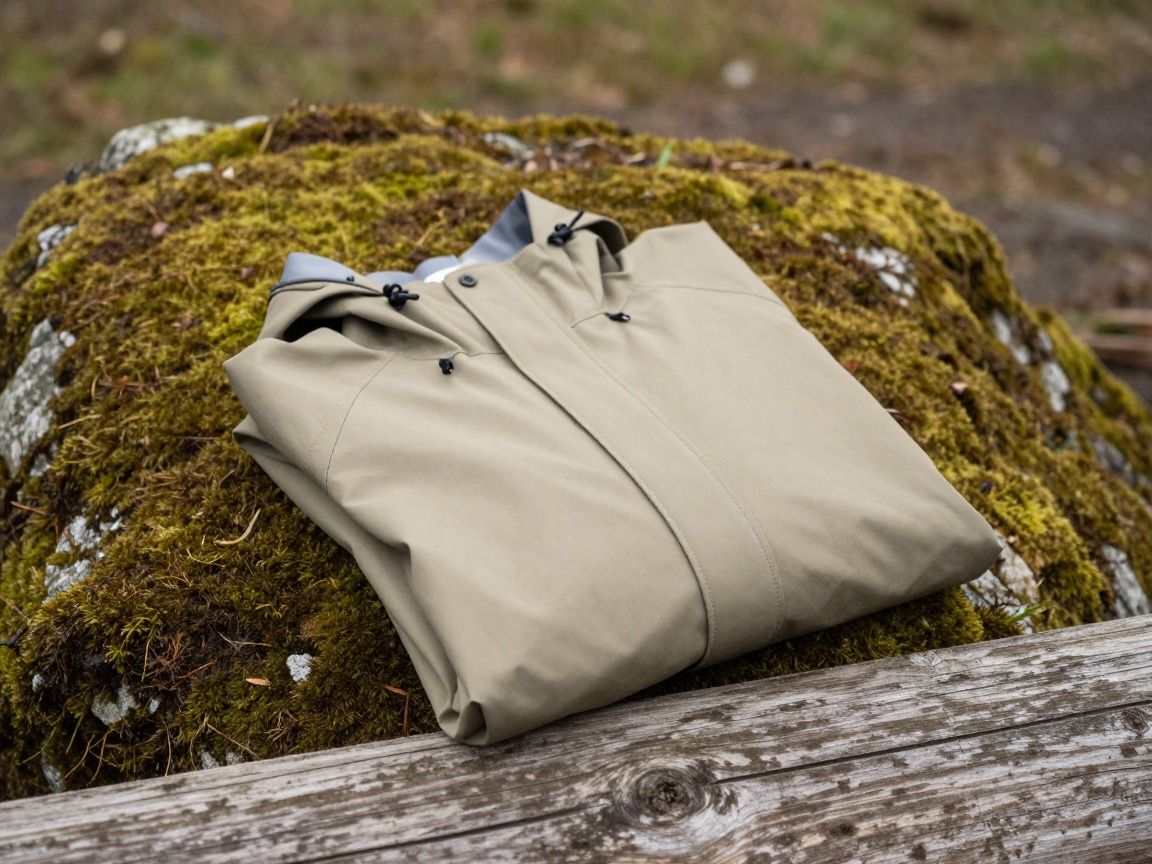
Rain shell
A packable waterproof jacket blocks the wind and passing showers common on fall trails, and it's often what you wear at the cold start.
What to look for: Waterproof and breathable, with a hood that fits over a hat. Fall wind chills fast, so cutting wind matters as much as shedding rain.
 UIQUR Mens Rain Jacket Raincoat Waterproof Windbreaker Black L Check price
  COOFANDY Men's Waterproof Hiking Travel Shell Breathable Rain Jacket Check price
  Columbia Womens Arcadia II Waterproof Rain Jacket Check price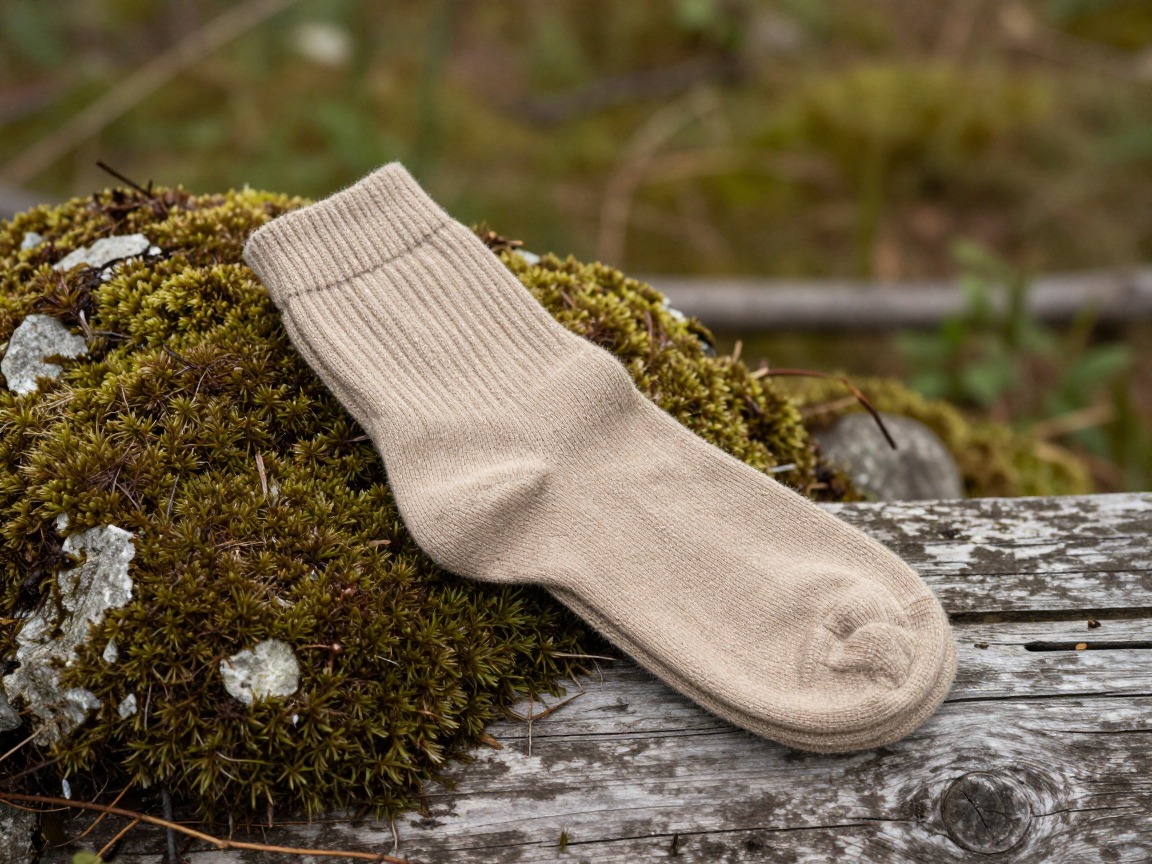
Hiking socks
Wool or synthetic socks manage moisture through a dew-soaked, leaf-covered morning and keep your feet warm once the sun drops.
What to look for: Wool or a wool blend, cushioned where your boot rubs. A slightly heavier weight helps on the cold mornings that bookend a fall hike.
 Alvada Merino Wool Hiking Socks Thermal Warm Crew Winter Boot Sock F Check price
  DANISH ENDURANCE Merino Wool Socks for Men & Women Check price
  innotree 3 Pack Men's Merino Wool Hiking Socks Check price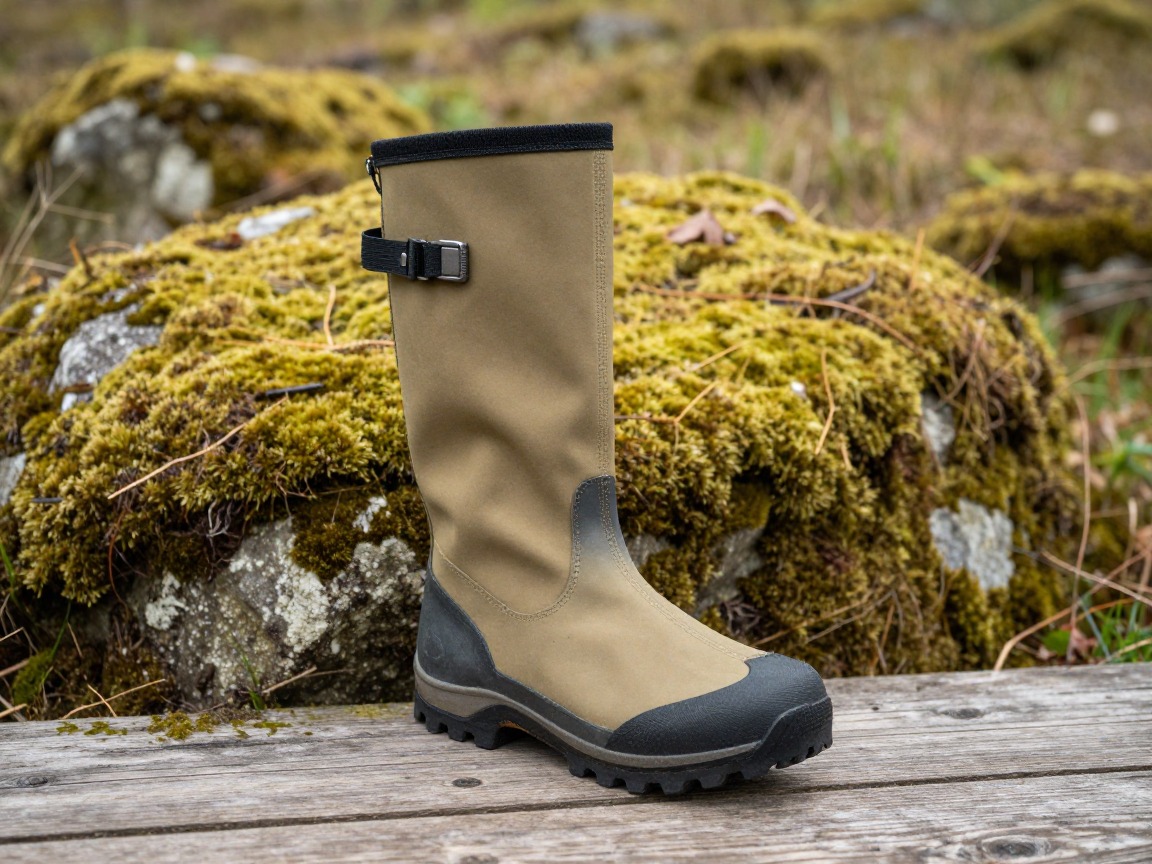
Low gaiters
Short gaiters keep wet leaves, mud and trail debris out of your boots on trails carpeted in fallen leaves.
What to look for: Low, breathable gaiters that seal over your boot cuff without overheating your ankle. Not essential on a dry trail, but worth it once leaf litter gets deep.
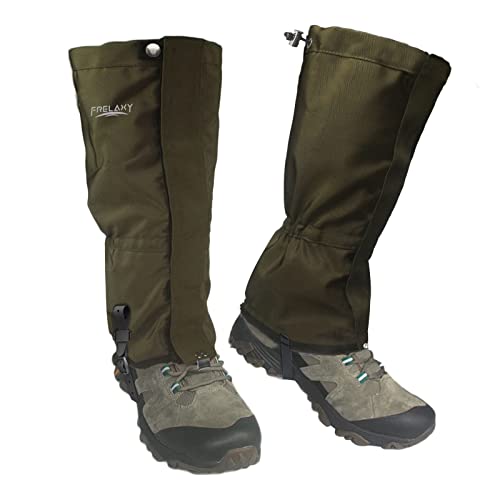 Frelaxy Leg Gaiters 100% Waterproof Hiking Gaiters Check price Frelaxy Ultra High-Performance Hunting Gaiters Check price
 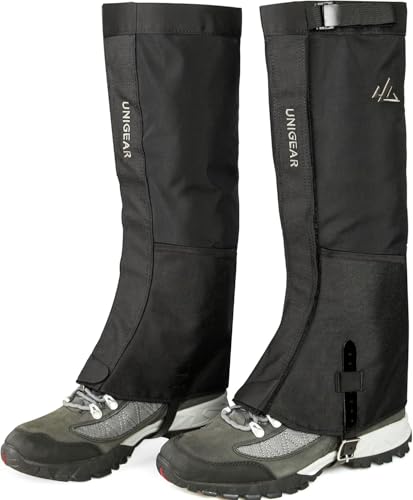 Unigear Leg Gaiters Check price
 - Warm hat, buff & gloves for the cold start
- Hiking pants or shorts you can layer under
Navigation, light & safety
The single biggest fall-specific risk isn't the cold — it's running out of daylight, since sunset comes noticeably earlier than the calendar feels like it should.
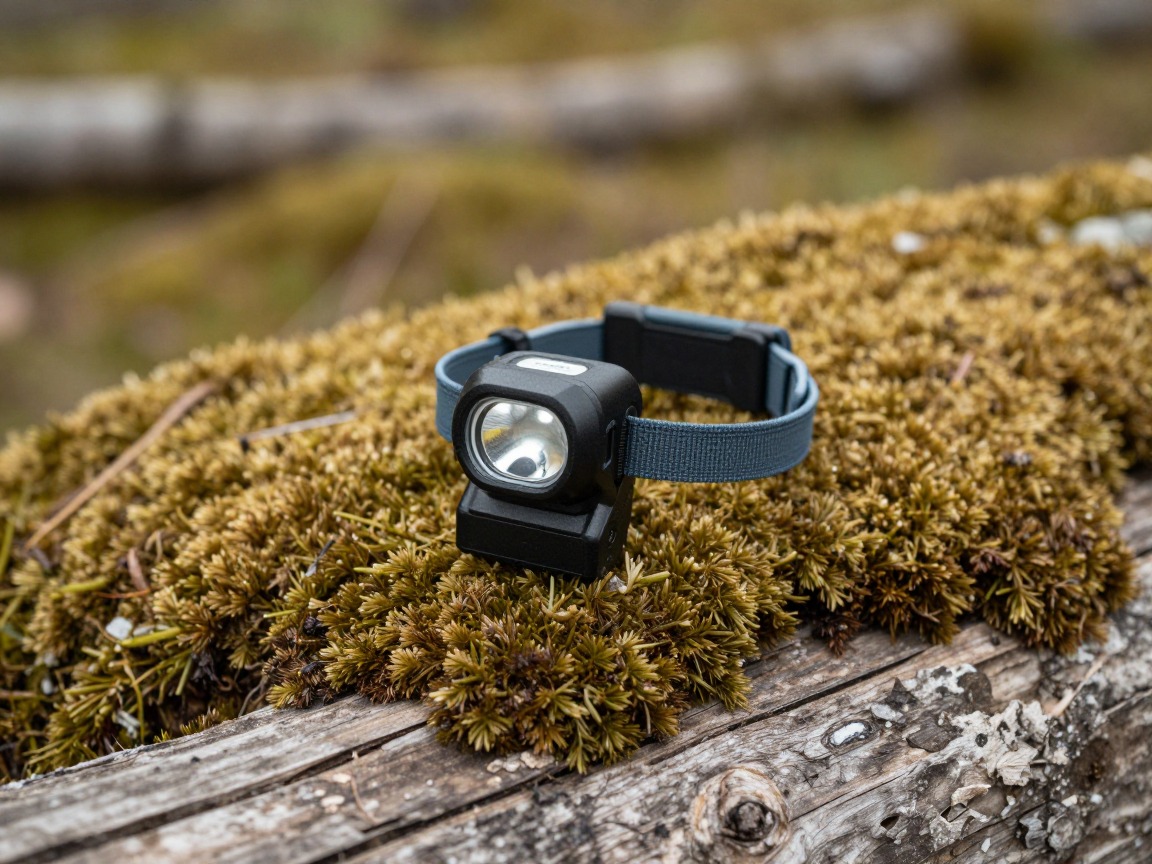
Headlamp
Fall daylight runs out faster than summer habits expect, so carry it even on a hike you plan to finish by mid-afternoon.
What to look for: Enough output to hike by (roughly 200+ lumens), a comfortable strap, and fresh batteries. Check sunset time before you leave and build in a buffer.
 LHKNL Headlamp Flashlight Check price
 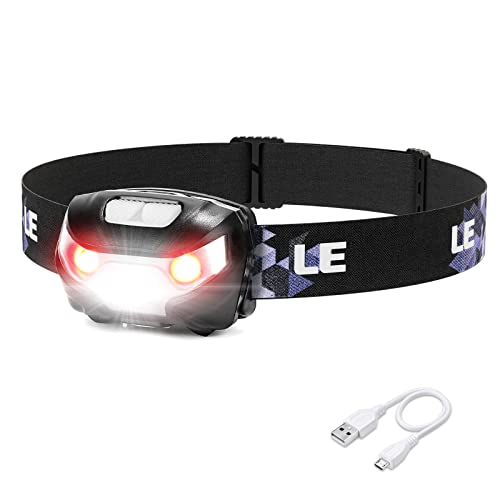 Lepro LED Headlamp Rechargeable IPX4 Waterproof Headlight 5 Modes - Check price
 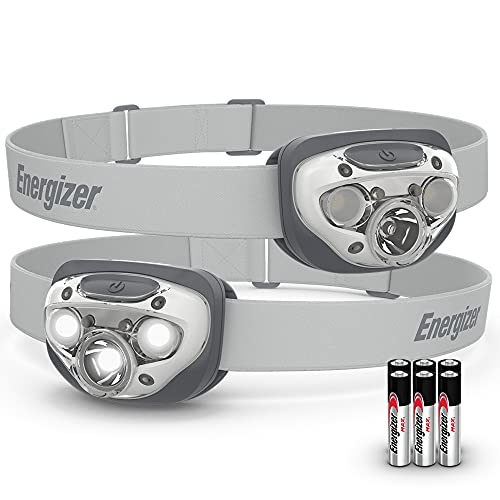 Energizer LED Headlamp PRO Check price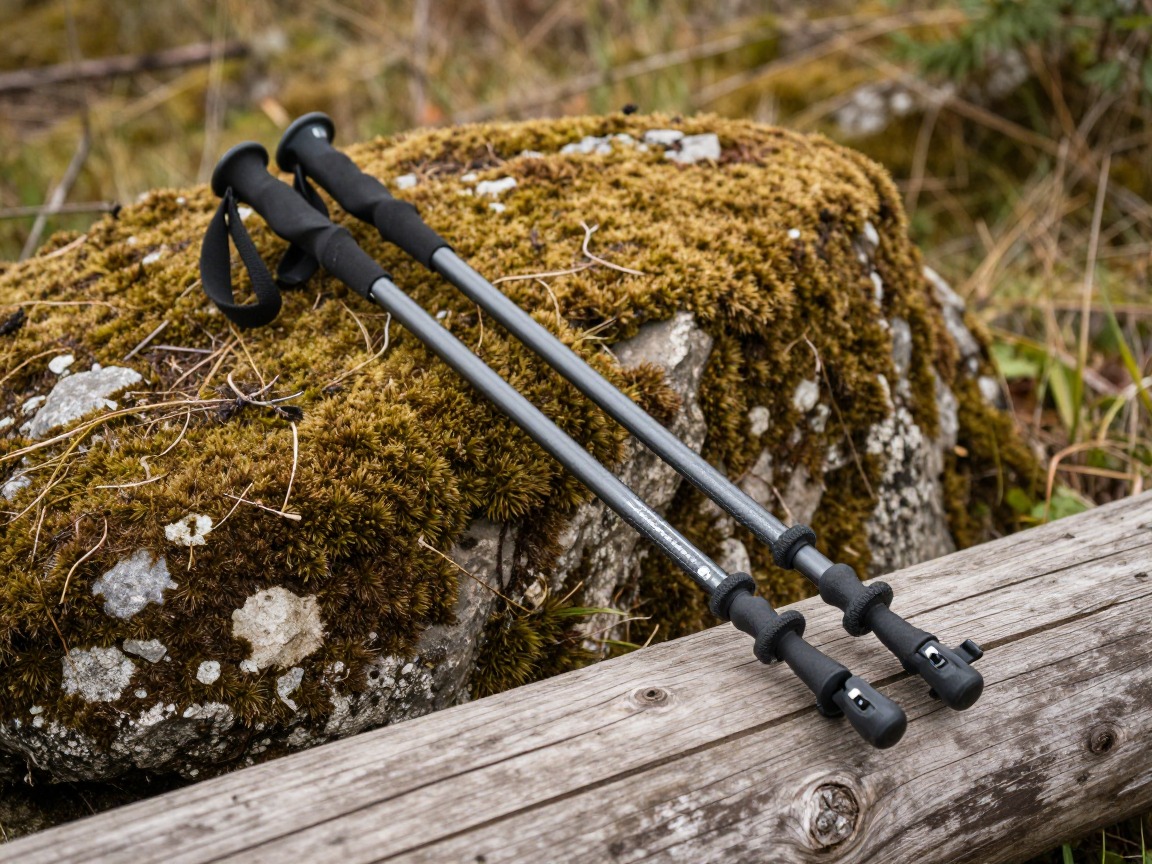
Trekking poles
Wet, leaf-covered ground hides slick roots and mud under a pretty surface; poles add stability on that footing and save your knees.
What to look for: Adjustable, comfortable grips and locks that hold under load. On a fall trail, poles test the footing you can't see under the leaves.
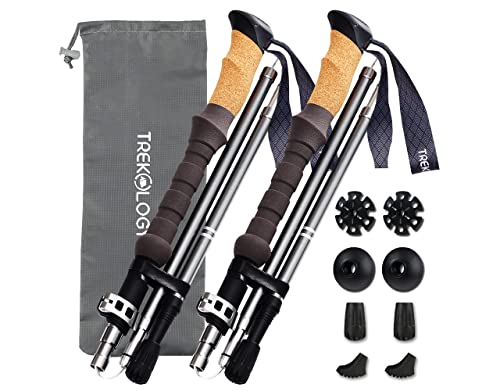 Trekology Trek-Z Cork Grip Collapsible Lightweight Hiking Trekking P Check price
 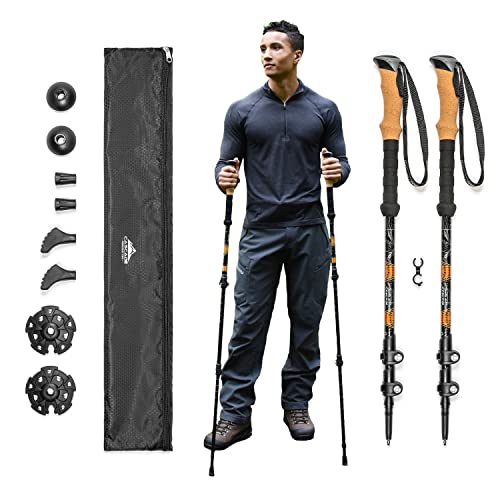 Cascade Mountain Tech Trekking Poles Check price
 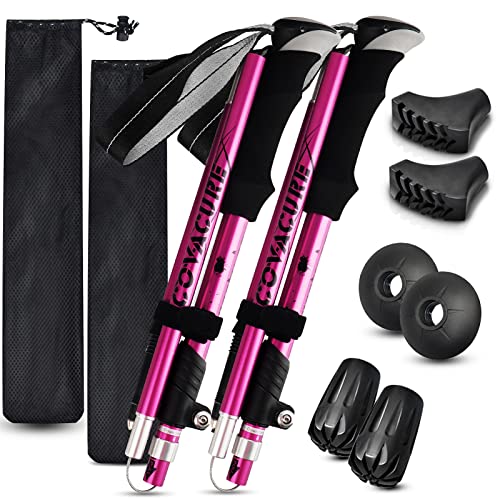 covacure Hiking Poles Check price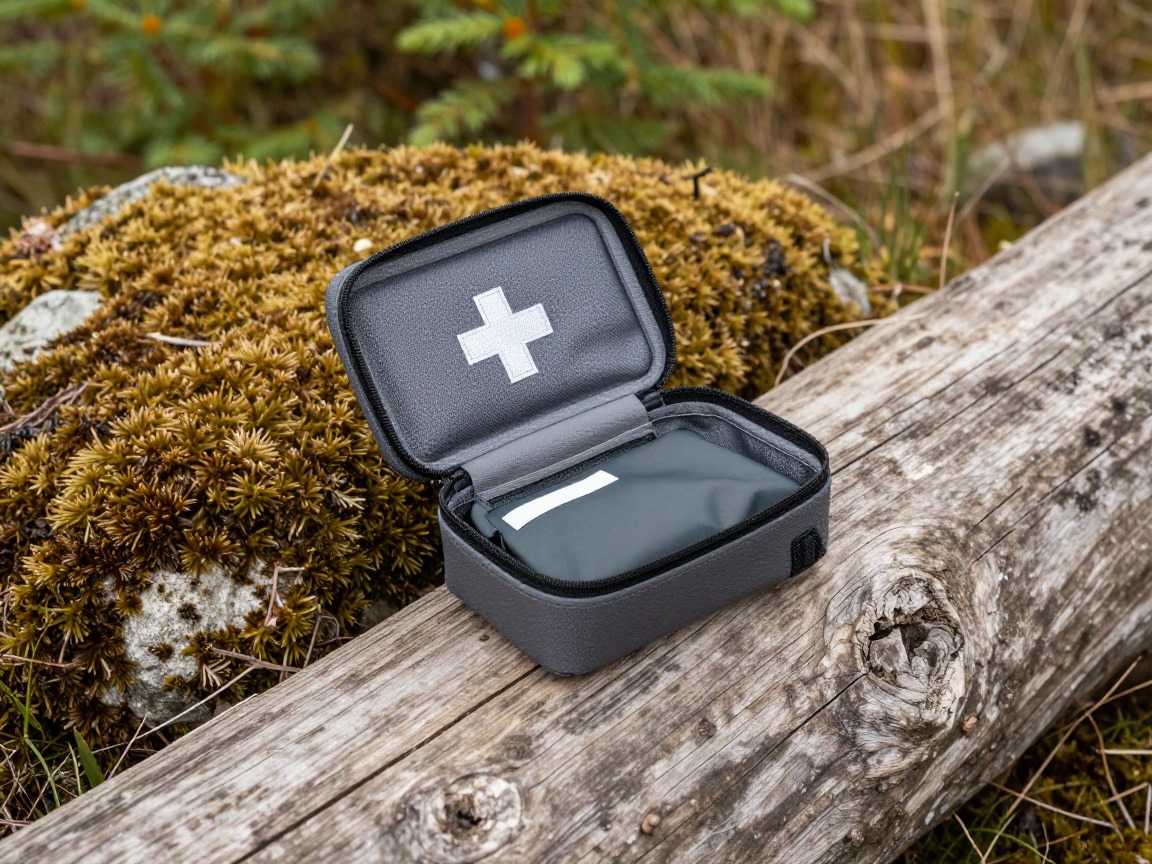
First-aid kit
A compact kit for blisters, cuts, slips on slick footing and the small stuff — pair it with knowing how to use it.
What to look for: A kit weighted toward blisters, cuts and a sprain wrap, since a leaf-covered trail hides ankle-rolling terrain more than a clear summer one does.
 Mini First Aid Kit - 150 Piece Small Waterproof EVA Hard Shell Case Check price
  Adventure Medical Kits Ultralight/Watertight Medical Kit .5 Check price
 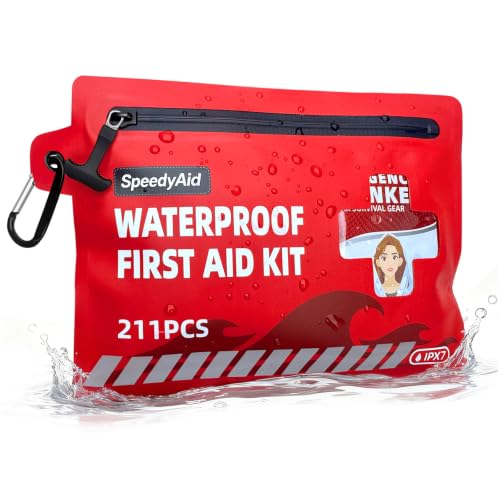 211 PCS Waterproof First Aid Kit Check price
 - Map + compass or GPS (with offline maps) and a firm turnaround time
- Blaze orange vest or hat during hunting season in your area
- Whistle
- Phone + power bank
- Fire — lighter/matches
- Emergency shelter (bivy/space blanket)
How to adapt this setup
If the forecast has a hard frost, add a warmer base layer, real gloves and a warm hat, and expect to be in your insulating layer for the first hour rather than the whole hike.
Once the trail is carpeted in fallen leaves, add gaiters and lean harder on trekking poles — the hidden footing is the real hazard, not the cold. Slow down on descents.
Check local hunting seasons before you go, and if your trail crosses hunting land, wear blaze orange and stick to marked, high-traffic trails.
As sunset creeps earlier through the season, start earlier and set your turnaround by the clock, not by how far you've gotten. A headlamp you never planned to need is cheap insurance.
Once mornings start icing over rather than just frosting, footing gets more serious than wet leaves — step up to the winter day-hike setup and its traction section.
Common mistakes to avoid
- Dressing for the cold trailhead and overheating an hour in, instead of planning a layer you can shed.
- Leaving the headlamp at home because the hike 'should' finish before dark, then losing that math to shorter daylight.
- Trusting a leaf-covered trail's smooth look and missing the slick root or rock underneath.
- Skipping blaze orange on a trail that crosses hunting land during hunting season.
- Starting too late in the day out of summer habit, when fall sunset is an hour or two earlier.
- No warm layer for the summit or overlook stop, where wind and standing still cool you fast.
Make it yours
Frequently asked questions
What should I wear for a fall foliage hike?
Layer for a swing: a moisture-wicking base you can wear all day, a packable warm layer for the cold start and any stops, and a wind- and rain-blocking shell. Expect to add and shed layers more than on a summer hike, and skip cotton entirely.
How much earlier does it get dark in the fall?
It varies by location, but sunset can be an hour or more earlier than it was in midsummer, and it keeps creeping earlier through the season. Check the actual sunset time before you leave, build in a buffer, and always carry a headlamp even on a hike you expect to finish by mid-afternoon.
Do I need special gear for wet leaves on the trail?
Nothing exotic — your regular boots or trail shoes are fine. Low gaiters help keep leaves and mud out of your boots, and trekking poles help you test footing that leaf litter hides. Slow down on descents where wet leaves sit over roots or loose rock.
Should I wear blaze orange while hiking in the fall?
If your trail crosses land open to hunting during hunting season, yes — a blaze orange vest or hat makes you clearly visible. Check local hunting season dates and land status before you go, and stick to marked, high-traffic trails if you're unsure.
What size backpack do I need for a fall day hike?
Most fall day hikers do well with 15–20 liters — slightly more than a summer daypack, since you're carrying an extra clothing layer rather than more water. That's enough room for a base layer, insulation, a shell, food and the safety kit without bulk.
Illustrative images show the type of gear, not specific products. Recommendations link to similar items on Amazon; we only ever link real listings and never show fabricated prices or ratings. General planning guidance, not a substitute for your own judgment or professional backcountry-safety instruction.