
The exposed high-wind ridge setup
On an exposed ridge or high traverse, wind is the hazard — not distance, not elevation, not even what the forecast says the temperature will be. A gust that's background noise in the trees can knock you off balance, rip an unsecured hat into the void, or drop the wind chill twenty degrees in the time it takes to notice. This is a setup built around one problem: staying upright, warm, and in control when the wind is doing most of the work against you.

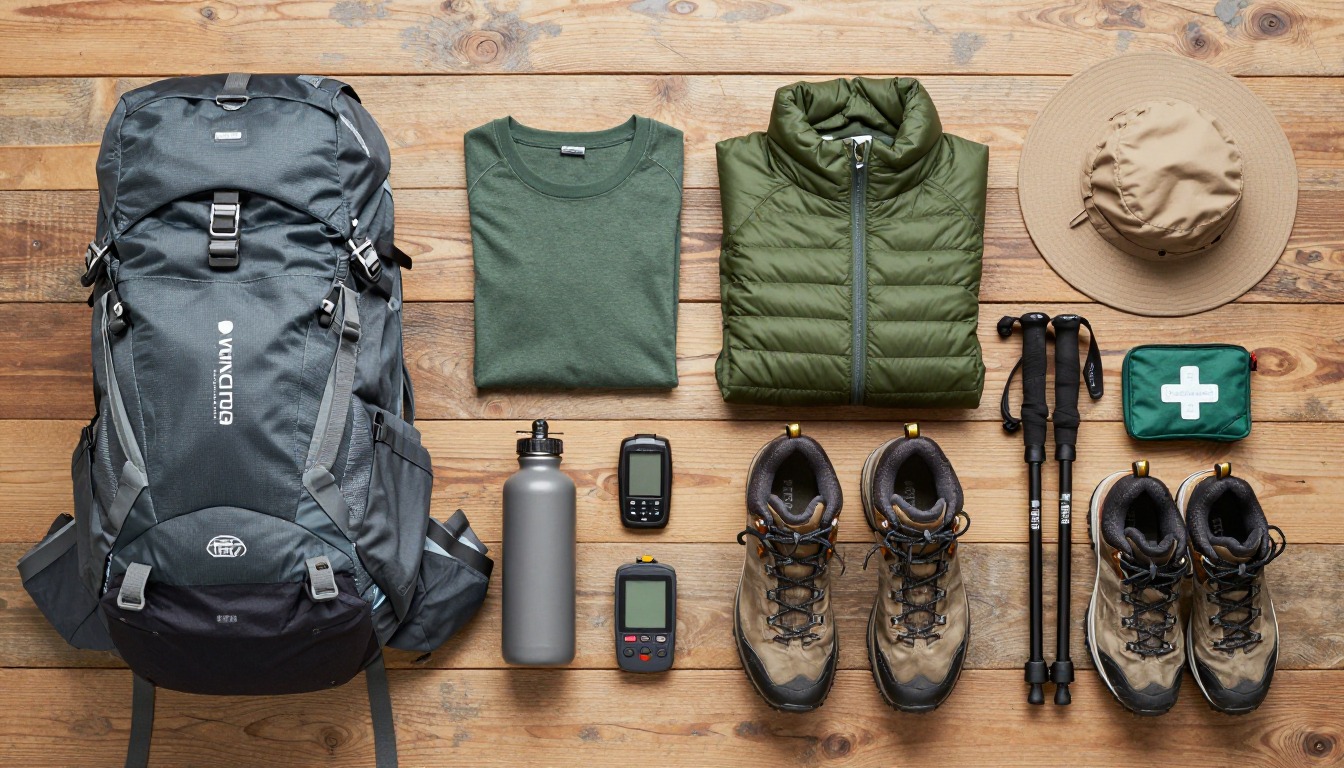
This kit is built around one physical fact: wind pulls heat from your body far faster than still air at the same temperature, and on an open ridge there's nothing around to slow it down. Every piece here either blocks that wind, keeps you upright against it, or protects something a gust could take from you — a hat, a glove, your footing, your vision. It isn't a heavier kit than a normal day hike; it's the same kit reorganized so nothing is loose, nothing flaps, and the wind shell goes on before you're cold enough to need it.
This setup suits hikers comfortable with sustained exposure on established ridge trails and traverses — routes with long stretches of no tree cover, where wind is the main variable rather than technical terrain. It assumes dry, non-icy ground; a ridge with snow or ice underfoot changes the calculus and calls for traction gear and a different plan entirely. It also assumes the discipline to turn around when gusts exceed what you can safely walk through, rather than treating a summit or endpoint as non-negotiable.
- Start with a pack you can cinch down tight to your body — a loose, swinging load is the first thing wind gets a hold of.
- Build a layering system around a true windproof shell, not just water resistance, and make sure every part of it — hood, cuffs, hem — seals down in seconds.
- Secure everything that isn't attached to your body: a hat with a chin cord, gloves clipped or leashed, poles with wrist straps snug, nothing riding loose in a side pocket.
- Set a wind speed or gust threshold for turning back before you start, the same way you'd set a lightning or weather deadline, and treat it as a decision already made.
About this setup
Ridgelines and high traverses concentrate wind the way a doorway concentrates a draft. Air that moves comfortably across open country gets squeezed and accelerated as it crosses a narrow crest or funnels through a saddle between peaks, so the same weather system can be a stiff breeze at the trailhead and a wind that staggers you three hours later on the ridge itself. Wind chill is the real hazard here, not raw air temperature — moving air strips heat from skin and wet fabric far faster than still air, and a hiker who's comfortable at 50°F in a sheltered valley can be dangerously cold at the same temperature standing on an exposed crest.
The gear response to that is mostly about discipline, not technology: a windproof shell that goes on before you're cold, and a habit of securing anything that could be pulled loose — a hat, an unclipped glove, a map, a hood left open. Travel style matters just as much. Dropping into a lower, hunched posture and widening your stance gives gusts less surface to catch and a shorter distance to knock you off balance; using trekking poles as a third and fourth point of contact does the same job for your feet. In sustained wind, most hikers naturally slow down and time their steps between gusts rather than fighting straight through a sustained blast — that instinct is worth trusting rather than overriding.
None of this is really about strength or gear quality — it's about respecting a wind that can pin you against rock one minute and drop away entirely the next. A gust strong enough to knock a hiker off their feet is a turnaround signal, not a challenge, especially near any drop-off or exposed edge. This setup is for dry, established ridge trails; if that kind of wind is combined with rain, snow, or ice underfoot, the smart move is off the ridge entirely, not a more aggressive kit.
The pack
On a wind-exposed ridge your pack has to work with you, not against you — a loose, swinging load turns into a sail the moment a gust hits.
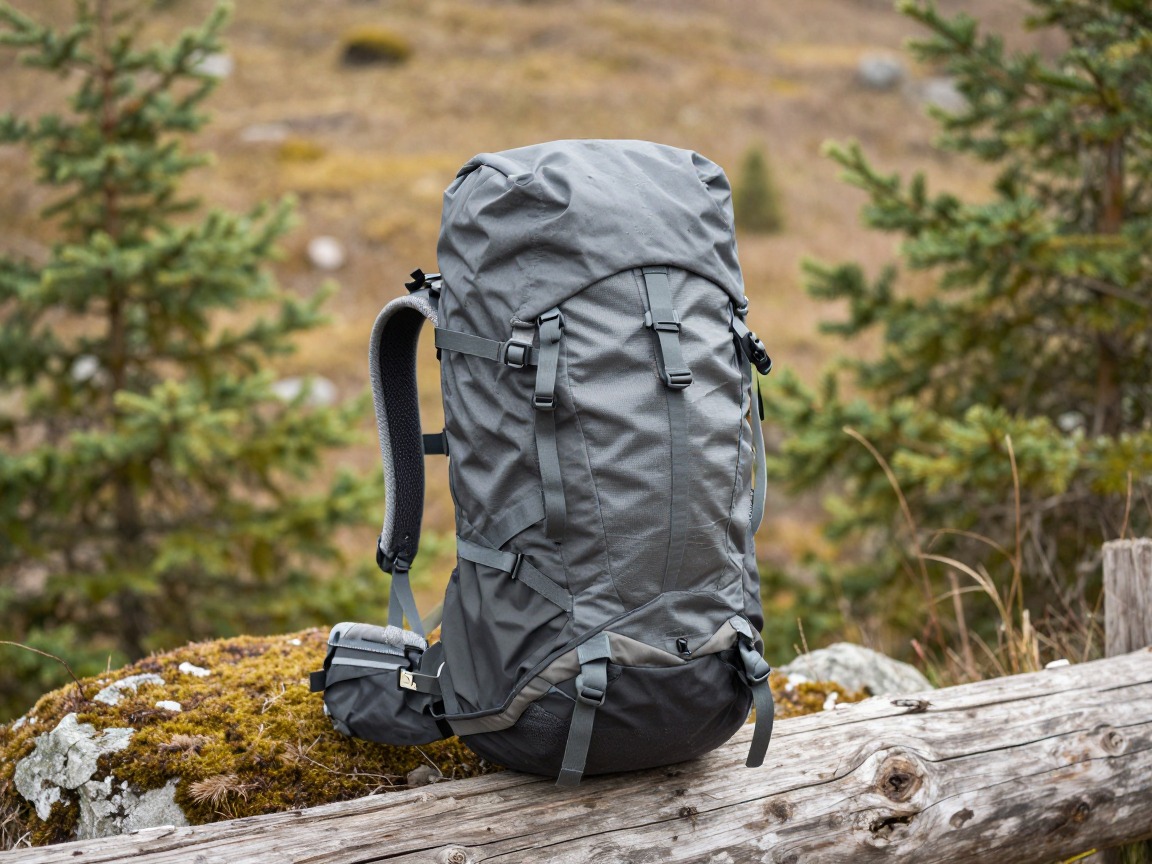
Ridge daypack
Carries wind layers, food, water and safety gear for a long, exposed day — sized to compress down tight rather than ride loose on your back.
What to look for: A close-fitting 25–35 L pack with real compression straps that cinch the load flat against you. A pack that bounces or sways on a calm day will fight you far more once the wind picks up.
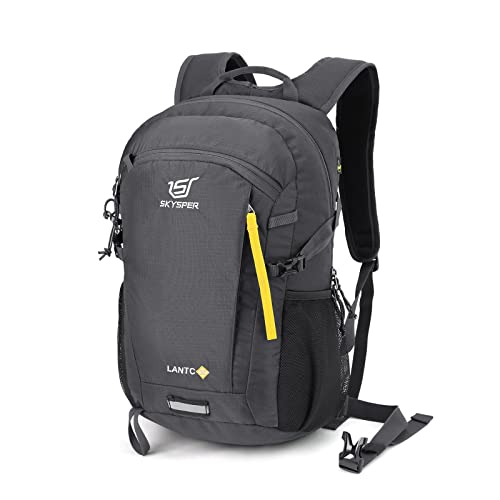 SKYSPER Small Hiking Backpack Check price
  Osprey Sportlite 20L Lightweight Hiking Backpack Check price
 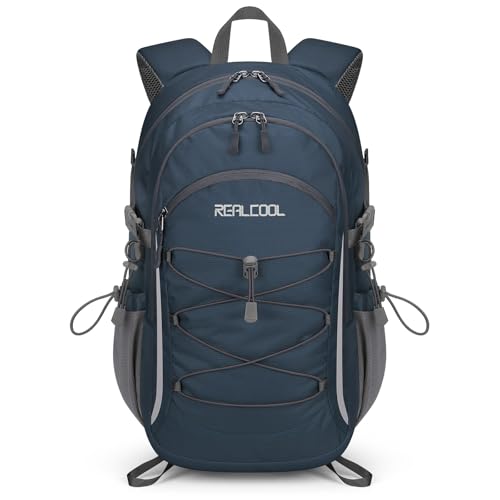 RealCool 20L Lightweight Hiking Backpack Check price
 - Small carabiners or cord for clipping gloves, a hat, or a map to the pack so wind can't take them
- A pack liner or dry bag, since wind-driven weather often arrives with rain or blown spindrift
Water & food for an exposed day
Wind dries you out and burns more calories than the same distance in still air — plan to eat and drink more than the mileage alone suggests.
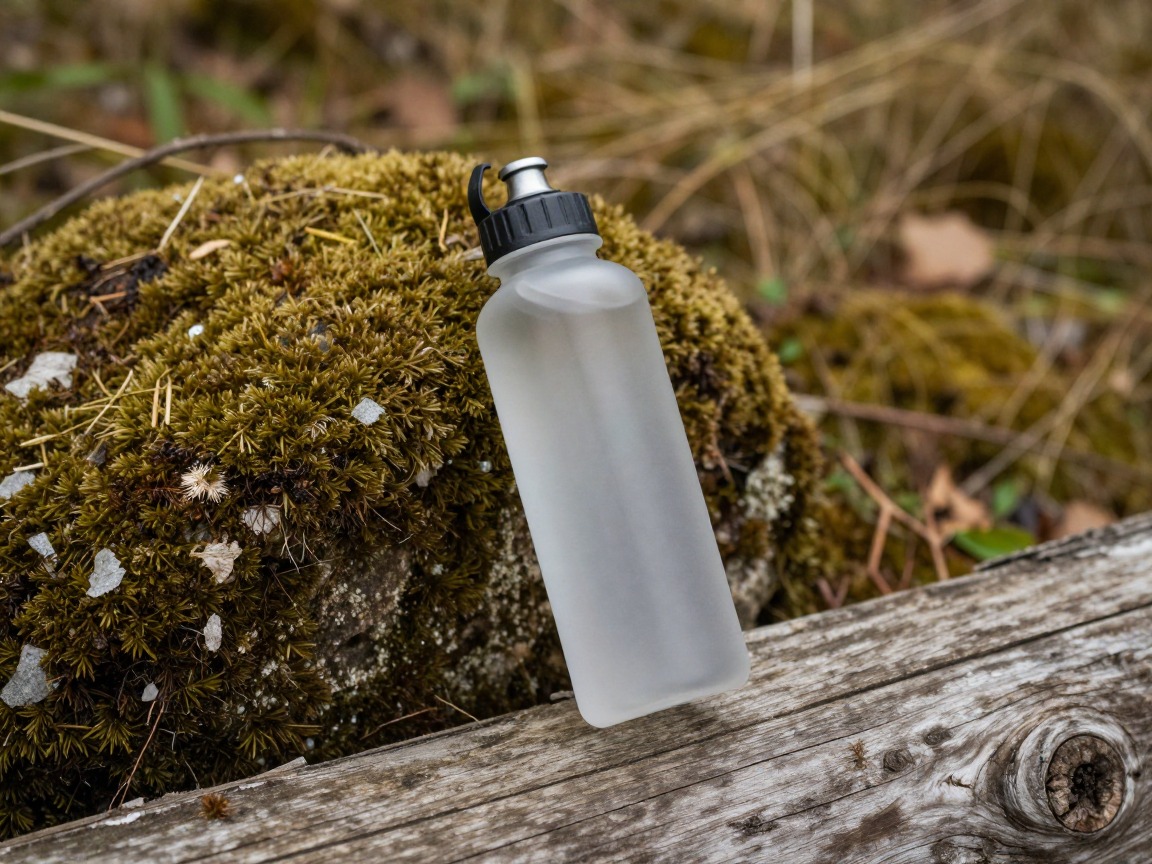
Insulated wide-mouth bottle
Simple, wide-mouth bottles are easier to open, fill and drink from with gloves on than a hose that can flap loose or freeze shut in a cold wind.
What to look for: An insulated, wide-mouth bottle or two, carried in a zipped or covered pocket rather than an open mesh side pocket where a cap could work loose.
 Nalgene 32 oz Wide Mouth Water Bottle Check price
  Nalgene 32 oz Wide Mouth Water Bottle Check price
  Nalgene 32 oz Wide Mouth Water Bottle Check price
 - Calorie-dense food you can eat one-handed without stopping
- Electrolyte mix or tabs
Wind-blocking layers & securing them
Wind chill, not the temperature on your phone, is what actually threatens you up here — this layering system blocks wind first and stays fastened down against gusts.
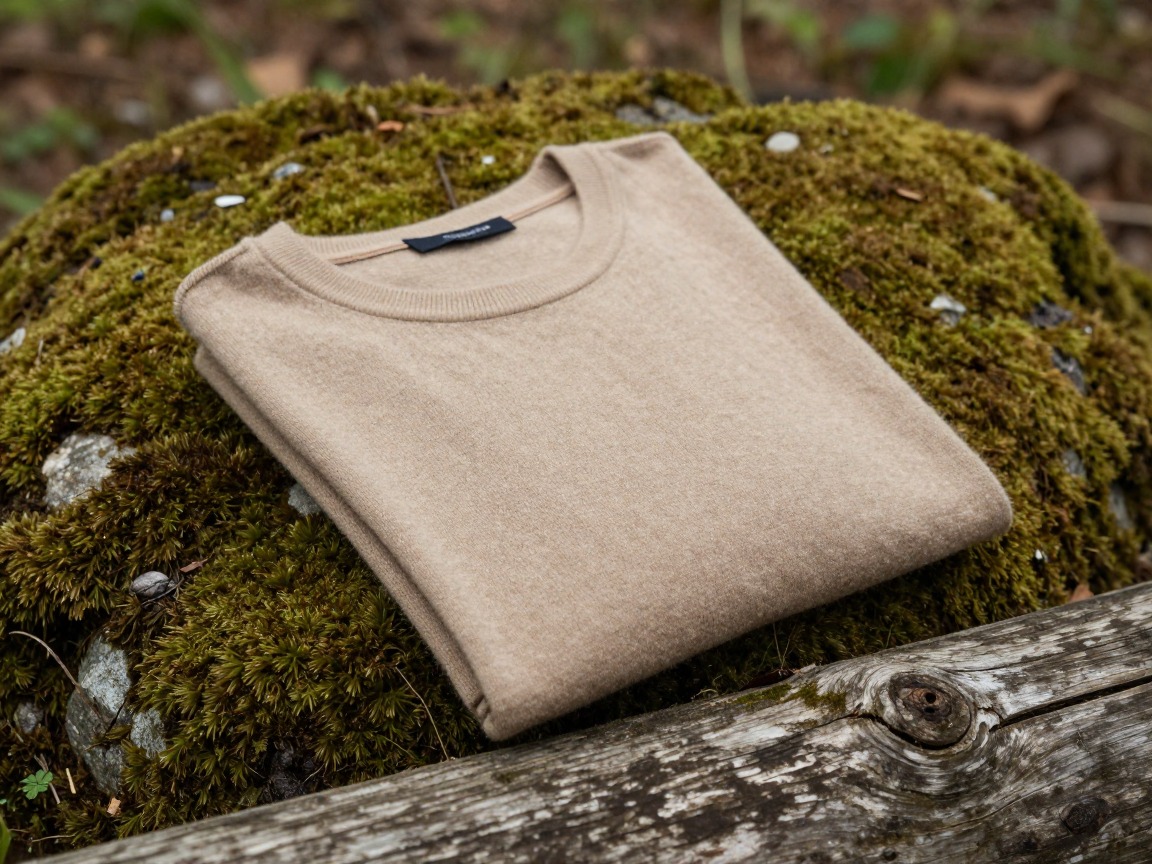
Wicking base layer
Keeps you warm and working through wind's cooling effect, and through the swing between a sheltered start and a fully exposed crest.
What to look for: A midweight merino or synthetic base that keeps insulating even damp. Cotton loses its warmth fast the moment wind finds any dampness in it — leave it home.
 100% Merino Wool Base Layer Men Set - Thermal Underwear for Men Long Check price
  Merino.tech Merino Wool Base Layer Women Set - Heavyweight Check price
  100% Merino Wool Base Layer Men Set - Thermal Long Underwear with Ba Check price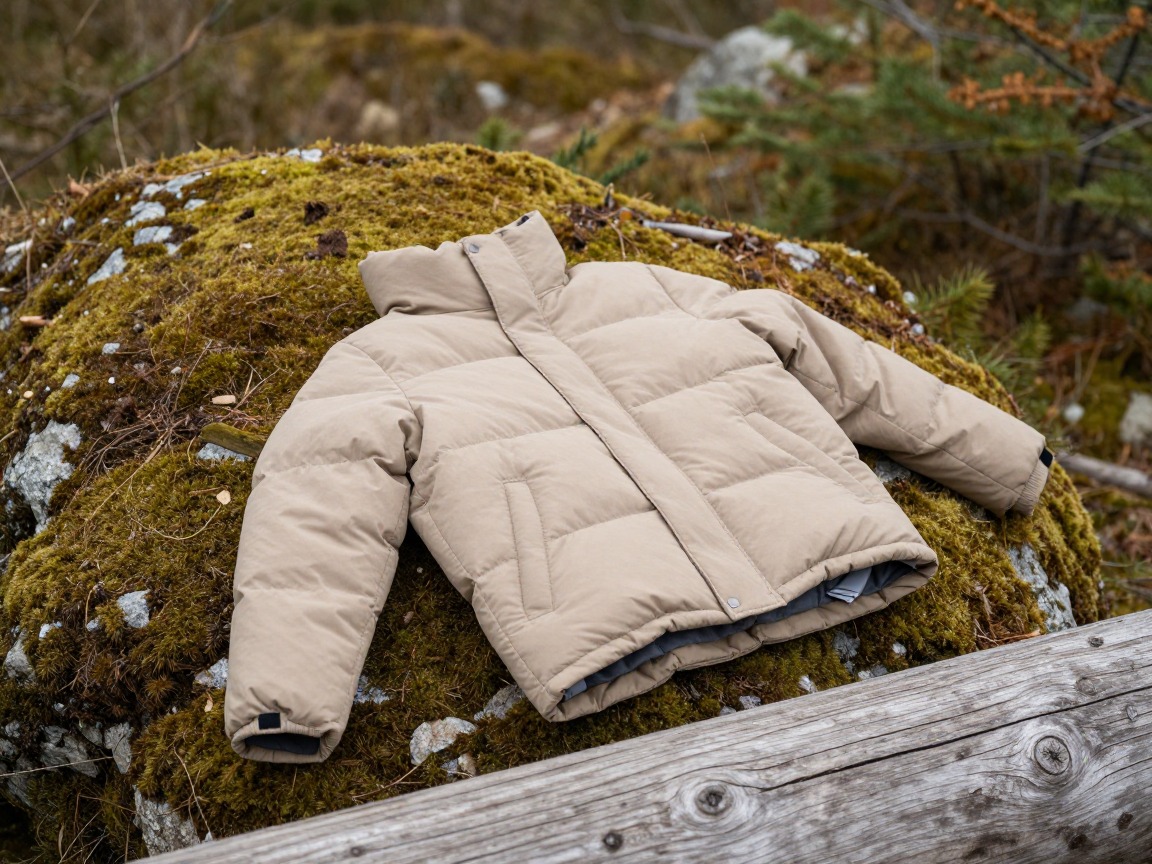
Packable insulated layer
Goes on the moment you stop moving or the wind picks up, which on an exposed ridge can happen with no warning at all.
What to look for: The warmest layer for its weight, quick to pull on one-handed over a shell if needed. A hood or high collar adds real value here.
 Outdoor Ventures Women's Packable Lightweight Puffer Jacket with Hoo Check price
  Amazon Essentials Women's Lightweight Long-Sleeve Water-Resistant Pa Check price
  Outdoor Ventures Women's Packable Lightweight Puffer Jacket with Hoo Check price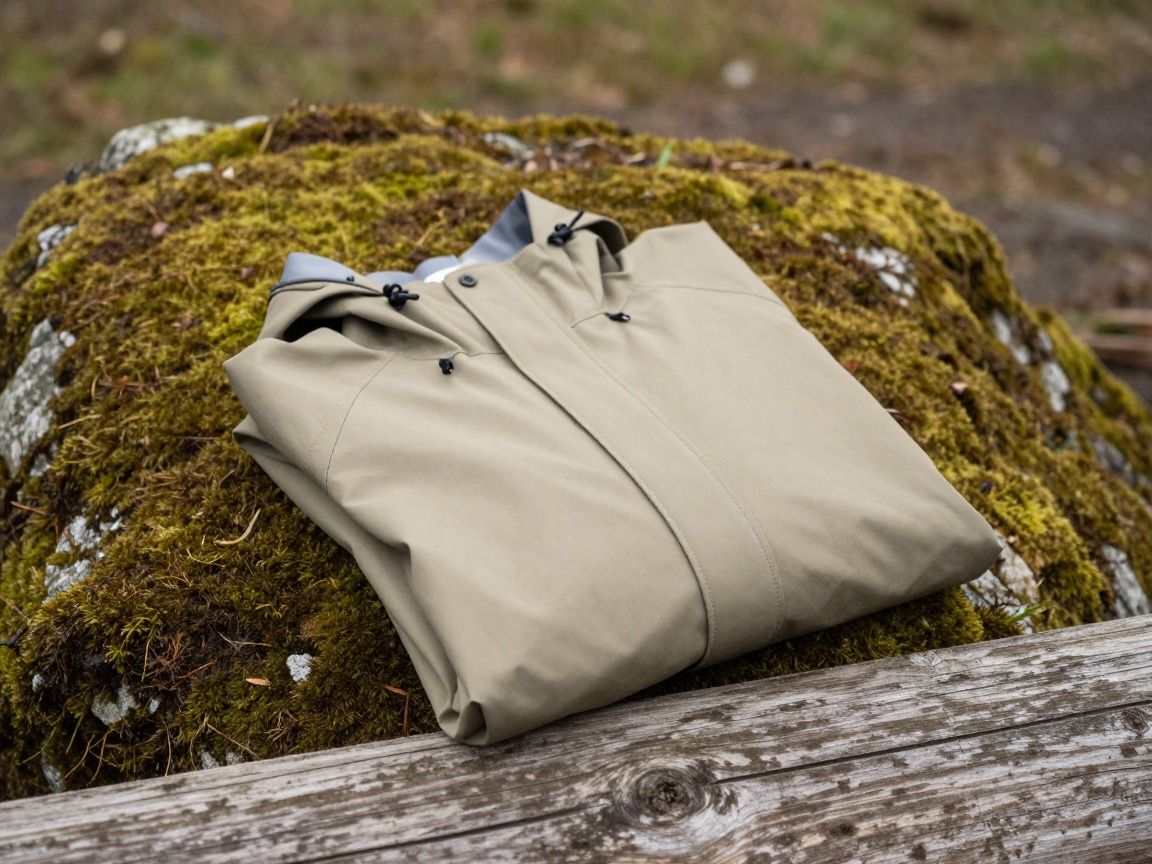
Windproof shell
A true windproof shell is the single most-used piece of gear on an exposed ridge — it's what actually stops the heat loss, rain or no rain.
What to look for: Fully windproof with a hood that cinches down tight over a warm hat, plus cuffs and a hem you can seal completely. Keep it accessible at the top of the pack, not buried at the bottom.
 UIQUR Mens Rain Jacket Raincoat Waterproof Windbreaker Black L Check price
  COOFANDY Men's Waterproof Hiking Travel Shell Breathable Rain Jacket Check price
  Columbia Womens Arcadia II Waterproof Rain Jacket Check price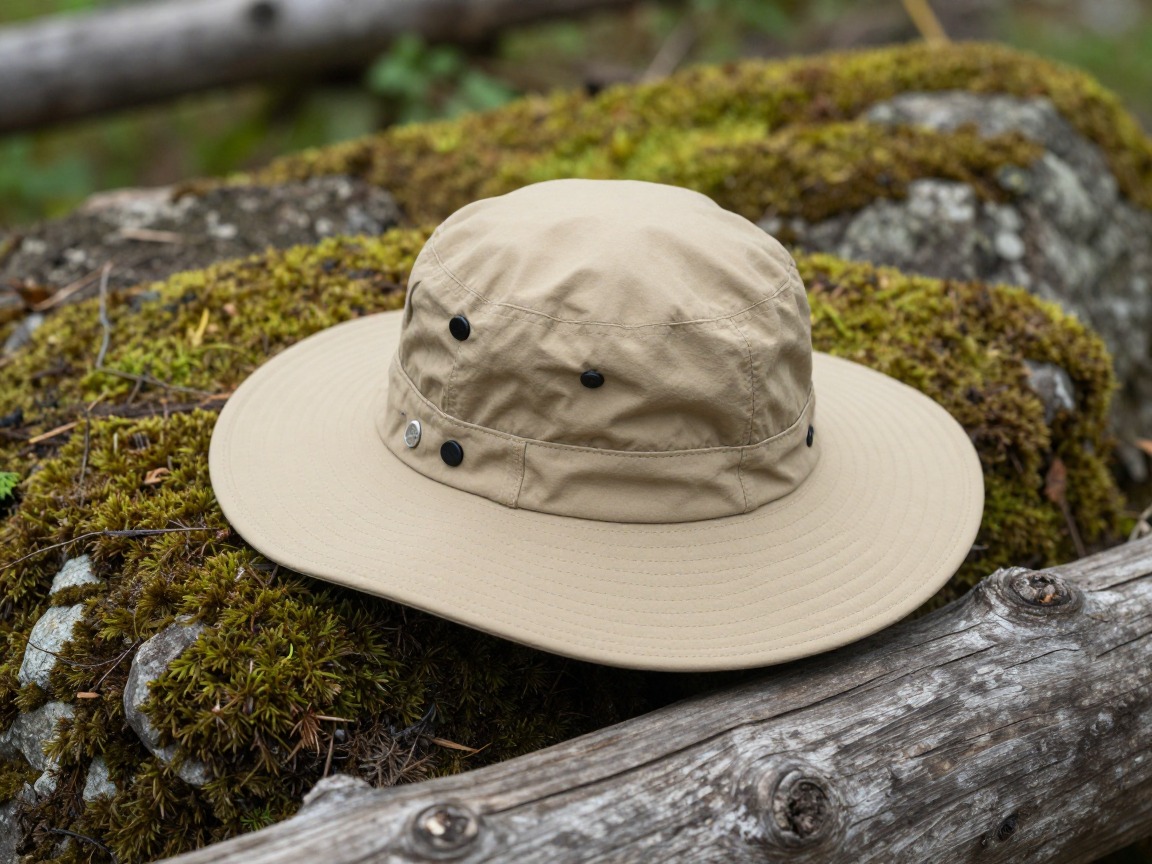
Secured hat & eye protection
A brimmed hat plus eye protection guards against wind-driven grit and glare, and a hat with no way to secure it is a hat you'll lose to the first real gust.
What to look for: A hat with a chin cord or strap, sunglasses or wind goggles that seal against blown dust and grit, and a buff or neck gaiter that doubles as face protection when wind is driving straight at you.
 FURTALK Womens Sun Hat with Ponytail Hole Beach Hiking Summer Wide B Check price
 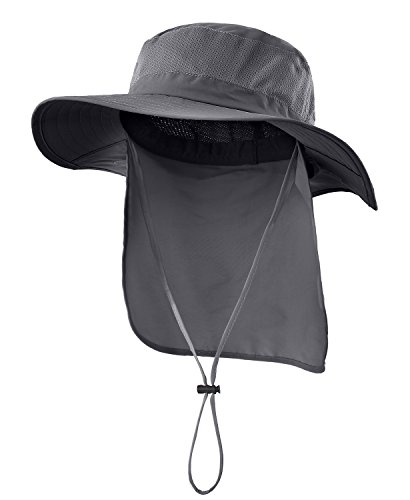 Home Prefer Outdoor UPF50+ Mesh Sun Hat Wide Brim Fishing Hat with N Check price
  FURTALK Sun Hats for Men Fishing Hat UPF Protection Wide Brim Bucket Check price
 - Wind-blocking gloves, clipped or leashed so a gust can't take one
- Warm hat or beanie that fits under a hood
- Buff or neck gaiter for driving wind on the face
Balance, footing & bracing in gusts
Staying upright in sustained wind is as much about body position and footwear as it is about strength — a low, wide stance and solid ground contact beat fighting the wind head-on.
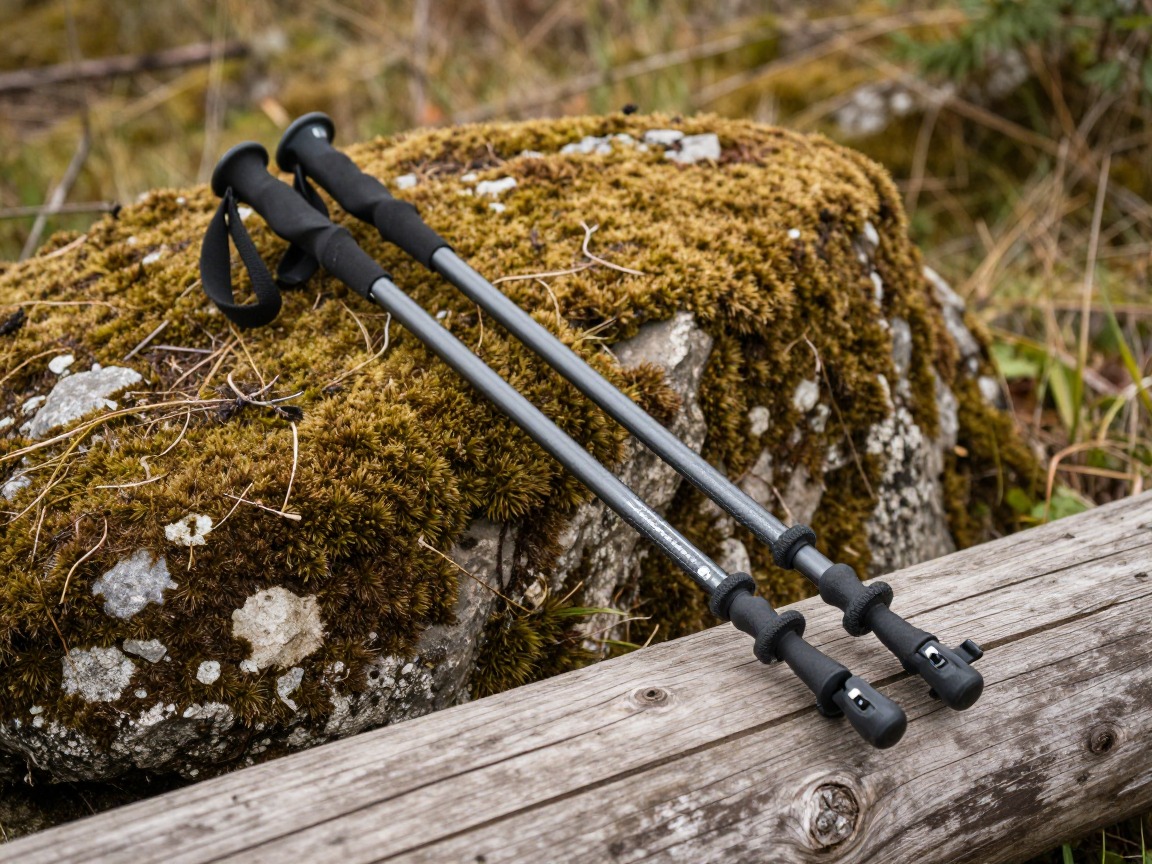
Trekking poles
Two extra points of contact make it far easier to catch yourself when a gust arrives without warning, especially on loose rock or an exposed step.
What to look for: Adjustable poles with locks that hold under sudden load and grips you can use with gloves on. Set them a touch shorter than usual for a wider, lower stance in wind.
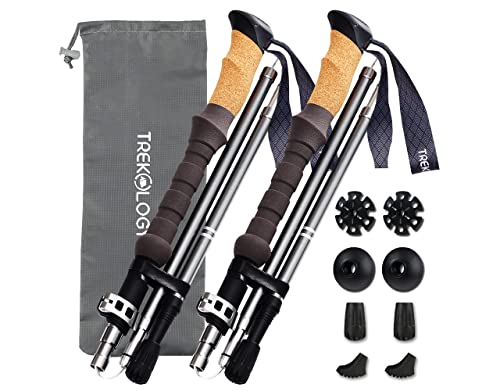 Trekology Trek-Z Cork Grip Collapsible Lightweight Hiking Trekking P Check price
 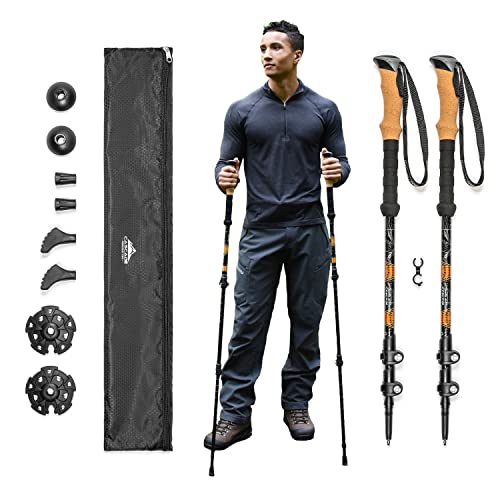 Cascade Mountain Tech Trekking Poles Check price
 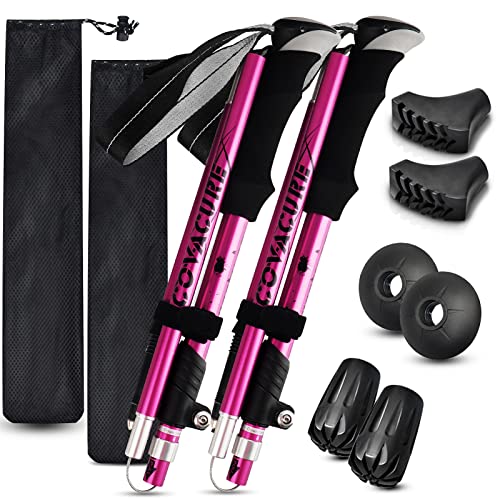 covacure Hiking Poles Check price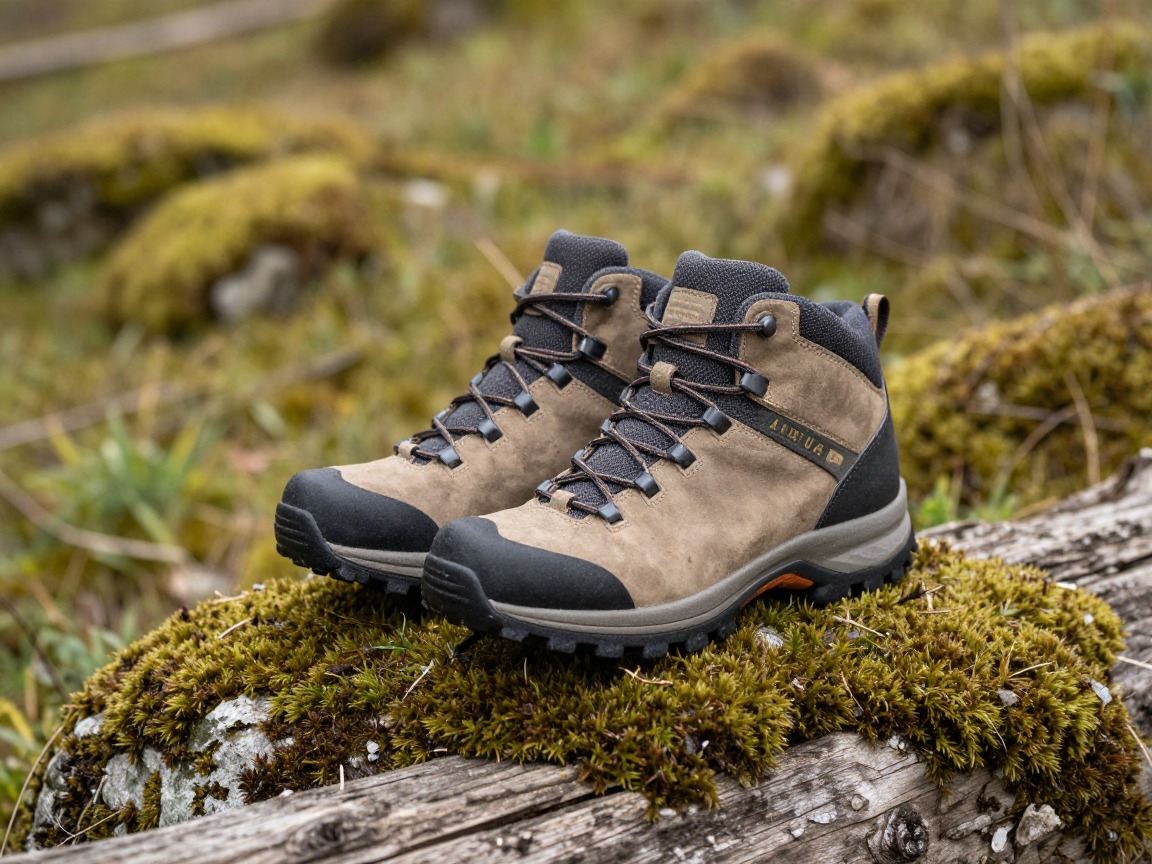
Supportive hiking boots
Stable, supportive footing matters more in wind than on a calm day — a stumble that would be nothing on flat, sheltered ground is a real fall next to an exposed edge.
What to look for: A boot with a firmer sole for edging on rock and solid ankle support. Break in any new pair well before a windy ridge day, not on it.
 Columbia Men's Transverse Waterproof Hiking Boot Check price
  NORTIV 8 Men's Ankle High Waterproof Hiking Boots Check price
  Columbia Mens Transverse Waterproof Hiking Boot Check price
 - Fresh trekking pole tips — worn tips slip on rock exactly when you need grip most
Communication, safety & the turnaround
The real safety gear on a high-wind ridge is a plan for when to leave it — carry the means to call for help, and decide your limits before you're standing in them.
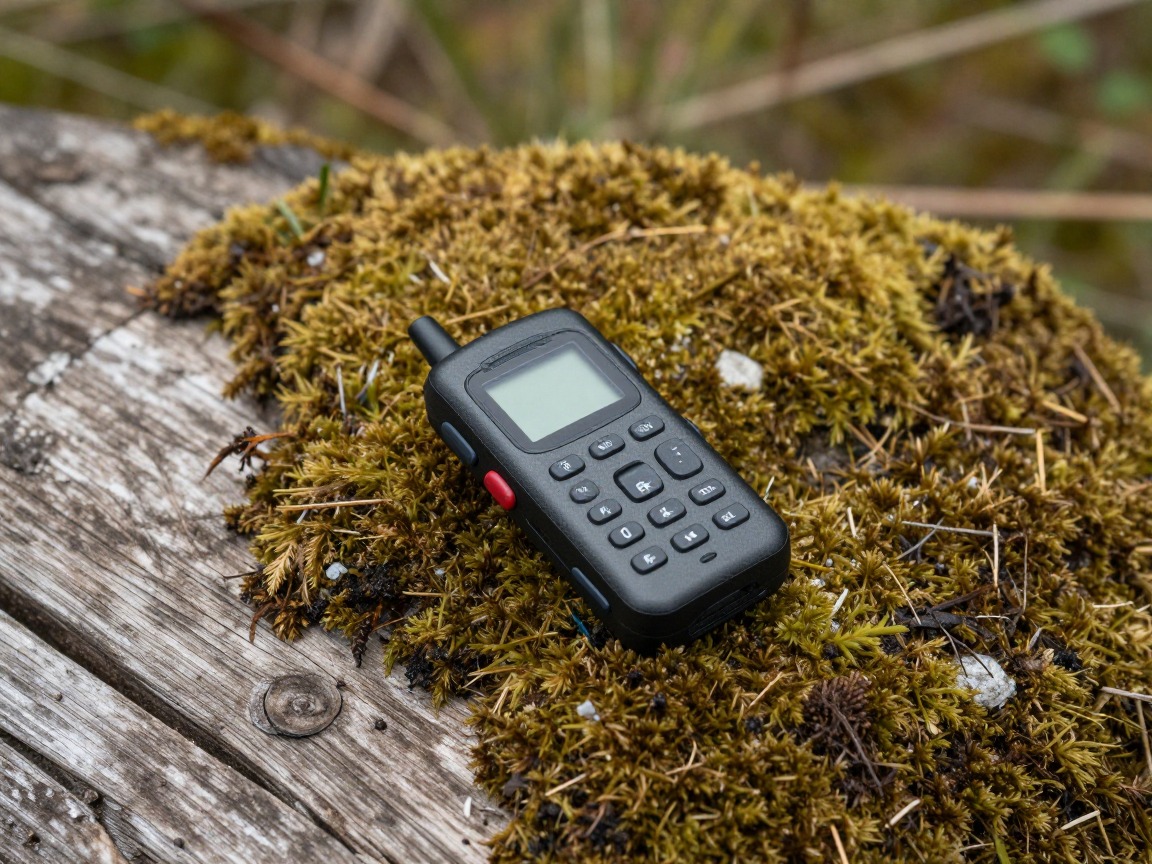
Satellite messenger
Exposed ridgelines often sit outside cell coverage — a satellite messenger lets you call for help if a gust puts you down hard or the wind turns dangerous.
What to look for: Two-way messaging and SOS with a battery that comfortably covers the day. Learn how to use it with gloves on before the day you need it in a real gust.
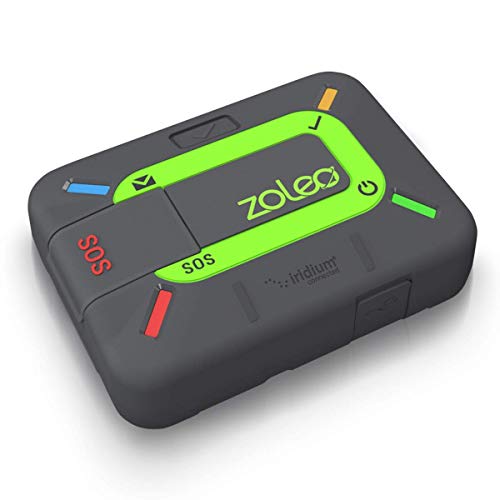 ZOLEO Satellite Communicator Check price
  Garmin inReach® Messenger Satellite Communicator Check price
  Garmin inReach® Mini 2 Check price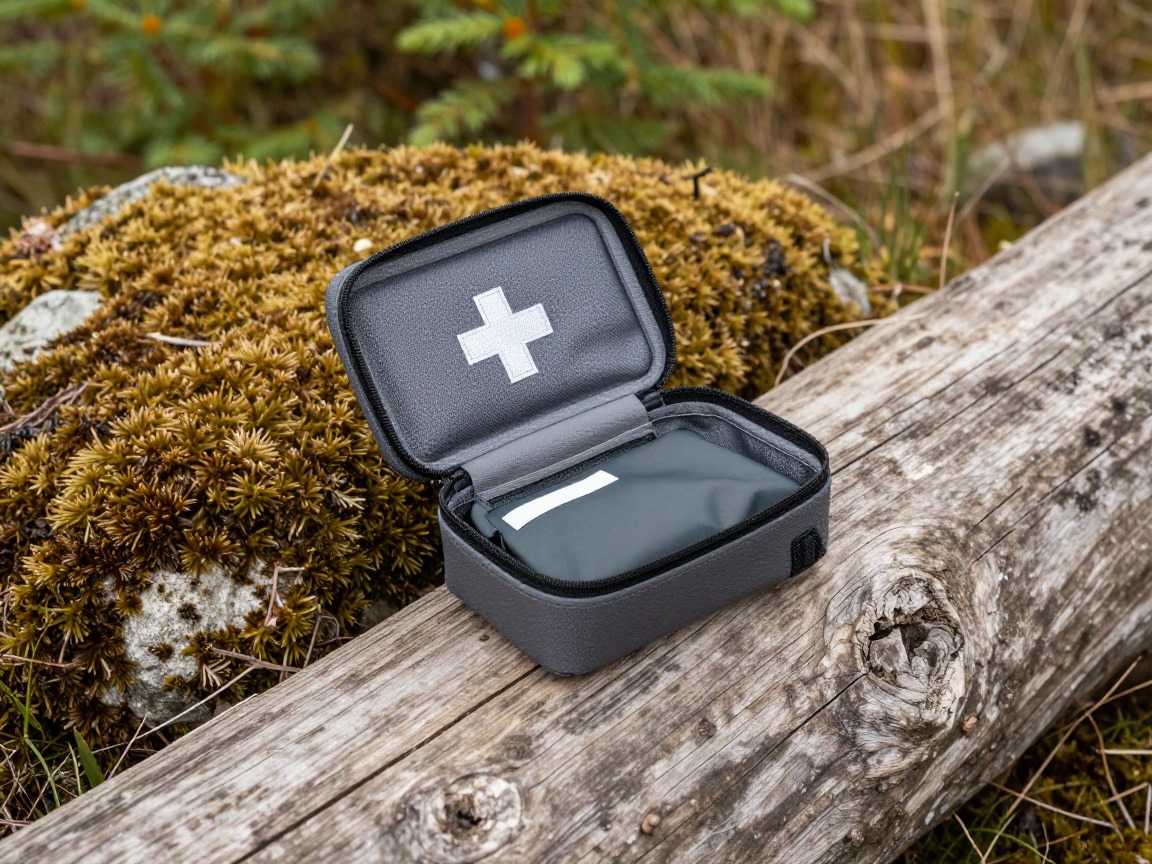
First-aid kit
Covers the practical stuff wind causes directly — grit in an eye, a scrape from a gust-driven stumble, a knock against rock — plus a basic read on hypothermia in yourself and your group.
What to look for: A compact kit weighted toward what wind and exposed terrain actually cause. Know what's in it and how to use each piece before the day you need it.
 Mini First Aid Kit - 150 Piece Small Waterproof EVA Hard Shell Case Check price
  Adventure Medical Kits Ultralight/Watertight Medical Kit .5 Check price
 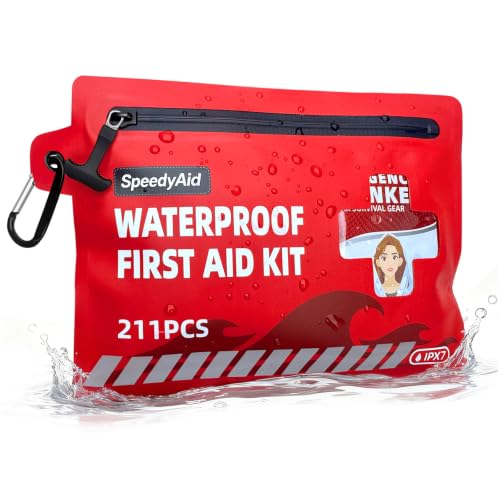 211 PCS Waterproof First Aid Kit Check price
 - A specific wind or gust threshold for turning back, decided before you start
- Whistle
- Phone and a power bank
- A written route left with someone, including your turnaround plan
How to adapt this setup
More exposed miles between saddles means more time for wind to work on you — build in extra food and water, and know where you can drop off the ridge if gusts build.
Steady wind you can lean into and plan around; gusty, unpredictable wind is more dangerous because you can't time your steps to it — treat unpredictable gusts as the stronger reason to turn back.
When wind pairs with genuinely cold air, treat the insulating layer as non-negotiable rather than extra warmth you might not need.
Where the trail runs close to a drop-off, treat any gust strong enough to move your footing as an immediate reason to sit down, brace, or turn around rather than push through.
With no one to help if a gust puts you down, lower your personal wind threshold for turning back and lean more on the satellite messenger as your safety net.
Common mistakes to avoid
- Underestimating wind chill because the air temperature alone doesn't sound dangerous.
- Carrying a hat, gloves or map with no way to secure them, then losing one to the first real gust.
- Treating a 'water-resistant' jacket as good enough, instead of a genuinely windproof shell.
- Fighting a gust standing tall instead of dropping into a lower, wider stance to ride it out.
- Having no pre-decided wind threshold, so the call to turn back gets made mid-gust instead of in advance.
- Pushing on toward a summit or endpoint after conditions have already crossed your own turnaround line.
Make it yours
Frequently asked questions
Why is wind more dangerous than cold air alone on a ridge hike?
Moving air pulls heat away from skin and wet fabric far faster than still air at the same temperature, so wind chill can make a mild-sounding forecast genuinely dangerous. On an exposed ridge there's nothing to slow that airflow, which is why a windproof shell matters more here than almost anywhere else you'll hike.
How do I keep from losing gear to wind on an exposed ridge?
Secure anything that isn't attached to your body before you're in the wind, not after — a chin cord on your hat, a clip or leash on your gloves, poles on wrist straps, and nothing loose in an outer mesh pocket. A gust that catches an unsecured item usually takes it for good.
What's the best body position for walking in strong, gusty wind?
Drop into a lower, hunched posture with a wider stance and use trekking poles as extra points of contact — it gives gusts less to catch and less distance to knock you off balance. Most hikers also naturally slow down and time steps between gusts, an instinct worth trusting rather than fighting through a blast.
When should I turn back on a high-wind ridge or traverse?
Decide your wind or gust threshold before you start, the same way you'd set a weather deadline, and treat crossing it as a decision already made rather than a judgment call mid-hike. A gust strong enough to move your footing, especially near any drop-off, is a clear signal to retreat.
Do I need special gear for wind, or just my normal hiking kit?
Mostly your normal kit reorganized: a genuinely windproof shell instead of just water-resistant, layers you can seal at the hood and cuffs, and a habit of securing anything loose. The main addition is discipline — a pre-set turnaround threshold — rather than a longer gear list.
Illustrative images show the type of gear, not specific products. Recommendations link to similar items on Amazon; we only ever link real listings and never show fabricated prices or ratings. General planning guidance, not a substitute for your own judgment or professional backcountry-safety instruction.