
The emergency 72-hour hiking bag setup
A 72-hour bag is really a backpacking kit that lives by the door instead of the trailhead — packed, current, and ready the moment you need to leave in a hurry. Built from the same gear you'd take on a three-day trip, it covers shelter, water, food, light and first aid without any of the doomsday framing. Grab it, and you're covered for three days no matter what sent you out the door.
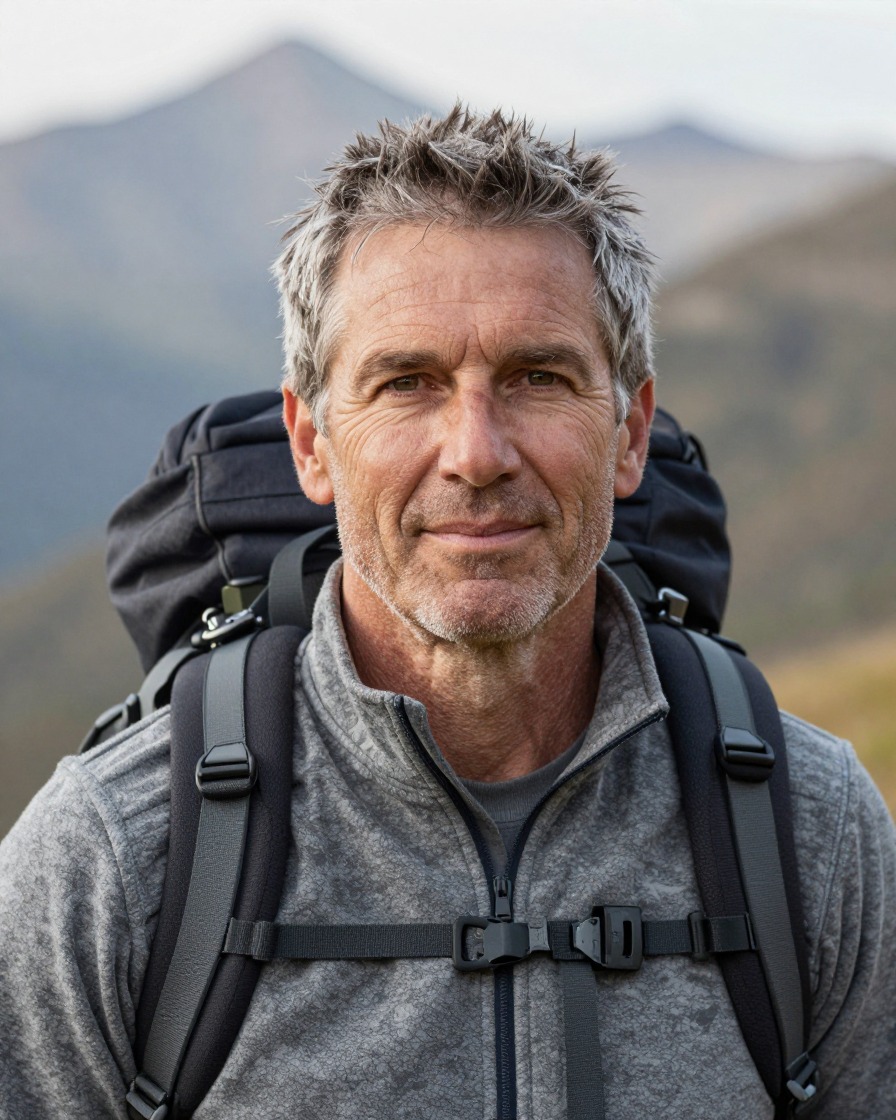
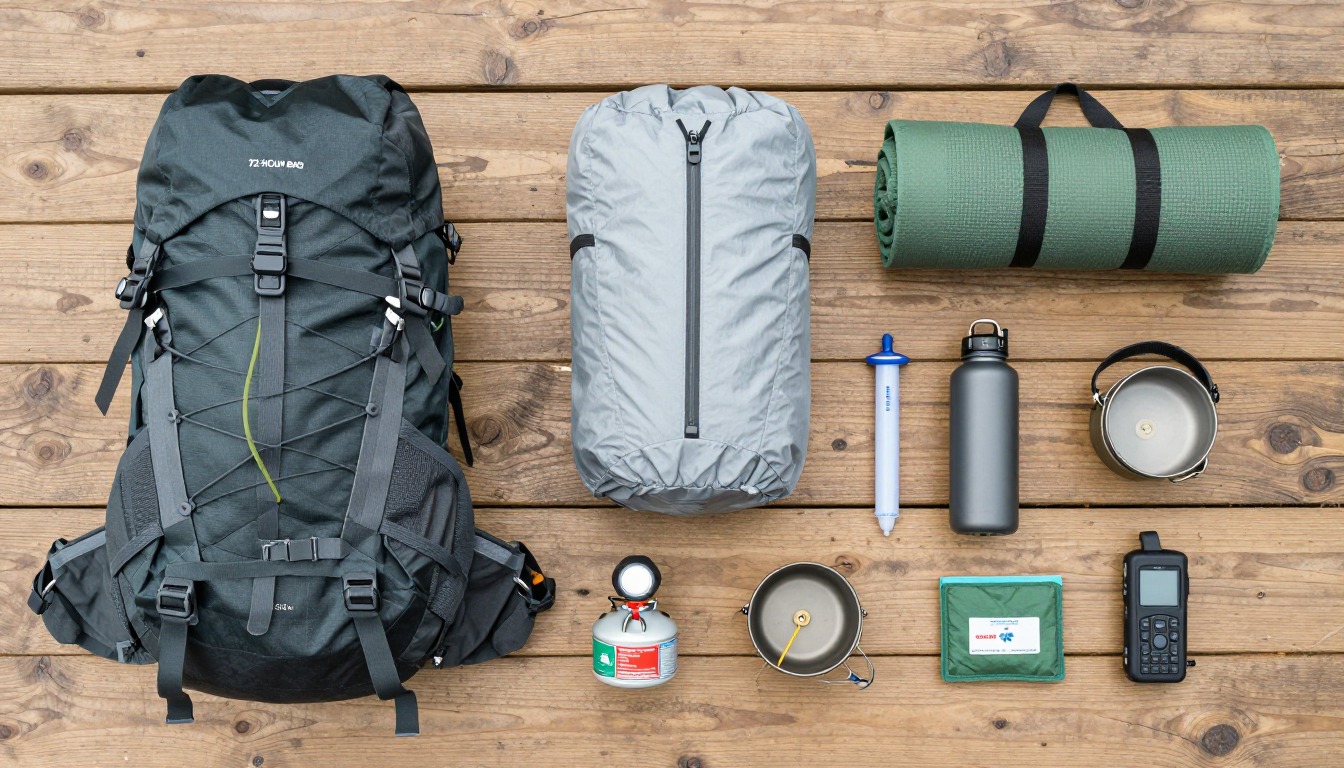
The three-day window isn't arbitrary — it's roughly how long official guidance suggests it can take for help, power, or normal services to be restored after a regional emergency, and it maps neatly onto gear you already understand if you backpack. Rather than buying a separate 'survival kit' full of unfamiliar gadgets, this setup leans on the same shelter, water and food logic as an overnight or weekend pack, just optimized for speed: less cooking, more no-cook calories, and gear simple enough to use by feel in the dark or under stress. The goal is a bag that works whether the trigger is a wildfire evacuation, a multi-day power outage, or a washed-out road that strands you away from home.
This setup suits anyone who already owns backpacking gear and wants one bag, per person, that's packed and ready to grab without thinking — households in wildfire, hurricane, flood or winter-storm regions especially. It's not a substitute for a real emergency plan, evacuation routes, or your household's own preparedness research, and it isn't built for extended survival beyond about three days; planning for longer than that is a different kit with its own logic. If you don't own any hiking gear yet, building this bag is also a reasonable place to start, since everything in it does double duty on an actual trail.
- Start with the pack itself — a 45–55 L multiday pack has room for three days of gear without being so large it's awkward to grab and go.
- Build the shelter and sleep system next: a tent or tarp, a bag rated for your area's cold-weather nights, and a pad — the same three pieces you'd pack for an overnight trip.
- Plan water like a three-day trip, not a single day: bottles for what you can carry, plus a filter so you're not limited to what's already in them.
- Add calorie-dense, mostly no-cook food, your light/fire/first-aid/navigation layer and a way to call for help, then set a repeating reminder to check the bag every few months.
About this setup
'72 hours' shows up in emergency planning because it's a realistic estimate of how long it can take for roads to reopen, power to come back, or outside help to reach a household after a wildfire, hurricane, earthquake or major winter storm — not because anything specific happens at hour 73. For hikers and backpackers, that number is easy to work with: it's the same rough duration as a weekend backpacking trip, which means most of the gear for this bag is gear you may already own and already trust.
The main difference between a 72-hour bag and a weekend pack is intent, not equipment. A backpacking kit assumes you're walking to a destination and back; this one assumes you might be walking away from home on short notice, sheltering in place without power, or riding out a road closure in your car. That shifts a few choices — food that needs little or no cooking, a communication option that doesn't depend on cell towers, and a document-and-cash pouch that never comes up on a normal hike — but the shelter, water and light systems underneath are the same skills and the same gear you'd use on the trail.
A 72-hour bag that sits untouched in a closet is only as good as its oldest battery and its stalest food. Build a habit around it: check it when the clocks change, or pick two dates a year that are easy to remember, and swap out expired food, dead batteries and outgrown clothing. A bag you've actually opened and refreshed twice a year is worth more than a heavier one you packed once and forgot.
The pack
Three days of gear needs more room than an overnight trip but less than a full multiday expedition — a mid-to-large pack strikes the balance and stays easy to grab in a hurry.
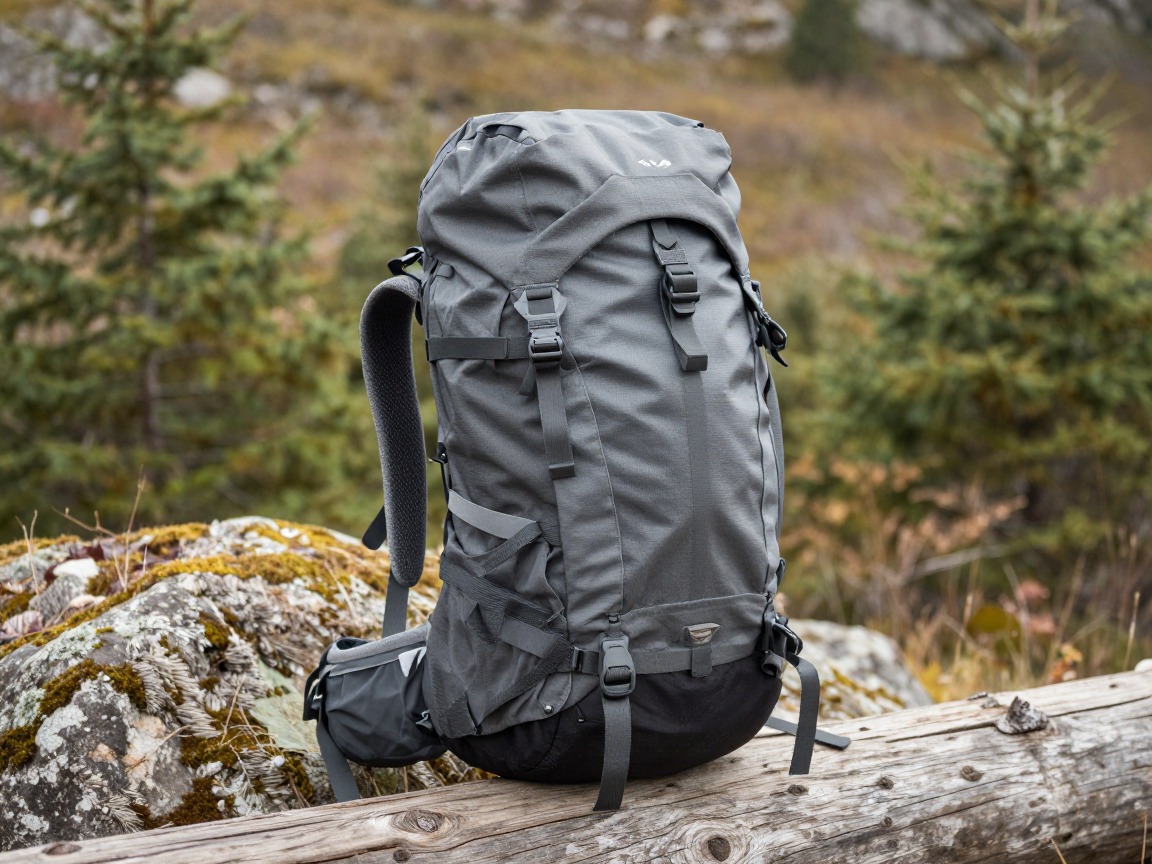
Grab-and-go pack
Holds three days of shelter, food and gear in one bag you can grab and carry without repacking — the same pack you'd use for a weekend trip.
What to look for: Roughly 45–55 L, a supportive hip belt for a heavier-than-usual load, and external attachment points for a sleeping pad or wet gear.
 WoneNice 50L Check price
  Teton 55L Scout Internal Frame Backpack for Hiking Check price
 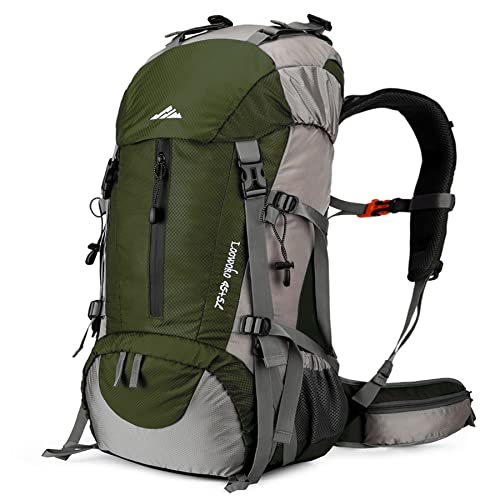 Loowoko 50L Hiking Backpack with Rain Cover for Both Men & Women Check price
 - A pack rain cover or heavy-duty liner bag
- A luggage tag or label with a contact name in case the bag is separated from you
Shelter & warmth
If home isn't an option for a night or more, the same shelter and sleep system that keeps you warm on the trail keeps you warm anywhere else too.
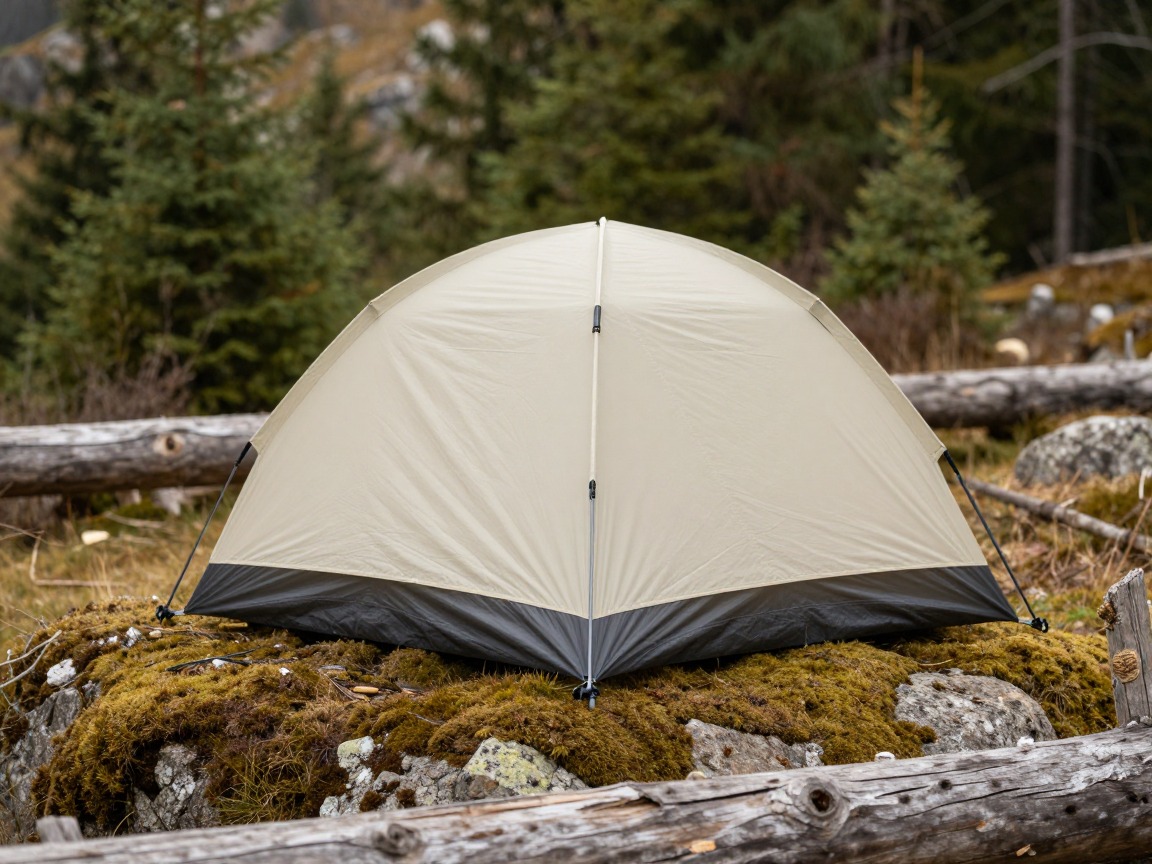
Backpacking tent or tarp
Gives you a dry, wind-blocked place to sleep if you can't stay in a building — pitched in a yard or by a vehicle, it still adds privacy and warmth.
What to look for: Quick, simple setup you could manage in the dark or in bad weather, and a packed size that doesn't dominate the bag.
 Night Cat 2-Persons Backpacking Tent: Waterproof Lightweight Camping Check price
  BISINNA 2/4 Person Camping Tent Lightweight Waterproof Backpacking T Check price
  Forceatt Tent for 2 Person is Waterproof and Windproof Check price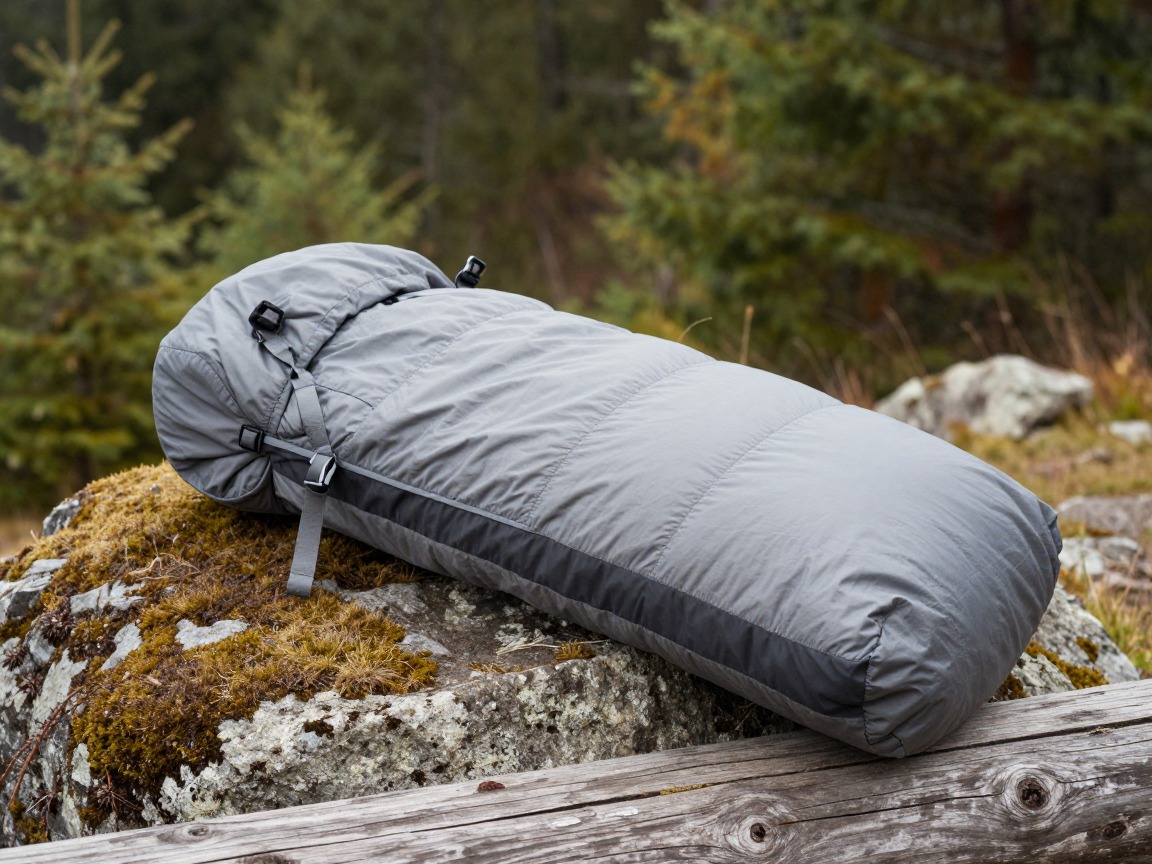
Sleeping bag
Keeps you warm through cold nights without power or heating — the main defense against a cold night if you're displaced in cool weather.
What to look for: A comfort rating for the coldest nights your region sees, not just an average night; err warmer than you think you'll need.
 MalloMe Sleeping Bags for Adults Cold Weather & Warm - Backpacking C Check price
 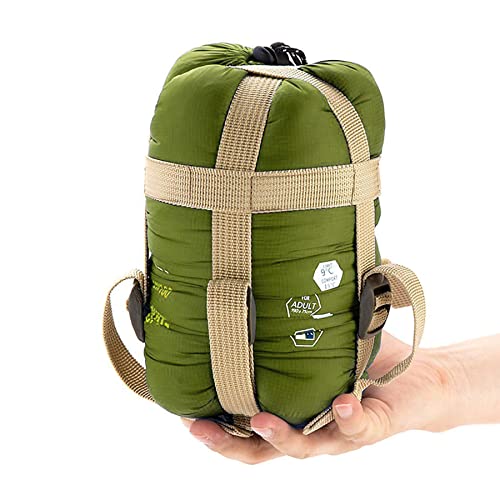 ECOOPRO Portable Check price
  Teton Trailhead Check price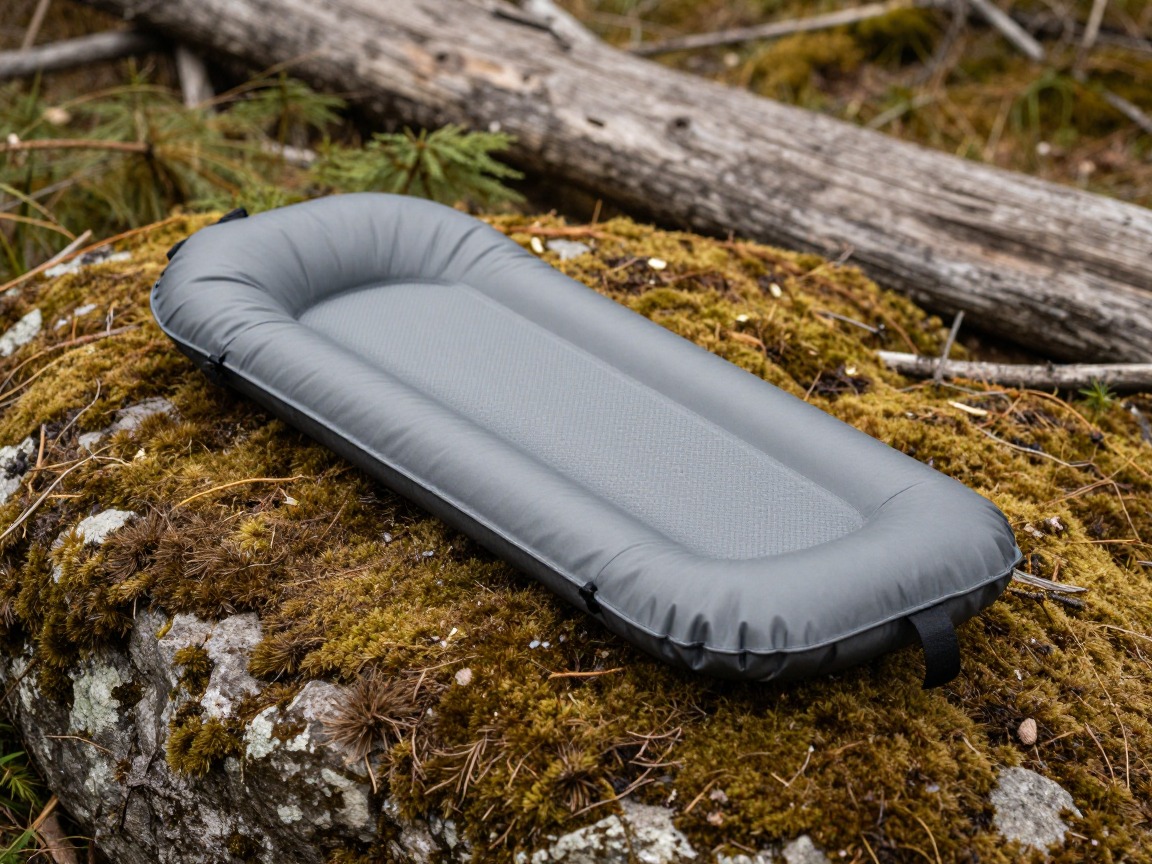
Sleeping pad
Insulates you from a cold floor, car seat, or the ground the same way it does on a trail — sleeping warm depends on the pad as much as the bag.
What to look for: Enough R-value for cold-weather nights and a pad that packs down small enough to leave room for everything else.
 FUN PAC Camping Sleeping Pad Check price
  Gear Doctors® Ether 17.5oz Ultralight Camping Sleeping Pad Check price
  Oramoose 4in Ultralight Camping Sleeping Pad with Pillow and Foot Pu Check price
 - Emergency space blanket or bivy as a compact backup layer
- Stakes & guylines if packing a tent or tarp
Water plan
Three days of water is heavy to carry in full, so the real plan is a mix of what you store, what you carry, and a filter that lets you refill from almost any source.
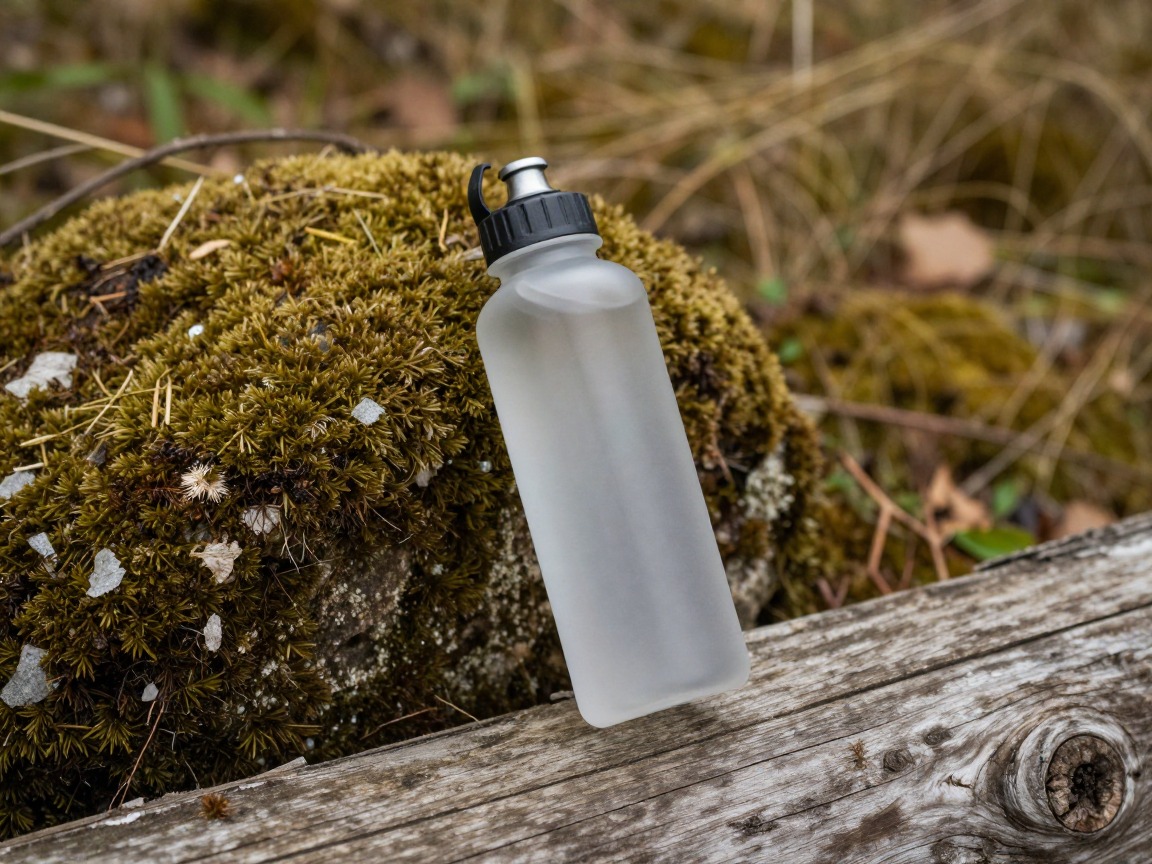
Water bottles or reservoir
Carries the water you start with — a rough starting point is a gallon per person per day if you're also storing water at home, less if you're leaning more on the filter.
What to look for: Durable, easy-to-fill bottles or a reservoir sized to what you can realistically carry alongside everything else in the bag.
 Nalgene 32 oz Wide Mouth Water Bottle Check price
  Nalgene 32 oz Wide Mouth Water Bottle Check price
  Nalgene 32 oz Wide Mouth Water Bottle Check price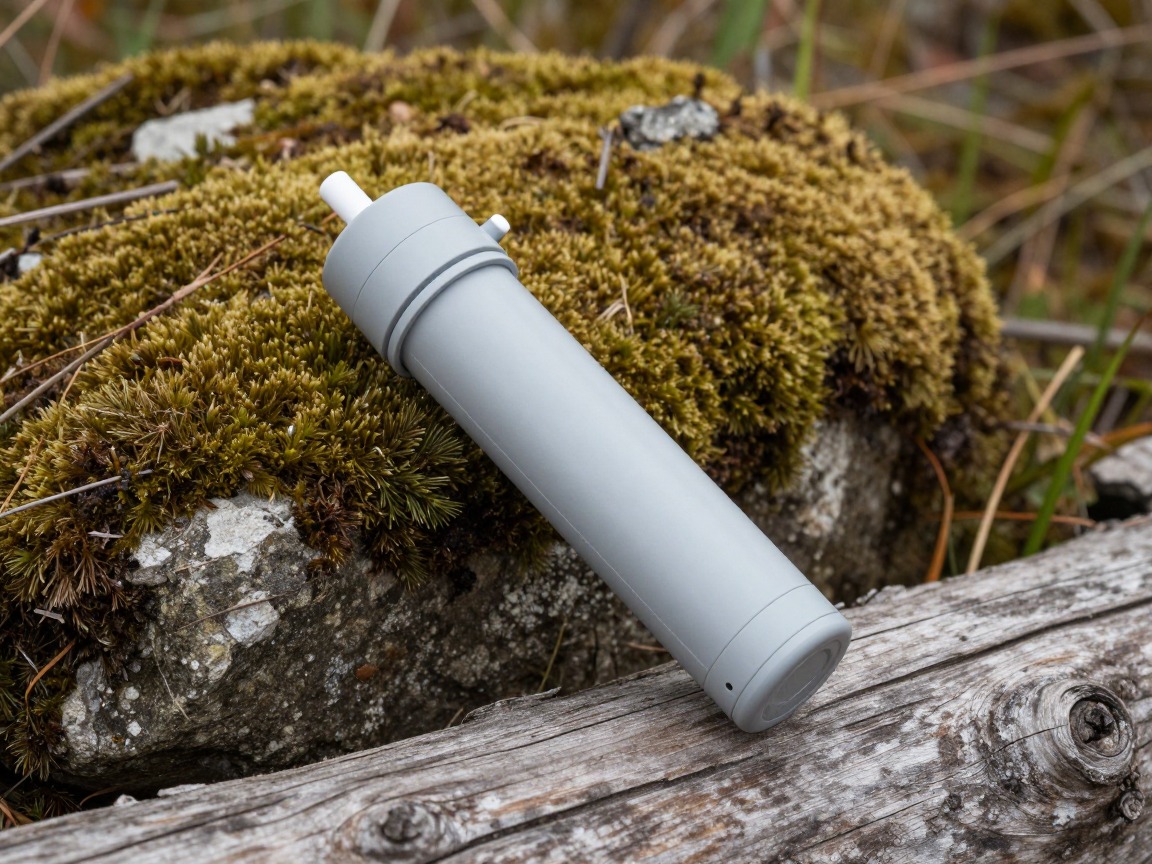
Water filter
Turns an unplanned extra day, or a water supply you didn't expect to need, into something you can actually drink from a stream, pond or questionable tap.
What to look for: A simple squeeze or pump filter that doesn't need batteries or a long setup, so it works exactly the same under stress as it does on a trail.
 Sawyer Squeeze Water Filtration System Check price
  Sawyer Products SP128 Mini Water Filtration System Check price
  LifeStraw Personal Water Filter for Hiking Check price
 - Water purification tablets as a filter backup
- A collapsible water container for camp or vehicle use
Food that doesn't need a kitchen
Assume you might not be able to safely light a stove, and pack food that's ready to eat — treat cooking as a bonus, not the plan.
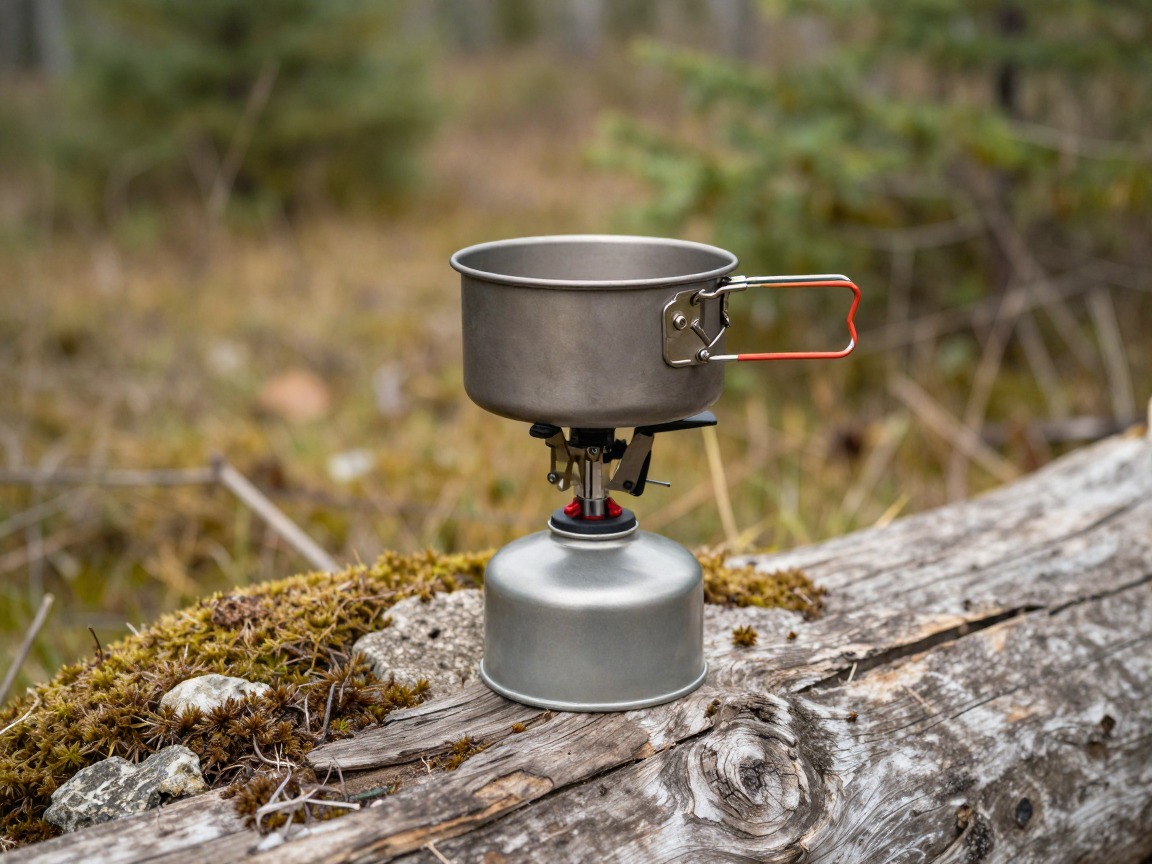
Compact stove (optional)
Turns a freeze-dried meal or a hot drink into a genuine morale boost when conditions allow you to use it safely, but the bag should still work without it.
What to look for: A small canister stove and enough fuel for a few boils, kept separate from the no-cook food that doesn't depend on it.
 AOTU Portable Camping Stoves Backpacking Stove with Piezo Ignition S Check price
  MSR PocketRocket 2 Ultralight Camping and Backpacking Stove Check price
  Fire-Maple Greenpeak 1 Camping Stove with Piezo Ignition Portable Ga Check price
 - Calorie-dense, no-cook food for three days per person — bars, jerky, nut butters, dried fruit
- A few comfort items, such as instant coffee, tea or electrolyte packets
- A lightweight pot, spork and lighter if packing the optional stove
- Manual can opener if any of the food is canned
Light, fire & first aid
The same three categories that matter overnight on a trail matter just as much at home with the power out.
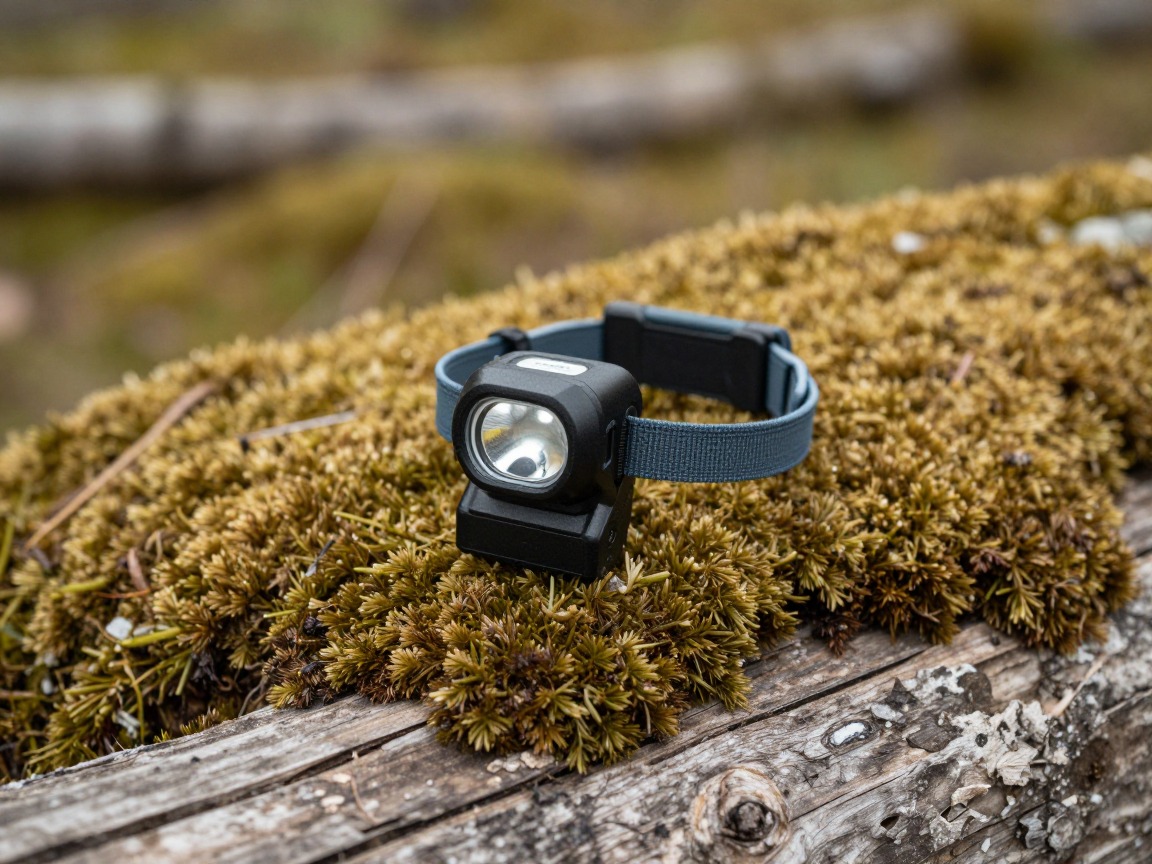
Headlamp
Frees up both hands to work in the dark — during a power outage, that's every task from cooking to reading a map.
What to look for: A reliable brightness setting for close work, spare batteries stored with the light, or a model you can recharge from a power bank.
 LHKNL Headlamp Flashlight Check price
 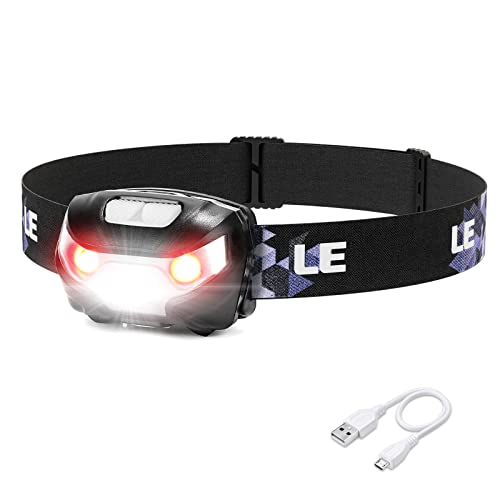 Lepro LED Headlamp Rechargeable IPX4 Waterproof Headlight 5 Modes - Check price
 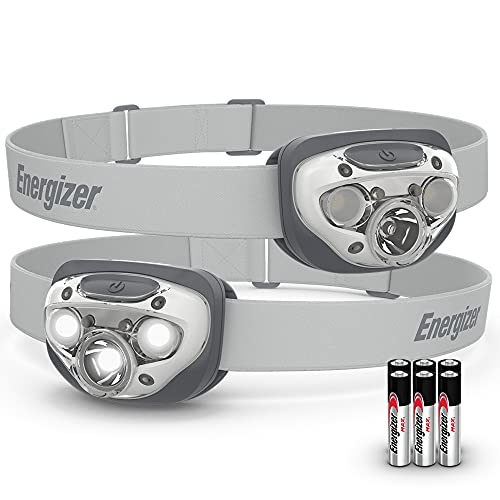 Energizer LED Headlamp PRO Check price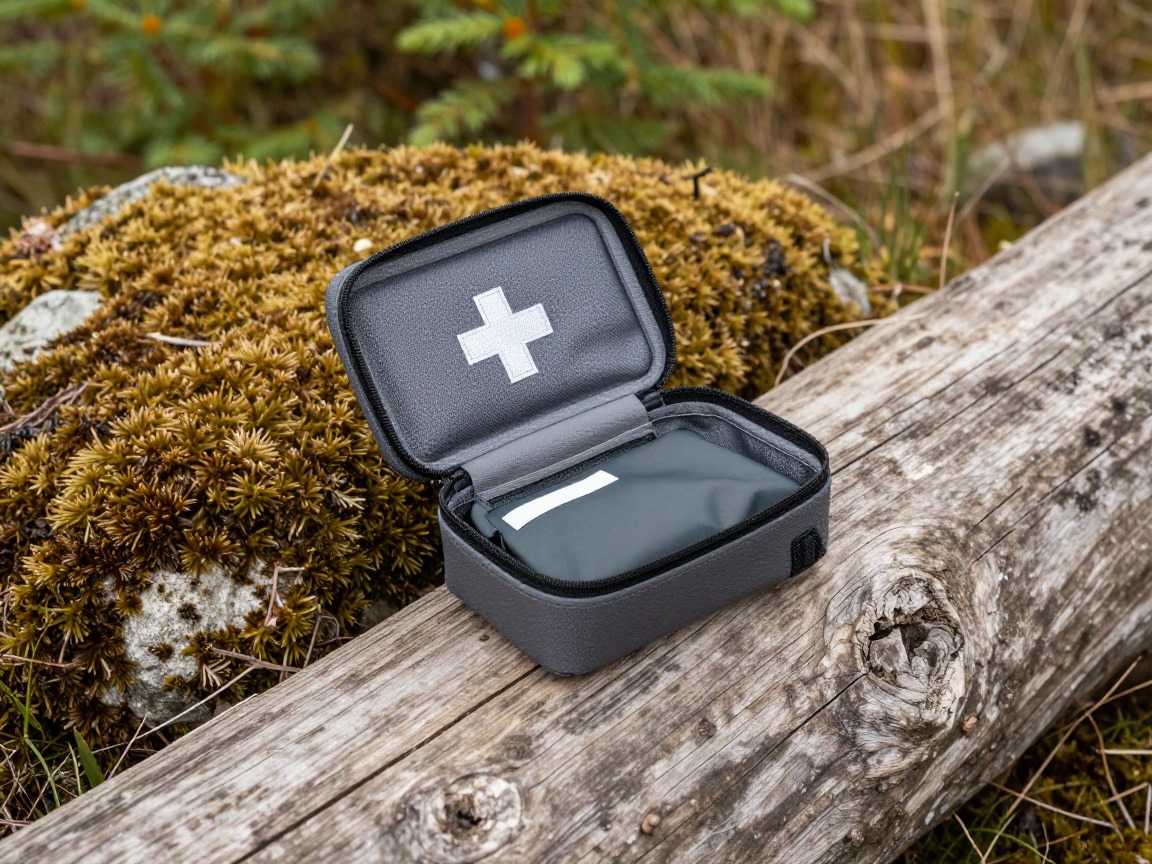
First-aid kit
Covers the basics — cuts, blisters, sprains, and any medication you rely on — for a stretch where a pharmacy or clinic may not be reachable.
What to look for: A kit sized for three days and every person it needs to cover, plus a personal supply of any prescription medication you can't go without.
 Mini First Aid Kit - 150 Piece Small Waterproof EVA Hard Shell Case Check price
  Adventure Medical Kits Ultralight/Watertight Medical Kit .5 Check price
 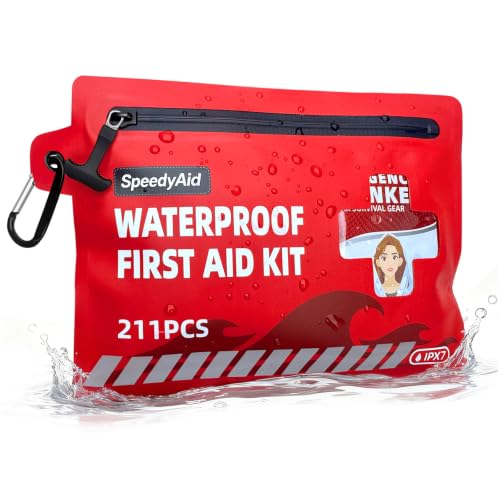 211 PCS Waterproof First Aid Kit Check price
 - Fire — lighter and waterproof matches
- Multi-tool or knife
- Work gloves
Navigation & communication
Plan for the possibility that cell service is part of what's down — the same backup navigation and communication gear that covers you off-trail covers you here.
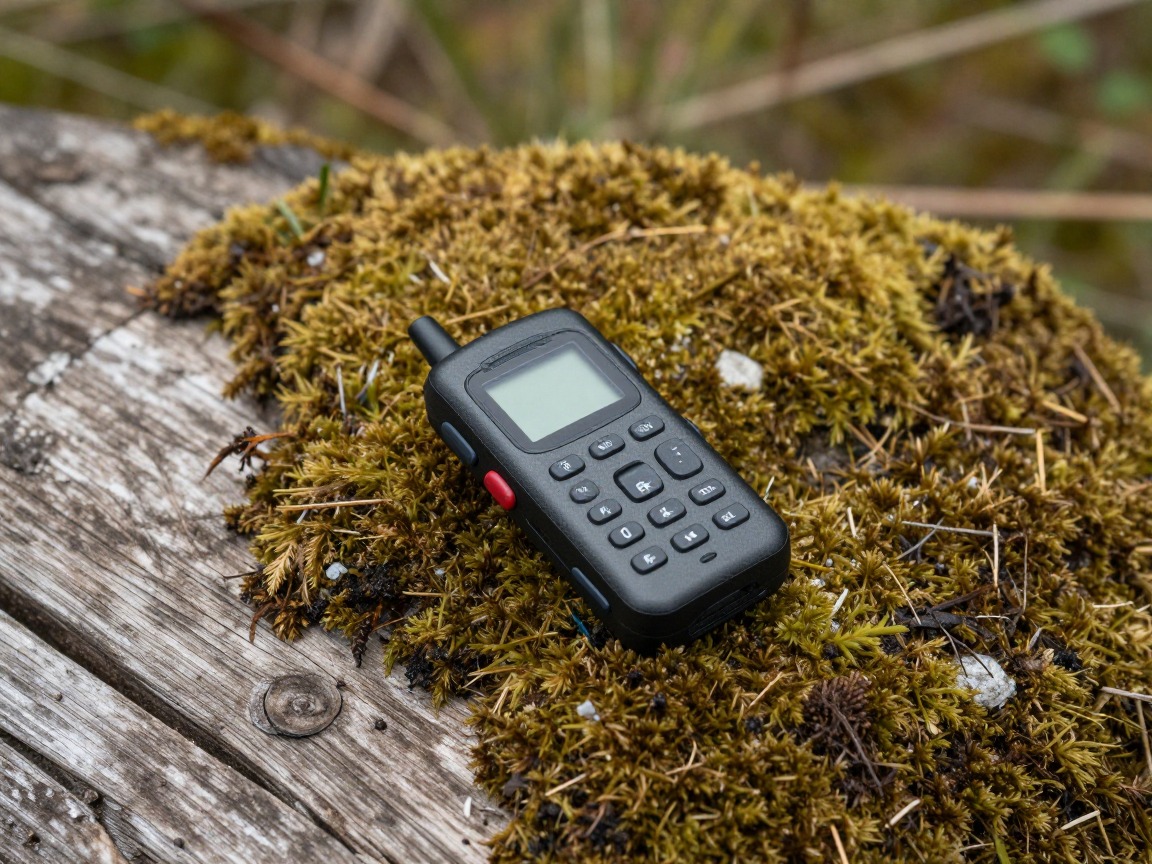
Satellite messenger
Sends a message or check-in when cell towers are down or overloaded, which is often the case in the exact emergencies this bag is built for.
What to look for: A subscription plan you'll actually keep active, and a device simple enough that anyone in the household can operate it under stress.
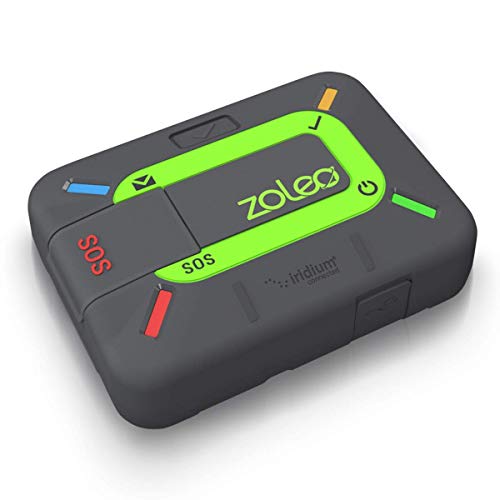 ZOLEO Satellite Communicator Check price
  Garmin inReach® Messenger Satellite Communicator Check price
  Garmin inReach® Mini 2 Check price
 - Paper map of your local area and any likely evacuation routes
- A compass
- A whistle
- A portable power bank, charged and stored with the bag
- A battery or hand-crank radio for local emergency broadcasts
Documents, cash & staying current
A handful of items never come up on a normal hike but matter the moment this bag actually gets used — and none of them belong only inside the house.
- Copies of ID, insurance and other important documents in a waterproof pouch
- A small amount of cash in small bills
- A printed list of emergency contacts and any critical medical information
- A spare house or vehicle key
- A written note of expiration dates for food and medication, checked twice a year
How to adapt this setup
Lean harder on the communication piece and keep the bag in the car rather than only in the closet — these events often come with short notice and clogged phone networks.
Size the sleeping bag and pad for your coldest realistic night, not a mild one, and add an extra insulating layer — losing power in winter is the scenario this bag most needs to handle.
Pack a second, smaller bag per additional person rather than one oversized bag, and rotate clothing sizes and comfort items on the same schedule as the food.
Sheltering in place is more likely than a wilderness night, so the tent matters less — keep the water, light, first-aid and communication gear exactly as complete.
Duplicate rather than borrow. Pulling your everyday tent or bag out of this kit for a weekend trip is exactly how a 72-hour bag ends up incomplete the day you actually need it.
Common mistakes to avoid
- Packing the bag once and never opening it again, while batteries die, food expires and kids' clothing sizes change underneath it.
- Relying on cell service for communication, when the emergency that triggers the bag is often the same thing that takes cell towers down.
- Loading the food bag with meals that all need boiling water, when a stove, fuel or clean water might not be available.
- No cash at all, on the assumption that everything is normally paid by card — card readers and ATMs need power too.
- Storing copies of important documents only inside the house that the bag is meant to help you leave.
- Sizing the bag for backpacking comfort alone, and forgetting that you may need to carry it further, or longer, than a typical trip.
Make it yours
Frequently asked questions
What should be in an emergency 72-hour hiking bag?
The same categories as a short backpacking trip: a 45–55 L pack, a tent or tarp with a bag and pad rated for cold nights, three days of water plus a filter, mostly no-cook food, a headlamp and first-aid kit, backup navigation and communication, and copies of key documents with some cash.
Why is a 72-hour bag built around three days specifically?
Three days is a commonly used estimate for how long it can take for roads, power or outside help to be restored after a regional emergency. It's also roughly the length of a weekend backpacking trip, which is why so much of the gear overlaps.
Do I need a satellite messenger for a 72-hour bag?
It's the most reliable backup once cell towers are down or overloaded, which is common in the exact events this bag is built for. If you already carry one for backcountry trips, it does double duty here; if not, a battery radio and a paper map are a baseline backup.
How much water should I pack for three days?
A common planning figure is about a gallon per person per day if you're relying entirely on stored water, though a filter reduces how much you need to carry outright. Balance stored bottles against pack weight, and treat the filter as your buffer for the days you didn't plan for.
How often should I check or rotate a 72-hour bag?
Twice a year is a realistic minimum — pick two easy-to-remember dates, such as the clock changes, and use them to swap expired food, dead batteries and any clothing that no longer fits. A bag that's never reopened is not the same as a bag that's ready.
Illustrative images show the type of gear, not specific products. Recommendations link to similar items on Amazon; we only ever link real listings and never show fabricated prices or ratings. General planning guidance, not a substitute for your own judgment or professional backcountry-safety instruction.