
The dog day hike setup
Hiking with your dog is one of the best ways to spend a day on trail, but a good dog day hike takes a bit more thought than clipping on a leash and heading out. This is a complete setup for you and your dog together: what to carry, why the kit is built this way, and how to adapt it to your own dog and trail.

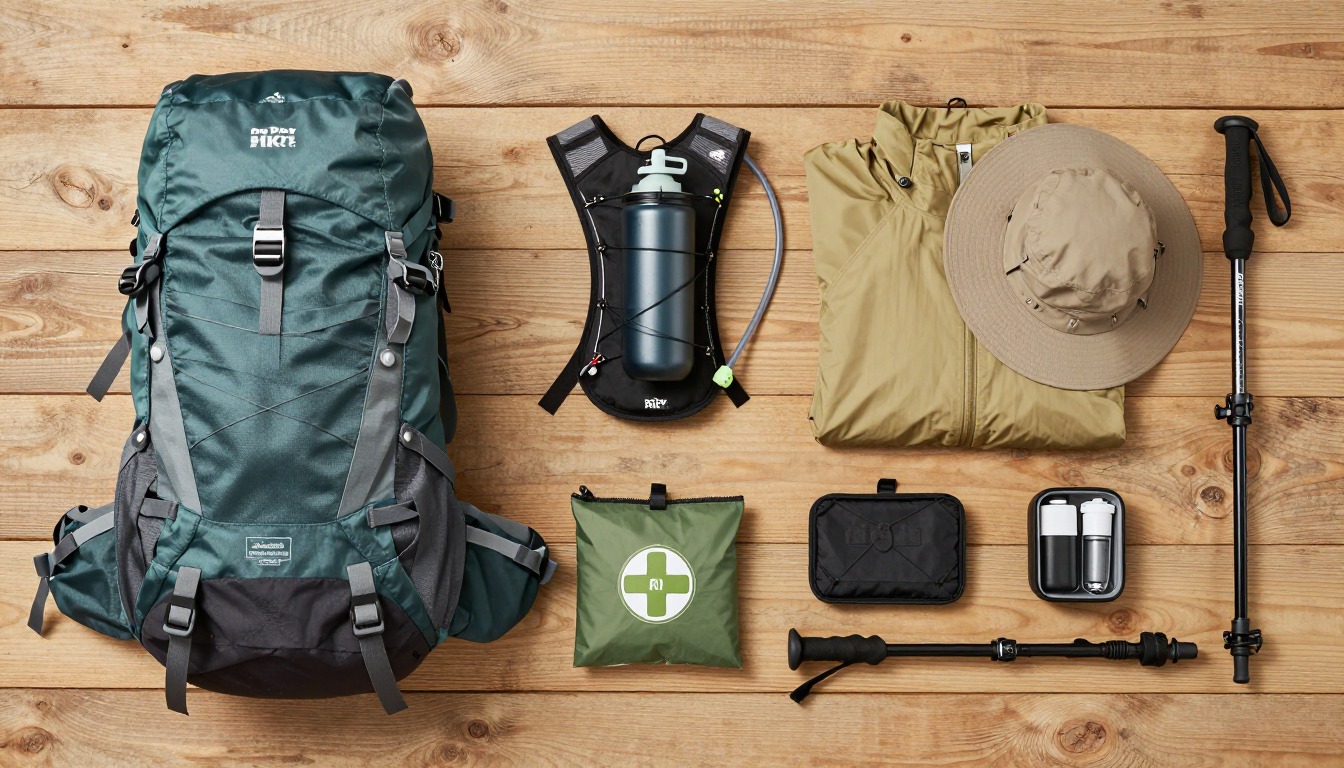
This kit starts from a normal day-hike setup and adds exactly what a dog needs on top: enough water and food for two, paw protection for rough or hot ground, a first-aid kit stocked for a dog-sized problem, and the leash, ID and waste-bag habits that keep trails open to hikers with dogs. Nothing here is about a fancier hike — it's about one that goes well for both of you and doesn't end at a vet clinic or with a ranger's warning.
Built for hikers bringing a healthy, trail-ready dog on a marked day hike, out for a few hours in fair-to-warm weather. It suits a dog that's already comfortable on leash and reasonably fit; a young puppy, a senior dog, or a dog new to hiking should start with shorter, cooler outings first. If your dog has any health condition, talk to your vet before adding miles or heat to their routine — this list is packing guidance, not veterinary advice.
- Start with two packs, not one: your own daypack, fitted to your torso, and a dog pack sized to your dog's back length and weight if they'll carry some of their own gear.
- Cover water and food for both of you first — carry more water than you'd bring hiking solo, plus a collapsible bowl and food or treats sized to the distance and the heat.
- Add the dog-specific safety layer: booties or a paw-check habit, a sturdy leash and current ID, and a first-aid kit stocked for paws, ticks and heat.
- Finish with your own normal day-hike essentials — layers, light, navigation — then check the trail's dog rules before you commit to the route.
About this setup
Hiking with a dog changes the calculus of a day hike more than most people expect. Your dog can't tell you their paws are getting raw on granite, or that they're starting to overheat under a dark coat in direct sun — you have to watch for it instead. The most common dog-hiking problems aren't dramatic: a paw pad worn thin by rough rock, a dog that drank too little because the only water on the trail was yours, or a first long hike a couple of miles further than the dog's conditioning could really handle. All of it is avoidable with the right kit and a bit of attention.
Leave No Trace applies to your dog too, and it's a big part of keeping trails open to hikers with dogs at all. Pack out every bit of waste, even well off the main trail — bagged waste left behind, or waste kicked into the brush, still pollutes water sources and turns other hikers against dogs on trail. Keep your dog leashed wherever it's required, both for wildlife and for hikers who aren't comfortable around dogs, and give wildlife and livestock a wide, calm berth no matter how friendly your dog is.
Know the trail's dog rules before you go. Some trails ban dogs outright, some require a leash at all times, and some allow off-leash hiking under voice control only in specific areas or seasons — land managers post this, and it's worth a quick check of the trailhead page rather than a guess. On the hike itself, watch your dog rather than the mile marker: heavy panting, lagging behind or a sudden reluctance to keep moving are all signs to slow down, find shade and offer water, and any limping or refusal to bear weight on a paw means stop and check it. For anything beyond a minor scrape or a slow, tired dog, a veterinarian is the right call — this guide covers packing and awareness, not diagnosis or treatment.
The packs
Two packs, sized right, make the rest of the kit possible — yours for the shared gear, and an optional one for your dog to carry their own share.
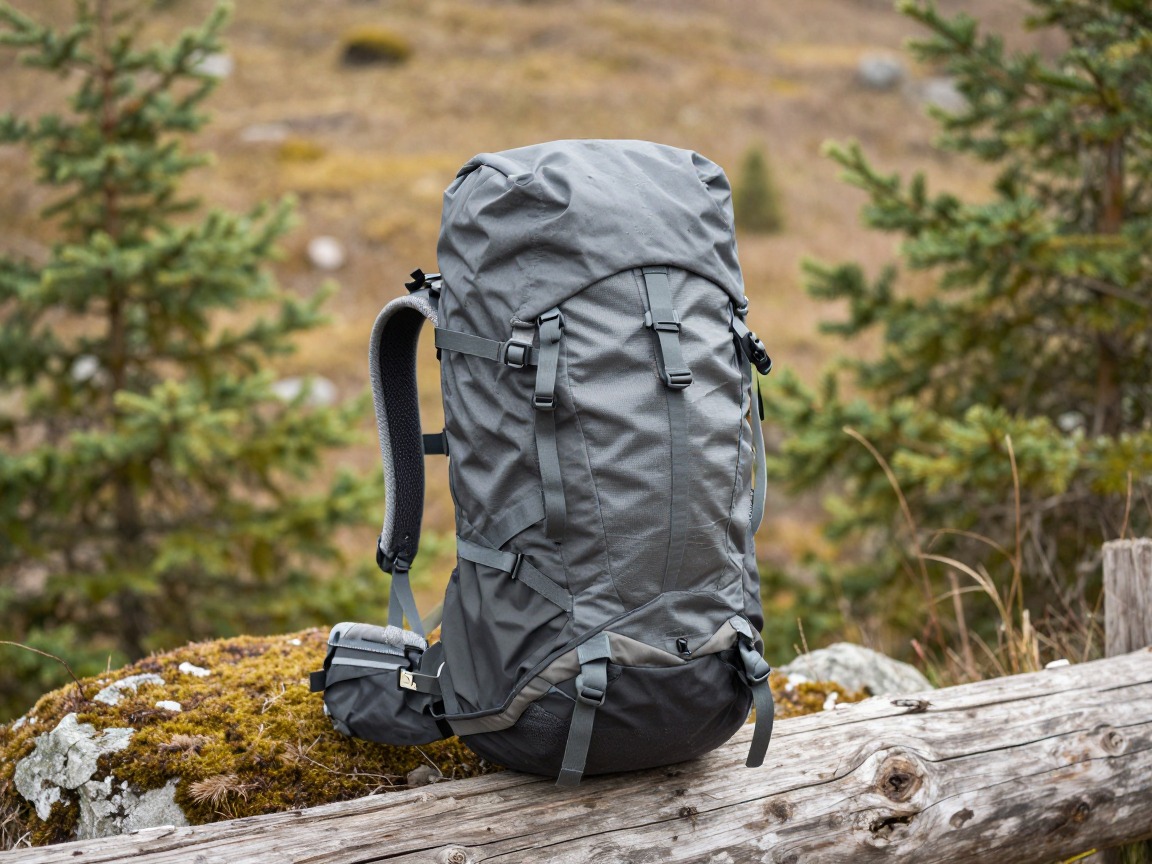
Day hiking backpack (yours)
Carries the shared gear — water for two, dog food, the first-aid kit and your own layers — so look for room to spare rather than a bag stuffed to the seams.
What to look for: 18–25 L with a comfortable back panel and easy-access pockets for things you'll reach for often, like the bowl and waste bags.
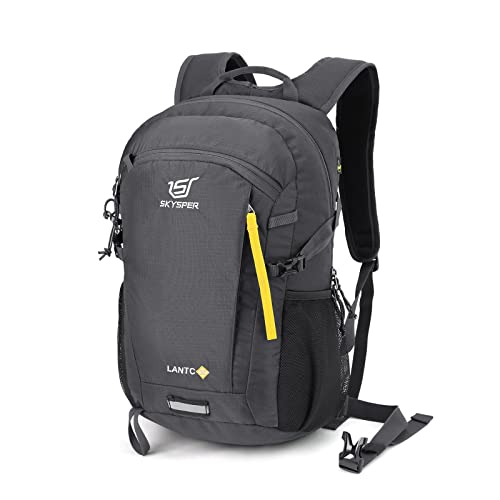 SKYSPER Small Hiking Backpack Check price
  Osprey Sportlite 20L Lightweight Hiking Backpack Check price
 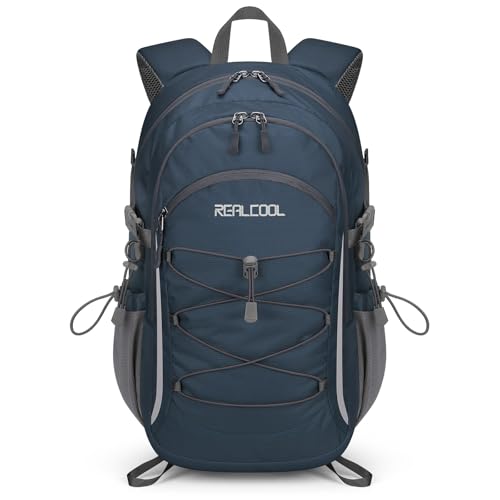 RealCool 20L Lightweight Hiking Backpack Check price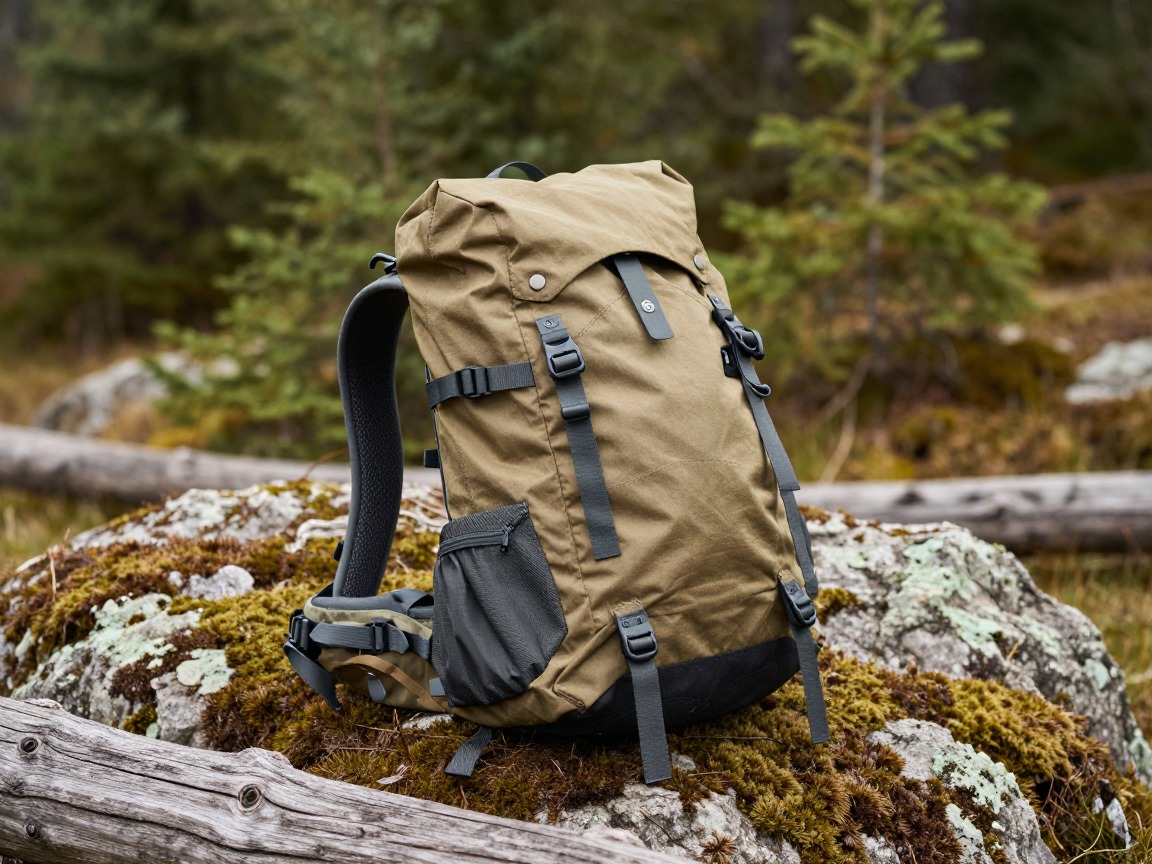
Dog backpack
Lets a fit, trail-conditioned dog carry their own food, water and waste bags, which takes real weight off your back on a longer day.
What to look for: A snug, adjustable fit across the chest and belly with no rubbing at the legs. Load it to roughly 10–15% of your dog's body weight, split evenly side to side.
 Ruffwear Check price
  Himal Outdoors Dog Backpack & Saddle Bag Check price
  Himal Outdoors Dog Backpack & Saddle Bag Check price
 Water, food & bowls
Water is the single biggest thing hikers underestimate for a dog on trail — plan for two thirsty hikers, not one.
Water bottle (yours)
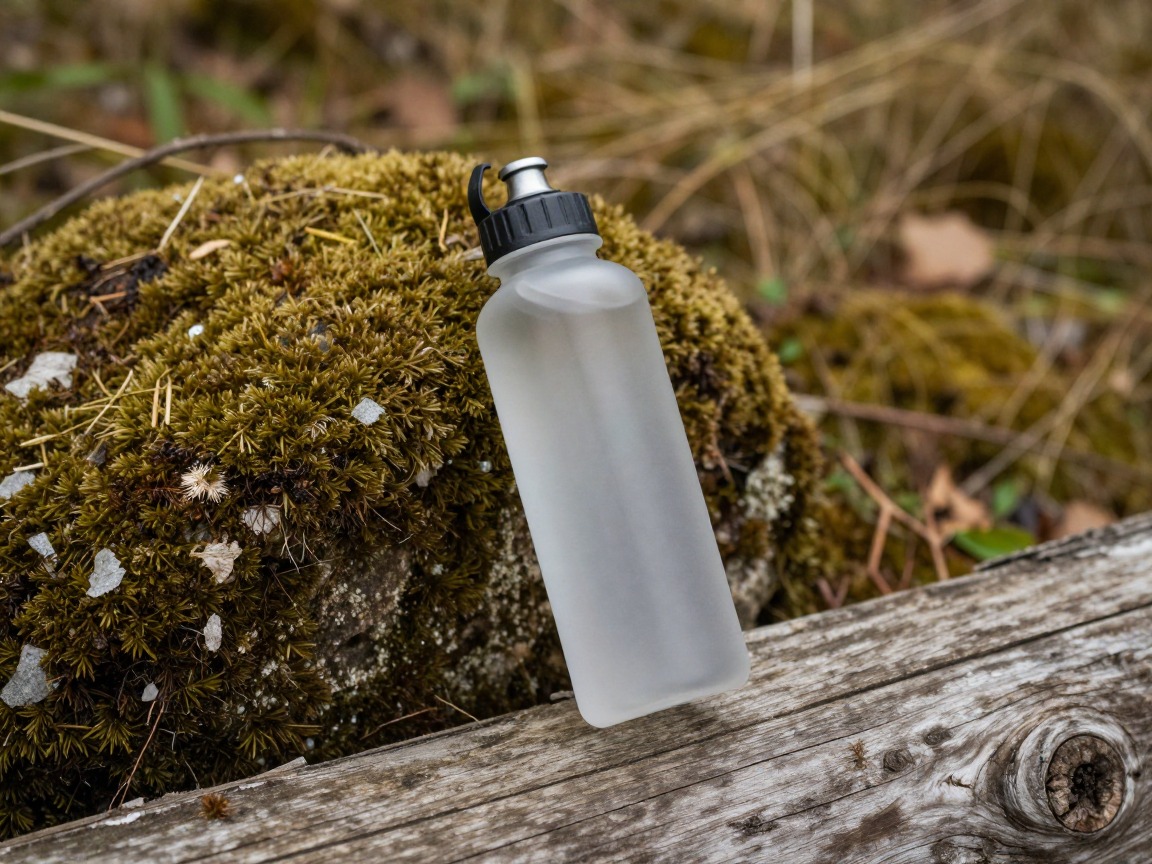
Simple and refillable for your own drinking water, kept separate from what you're carrying for the dog so you're not tempted to shortchange either of you.
What to look for: A tough, wide-mouth bottle that's easy to refill from a stream and simple to pour from into a bowl in a pinch.
 Nalgene 32 oz Wide Mouth Water Bottle Check price
  Nalgene 32 oz Wide Mouth Water Bottle Check price
  Nalgene 32 oz Wide Mouth Water Bottle Check price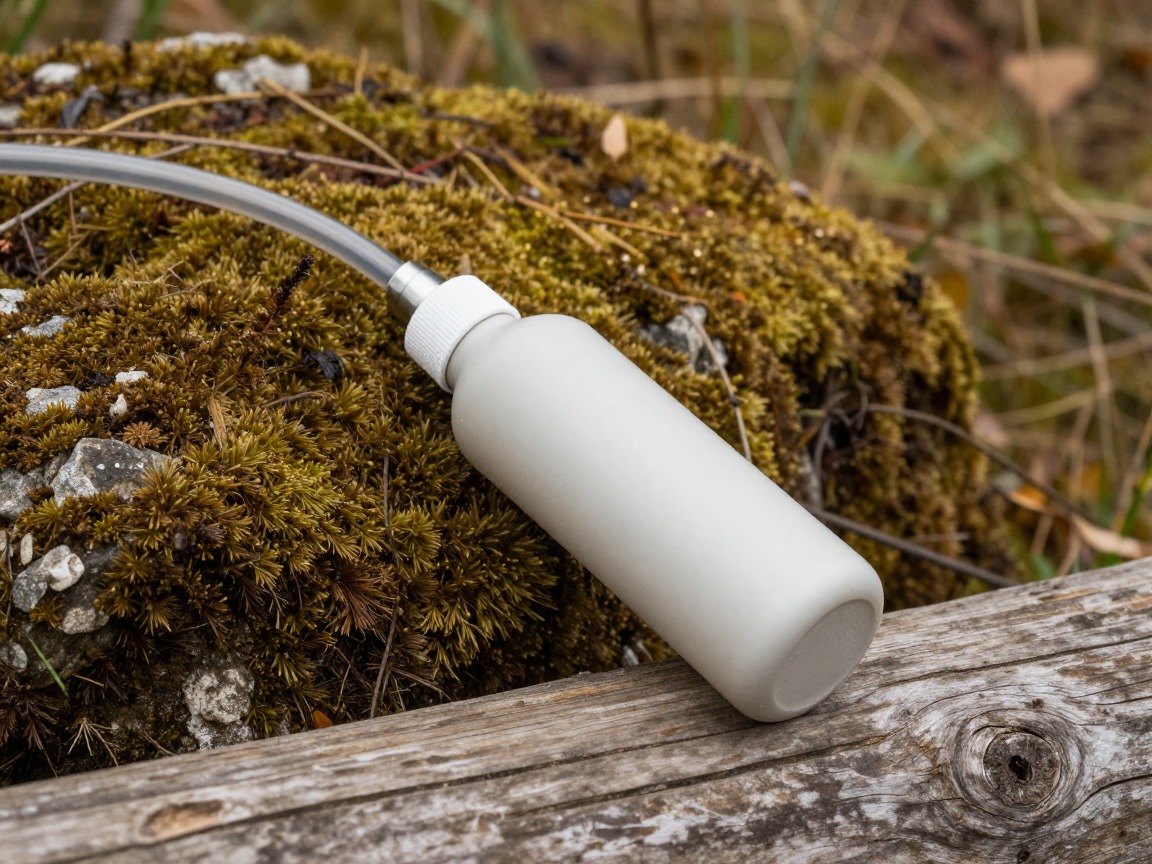
Hydration reservoir
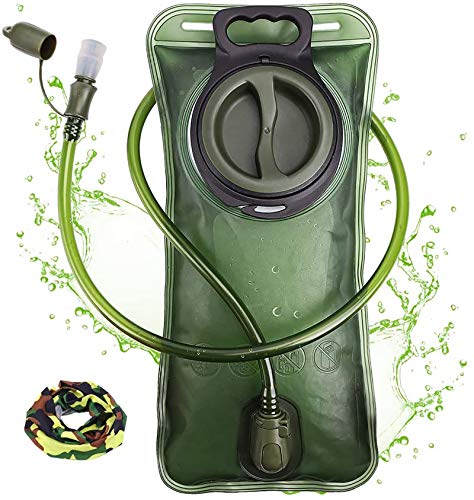
A bladder lets you sip often without stopping to dig out a bottle, which matters when your other hand is often on a leash.
What to look for: A 1.5–2 L bladder with a lockable bite valve and a wide fill opening for cleaning — a free hand for the dog is worth a lot.
 Hydration Bladder Check price
  Hydration Bladder Check price
  Mdvora 1.5L/2L/2.5L/3L Hydration Bladder Check price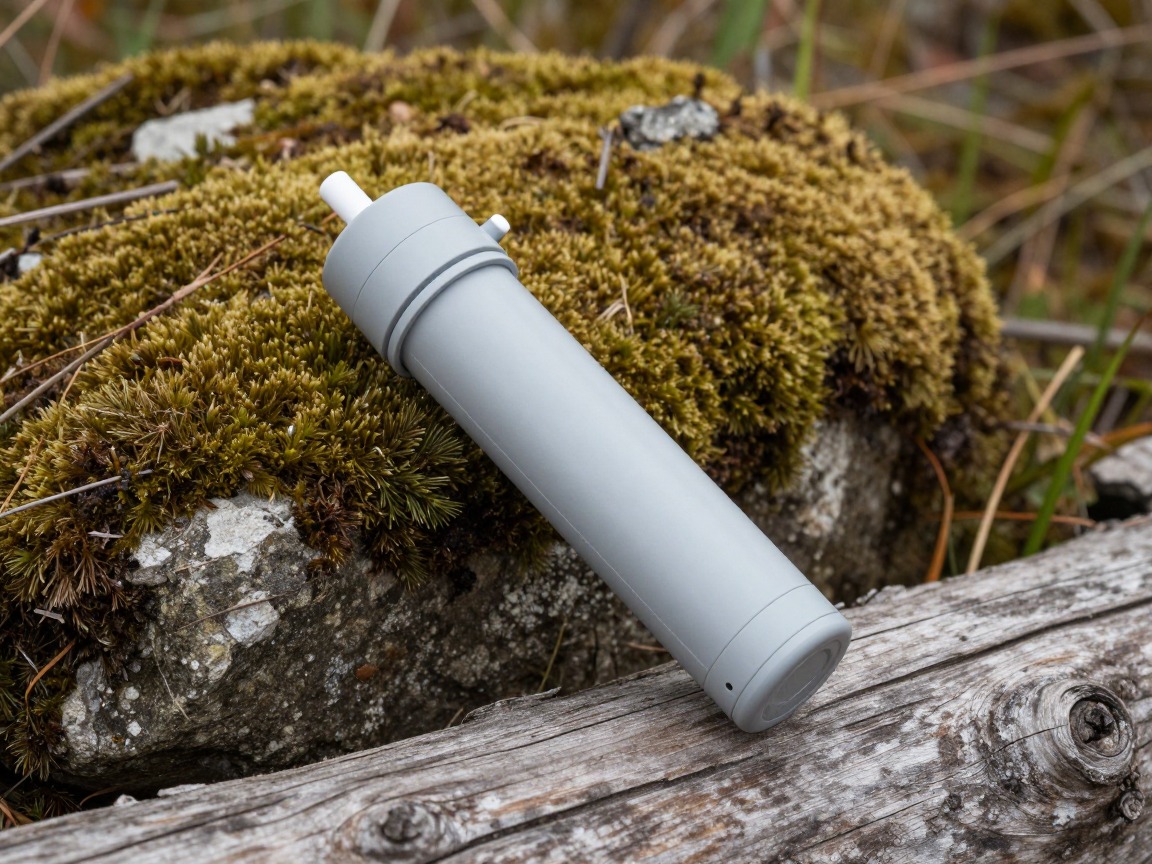
Water filter
Lets you safely refill from a stream for both of you on a longer or hotter day, instead of turning back when your bottles run dry.
What to look for: Fast flow and easy backflushing; a squeeze filter covers most day hikes and effectively doubles the water you can offer your dog.
 Sawyer Squeeze Water Filtration System Check price
  Sawyer Products SP128 Mini Water Filtration System Check price
  LifeStraw Personal Water Filter for Hiking Check price
 - Collapsible bowl for the dog
- Dog food or high-value treats, sized to the miles and the heat
- Your own lunch and trail snacks
- A little extra water beyond what you'd carry hiking solo
Paw protection & clothing
Paws take a beating that's easy to miss until it's a problem — plan to protect them and to check them, not just to hike on them.
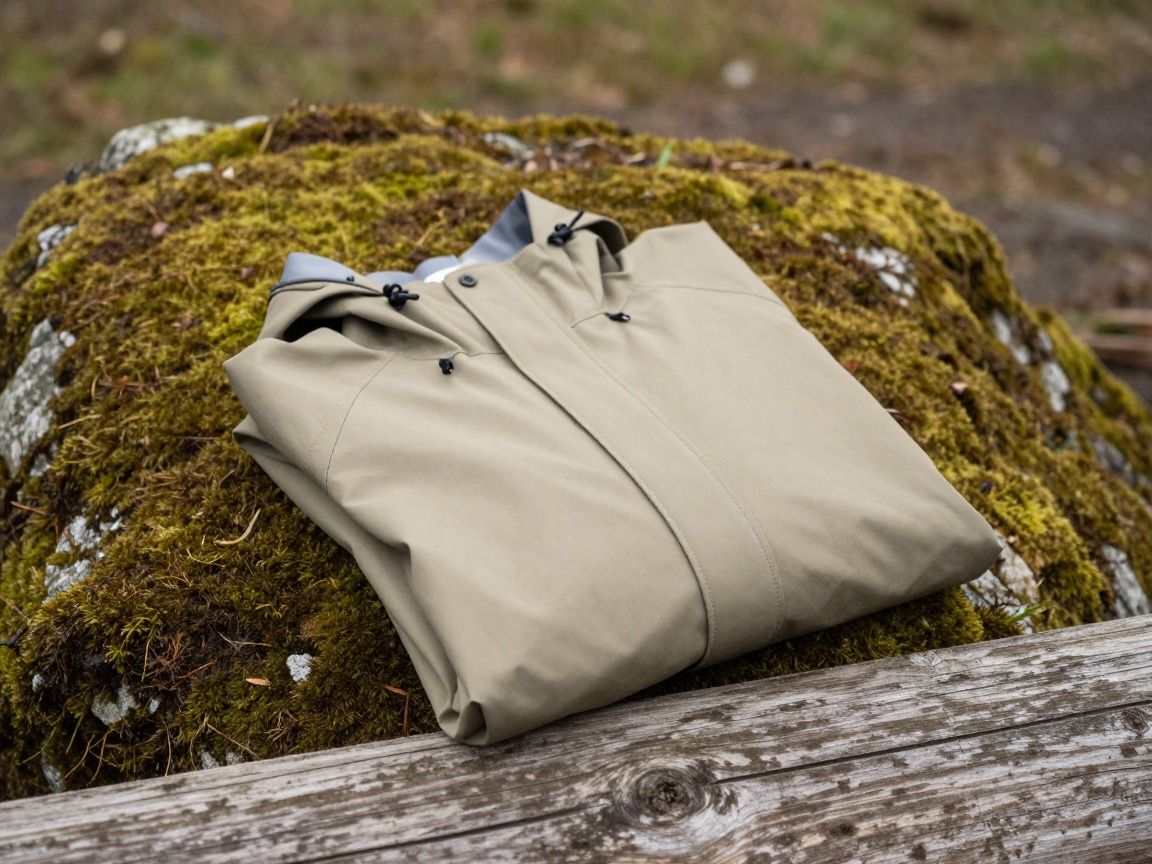
Rain shell (yours)
A packable waterproof layer for you — a cold, wet, distracted hiker is worse at watching a dog for trouble.
What to look for: Waterproof and breathable, packable enough that you'll actually carry it on a clear-forecast day.
 UIQUR Mens Rain Jacket Raincoat Waterproof Windbreaker Black L Check price
  COOFANDY Men's Waterproof Hiking Travel Shell Breathable Rain Jacket Check price
  Columbia Womens Arcadia II Waterproof Rain Jacket Check price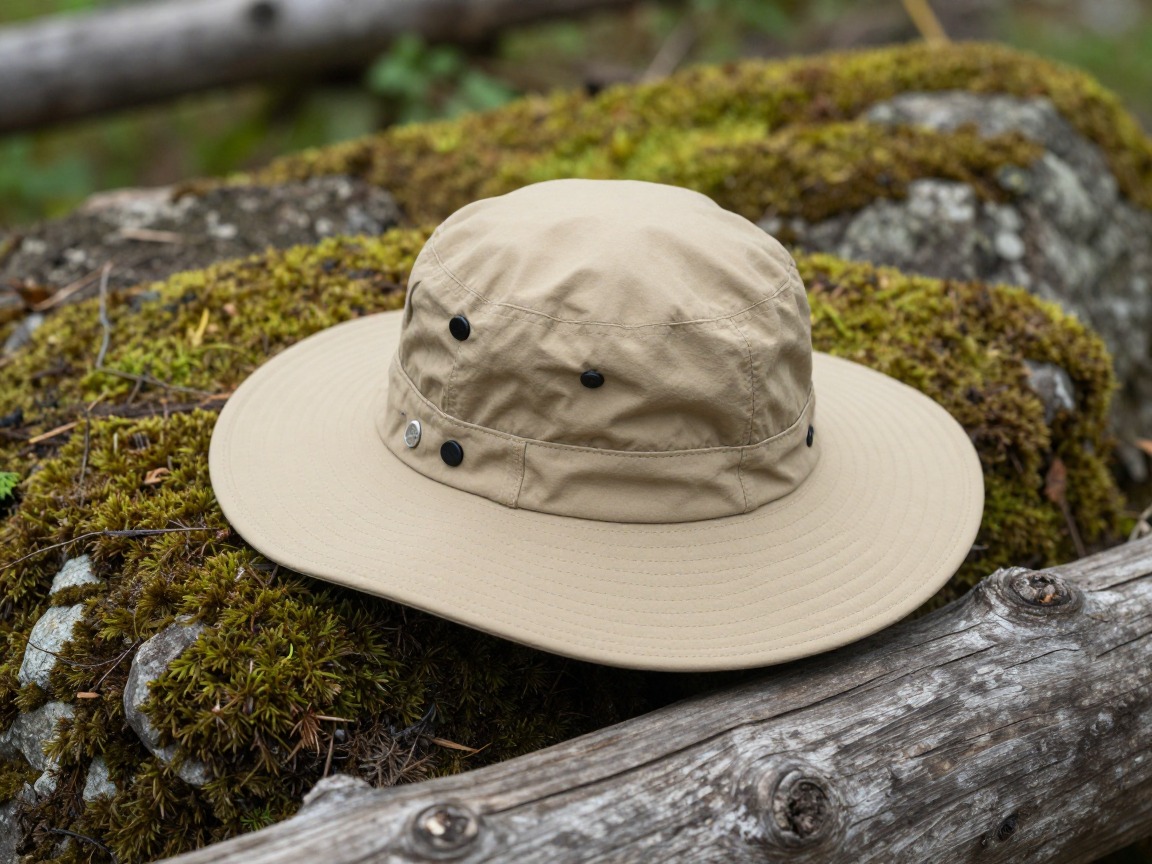
Sun protection (yours)
A brimmed hat, sunscreen and sunglasses for you; your dog can't put on their own sunscreen or step into shade on command, so that job is yours too.
What to look for: A brim that shades your face and neck, paired with UV sunglasses. Plan shade breaks with your dog's coat and coloring in mind, not just your own.
 FURTALK Womens Sun Hat with Ponytail Hole Beach Hiking Summer Wide B Check price
 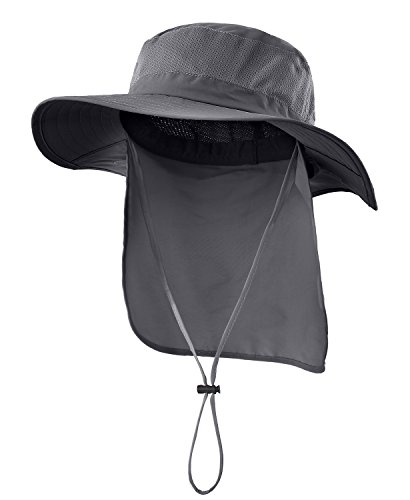 Home Prefer Outdoor UPF50+ Mesh Sun Hat Wide Brim Fishing Hat with N Check price
  FURTALK Sun Hats for Men Fishing Hat UPF Protection Wide Brim Bucket Check price
 - Moisture-wicking shirt & hiking pants or shorts (yours)
- Dog booties, broken in at home well before trail day
- Paw balm or wax for rough, hot or icy ground
- A habit of checking paws and pads at breaks and again at the end of the hike
Leash, ID, first aid & trail manners
The gear that keeps your dog safe and welcome on trail is mostly small, cheap and easy to forget — a sturdy leash, current ID, and a first-aid kit stocked for a dog, not just for you.
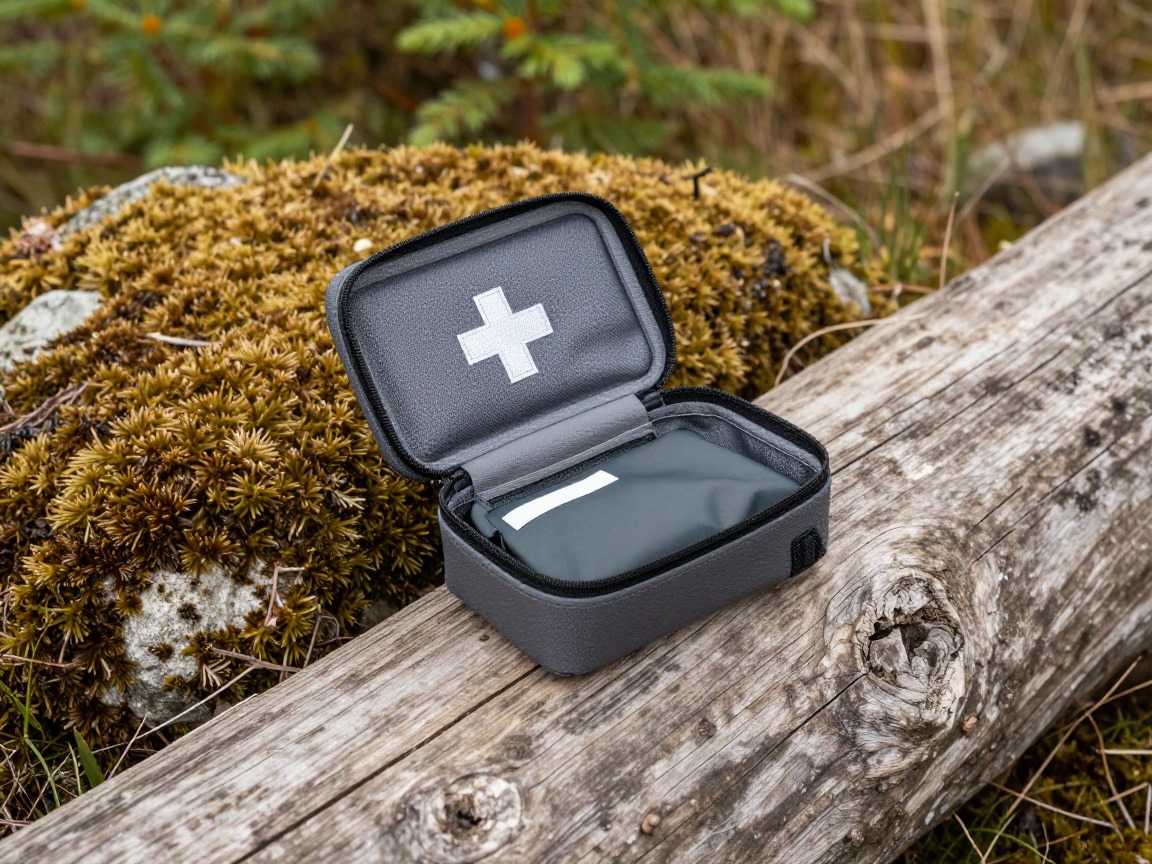
First-aid kit (dog-ready)
A kit stocked for both of you — add tick and splinter tweezers, vet wrap, and a soft muzzle if your dog isn't used to being handled while hurt or in pain.
What to look for: Room for dog additions beyond a standard human kit: a tick remover, self-adhering vet wrap, and any medication your vet has specifically told you to carry.
 Mini First Aid Kit - 150 Piece Small Waterproof EVA Hard Shell Case Check price
  Adventure Medical Kits Ultralight/Watertight Medical Kit .5 Check price
 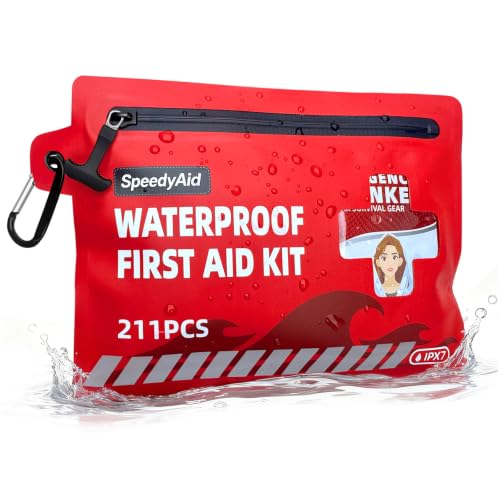 211 PCS Waterproof First Aid Kit Check price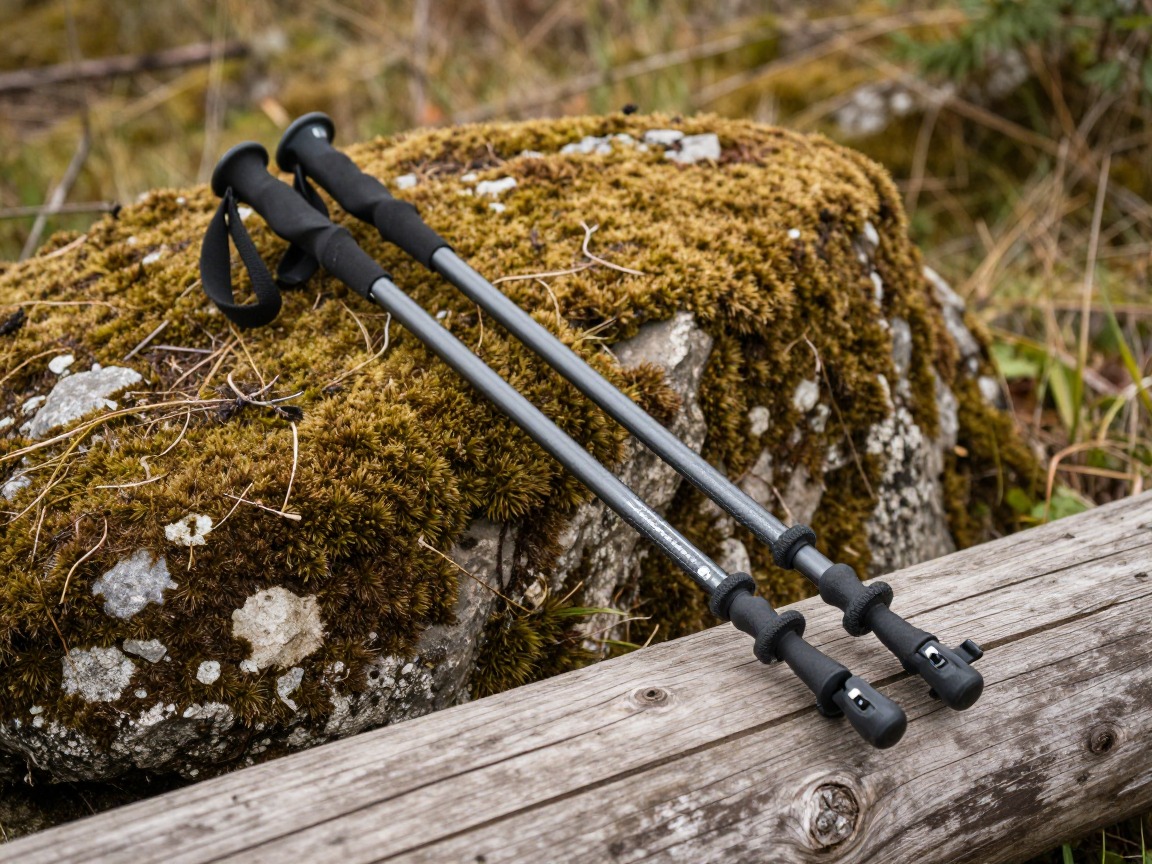
Trekking poles
Optional, but useful when you're managing a leash on uneven ground — poles add stability so a sudden pull doesn't put you on the ground.
What to look for: Adjustable length and a comfortable grip, plus a strap you can release quickly if a leash and pole ever tangle.
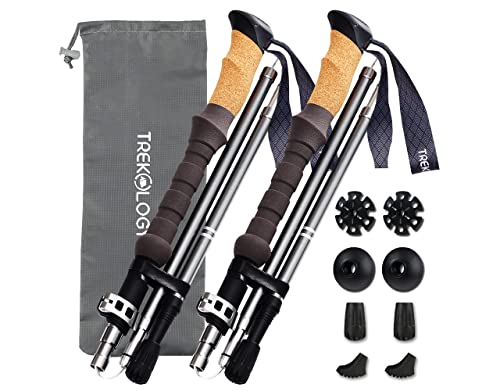 Trekology Trek-Z Cork Grip Collapsible Lightweight Hiking Trekking P Check price
 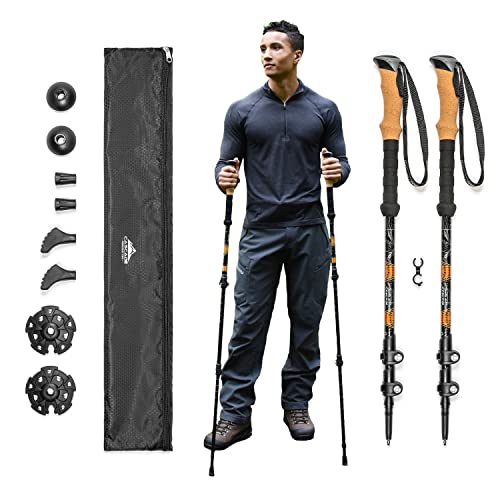 Cascade Mountain Tech Trekking Poles Check price
 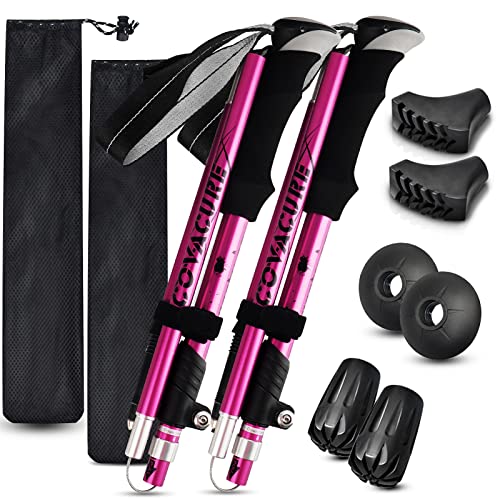 covacure Hiking Poles Check price
 - Sturdy 4–6 ft leash — skip retractable leashes on trail
- ID tag with current contact info, plus an up-to-date microchip
- Waste bags — pack out every time, even well off the trail
- Proof of vaccination or a rabies tag for trails that ask
- A check of the trail's dog rules before you go — leash laws, off-leash areas, and any seasonal or wildlife closures
How to adapt this setup
Heat is the biggest real risk for a hiking dog: start early, choose shaded or forested routes, and offer water often rather than waiting for your dog to ask. Heavy or frantic panting, bright red gums, or a dog that stops wanting to move are reasons to stop, cool down and head back well before things look serious.
Granite, scree and sun-baked ground can burn or shred paw pads fast. Break in booties well before trail day, or test the ground with the back of your hand — if it's too hot for your skin, it's too hot for a dog's paws.
Build up distance gradually, the same way you'd build your own fitness, and keep first outings short, cool and on easy terrain. A dog that's sore or gun-shy after one bad hike takes a lot of good ones to win back.
Bring a full leash-and-ID setup for every dog, don't assume one bowl or one filter fill covers the group, and build in extra time for water and shade breaks — more dogs means more variables to watch at once.
Add real redundancy: more water than the mileage suggests, a fuller first-aid kit, and a satellite messenger if you're out of cell range. A dog injury far from the trailhead is a very different problem than one near the car.
Common mistakes to avoid
- Assuming your dog will drink enough from a stream or puddle instead of offering water regularly from a bowl.
- Skipping booties or a paw check and only noticing a torn pad back at the car.
- Using a retractable leash on trail, where a sudden lunge can burn hands or pull a hiker off balance.
- Leaving waste bags behind, or bagging waste and leaving it trailside 'to grab on the way back'.
- Pushing a dog's first long hike further than their conditioning, coat or paws are actually ready for.
- Not checking the trail's dog rules first, and arriving somewhere dogs aren't allowed or must be leashed at all times.
Make it yours
Frequently asked questions
What should I pack for a day hike with my dog?
Everything from a normal day-hike kit, plus water and food sized for two, a collapsible bowl, a sturdy leash and current ID, paw protection like booties or balm, and a first-aid kit stocked with dog additions such as a tick remover and vet wrap. Check the trail's dog rules before you go, too.
How much water does my dog need on a hike?
More than most hikers plan for, and it climbs fast in heat. Offer water at every break rather than waiting for signs of thirst, and carry extra beyond what you'd bring hiking alone — a water filter lets you safely top up from a stream on a longer day.
Do dogs need boots for hiking?
Not always, but boots help on rocky, hot or icy ground where paw pads can tear or burn. If you skip them, check paws and pads at breaks and at the end of the hike, and use a paw balm on rough terrain. Break boots in at home before relying on them on trail.
How do I know if my dog is overheating on a hike?
Watch for heavy or frantic panting, bright red or pale gums, stumbling, or a dog that simply stops wanting to move — all are reasons to stop, find shade, offer water and cool down right away. Heat-related illness in dogs can escalate quickly, so treat symptoms that don't ease fast as a vet emergency.
Can my dog carry their own gear on a hike?
A fit, trail-conditioned dog often can, in a well-fitted dog pack loaded to roughly 10–15% of their body weight, split evenly side to side. Build up to it gradually, and skip it for puppies, senior dogs, or any dog with a joint or spine condition without a vet's okay first.
Illustrative images show the type of gear, not specific products. Recommendations link to similar items on Amazon; we only ever link real listings and never show fabricated prices or ratings. General planning guidance, not a substitute for your own judgment or professional backcountry-safety instruction.