
The cowboy camping (no tent) setup
Cowboy camping means no tent at all — just a pad, a bag, and the open sky overhead. This setup walks through the gear that actually matters once the roof disappears: a groundsheet and pad doing double duty, a bug-and-weather gamble you make on purpose instead of by accident, and the judgment call of when a clear forecast is clear enough to trust.
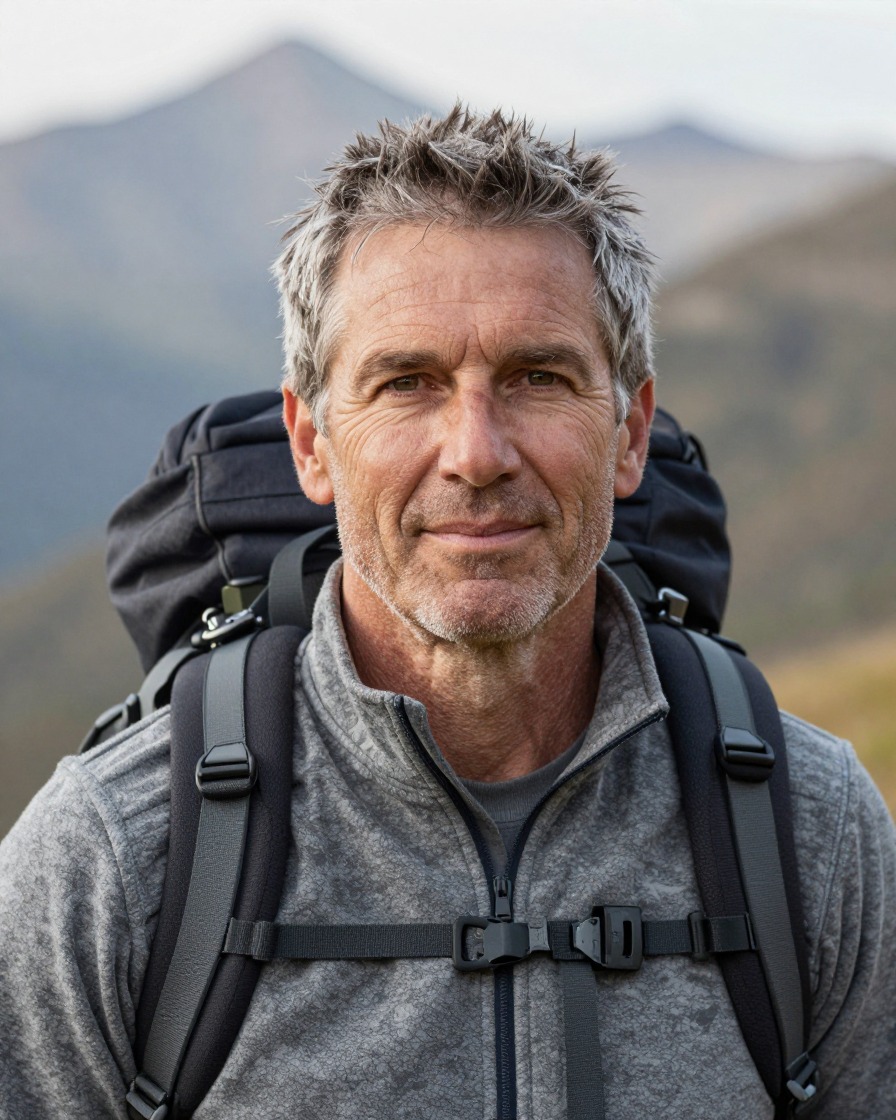
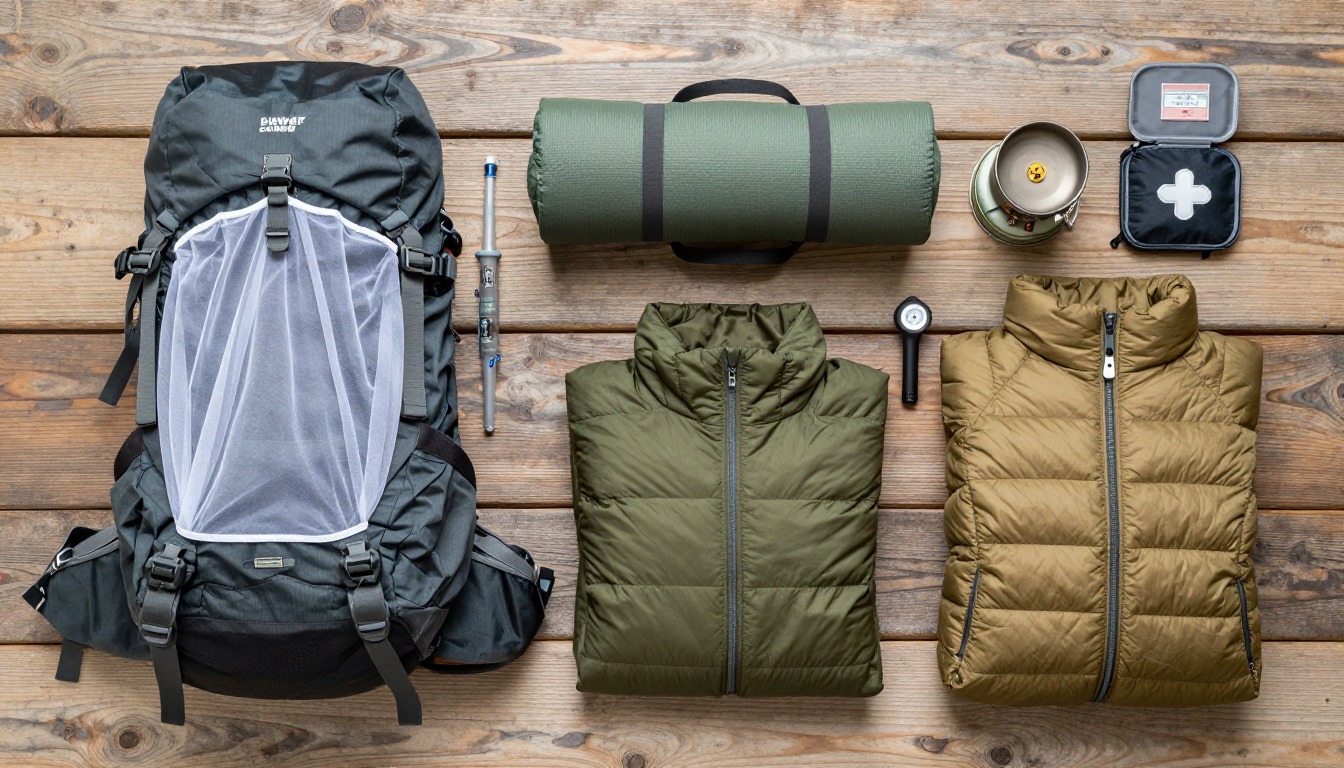
Cowboy camping strips the sleep system down to what a tent was really covering for: a barrier from the ground, warmth for the night, and nothing else standing between you and the sky. Drop the tent and you drop its weight, its pitch time, and the condensation that collects inside it — what's left is a pad, a bag or quilt, and a thin groundsheet that keeps dew and grit off both. That trade only works if you make it deliberately: check the forecast, pick a site that sheds water, and carry a bivy sack or a real bailout plan for the night that doesn't go as read. Cowboy camping isn't a way to skip preparation — it's a bet you place with your eyes open, one night at a time.
It suits hikers who've already spent nights under a tent or tarp and want to feel the difference — arid or high-desert terrain, settled weather, a clear evening forecast, and a site with no bugs or the confidence to handle them. It's a poor fit for buggy lowland forest, unsettled coastal weather, or a first night out where you'd rather sleep than second-guess a forecast at 2 a.m. Beginners are better served learning under a tarp first, then trying a clear, forecast-confirmed night with the same backup gear still in the pack.
- Check the forecast twice — once when you plan the trip, once at camp — and only go tentless when both agree on a dry, calm night.
- Build the ground layer first: a groundsheet sized to your pad, and a bivy sack packed even if you don't expect to use it.
- Let the pad and bag carry the job a tent's walls used to do — size the R-value and temperature rating a little generously, since there's no still air trapped around you.
- Pick a site that already answers the weather for you: high enough to shed runoff, some natural windbreak, and clear of the critter trails and low hollows where cold air pools.
About this setup
Cowboy camping is the oldest shelter system there is: nothing. Long before tents, trail crews and ranch hands rolled a bedroll out under the stars because that was simply what a dry night looked like, and ultralight hikers rediscovered the idea for the same reason a tarp appeals — nothing sheds weight and pitch time like removing the shelter altogether. What's left is a groundsheet, a pad, a bag or quilt, and the judgment to know which nights actually support that math.
The skill isn't in any single piece of gear — it's in reading the sky and the ground before you commit. A site that already answers the weather for you does most of the work: high enough that runoff drains away rather than pools under you, some natural windbreak without sitting directly under dead branches, and clear of the game trails and low hollows where cold air and curious critters both collect overnight. Add a forecast you trust for the next twelve hours, and cowboy camping stops being a gamble and starts being a calculated read.
None of that removes the actual risk, and honest cowboy campers carry the backup that acknowledges it. A bivy sack stays packed on almost every trip, not because it's expected to get used, but because a forecast can be wrong by a few hours. A head net earns its keep the same way — barely any weight, and the one thing standing between a still evening and a miserable one if the bugs show up after all. The gear list stays short; the judgment behind it does the real work.
The pack
With no tent, poles or stakes to carry beyond a couple of insurance items, cowboy camping is one of the lightest ways to fill a pack.
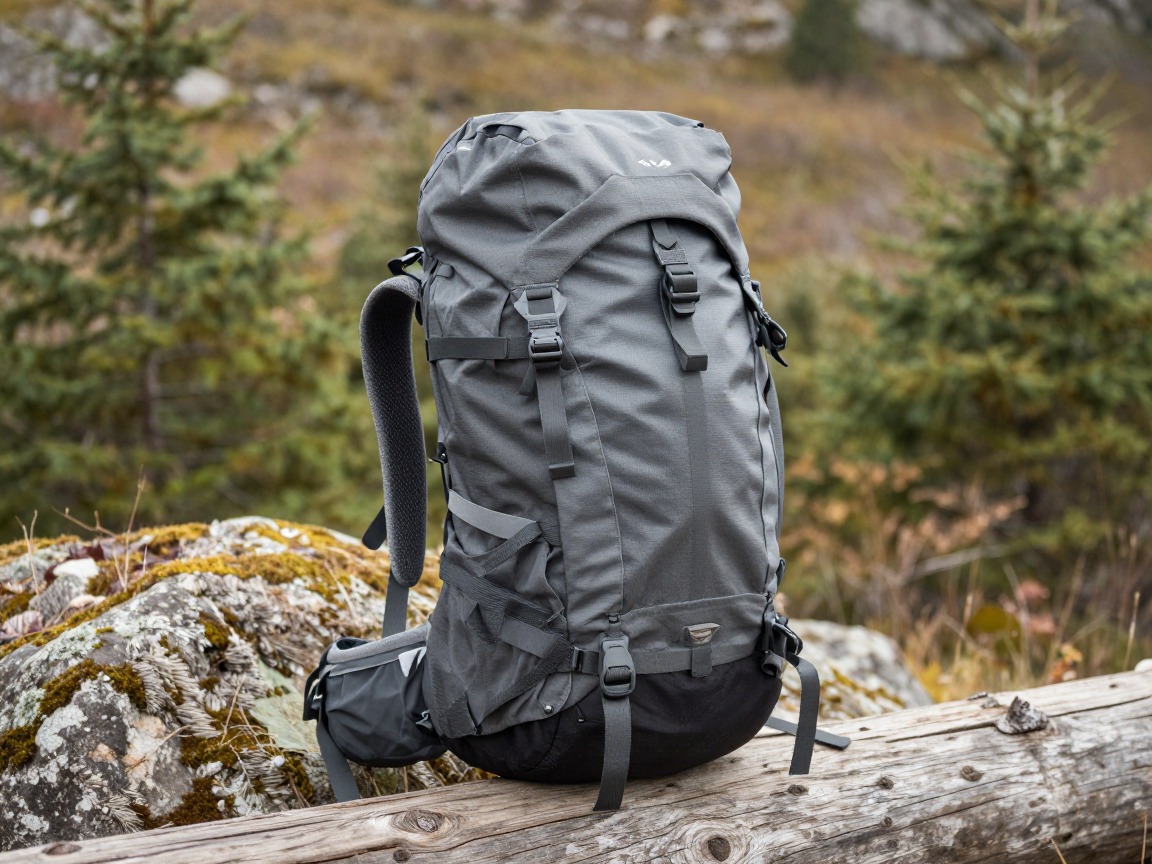
Lightweight pack
A minimal 40–55 L pack carries a cowboy camping kit with room to spare — there's no tent body, floor or pole set eating into the space.
What to look for: Match the pack to the kit, not the reverse; a groundsheet, bivy and sleep system rarely need more than 45 L. A frameless or light-frame pack rides well once the rest of the kit is this compact.
 WoneNice 50L Check price
  Teton 55L Scout Internal Frame Backpack for Hiking Check price
 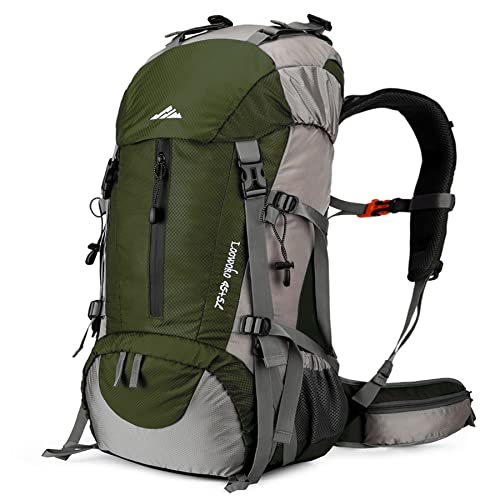 Loowoko 50L Hiking Backpack with Rain Cover for Both Men & Women Check price
 - A lightweight pack liner instead of a heavier rain cover
Ground layer & bug defense
No tent means no floor and no built-in mesh, so a groundsheet, a packed bivy, and a head net do that job instead — carried, not always used.
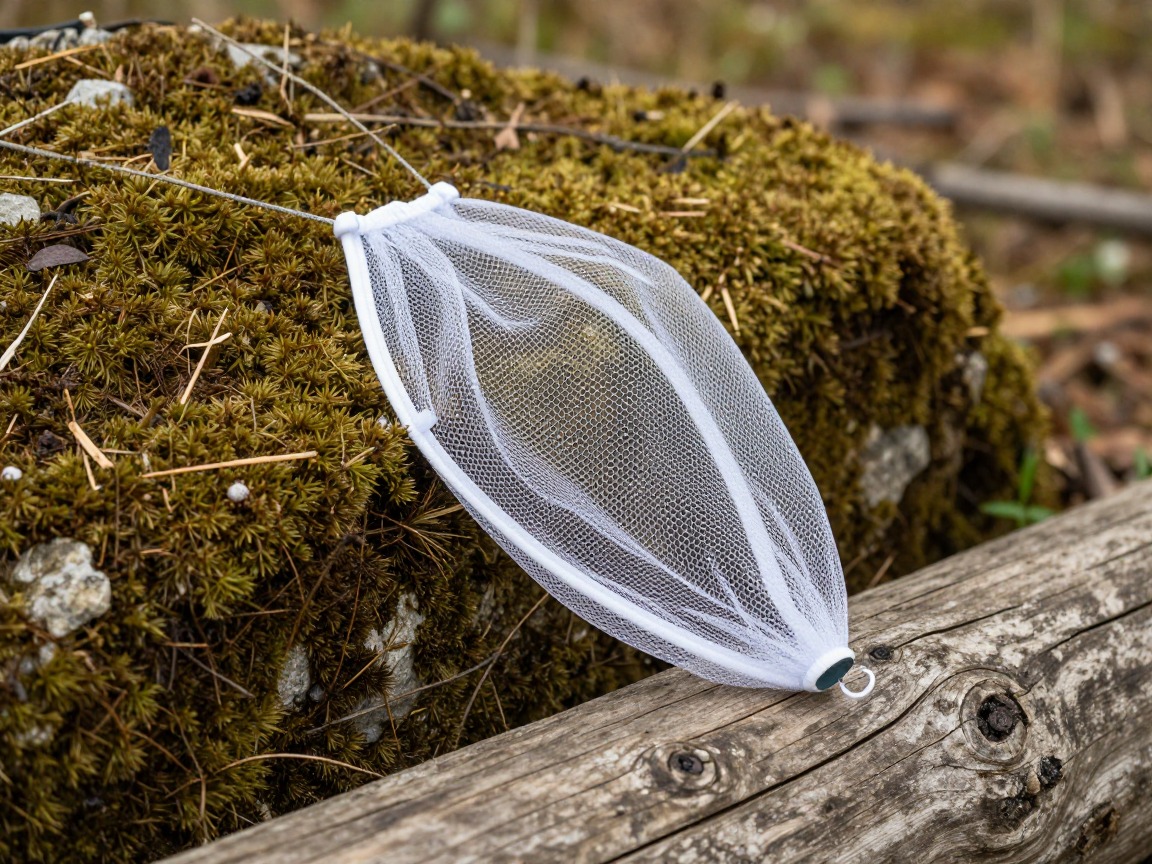
Head net
A simple mesh head net covers your face and neck for camp chores and sleep on a buggy evening, without the weight or setup of a full bug nest.
What to look for: No-see-um mesh fine enough for midges, not just mosquitoes, and a drawstring that seals against your collar. It packs to almost nothing, so there's little reason to leave it behind.
 South to East Mosquito Head Net for Insects 2 Pack Check price
  2 Pack Mosquito Head Net Mesh for Hiking & Outdoors Check price
 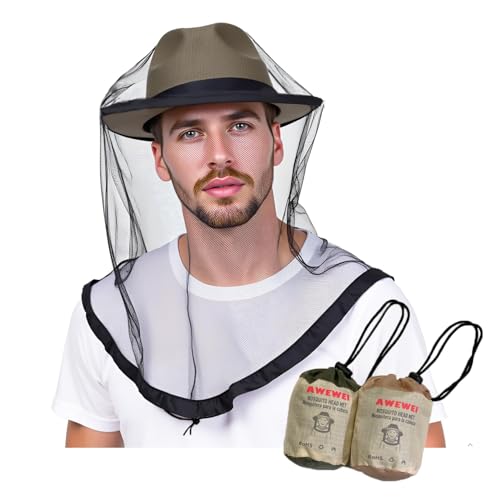 AWEWEI Mosquito Head Net Check price
 - A polycryo or Tyvek groundsheet, cut to your pad's footprint to keep dew and grit off your kit
- A bivy sack, packed as backup even on a clear-forecast night — insurance against wind, dew, or a forecast that changes
- Insect repellent, for camp chores before you're under the net
Sleep system
With no tent walls trapping still air around you, the pad and bag carry the whole job of keeping you warm and off the ground.
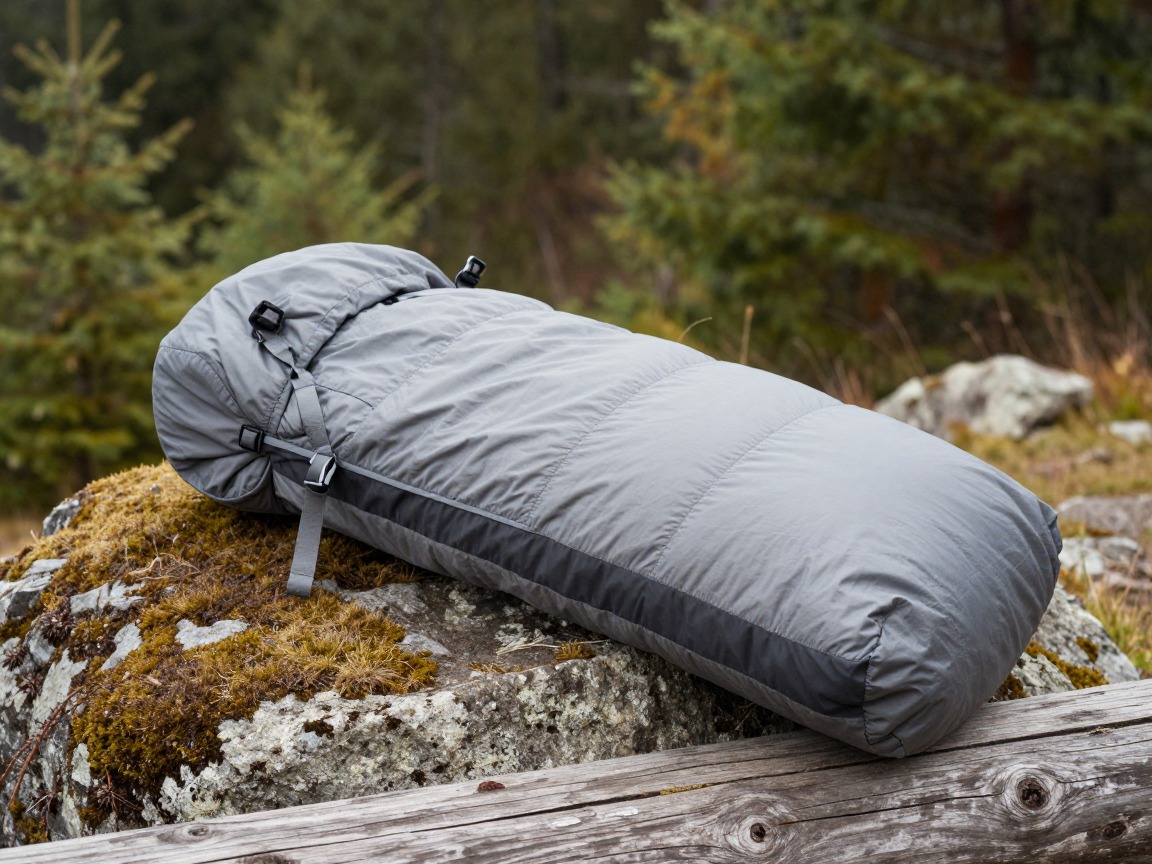
Quilt or bag
A down quilt or bag does all the insulating work here — there's no tent body holding a layer of warmer air around it, so rate it with a little more margin than you would under cover.
What to look for: A bag or quilt rated a touch below your expected low, with a hood or draft collar that seals properly — under open sky, a drafty hood costs you more than it would in a tent.
 MalloMe Sleeping Bags for Adults Cold Weather & Warm - Backpacking C Check price
 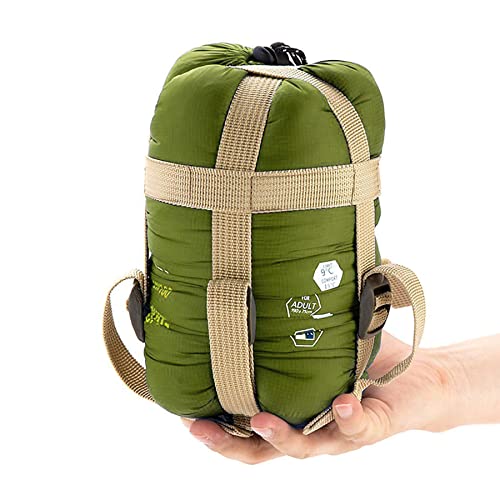 ECOOPRO Portable Check price
  Teton Trailhead Check price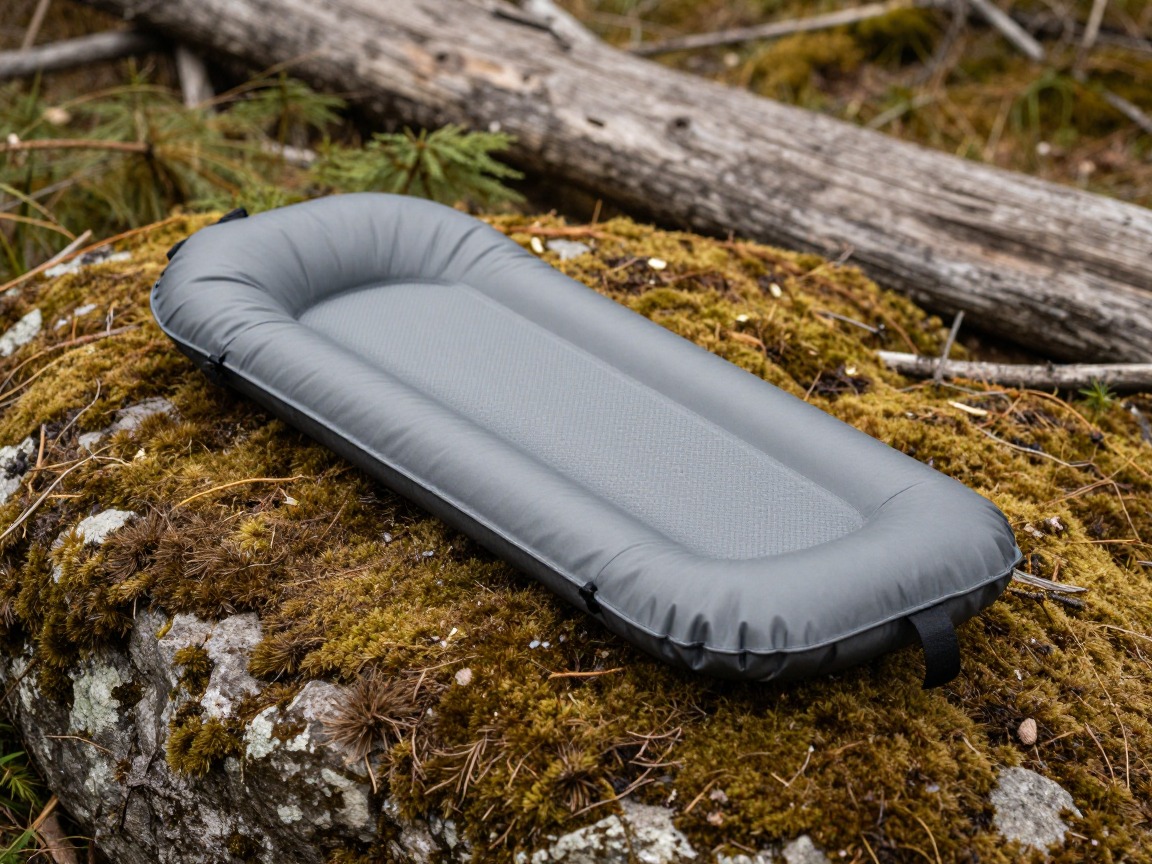
Insulated pad
The pad is your only barrier from the ground and the cold air pooling at night, so its insulation matters even more without a tent floor buffering it.
What to look for: A pad with generous R-value for the season, and a puncture-resistant fabric — there's no tent floor between it and rocks, roots, or grit.
 FUN PAC Camping Sleeping Pad Check price
  Gear Doctors® Ether 17.5oz Ultralight Camping Sleeping Pad Check price
  Oramoose 4in Ultralight Camping Sleeping Pad with Pillow and Foot Pu Check price
 - A puffy jacket stuffed in a sack makes your pillow
Kitchen & water
Cooking under open sky is the easiest part of cowboy camping — just set up a little further from your sleeping spot than a tent's vestibule would put you.
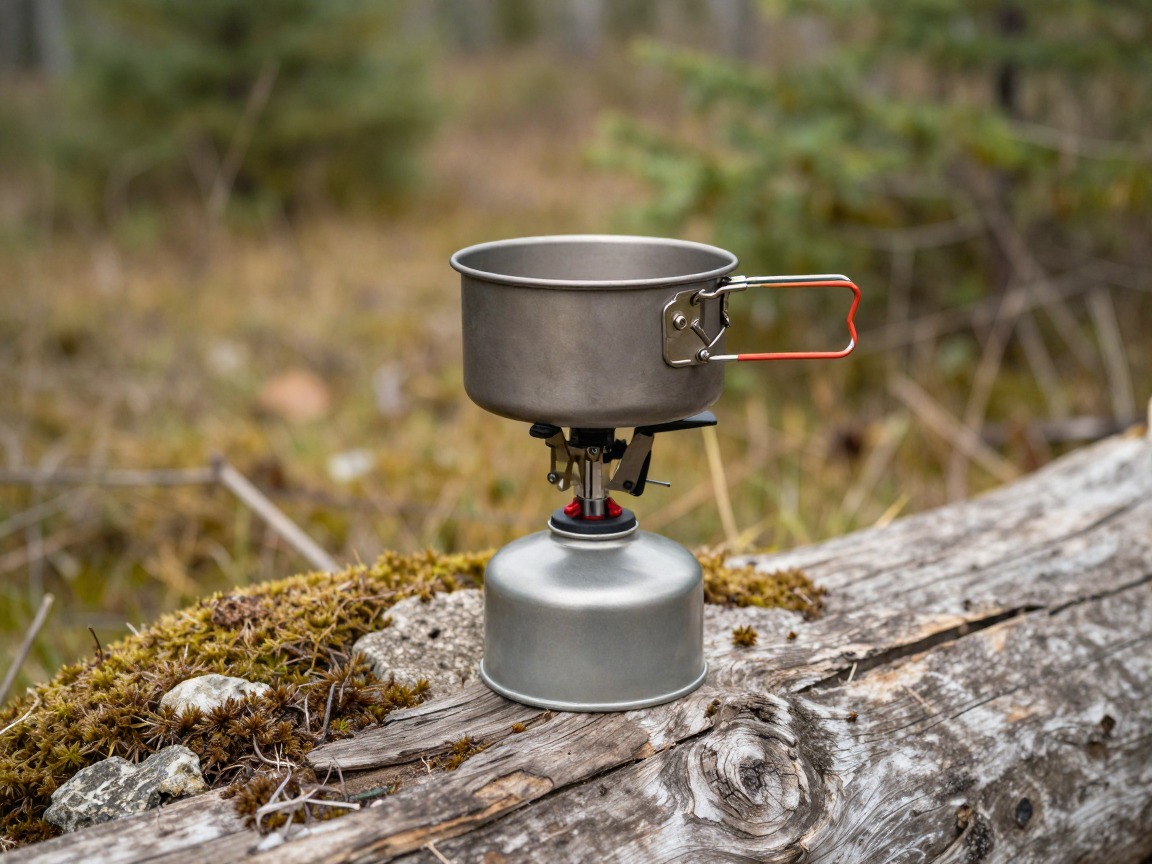
Micro stove
A tiny canister stove boils water for meals and hot drinks and weighs almost nothing, with no vestibule or tarp edge to keep it clear of.
What to look for: A stove light enough to disappear in the pack. Cook a body-length or two from where you'll sleep, since there's no vestibule to mark a safe distance for you.
 AOTU Portable Camping Stoves Backpacking Stove with Piezo Ignition S Check price
  MSR PocketRocket 2 Ultralight Camping and Backpacking Stove Check price
  Fire-Maple Greenpeak 1 Camping Stove with Piezo Ignition Portable Ga Check price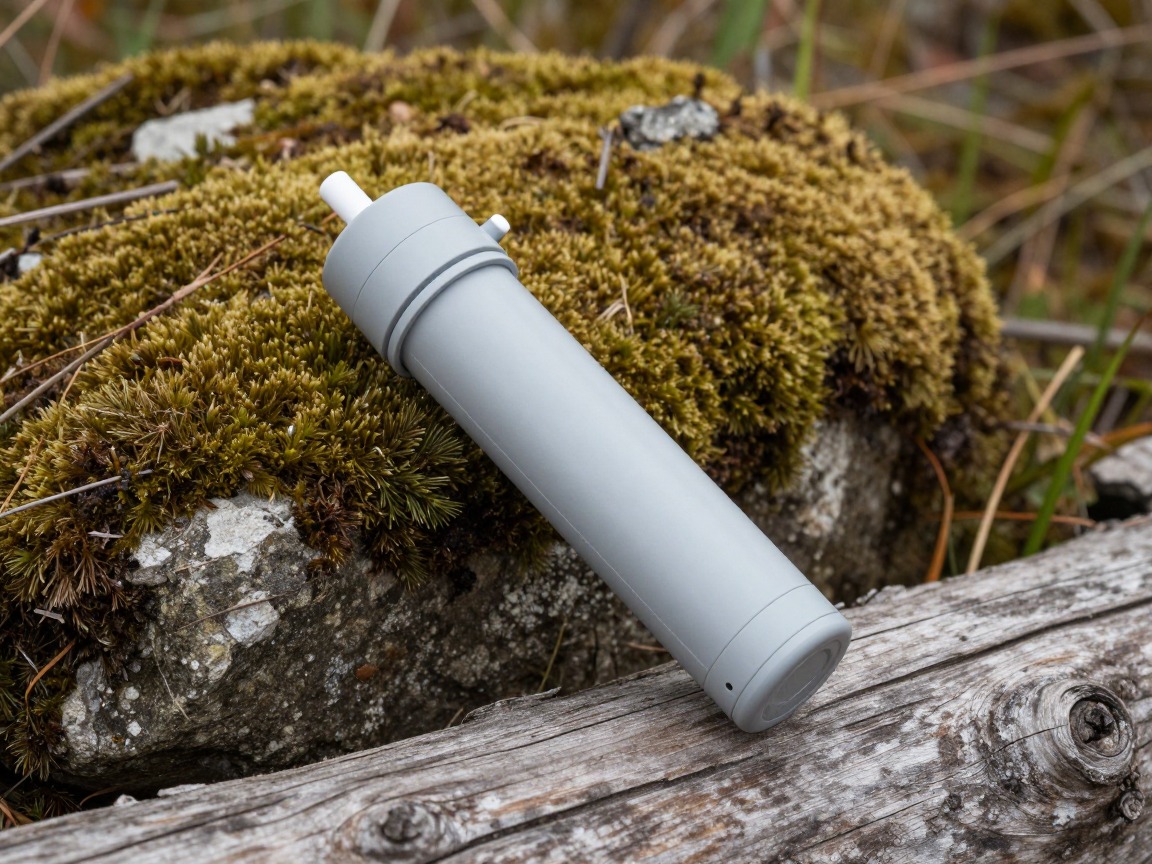
Lightweight filter
A squeeze filter is light, fast and reliable — pair it with a smart water plan so you carry only what you need between sources.
What to look for: A light squeeze filter and a route plan built around known water sources, so you're not hauling extra liters on a kit built to be minimal everywhere else.
 Sawyer Squeeze Water Filtration System Check price
  Sawyer Products SP128 Mini Water Filtration System Check price
  LifeStraw Personal Water Filter for Hiking Check price
 - Titanium pot & mug, or a screw-top jar if you cold-soak instead of cooking
- Small fuel canister
- Long-handled spoon
- Lighter
Clothing & layers
Layering doesn't change much without a tent, but a slightly warmer camp layer and a genuine rain shell earn their keep when there's nothing overhead.
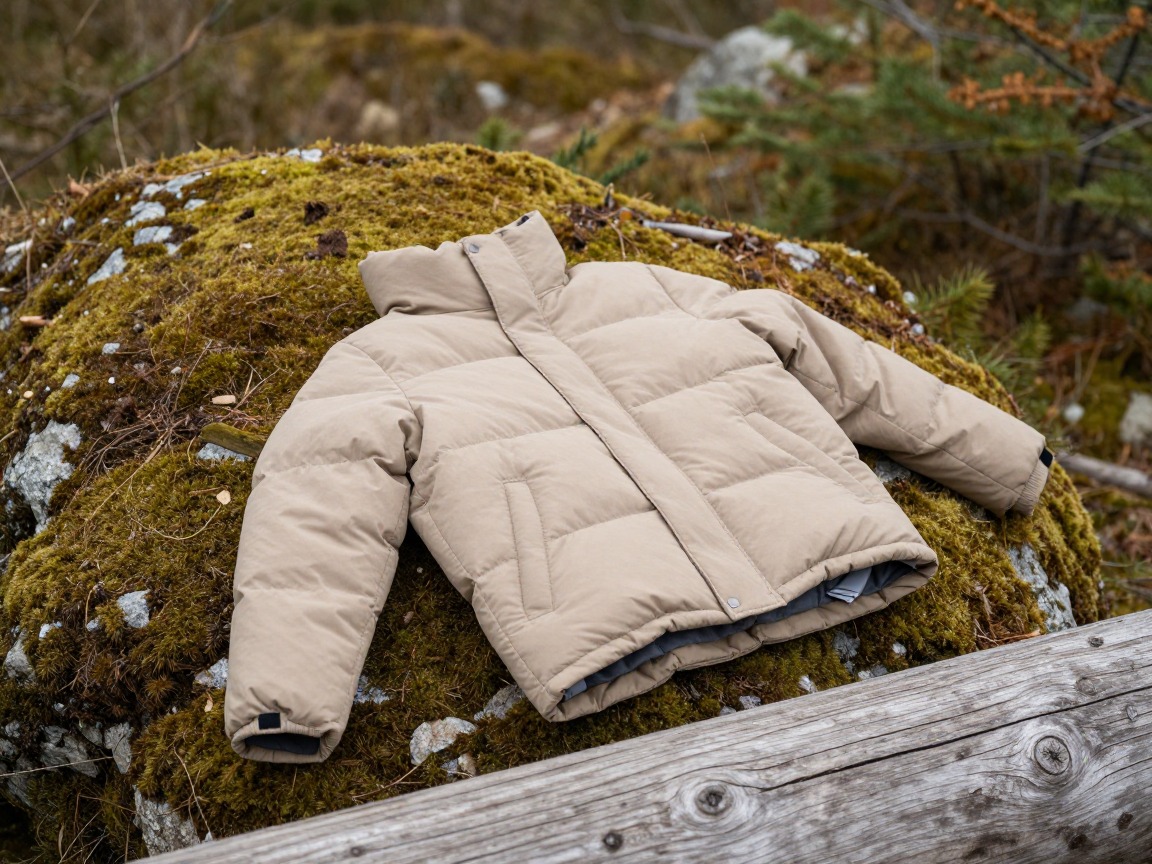
Puffy
A packable down jacket is your camp warmth and emergency layer, and it matters a touch more under open sky where there's no tent body holding warmth around you.
What to look for: A high-fill-power down puffy rated for camp lows rather than trail highs — it doubles as your pillow and as real backup warmth if the night turns colder than planned.
 Outdoor Ventures Women's Packable Lightweight Puffer Jacket with Hoo Check price
  Amazon Essentials Women's Lightweight Long-Sleeve Water-Resistant Pa Check price
  Outdoor Ventures Women's Packable Lightweight Puffer Jacket with Hoo Check price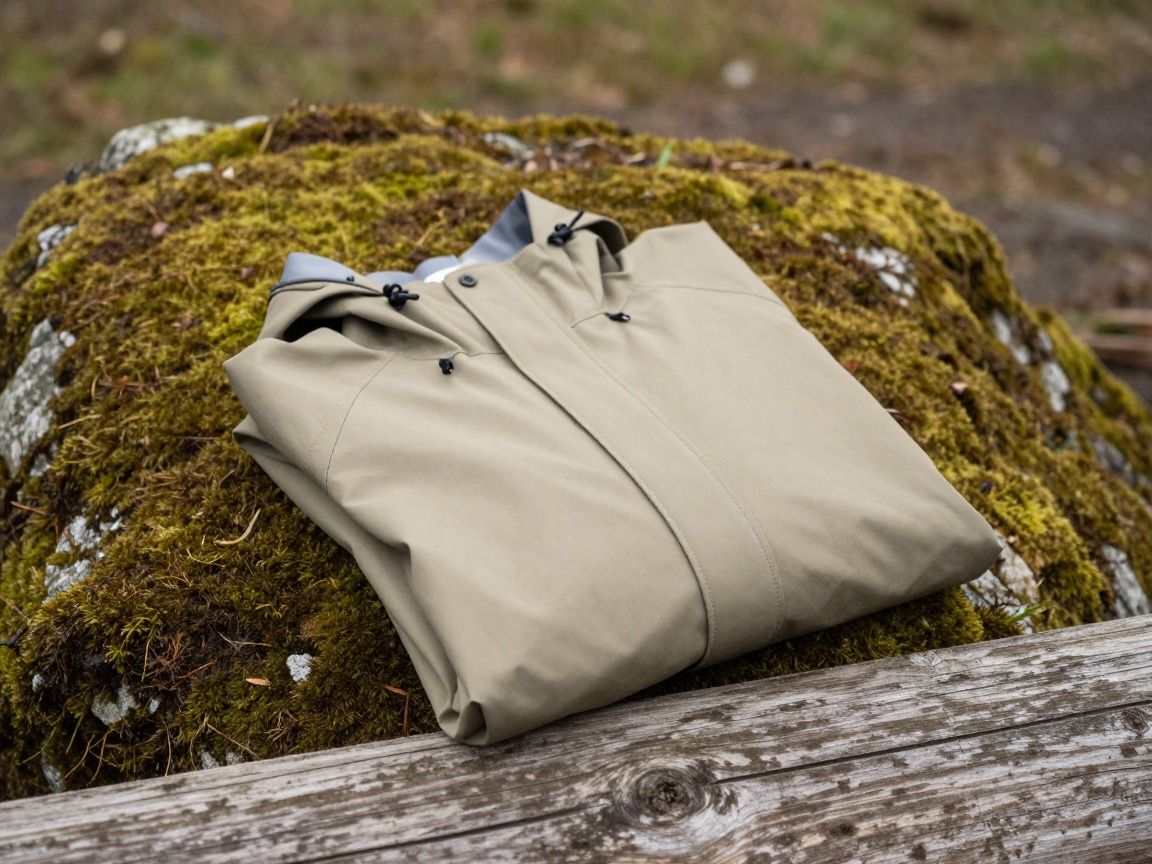
Rain shell
A fully waterproof-breathable shell is your actual shelter if a shower catches you without a tarp — treat it as more than a walking layer on a cowboy camping trip.
What to look for: A genuinely waterproof shell with a good hood, not just water-resistant. It's your only overhead protection if you're caught out, so don't cut this corner to save weight.
 UIQUR Mens Rain Jacket Raincoat Waterproof Windbreaker Black L Check price
  COOFANDY Men's Waterproof Hiking Travel Shell Breathable Rain Jacket Check price
  Columbia Womens Arcadia II Waterproof Rain Jacket Check price
 - Base layer (worn, plus one light spare)
- Hiking socks (one worn, one dry spare for camp)
- Sun hat & sunglasses
- A light warm hat for camp
Weather bailout & safety
The gamble in cowboy camping isn't whether to carry safety gear — it's reading the sky honestly and having a real plan for the night it turns.
Tiny headlamp
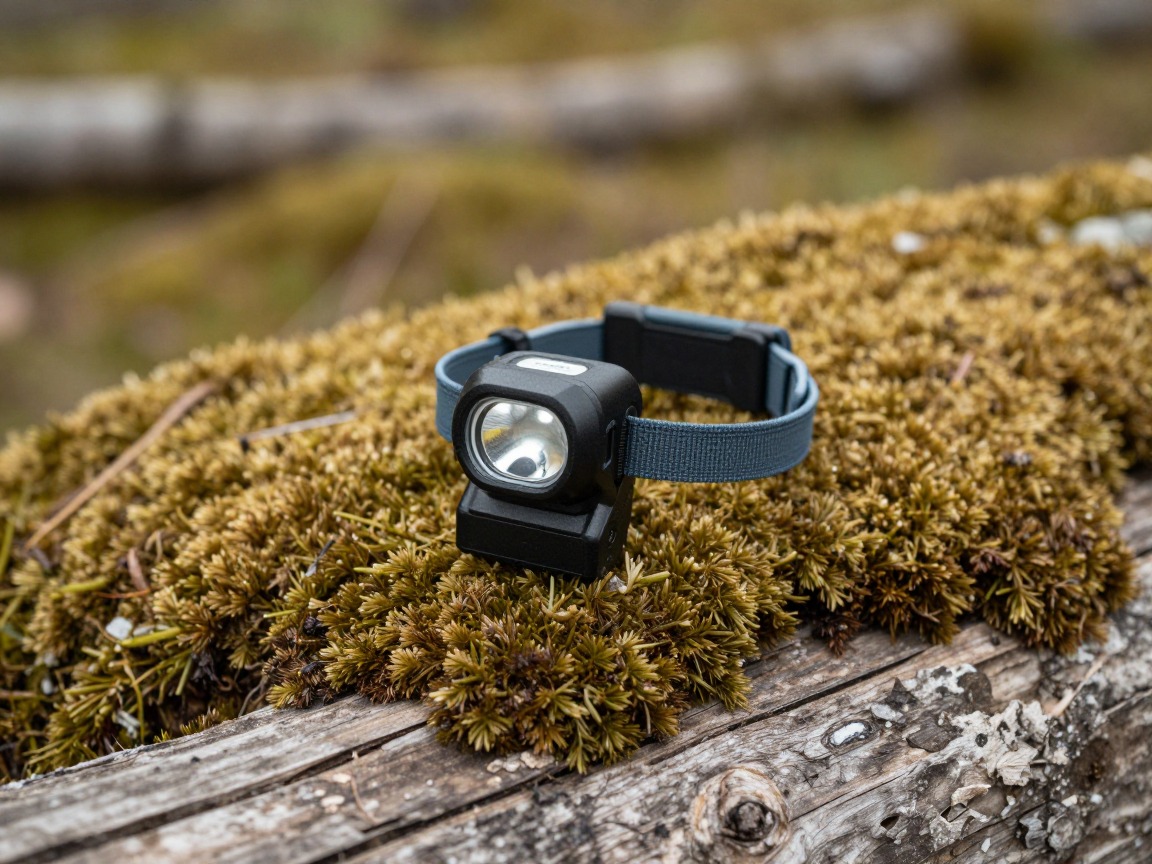
A small rechargeable headlamp handles late-night weather checks and camp chores — with no tent to duck into, you'll reach for it more than you would otherwise.
What to look for: A sub-ounce rechargeable headlamp with a reliable lock mode, so it doesn't drain loose in a pack pocket on the nights you're not expecting to need it much.
 LHKNL Headlamp Flashlight Check price
 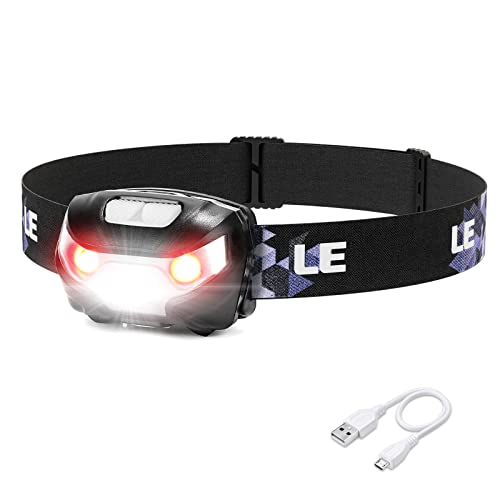 Lepro LED Headlamp Rechargeable IPX4 Waterproof Headlight 5 Modes - Check price
 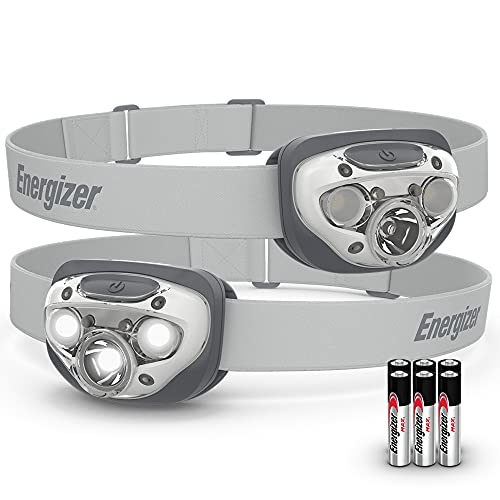 Energizer LED Headlamp PRO Check price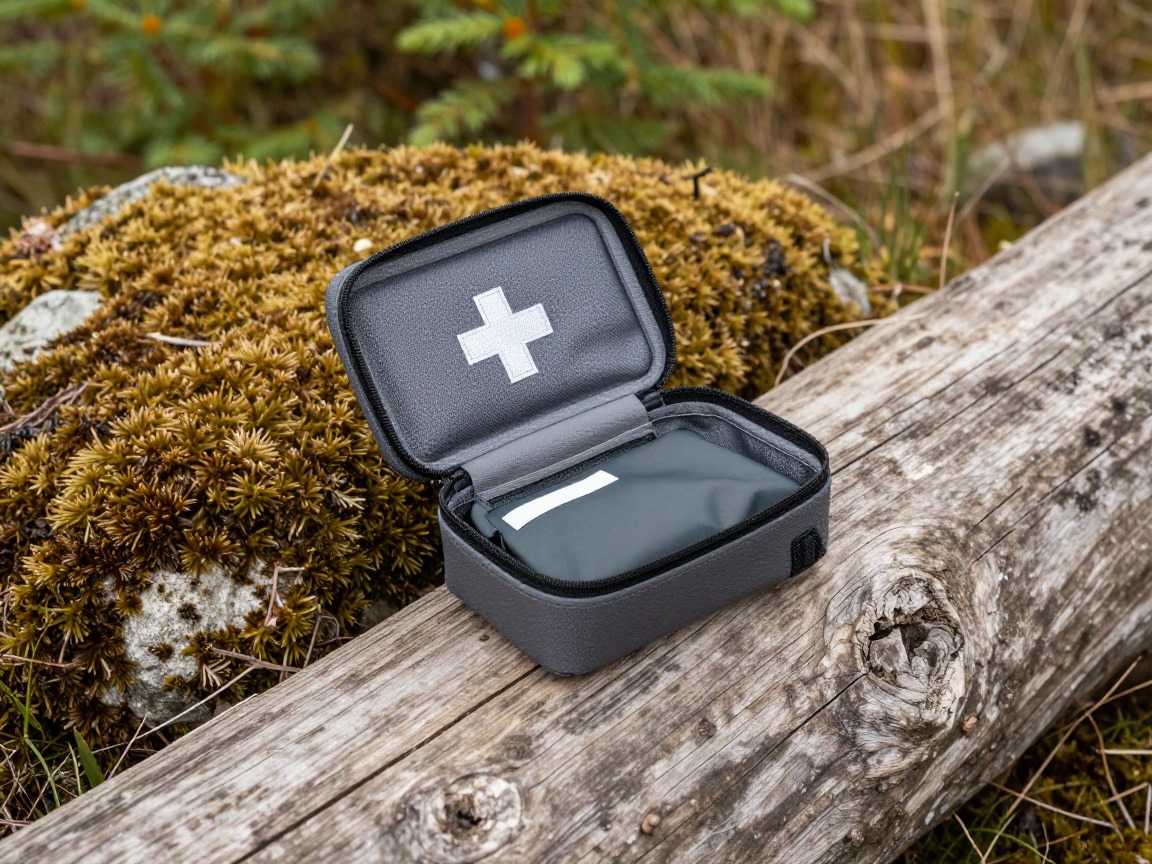
Minimal first-aid kit
A pared-down but complete kit — blister care, a few key meds, wound closure — plus the knowledge to use it and improvise the rest.
What to look for: A deliberately minimal but complete kit, sized to how far you are from help on a given route. Minimal, never absent, no matter how settled the forecast looks.
 Mini First Aid Kit - 150 Piece Small Waterproof EVA Hard Shell Case Check price
  Adventure Medical Kits Ultralight/Watertight Medical Kit .5 Check price
 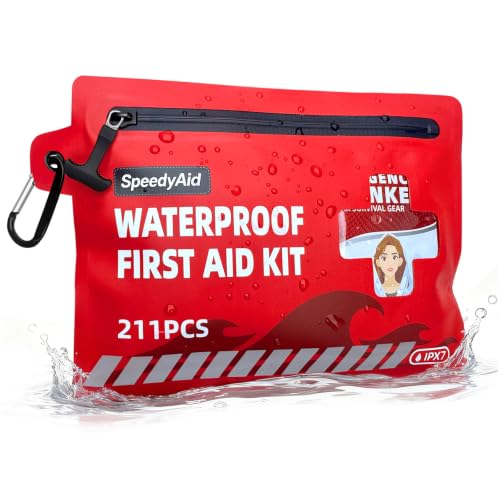 211 PCS Waterproof First Aid Kit Check price
 - Phone with offline maps + a paper backup, so you can actually check tomorrow's forecast
- A lightweight backup tarp, for anyone who'd rather carry an ounce of insurance than trust the forecast completely
- Compass
- Whistle
- Power bank
- Fire kit
- A clear-eyed bailout plan — which tree, ledge, or bivy-only spot you'd move to if wind or rain shows up uninvited
How to adapt this setup
If bugs turn up despite a still, dry forecast, the head net goes on and you either wait it out or fall back to a packed tarp and bug nest for the night — cowboy camping is a choice you can unmake mid-trip.
When the forecast is anything less than confident, pack the backup tarp and treat the bivy sack as a real part of the plan, not a formality — or simply pitch a tarp from the start and skip the gamble that night.
Bump the quilt rating and pad insulation up a notch versus what you'd carry under a tent, since there's no still air trapped around you to help out.
Try it on a short trip with a tarp packed as backup, in a spot with an easy bailout, before committing to it on a longer or more remote route.
Clear, dry climates with predictable evening weather are where cowboy camping shines — the site-selection skills (windbreak, drainage, critter-awareness) matter even more than at lower, wetter elevations.
Common mistakes to avoid
- Trusting a forecast you only checked once, days before the trip, instead of confirming it again at camp.
- Picking a low, flat site because it looks comfortable, then waking up in a pool of cold air or runoff.
- Leaving the bivy sack or a backup tarp at home because the forecast looked clear enough not to need one.
- Skipping the head net on a still summer evening and losing an hour of sleep to bugs instead.
- Under-rating the pad or bag because a tent's 'extra warmth' was baked into last trip's numbers.
- Setting up right under dead branches or on a game trail for the windbreak, without checking what else uses that ground at night.
Make it yours
Frequently asked questions
What is cowboy camping?
Cowboy camping means sleeping directly under the open sky with no tent or tarp overhead — just a groundsheet, a sleeping pad and a bag or quilt. It's a deliberate ultralight choice for settled weather, not a shortcut taken by skipping shelter.
Is cowboy camping safe?
It's as safe as the judgment behind it: a trustworthy forecast, a well-chosen site, and backup gear packed even when you don't expect to need it. Carrying a bivy sack and a head net, and knowing your bailout options, keeps a clear-sky bet from turning into a bad night.
Do you need a bivy sack for cowboy camping?
Most experienced cowboy campers pack one even on a clear-forecast trip, since it adds real protection against dew, wind and a forecast that shifts overnight for very little weight. It's rarely used, but it's cheap insurance against the one night it is.
What if it rains while cowboy camping?
A genuinely waterproof rain shell and a bivy sack buy you some margin, but the real plan is knowing your bailout — a sheltered tree, a ledge, or simply packing up and moving on if the sky turns. Some cowboy campers carry a small backup tarp for exactly this reason.
Where should you sleep when cowboy camping?
Look for a site that already answers the weather for you: slightly elevated so runoff drains away, some natural windbreak, and clear of game trails and low hollows where cold air and animals both collect overnight. The site does as much work as the gear.
Illustrative images show the type of gear, not specific products. Recommendations link to similar items on Amazon; we only ever link real listings and never show fabricated prices or ratings. General planning guidance, not a substitute for your own judgment or professional backcountry-safety instruction.