
The comfort-first hiking setup
Some hikes are about miles and summits. This one is about feeling good the whole way and the next morning too. It's a complete comfort-first setup — trekking poles, cushioned support, a pack that carries its weight properly, and real rest built in — explained piece by piece so you can build your own.
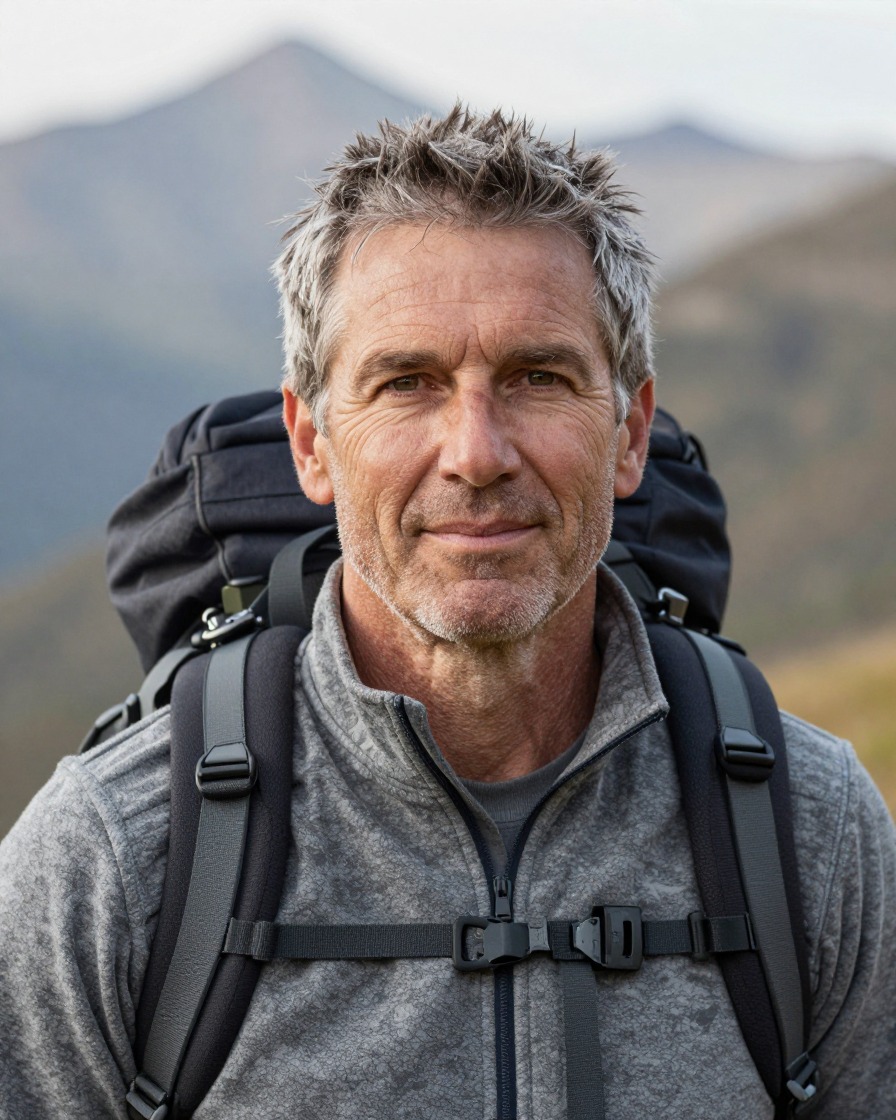
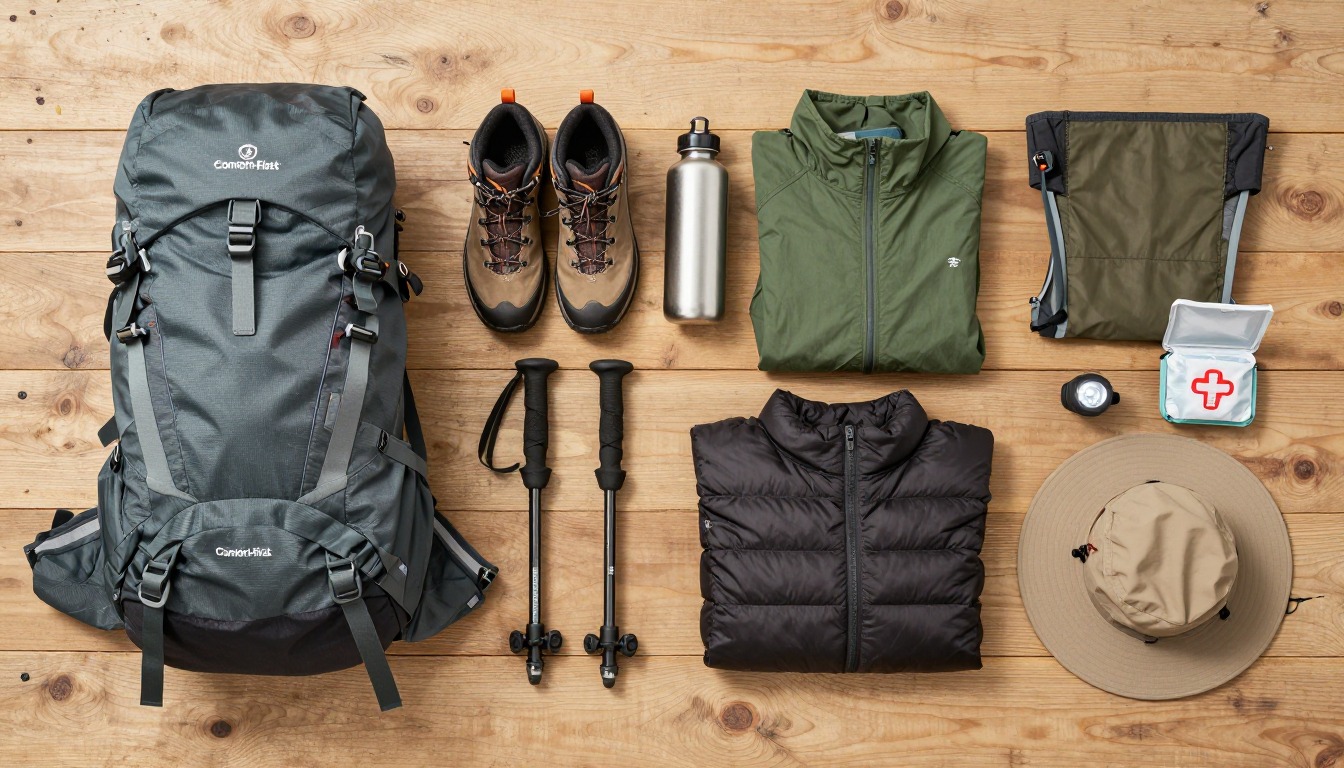
This kit is built around one idea: comfort is what keeps you hiking for years, not just for one good day. Every joint in your body — ankles, knees, hips, shoulders — takes a hit from impact and load, and this setup is deliberately chosen to reduce both. Trekking poles transfer strain off your knees and onto your arms and shoulders, cushioned boots absorb impact with every step, and a properly fitted pack moves the bulk of its weight onto your hips instead of your spine. None of this is about hiking less — it's about hiking in a way your body can keep doing.
This setup suits older hikers, anyone managing joint sensitivity, or simply anyone who's decided a relaxed, unhurried pace beats pushing for mileage. It works just as well for a seasoned hiker easing back after time off as for a newer hiker who wants trail time without the soreness that scares people away from a second hike. If you're chasing big miles, technical terrain or a fast finish time, the standard day-hike setup will serve you better — this one is built for people who'd rather feel great at the end of the trail than merely finish it.
- Start with the pack and get the fit right — a hip belt that actually carries weight matters more than any single feature here.
- Add supportive, cushioned boots and a pair of trekking poles before anything else; together they do more for comfort than the rest of the kit combined.
- Build in real rest — a packable seat, a realistic pace, and permission to stop before you're tired, not after.
- Trim everything you can from the remaining kit; a genuinely lighter pack is itself a comfort feature.
About this setup
Hiking doesn't have to hurt to count. There's a persistent idea that a 'real' hike means sore knees and an exhausted finish, but plenty of experienced hikers — including many who've been on trail for decades — have learned the opposite: the hikes that keep happening are the ones built around comfort, not endurance. That's especially true for older hikers, or anyone managing knees, hips, or a health condition that makes impact and exertion something to plan around rather than ignore.
The reasoning here is straightforward. Every step downhill sends a jolt through your ankles, knees and hips, and trekking poles route some of that force through your arms instead, easing the load your legs absorb on their own. A cushioned midsole softens more of it before it ever reaches your joints. A pack that actually rides on your hips — not your shoulders — shifts weight off your upper body and spine the same way. None of these changes is dramatic on its own, but stacked together across a multi-mile hike, they add up to a noticeably easier day and a noticeably better one tomorrow.
None of this is a substitute for medical advice. If you have a heart condition, a joint problem, or another health concern, talk to your doctor before starting or increasing a hiking routine, and let them help you set sensible limits on distance, elevation gain and pace. What follows is a packing list, not a training plan or a treatment plan — but it's one built, deliberately, around making every mile more comfortable than the last.
The pack
A 25–35 L pack with a real hip belt is the anchor of a comfort-first kit — it's the difference between carrying weight and wearing it.
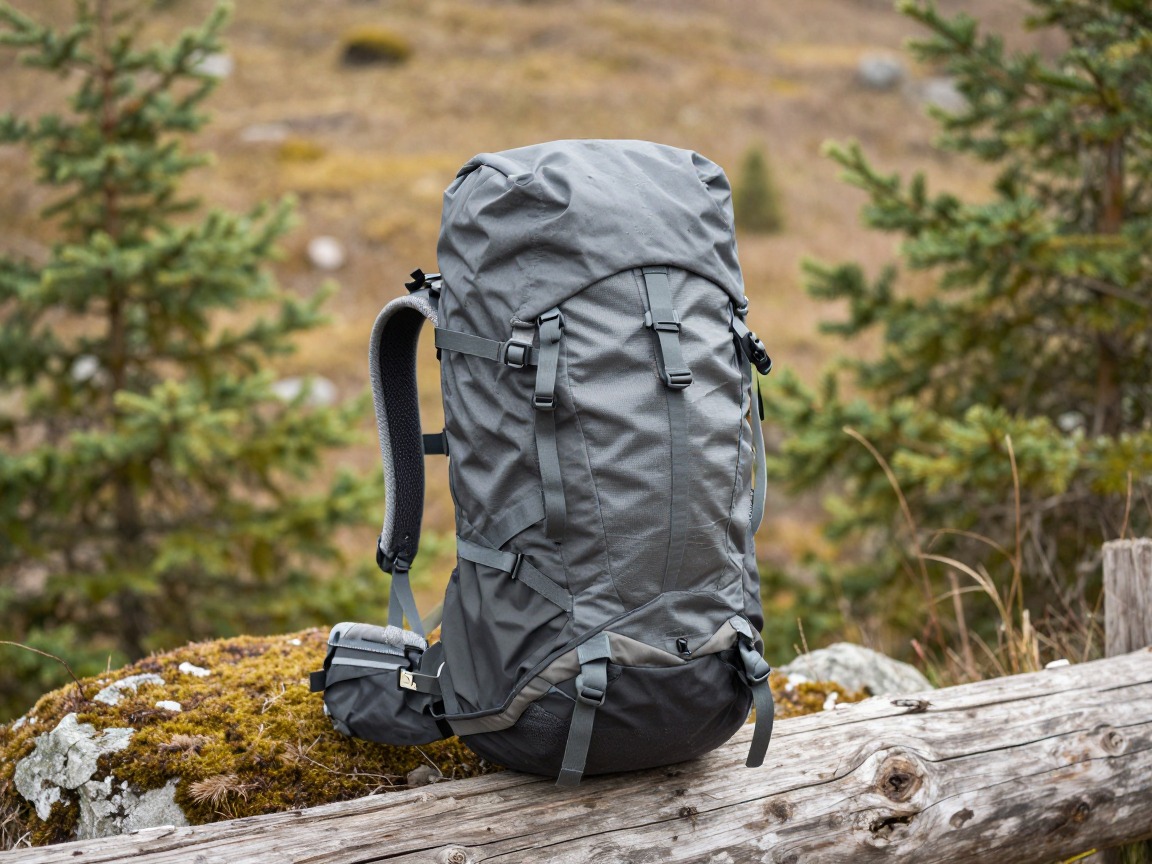
Supportive, hip-carrying daypack
Moves the bulk of the load onto your hips instead of your shoulders, and the extra volume over a minimal daypack means you're never tempted to skip a layer or a seat just to save space.
What to look for: A padded, adjustable hip belt that actually transfers weight, a supportive back panel, and easy-access pockets so you're not shrugging the whole pack off for every snack or layer. Fit — torso length and hip size — matters more than any spec sheet.
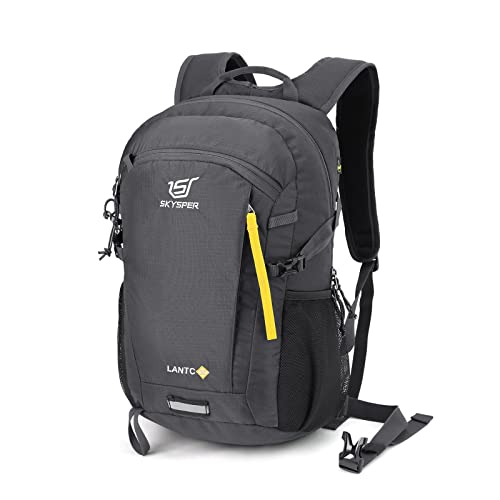 SKYSPER Small Hiking Backpack Check price
  Osprey Sportlite 20L Lightweight Hiking Backpack Check price
 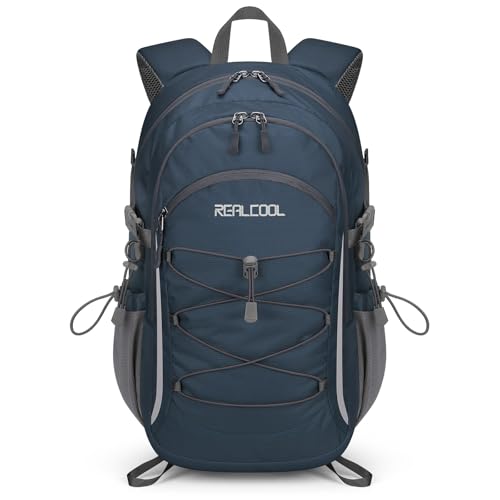 RealCool 20L Lightweight Hiking Backpack Check price
 - A pack rain cover
- A lightweight seat cushion or foam pad, if you're not carrying a packable chair
Footwear & joints
Cushioned support underfoot and poles in your hands do more for a comfortable hike than almost anything else in the pack — think of them as your body's suspension system.
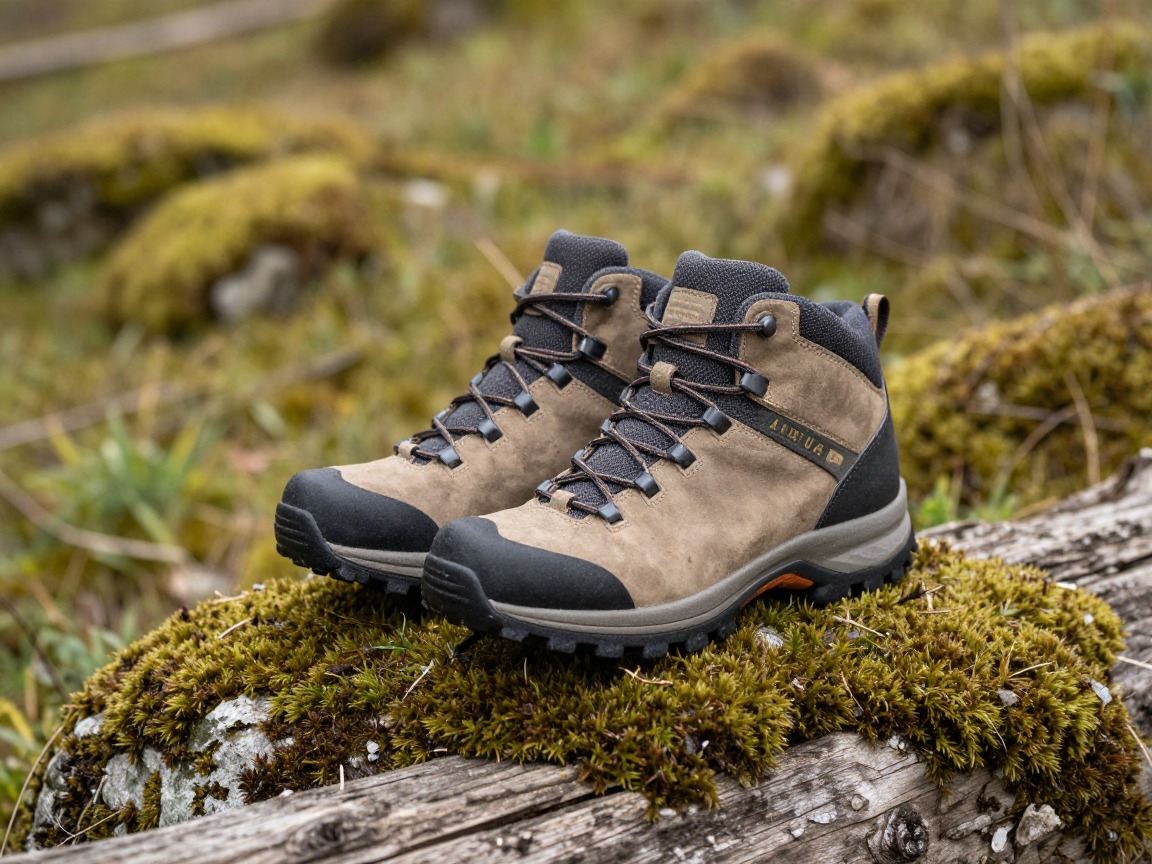
Supportive, cushioned hiking boots
A boot with real cushioning and ankle support absorbs impact with every step and reduces the strain that builds up over a long day on trail.
What to look for: Generous cushioning underfoot, a stable, supportive fit around the ankle, and enough room in the toe box for your foot to swell over a long day. New boots deserve a few short walks first, not a debut on a big hike.
 Columbia Men's Transverse Waterproof Hiking Boot Check price
  NORTIV 8 Men's Ankle High Waterproof Hiking Boots Check price
  Columbia Mens Transverse Waterproof Hiking Boot Check price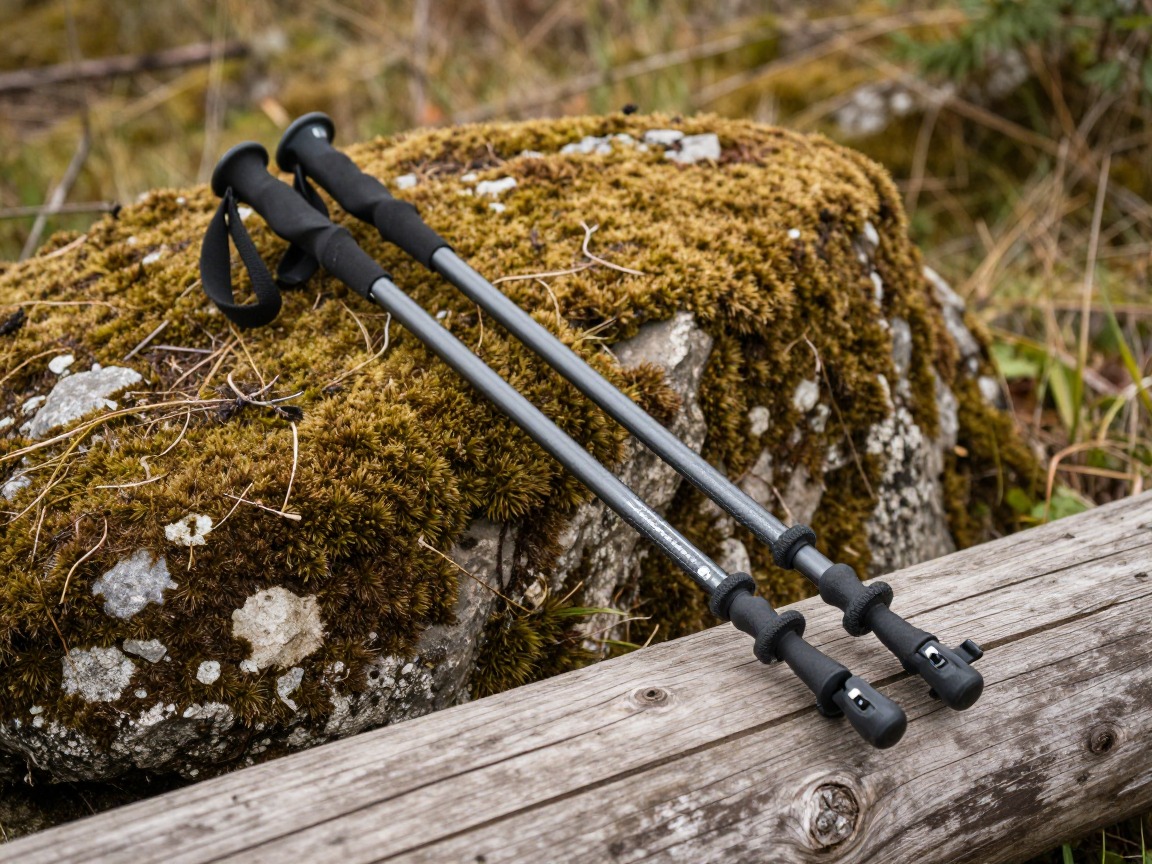
Trekking poles
Poles move a meaningful share of the impact and effort from your knees and hips onto your arms and shoulders, especially on descents and uneven ground.
What to look for: Comfortable cork or foam grips, locks that hold firmly under real weight, and a length you can adjust correctly for uphill, flat and downhill stretches. Use them from the trailhead, not just when your knees start to complain.
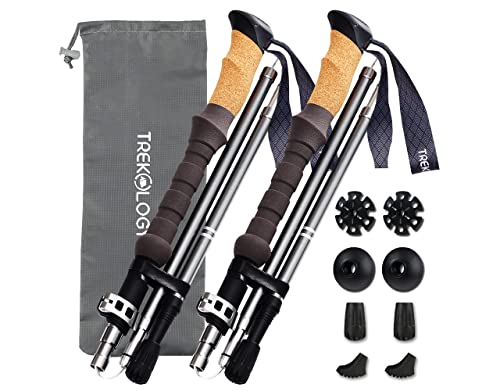 Trekology Trek-Z Cork Grip Collapsible Lightweight Hiking Trekking P Check price
 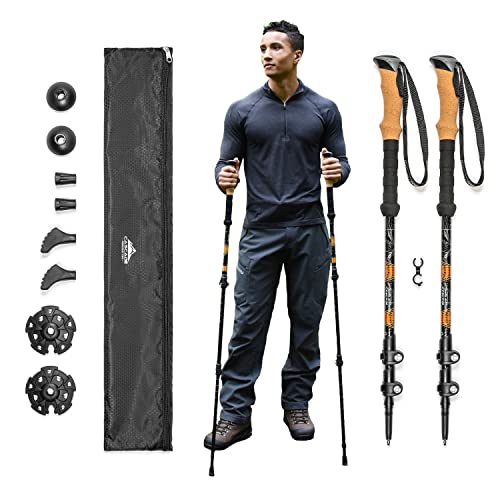 Cascade Mountain Tech Trekking Poles Check price
 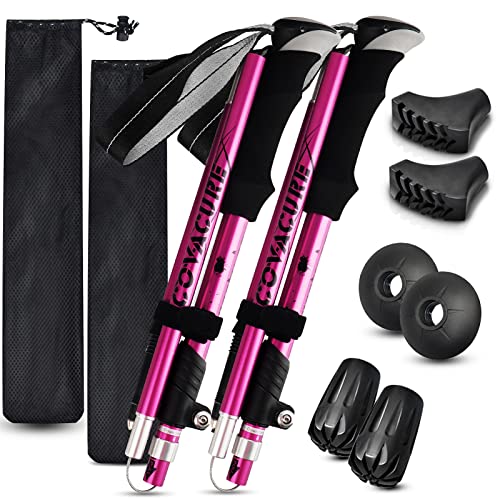 covacure Hiking Poles Check price
 Rest & pace
Built-in rest isn't a luxury on a comfort-first hike — it's the plan. A packable seat and a genuinely unhurried pace are what keep the day enjoyable from start to finish.
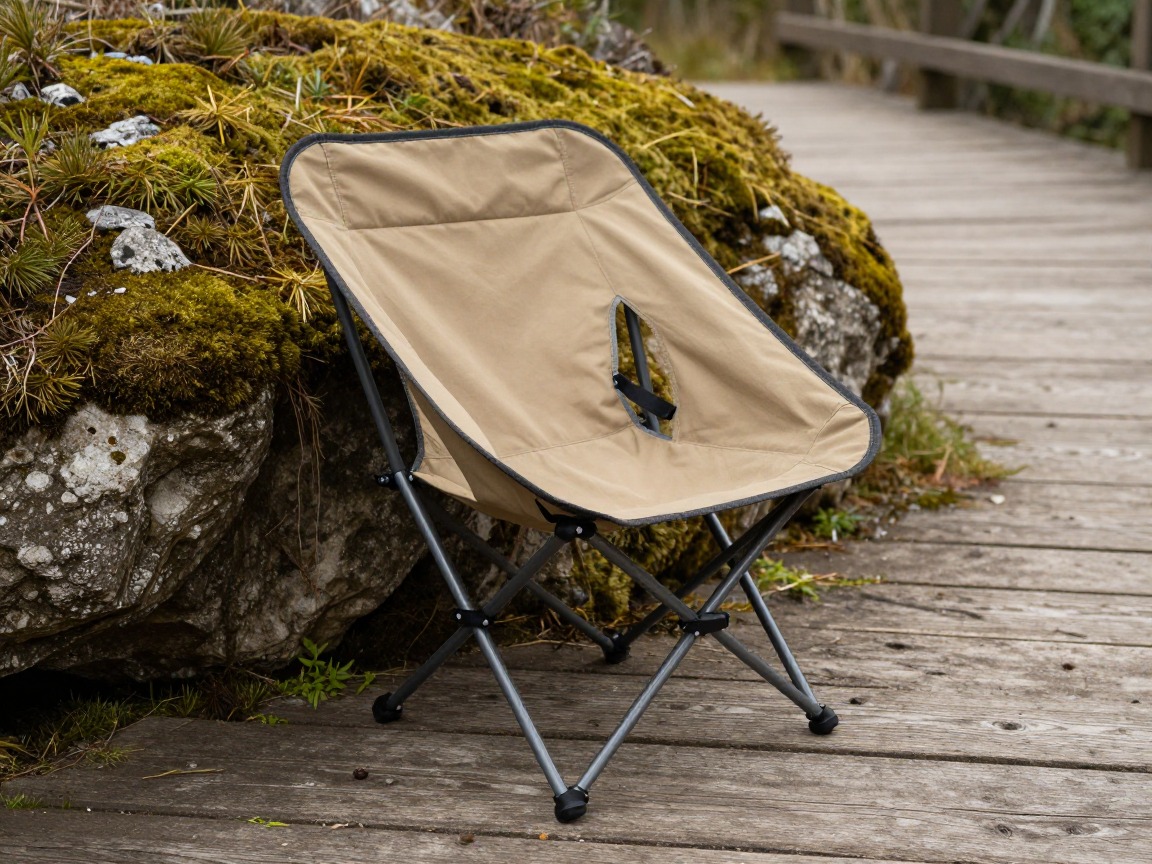
Packable trail seat
A lightweight folding seat turns any rest stop into an actual rest — off the damp ground, off your knees, and a real break instead of a perch on a rock.
What to look for: Something genuinely packable and light enough to justify the space it takes, with a stable seat height that's easy to get up from without straining.
 ONETIGRIS Tigerblade Camping Chair Check price
  ONETIGRIS Tigerblade Camping Chair Check price
  MOON LENCE Portable Camping Chair Backpacking Chair - The 4th Genera Check price
 - A watch or phone to prompt regular rest breaks
- A pace plan built around breaks, not just distance covered
Water & food
Steady sipping and small, frequent snacks suit an unhurried pace better than one big lunch stop, and keep your energy even across the whole hike.
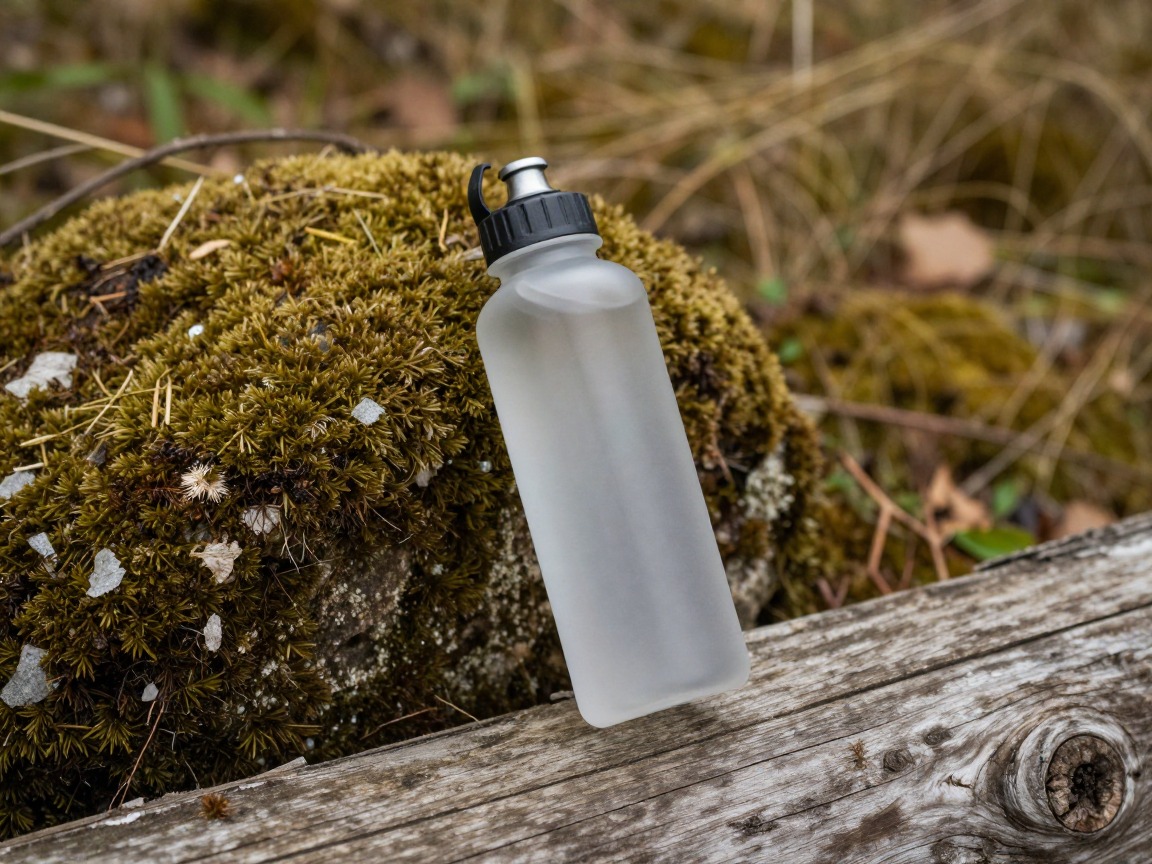
Water bottle
A simple, easy-to-refill bottle supports steady sipping through the day rather than saving all your drinking for one big stop.
What to look for: A wide mouth for easy refilling and cleaning, a capacity around 1 L, and an insulated option if you hike in real heat or cold.
 Nalgene 32 oz Wide Mouth Water Bottle Check price
  Nalgene 32 oz Wide Mouth Water Bottle Check price
  Nalgene 32 oz Wide Mouth Water Bottle Check price
 - Small, frequent snacks rather than one big lunch
- Electrolyte tabs or drink mix
Clothing & layers
Layers you can add or shed without breaking stride keep you comfortable through temperature swings and every rest stop along the way.
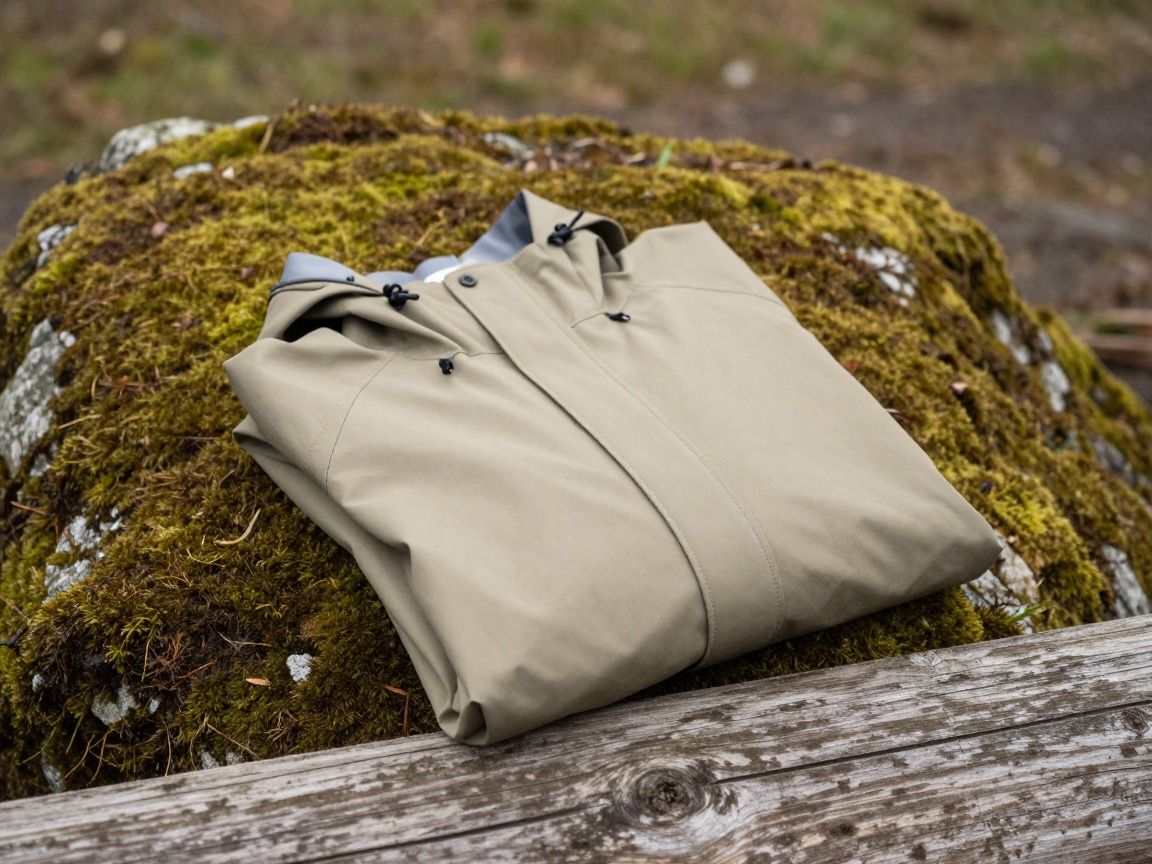
Rain shell
A light, packable waterproof jacket blocks wind and rain and goes on the moment you stop moving and start to cool down.
What to look for: Waterproof and breathable, easy to put on one-handed, and small enough packed that it always comes along.
 UIQUR Mens Rain Jacket Raincoat Waterproof Windbreaker Black L Check price
  COOFANDY Men's Waterproof Hiking Travel Shell Breathable Rain Jacket Check price
  Columbia Womens Arcadia II Waterproof Rain Jacket Check price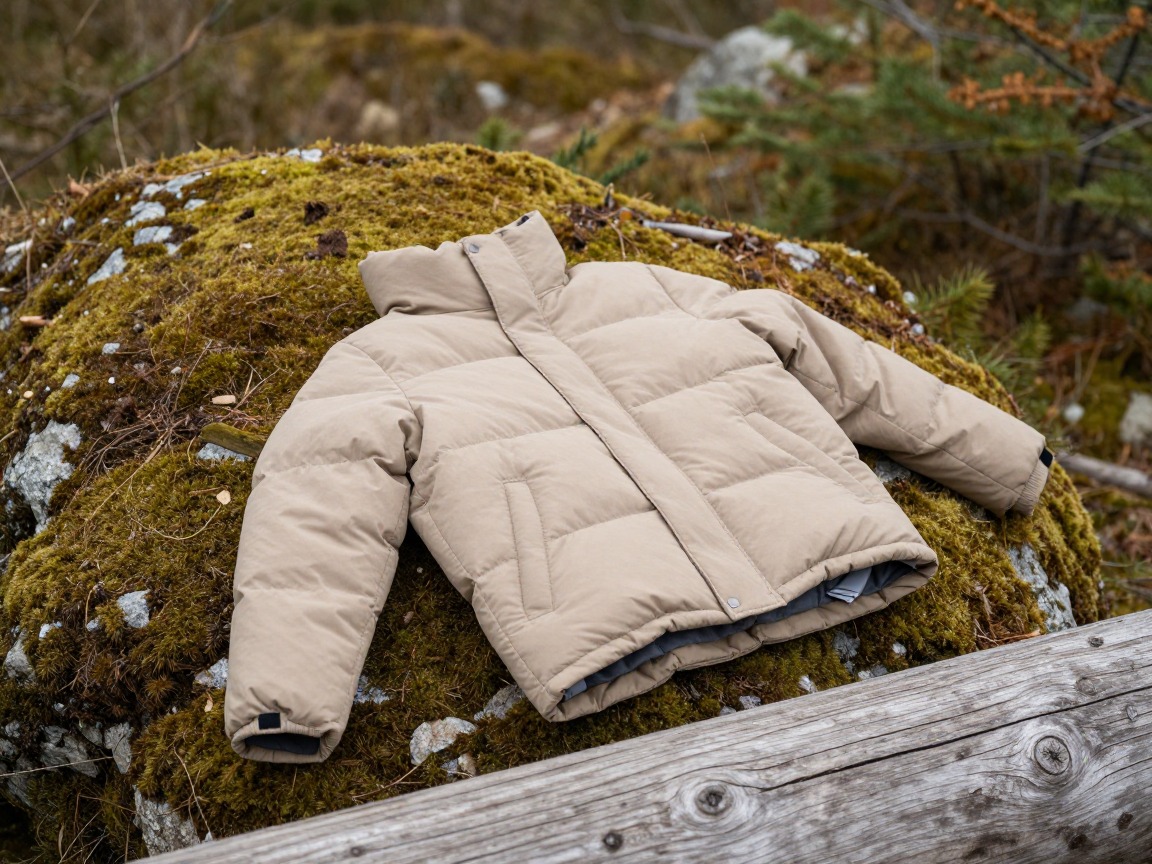
Warm layer
A light fleece or packable puffy keeps you warm the moment you sit down for a rest — which, on this kind of hike, is often.
What to look for: The most warmth for its packed size, and roomy enough to shrug on over a base layer during a seated break without a fight.
 Outdoor Ventures Women's Packable Lightweight Puffer Jacket with Hoo Check price
  Amazon Essentials Women's Lightweight Long-Sleeve Water-Resistant Pa Check price
  Outdoor Ventures Women's Packable Lightweight Puffer Jacket with Hoo Check price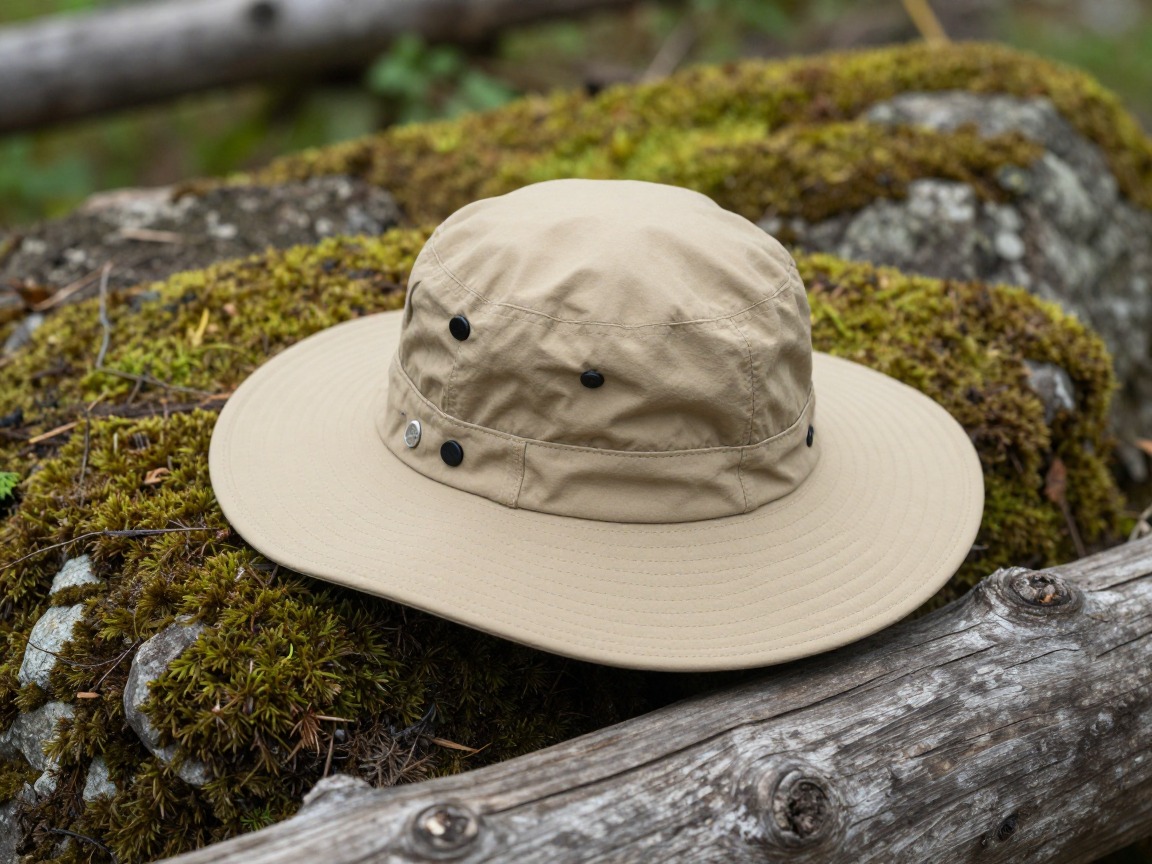
Sun protection
A brimmed hat plus sunscreen protects skin that's out in the sun for longer on a relaxed, unhurried hike than on a fast one.
What to look for: A brim that actually shades your face and neck, breathable fabric, paired with UV sunglasses and sunscreen you reapply at rest stops.
 FURTALK Womens Sun Hat with Ponytail Hole Beach Hiking Summer Wide B Check price
 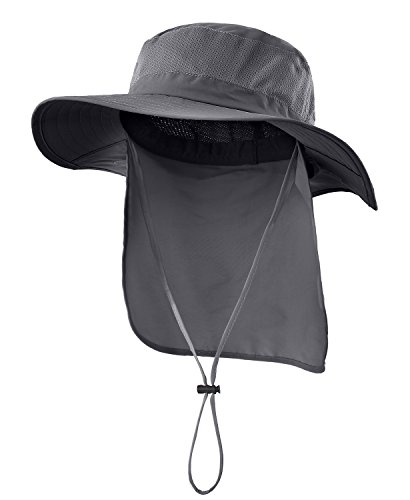 Home Prefer Outdoor UPF50+ Mesh Sun Hat Wide Brim Fishing Hat with N Check price
  FURTALK Sun Hats for Men Fishing Hat UPF Protection Wide Brim Bucket Check price
 Navigation, light & safety
A slower pace means daylight gets used differently than you might expect — carry the basics that make a later-than-planned finish a non-issue.
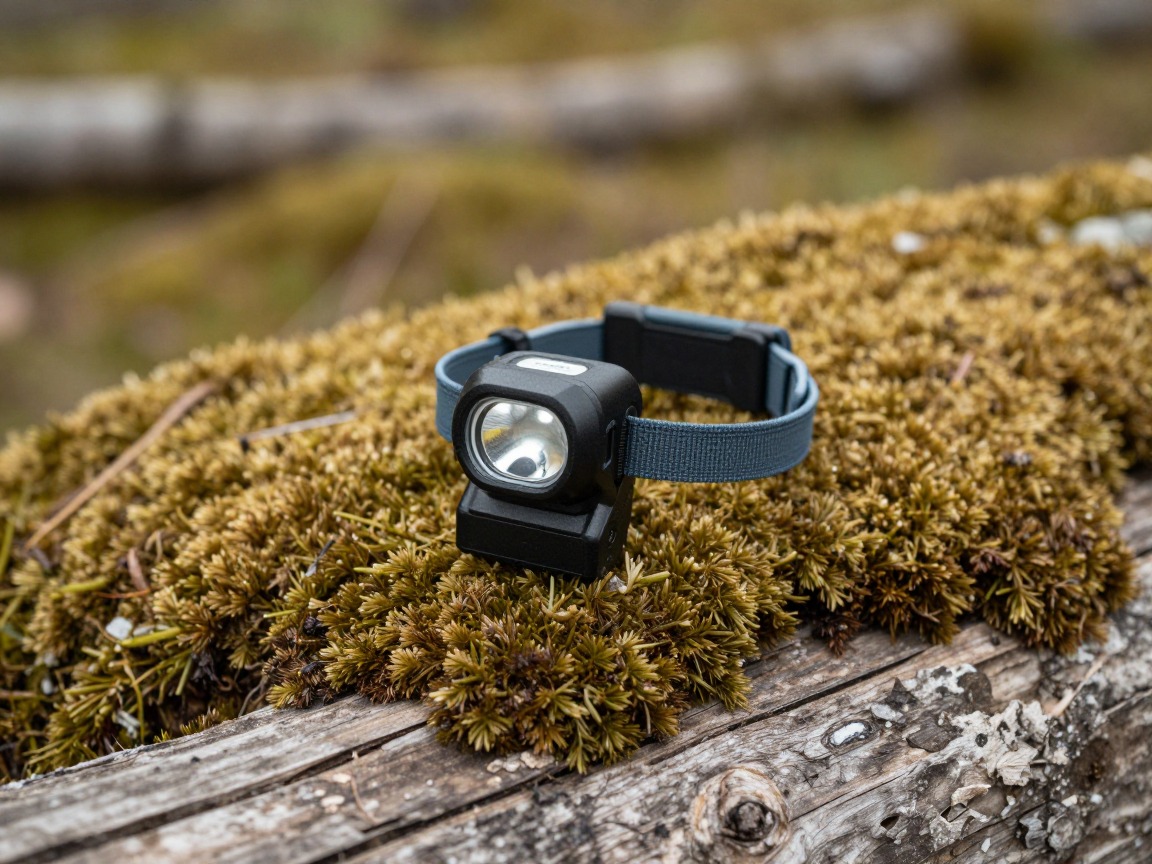
Headlamp
Hands-free light for the times an unhurried pace runs past sunset; always worth carrying even on a short, easy hike.
What to look for: Enough output to walk by comfortably, a strap that stays put, and reliable batteries or charge.
 LHKNL Headlamp Flashlight Check price
 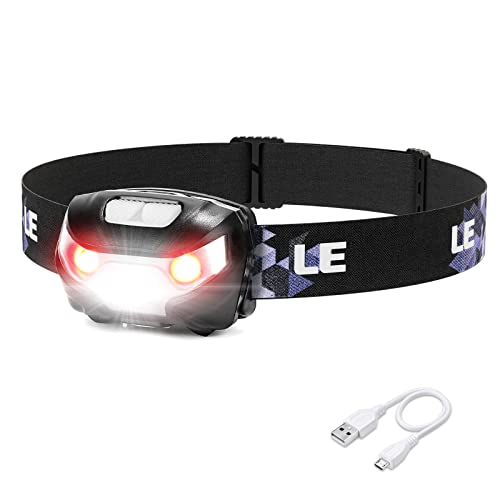 Lepro LED Headlamp Rechargeable IPX4 Waterproof Headlight 5 Modes - Check price
 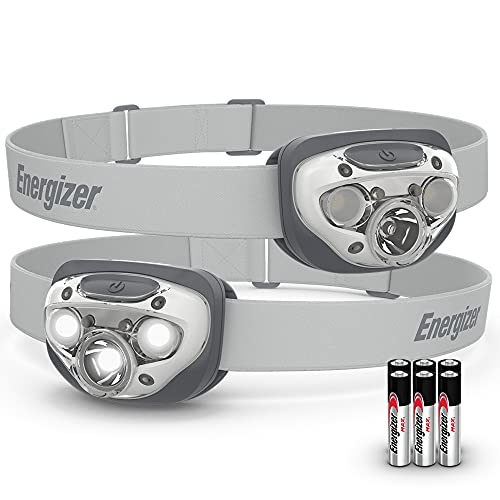 Energizer LED Headlamp PRO Check price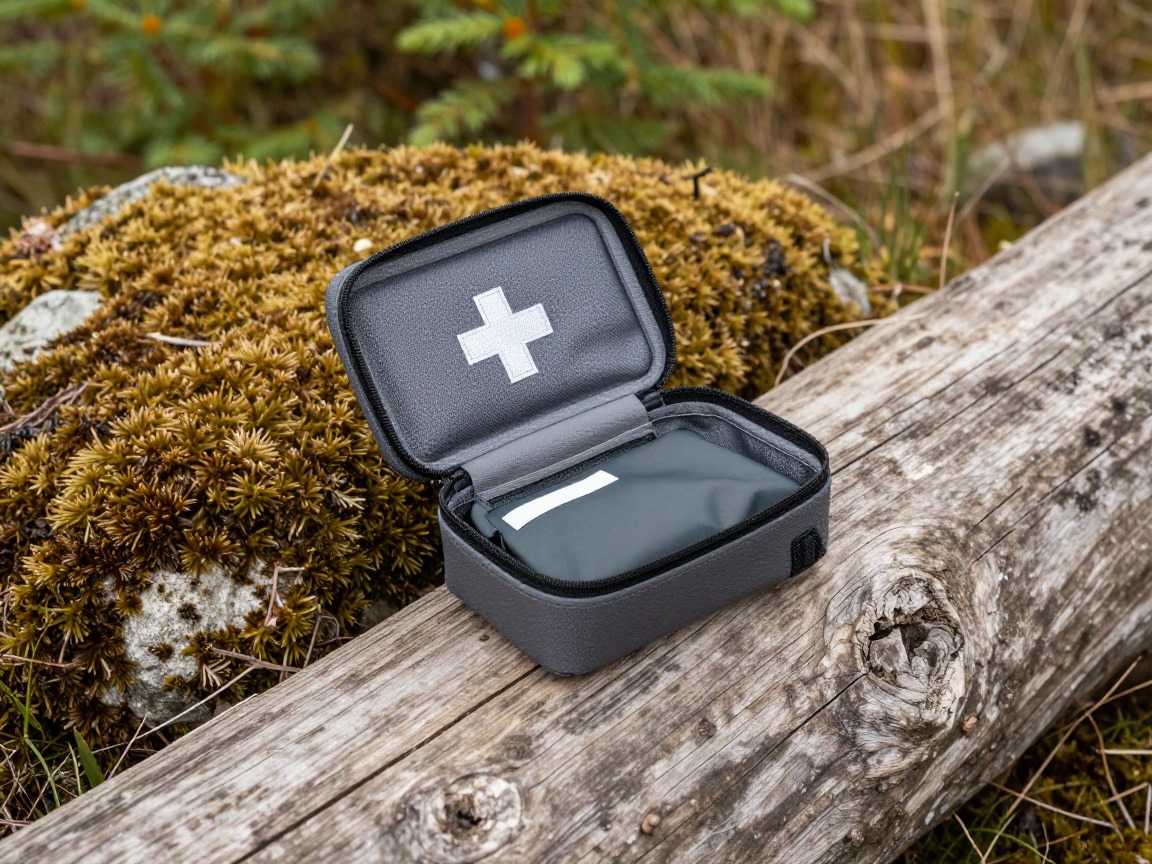
First-aid kit
A compact kit for blisters and small cuts, and a sensible place to carry any personal medication you use on trail.
What to look for: A kit weighted toward blisters and the basics, sized to what you'll actually use — and worth knowing how to use before you need it.
 Mini First Aid Kit - 150 Piece Small Waterproof EVA Hard Shell Case Check price
  Adventure Medical Kits Ultralight/Watertight Medical Kit .5 Check price
 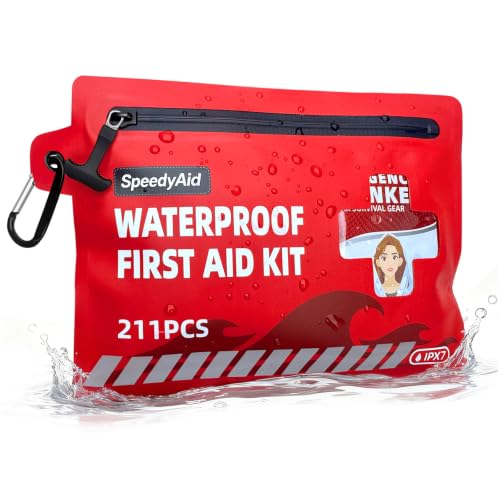 211 PCS Waterproof First Aid Kit Check price
 - Map + compass or GPS (offline maps)
- Phone + power bank
- Any personal medication
How to adapt this setup
Sticking to level, well-graded trails? You can go a little lighter on the pack and trim the seat down to a simple foam pad — but keep the poles and the unhurried pace regardless of distance.
More elevation and more miles make the poles and cushioned boots matter even more; add extra rest stops and budget more daylight than you think you'll need.
Lead with hydration and sun protection, plan rest stops in the shade, and shift your start time earlier or later to avoid hiking through the worst heat.
Add a warmer layer, a hat and gloves, and remember that sitting still to rest cools you down fast — the warm layer goes on the moment you stop moving.
Set the pace to the slowest, most comfortable person in the group, not the fittest — that's the whole philosophy of this setup, applied to more than one hiker.
Common mistakes to avoid
- Buying new boots and wearing them for the first time on the actual hike, instead of breaking them in on a few short walks first.
- Treating trekking poles as optional extra gear instead of using them from the trailhead, especially on descents.
- Packing an ultralight kit and skipping the comfort items — a seat, a proper warm layer — that make rest stops actually restful.
- Setting a pace or distance goal that ignores how your knees, hips or energy actually feel that day.
- Leaving the pack's hip belt loose or unadjusted, so all the weight rides on your shoulders instead of your hips.
- Pushing through joint pain instead of treating it as a signal to slow down, rest, or turn around.
Make it yours
Frequently asked questions
What makes a hiking setup 'comfort-first'?
It's built around reducing impact and strain rather than maximizing speed or distance: trekking poles to protect your knees, cushioned supportive boots, a pack that carries its weight on your hips, a lighter overall load, and built-in rest stops. The goal is a hike that feels good the whole way, not just at the finish.
Are trekking poles really worth it for comfort?
Yes — poles move a meaningful share of the impact and effort from your knees and hips onto your arms and shoulders, which matters most on descents and uneven ground. Most hikers who use them for a full day notice the difference in how their knees feel afterward.
What size backpack works best for a comfort-first hike?
Most people do well with 25–35 liters — enough room for a warm layer, a packable seat and snacks without digging around, with a proper hip belt that carries the load. Fit matters more than hitting an exact size.
Is this setup only for older hikers?
No — it suits anyone who wants a relaxed, sustainable pace, whether that's due to age, joint sensitivity, easing back after time off, or simply preferring an unhurried day on trail over pushing for mileage.
Should I check with a doctor before starting to hike regularly?
If you have a heart condition, joint problem or other health concern, yes — talk to your doctor before starting or increasing a hiking routine so they can help you set sensible limits on distance, pace and elevation gain. This list is a packing guide, not medical advice.
Illustrative images show the type of gear, not specific products. Recommendations link to similar items on Amazon; we only ever link real listings and never show fabricated prices or ratings. General planning guidance, not a substitute for your own judgment or professional backcountry-safety instruction.