
The coastal & beach hike setup
A hike along the coast trades trail dust for sand, spray and a tide table you actually need to read. This setup is built around what makes a beach or coastal trail different from any other day hike: footwear that doesn't fill with sand, protection from sun and wind with nowhere to hide from either, and enough respect for the tide to never let it box you in.

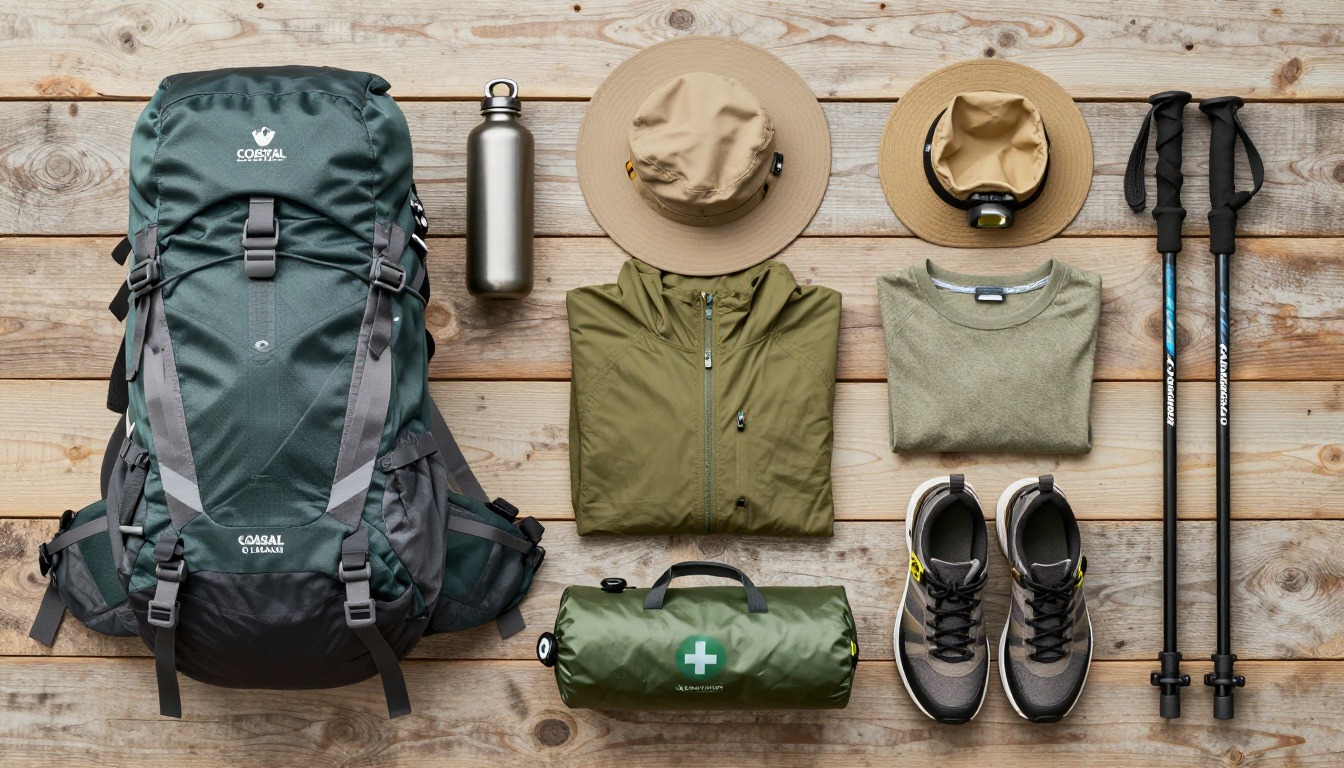
Coastal hiking looks easy on the map — flat, scenic, close to the car — but the conditions are their own category. There's often no shade for miles, so sun and wind work on you the entire hike, not just on an exposed summit. The ground itself keeps changing: dry sand, wet sand, tide pools, slick rock and barnacle-covered ledges can all show up in the same mile, and standard hiking shoes handle none of it well. And unlike almost any other day hike, the trail itself can change while you're on it — a rising tide can cut off a headland, a cove, or the very route you walked in on, which is the one hazard genuinely unique to this kind of trip. So this kit leads with sand-shedding footwear, real sun and wind coverage, a dry bag for anything salt spray can ruin, all the water you'll drink (since the ocean beside you is undrinkable and no filter fixes that), and a firm habit of checking the tide before you check the weather.
This setup suits day hikes along beaches, coastal bluffs, sea cliffs and tidal shoreline trails — anywhere the route runs close enough to the water that tides, sand or spray shape the hike. It works whether you're walking a flat beach for miles or scrambling a rocky headland between coves. If your route crosses any stretch that's only passable at low tide, treat tide timing as the most important item on this list, not an afterthought. If you're inland or well above the high-tide line the whole way, the standard day-hike setup covers you without the coastal-specific extras.
- Start with a light daypack and plan your water like there's no source out there — the sea beside you isn't drinkable, and a filter can't remove salt.
- Build head-to-toe sun and wind protection for a trail with little or no shade: a hat that won't blow off, sunscreen, and a wind layer.
- Swap standard hiking shoes for sandals or water shoes that shed sand and grip wet rock, rather than fighting sand-filled boots all day.
- Check the tide table before you check the weather, and pack a dry bag for anything salt spray or a wave could ruin.
About this setup
A coastal or beach hike often looks like the easiest day on the calendar — flat ground, low elevation gain, and scenery that doesn't require any real climbing to reach. The conditions tell a different story. There's rarely a tree line to hide under, so sun and wind work on you for the full distance instead of just the exposed stretches, and the ground itself keeps switching between dry sand, wet sand, tide pools and slick rock, often within the same mile. None of that makes a coastal trail harder than a mountain one — it just makes it a different kind of hike, one where the pack is built around exposure and terrain change rather than elevation.
Footwear and gear protection follow from that terrain. Standard hiking boots or trail runners fill with sand within the first mile of beach walking and turn every step afterward into a grinding, blister-prone slog, so sandals or water shoes that shed sand and grip wet rock do the job far better here. The same logic applies to anything electronic: salt spray, a splash through a tide pool, or a wave that runs further up the beach than expected can end a phone's day fast, which is why a simple dry bag earns its place in a coastal pack in a way it wouldn't on an inland trail.
The genuinely different hazard on this kind of hike is the tide. A beach, cove or headland that's easy walking at low tide can become impassable, or cut off entirely, once the water comes back in — and unlike weather, a tide follows a predictable schedule you can actually check in advance. Look up local tide tables before you go, not just the forecast, and know what your route looks like at both low and high tide before you commit to it. Identify an exit or high ground you can reach if you misjudge the timing, and treat any cave, cove or stretch of beach that's only passable at low tide as a place to pass through, not linger. None of this replaces local knowledge — tide behavior varies by coastline, and a local tide table or a ranger station is worth more than any general rule here.
The pack
Keep it simple and salt-tolerant — a coastal day pack needs to survive spray and sand more than it needs bulk.
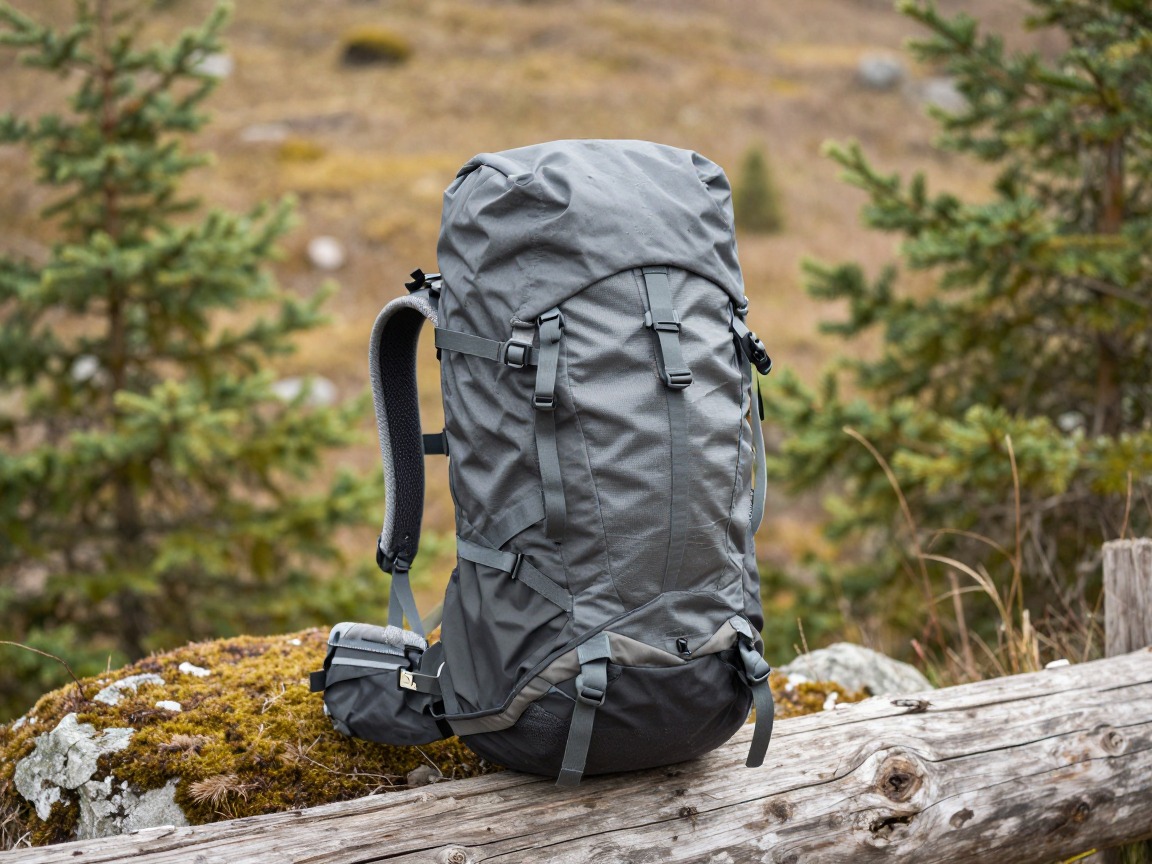
Coastal daypack
A light daypack for the miles of open beach or bluff-top trail typical of a coastal hike, with an outside pocket you can rinse out if it fills with sand.
What to look for: Simple synthetic fabric that dries fast and doesn't hold salt or sand in the weave, easy-access pockets for sunscreen and a hat, and hardware you can rinse rather than delicate fabric that traps grit.
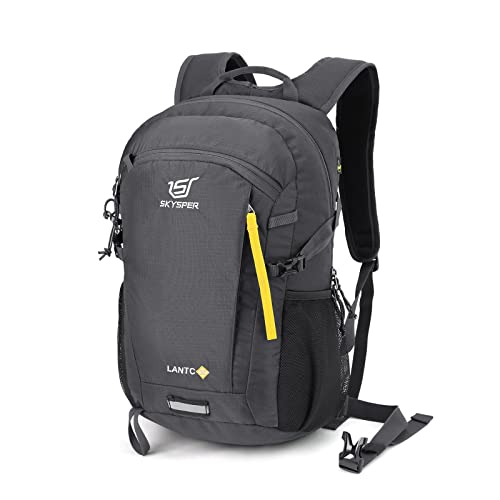 SKYSPER Small Hiking Backpack Check price
  Osprey Sportlite 20L Lightweight Hiking Backpack Check price
 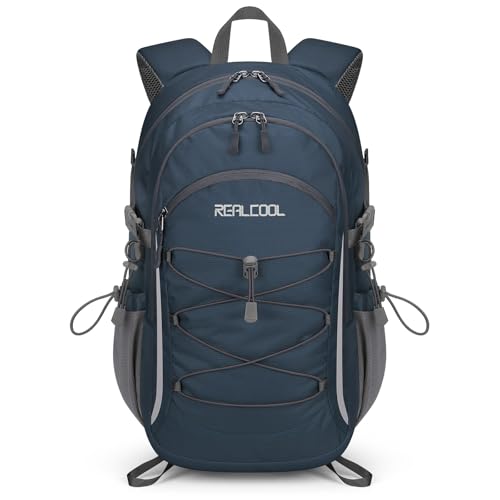 RealCool 20L Lightweight Hiking Backpack Check price
 Water: carry all of it
There's no water source out here that does you any good — carry everything you plan to drink.
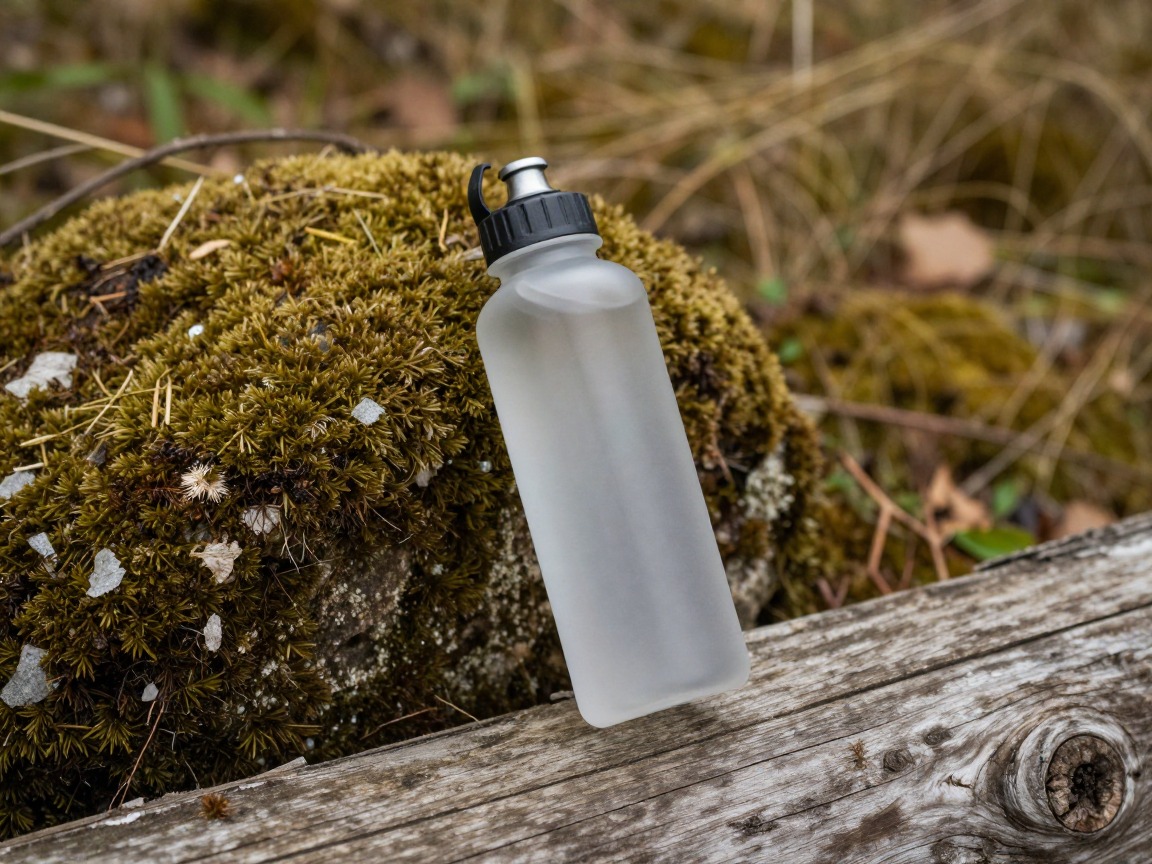
Water bottle
Your entire water supply for the hike. On an exposed coastal trail with sun and wind working on you the whole way, that's more than the mileage alone suggests.
What to look for: A tough, wide-mouth bottle you can refill easily at the car or trailhead, sized generously — a coastal day hike in full sun and wind eats through water fast, and there's nothing to top up from along the way.
 Nalgene 32 oz Wide Mouth Water Bottle Check price
  Nalgene 32 oz Wide Mouth Water Bottle Check price
  Nalgene 32 oz Wide Mouth Water Bottle Check price
 - Electrolyte tabs or mix — wind and sun exposure add up fast even on a flat, easy trail
- A backup bottle left in the car for after the hike
- Seawater and tide pools are not drinking water, and a filter doesn't remove salt — don't rely on either
Sun & wind protection
Coastal trails are often the most exposed hiking you'll do — flat and open, with no tree cover and a steady onshore wind on top of the sun.
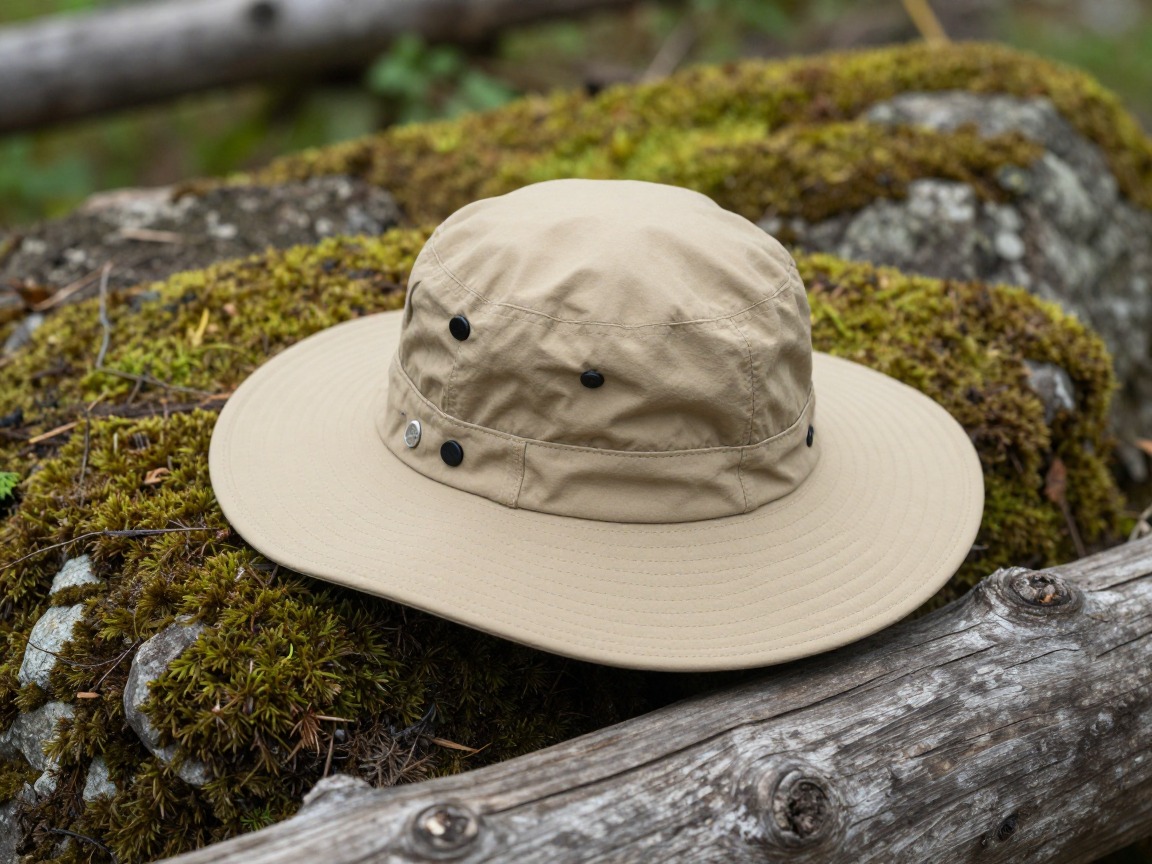
Sun hat & sunglasses
A brimmed hat and sunglasses do more for a coastal hike than almost anything else in the pack, since there's rarely a tree line to duck under.
What to look for: A hat with a chin cord so a gust off the water doesn't send it into the surf, a brim wide enough to shade your face and neck, and polarized sunglasses that cut glare bouncing off sand and water.
 FURTALK Womens Sun Hat with Ponytail Hole Beach Hiking Summer Wide B Check price
 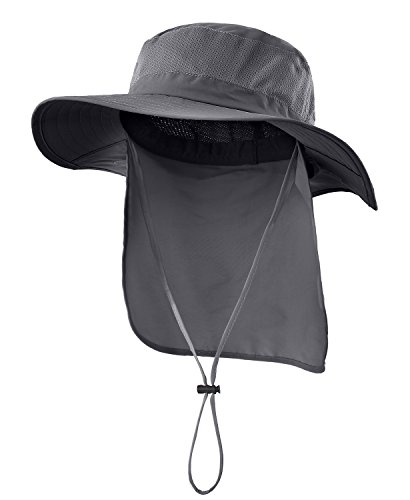 Home Prefer Outdoor UPF50+ Mesh Sun Hat Wide Brim Fishing Hat with N Check price
  FURTALK Sun Hats for Men Fishing Hat UPF Protection Wide Brim Bucket Check price
Wind shell
A light windbreaker cuts the chill of a steady onshore breeze, which can make a warm, sunny coastal hike feel far colder than the temperature suggests.
What to look for: A packable, wind-resistant shell rather than a heavy rain jacket — you're blocking wind and light spray more often than a real downpour.
 UIQUR Mens Rain Jacket Raincoat Waterproof Windbreaker Black L Check price
  COOFANDY Men's Waterproof Hiking Travel Shell Breathable Rain Jacket Check price
  Columbia Womens Arcadia II Waterproof Rain Jacket Check price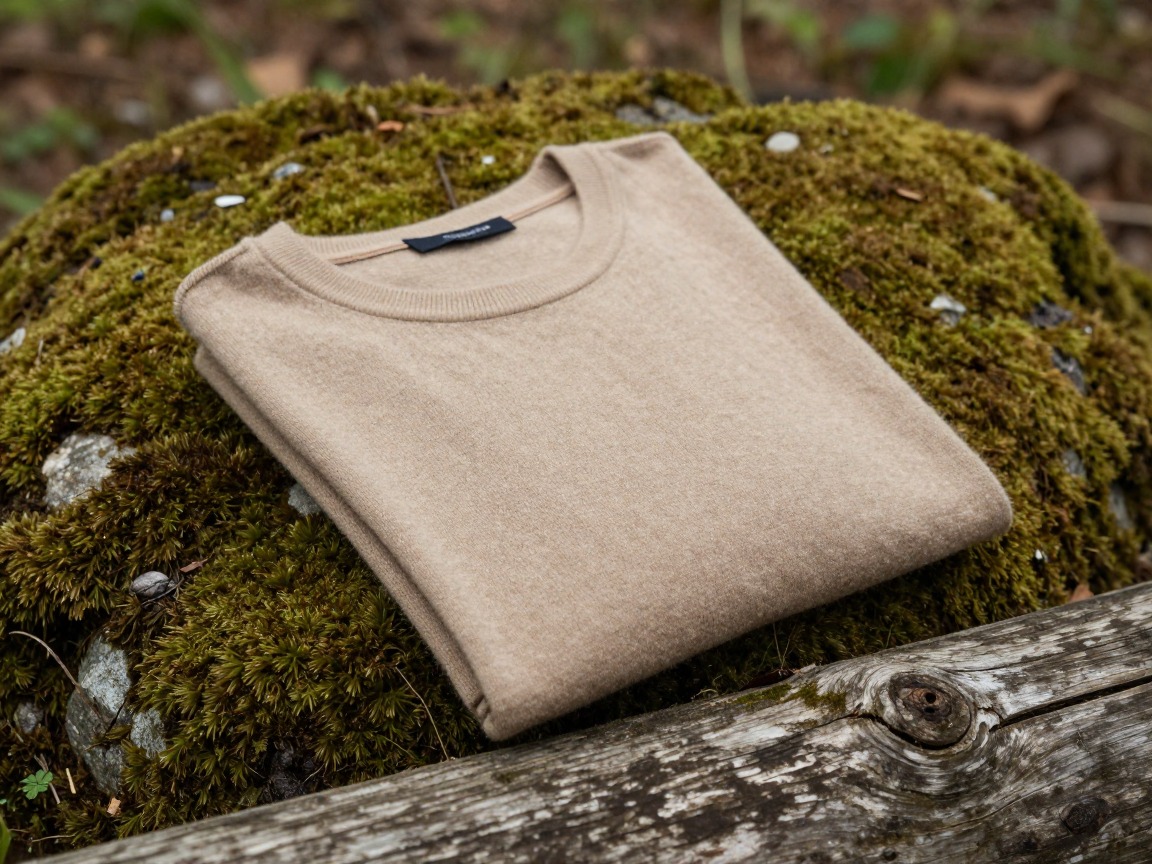
Sun layer
A breathable, long-sleeve sun layer covers the hours of direct exposure a coastal trail delivers, without the hassle of reapplying sunscreen to bare arms all day.
What to look for: A light-colored, UPF-rated synthetic or merino layer, loose enough to breathe in the wind, with thumbholes if you want your hands covered too.
 100% Merino Wool Base Layer Men Set - Thermal Underwear for Men Long Check price
  Merino.tech Merino Wool Base Layer Women Set - Heavyweight Check price
  100% Merino Wool Base Layer Men Set - Thermal Long Underwear with Ba Check price
 - Sunscreen you actually reapply, especially after any spray or sweat
- SPF lip balm — wind and salt air chap lips fast
Footwear for sand & slick rock
Coastal ground changes constantly — dry sand, wet sand, tide pools, wet rock and barnacles can all show up in the same mile, and a standard hiking shoe struggles with most of it.
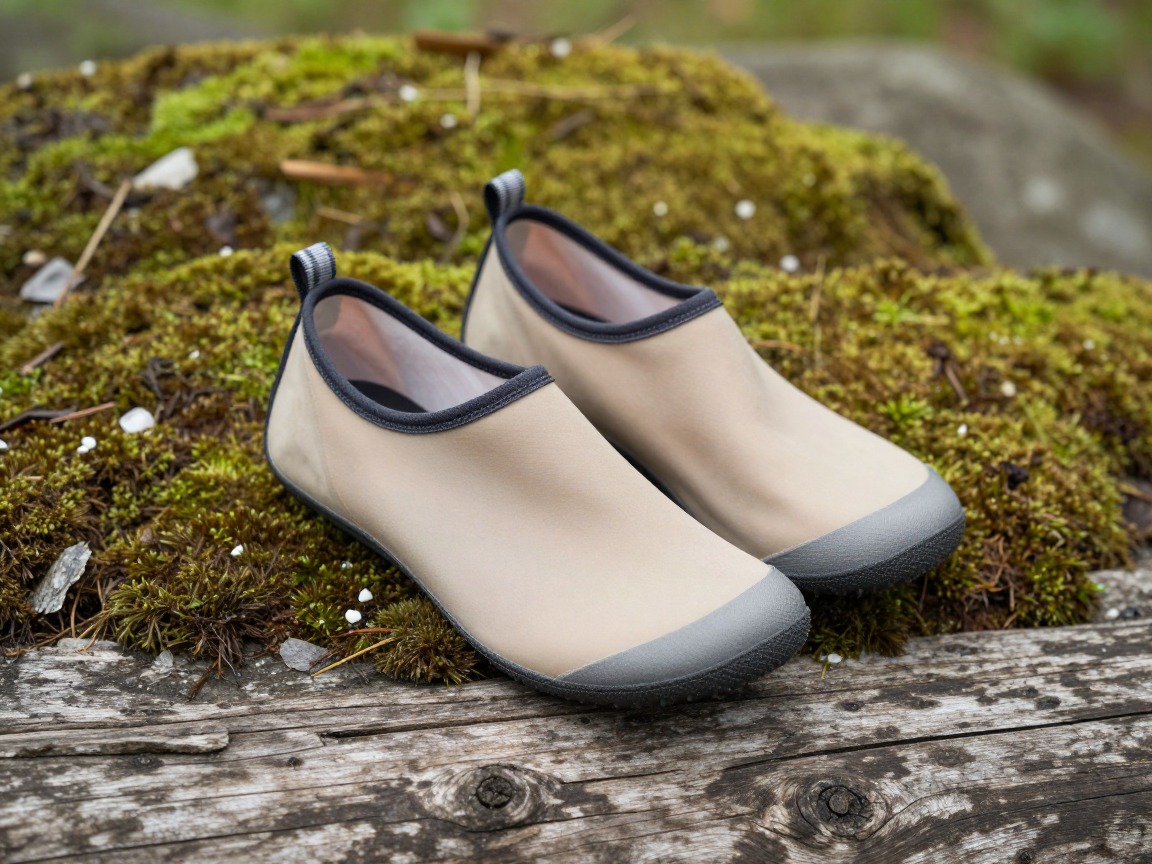
Sandals or water shoes
Sandals or water shoes shed sand instead of trapping it, and grip wet rock far better than a hiking shoe that's now full of grit.
What to look for: A secure fit that won't wash off in the surf, a sole with real grip on wet rock, and enough coverage over the toes to handle barnacles and shell fragments — bare feet or open flip-flops don't hold up on a rocky shoreline.
 SEEKWAY Water Shoes for Women Adult Quick-Dry Aqua Sock Barefoot Men Check price
  Water Shoes Mens Women Barefoot Shoes Quick-Dry Aqua Outdoor Sports Check price
 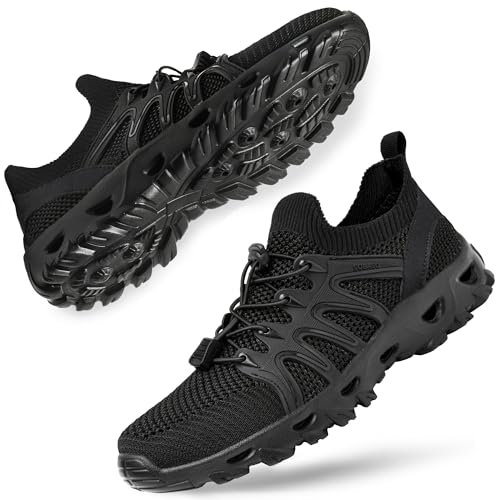 Alibress Water Shoes for Women Men Lightweight Men's Water Hiking Sh Check price
 - Standard hiking boots or trail runners fill with sand fast and turn every mile into a blister risk — save them for the inland approach, if there is one
- Watch your footing on barnacle- and mussel-covered rock; it's sharp enough to cut and slicker than it looks
Protecting gear from salt & spray
Salt spray and a rogue wave are the two things that ruin a phone or a camera on this kind of hike, and both are easy to plan around.
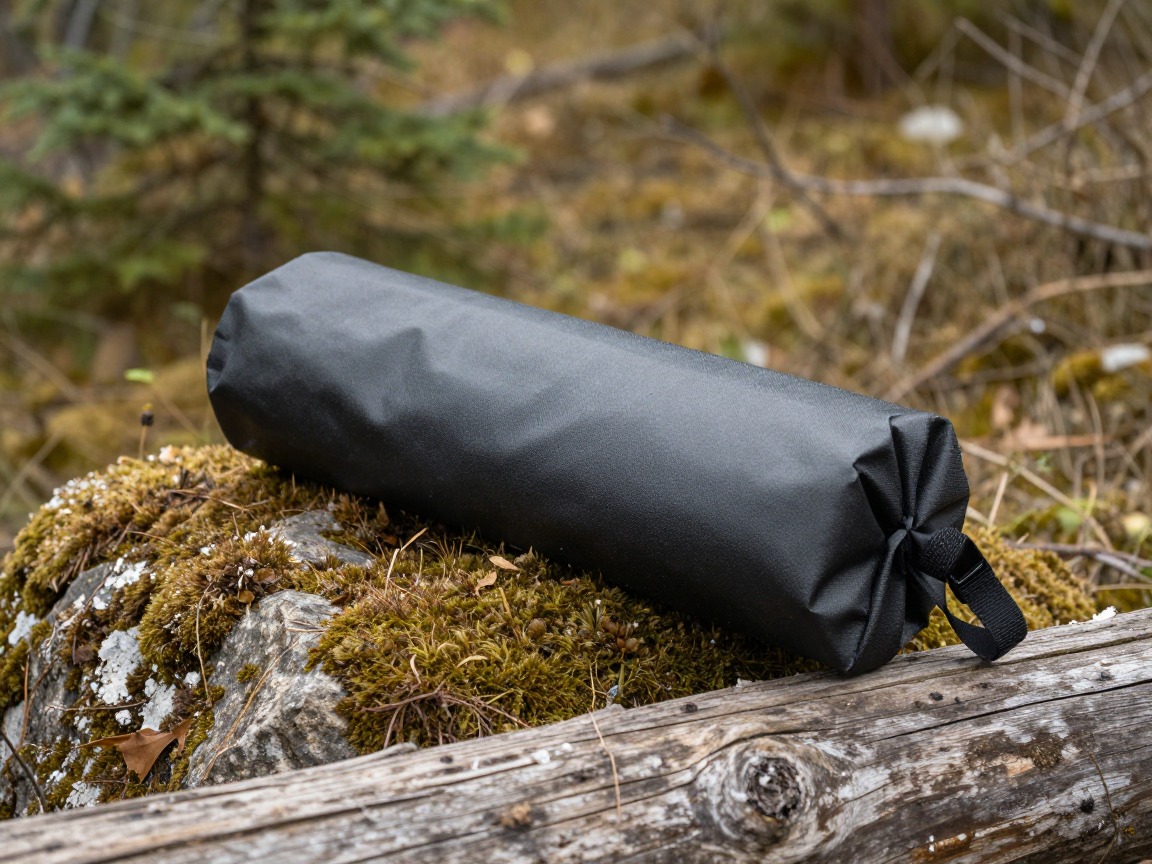
Dry bag
A dry bag keeps your phone, keys and wallet safe from spray, a splash crossing a tide pool, or a wave that runs further up the sand than you expected.
What to look for: A roll-top dry bag sized for your phone and small essentials, easy to clip inside your pack, and simple enough to close properly every time you stop to check the map.
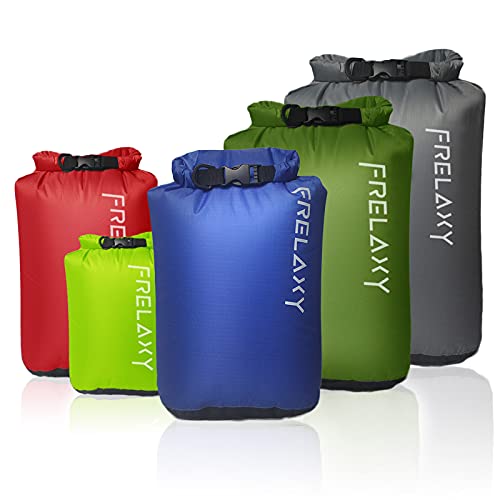 Frelaxy Dry Bag 5 Pack Check price
  ILZAR 6PCS Dry Bags Waterproof Check price
 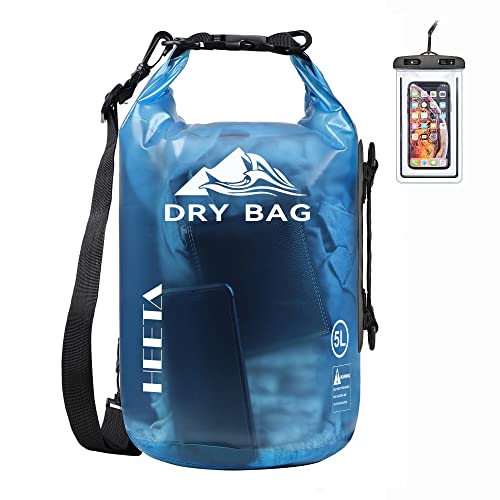 HEETA Dry Bag Waterproof Backpack with Phone Case Check price
 - Rinse pack straps, zippers and hardware in fresh water once you're home — salt air corrodes metal fasteners over time
- Keep electronics in the dry bag any time you're near tide pools or below the last high-tide line, not just when it's actively wet out
Tide safety & timing
The one hazard genuinely specific to this kind of hike: a rising tide can quietly close off the route you walked in on. This is a timing problem, not a gear problem, and it deserves more attention than anything else on this list.
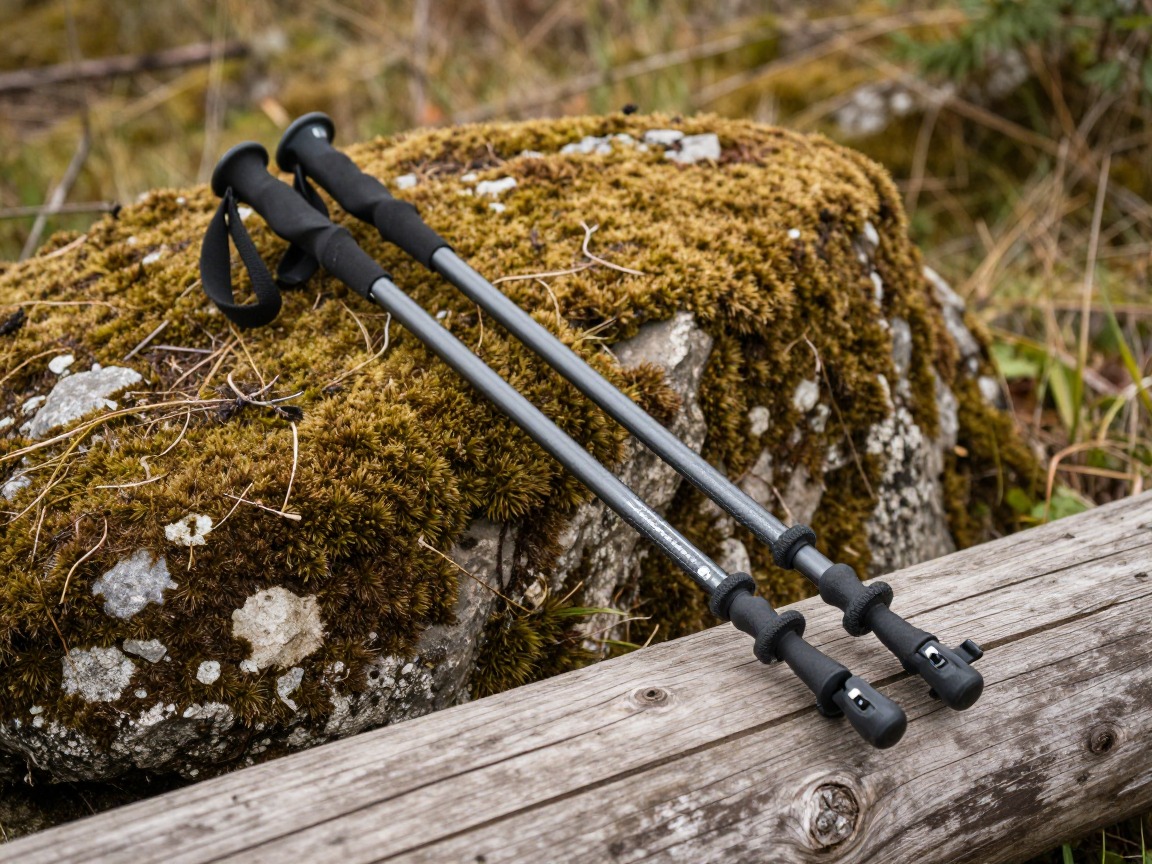
Trekking poles
Useful for testing footing on wet rock and tide-pool ledges before committing your full weight, and for balance crossing anything slick.
What to look for: A lightweight, packable pole with a grip you don't mind getting wet or sandy, and locks that hold even after a dunking.
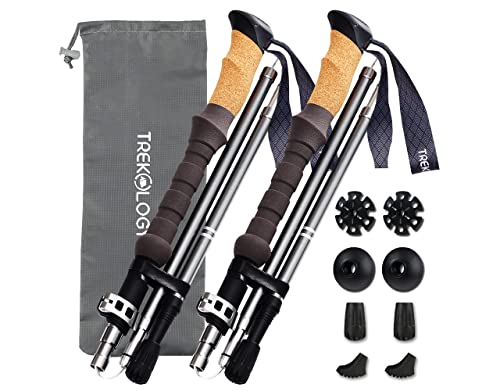 Trekology Trek-Z Cork Grip Collapsible Lightweight Hiking Trekking P Check price
 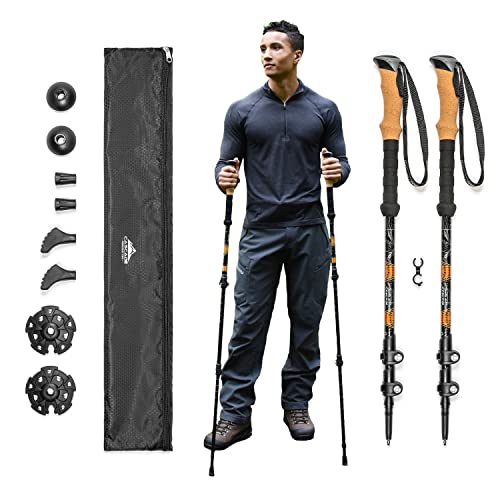 Cascade Mountain Tech Trekking Poles Check price
 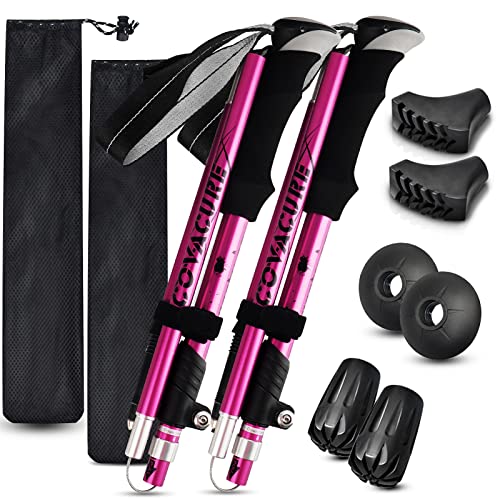 covacure Hiking Poles Check price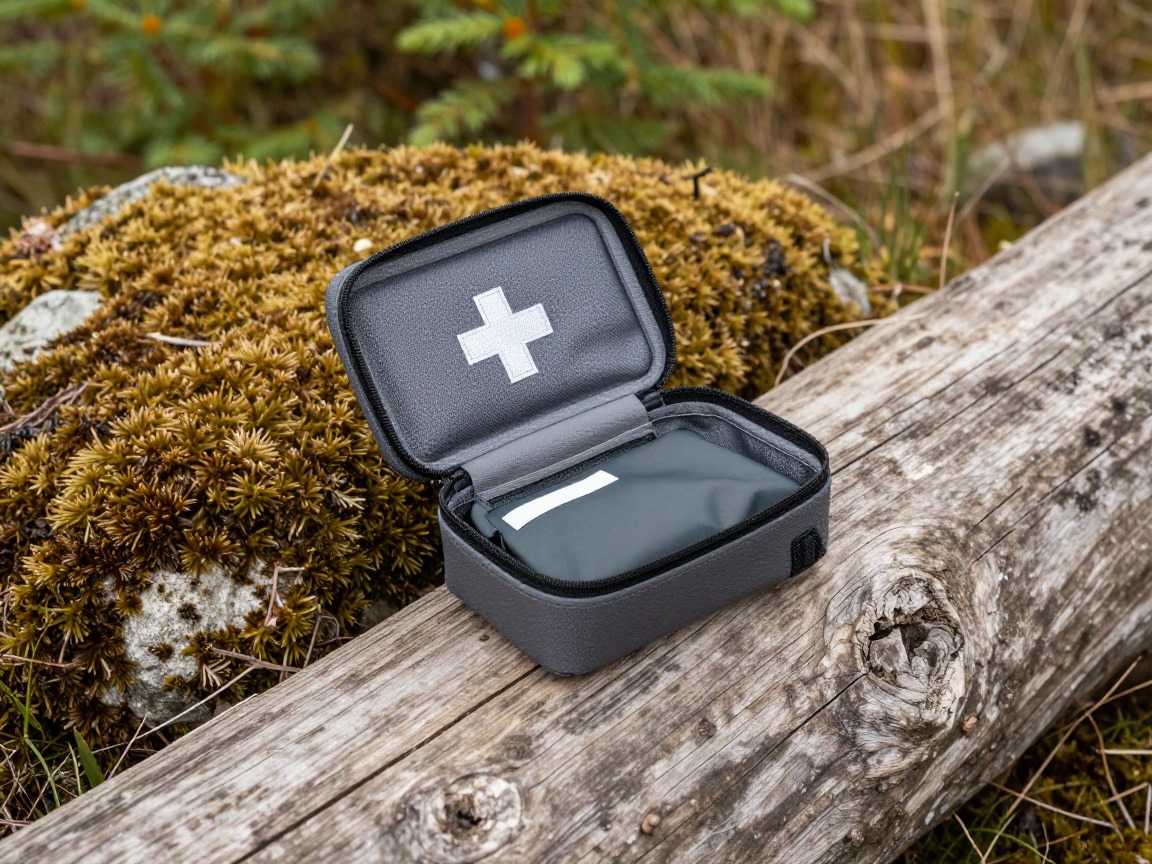
First-aid kit
Covers the cuts and scrapes that come from barnacles, oyster shells and slick rock more often than on a dry inland trail.
What to look for: A kit weighted toward cuts and scrapes, with something to clean a wound before it has a chance to get irritated by seawater or sand.
 Mini First Aid Kit - 150 Piece Small Waterproof EVA Hard Shell Case Check price
  Adventure Medical Kits Ultralight/Watertight Medical Kit .5 Check price
 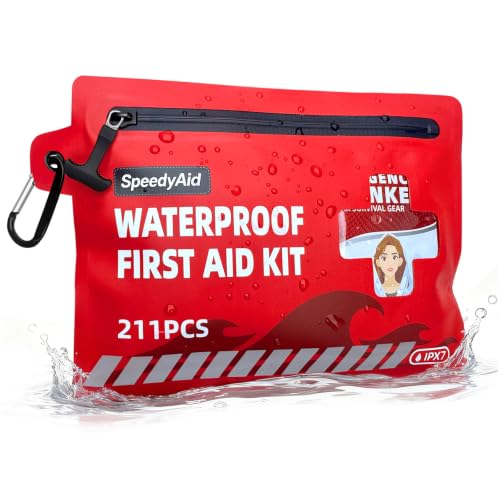 211 PCS Waterproof First Aid Kit Check price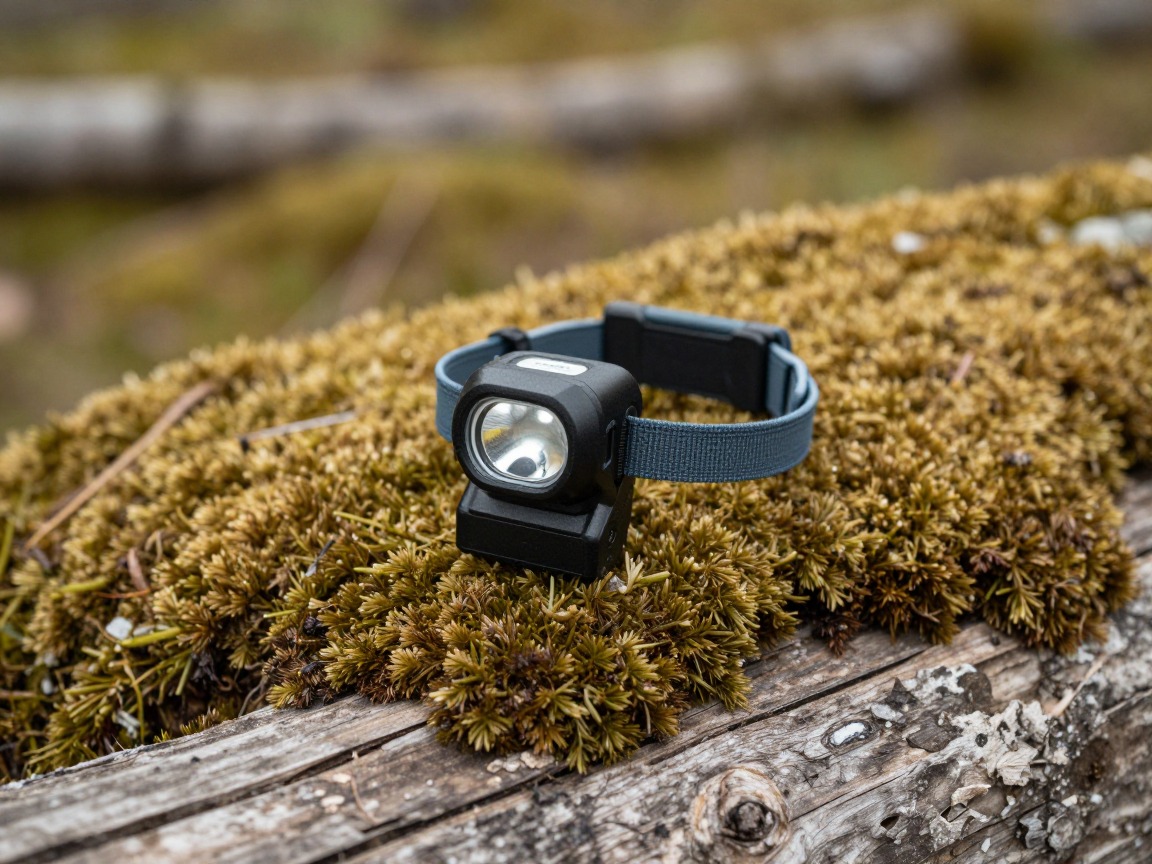
Headlamp
A margin of safety if the tide, the scenery or the walk back takes longer than planned and daylight runs out before you're clear of the beach.
What to look for: Enough output to pick a safe line back along the shore in the dark, and a strap secure enough not to blow off in an onshore wind.
 LHKNL Headlamp Flashlight Check price
 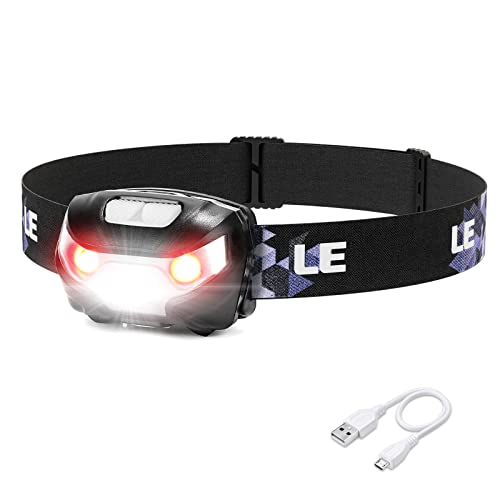 Lepro LED Headlamp Rechargeable IPX4 Waterproof Headlight 5 Modes - Check price
 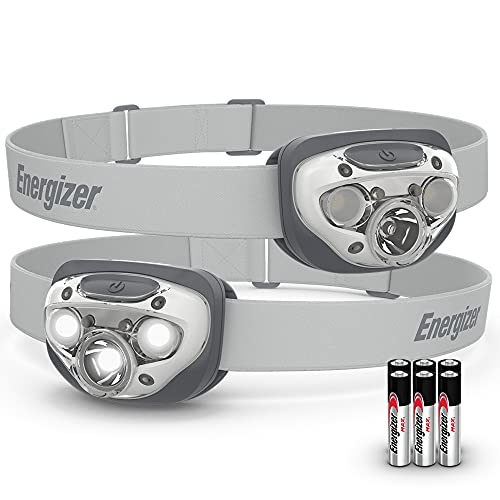 Energizer LED Headlamp PRO Check price
 - Check local tide tables before you go, not just the weather forecast — know the times of high and low tide for your hike
- Know your exits: identify high ground or an inland route you can reach if the tide comes in faster than planned, before you commit to a low-tide route
- Never treat a coastal cave, cove or headland reachable only at low tide as safe to linger in — know when the tide turns and leave before it does, not after
- If in doubt about timing, turn back early; a missed view is a minor disappointment, a cut-off tide crossing is not
How to adapt this setup
Lean harder on grippy water shoes and trekking poles for slick, barnacle-covered rock, and treat tide timing as the single most important part of your plan, not a footnote.
Footing is easier, but sun and wind exposure often run longer with no landmarks to break up the miles — a sun umbrella or extra sun-layer coverage is worth it if there's genuinely no shade for the whole hike.
Where tides swing several meters, a route that's dry sand at low tide can be entirely underwater a few hours later — build extra time margin into your turnaround and check the tide table twice, not once.
Plan around the slowest member's pace and an earlier, safer turnaround, keep everyone closer to the high-tide line than you would solo, and pack extra water and a towel for sandy, salty paws and feet.
Wind chill off the water can be sharper than inland temperatures suggest, so keep the wind shell even when sun protection matters less, and expect fewer people around if you need help.
Common mistakes to avoid
- Wearing standard hiking boots or trail runners that fill with sand instead of sandals or water shoes built for it.
- Checking the weather forecast but never the tide table, then finding your route back suddenly underwater.
- Assuming a filter or purification tablets will make seawater or tide-pool water drinkable — nothing removes salt.
- Underestimating wind chill off open water and skipping a wind layer because the sun makes it feel warm.
- Carrying a phone loose in a pocket instead of a dry bag, then losing it to spray or a wave.
- Lingering in a cove, cave or headland only reachable at low tide instead of leaving before the tide turns.
Make it yours
Frequently asked questions
How do I know when it's safe to hike a tidal beach or cove?
Check local tide tables before you go and plan your route around low tide with a clear buffer, not right up against high tide. Know what your route looks like at both extremes, identify an exit or high ground you can reach if you're running late, and leave any low-tide-only stretch before the tide turns rather than after.
Can I drink seawater or tide-pool water if I run out?
No. Seawater is far too salty to drink safely, and no camping water filter removes salt — filters strip out pathogens and sediment, not dissolved salt. Carry all the water you expect to need for a coastal hike, since there's no way to treat your way out of running low.
What shoes are best for a beach or coastal hike?
Sandals or water shoes generally outperform standard hiking shoes here, since they shed sand instead of trapping it and grip wet rock better once you're off dry sand. Look for a secure fit and enough coverage to protect your toes from barnacles or shell fragments on rockier stretches.
How do I protect my phone from sand and salt spray?
A simple roll-top dry bag is the easiest fix — keep your phone, keys and wallet in it any time you're near tide pools, spray or below the last high-tide line. Rinse your pack's zippers and hardware in fresh water once you're home, since salt air corrodes metal fasteners over time even if nothing gets directly wet.
Do I need sunscreen if it's windy or overcast at the beach?
Yes — wind and cloud cover don't block UV the way they block heat, and sand and water reflect a meaningful amount of sun back at you on top of what comes straight down. Reapply sunscreen more often than you would inland, especially after any spray, sweat or a swim.
Illustrative images show the type of gear, not specific products. Recommendations link to similar items on Amazon; we only ever link real listings and never show fabricated prices or ratings. General planning guidance, not a substitute for your own judgment or professional backcountry-safety instruction.