
The bushcraft & primitive camping setup
Bushcraft camping flips the usual packing list around. Instead of a piece of gear for every job, you carry a small number of excellent, versatile tools and the skill to make them do the rest. This is the setup built around a knife, a saw or axe, real fire craft, and a tarp shelter — plus the modern safety net you keep even while you're leaning on old-school skills.
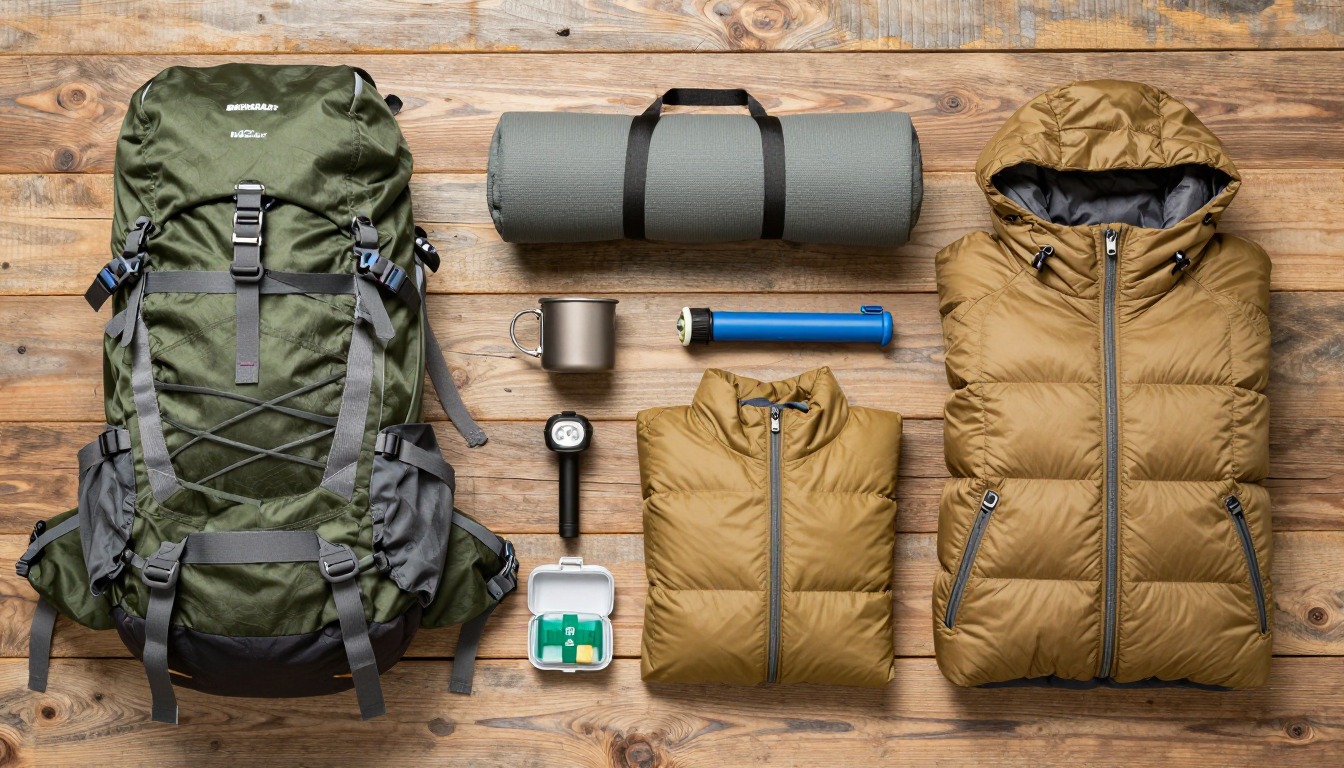
Bushcraft runs on a different premise than most modern backpacking kits: carry fewer, more versatile tools, and let skill fill the gap a specialized gadget would otherwise cover. A good knife and saw or axe process wood, help build shelter, and prep food. A ferro rod and real tinder make fire in conditions where a disposable lighter alone might struggle. A tarp pitches a dozen different ways instead of just one. None of that replaces judgment or practice — it just means your kit does more per pound, and asks more of you in return.
This setup suits experienced backcountry campers who already have the overnight basics down and want to build real wilderness skills — fire craft, edged-tool use, shelter building — on trips where an open fire is legal and appropriate. It isn't the place to start. If you haven't spent a night out yet, or you aren't comfortable handling a fixed blade and an open flame, build your foundation with the overnight or weekend backpacking setup first, then bring bushcraft skills in gradually, practiced at home before you lean on them in the backcountry.
- Start with the two core tools: a full-tang fixed-blade knife and a folding saw or hatchet/axe.
- Add fire craft — a ferro rod plus real tinder, backed up by a lighter or matches.
- Choose a tarp or canvas shelter and enough cordage to pitch it several different ways.
- Round out the kit with a metal pot for open-fire cooking and wool-forward clothing, then practice every skill at home before you rely on it in the field.
About this setup
Bushcraft flips the modern backpacking equation. Instead of a piece of gear for every job — a multi-tool, a firestarter cube, a synthetic puffy that melts if a spark lands on it — you carry a small number of versatile tools and the skill to make them do the work. A good knife and saw or axe help build a shelter frame, split kindling, and prep food. A ferro rod and real tinder make fire in conditions where a disposable lighter alone might not. It's a genuinely different way to pack, and it asks more of you than it does of your gear list.
Fire is the center of gravity for this kind of trip, and it's also where the most judgment is required. Restrictions change fast, especially in dry seasons and drought-prone regions — check current conditions before you leave, and be ready to camp without a fire if a ban is in effect. Leave No Trace applies just as much to a bushcraft fire as to any other: use an existing ring where one exists, burn only dead and downed wood, keep it small, and leave the site looking like you were never there.
None of this replaces the modern safety layer you'd carry on any overnight trip — a phone, a first-aid kit, a plan you've told someone at home. Bushcraft skills are additive, not a substitute for judgment, and the honest way to build them is slowly: practice knife and saw technique, fire lighting and tarp pitching somewhere low-stakes before you lean on them somewhere remote. Treat this setup as a layer added onto a solid overnight foundation, not a replacement for one.
The pack
Bushcraft gear runs bulkier than an ultralight kit — a knife sheath, a saw, cordage and a metal pot all take real space.
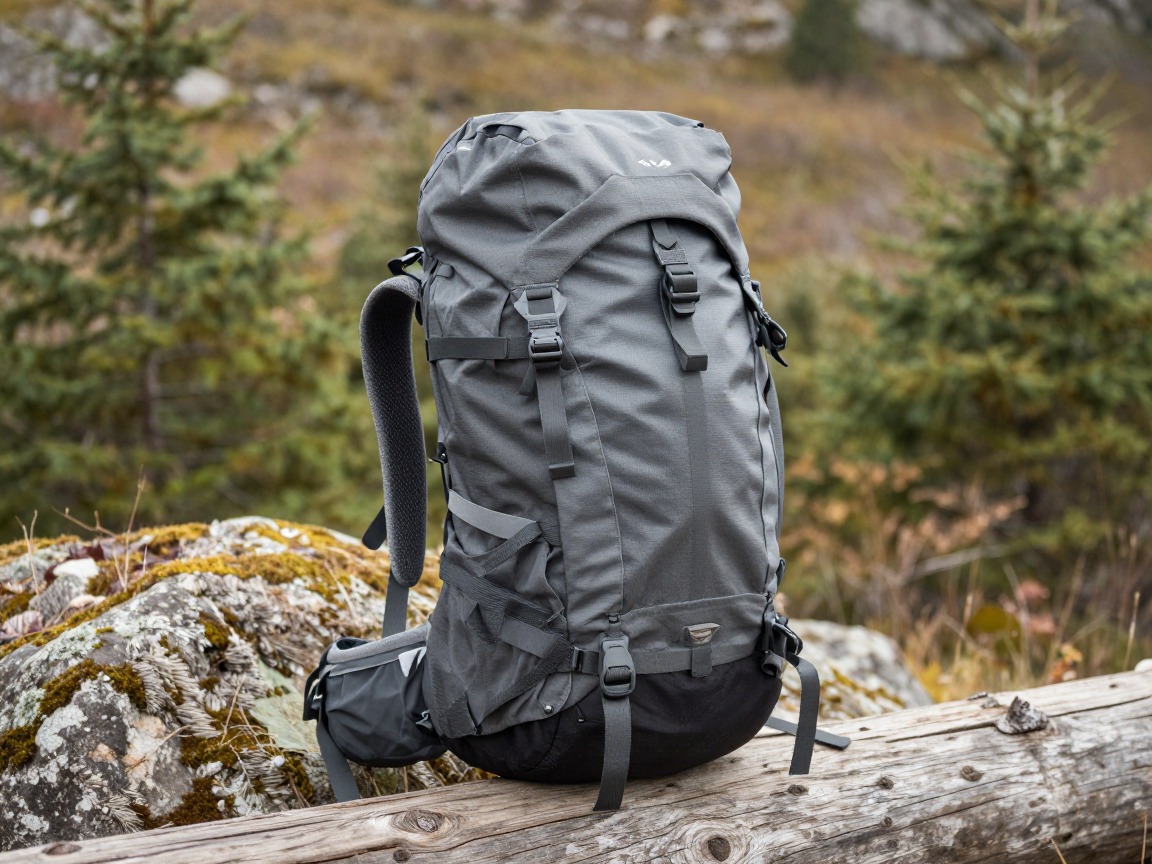
Bushcraft pack
Carries the tools, tarp, cordage and cook pot this setup relies on instead of a shelf of single-purpose gear — bulkier items than a typical weekend kit.
What to look for: A sturdy 45–55 L pack with external lash points or a sheath-friendly hip belt for a saw or axe, and a frame built to carry genuinely useful tools without complaint.
 WoneNice 50L Check price
  Teton 55L Scout Internal Frame Backpack for Hiking Check price
 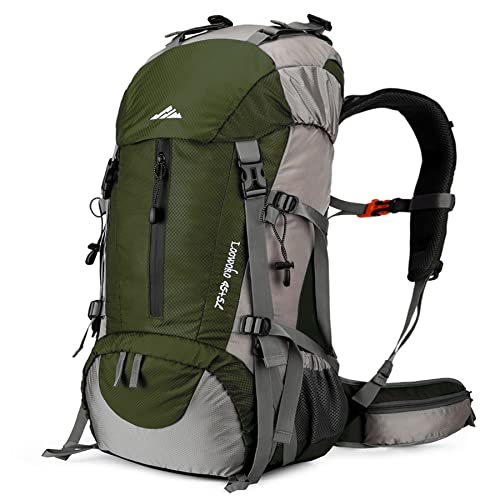 Loowoko 50L Hiking Backpack with Rain Cover for Both Men & Women Check price
 - Pack rain cover or liner — keeps cordage and tinder dry
Shelter
A tarp or canvas shelter is pitched, not popped up — it takes cordage, a few anchor points and some practice.
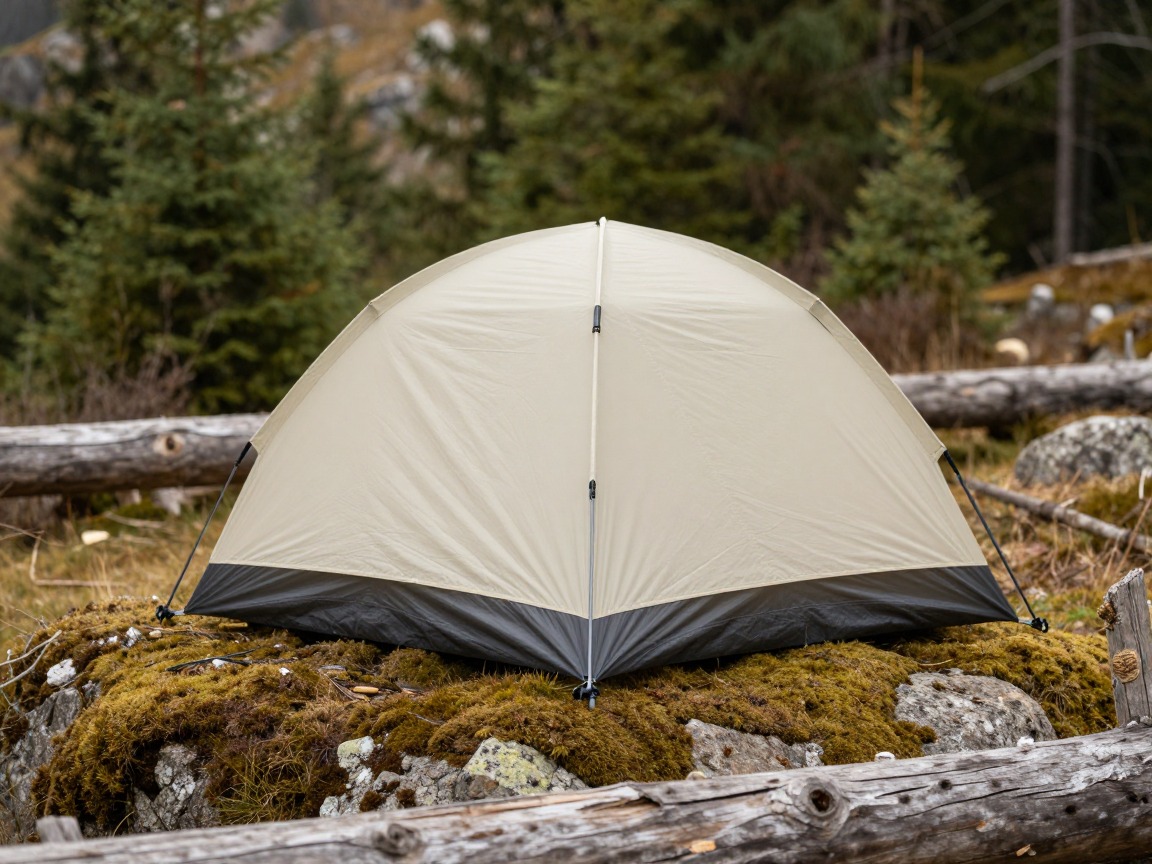
Tarp or canvas shelter
A flat or A-frame tarp (or a canvas equivalent) that pitches a dozen different ways depending on wind, rain, and the trees or poles you have to work with.
What to look for: A tarp sized generously for one person and gear (roughly 8x10 ft or larger), tie-out points on every edge and corner, and a fabric — silnylon, silpoly, or waxed canvas — that matches weight against durability.
 Night Cat 2-Persons Backpacking Tent: Waterproof Lightweight Camping Check price
  BISINNA 2/4 Person Camping Tent Lightweight Waterproof Backpacking T Check price
  Forceatt Tent for 2 Person is Waterproof and Windproof Check price
 - Stakes, or the skill to carve your own
- Extra guyline or cordage for non-standard pitches
- Ground tarp or natural bedding layer
Sleep system
Bushcraft trades gear for skill on tools and shelter, but most people still pack a real sleeping bag and pad — natural bedding built from scratch takes more skill than most trips allow.
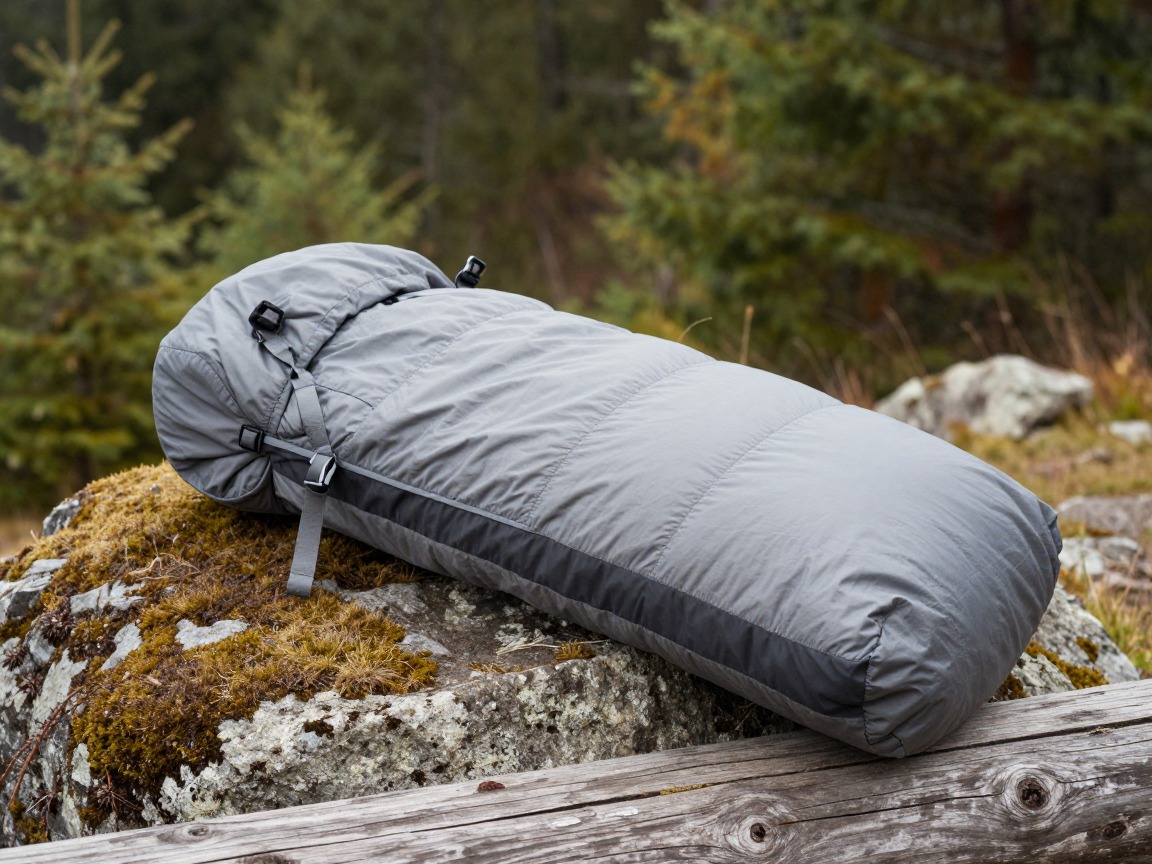
Sleeping bag
Keeps you warm overnight while the rest of the kit handles fire, shelter and tools — rated a little below the forecast low.
What to look for: A comfort rating a touch colder than the expected low, and a fill that handles the occasional stray spark or damp night better than a delicate, thin-shelled ultralight bag.
 MalloMe Sleeping Bags for Adults Cold Weather & Warm - Backpacking C Check price
 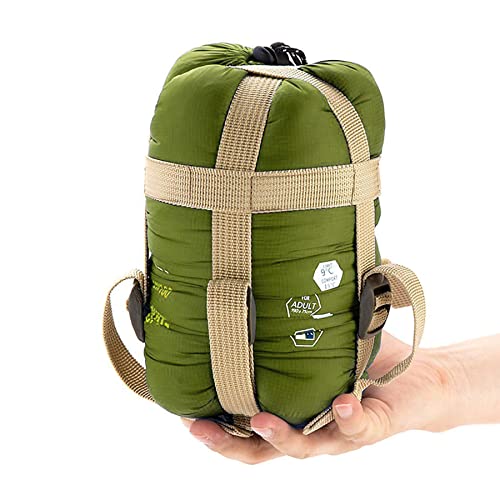 ECOOPRO Portable Check price
  Teton Trailhead Check price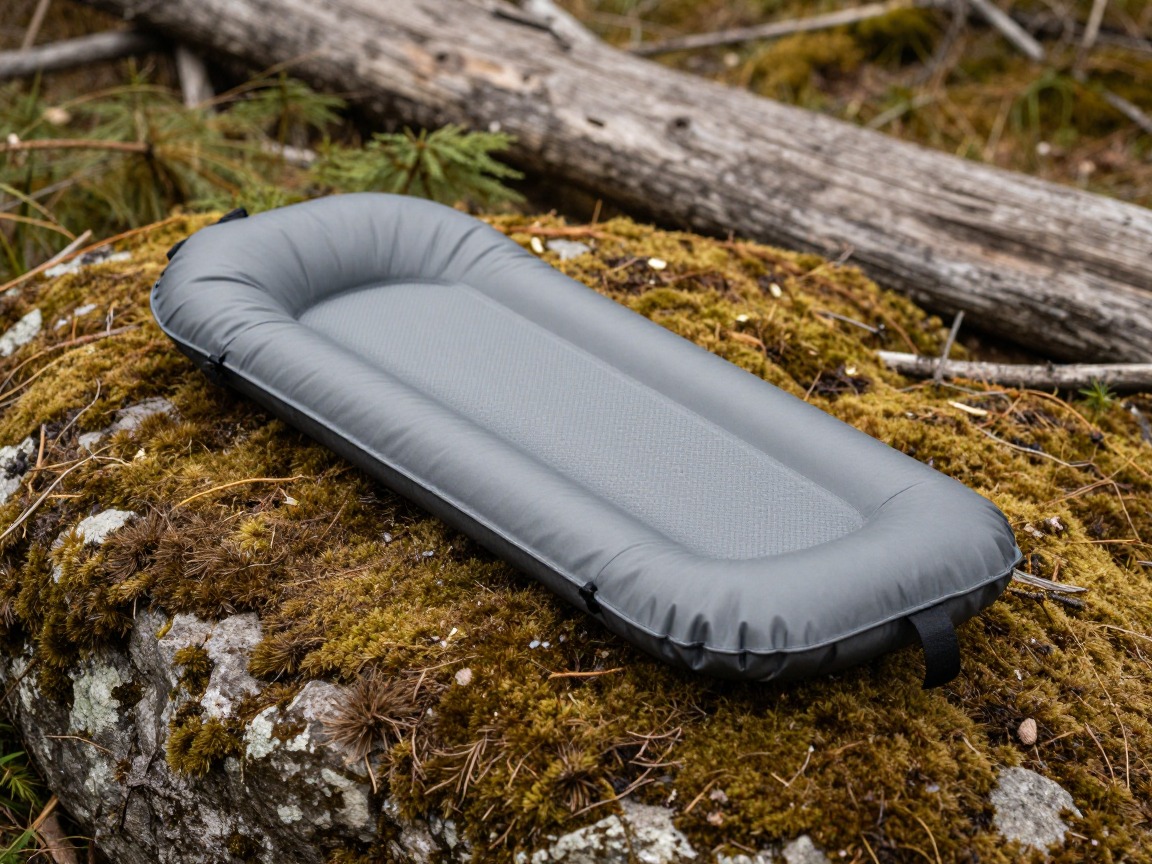
Sleeping pad
Insulates you from the cold ground under a tarp, where you don't have a tent floor to help.
What to look for: Enough R-value for the season (around 3+ for three-season nights) and enough puncture resistance for sticks, bark and the odd ember underfoot.
 FUN PAC Camping Sleeping Pad Check price
  Gear Doctors® Ether 17.5oz Ultralight Camping Sleeping Pad Check price
  Oramoose 4in Ultralight Camping Sleeping Pad with Pillow and Foot Pu Check price
 - Wool blanket as a supplemental layer, if you're leaning further into traditional materials
Cutting tools, fire craft & cooking
This is the heart of a bushcraft kit: a knife and a saw or axe to work wood, a ferro rod and tinder to make fire, and a metal pot to turn that fire into a meal.
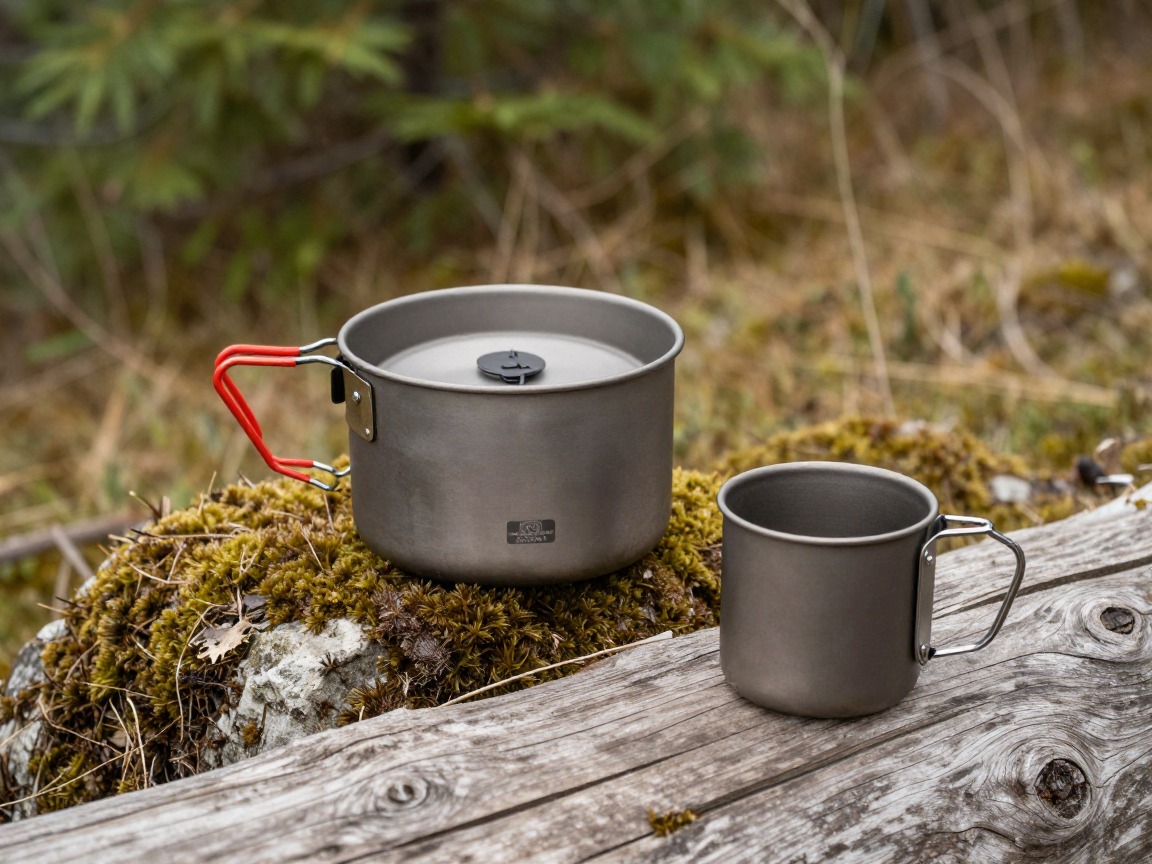
Open-fire cook pot
A single metal pot built to sit in coals or hang over a fire, not just a stove — it takes the soot and uneven heat a fire dishes out.
What to look for: Stainless steel or hard-anodized aluminum rather than a stove-only titanium pot, a wire bail handle you can hang over a fire, and roughly 700ml-1L of capacity for one person's meals.
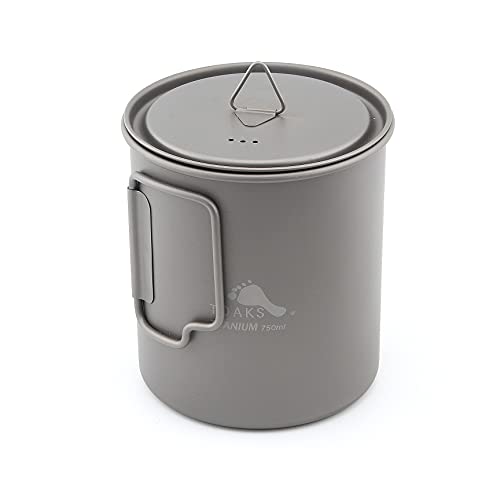 TOAKS Titanium 750ml Pot Check price
  TOAKS Titanium 750ml Pot with Bail Handle for Ultralight Camping Check price
  TOAKS Titanium 1100ml Pot with Pan Check price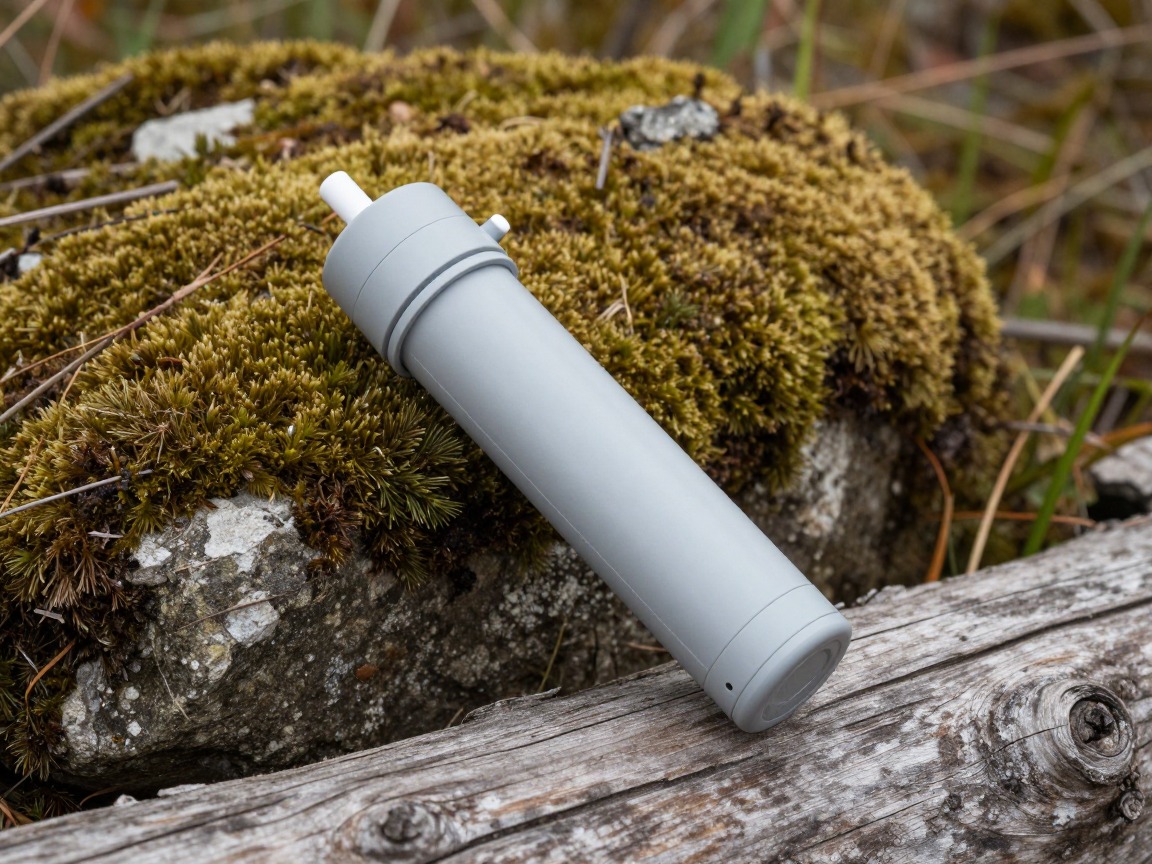
Water filter
Lets you draw safely from streams and lakes — an open fire doesn't replace treating your water.
What to look for: A simple, field-cleanable squeeze or gravity filter. Boiling over your fire is a reliable backup if the filter ever clogs.
 Sawyer Squeeze Water Filtration System Check price
  Sawyer Products SP128 Mini Water Filtration System Check price
  LifeStraw Personal Water Filter for Hiking Check price
 - Fixed-blade knife — full tang, for batoning kindling and carving
- Folding saw or hatchet/axe — check local rules before carrying an axe on public land
- Ferro rod + real tinder (char cloth, fatwood, or a commercial tinder)
- Lighter or waterproof matches as backup
- Bushcraft cordage — paracord or tarred bank line
- Small sharpening stone
- A way to fully extinguish a fire (water, dirt) before you leave
Clothing & layers
Wool and other natural fibers earn their place here — they're more forgiving of sparks and ember holes than the thin nylon shells on most modern insulation.
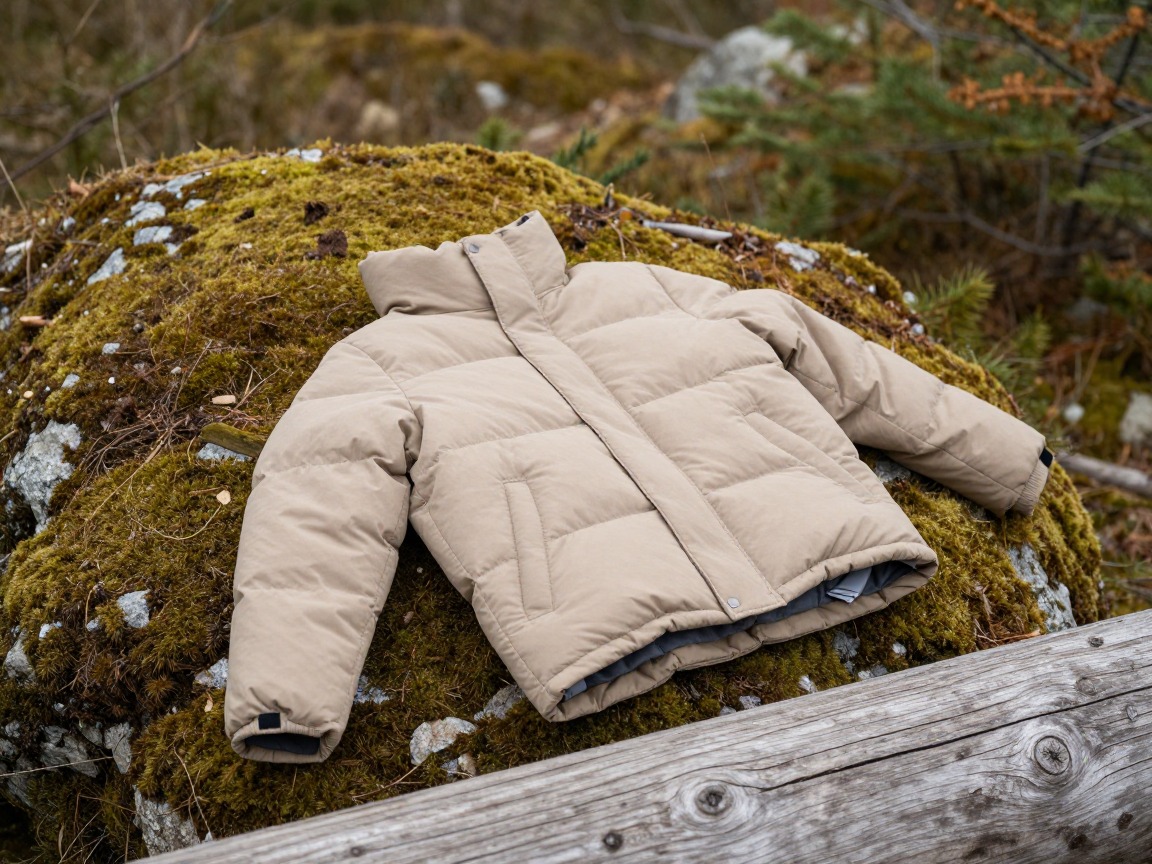
Insulating layer
Wool or fleece insulation for evenings around the fire and cool mornings, chosen partly because it holds up to sparks better than most synthetic puffies.
What to look for: Wool or a wool-blend fleece over a thin-shelled puffy — a stray ember burns a small hole in wool; it can melt straight through nylon.
 Outdoor Ventures Women's Packable Lightweight Puffer Jacket with Hoo Check price
  Amazon Essentials Women's Lightweight Long-Sleeve Water-Resistant Pa Check price
  Outdoor Ventures Women's Packable Lightweight Puffer Jacket with Hoo Check price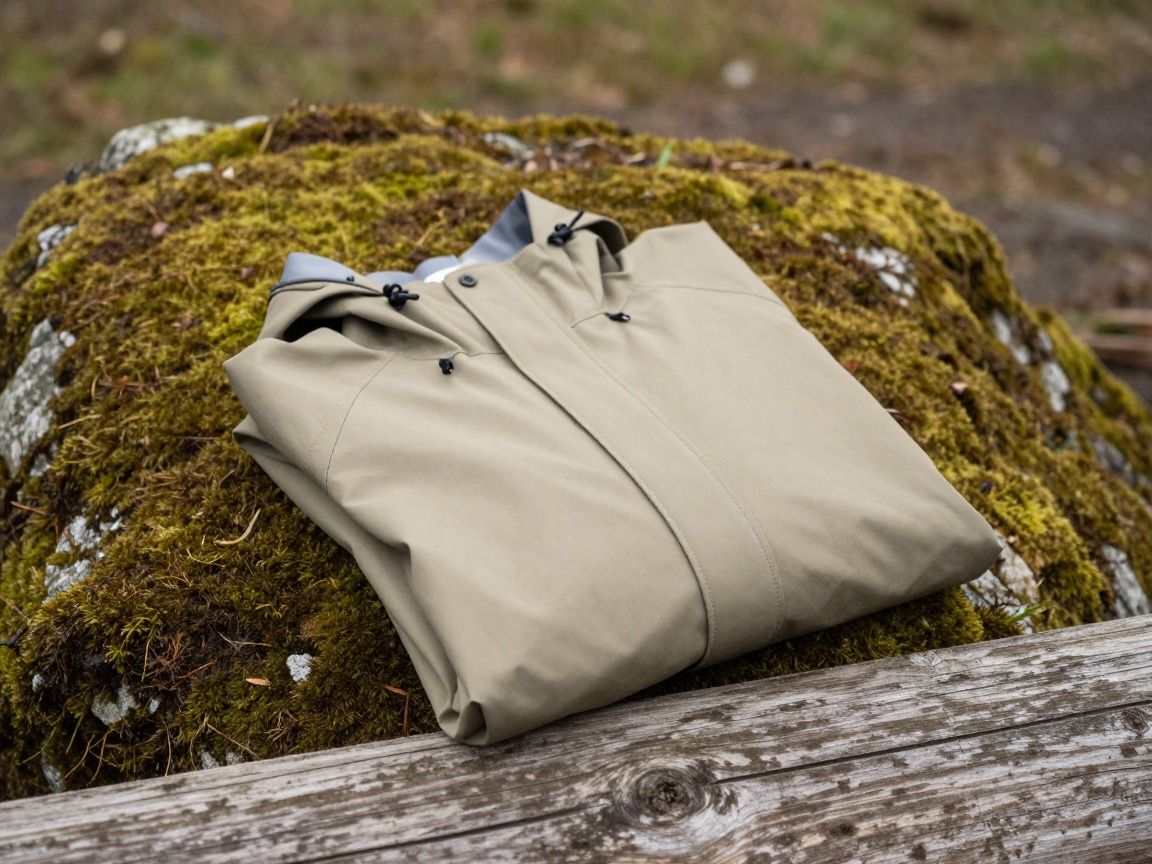
Rain shell
Waterproof protection for gathering wood, pitching a tarp, or tending a fire in the rain.
What to look for: Genuinely waterproof rather than water-resistant, with enough room to layer wool underneath.
 UIQUR Mens Rain Jacket Raincoat Waterproof Windbreaker Black L Check price
  COOFANDY Men's Waterproof Hiking Travel Shell Breathable Rain Jacket Check price
  Columbia Womens Arcadia II Waterproof Rain Jacket Check price
 - Durable wool or canvas pants and a long-sleeve shirt
- Sturdy leather work gloves for handling wood, the saw or axe
- Spare wool socks
- Wide-brim hat for sun and rain
Navigation, light & safety
A skills-first trip doesn't mean a skills-only trip — carry the same modern safety net you would on any overnight.
Headlamp
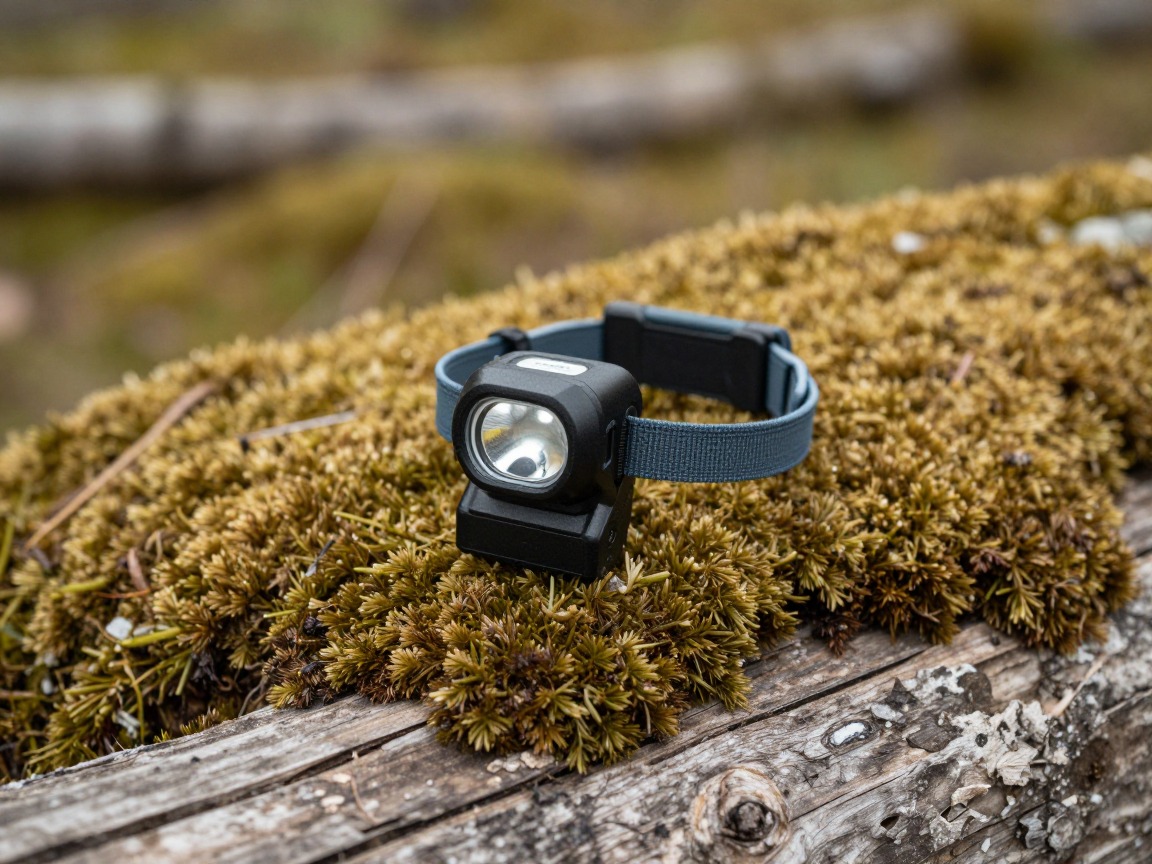
For tool work, fire tending and camp chores after dark — bushcraft evenings often run later around the fire than a typical camp.
What to look for: Enough brightness for close tool work, a red mode to protect your night vision at the fire, and batteries or a charge you trust for the trip.
 LHKNL Headlamp Flashlight Check price
 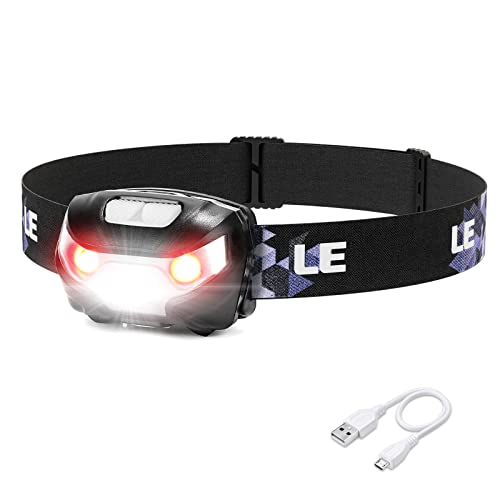 Lepro LED Headlamp Rechargeable IPX4 Waterproof Headlight 5 Modes - Check price
 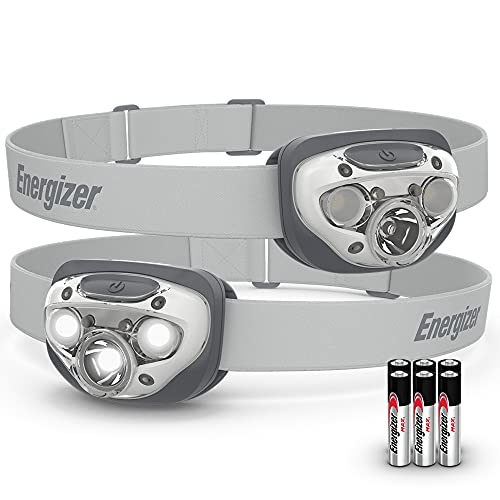 Energizer LED Headlamp PRO Check price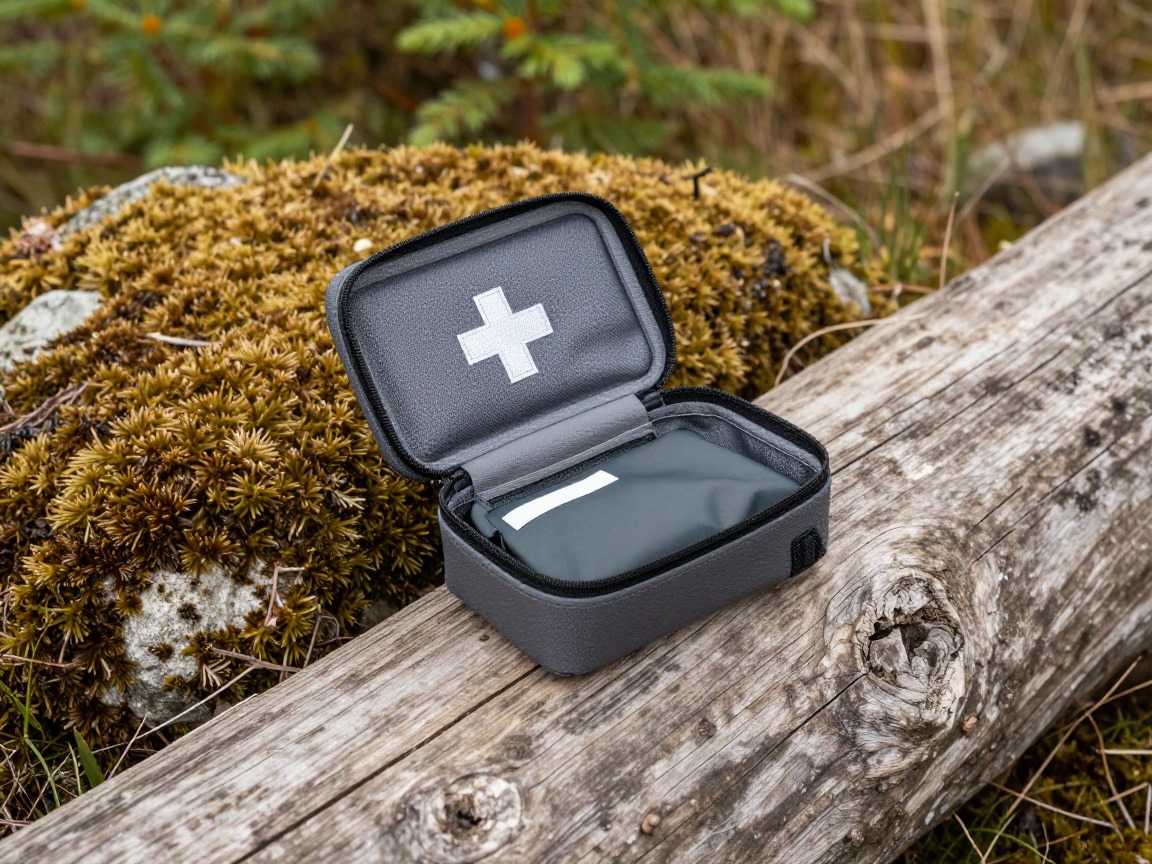
First-aid kit
Weighted toward the specific risks this kit carries — cuts from a blade and saw, and burns from an open fire — on top of the usual blisters.
What to look for: Real coverage for cuts and burns, not just blister care, plus any personal medication. Know when an injury means stopping and getting help rather than treating it yourself.
 Mini First Aid Kit - 150 Piece Small Waterproof EVA Hard Shell Case Check price
  Adventure Medical Kits Ultralight/Watertight Medical Kit .5 Check price
 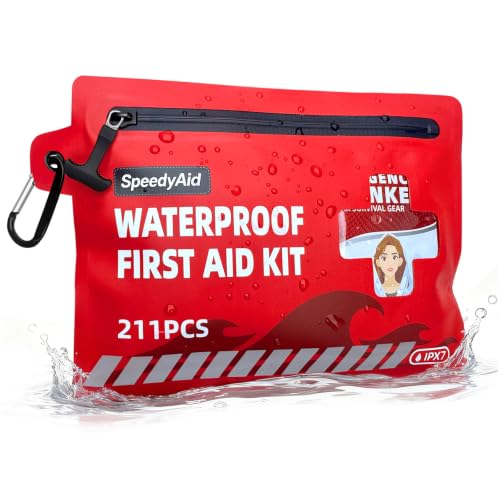 211 PCS Waterproof First Aid Kit Check price
 - Map + compass (backup electronic option is still smart)
- Whistle
- Phone + power bank
- Current fire-restriction check before you leave — conditions change fast in dry seasons
- Leave No Trace fire practice — existing ring where required, dead & downed wood only, fully extinguish before leaving
How to adapt this setup
Practice every skill — fire lighting, knife and saw technique, tarp pitching — in your backyard or at a car-camping site before you rely on them somewhere remote and alone.
When restrictions are in effect, this setup still works as a no-fire camp: cook on a backup stove, skip the open fire, and treat the knife, saw and cordage skills as shelter- and camp-craft rather than fire craft.
Wool layers and a tarp pitched low and tight do most of the work; add a warmer bag and pad, and accept that fire craft gets harder exactly when you need it most, so keep a backup stove in the plan.
Once the core kit feels natural, primitive skills like natural cordage, friction fire and debris shelters are the next layer — practice them as a supplement to this kit, not a replacement for it, until you've proven them under real conditions.
If the tools and fire craft feel like more than you want to manage, the weekend backpacking setup covers the same trip with a tent, a canister stove, and a lighter kit to carry.
Common mistakes to avoid
- Carrying an oversized 'survival' knife instead of a smaller, genuinely useful fixed blade — bigger isn't more capable, just heavier and harder to control.
- Relying on a ferro rod alone with no backup lighter or matches, especially in wet or windy conditions.
- Building a fire without checking current restrictions, or building one somewhere Leave No Trace principles say you shouldn't.
- Pitching an unfamiliar tarp configuration for the first time in the rain instead of practicing it at home first.
- Treating this as a skills-only trip and leaving the modern safety layer — phone, first aid, a plan told to someone — behind.
- Underestimating how much slower bushcraft camp chores are than a modern kit, and running out of daylight before the fire's built and dinner's cooked.
Make it yours
Frequently asked questions
What is bushcraft camping?
Bushcraft is a skills-first approach to camping that leans on a knife, a saw or axe, fire craft, and natural materials instead of a shelf of specialized gear. You still carry a pack, a tarp or shelter, and a way to sleep warm — the difference is how much of the work your tools and skill do versus a piece of gear doing it for you.
Do I need a special knife for bushcraft?
A full-tang fixed-blade knife is the standard choice — it holds up to batoning kindling and carving in a way folding knives generally don't. You don't need an oversized survival knife; a smaller, well-made blade you can control precisely is more useful for most bushcraft tasks than a large one.
Is it legal to build a campfire for bushcraft cooking?
It depends entirely on where you are and current conditions — check local, current fire restrictions before you leave, since they change quickly in dry seasons. Many areas require an existing fire ring or ban fires outright during drought. Always be ready to cook on a backup stove if a fire isn't allowed.
What's the difference between bushcraft and ultralight backpacking?
Ultralight backpacking minimizes weight by carrying less and lighter gear; bushcraft carries fewer but heavier, more versatile tools — a knife, a saw or axe, a metal pot — and relies on skill to fill gaps a specialized ultralight item would otherwise cover. The two philosophies can overlap, but they optimize for different things.
Can I do bushcraft camping without an axe?
Yes — a folding saw alone handles most firewood processing more safely and often more efficiently than an axe, and plenty of experienced bushcrafters skip the axe entirely. A good fixed-blade knife and a saw cover the vast majority of what a bushcraft trip actually needs.
Illustrative images show the type of gear, not specific products. Recommendations link to similar items on Amazon; we only ever link real listings and never show fabricated prices or ratings. General planning guidance, not a substitute for your own judgment or professional backcountry-safety instruction.