
The base-camp backpacking setup
Hike in once, set up a comfortable camp, then spend your days moving light. A basecamp trip lets you carry a few extra comforts on that single haul-in, plus a small day pack for the miles you cover out of camp each day. This setup covers both halves and how they nest together.
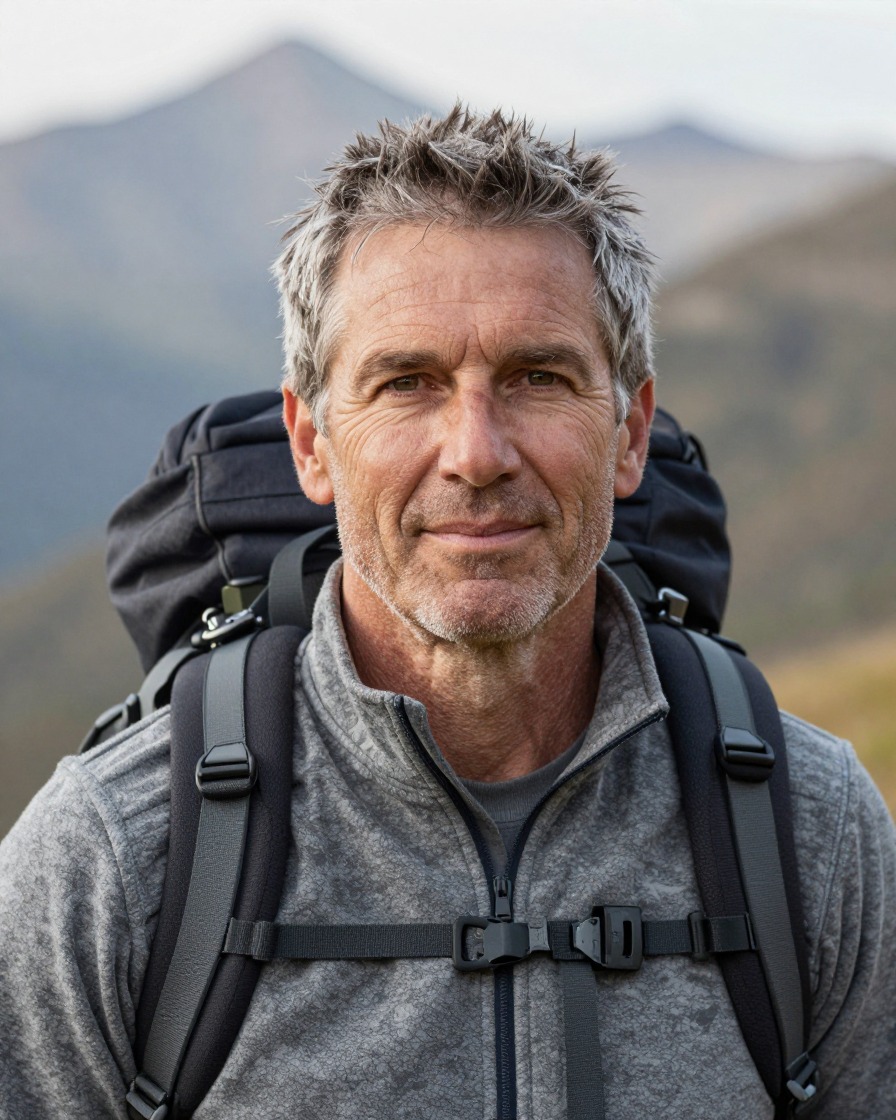
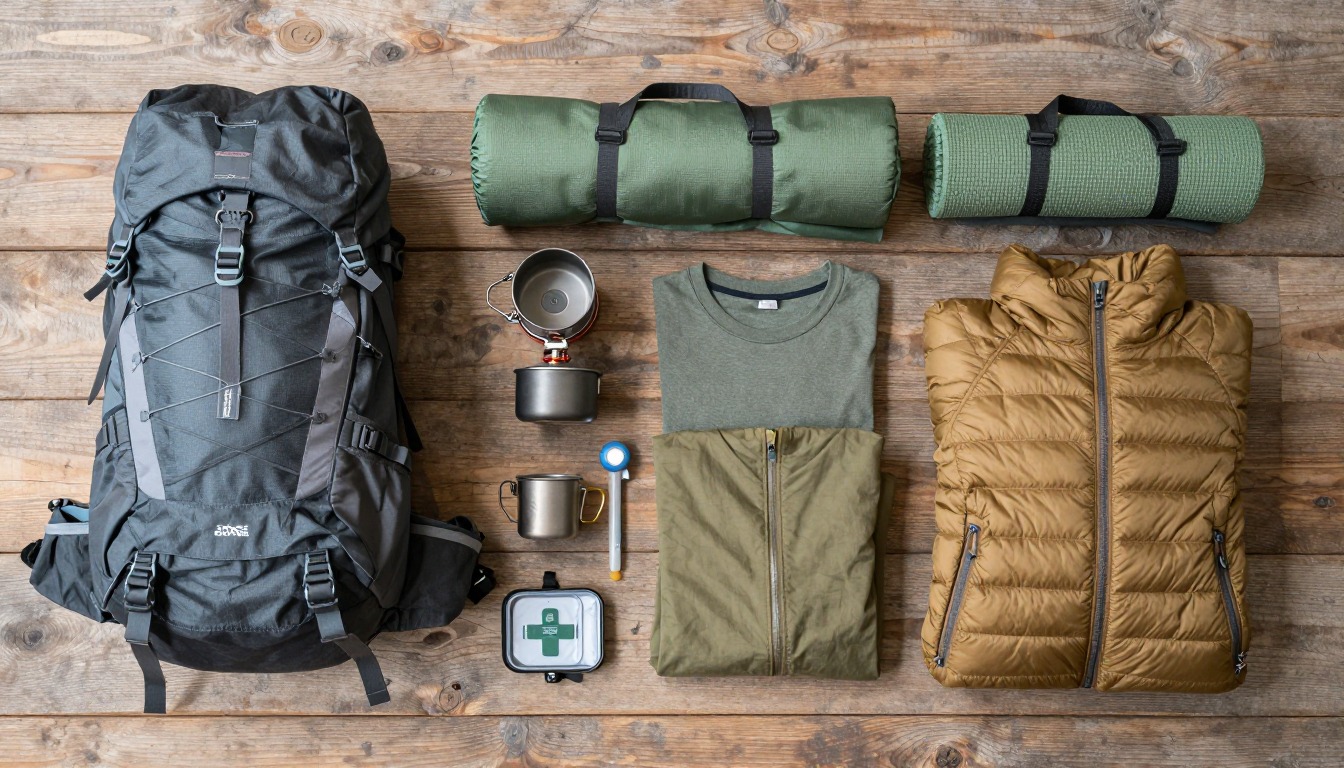
A basecamp kit is really two kits. The haul-in pack only travels twice, so it can afford real comfort: a roomier tent, a plusher pad, a second pot for actual cooking. The day pack travels every day you're out, so it stays as light as a normal day-hike kit. Build both on purpose and you get a real camp plus the freedom to explore further and lighter than carrying everything the whole time.
Hikers who want to stay several nights in one spot — an alpine lake, a valley, a basin below a peak — and day-hike, fish, or summit from there instead of moving camp daily. Suits families, anglers, photographers and peak-baggers working routes from one base. Covering distance or camping somewhere new nightly? The weekend or thru-hike lists fit better.
- Build the haul-in system first — pack, shelter, sleep and kitchen — sized for comfort, since it only moves twice.
- Choose a small day pack that nests inside or straps onto the big pack, sized for one day out and back.
- Split navigation and safety sensibly: a day's worth rides in the day pack, the rest stays at camp.
- Weigh the two packs separately — let the haul-in be comfortably heavier, but keep the day pack genuinely light.
About this setup
Basecamping is backpacking's best trick: you pay for a full overnight carry exactly once each way, then spend the days between moving as light as a day hiker. That trade — one heavy carry for several light, exploratory days — is why basecamping suits a long weekend at an alpine lake as well as a week based out of one backcountry valley.
Because the big pack only moves twice, treat it differently than a weekend kit. A roomier tent, a plusher pad, a second small pot for real cooking earn their keep in a way they wouldn't on a trip where you re-carry everything daily. The day pack gets the opposite treatment: it moves every day, so it stays as light and simple as a normal day-hike kit — water, food, a layer, the basics.
The two systems still work together. Camp needs its own food storage, water treatment and navigation for the stay; the day pack needs smaller versions of the same — a day's food, water and a lightweight route map. Plan both on purpose, and basecamping gives you a real camp to come home to, with the freedom to explore further and lighter than carrying it all yourself.
The pack system
Two packs, two jobs: a bigger pack that hauls camp in once, and a small pack nested inside it for day trips once camp is set.
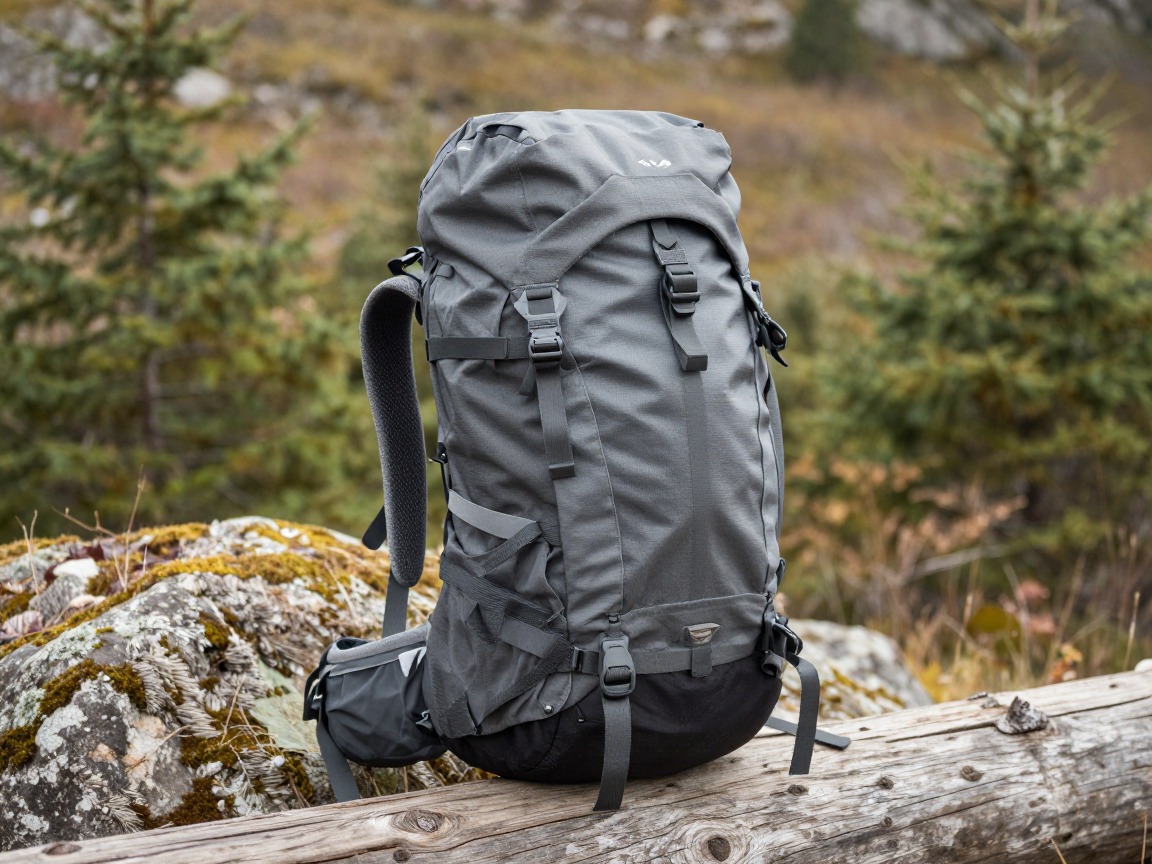
Basecamp backpack
Carries the whole camp system in on one long carry, then sits mostly empty at camp until you break it down.
What to look for: A supportive frame and hip belt for real load — basecamp packs often run heavier than a weekend kit. Look for 55–65 L and easy attachment points.
 WoneNice 50L Check price
  Teton 55L Scout Internal Frame Backpack for Hiking Check price
 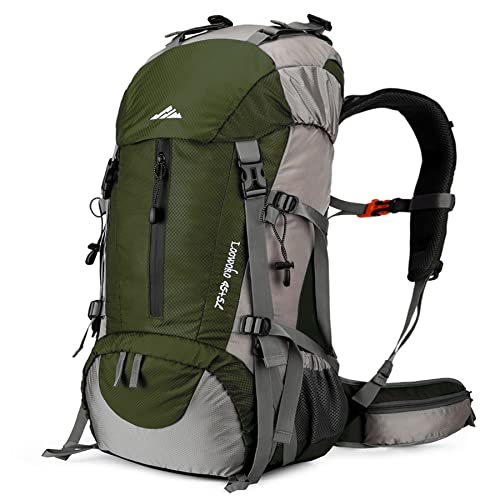 Loowoko 50L Hiking Backpack with Rain Cover for Both Men & Women Check price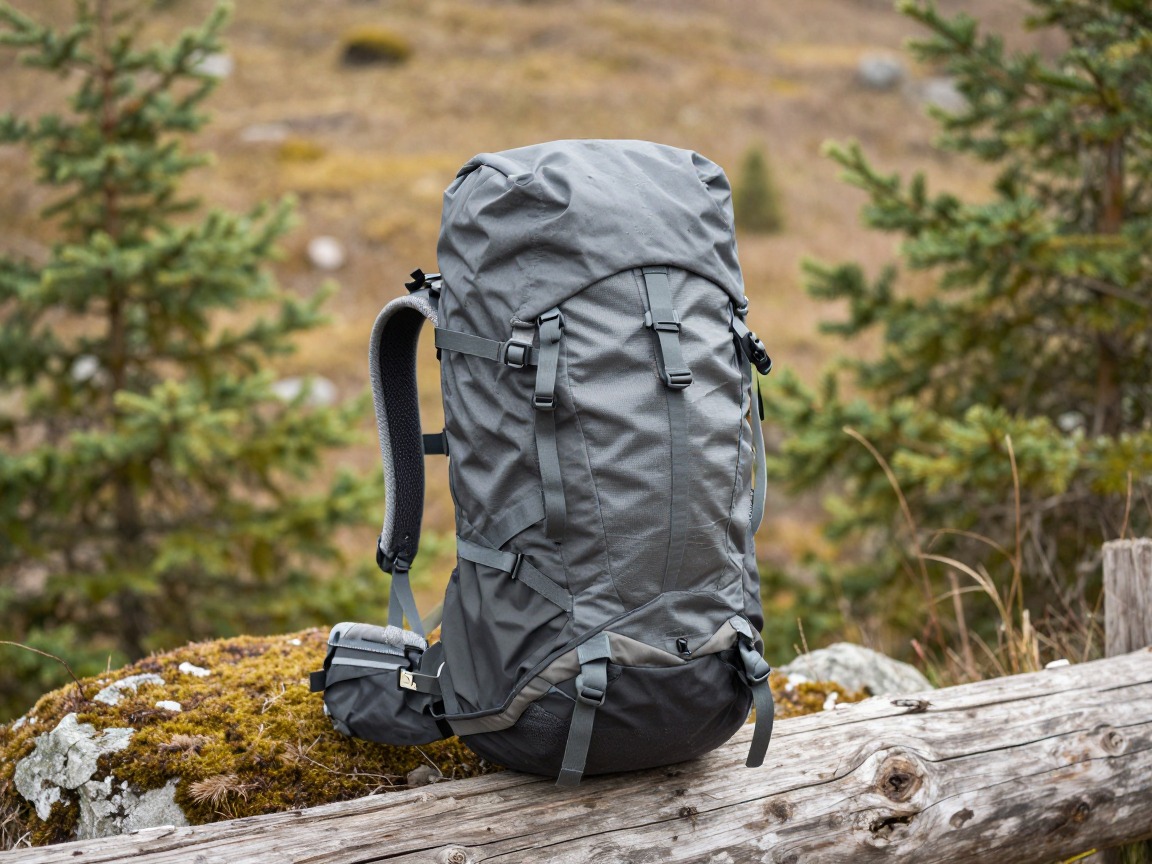
Day pack
Strips your kit to a single day's needs — water, food, a layer, safety basics — for the loops you explore from camp.
What to look for: 18–25 L is plenty, with a simple hip belt and room for a shell, food and water — no overnight gear needed.
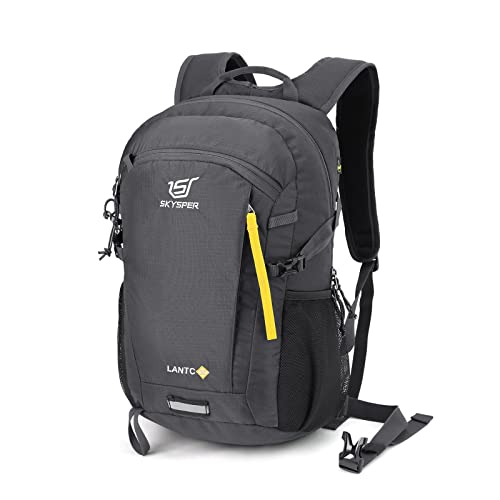 SKYSPER Small Hiking Backpack Check price
  Osprey Sportlite 20L Lightweight Hiking Backpack Check price
 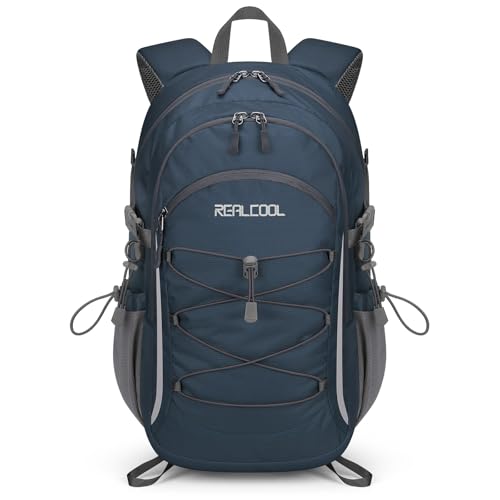 RealCool 20L Lightweight Hiking Backpack Check price
 - Pack rain cover or liner
- Compression straps for the emptied pack
- Packable camp chair or stool
Shelter & camp comfort
Pitched once and lived in for days, a basecamp tent is worth choosing for comfort, not minimum weight.
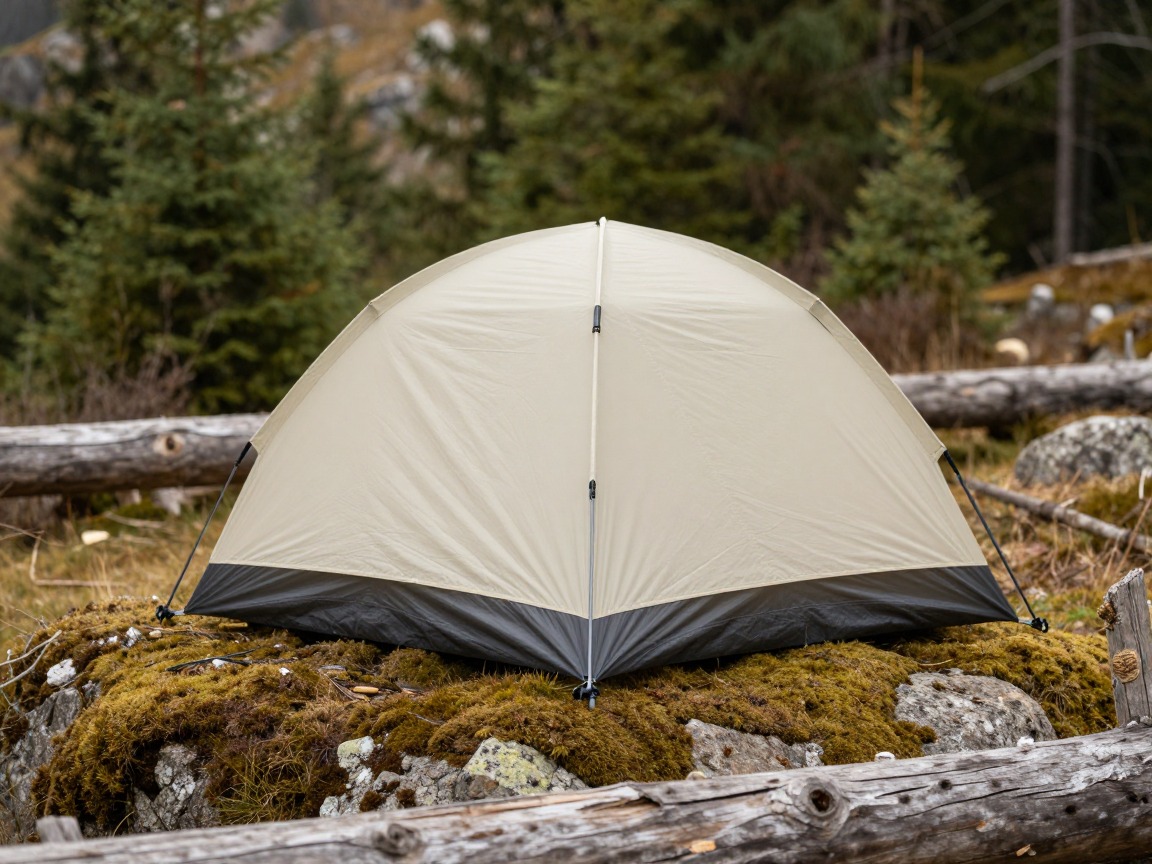
Basecamp tent
Your home base for the trip — pitched once, so extra room and vestibule space pay off more than on a fast-moving trip.
What to look for: A freestanding two- or three-person tent even for one or two people, a generous vestibule, and good ventilation for multi-day condensation.
 Night Cat 2-Persons Backpacking Tent: Waterproof Lightweight Camping Check price
  BISINNA 2/4 Person Camping Tent Lightweight Waterproof Backpacking T Check price
  Forceatt Tent for 2 Person is Waterproof and Windproof Check price
 - Stakes & guylines
- Groundsheet or footprint
Sleep system
Same warmth math as any overnight trip, sized to the coldest night you'll actually spend at camp.
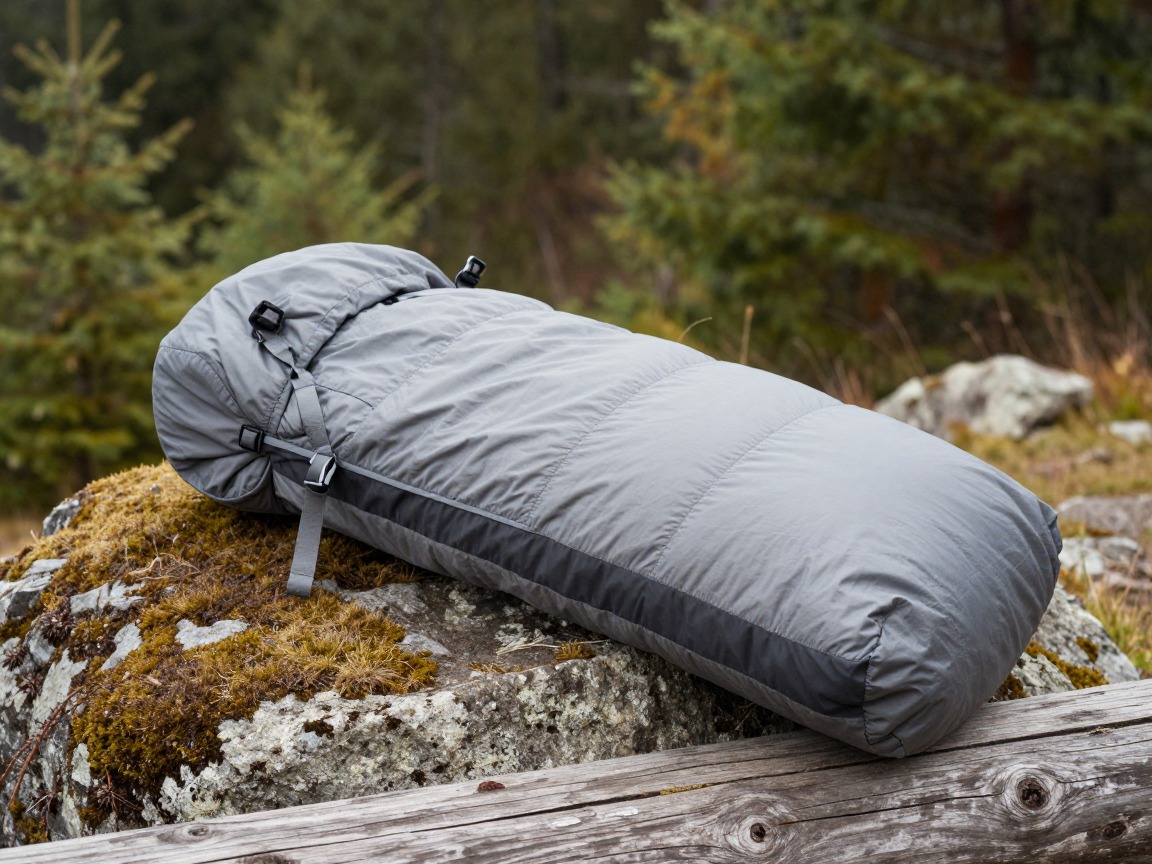
Sleeping bag
Rated to the coldest night at your camp's elevation — often colder and windier than the trailhead forecast suggested.
What to look for: A comfort rating below your coldest expected night, a hood and draft collar that seal well, and a fill matched to conditions.
 MalloMe Sleeping Bags for Adults Cold Weather & Warm - Backpacking C Check price
 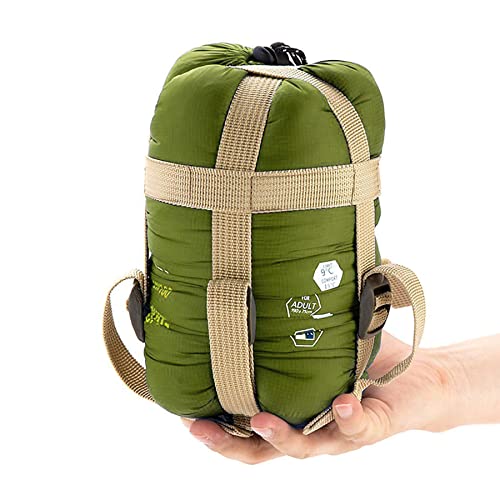 ECOOPRO Portable Check price
  Teton Trailhead Check price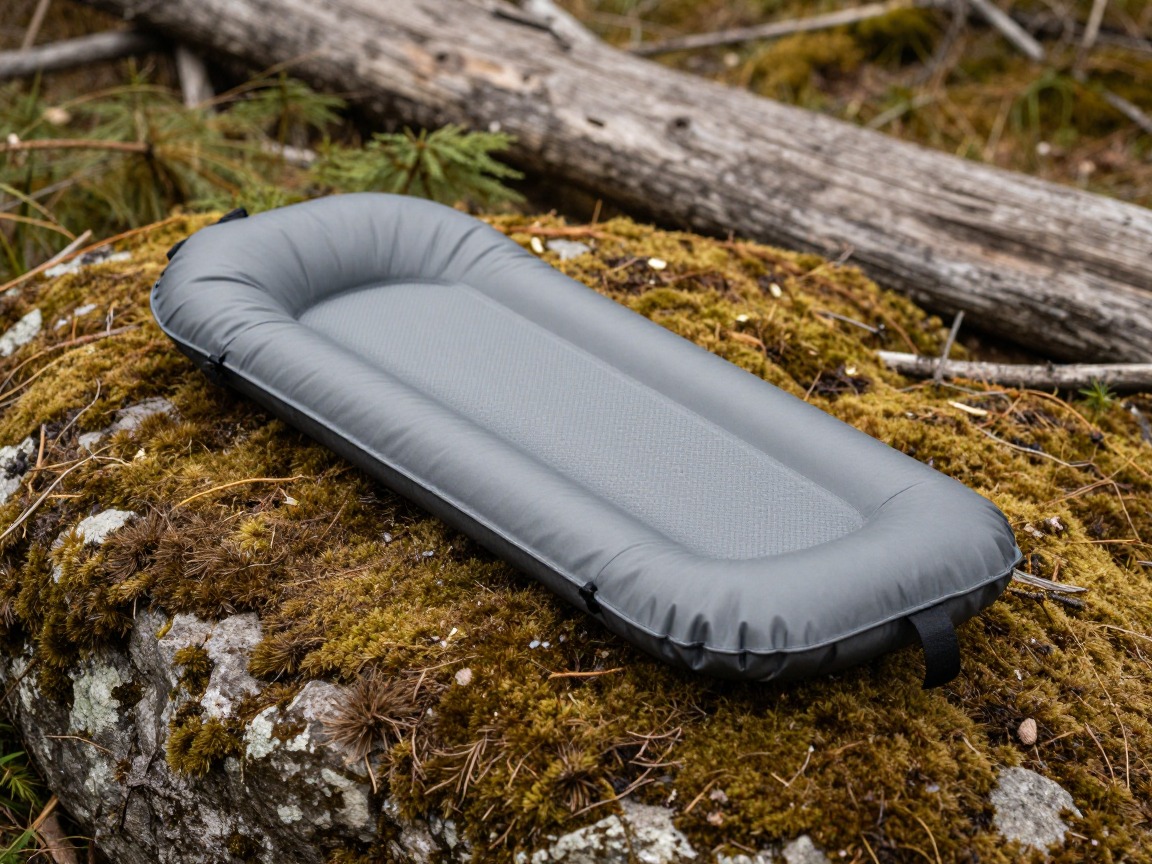
Sleeping pad
Insulates you from the cold ground for several nights running; a slightly plusher pad is an easy comfort upgrade here.
What to look for: Enough R-value for the ground and season (3+ for three-season). Size up in thickness and width over a weekend-trip choice.
 FUN PAC Camping Sleeping Pad Check price
  Gear Doctors® Ether 17.5oz Ultralight Camping Sleeping Pad Check price
  Oramoose 4in Ultralight Camping Sleeping Pad with Pillow and Foot Pu Check price
 - Inflatable pillow
- Light groundsheet or blanket for lounging outside the tent
Basecamp kitchen
Days in one spot let cooking get more ambitious, but a reliable stove, one good pot and treated water still do most of the work.
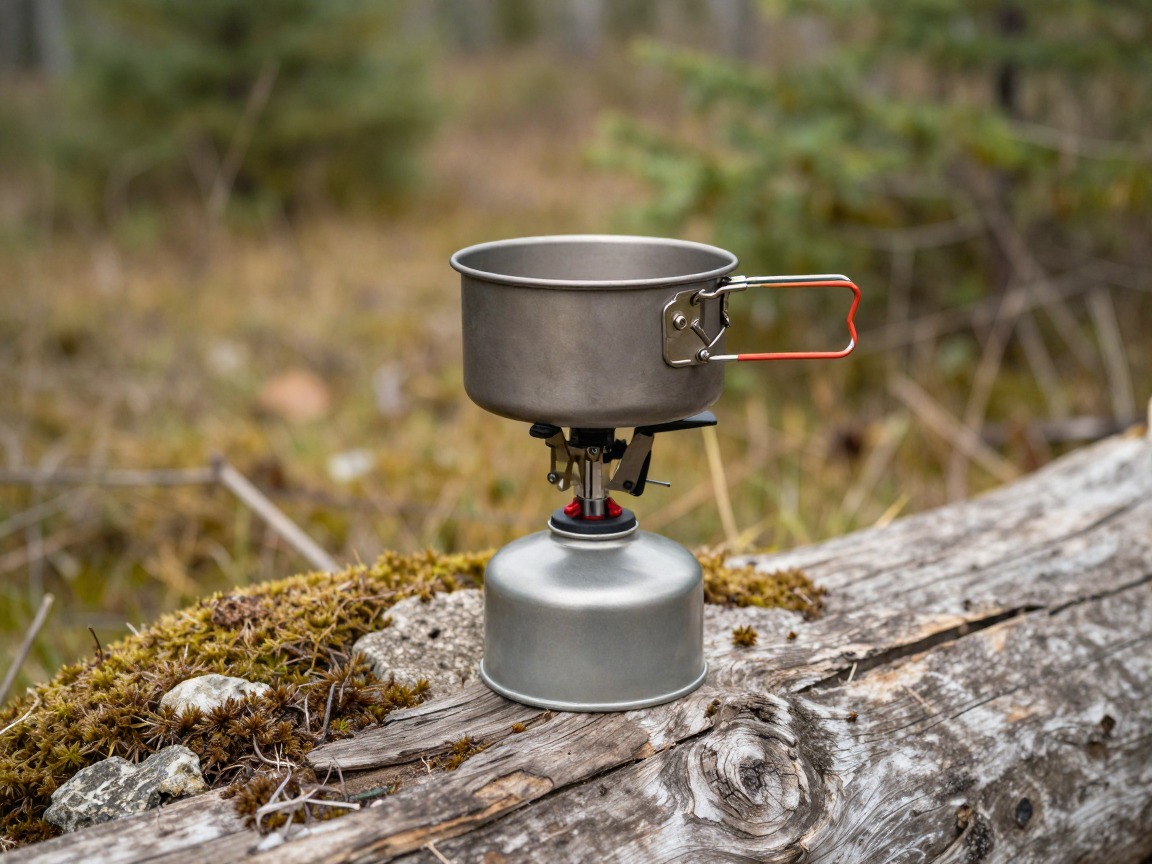
Camp stove
Boils water for dinners, hot drinks and breakfasts for the whole stay; basecamping can justify a slightly larger, more stable stove.
What to look for: Good simmer control for real meals, a stable wide base, and fuel budgeted for the entire stay.
 AOTU Portable Camping Stoves Backpacking Stove with Piezo Ignition S Check price
  MSR PocketRocket 2 Ultralight Camping and Backpacking Stove Check price
  Fire-Maple Greenpeak 1 Camping Stove with Piezo Ignition Portable Ga Check price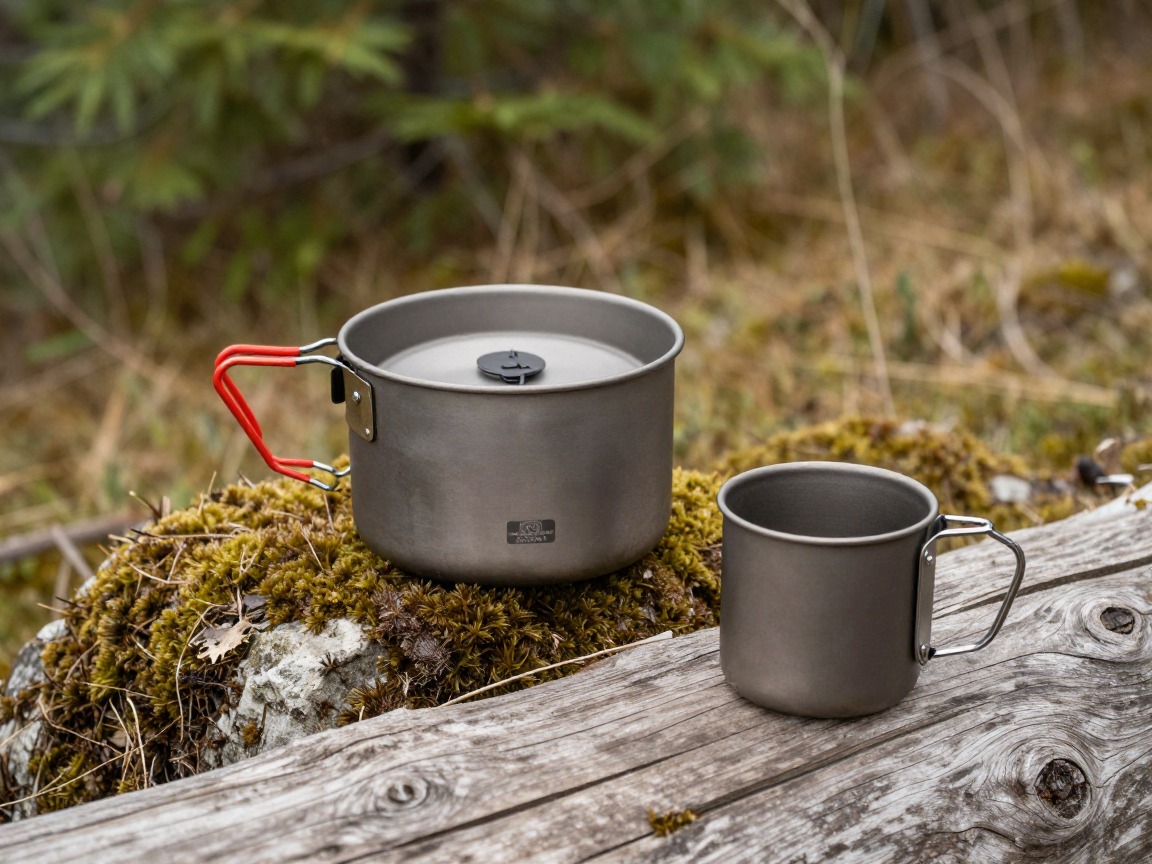
Pot & pan
One pot handles most meals, but a second small pot or pan opens up cooking you wouldn't pack on a fast trip.
What to look for: A main pot in light metal sized to the group, plus a second small pot worth the extra ounces if you're leaning into comfort.
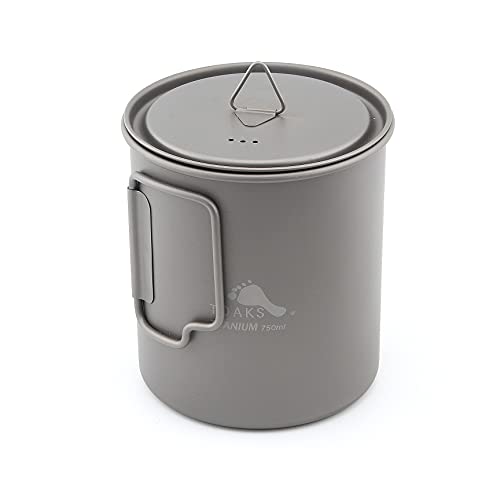 TOAKS Titanium 750ml Pot Check price
  TOAKS Titanium 750ml Pot with Bail Handle for Ultralight Camping Check price
  TOAKS Titanium 1100ml Pot with Pan Check price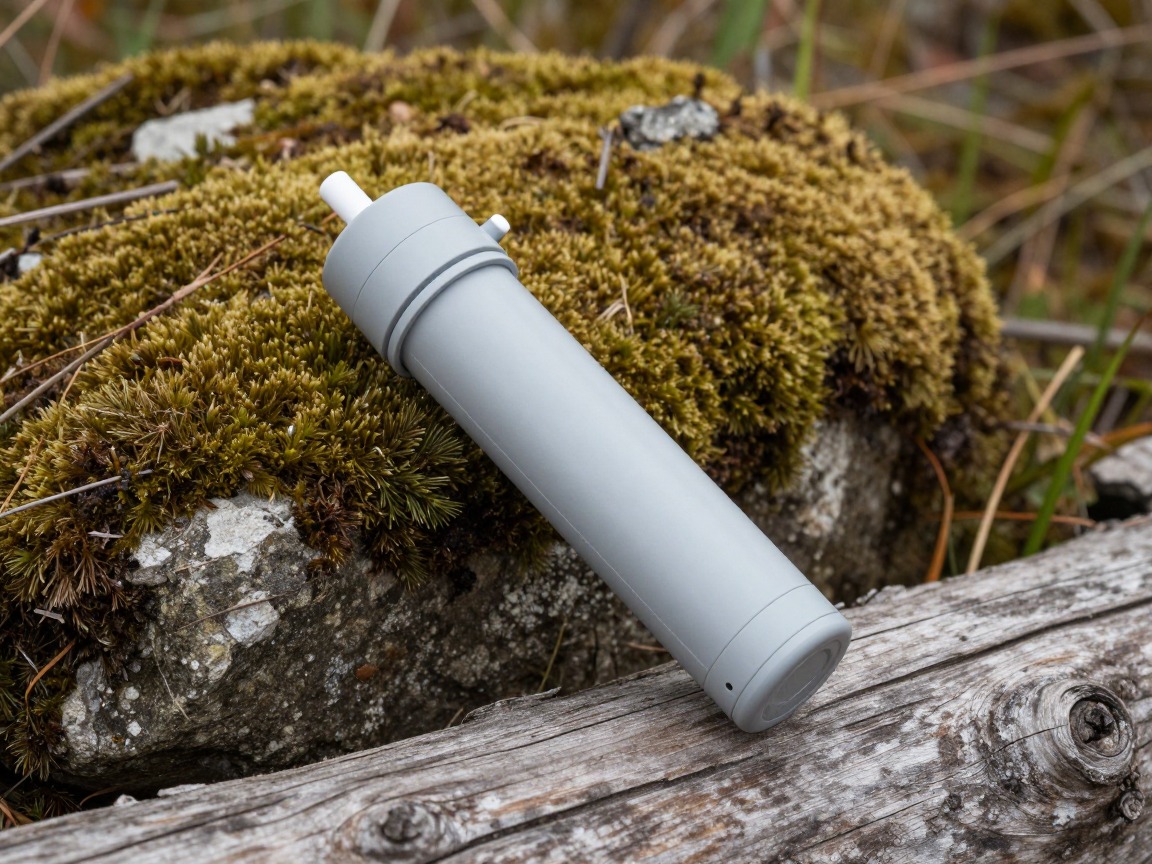
Water filter
Treats stream, lake or spring water right at camp, so you're not hauling days of drinking water in.
What to look for: A gravity or pump filter that processes a full camp's supply efficiently — you're filtering for the whole stay, not one day.
 Sawyer Squeeze Water Filtration System Check price
  Sawyer Products SP128 Mini Water Filtration System Check price
  LifeStraw Personal Water Filter for Hiking Check price
 - Fuel canister, sized for the whole stay
- Food storage (canister/bag + hang line)
- Water bottle or soft flask for day hikes, refilled at camp
- Day's snacks & lunch, packed fresh each morning
Clothing & layers
Pack for two jobs — sitting still at a cold camp, and moving on a warm day hike — which call for slightly different choices.
Base layer
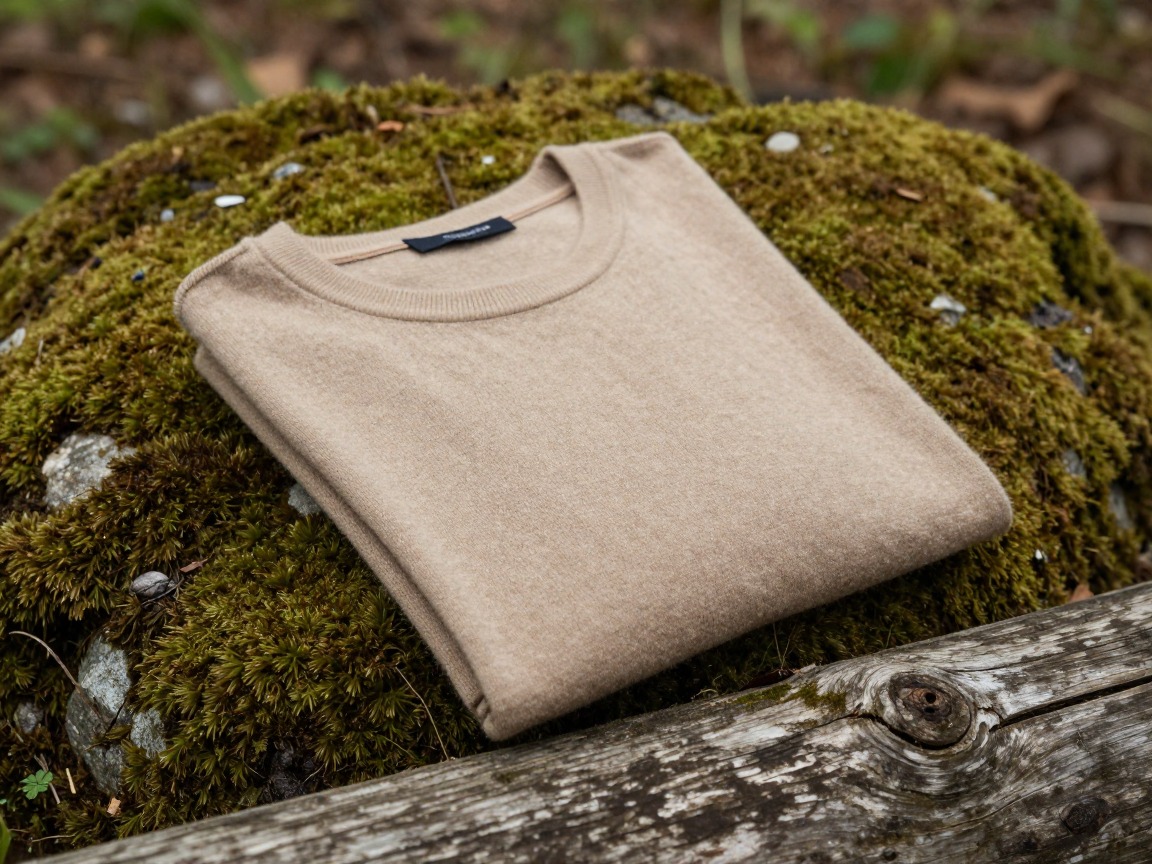
Worn most days under whatever else you're layering, so odor resistance over multiple wears matters as much as warmth.
What to look for: Merino or a blend for the days-in-a-row test, a fit that layers under both camp insulation and day-hike shells.
 100% Merino Wool Base Layer Men Set - Thermal Underwear for Men Long Check price
  Merino.tech Merino Wool Base Layer Women Set - Heavyweight Check price
  100% Merino Wool Base Layer Men Set - Thermal Long Underwear with Ba Check price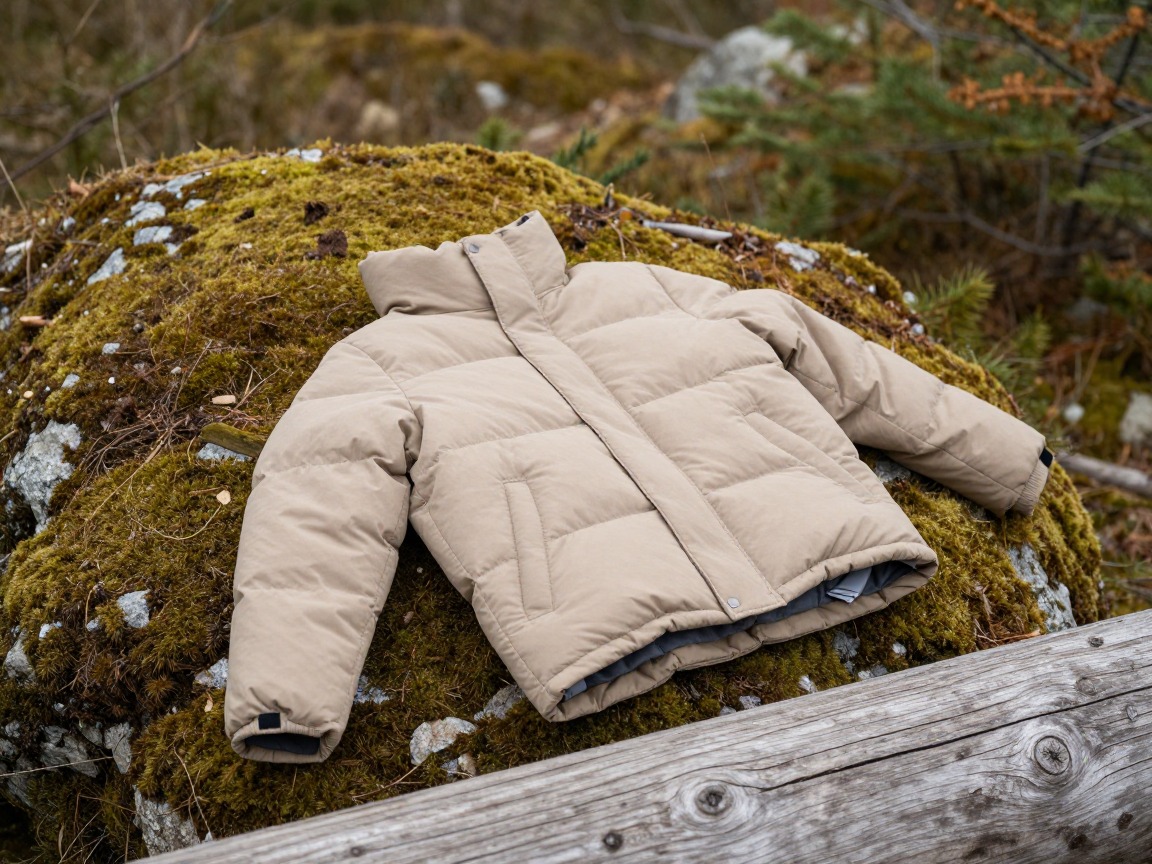
Insulating layer
Your evenings-at-camp layer — since it lives at camp more than in the day pack, choose it for real warmth over minimal weight.
What to look for: The warmest packable puffy you're willing to carry once: down for a dry camp, synthetic if you're near water.
 Outdoor Ventures Women's Packable Lightweight Puffer Jacket with Hoo Check price
  Amazon Essentials Women's Lightweight Long-Sleeve Water-Resistant Pa Check price
  Outdoor Ventures Women's Packable Lightweight Puffer Jacket with Hoo Check price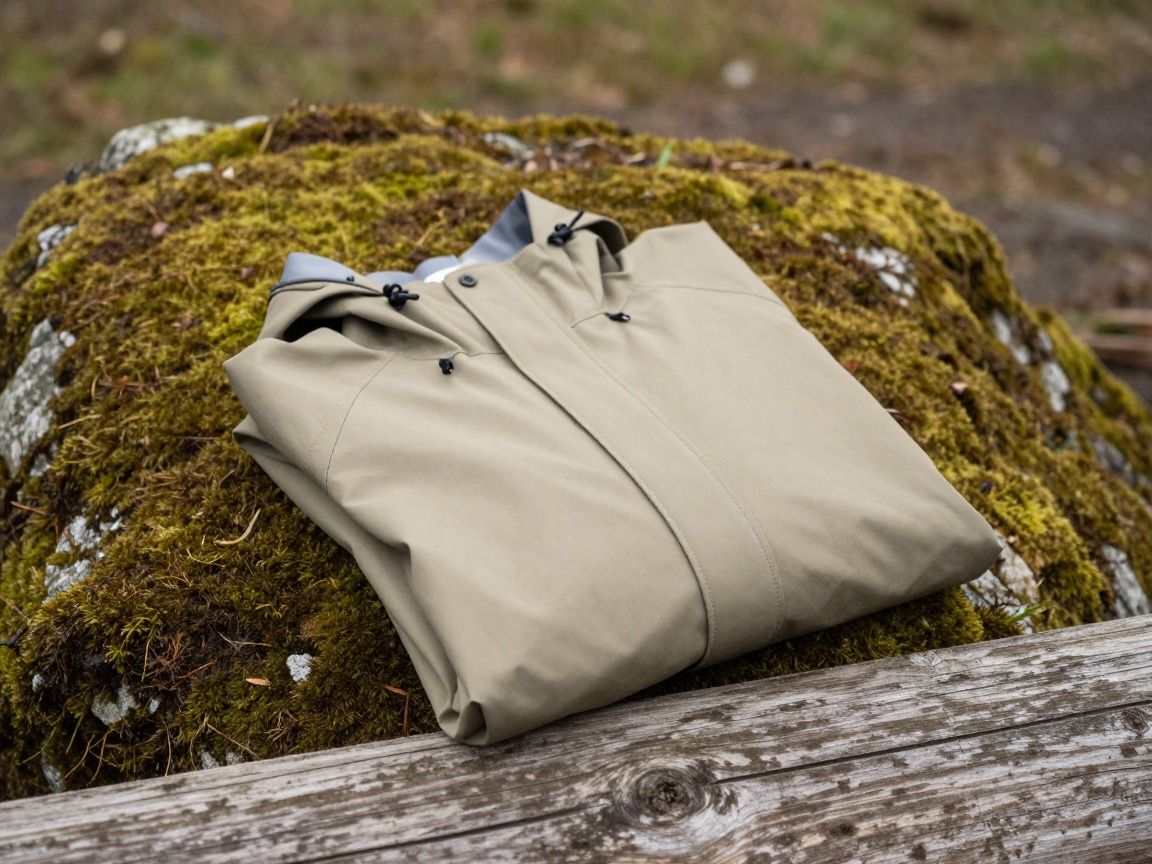
Rain shell
Doubles as your camp wind layer and your day-hike rain shell, so it needs to work for both.
What to look for: Genuinely waterproof and breathable, with pit zips for day-hike miles and room to layer over insulation at camp.
 UIQUR Mens Rain Jacket Raincoat Waterproof Windbreaker Black L Check price
  COOFANDY Men's Waterproof Hiking Travel Shell Breathable Rain Jacket Check price
  Columbia Womens Arcadia II Waterproof Rain Jacket Check price
 - Spare hiking socks
- Camp clothes & camp shoes, kept dry
- Warm hat & gloves
- Sun hat & sunglasses
Navigation, light & safety
Split this layer sensibly — some rides in the day pack every day, some stays at camp as backup.
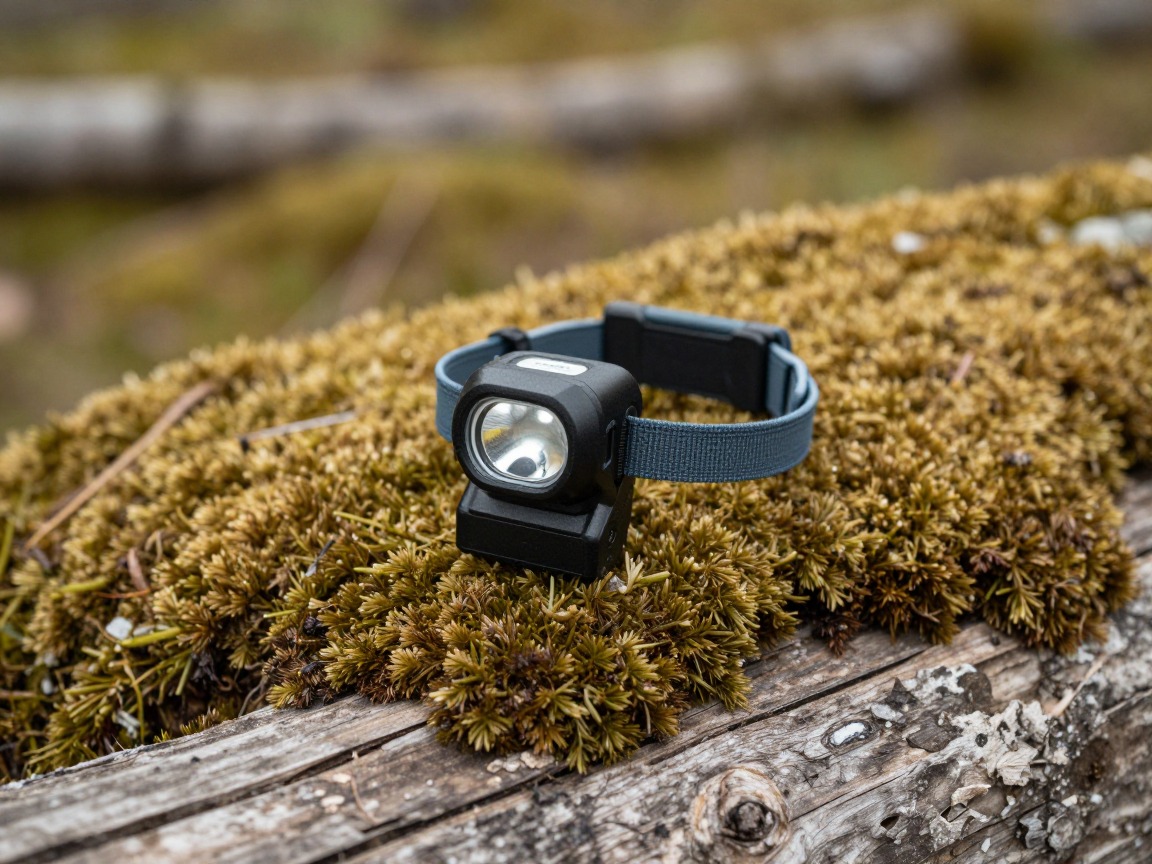
Headlamp
Used constantly around camp after dark as well as on any long day hike; bring a spare or a way to recharge.
What to look for: Bright enough for camp chores and trail use, a red mode for camp, and battery life for every night of the stay.
 LHKNL Headlamp Flashlight Check price
 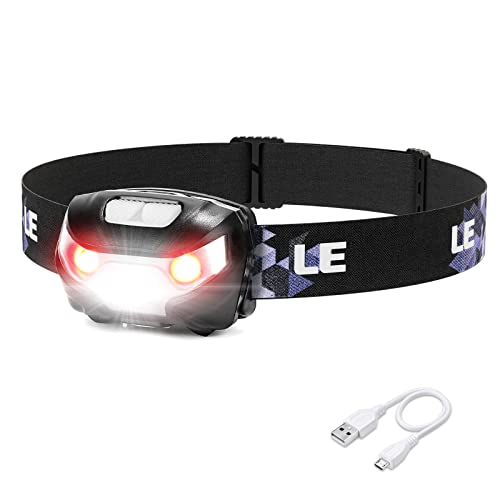 Lepro LED Headlamp Rechargeable IPX4 Waterproof Headlight 5 Modes - Check price
 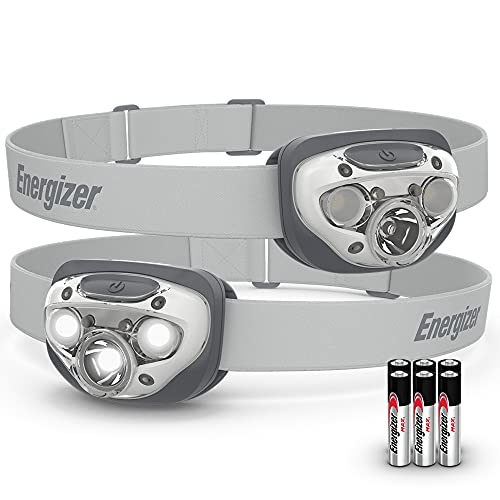 Energizer LED Headlamp PRO Check price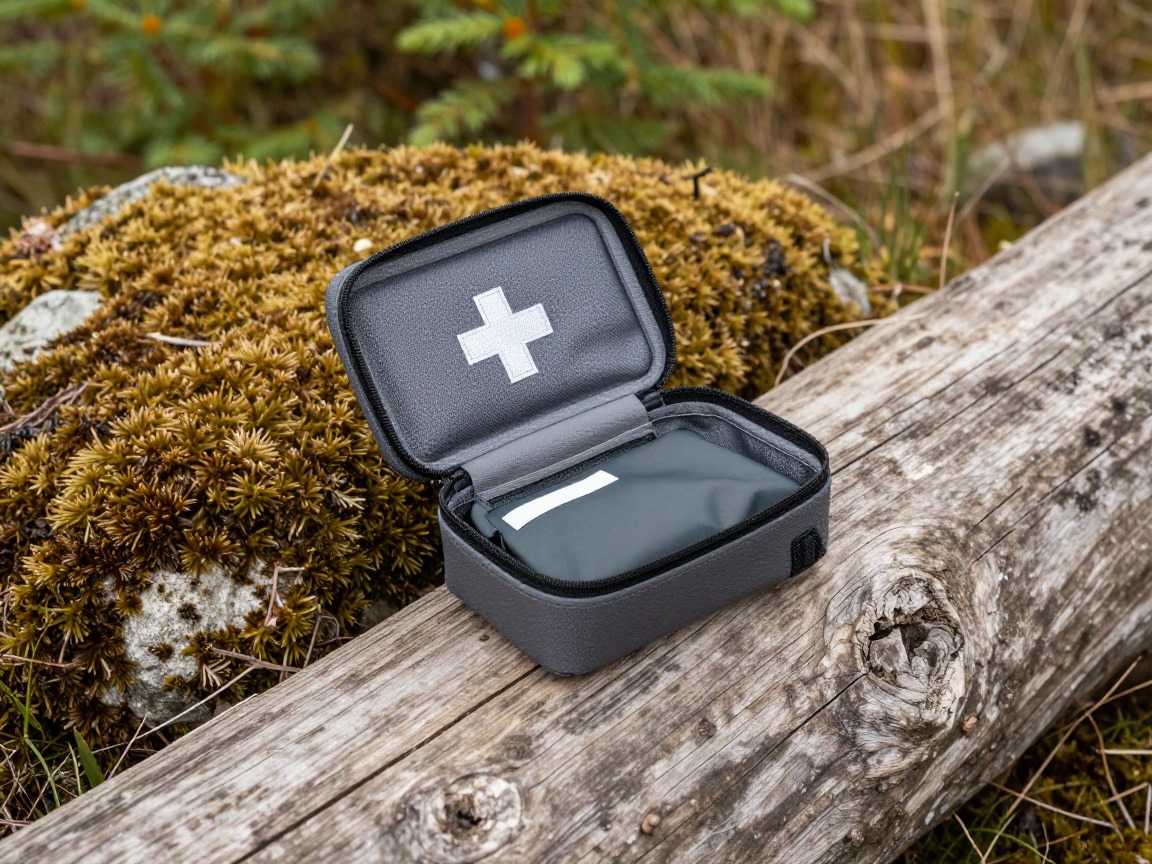
First-aid kit
A fuller kit than a single day hike needs, since you're further from the trailhead for more days.
What to look for: Depth suited to distance from help and group size, split sensibly between what stays at camp and a smaller day-pack version.
 Mini First Aid Kit - 150 Piece Small Waterproof EVA Hard Shell Case Check price
  Adventure Medical Kits Ultralight/Watertight Medical Kit .5 Check price
 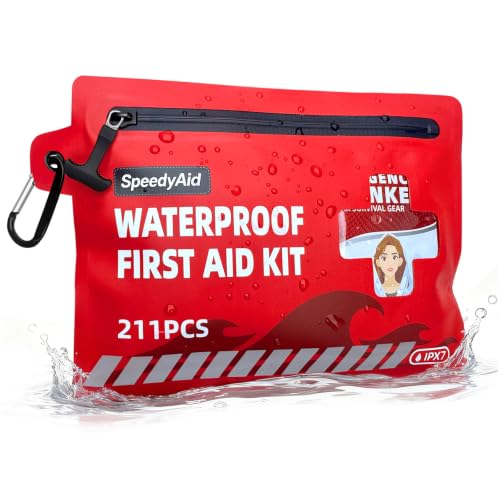 211 PCS Waterproof First Aid Kit Check price
 - Map + compass or GPS (offline)
- Trekking poles — useful on the loaded haul-in and on day loops
- Whistle
- Phone + power bank
- Fire kit
- Toilet kit — trowel, TP, waste bags (Leave No Trace)
- Route plan left with someone, covering camp and day-hike routes
How to adapt this setup
Trim the comfort extras — the extra pot, the camp chair, the thicker pad — and lean toward a weekend pack. The two-system idea still holds for a short stay.
More food and fuel drive the extra weight; double-check food storage, or filter from a nearby source rather than carrying every drop in.
Expect colder, windier nights than the trailhead forecast suggests — upgrade the sleep system and insulating layer, and pack sturdier stakes for wind.
Split shared gear (stove, tent, filter) across packs, and consider a second day pack so more than one person can head out on a given day.
Swap generic day-hike extras for what your focus needs — a rod case or camera protection — but keep weight and safety basics unchanged.
Common mistakes to avoid
- Sizing the haul-in pack for a fast trip, then overstuffing it with camp comforts it wasn't built to carry.
- Packing the day pack with overnight-weight gear out of habit, when it should stay genuinely light.
- Choosing a camp spot and tent pitch without checking wind, drainage and water access in daylight.
- Underestimating how much colder camp gets at night than the trailhead forecast suggested.
- Not planning fuel and food for the full stay, then rationing meals partway through.
- Telling no one your basecamp location or planned day-hike routes.
Make it yours
Frequently asked questions
What is a basecamp backpacking trip?
A trip where you hike in once, set up camp for several nights, and take day hikes or side trips from that fixed camp instead of moving daily. It pairs a comfort-forward overnight system with a light day-hiking kit.
How is a basecamp pack different from a weekend backpacking pack?
It's often a little larger and heavier, since it only moves in and out once and can justify real camp comforts — a roomier tent, a plusher pad, more kitchen — that wouldn't be worth the weight on a trip where you break camp daily.
Do I need two backpacks for basecamp hiking?
Effectively yes: a larger pack for the haul-in and a small day pack (18–25 L) for exploring from camp each day. Many overnight packs let a day pack nest inside or strap on for the carry in.
How much food should I bring for a multi-night basecamp trip?
Plan roughly 1.5–2.5 lb of food per person per day for the whole stay, stored securely at camp, then portion a single day's food into your day pack each morning.
What size backpack do I need for basecamp backpacking?
Many basecampers land around 55–65 L for the haul-in, since comfort items add bulk even though you're not carrying a full day's water and food on that same carry. Fit your torso first, then size up for real comfort extras.
Illustrative images show the type of gear, not specific products. Recommendations link to similar items on Amazon; we only ever link real listings and never show fabricated prices or ratings. General planning guidance, not a substitute for your own judgment or professional backcountry-safety instruction.