
The backpacking-with-your-dog setup
Bringing your dog on an overnight forces a few new questions: how much can she carry, where does she sleep warm, and how do you handle her food and waste for more than one day. This setup covers the full system — packs, shelter, sleep, food and safety — built around a dog who's fit, trained, and ready for the trail.
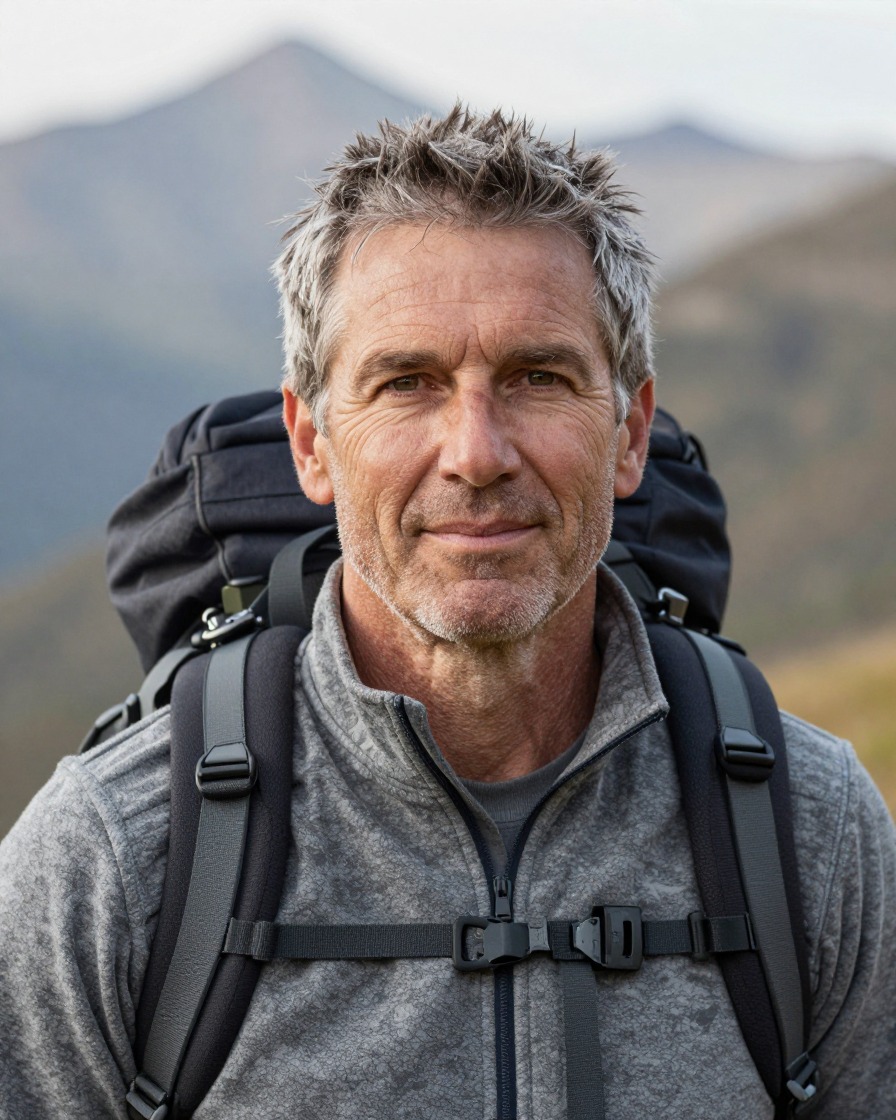
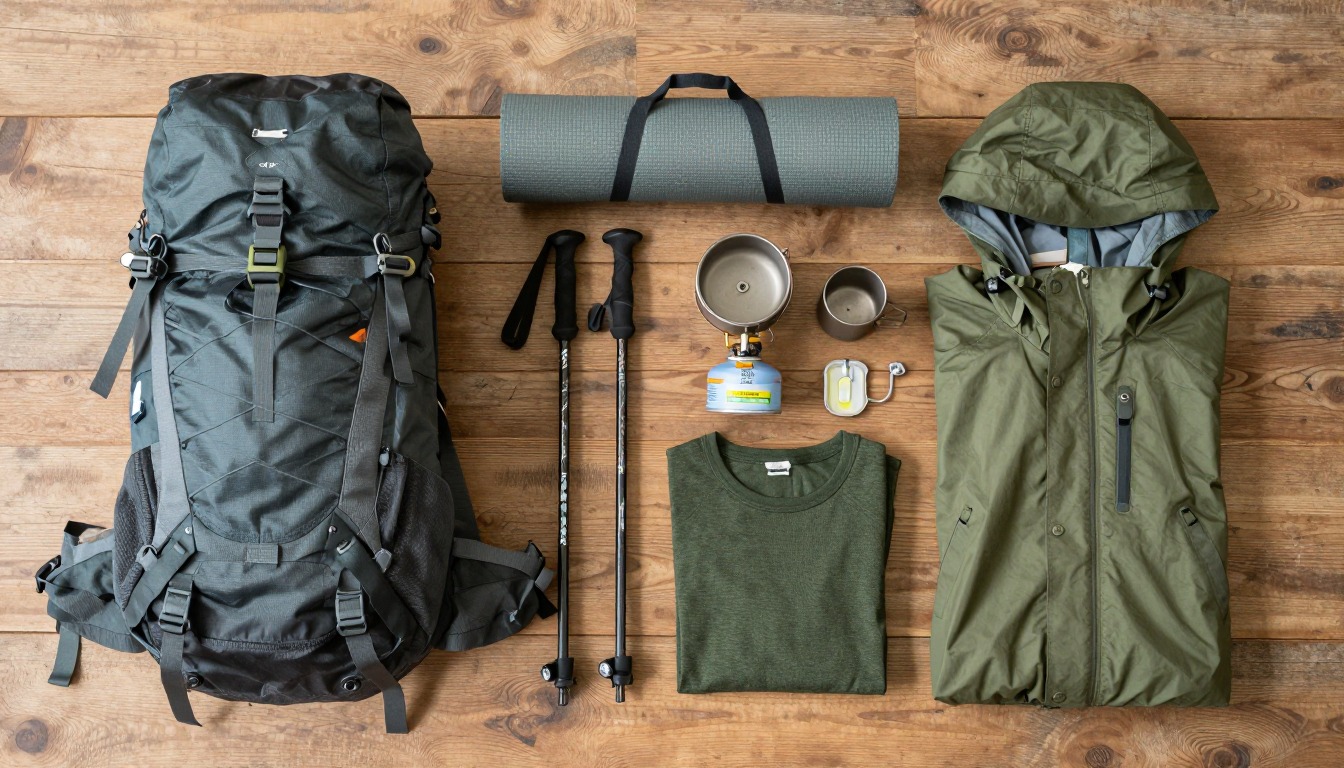
An overnight kit for two is really two systems sharing a few pieces. Your pack and hers split the food, water and gear; your shelter and sleep system keep you both warm; and the trail-and-camp layer — leash, waste, paw care, first aid — covers what changes once a hike becomes overnight. Nothing here assumes your dog is a pack mule: a fit dog carries a share of her own load, not yours.
Backpackers with a healthy adult dog already comfortable on day hikes, a fitted harness pack, and solid trail manners — sit, stay, recall. This is a three-season, established-trail setup. Puppies, seniors, brachycephalic breeds, or dogs with joint or heart conditions need a vet's go-ahead first — some shouldn't carry weight or push distance at all.
- Fit the dog pack empty first, then add weight gradually over several day hikes — a sore, chafed dog ruins an overnight fast.
- Work out her food math before you leave: overnight exertion burns more calories than a day hike, so weigh out extra.
- Build your shelter and sleep system to the expected low, then add a pad and a layer for her — dogs lose heat fast once they stop moving.
- Pack the trail-and-camp layer last: leash, waste bags, paw care, a canine first-aid add-on — and think through what you'd do if she got hurt.
About this setup
Taking your dog overnight is a different trip than a day hike with her along. On a day hike, trouble is an hour or two from the car; overnight, you're both committed to the night you've planned. The upside is real, though — a dog who can carry a portion of her own food and water turns from cargo into an active partner, and there's a particular good in watching a tired dog settle into camp at the end of a long day.
The part that trips people up is math, not gear. A working dog burns meaningfully more calories overnight than at home, and her food doesn't come dehydrated — it's kibble, bulky relative to its calories. Weigh her normal ration, add extra for a loaded-pack day, and repackage it into a dry bag rather than trust an open one to survive the trip. The same applies to waste: what you might bury solo, Leave No Trace guidance for dogs instead asks you to pack out.
Camp is where the two systems meet. Your dog gets cold faster than you once she stops moving, even on a mild night, so plan a pad under her and a layer for the fire. Keep her leashed or tied at camp — a loose dog near water or another party's tent is a common way a good trip turns awkward, and in wildlife country it's a safety issue, not just etiquette. None of this needs to be complicated, just planned a little more carefully than a day hike.
The packs
Two packs share the load on an overnight with your dog: yours carries the bulk of the shared gear, hers carries a share of her own food, water and a few essentials — fitted and loaded gradually, never as an afterthought.
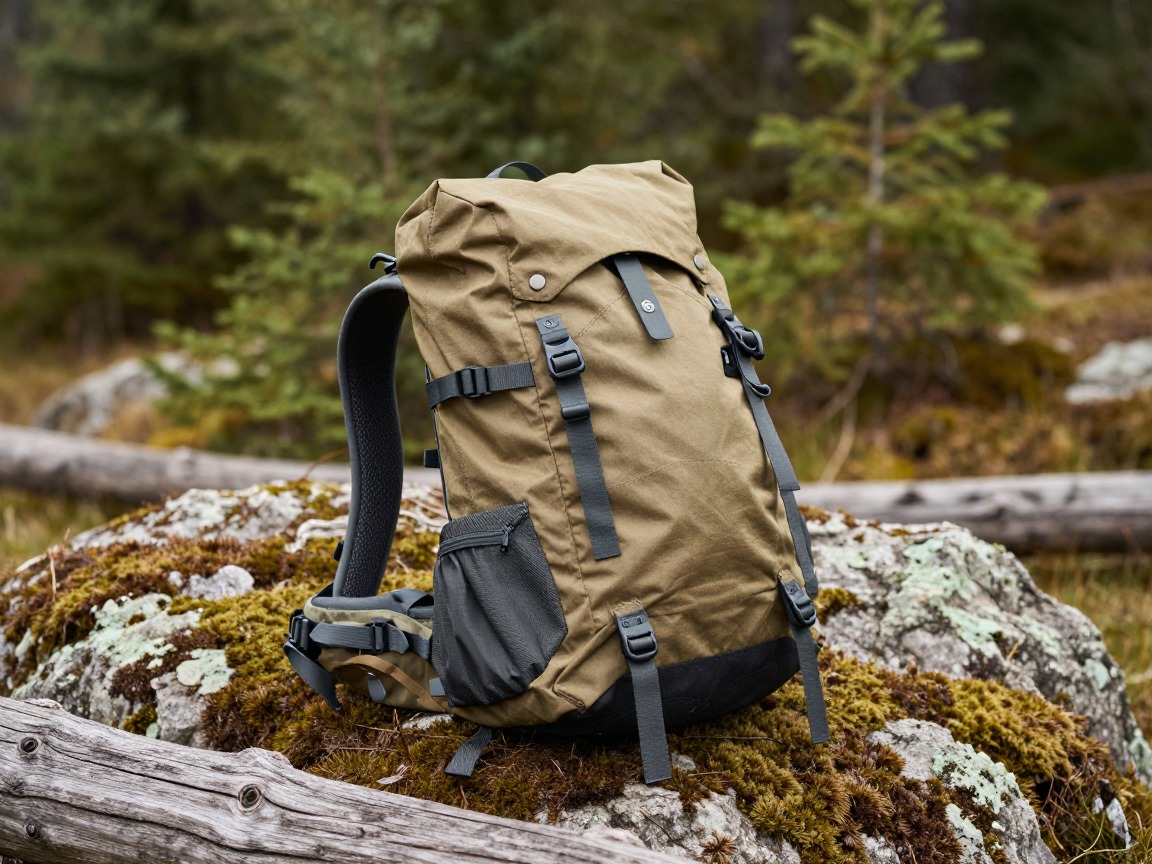
Dog backpack
Lets a fit, conditioned dog carry a portion of her own food, water and waste bags, sharing the overnight load instead of leaving it all on your back.
What to look for: A padded, adjustable harness-style pack that sits level and doesn't chafe at the armpits, with balanced saddlebags. Fit it empty first, then add weight gradually — a commonly cited guideline is around 10–15% of a healthy dog's body weight, a starting point to confirm with your vet, not a rule to push.
 Ruffwear Check price
  Himal Outdoors Dog Backpack & Saddle Bag Check price
  Himal Outdoors Dog Backpack & Saddle Bag Check price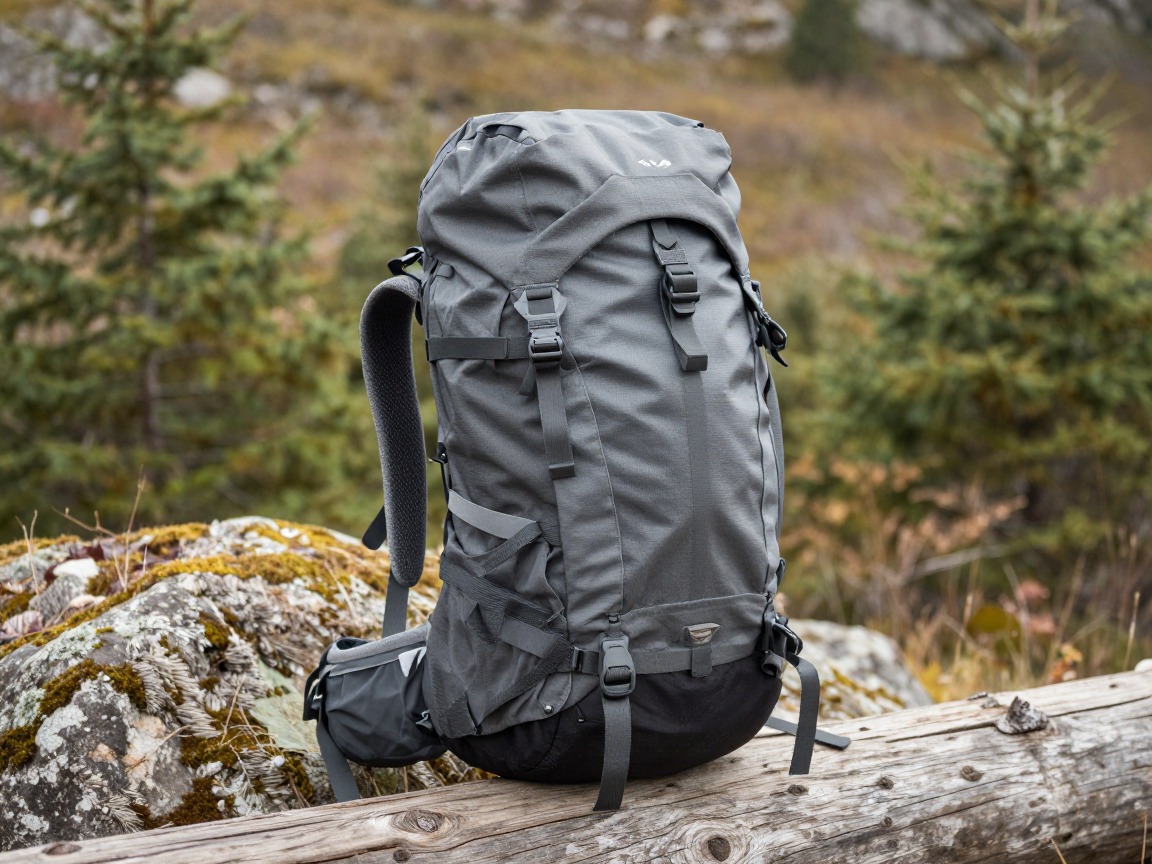
Your overnight backpack
Carries the shared gear — shelter, your sleep system, the stove and most of the food — plus room for her spare layer and first-aid add-ons.
What to look for: The same fit priorities as any weekend pack: a hip belt that actually carries the load, a torso length matched to you, and 45–60 L with a little spare volume for her gear.
 WoneNice 50L Check price
  Teton 55L Scout Internal Frame Backpack for Hiking Check price
 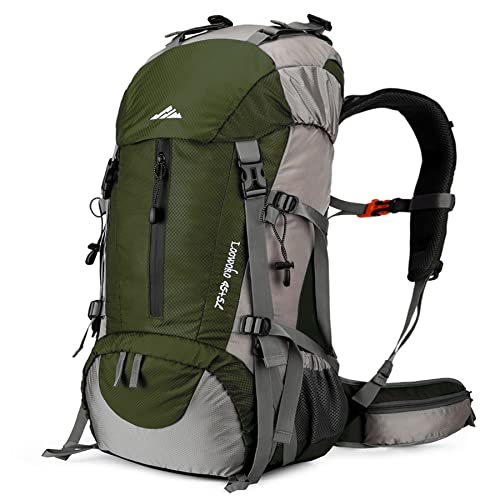 Loowoko 50L Hiking Backpack with Rain Cover for Both Men & Women Check price
 - A pack rain cover or liner for both packs
Shelter & sleep
Your tent and sleep system keep you warm; hers needs its own layer of insulation from the ground and a coat for cold nights, since she loses heat fast once she stops moving.
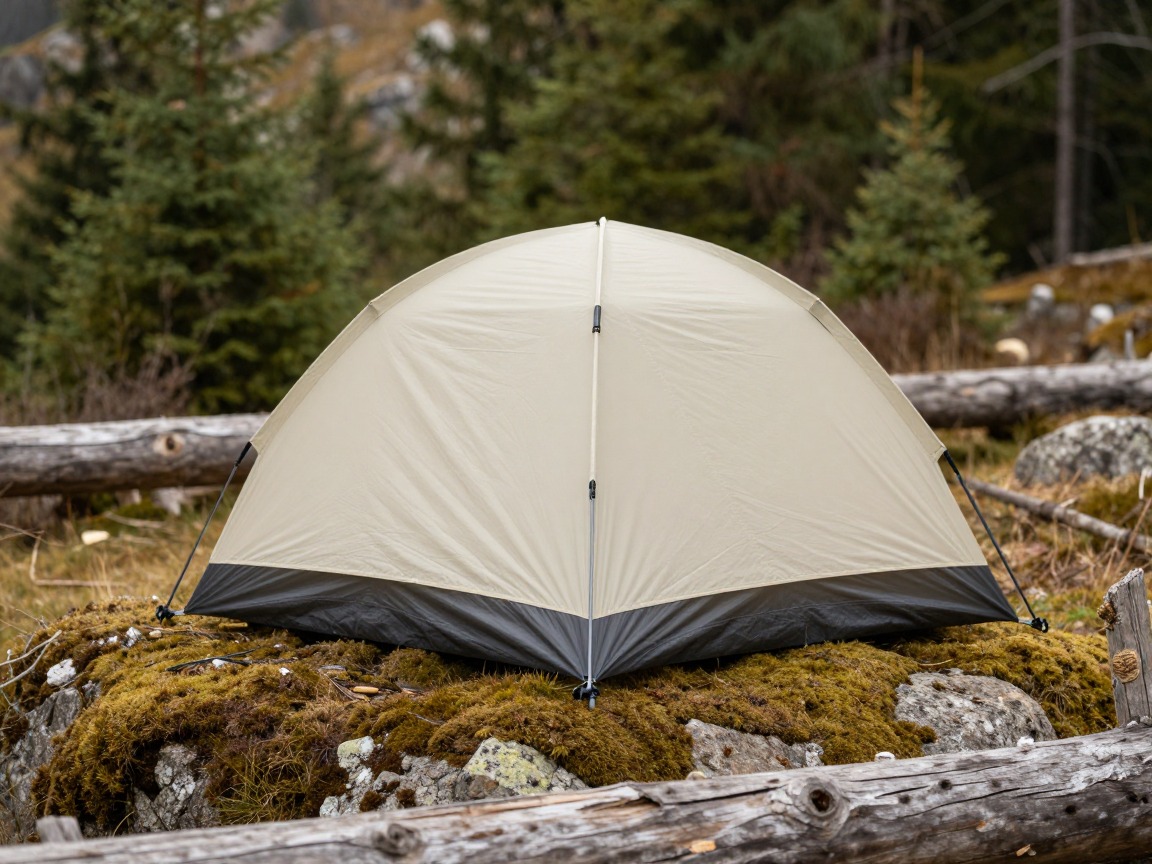
Backpacking tent
Shelters you both from weather and bugs — size up slightly from a solo tent if she'll sleep inside rather than under the vestibule.
What to look for: A roomy two-person freestanding tent with a durable floor that holds up to dog nails, a full vestibule if she'll bed down there, and an easy pitch after a full day on trail.
 Night Cat 2-Persons Backpacking Tent: Waterproof Lightweight Camping Check price
  BISINNA 2/4 Person Camping Tent Lightweight Waterproof Backpacking T Check price
  Forceatt Tent for 2 Person is Waterproof and Windproof Check price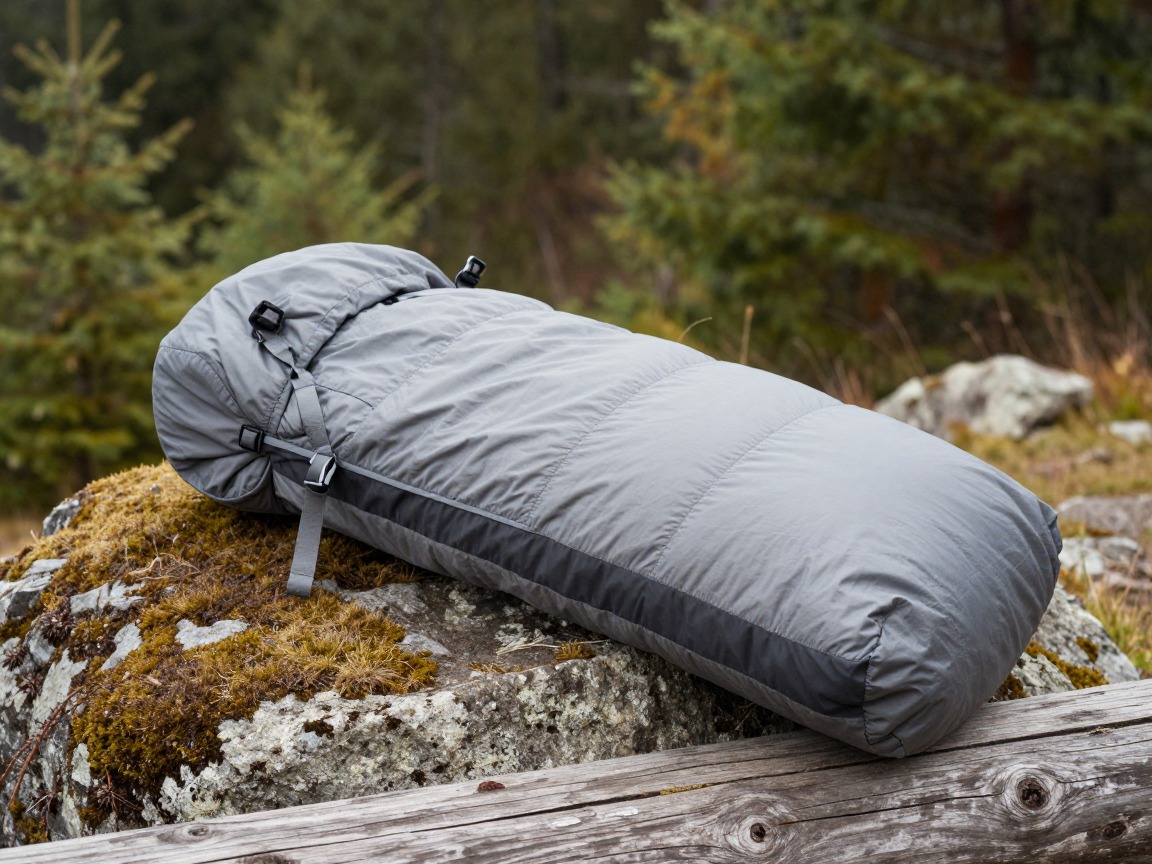
Your sleeping bag
Rated a little below the expected overnight low, same as any three-season trip — her warmth is a separate system, covered below.
What to look for: A comfort rating below your expected low, a good hood and draft collar, and fill suited to the forecast — down for weight, synthetic if damp is likely.
 MalloMe Sleeping Bags for Adults Cold Weather & Warm - Backpacking C Check price
 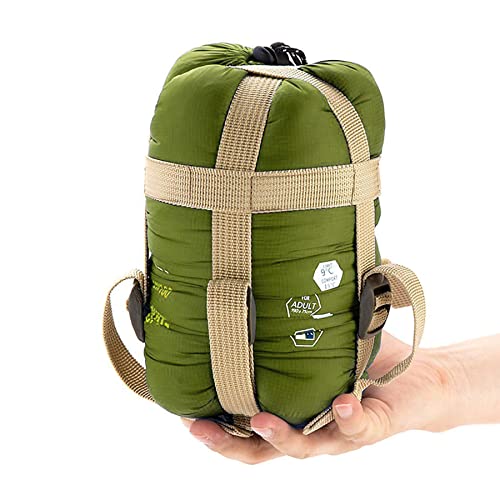 ECOOPRO Portable Check price
  Teton Trailhead Check price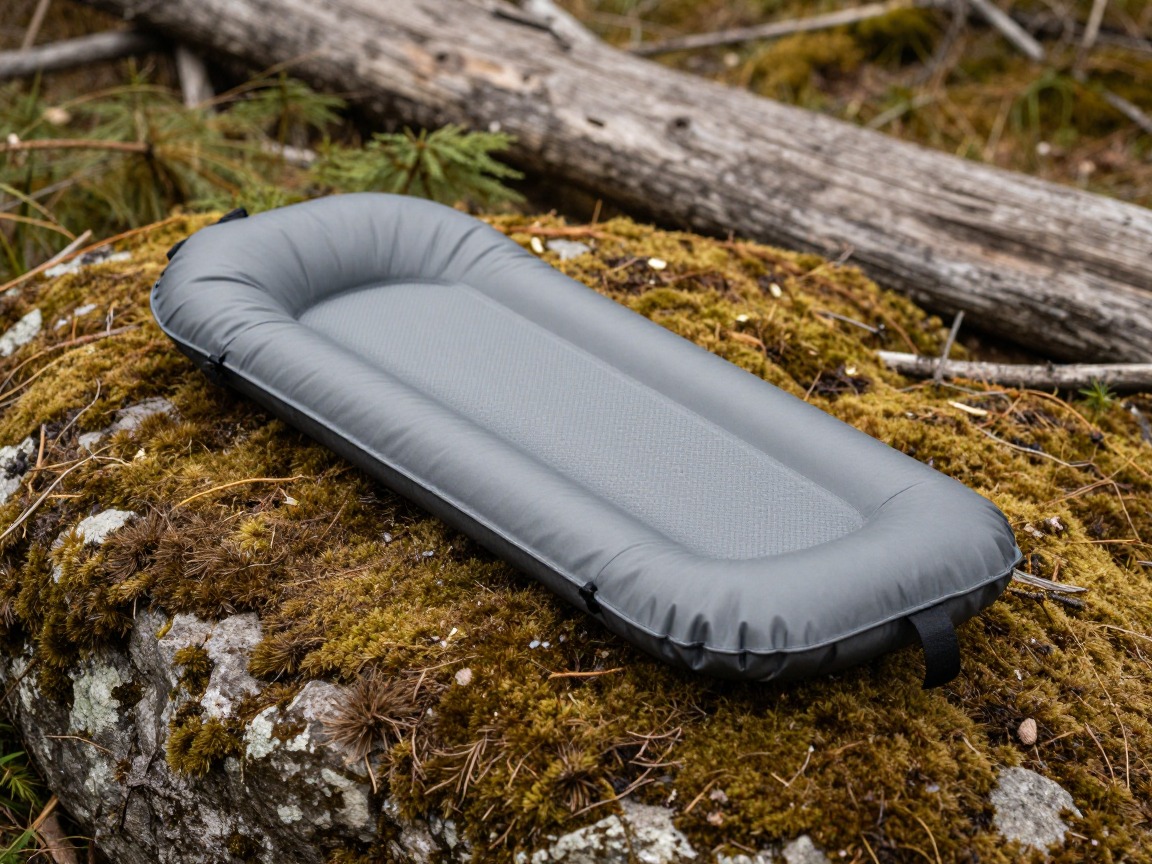
Your sleeping pad
Insulates you from the ground the same as any overnight; her own pad is a separate, simpler piece on the checklist below.
What to look for: Enough R-value for the ground (roughly 3+ for three-season) and a packed size that leaves room for a second, smaller pad for her.
 FUN PAC Camping Sleeping Pad Check price
  Gear Doctors® Ether 17.5oz Ultralight Camping Sleeping Pad Check price
  Oramoose 4in Ultralight Camping Sleeping Pad with Pillow and Foot Pu Check price
 - A closed-cell foam pad or fleece blanket just for the dog — insulation from cold ground matters as much for her as for you
- A packable coat or layer she can wear at camp once she stops moving
- A stake-out line or short tether to keep her secured at the tent, not roaming camp after dark
Kitchen, water & dog food
Your kitchen cooks for one; hers is just a ration you've already weighed out, plus enough water for a dog working harder than she does at home.
Backpacking stove
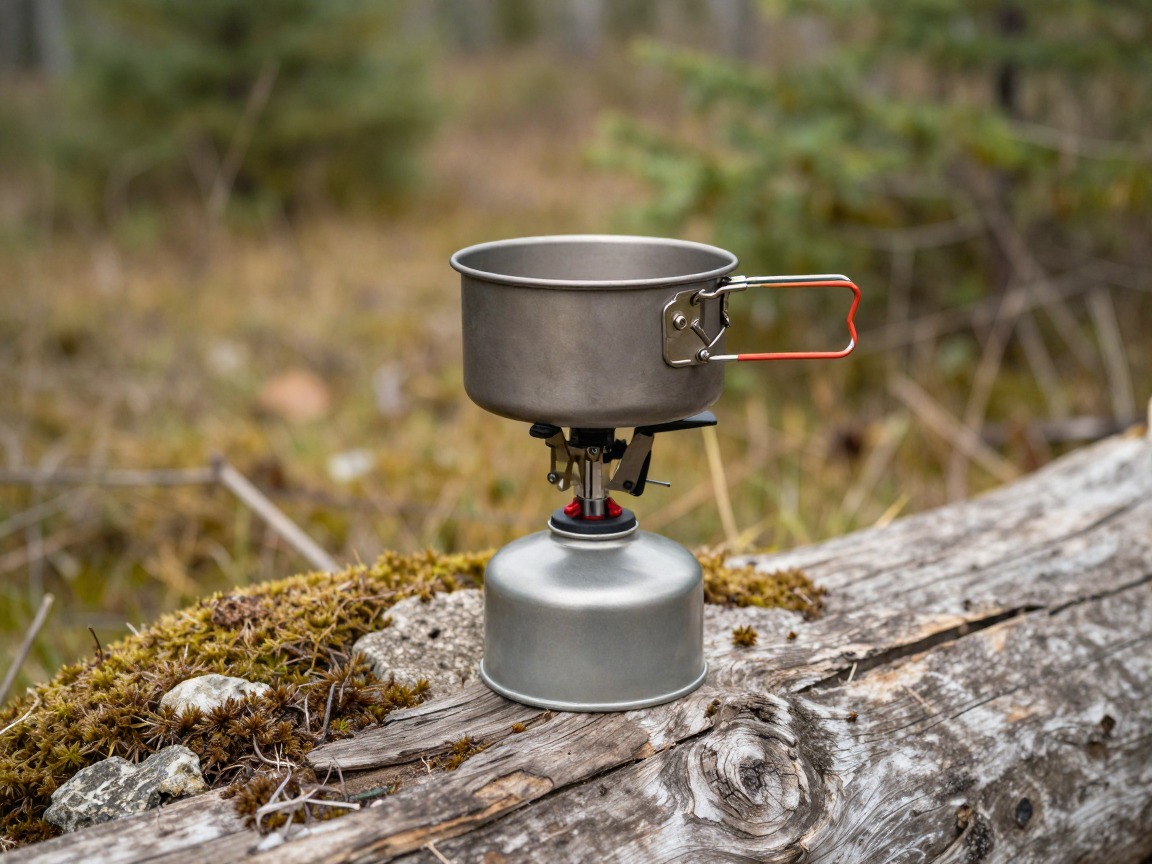
Boils water for your own meals and hot drinks — her food travels dry and doesn't need cooking.
What to look for: A stable canister stove with a reliable simmer and quick boil, running on fuel you can source near the trailhead.
 AOTU Portable Camping Stoves Backpacking Stove with Piezo Ignition S Check price
  MSR PocketRocket 2 Ultralight Camping and Backpacking Stove Check price
  Fire-Maple Greenpeak 1 Camping Stove with Piezo Ignition Portable Ga Check price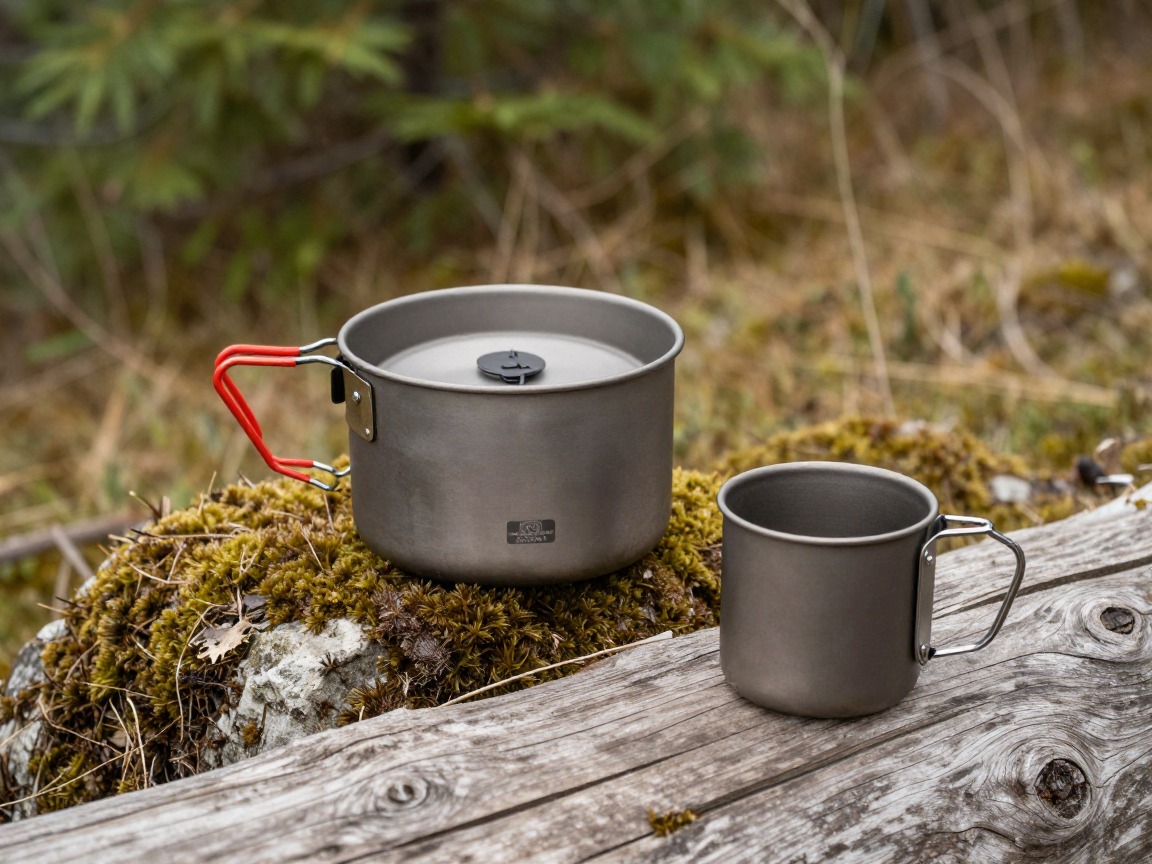
Pot & mug
One pot handles your meals; keep her bowl and food separate to avoid cross-contamination and simplify cleanup.
What to look for: A pot sized to your own meals (roughly 700–900 ml for one person), light metal, with a lid that doubles as a plate.
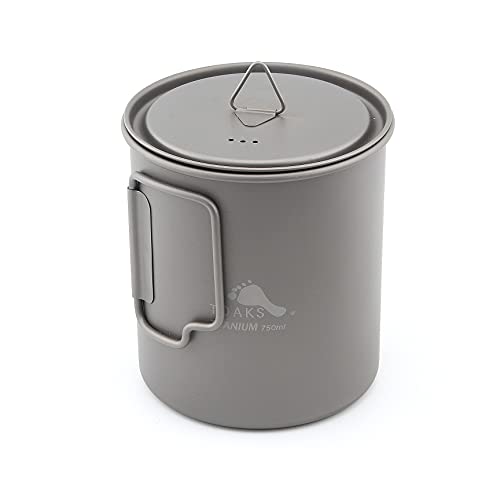 TOAKS Titanium 750ml Pot Check price
  TOAKS Titanium 750ml Pot with Bail Handle for Ultralight Camping Check price
  TOAKS Titanium 1100ml Pot with Pan Check price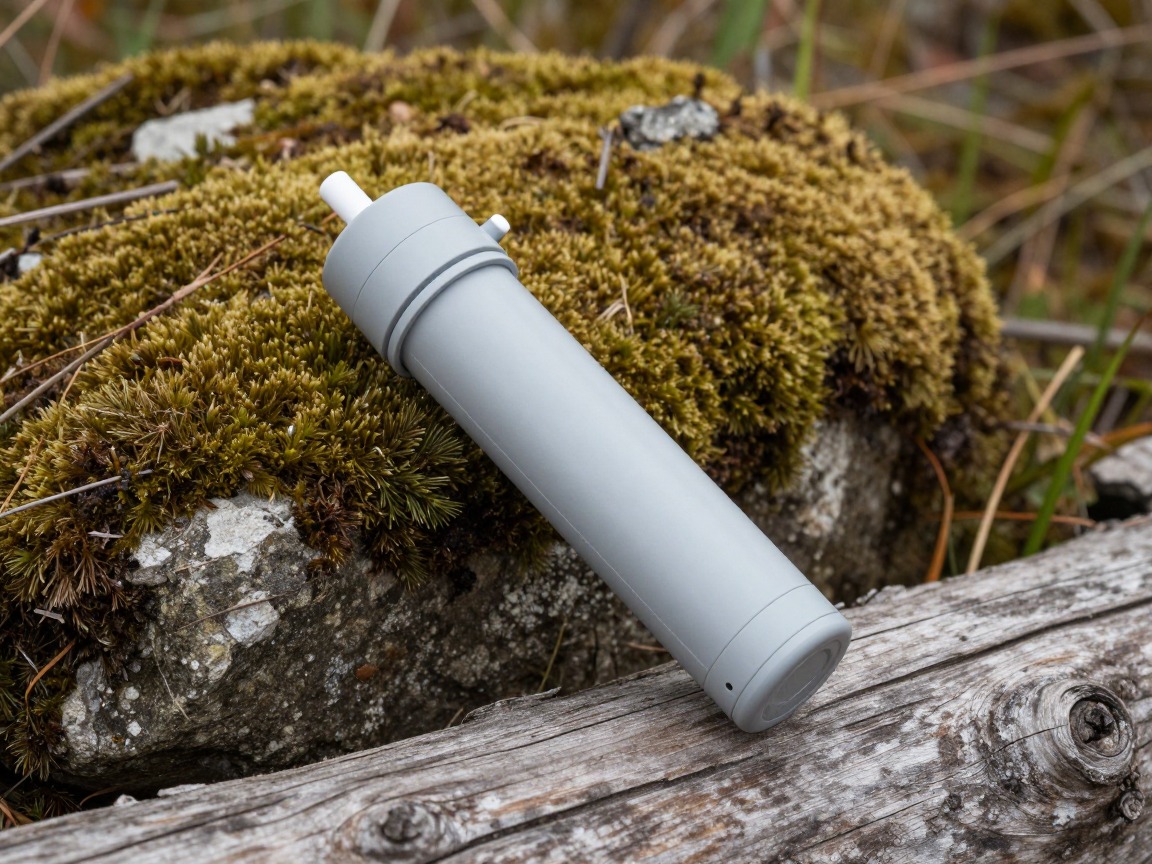
Water filter
Treats stream and lake water for both of you — plan extra volume, since a working dog drinks more than she does at home.
What to look for: Fast flow and easy field cleaning; a squeeze or gravity filter that can keep up with two sets of water needs.
 Sawyer Squeeze Water Filtration System Check price
  Sawyer Products SP128 Mini Water Filtration System Check price
  LifeStraw Personal Water Filter for Hiking Check price
 - Her normal daily ration plus extra for a full day of hiking with a loaded pack — weigh it at home rather than guessing
- Food repackaged into a dry, crush-proof bag rather than left in its original packaging
- A collapsible bowl for food and a separate one for water
- Waste bags and a sealed way to pack them out for the whole trip — check local rules, since burying dog waste generally isn't treated the same as burying human waste
On the trail & paw care
Trail manners and her paws matter more on day two than day one — plan for both before soreness or a wildlife encounter forces the issue.
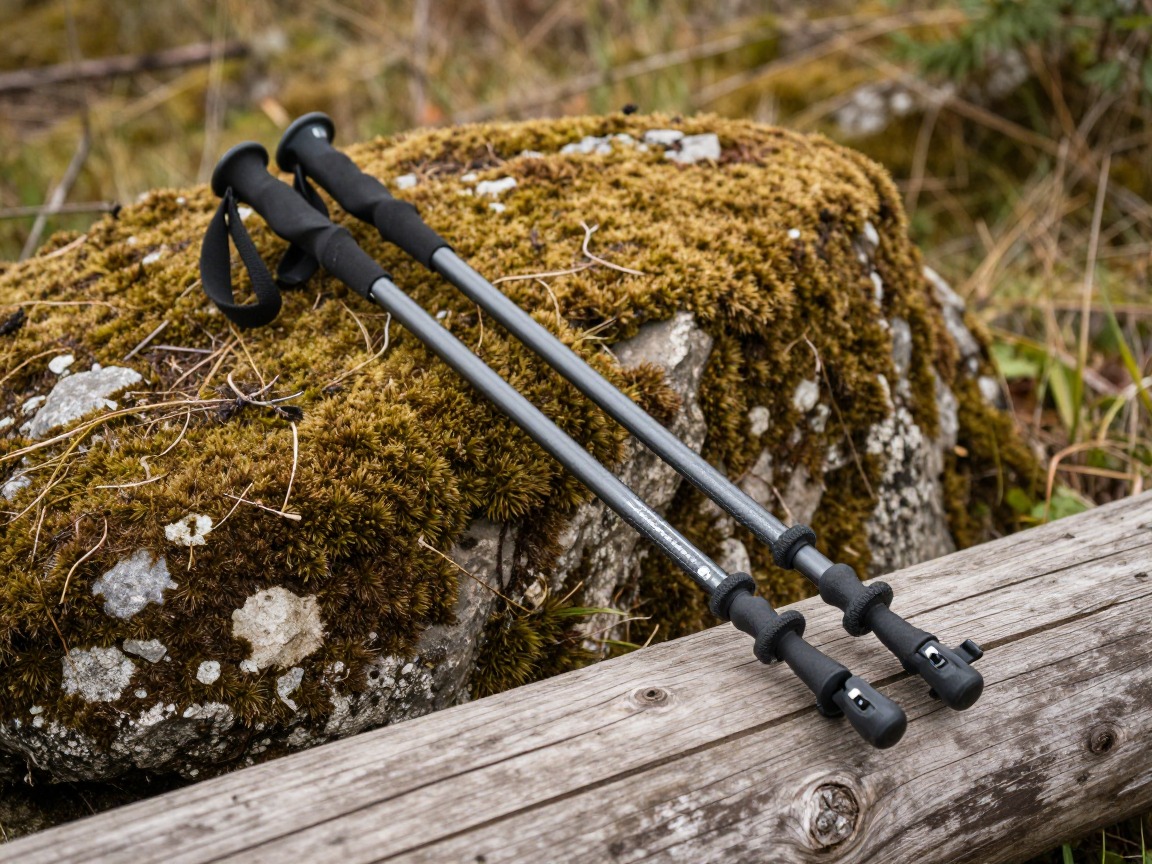
Trekking poles
Help you keep balance and pace while managing a leash on rough or steep ground, and take load off your knees with a loaded pack.
What to look for: Adjustable length, comfortable grips, and locks that hold under load — useful anywhere the trail gets uneven while you're also watching a leash.
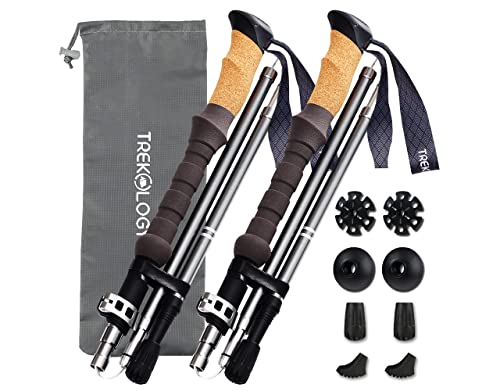 Trekology Trek-Z Cork Grip Collapsible Lightweight Hiking Trekking P Check price
 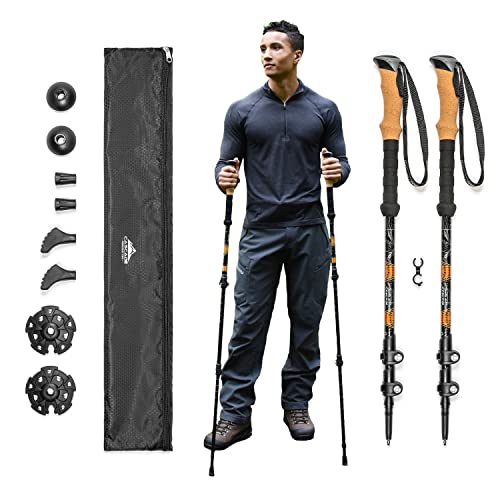 Cascade Mountain Tech Trekking Poles Check price
 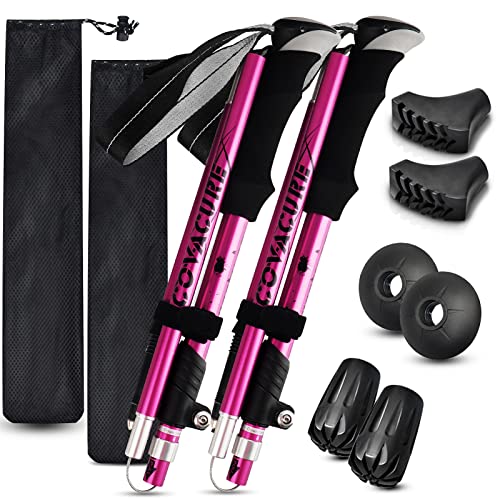 covacure Hiking Poles Check price
 - A sturdy, fixed-length leash (roughly six feet) for camp and any on-leash sections — skip retractable leads on trail
- Know the leash and dog-access rules for the specific trail or wilderness area before you go, not after
- A plan for wildlife encounters: leash up and give space at any sighting, and know if you're heading into bear country where extra precautions apply
- Paw balm or wax and a habit of checking her pads each evening for cuts, cracks, or embedded debris
- Well-fitted dog boots if the terrain is rocky, hot, icy, or likely to be hard on paws over multiple days — introduce them at home first
Clothing & layers
You still need your own layering system for three-season conditions; hers is just the one packable layer already on the checklist above, sized to real cold rather than every night.
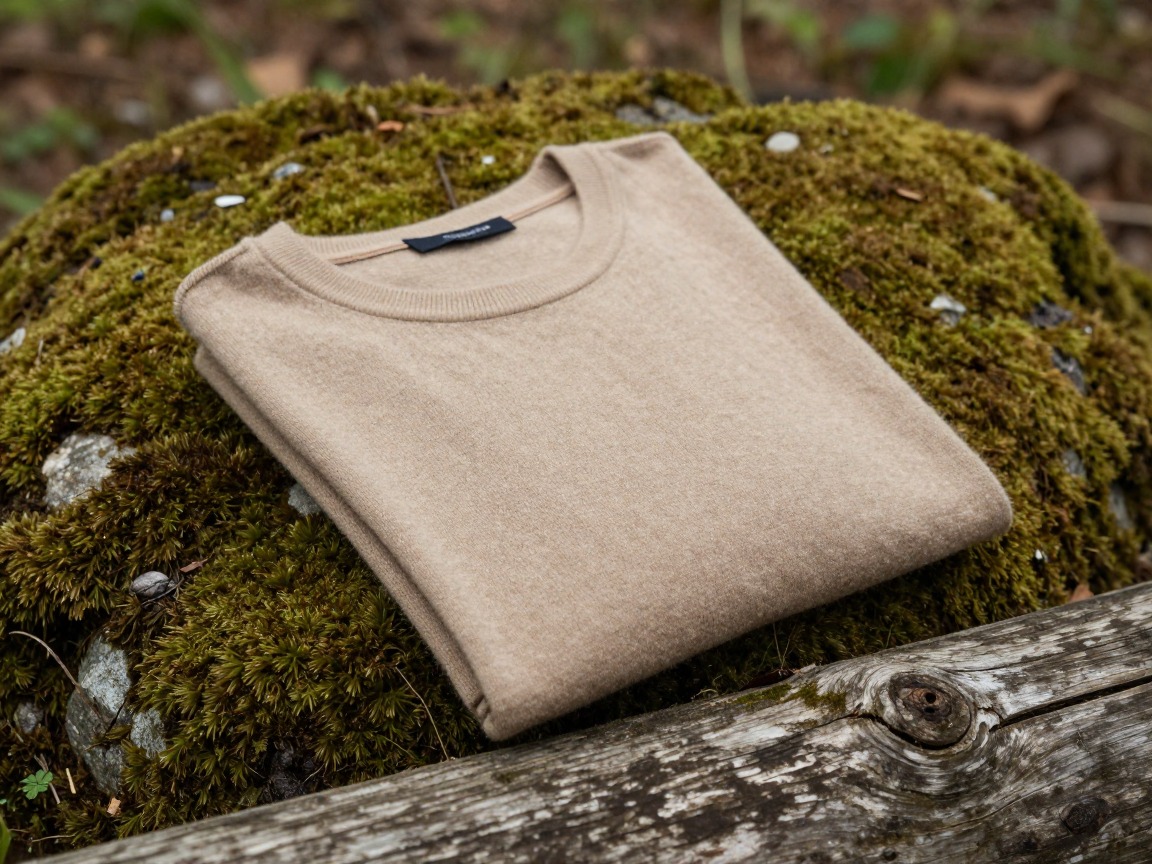
Base layer
Wicks sweat and resists odor over multiple days on your own skin — her coat is already doing a version of this job.
What to look for: Merino or a merino blend, a close but comfortable fit, and a weight matched to the season.
 100% Merino Wool Base Layer Men Set - Thermal Underwear for Men Long Check price
  Merino.tech Merino Wool Base Layer Women Set - Heavyweight Check price
  100% Merino Wool Base Layer Men Set - Thermal Long Underwear with Ba Check price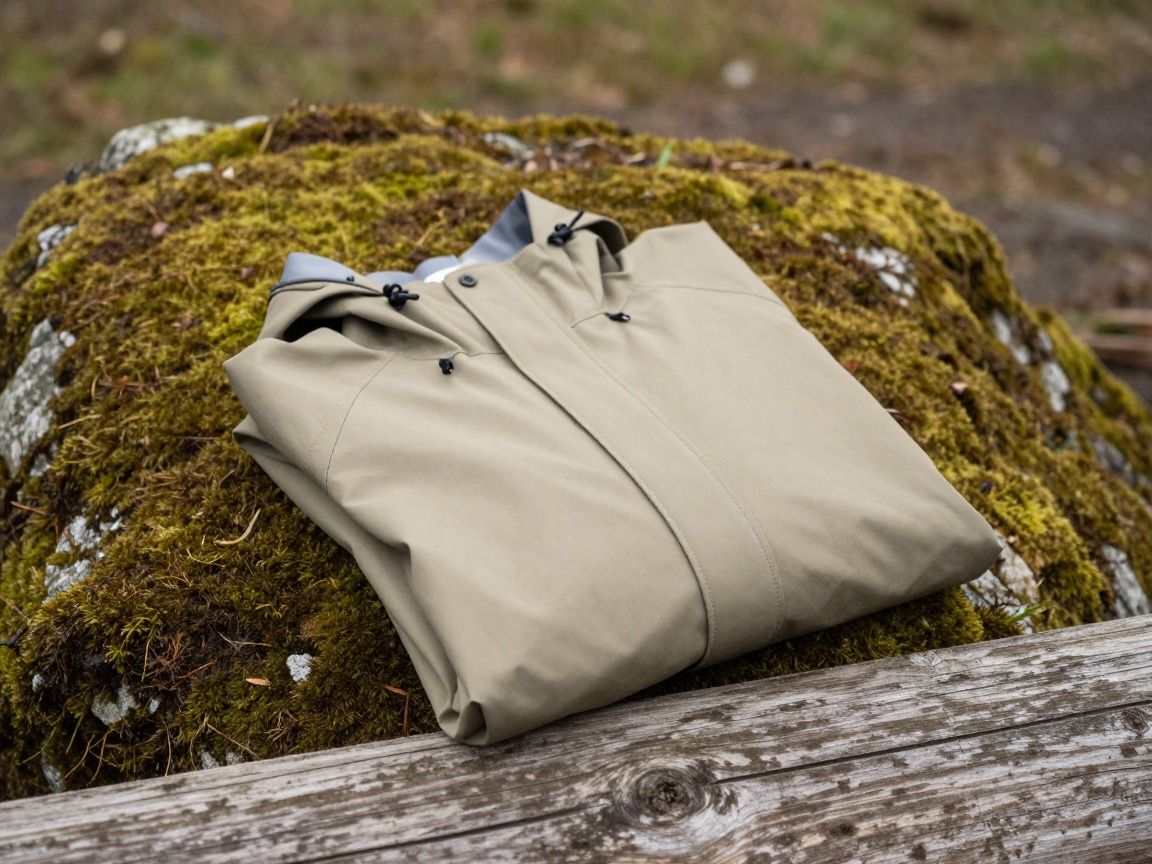
Rain shell
Waterproof protection on the move and around camp; a wet dog chills fast too, so dry her off and layer her up promptly after rain.
What to look for: Genuinely waterproof and breathable, with a hood and pit zips — doubles as a wind layer back at camp.
 UIQUR Mens Rain Jacket Raincoat Waterproof Windbreaker Black L Check price
  COOFANDY Men's Waterproof Hiking Travel Shell Breathable Rain Jacket Check price
  Columbia Womens Arcadia II Waterproof Rain Jacket Check price
 - A packable insulating layer for camp and cold mornings, for you — pair it with her own coat once she's stopped moving
- Spare hiking socks
- Warm hat & gloves for shoulder-season nights
- A towel or absorbent cloth to dry her off after rain or a stream crossing
Navigation, light & safety
Your safety layer covers you the same as any overnight; hers is a short, non-prescriptive add-on built around watching her condition, not treating it yourself.
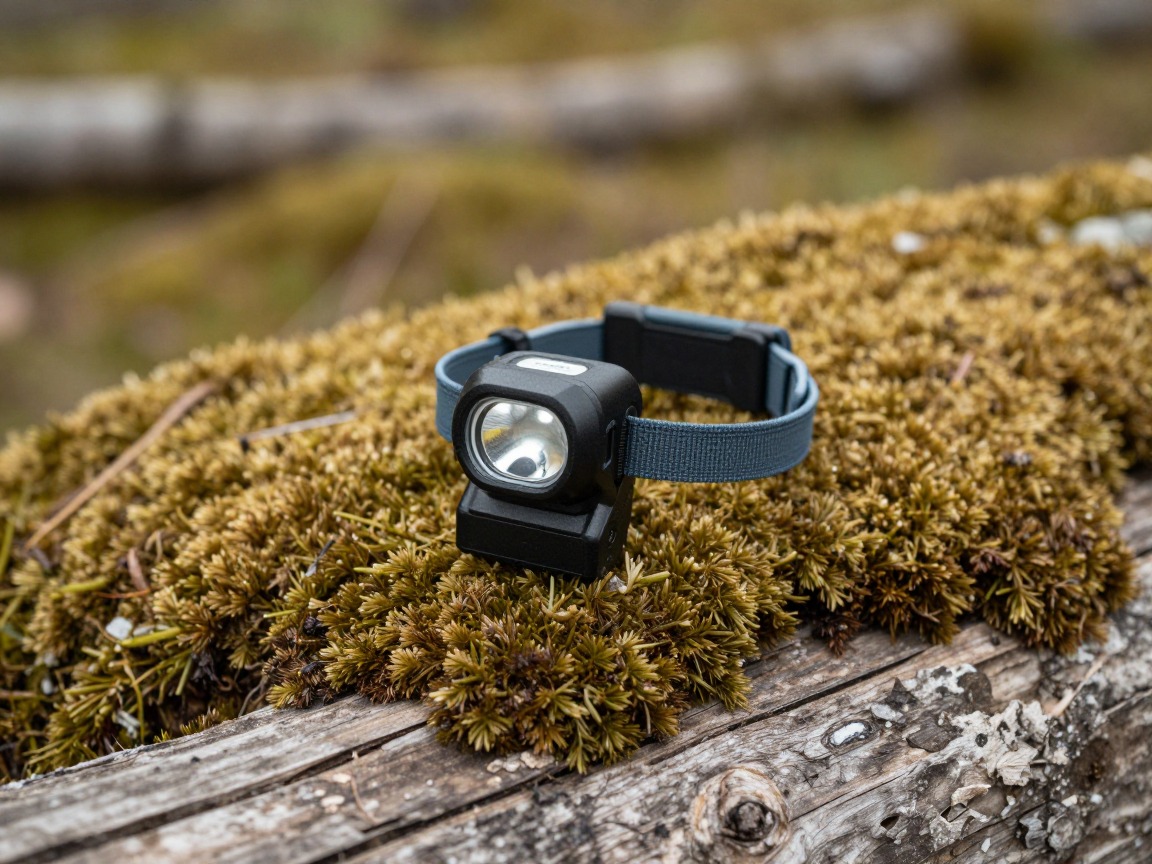
Headlamp
Essential after dark for camp chores, cooking and checking on her before you sleep.
What to look for: Bright and comfortable with a red mode for camp, plus spare power — you'll lean on it more overnight than on a day hike.
 LHKNL Headlamp Flashlight Check price
 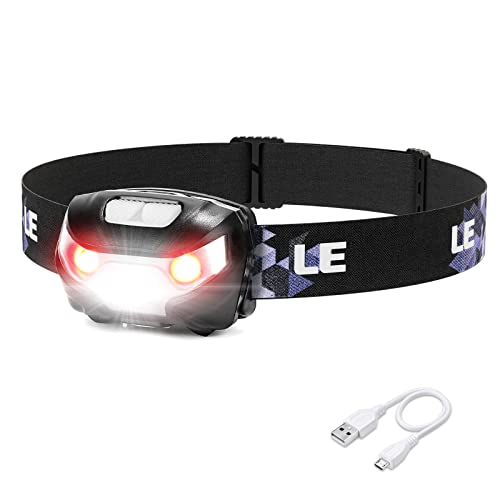 Lepro LED Headlamp Rechargeable IPX4 Waterproof Headlight 5 Modes - Check price
 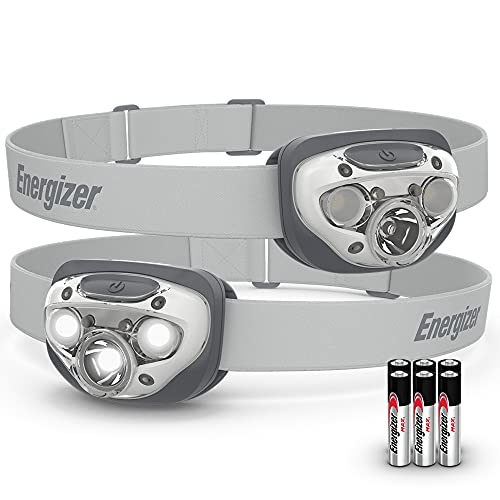 Energizer LED Headlamp PRO Check price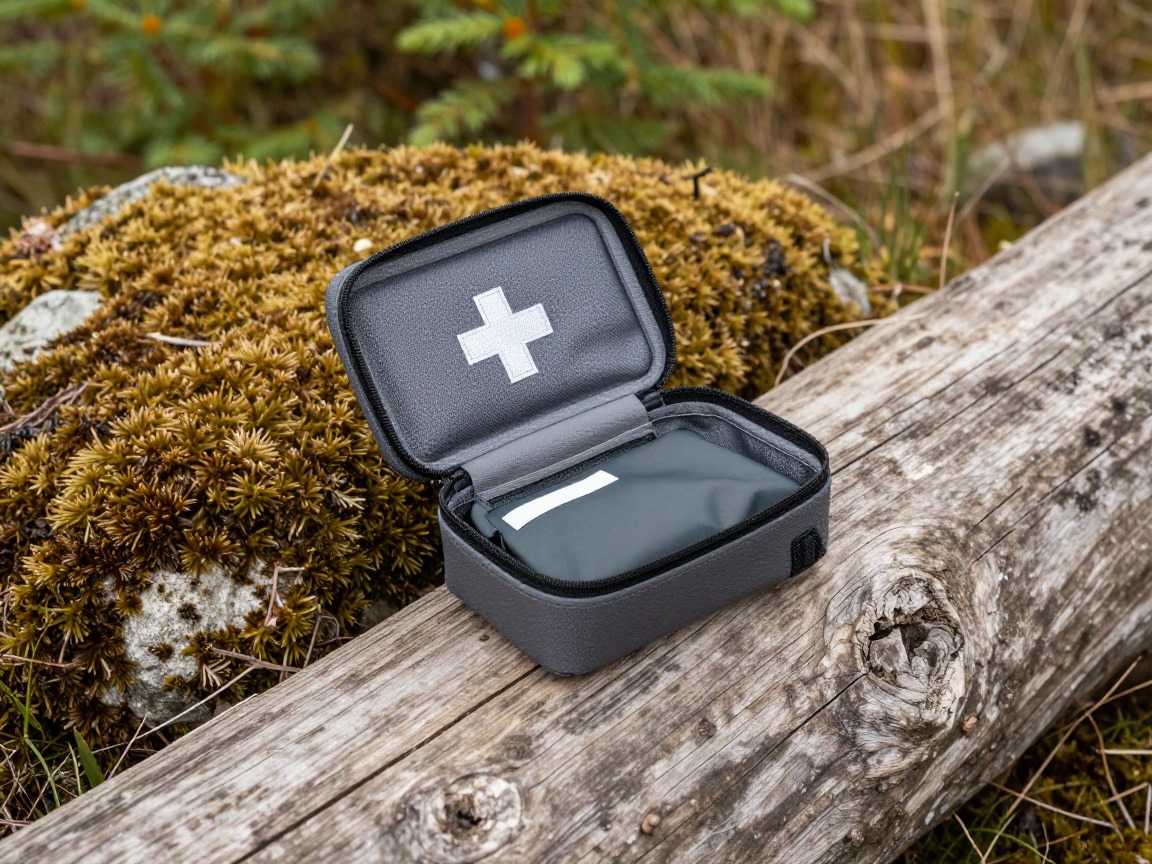
First-aid kit
Your own kit, a little fuller than a day hike's — blister care, your meds, and the basics, plus the training to use them.
What to look for: A kit weighted toward what you'll actually use, sized to how far you are from help on this particular route.
 Mini First Aid Kit - 150 Piece Small Waterproof EVA Hard Shell Case Check price
  Adventure Medical Kits Ultralight/Watertight Medical Kit .5 Check price
 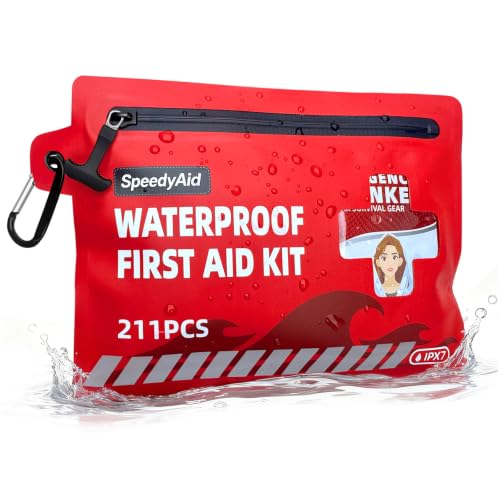 211 PCS Waterproof First Aid Kit Check price
 - A canine-specific first-aid add-on alongside your own kit (vet wrap, a tick remover, styptic powder for a torn nail)
- Her vet's phone number and the location and hours of the nearest emergency vet on this route, written down rather than only on a phone that could die
- A running watch on her condition through the trip — energy, gait, paws, hydration and signs of overheating — and a plan to turn around or call for help early rather than push through, checking with her vet beforehand on anything you're unsure about
- Map + compass or GPS (offline)
- Phone + power bank
- Whistle
How to adapt this setup
Drop the dog pack or load it much lighter, shorten daily mileage, and lean on her vet's guidance — some dogs are day-hike dogs only, and that's fine.
Water leads for her even more than for you: plan extra volume, hike the cool hours, and treat panting that won't settle or wobbliness as a reason to stop, not push on.
Her packable coat stops being optional, her pad matters as much as yours, and short-haired breeds especially need real insulation at camp.
Food weight for the dog scales fastest of anything in this kit — recalculate her ration for every added day, and watch her paws more closely as fatigue builds.
Do a backyard shakedown night first: pack loaded, pad and coat in place, waste routine practiced. It surfaces problems somewhere you can still just walk inside.
Common mistakes to avoid
- Loading the dog pack to trail weight without weeks of conditioning first — sore shoulders and chafing show up on day two.
- Guessing at her food instead of weighing it; a working dog needs meaningfully more than her at-home ration.
- Assuming her coat means she doesn't need a pad or layer once she stops moving and cools down.
- Skipping the waste plan — burying what should be packed out, or running short on bags.
- Letting her off-leash at camp or near water "just for a bit" — a common way a trip turns into a search.
- Not checking her paws each evening, so a small cut goes unnoticed until it's a real problem.
Make it yours
Frequently asked questions
Can my dog carry her own food and water backpacking?
A fit, conditioned adult dog can typically carry part of her own gear in a fitted dog pack — a commonly cited guideline is around 10–15% of her body weight, built up over conditioning hikes. Confirm the right load, and whether her breed, age, or any joint issues change that, with her vet.
How much extra food does a dog need for an overnight backpacking trip?
More than her normal ration — sustained hiking with a loaded pack burns noticeably more calories than her routine at home. Weigh her usual amount and add to it, then repackage into a dry, crush-proof bag so it survives the trip in her pack.
How do I keep my dog warm at camp overnight?
Give her insulation from the ground — a closed-cell pad or blanket — plus a packable coat she can wear once she stops moving and cools down. Short-haired and smaller dogs need this most, even on nights that feel mild in your own bag.
What do I do with dog waste when backpacking overnight?
Pack it out rather than burying it, in a sealed bag for the whole trip, since it doesn't break down the way wildlife waste does and most backcountry areas expect it carried out. Bring enough bags for the entire trip.
Should I bring a first-aid kit for my dog on the trail?
Yes, alongside your own — canine-specific add-ons like vet wrap, a tick remover and styptic powder cover most trail mishaps. Treat it as first response only: watch her condition and defer to her vet, or the nearest emergency vet, for anything beyond minor care.
Illustrative images show the type of gear, not specific products. Recommendations link to similar items on Amazon; we only ever link real listings and never show fabricated prices or ratings. General planning guidance, not a substitute for your own judgment or professional backcountry-safety instruction.