
The backcountry fishing backpacking setup
Some of the best fishing sits miles past the trailhead, on water most anglers never reach. This setup layers a packable rod, reel and tackle onto a proven overnight backpacking system, so you can hike in, camp streamside, and fish water that sees almost no pressure.
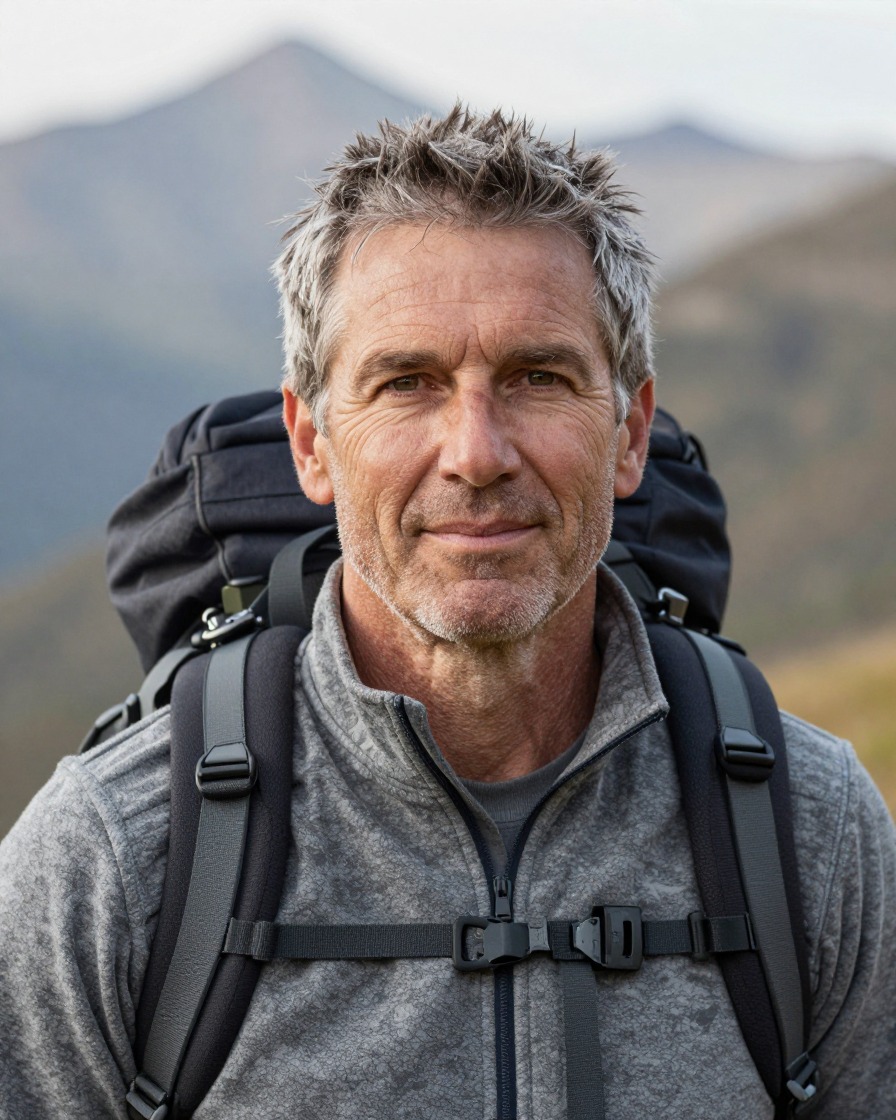
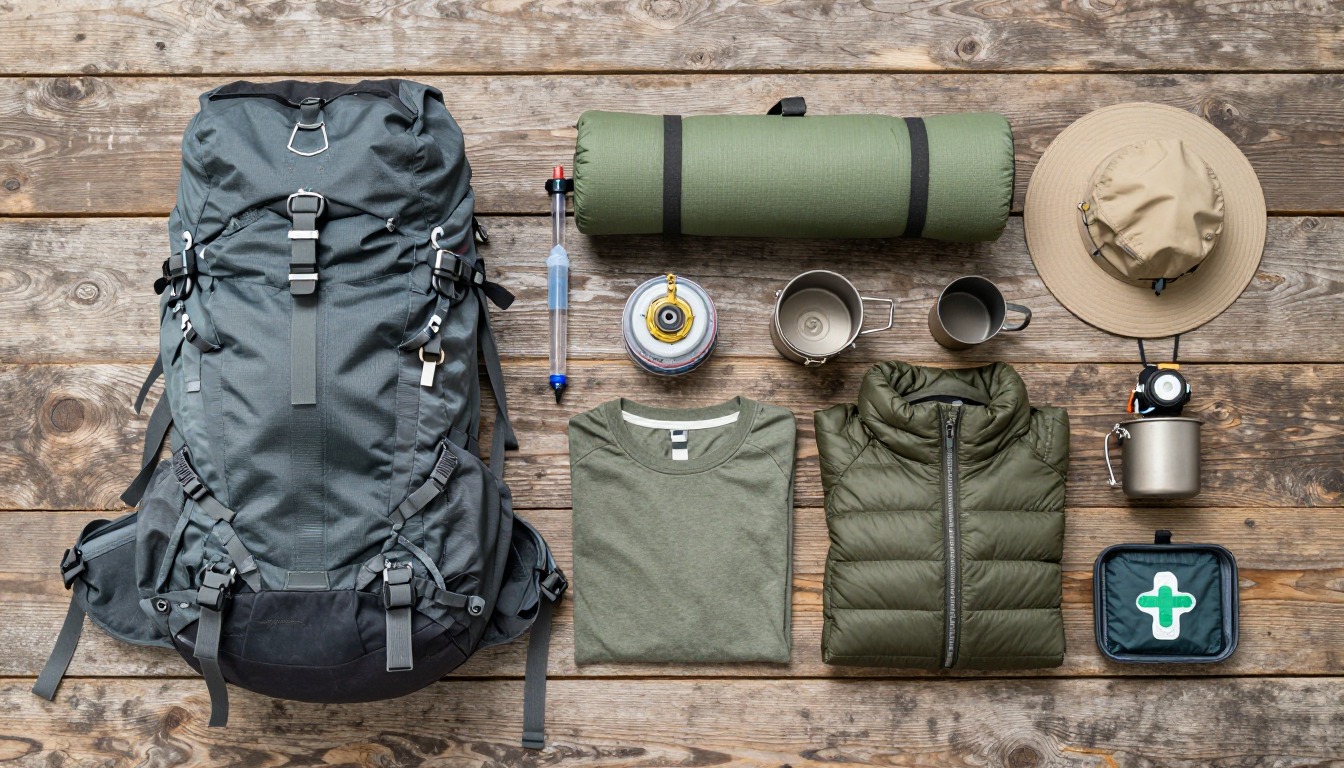
A backcountry fishing trip carries two systems at once: the overnight kit that keeps you fed, warm and dry, and the fishing kit that's the reason you came. We start from the same weekend backpacking foundation — pack, shelter, sleep, kitchen, safety — because none of that changes with a rod in your hand. What does change is the fishing layer: a packable rod and reel, slim tackle, and waders or wet-wading gear, kept dry and easy to reach. Add that weight in ounces, not pounds.
This setup suits hikers with their overnight backpacking basics sorted, adding fishing to a one-to-three-night trip on foot-access lakes or streams. Driving to a car-camping spot within casting distance? Skip the backpacking half and bring a cooler instead. New to overnight trips entirely? Build the standard weekend kit first.
- Build the overnight system first — pack, shelter, sleep and kitchen — exactly as you would for any weekend trip.
- Choose one packable rod-and-reel combo and pare tackle down to what the specific water calls for.
- Decide waders or wet-wading based on water temperature and season, not habit — it's the biggest weight and comfort call in the kit.
- Pack a way to keep the fishing layer dry, separate from your sleep system, and confirm your license and any water-specific regs before you leave the trailhead.
About this setup
The best fishing water is rarely at the trailhead. Pressure drops fast once a lake or stream sits more than a couple of miles out, and a lot of that water barely sees a fly or a lure in a season. The tradeoff is carrying two kits at once: the overnight system that gets you there and keeps you fed and warm, and a fishing layer riding on top of it. Neither gets to compromise the other — an overloaded pack ruins the hike in, and a stripped-down fishing kit means standing on great water with the wrong gear for it.
Waders versus wet-wading is the single biggest call in the fishing layer, and it comes down to water temperature and season, not habit. Cold, high-elevation streams and shoulder-season trips call for waders and wading boots — heavier, but they buy hours of comfortable time in the water. Warmer, lower-elevation summer water often doesn't need waders at all: quick-dry pants, wading boots or old trail runners, and neoprene socks in the cool sections pack down to almost nothing and dry fast at camp. Neither choice is more correct — it's a read on the specific water, made before you pack rather than after you've carried the wrong one in.
Two things separate a smooth trip from a frustrating one: keeping gear dry, and doing the paperwork first. A stream crossing or a soaked pack liner can ruin a reel or a phone that should have stayed dry, so plan dedicated dry storage for the fishing layer, separate from your sleep system. Every state requires a fishing license, and remote water often carries its own rules on top — special regulations, seasonal closures, catch-and-release-only stretches — so check the specific water in advance. Leave No Trace applies to the water as much as the trail: camp and handle waste well back from the bank, pack out all line and tackle packaging, and keep fish handling away from camp and the water's edge.
The pack
Same sizing logic as a weekend trip — 45 to 60 liters — but leave room for a rod case, tackle, and waders or wet-wading gear.
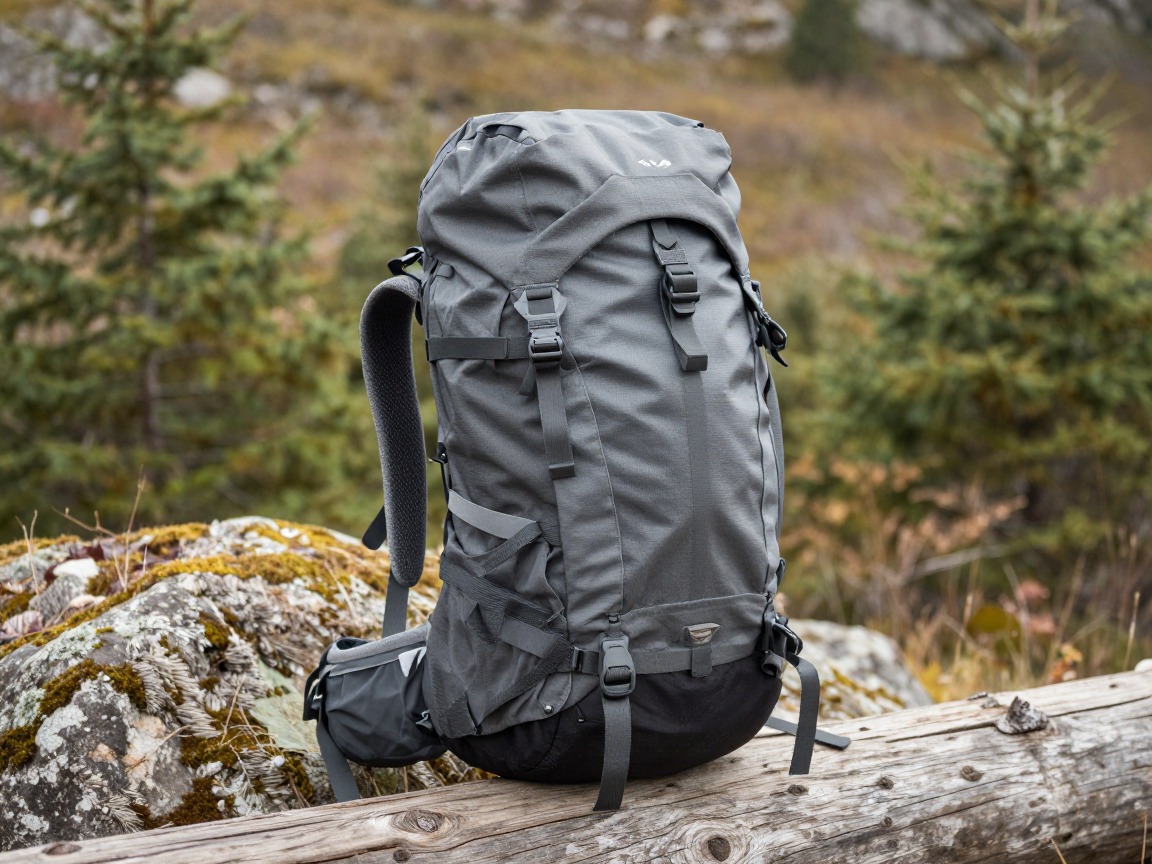
Overnight backpack
Carries your full overnight system plus the fishing layer — rod case, tackle, and waders or wet-wading gear — with room to spare.
What to look for: The same fit priorities as any overnight pack — a hip belt that genuinely carries weight and a torso length matched to you — plus external straps that can secure a rod tube or case.
 WoneNice 50L Check price
  Teton 55L Scout Internal Frame Backpack for Hiking Check price
 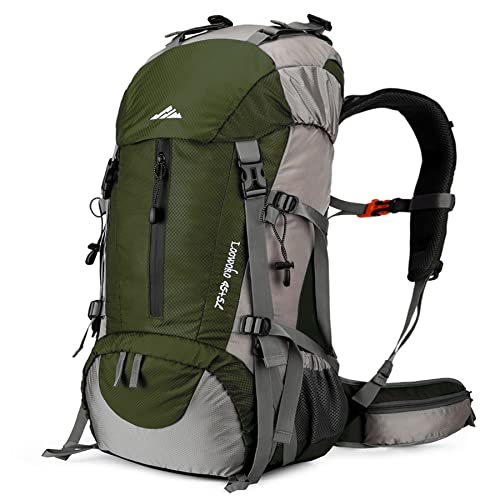 Loowoko 50L Hiking Backpack with Rain Cover for Both Men & Women Check price
 - A pack rain cover or liner
Shelter
A lightweight 1–2 person tent is the do-everything choice for a camp pitched near water, where ventilation and wind resistance matter more than usual.
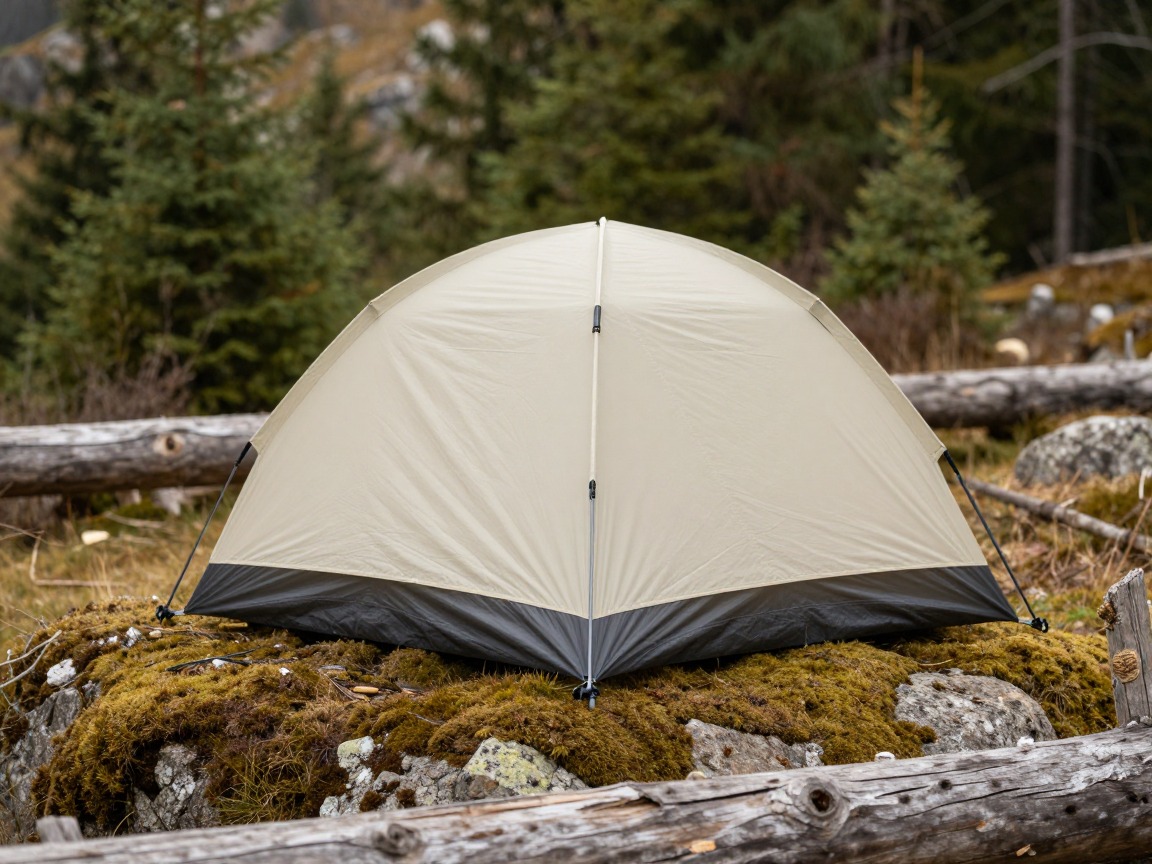
Backpacking tent
Shelter for a camp often pitched close to water, where condensation and damp ground are more common than on drier ground.
What to look for: A freestanding or semi-freestanding two-person tent, a full-coverage fly, and real vents — condensation runs higher near water. A packed weight around 2–4 lb keeps it manageable alongside the fishing kit.
 Night Cat 2-Persons Backpacking Tent: Waterproof Lightweight Camping Check price
  BISINNA 2/4 Person Camping Tent Lightweight Waterproof Backpacking T Check price
  Forceatt Tent for 2 Person is Waterproof and Windproof Check price
 - Stakes & guylines
- Groundsheet / footprint (optional)
Sleep system
A bag rated a little below the expected low, on a pad with enough insulation for the ground, keeps you warm after a day spent partly wet.
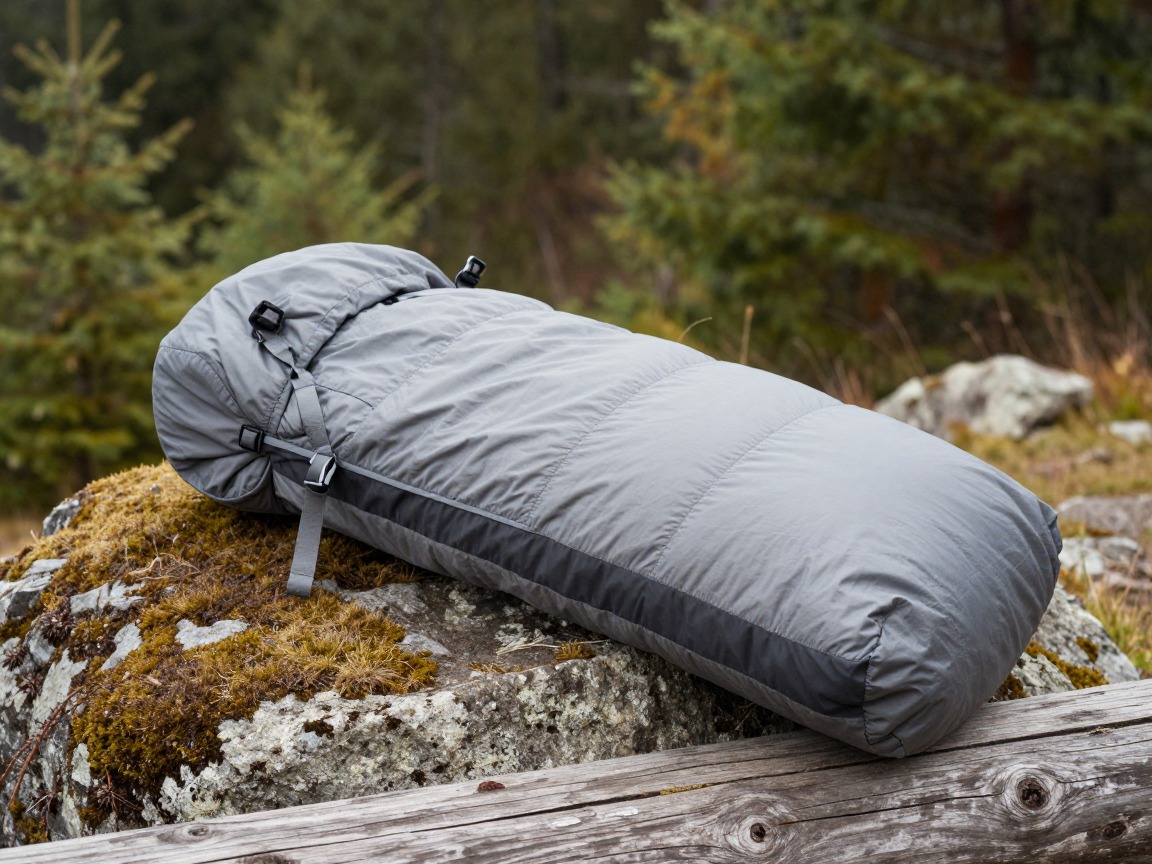
Sleeping bag
Rated a little colder than you expect the night to get — water-adjacent camps at elevation or in shoulder seasons often run colder than the forecast for the nearest town.
What to look for: A comfort rating a little below your expected low, not the survival rating, and fill to suit conditions: down for weight and packability, synthetic if the trip is likely to get genuinely wet. A hood and draft collar that actually seal are worth paying attention to.
 MalloMe Sleeping Bags for Adults Cold Weather & Warm - Backpacking C Check price
 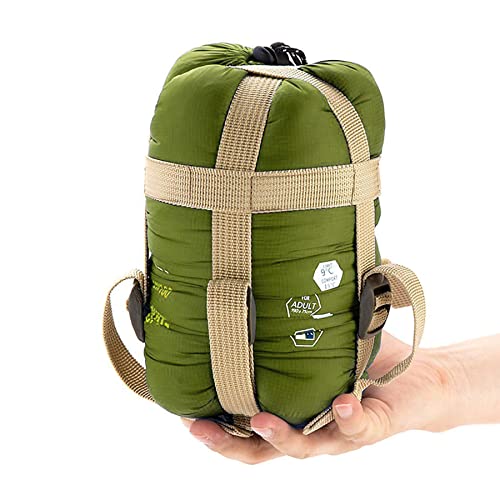 ECOOPRO Portable Check price
  Teton Trailhead Check price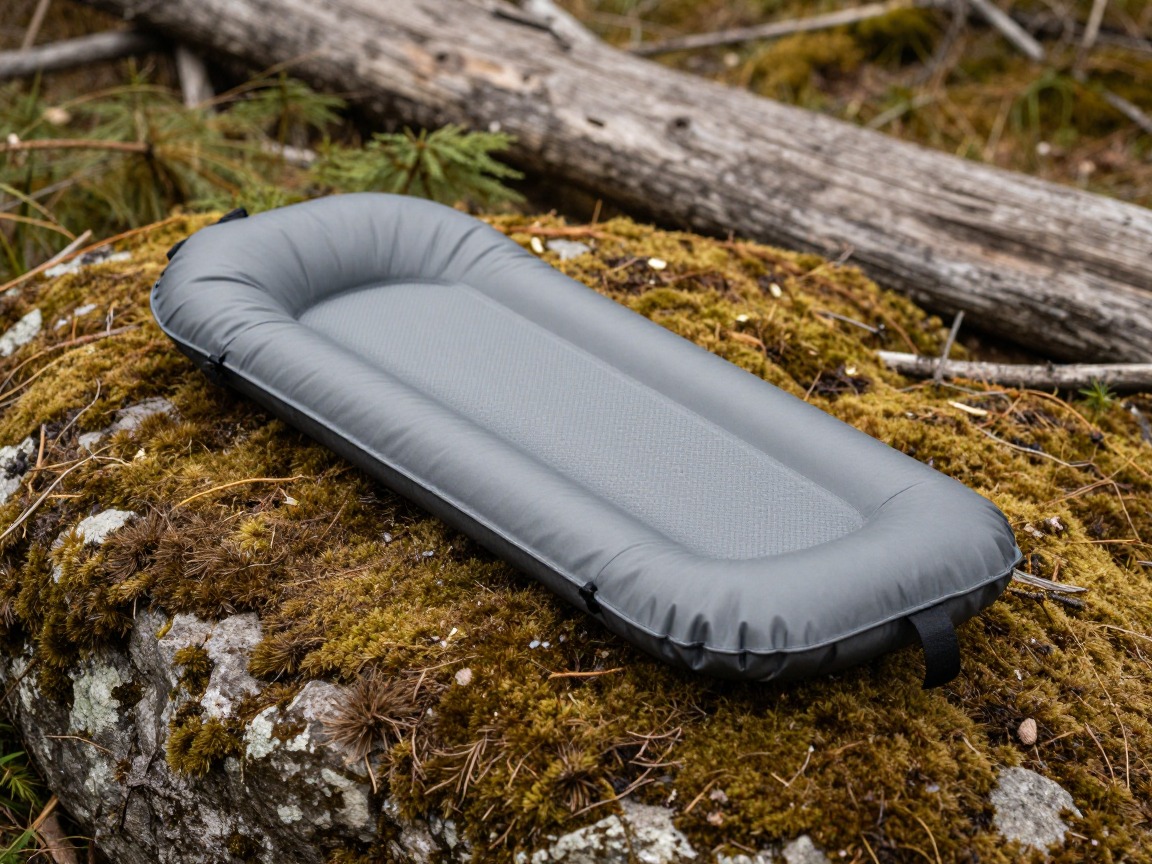
Sleeping pad
Insulates you from the ground and cushions the miles you'll feel in your shoulders and hips after a day of hiking in and wading.
What to look for: Enough R-value for the season (roughly 3+ for three-season water), a thickness you find comfortable, and a packed size that leaves room in the pack for the fishing kit.
 FUN PAC Camping Sleeping Pad Check price
  Gear Doctors® Ether 17.5oz Ultralight Camping Sleeping Pad Check price
  Oramoose 4in Ultralight Camping Sleeping Pad with Pillow and Foot Pu Check price
 - Inflatable or stuff-sack pillow
Kitchen & water
A canister stove and one pot cover dinner. A filter is non-negotiable, even camped beside some of the best water around.
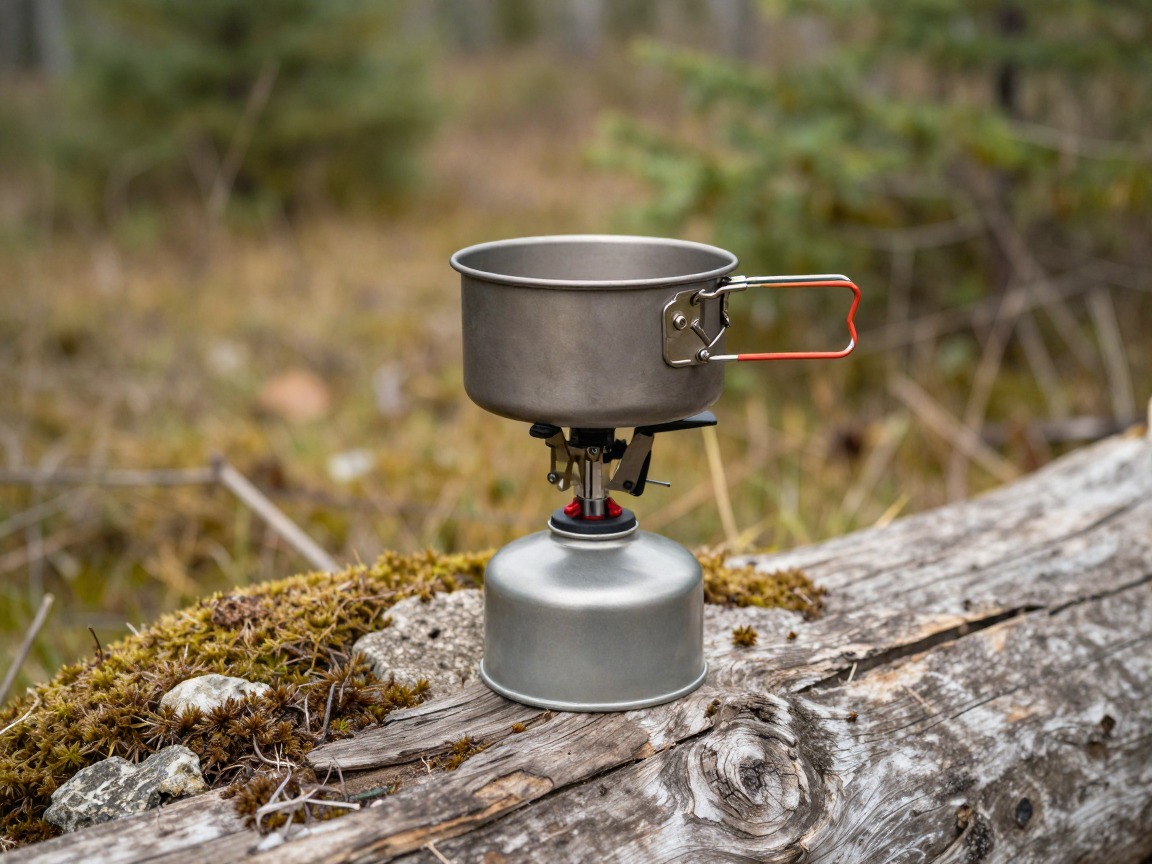
Backpacking stove
Boils water for dinner and coffee at camp — nothing about fishing changes what you need from a backcountry stove.
What to look for: A stable canister stove with usable simmer control and a quick boil, or an integrated system if you mostly just boil water. Check it runs on fuel you can actually buy near the trailhead.
 AOTU Portable Camping Stoves Backpacking Stove with Piezo Ignition S Check price
  MSR PocketRocket 2 Ultralight Camping and Backpacking Stove Check price
  Fire-Maple Greenpeak 1 Camping Stove with Piezo Ignition Portable Ga Check price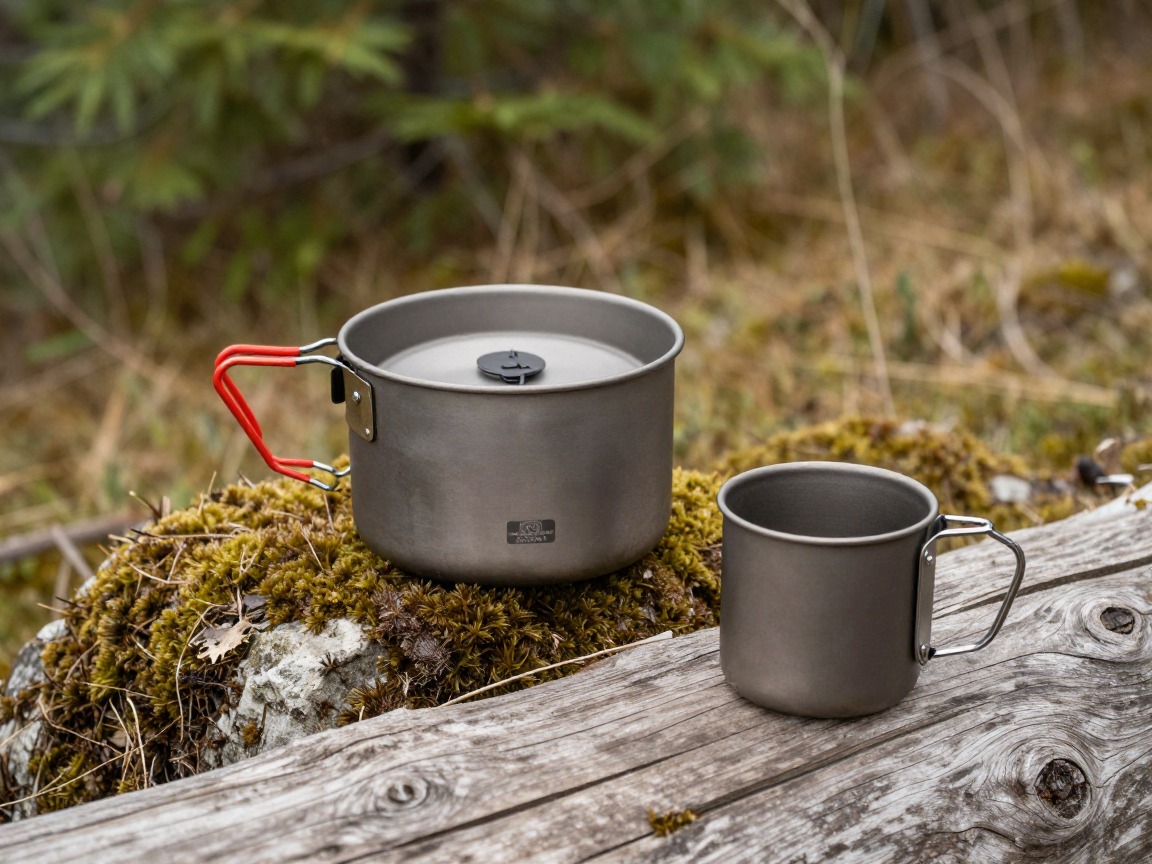
Pot & mug
One pot handles dinner and doubles as a bowl — no reason to carry more cookware just because there's a rod along.
What to look for: One pot sized to your meals (about 700–900 ml for one person), light metal like titanium or hard-anodized aluminum, and a lid that doubles as a plate.
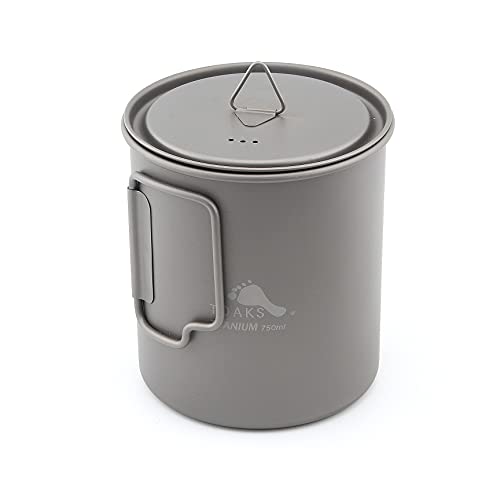 TOAKS Titanium 750ml Pot Check price
  TOAKS Titanium 750ml Pot with Bail Handle for Ultralight Camping Check price
  TOAKS Titanium 1100ml Pot with Pan Check price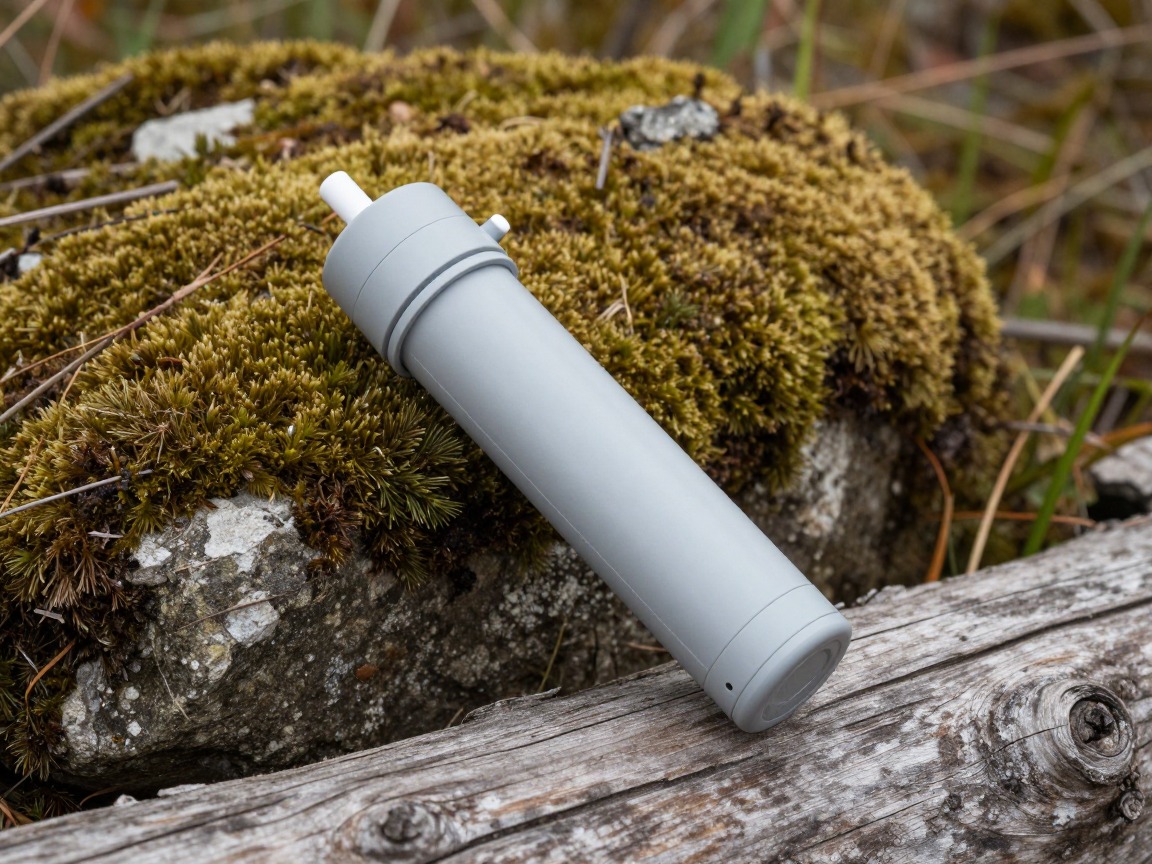
Water filter
Treats stream and lake water for drinking — being camped beside great fishing water doesn't make it safe to drink untreated.
What to look for: Fast flow, easy field cleaning, and a design that won't clog on the silty water common near inlets and gravel bars. A squeeze or gravity filter suits most weekend trips.
 Sawyer Squeeze Water Filtration System Check price
  Sawyer Products SP128 Mini Water Filtration System Check price
  LifeStraw Personal Water Filter for Hiking Check price
 - Fuel canister
- Spork & lighter
- Meals + snacks for each day
- Food storage (canister/bag + hang line)
Fishing kit
Keep this layer slim and specific to the water ahead — a packable rod, a small tackle selection, and the right wading setup cover almost every backcountry trip.
- Packable travel rod & reel (2–4 piece)
- Small tackle wallet or slim tackle box matched to the water
- Waders & wading boots, or quick-dry wet-wading gear
- Landing net
- Line clippers & forceps
- Dry bag or dry sack for the rod, reel and tackle
- State fishing license + any water-specific regs, permits or seasonal closures
Clothing & layers
Pack a layering system built around standing in or near water for hours: quick-drying fabrics, a warm mid-layer, and real sun protection.
Base layer
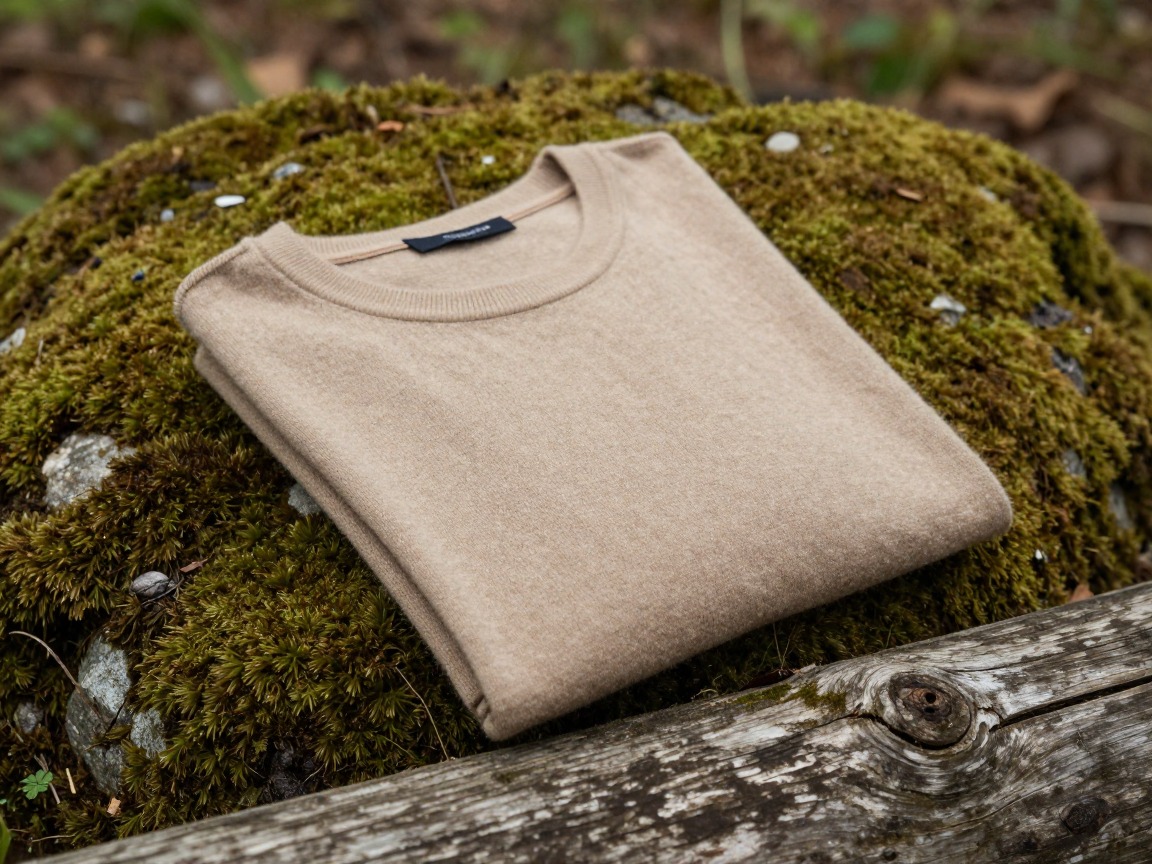
Wicks sweat on the hike in and, worn under waders or wet-wading gear, keeps you comfortable while you're standing in cold water.
What to look for: Merino or a merino blend for odor resistance over multiple days, a fit close enough to layer under waders without bunching, and a weight matched to the season.
 100% Merino Wool Base Layer Men Set - Thermal Underwear for Men Long Check price
  Merino.tech Merino Wool Base Layer Women Set - Heavyweight Check price
  100% Merino Wool Base Layer Men Set - Thermal Long Underwear with Ba Check price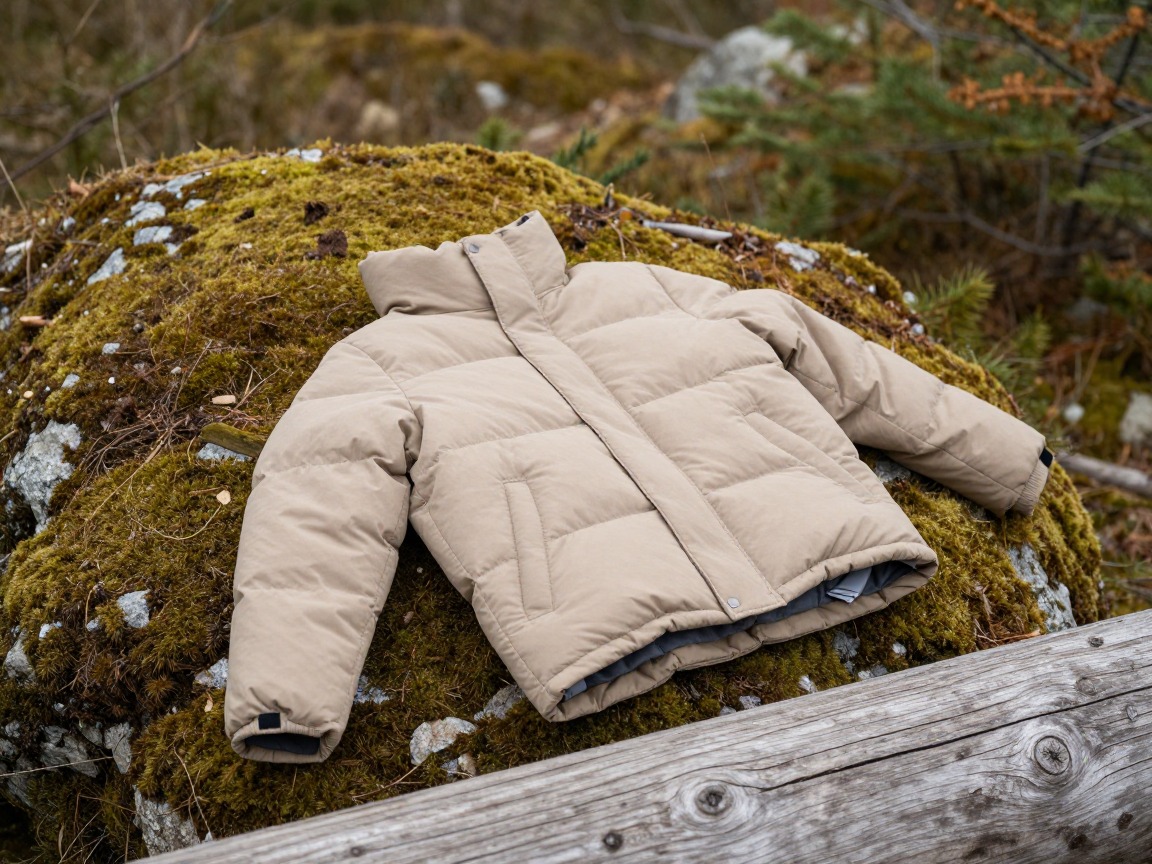
Insulating layer
A packable puffy or fleece for cold mornings at camp and for standing still in the water once the sun drops off a run or pool.
What to look for: The most warmth for its weight — down packs smallest, synthetic keeps working if it gets splashed or rained on. Size it to fit under your rain shell.
 Outdoor Ventures Women's Packable Lightweight Puffer Jacket with Hoo Check price
  Amazon Essentials Women's Lightweight Long-Sleeve Water-Resistant Pa Check price
  Outdoor Ventures Women's Packable Lightweight Puffer Jacket with Hoo Check price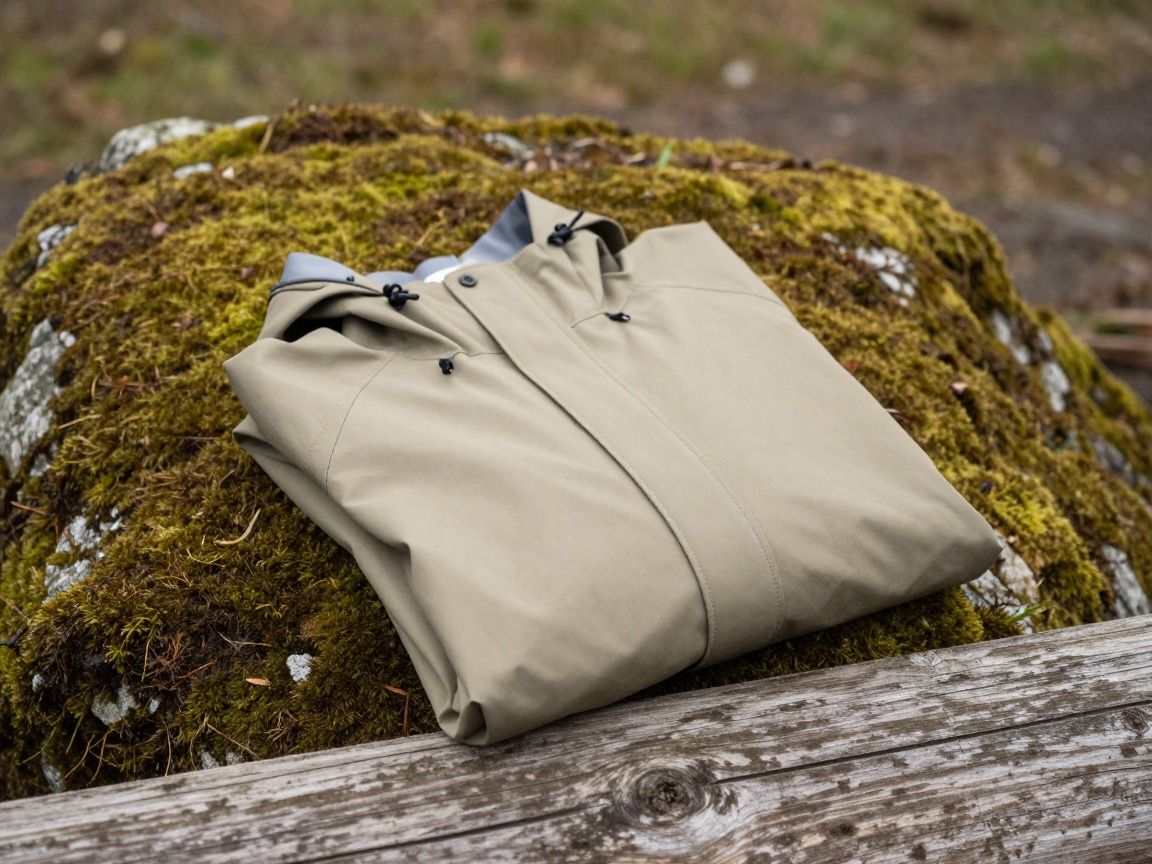
Rain shell
Waterproof protection for the hike in, and a wind layer for exposed water on cold or breezy mornings.
What to look for: Genuinely waterproof rather than water-resistant, breathable enough for the uphill miles, with a hood that stays put in wind off open water.
 UIQUR Mens Rain Jacket Raincoat Waterproof Windbreaker Black L Check price
  COOFANDY Men's Waterproof Hiking Travel Shell Breathable Rain Jacket Check price
  Columbia Womens Arcadia II Waterproof Rain Jacket Check price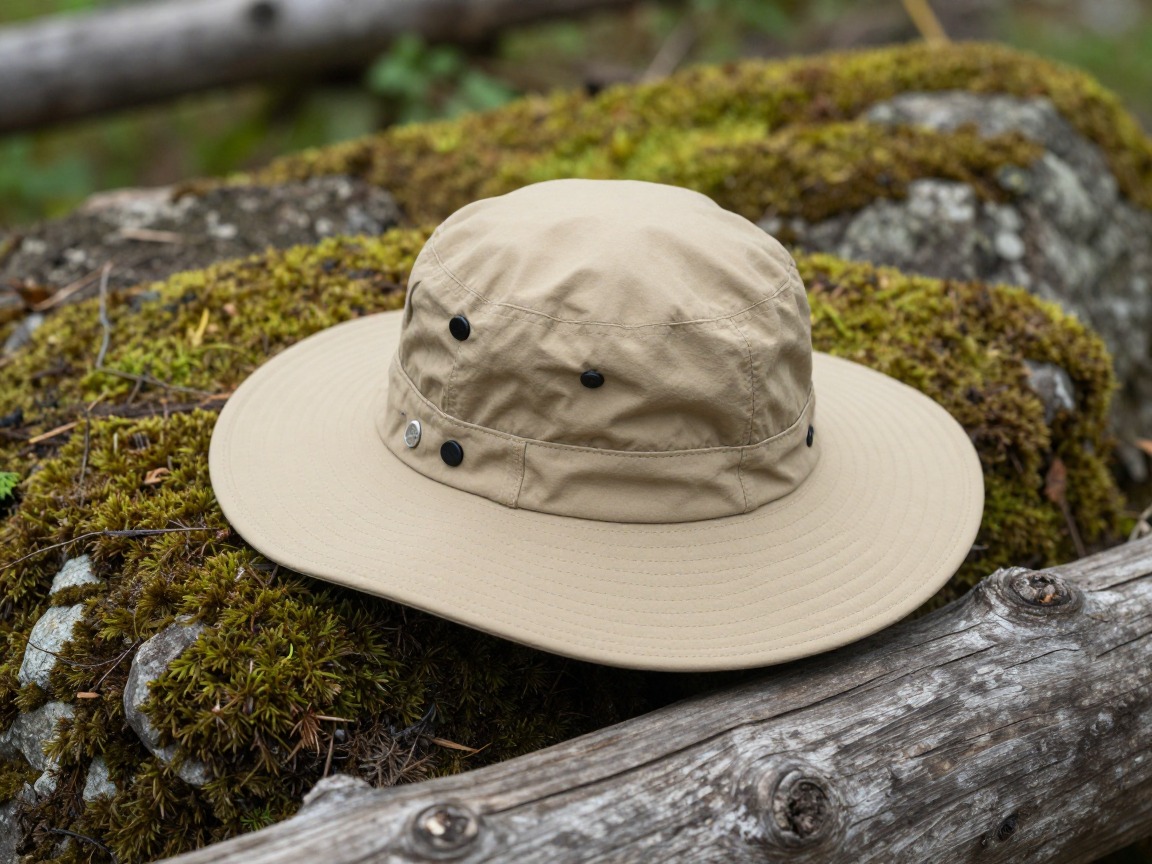
Sun & glare protection
Cuts glare off the water as much as it blocks sun — genuinely useful for spotting fish, not just comfort.
What to look for: A brim wide enough to shade your eyes for sight-fishing, a chin cord that holds in wind off the water, and quick-drying fabric for a trip spent partly wet.
 FURTALK Womens Sun Hat with Ponytail Hole Beach Hiking Summer Wide B Check price
 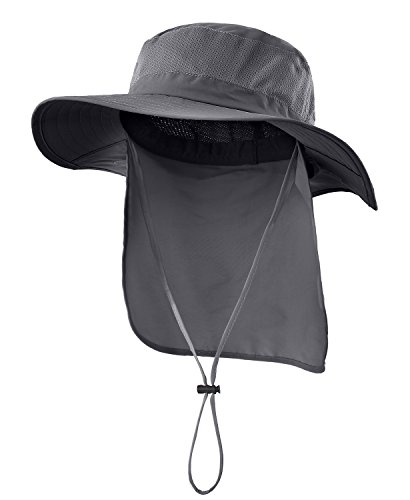 Home Prefer Outdoor UPF50+ Mesh Sun Hat Wide Brim Fishing Hat with N Check price
  FURTALK Sun Hats for Men Fishing Hat UPF Protection Wide Brim Bucket Check price
 - Spare hiking socks
- Quick-dry wading socks (if wet-wading)
- Camp/sleep clothes
- Polarized sunglasses
- Warm hat & gloves (shoulder seasons)
Navigation, light & safety
Redundancy matters as much here as on any overnight trip, plus a few fishing-specific additions for stream crossings and cold-water exposure.
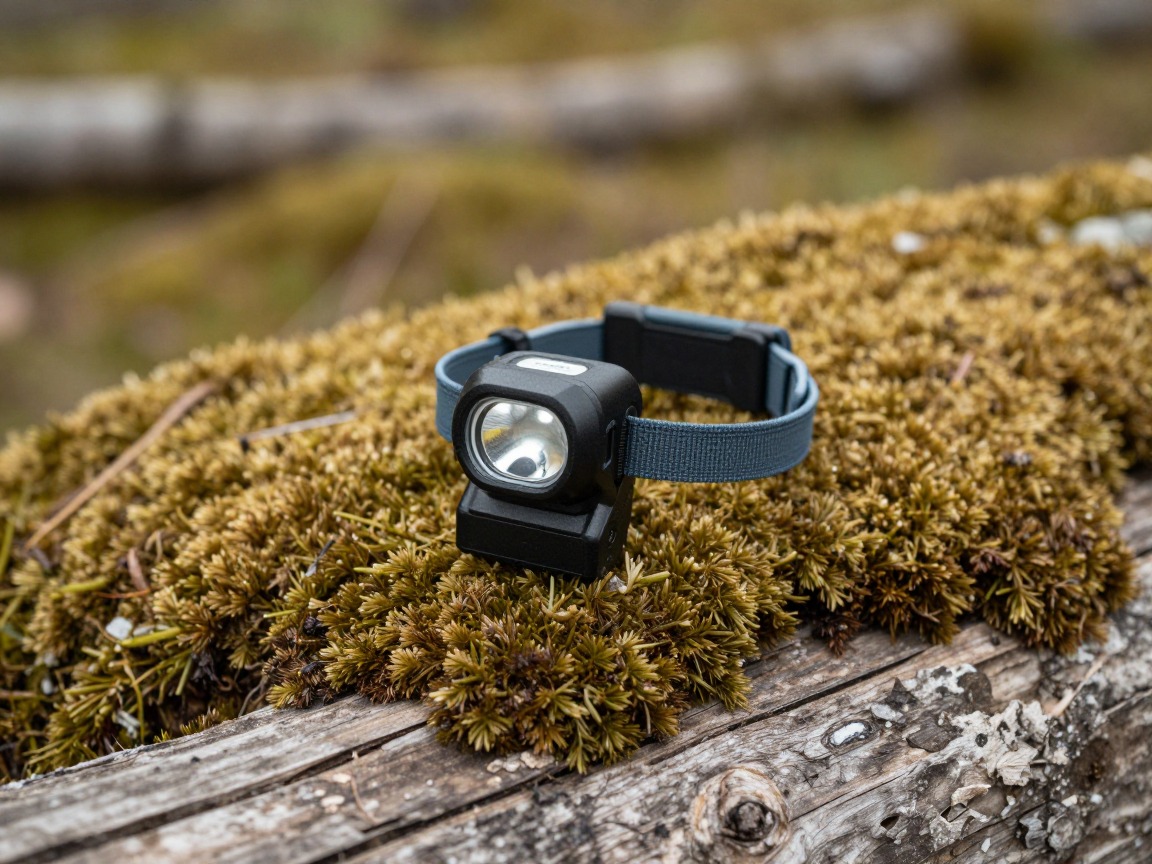
Headlamp
Essential for cooking and camp chores, and for the early starts or late evenings that put you on the water at the best light.
What to look for: Bright enough for a pre-dawn hike to a favorite run, a red mode that won't wreck your night vision at camp, and spare power for a multi-day trip.
 LHKNL Headlamp Flashlight Check price
 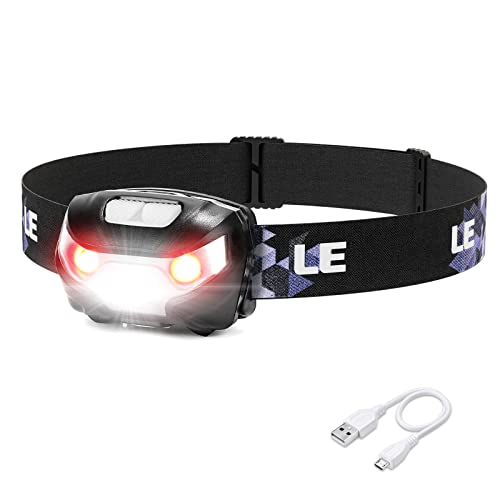 Lepro LED Headlamp Rechargeable IPX4 Waterproof Headlight 5 Modes - Check price
 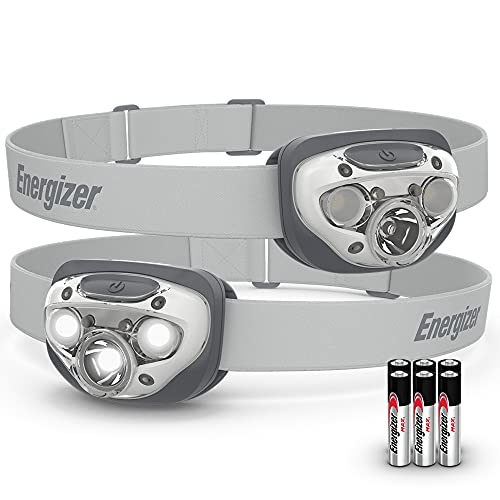 Energizer LED Headlamp PRO Check price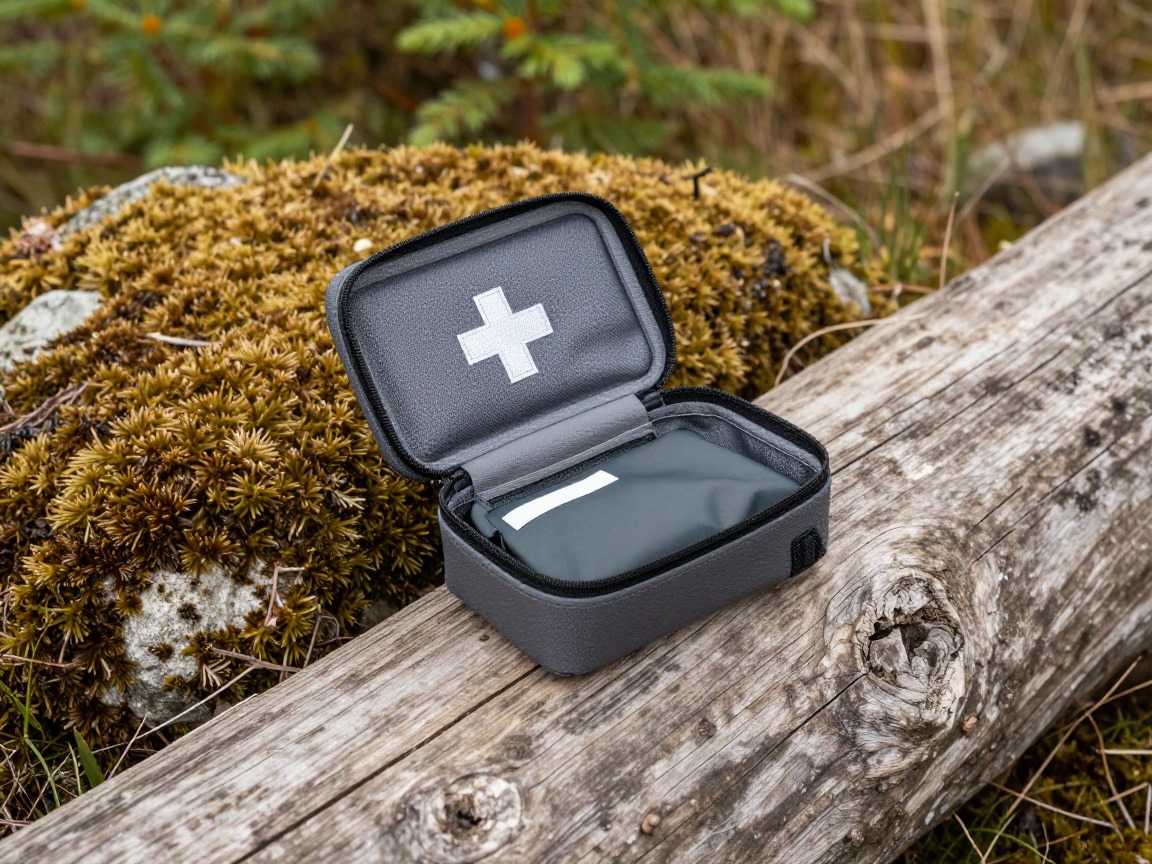
First-aid kit
A fuller kit than a day hike, with some attention to fishing-specific risks — hooks, wading falls, and cold-water exposure.
What to look for: Blister and wound care, your own reliable medications, and a way to deal with a stuck hook, plus the training to use all of it — help may be a long hike away.
 Mini First Aid Kit - 150 Piece Small Waterproof EVA Hard Shell Case Check price
  Adventure Medical Kits Ultralight/Watertight Medical Kit .5 Check price
 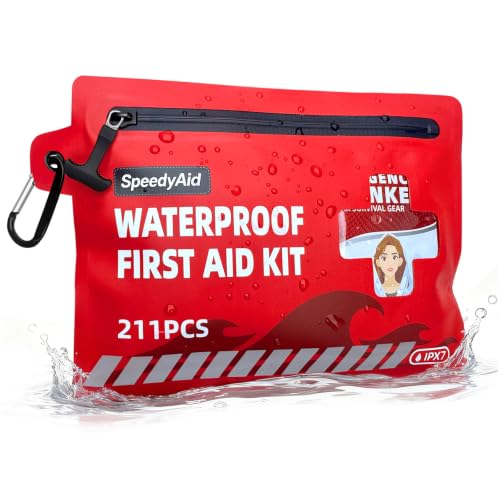 211 PCS Waterproof First Aid Kit Check price
 - Map + compass or GPS (offline)
- Trekking poles (stream crossings)
- Sunscreen & lip balm
- Whistle
- Phone + power bank
- Fire kit
- Toilet kit — trowel, TP, waste bags, kept well back from the water (Leave No Trace)
How to adapt this setup
Skip waders entirely — quick-dry pants or shorts, wading boots or old trail runners, and neoprene socks in cool sections are lighter and simpler than waders for most summer trips.
Waders and wading boots earn their weight once water temperatures drop; add a warmer base layer underneath and budget extra pack space for them.
A float tube isn't backpack-friendly, but a longer rod and a stillwater-focused tackle selection cover lake fishing from the bank without adding much weight.
More food, a hardier tackle selection for water you can't scout in advance, and a harder look at base weight — the fishing kit is extra weight on top of the standard overnight system.
Trim the big three first — pack, shelter, sleep system — the same as any backpacking trip, then look at a shorter rod and a smaller tackle wallet before cutting anything from your sleep system.
Common mistakes to avoid
- Packing a full tackle box 'just in case' instead of matching a slim selection to the water you're fishing.
- Choosing waders out of habit when the water calls for wet-wading, or the reverse — wading wet in water that's genuinely too cold.
- No dry storage for rod, reel and tackle, so a stream crossing or a rainy night soaks gear that should've stayed dry.
- Skipping the fishing license or missing water-specific regs — closures, gear restrictions, catch-and-release stretches — because the focus was all on the hike.
- Camping and cleaning fish right at the water's edge instead of well back from the bank.
- Treating fishing weight as free — an extra reel, a second rod, a bulky net — when it all still rides on your back.
Make it yours
Frequently asked questions
What do I need to pack for a backcountry fishing trip?
The standard overnight system — pack, tent, sleeping bag and pad, a canister-stove kitchen, layered clothing and a safety kit — plus a packable rod and reel, a slim tackle selection, and waders or wet-wading gear. Add your license and dry storage for the fishing layer.
Should I bring waders backpacking, or wet-wade?
It depends on water temperature and season, not preference. Cold or high-elevation water and shoulder-season trips favor waders; warmer, lower-elevation summer water often wades fine in quick-dry pants and wading boots, which are lighter and dry faster at camp.
Do I need a fishing license for backcountry water?
Yes — a state fishing license is required almost everywhere, and remote water often has its own added rules on top, such as special regulations, seasonal closures or catch-and-release-only sections. Check the specific water with the relevant state agency before you go.
How do I keep my fishing gear dry while backpacking?
Pack the rod, reel and tackle in a dedicated dry bag or dry sack, kept separate from your sleep system so a stream crossing or sudden rain can't soak it. A small waterproof pouch for a phone or camera is worth adding too.
How far should I camp from the water I'm fishing?
Leave No Trace guidance generally suggests camping, cooking and handling waste well back from lakes and streams rather than right at the water's edge — check local rules, since some backcountry areas set their own specific setback distances.
Illustrative images show the type of gear, not specific products. Recommendations link to similar items on Amazon; we only ever link real listings and never show fabricated prices or ratings. General planning guidance, not a substitute for your own judgment or professional backcountry-safety instruction.