
The Appalachian Trail section-hike setup
A multi-day stretch of the Appalachian Trail means walking under a near-unbroken canopy — hikers call it the green tunnel — where humidity settles in and rarely lifts, roots and rock slow every mile more than the map suggests, and a trail shelter shows up every few miles whether you plan to use it or not. This setup is built for that specific trail: gear that survives being damp for days, gets you through mud without complaint, and still keeps you warm when a ridge-top night turns cold despite a hot, humid afternoon.
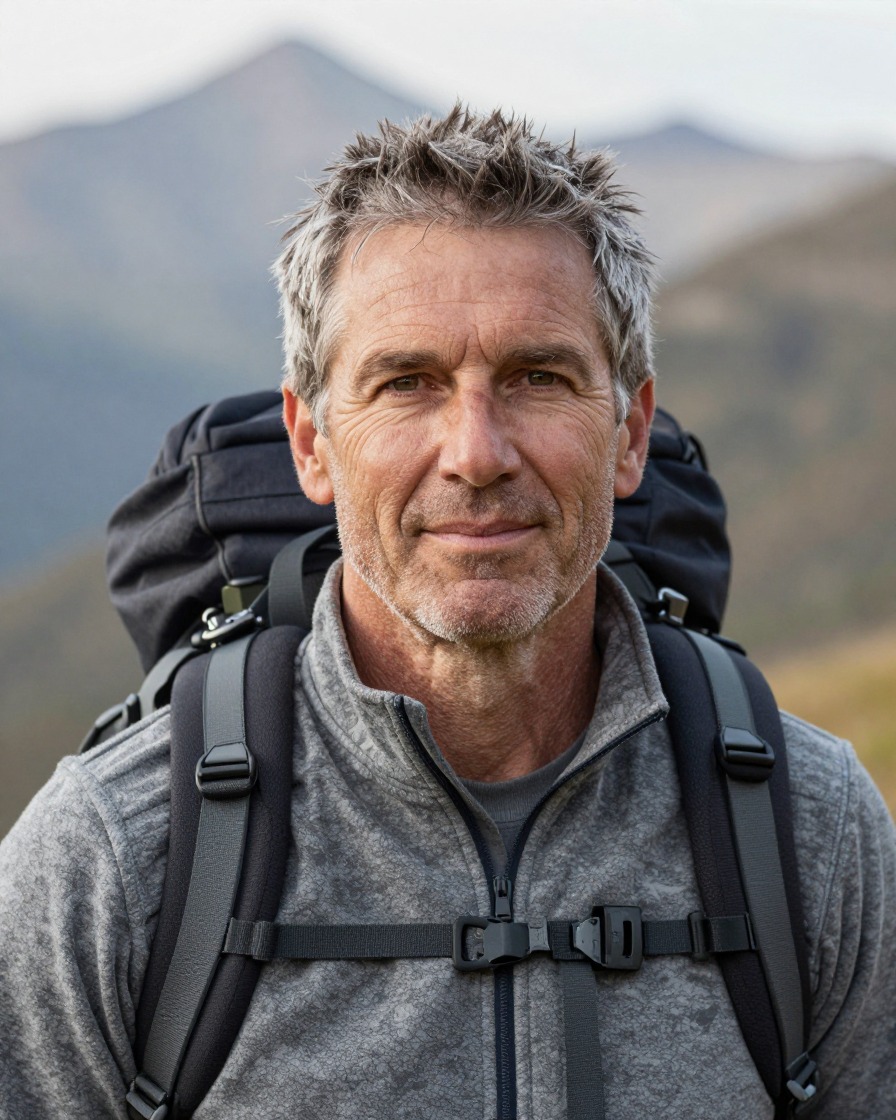
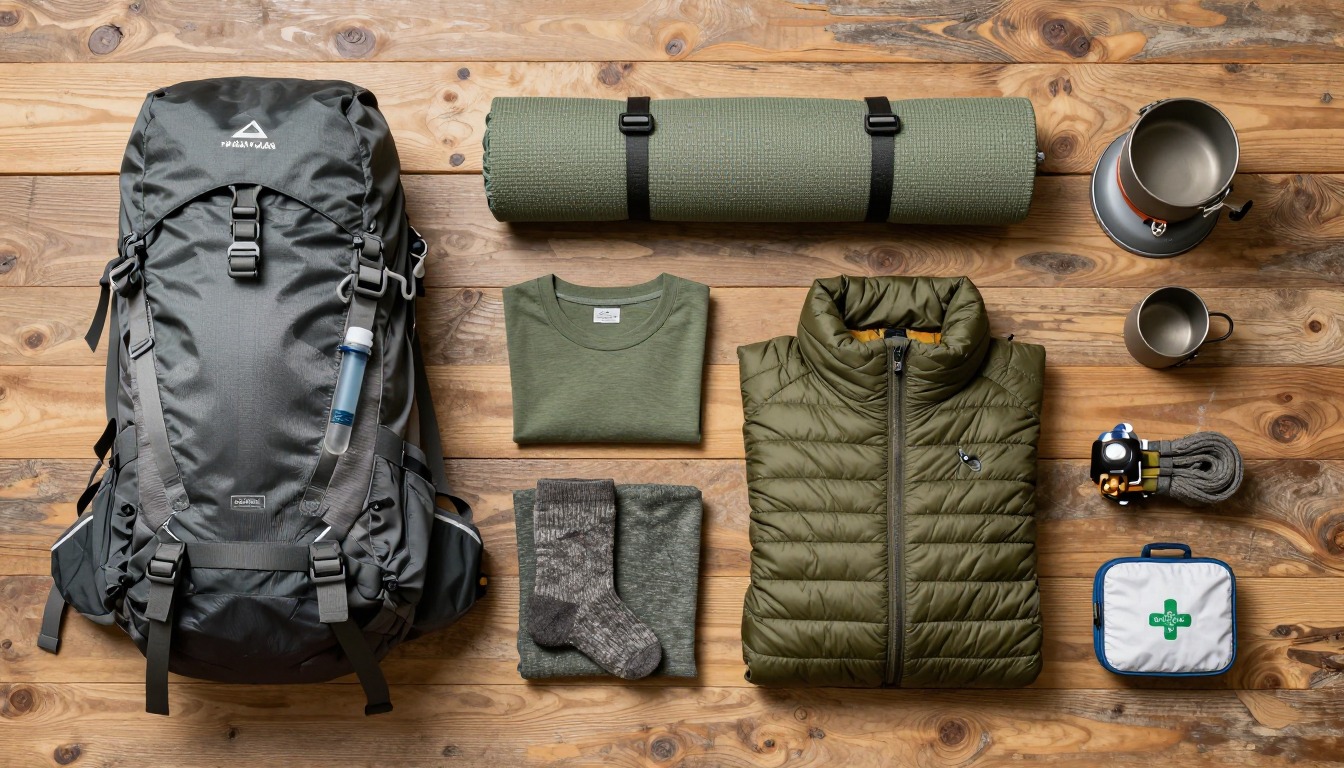
The Appalachian Trail's climate is the whole design problem here: dense Eastern forest traps humidity long after the rain stops, so nothing you're wearing or carrying truly dries out for days at a time. That rules out cotton anywhere near your skin and puts a premium on dry bags for anything that has to stay dry — a soaked sleeping bag or a wet spare base layer is a real problem two days from the next town. Trail shelters are common enough on the AT that plenty of hikers plan around them, but this kit still carries a tent, because a full shelter, a run of mice, or ten more miles than planned are all normal nights on this trail. And because the AT climbs and drops through mountain terrain the whole way, a warm afternoon tells you nothing about the night — the sleep system is built for the cold, not for the day's forecast.
This setup suits hikers taking on a multi-day stretch of the AT specifically — the Southern Appalachians, the Smokies, the Whites, or anywhere else the trail runs through dense Eastern forest with frequent shelters and frequent towns. If your section stays mostly dry, open, or above treeline, the standard section-hiking or high-altitude setups fit better; the humidity-first choices here matter less in a drier climate. And if you're stringing together the whole trail instead of one stretch, the thru-hike setup applies the same logic across months instead of days.
- Start with a pack and shelter built for daily rain and mud — the AT rewards durability over the lightest number, especially in shell fabric and shelter coverage.
- Rate your sleep system for a cold mountain night, not the warm, humid afternoon before it — even summer sections in the Appalachians can turn cold above a few thousand feet.
- Build every layer in non-cotton fabric, and pack a dry bag or liner for anything that truly has to stay dry between rainy days.
- Plan food storage around mice as much as bears, and map your section's frequent town stops before you start.
About this setup
The Appalachian Trail runs roughly 2,190 miles from Georgia to Maine, almost entirely through dense Eastern hardwood and pine forest — hikers nicknamed it the green tunnel for a reason. Views are the exception, not the rule, and the tradeoff is a trail that traps humidity under its canopy for days after the last rain, with mud, wet leaves, and a steady tangle of roots and rock that slow every mile more than the elevation profile suggests. A section here isn't measured only in distance; it's measured in how long everything you're carrying stays wet.
The trail's network of three-sided shelters is one of its defining features — spaced roughly a day's hike apart, free to use, and enough of a draw that some hikers plan to skip a tent entirely and just sleep in whichever one they reach. It's a reasonable plan on a quiet night, and a rougher one on a busy weekend, a rainy afternoon everyone's chasing shelter from, or a night the mice decide to run laps over an unhung food bag. This setup carries a tent anyway — not because shelters aren't useful, but because a backup plan on a trail this popular isn't really optional.
Mice, not bears, are the more constant nuisance at AT shelters, chewing through packs and food bags left on the floor; most shelters have a cable, hook, or box for hanging food specifically because of it. Towns also show up more often on the AT than on a trail like the PCT or CDT, which keeps individual food carries short but still makes a resupply plan worth mapping before you start. And because the trail climbs through real mountain terrain the whole way, a warm, humid afternoon in a valley can still end in a genuinely cold night on a ridge or a bald — pack the sleep system for that swing, not for the day you just had.
The pack
Everything you carry on the AT gets rained on eventually, and a pack built for daily wet weather beats one that's just light — the humidity here rarely lets up long enough for gear to fully dry between days.
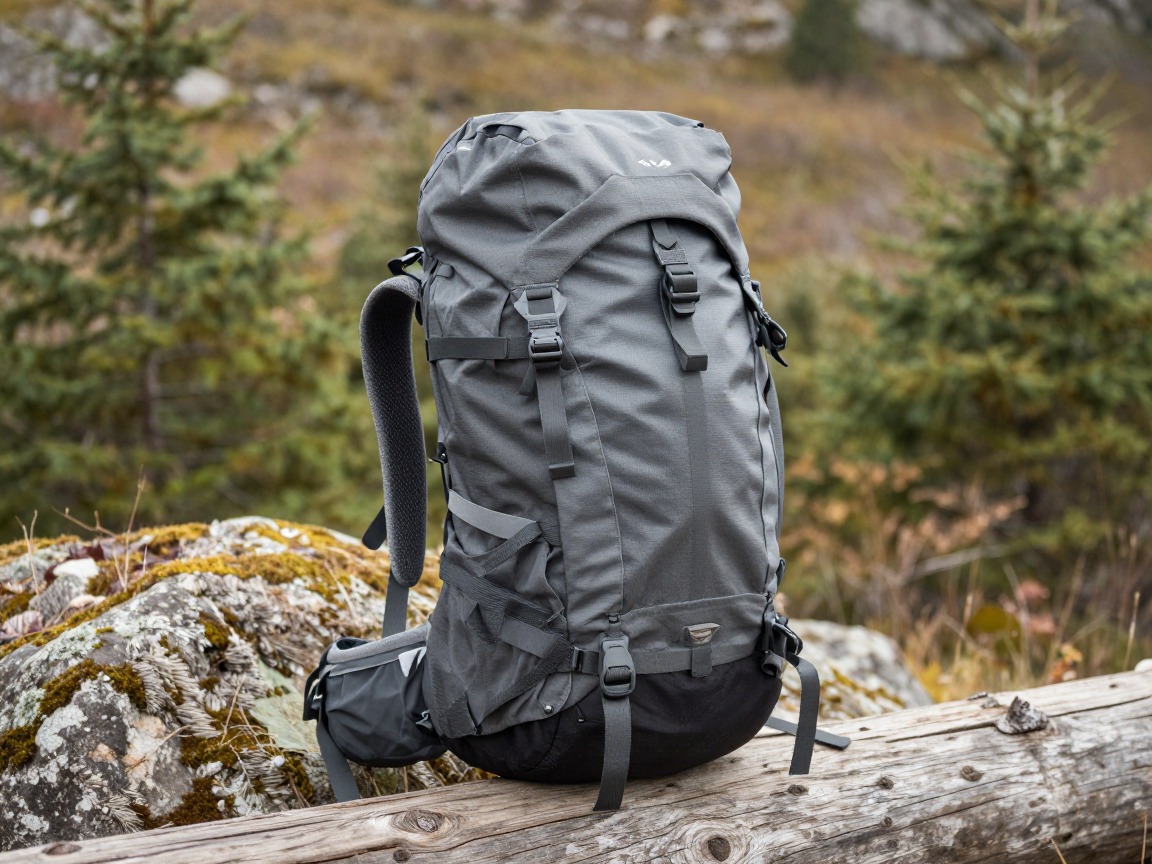
Multi-day pack
Carries a multi-day AT kit through mud, roots, and daily rain, loaded and unloaded at shelters and campsites that are rarely dry underfoot.
What to look for: A durable, weather-resistant fabric that handles being set down in wet leaf litter and mud, a hip belt that stays comfortable over uneven, root-crossed trail, and enough room for a dry bag lining the inside.
 WoneNice 50L Check price
  Teton 55L Scout Internal Frame Backpack for Hiking Check price
 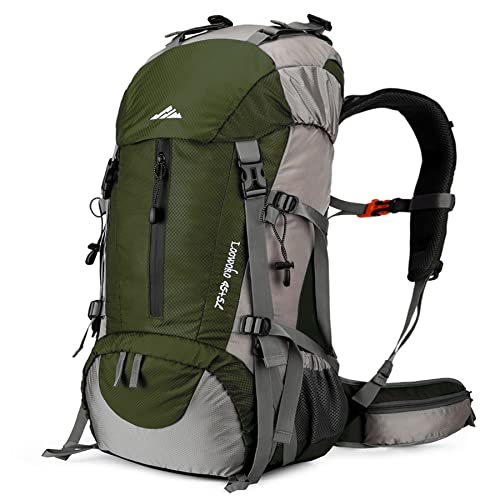 Loowoko 50L Hiking Backpack with Rain Cover for Both Men & Women Check price
 - A pack liner or heavy-duty dry bag lining the inside of the pack — a rain cover alone won't keep gear dry through a full day of AT rain
- Compression straps to manage a shrinking food bag between town stops
Shelter
The AT's shelters are a real option most nights, but carrying your own backup keeps a full lean-to, a rough storm, or a mouse problem from deciding where you sleep.
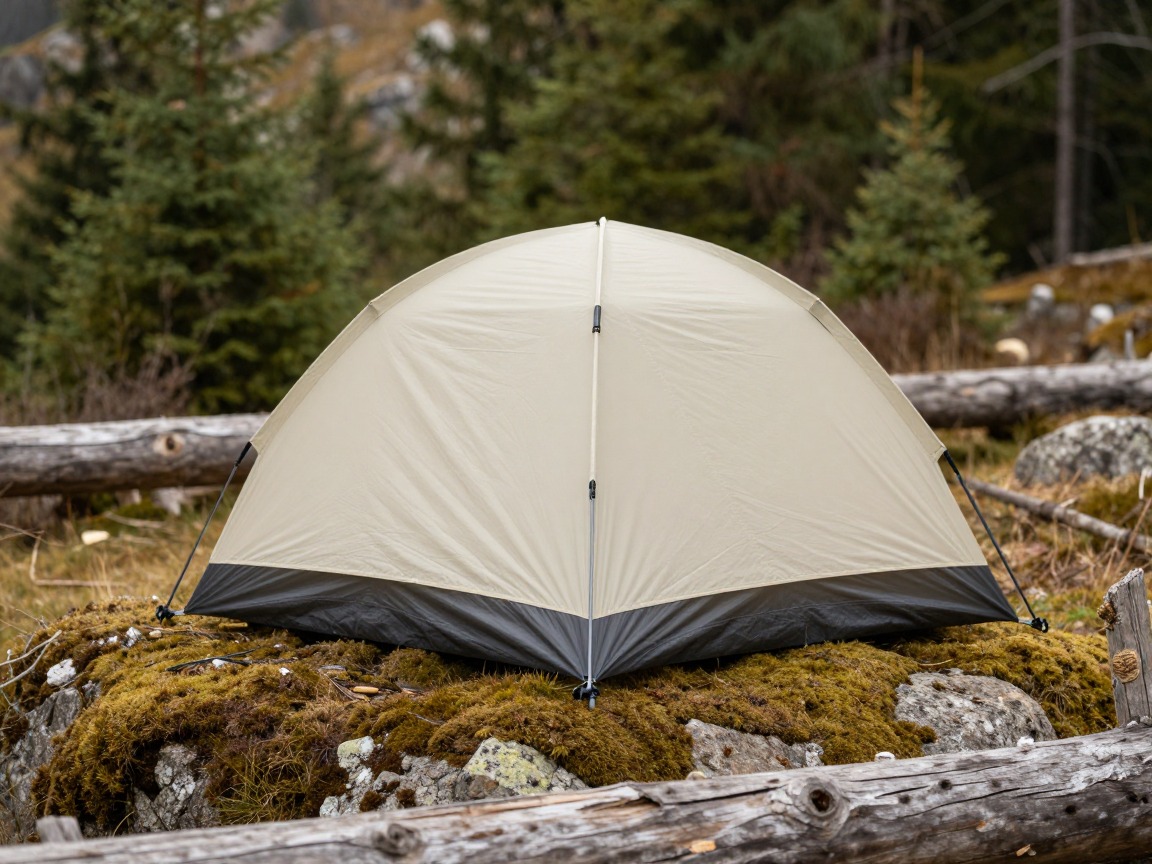
Backup tent or tarp
A lightweight tent or tarp you pitch even on a night you'd planned to use a shelter — insurance against a full lean-to, foul weather, or a shelter you'd rather not share with mice.
What to look for: A shelter that pitches fast in the rain and on uneven, rooty ground, since flat tent sites can be scarce near AT shelters, plus enough coverage to block sideways rain dripping off a full canopy.
 Night Cat 2-Persons Backpacking Tent: Waterproof Lightweight Camping Check price
  BISINNA 2/4 Person Camping Tent Lightweight Waterproof Backpacking T Check price
  Forceatt Tent for 2 Person is Waterproof and Windproof Check price
 - Stakes that hold in soft, root-filled forest soil, plus a couple of spares
- A groundsheet — AT campsites are rarely dry or free of debris
Sleep system
Rate your bag for a cold mountain night, not the humid afternoon before it — elevation swings on the AT can turn a warm day into a genuinely cold one by dark.
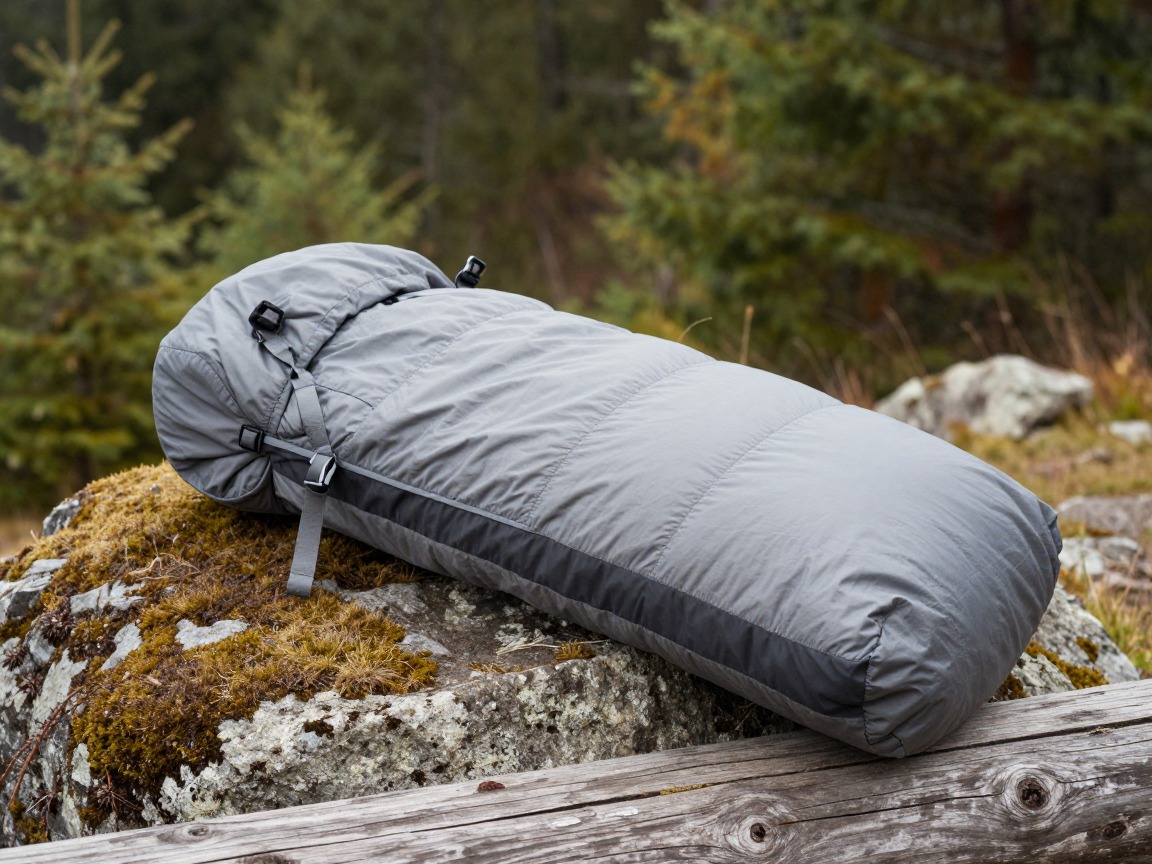
Sleeping bag or quilt
Keeps you warm on nights that run colder than the day's humidity suggested — common on AT balds, ridgelines, and higher elevations even outside winter.
What to look for: A comfort rating for your section's coldest likely night rather than its average, and a fill and shell that shrug off constant trail dampness — synthetic fill is more forgiving here than down if a dry bag ever fails.
 MalloMe Sleeping Bags for Adults Cold Weather & Warm - Backpacking C Check price
 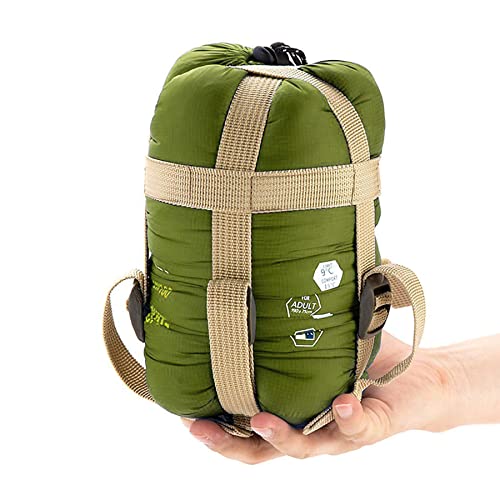 ECOOPRO Portable Check price
  Teton Trailhead Check price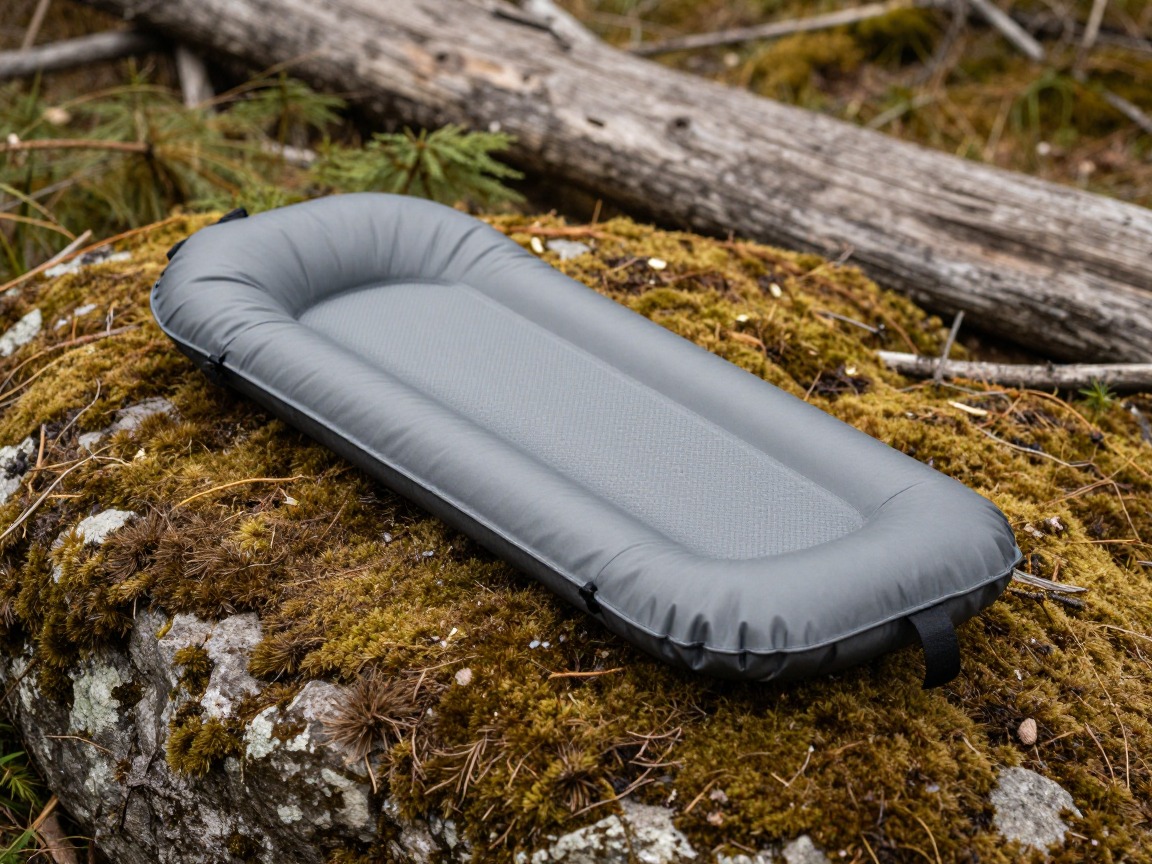
Sleeping pad
Separates you from cold, often damp ground at shelters and campsites, night after night through a multi-day section.
What to look for: Enough R-value for a cold mountain night, and a fabric durable enough for wooden shelter floors and rocky, root-crossed tent sites.
 FUN PAC Camping Sleeping Pad Check price
  Gear Doctors® Ether 17.5oz Ultralight Camping Sleeping Pad Check price
  Oramoose 4in Ultralight Camping Sleeping Pad with Pillow and Foot Pu Check price
 - A dry bag just for your sleeping bag — the one thing on this list that truly cannot get wet
- Stuff-sack or inflatable pillow
Kitchen, water & food storage
Keep the kitchen simple, treat every water source along the way, and plan food storage around mice as much as bears — most AT shelters see far more of the former.
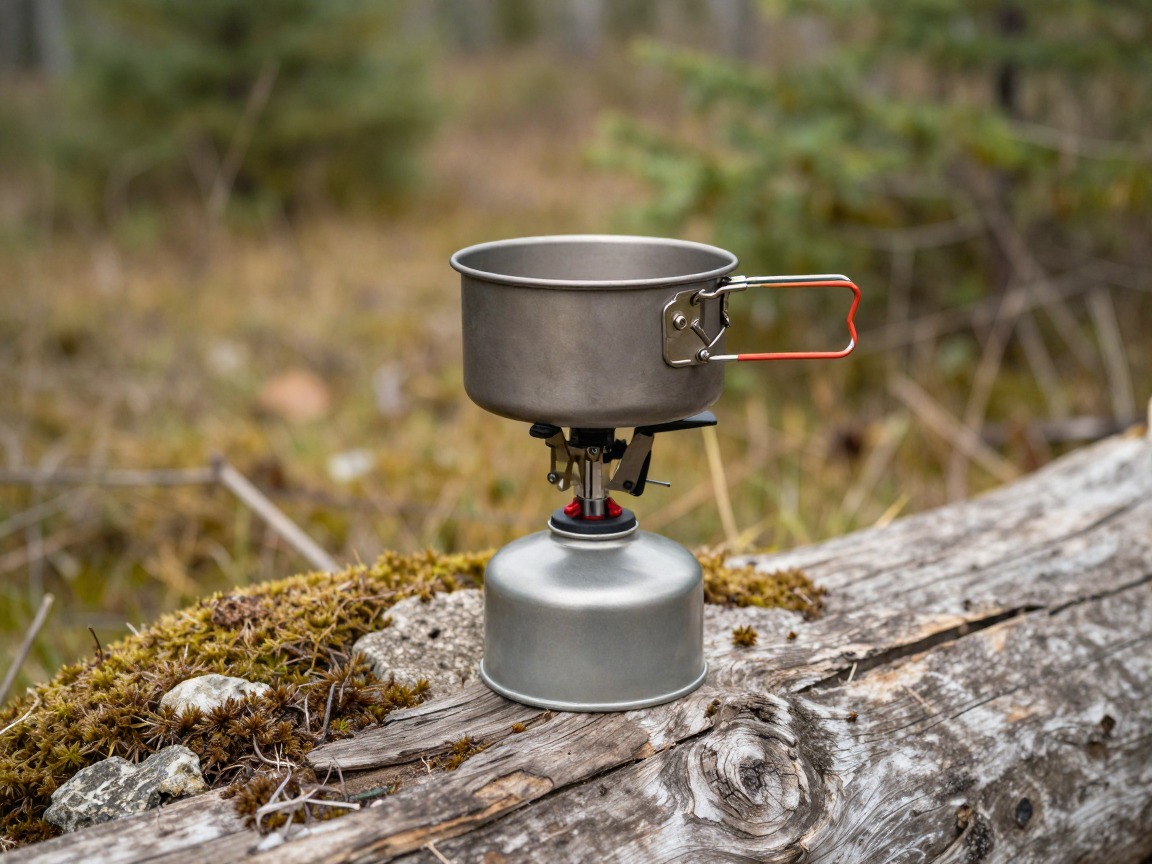
Backpacking stove
A simple canister stove for hot dinners and drinks, refueled at outfitters and trail towns along the way.
What to look for: Reliability in damp conditions over any extra feature, and fuel canisters you've confirmed are actually stocked in the towns along your specific section.
 AOTU Portable Camping Stoves Backpacking Stove with Piezo Ignition S Check price
  MSR PocketRocket 2 Ultralight Camping and Backpacking Stove Check price
  Fire-Maple Greenpeak 1 Camping Stove with Piezo Ignition Portable Ga Check price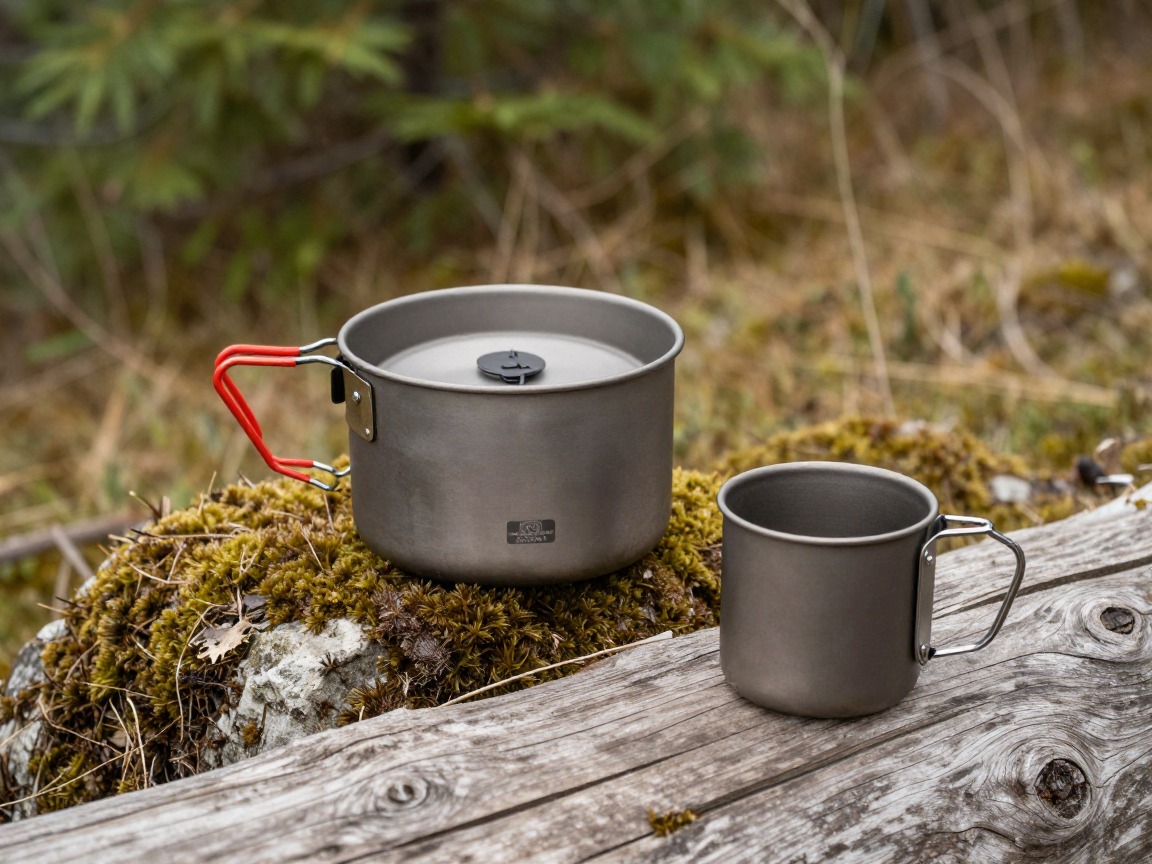
Pot & mug
One durable pot handles dinner for the length of the section — simple gear holds up better to being packed away wet, day after day.
What to look for: A pot sized to your meals, light metal that tolerates being stowed damp, and a lid that doubles as a plate.
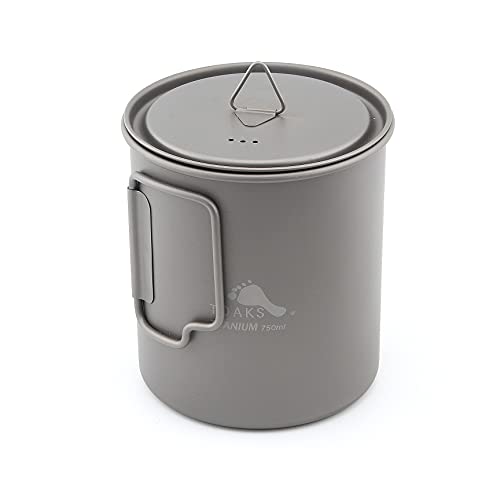 TOAKS Titanium 750ml Pot Check price
  TOAKS Titanium 750ml Pot with Bail Handle for Ultralight Camping Check price
  TOAKS Titanium 1100ml Pot with Pan Check price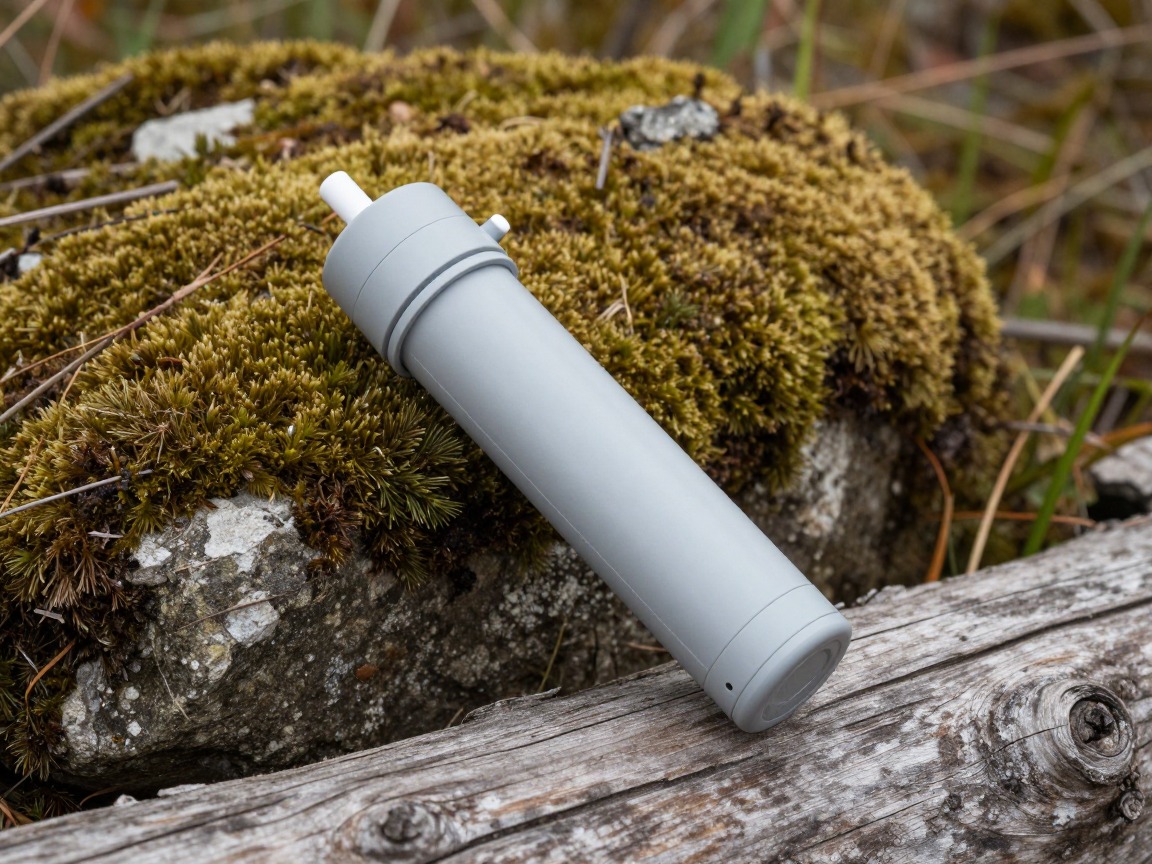
Water filter
Treats water from the AT's frequent streams and springs, which stay reliably plentiful through most of the trail's Eastern forest.
What to look for: Fast flow and easy field cleaning, since organic matter and sediment are common in humid, forested watersheds; carry a backup treatment for the day it clogs.
 Sawyer Squeeze Water Filtration System Check price
  Sawyer Products SP128 Mini Water Filtration System Check price
  LifeStraw Personal Water Filter for Hiking Check price
 - A way to hang food away from mice at shelters — a cable, hook, or box is often provided, but bring your own odor-proof or rodent-resistant bag too
- Bear canister or Ursack where your specific section requires one — check current local rules before you go
- Spork, lighter, and backup matches or a firestarter
- Food for each day of the section plus a one-day buffer
Clothing for the green tunnel
Nothing dries fast under full canopy and constant humidity, so every layer here is non-cotton, and a dry bag holds whatever has to stay that way.
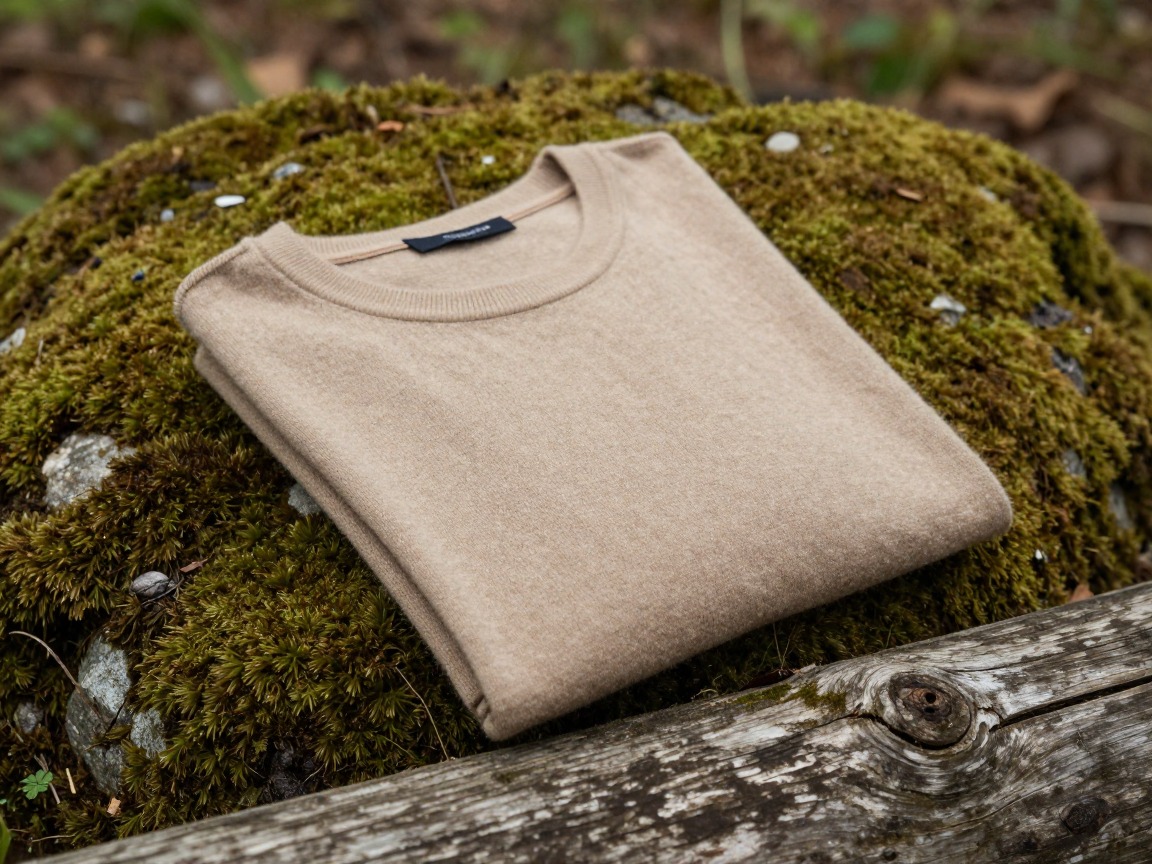
Base layer
Worn under everything else through days of humid, sweaty hiking — non-cotton is non-negotiable here, since cotton stays wet and cold once it's soaked.
What to look for: Merino or a synthetic blend that keeps working even when damp, since a fully dry base layer is a rare thing on a multi-day AT stretch.
 100% Merino Wool Base Layer Men Set - Thermal Underwear for Men Long Check price
  Merino.tech Merino Wool Base Layer Women Set - Heavyweight Check price
  100% Merino Wool Base Layer Men Set - Thermal Long Underwear with Ba Check price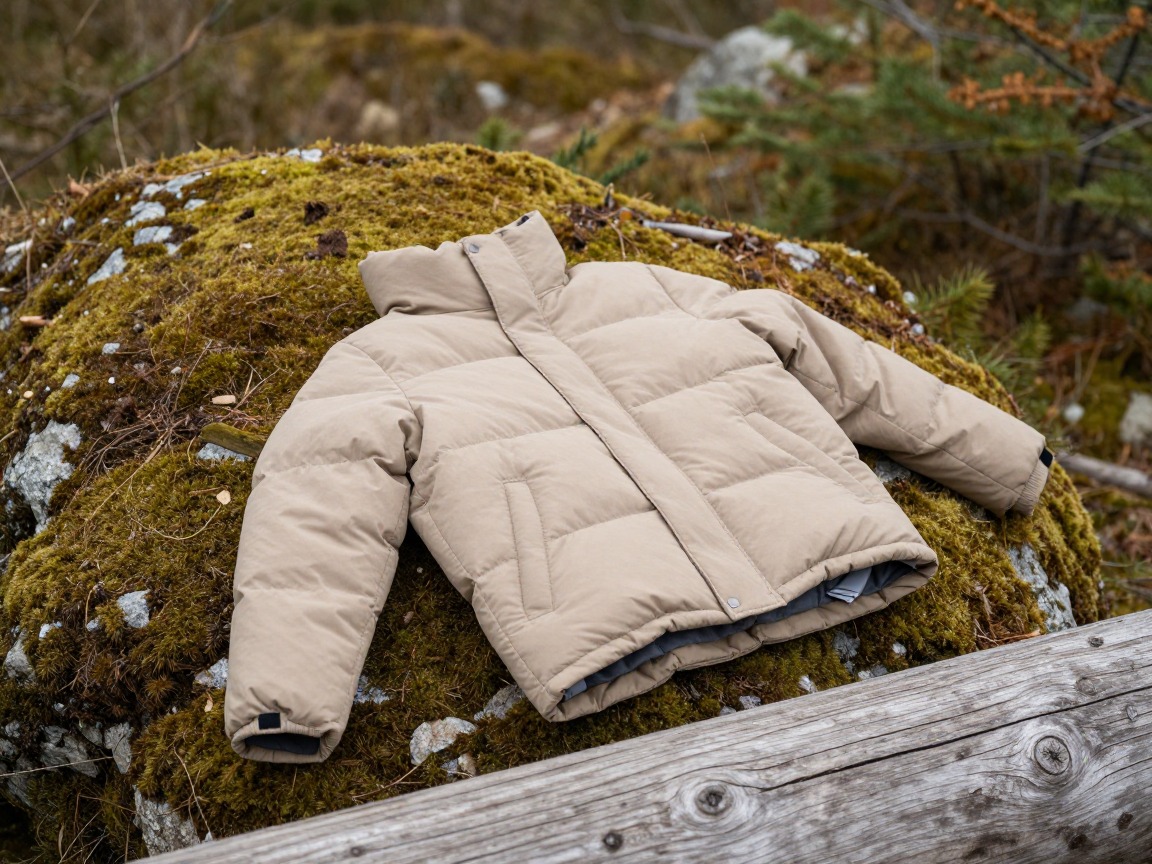
Insulating layer
Warmth for cold mornings and unexpectedly cold nights on ridges and balds, even when the day itself ran warm and humid.
What to look for: Synthetic fill that still insulates when damp, over down that needs to stay bone-dry to work, plus a pack size small enough to store in its own dry bag.
 Outdoor Ventures Women's Packable Lightweight Puffer Jacket with Hoo Check price
  Amazon Essentials Women's Lightweight Long-Sleeve Water-Resistant Pa Check price
  Outdoor Ventures Women's Packable Lightweight Puffer Jacket with Hoo Check price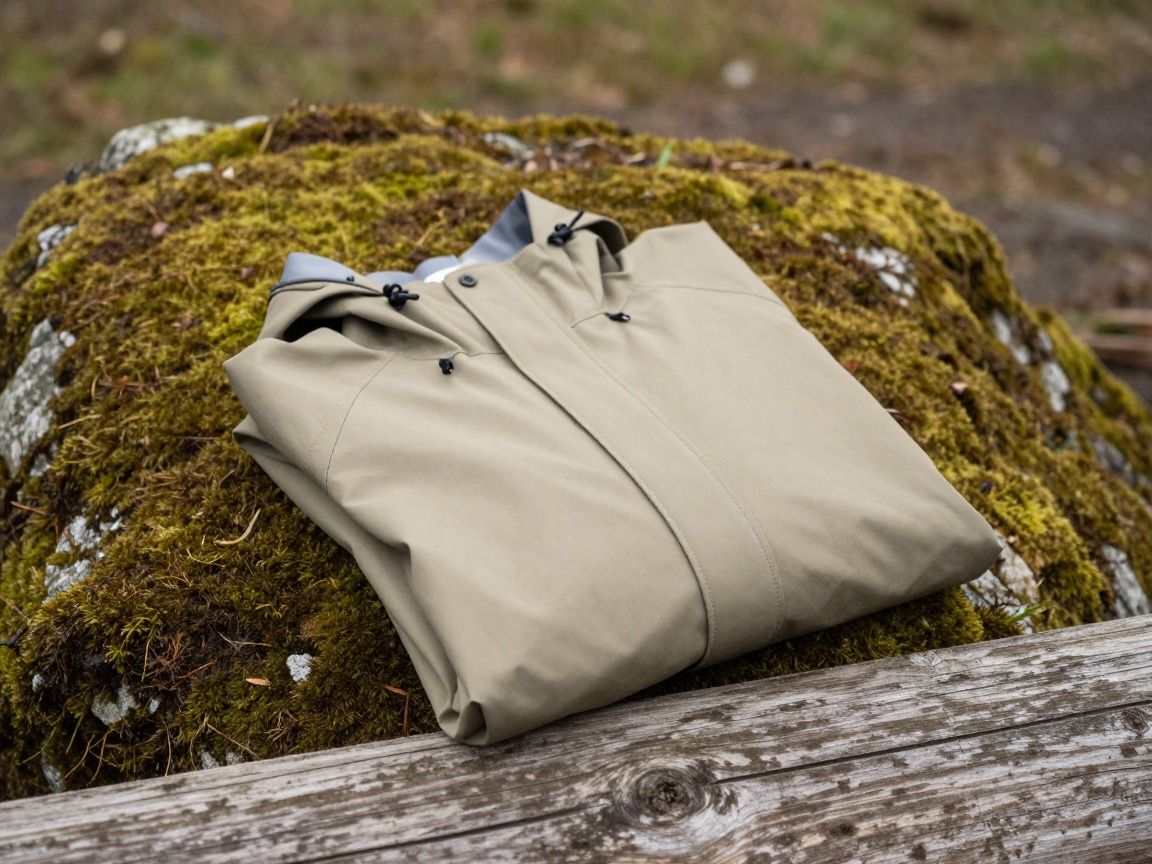
Rain shell
Works overtime on the AT, where rain and dripping canopy after a storm both call for a shell — this is the item most responsible for whether you're ever actually dry.
What to look for: Genuine waterproofing with real venting, since AT rain often arrives with warm, muggy air that turns a jacket into a sauna without it.
 UIQUR Mens Rain Jacket Raincoat Waterproof Windbreaker Black L Check price
  COOFANDY Men's Waterproof Hiking Travel Shell Breathable Rain Jacket Check price
  Columbia Womens Arcadia II Waterproof Rain Jacket Check price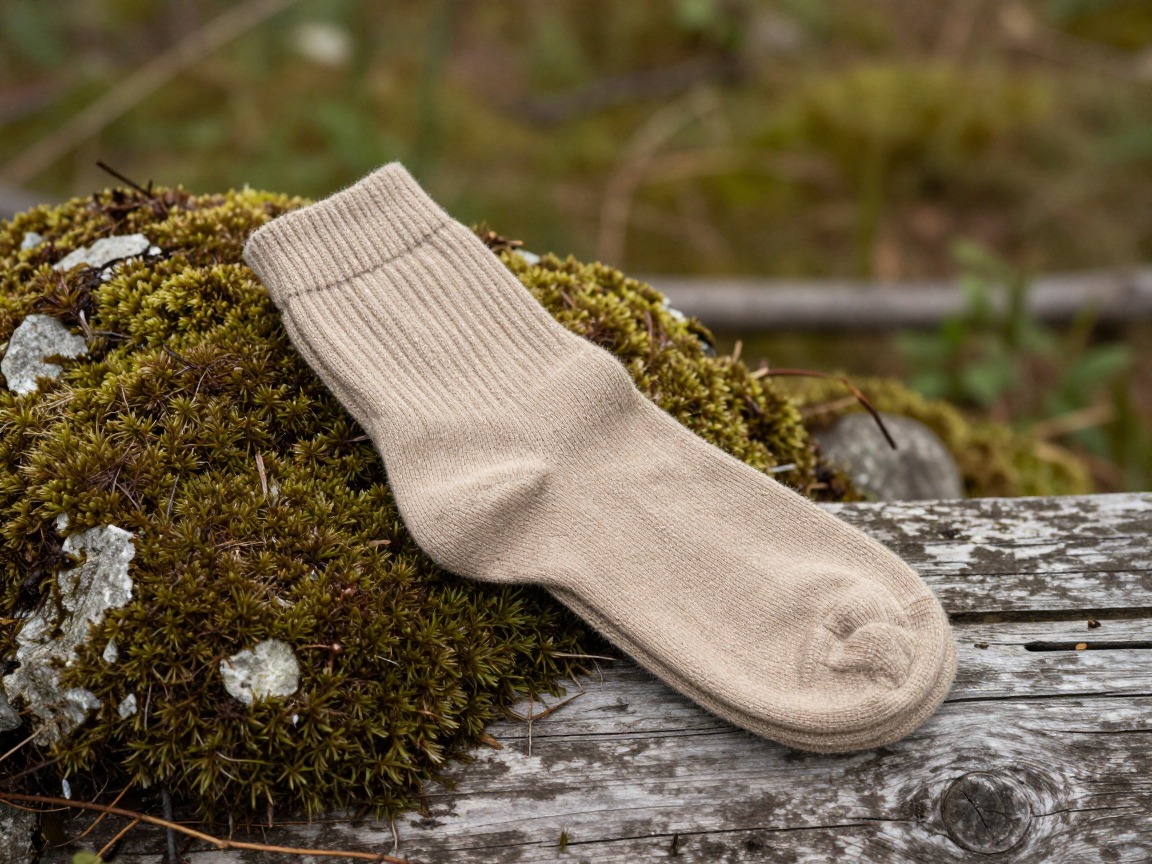
Hiking socks
Wet feet are close to guaranteed on a multi-day AT stretch, so a sock rotation matters more here than the socks themselves.
What to look for: Wool or a wool blend that still insulates wet, and at least two pairs so a dry one is always waiting at the next camp.
 Alvada Merino Wool Hiking Socks Thermal Warm Crew Winter Boot Sock F Check price
  DANISH ENDURANCE Merino Wool Socks for Men & Women Check price
  innotree 3 Pack Men's Merino Wool Hiking Socks Check price
 - Gaiters — mud, wet leaves, and loose trail debris are a daily feature of the AT, not an occasional one
- Footwear built around wet feet rather than against them — many AT section-hikers choose non-waterproof trail runners that drain and dry faster than waterproof boots, which just hold water once they're soaked
- Warm hat and gloves for surprisingly cold mornings, even on a summer section
- Camp shoes or sandals to give your feet a break from wet footwear at night
- A separate, minimal set of dry clothes reserved for camp and sleep
Navigation, light & town resupply
Redundancy and a resupply plan matter more than any single piece of gear on this section — frequent towns keep the pack light, but only if you've mapped where they are.
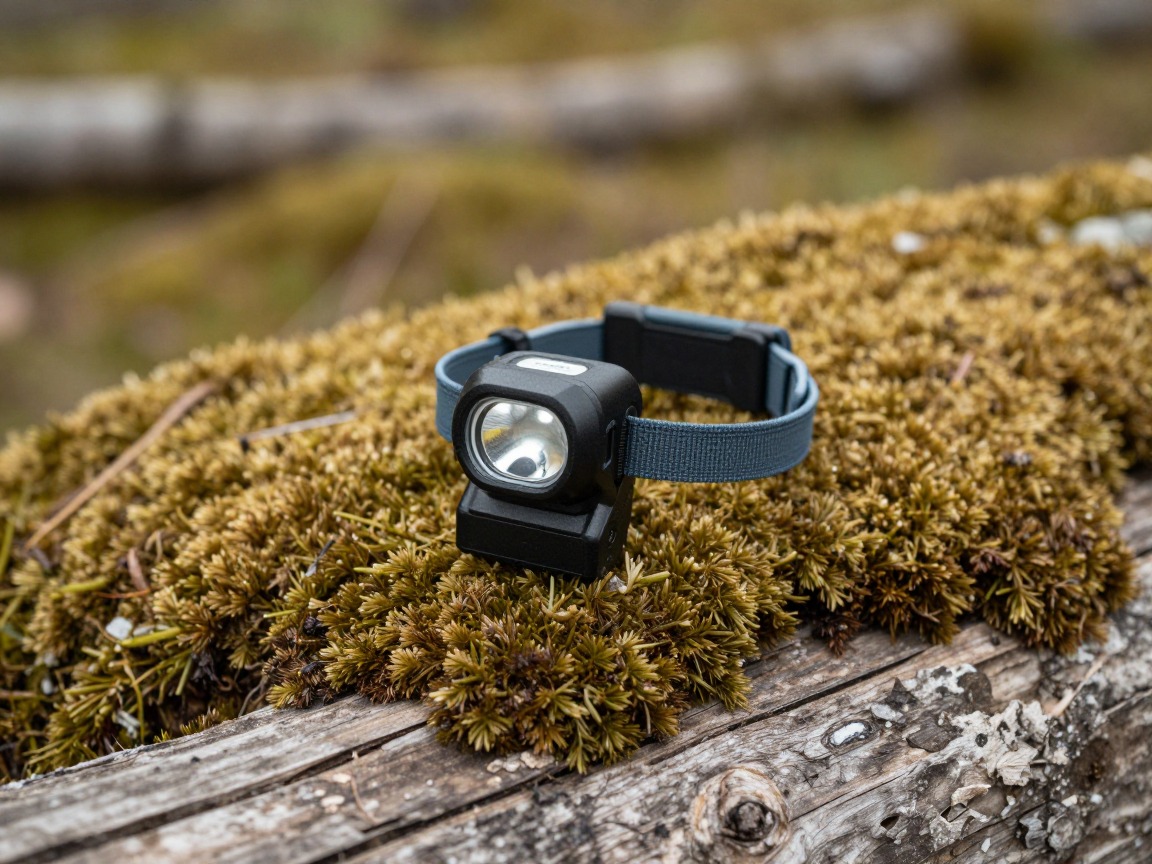
Headlamp
Used most nights for shelter chores and reading in wet weather, and occasionally for night hiking into a road crossing on schedule.
What to look for: Reliable output in damp conditions, a strap that holds up to days of sweat and humidity, and a charge or battery supply matched to your resupply spacing.
 LHKNL Headlamp Flashlight Check price
 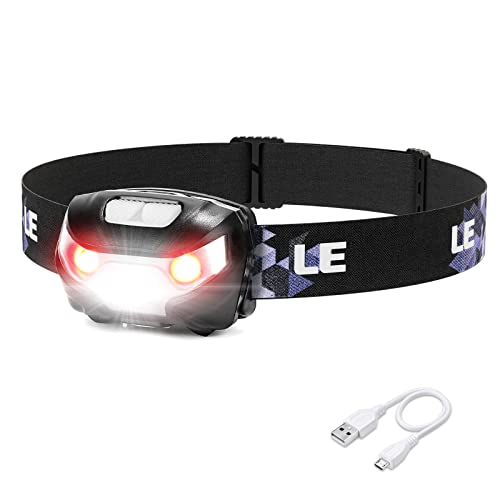 Lepro LED Headlamp Rechargeable IPX4 Waterproof Headlight 5 Modes - Check price
 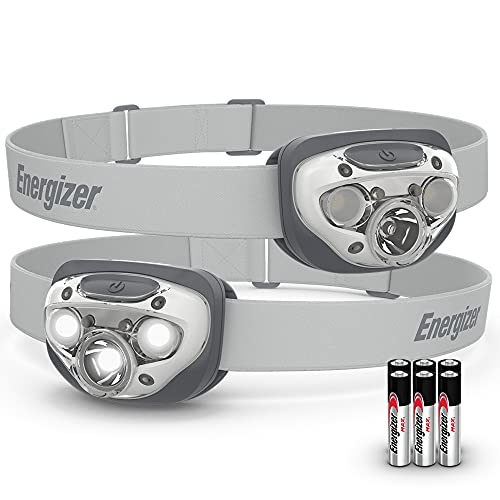 Energizer LED Headlamp PRO Check price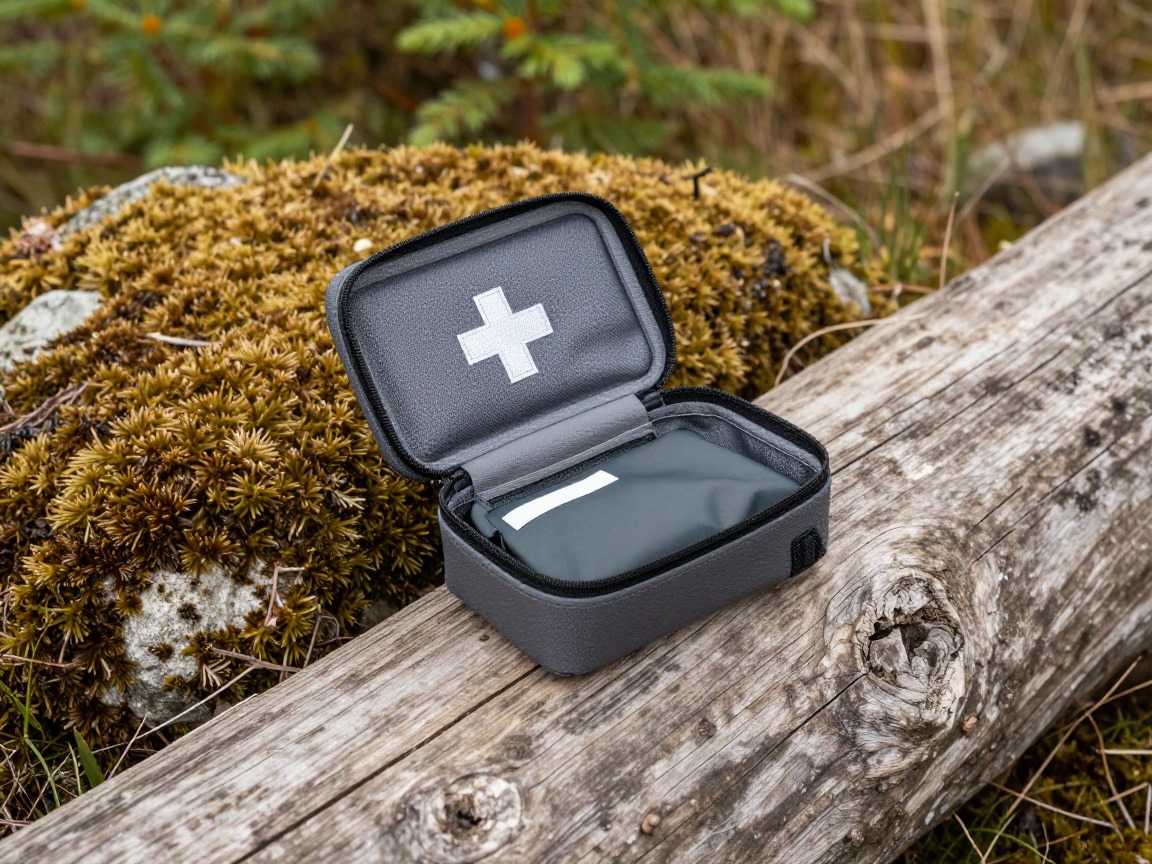
First-aid kit
Weighted toward foot and blister care, since wet feet on muddy, root-crossed trail raise the odds of hot spots more than on a drier trail.
What to look for: Real blister and moleskin supplies first, plus the basics for cuts, bites, and the aches of long uphill and downhill miles.
 Mini First Aid Kit - 150 Piece Small Waterproof EVA Hard Shell Case Check price
  Adventure Medical Kits Ultralight/Watertight Medical Kit .5 Check price
 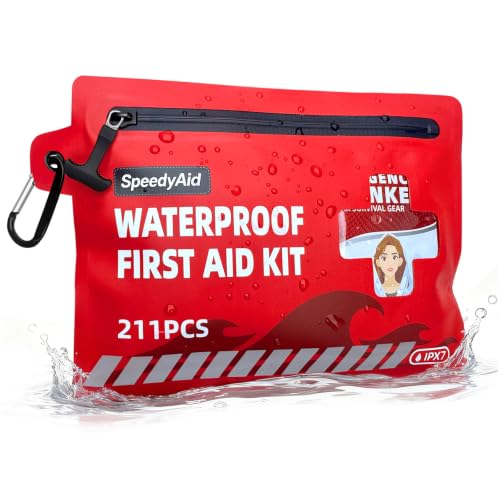 211 PCS Waterproof First Aid Kit Check price
 - Offline maps or a guidebook/app for your specific section, plus any shelter or permit requirements along it
- Trekking poles — genuinely useful on the AT's constant roots, rocks, and mud, and they double as tent poles with a trekking-pole shelter
- Phone and a way to keep it charged between towns
- Cash or a card for trail towns and resupply stops, which come up often on this trail
- Whistle and a way to signal in an emergency
How to adapt this setup
A short stretch above treeline or through a drier spell needs less of the humidity-first gear here — the standard section-hiking setup fits better.
Some AT sections, including parts of the Smokies, require hard-sided food storage — add pack capacity and check current local rules before relying on a shelter cable alone.
A warmer bag, higher-R pad, and a real insulated layer matter more here than on a summer stretch — mountain nights on the AT turn cold fast once the leaves are down.
The gear logic carries straight over — the thru-hike setup applies the same durability-first, humidity-aware thinking across months instead of days.
Relying on shelters alone can work on a quiet section, but check how busy your stretch runs first — popular shelters fill fast on weekends and holidays.
Common mistakes to avoid
- Packing cotton layers or a cotton base layer, then staying damp and cold for days once the humidity sets in.
- Skipping a tent because shelters are common, then finding the next one full, buggy with mice, or miles further than planned.
- Leaving a food bag unhung at a shelter overnight and waking up to chewed-through gear.
- Assuming a warm, humid afternoon means a warm night, and packing a sleep system that isn't rated for a cold ridge or bald.
- No resupply plan for how often towns actually show up on your specific section, leading to running short or carrying more food than you need.
- Underestimating how much roots, rocks, and mud slow real mileage on the AT compared with a flatter or drier trail.
Make it yours
Frequently asked questions
Do I need a tent if the AT has shelters?
Yes — most experienced section-hikers carry a lightweight tent or tarp even though shelters are common, since a popular shelter can be full, buggy, or mouse-infested on the night you arrive. Treat the shelter as a bonus, not the plan.
How do I keep gear dry on a humid, rainy AT section?
Line the inside of your pack with a dry bag or heavy-duty liner rather than relying on a rain cover alone, and put anything that truly can't get wet — your sleeping bag especially — in its own dry bag. Under full canopy, gear rarely dries between rainy days.
Why do mice matter more than bears at AT shelters?
Mice are a near-nightly nuisance at many AT shelters, chewing through food bags and packs left on the floor, while bear encounters are comparatively rare on most of the trail. Hang food on the shelter's cable or hook, or carry your own rodent-resistant bag, every single night.
How often will I hit towns on an AT section?
More often than on trails like the PCT or CDT — many AT sections cross a road or pass near a town every few days, which is why food carries here can run lighter than on a more remote trail. Check your specific section's road crossings and town spacing before you go.
Can AT nights really get cold in summer?
Yes — elevation swings through the Southern Appalachians, the Smokies, and the Whites mean a ridge or bald can run genuinely cold at night even after a warm, humid day below. Rate your sleep system for the coldest likely night on your section, not the forecast for the day.
Illustrative images show the type of gear, not specific products. Recommendations link to similar items on Amazon; we only ever link real listings and never show fabricated prices or ratings. General planning guidance, not a substitute for your own judgment or professional backcountry-safety instruction.