
The Adirondack High Peaks setup
Bagging the 46 Adirondack High Peaks trades elevation for terrain — modest summit heights hiding some of the toughest trail in the eastern US. Expect notoriously muddy, root-choked paths, exposed rock slides, and unmarked herd paths on the trailless peaks. This is a summit-day setup built for that reality: traction, mud etiquette, and real navigation over raw elevation gain.
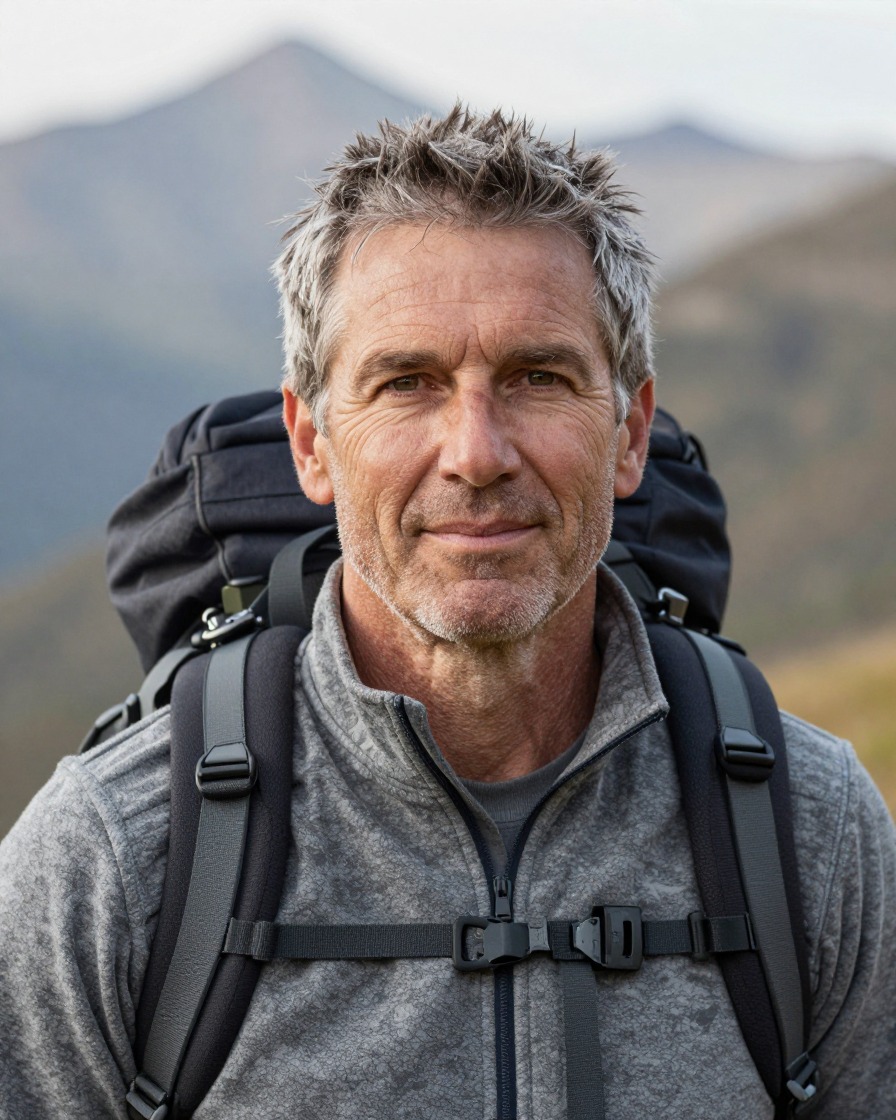
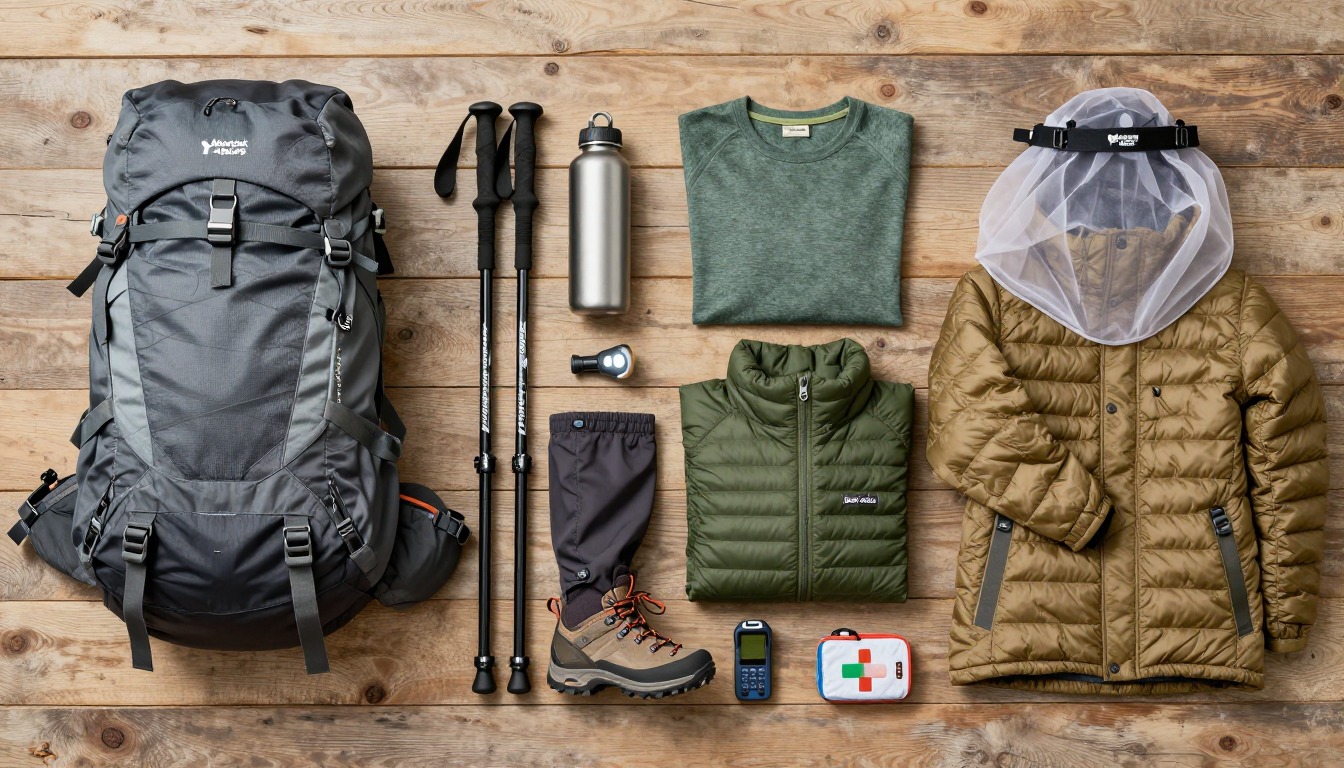
An ADK High Peaks kit is built around a mismatch: modest elevation hiding some of the hardest miles you'll hike. Wet clay, roots and slick rock slides favor grip and stability over speed — traction underfoot, poles for scrambles, gaiters to keep mud out of your boots. Trailless summits add herd paths with none of a real trail's markers, so navigation stops being optional, and layers cover weather that turns fast regardless of the valley forecast.
This setup suits hikers working through the 46 High Peaks list, or tackling any single Adirondack summit known for mud, roots, and slide scrambling. It assumes comfort with long, technical trail days and enough map-reading confidence to follow an unmarked herd path. Hikers wanting a groomed, blazed-trail experience should look at a more typical day-hike setup instead.
- Start with a light daypack built for a long day on rough trail, not a bigger pack than a single summit push needs.
- Add grippy, supportive footwear and gaiters for the mud and wet roots, plus trekking poles for rock slides and stream crossings.
- Build alpine layers for weather that can turn in an hour, and pack real bug protection for black fly and mosquito season.
- Load a herd-path route onto a map or GPS before you leave cell coverage, and set a turnaround time before you start.
About this setup
The Adirondack 46 High Peaks are a list, not a mountain range — 46 summits across the Adirondack Park that a hiker works through one at a time, often years apart. What sets the list apart isn't elevation; most summits top out around 4,000 to a little over 5,000 feet, modest by western standards. It's the trail. Decades of foot traffic on thin soil over bedrock have turned much of the network into mud pits, exposed roots and eroded gullies that a map's mileage and elevation-gain numbers don't capture.
That erosion is also why the region has its own etiquette. Adirondack land managers and hiking clubs advise walking through mud, not around it — stepping around a wet spot widens the trail bed and kills the vegetation holding its edges together, turning one boggy patch into a small bog over a few seasons. Gaiters and boots built to get wet and dry out again matter more here than boots that promise to stay pristine.
A number of the 46 have no maintained trail at all — reaching them means following a herd path, an unofficial route worn in by hikers rather than built and blazed by a trail crew. Herd paths can fade into blowdown, split, or vanish at a stream crossing, and carry none of the markers a real trail does, so navigation means an actual map and compass or a loaded GPS track, not a vague memory of a trip report. Add black flies and mosquitoes in the wetter months and mountain weather that can turn inside an hour, and this kit covers real, common Adirondack conditions rather than worst-case scenarios.
The pack
A High Peaks summit push wants a light daypack built to survive mud and rock — not a hauler sized for what's really a long, technical day.
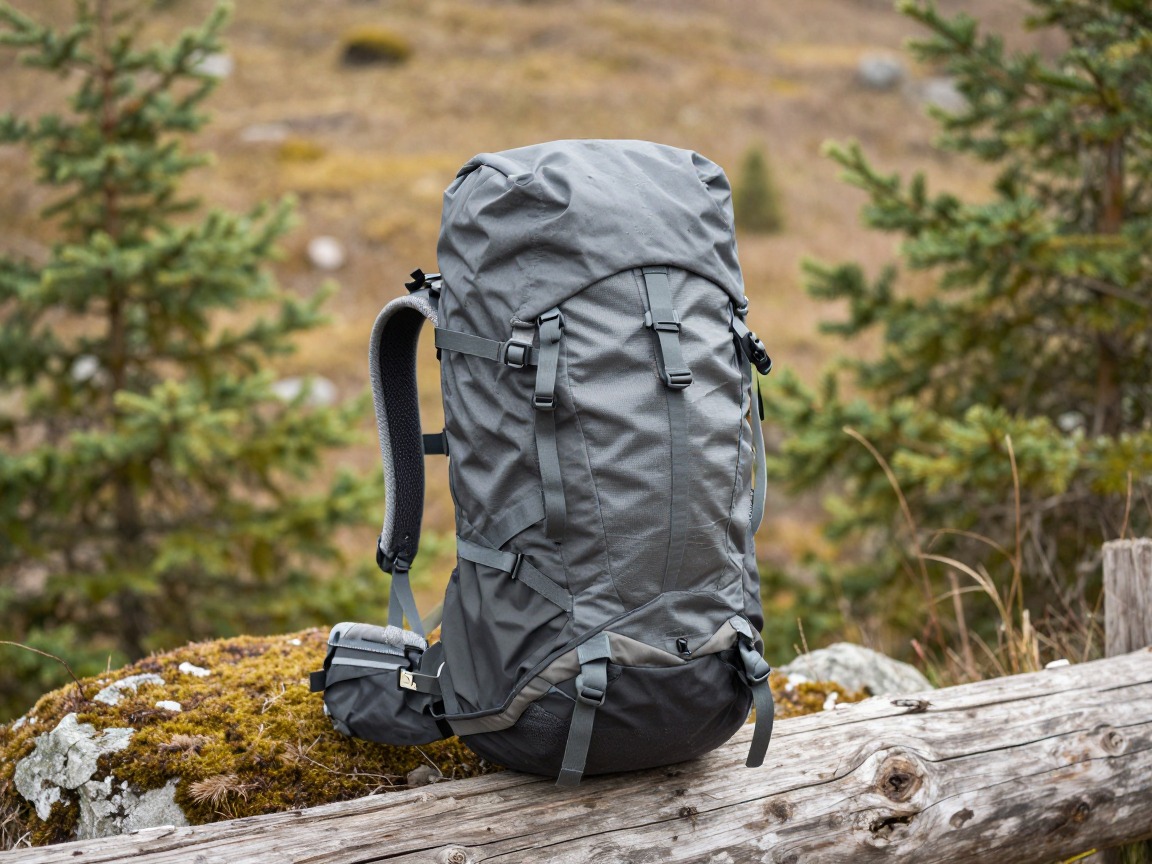
Summit daypack
Carries alpine layers, bug protection and extra food for a day that runs longer than its mileage suggests.
What to look for: A close-fitting 25–35 L pack with sturdy, abrasion-resistant fabric low down — herd paths and rock scrambles wear through thin nylon fast.
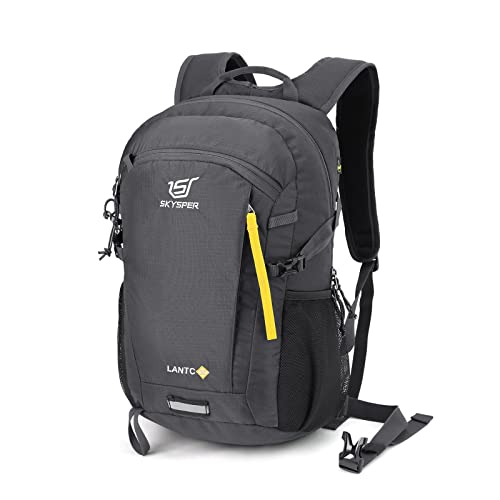 SKYSPER Small Hiking Backpack Check price
  Osprey Sportlite 20L Lightweight Hiking Backpack Check price
 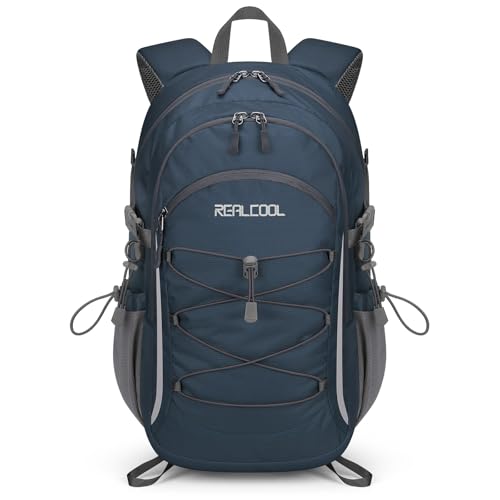 RealCool 20L Lightweight Hiking Backpack Check price
 - A pack liner or dry bag — a pack set down in mud or brushed through wet growth gets wet from every direction
- A way to stash trekking poles hands-free for short rock scrambles
Footwear, traction & mud
This matters most on Adirondack trail — grip on wet roots and slide rock, and the mud etiquette that limits further erosion.
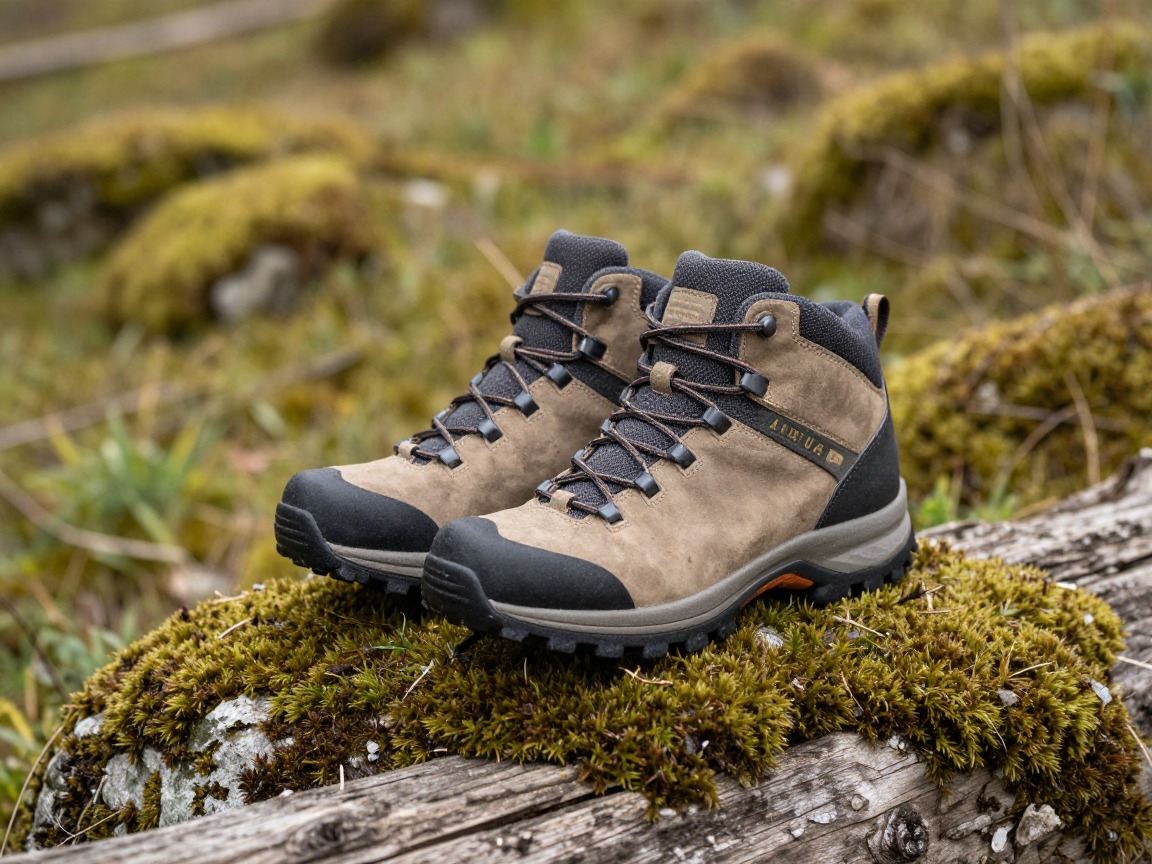
Sturdy hiking boots
Handle the wet clay, slick roots and rock slides common on High Peaks trail, where grip matters more than a light shoe.
What to look for: A supportive boot with an aggressive, grippy outsole rated for wet rock and mud, not a smooth sole that skates on wet roots.
 Columbia Men's Transverse Waterproof Hiking Boot Check price
  NORTIV 8 Men's Ankle High Waterproof Hiking Boots Check price
  Columbia Mens Transverse Waterproof Hiking Boot Check price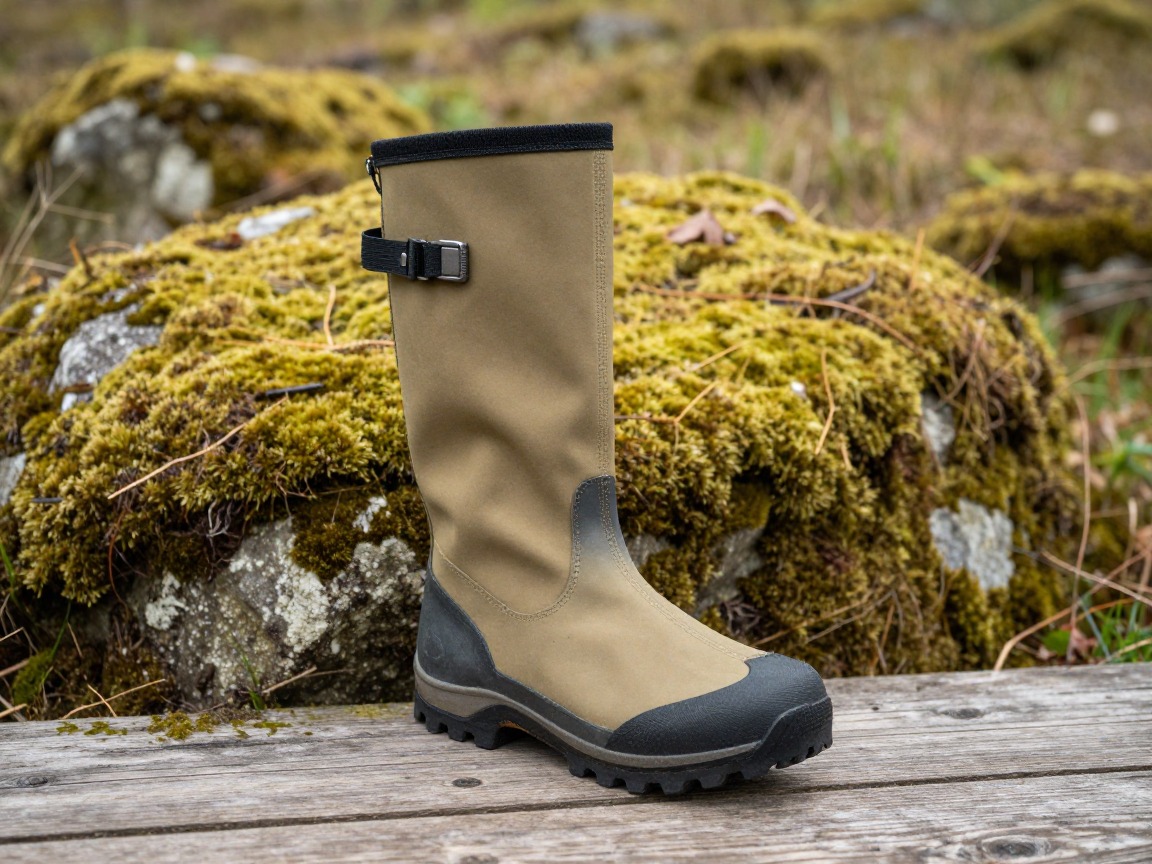
Gaiters
Seal out the mud, standing water and loose grit that High Peaks trail delivers for miles at a stretch.
What to look for: Durable, waterproof gaiters tall enough for deep mud, with a secure under-boot strap that survives scrambling over rock.
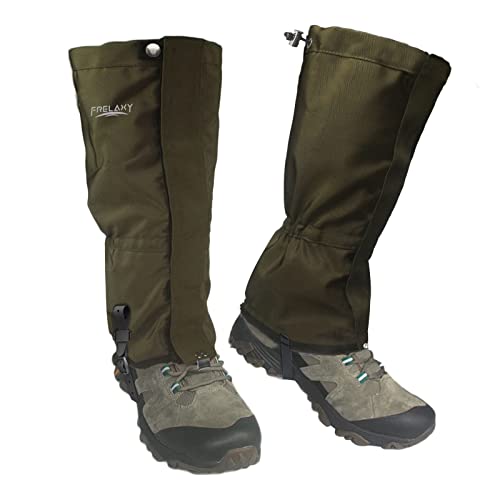 Frelaxy Leg Gaiters 100% Waterproof Hiking Gaiters Check price Frelaxy Ultra High-Performance Hunting Gaiters Check price
 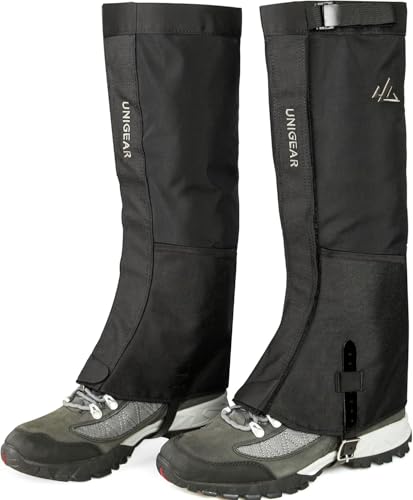 Unigear Leg Gaiters Check price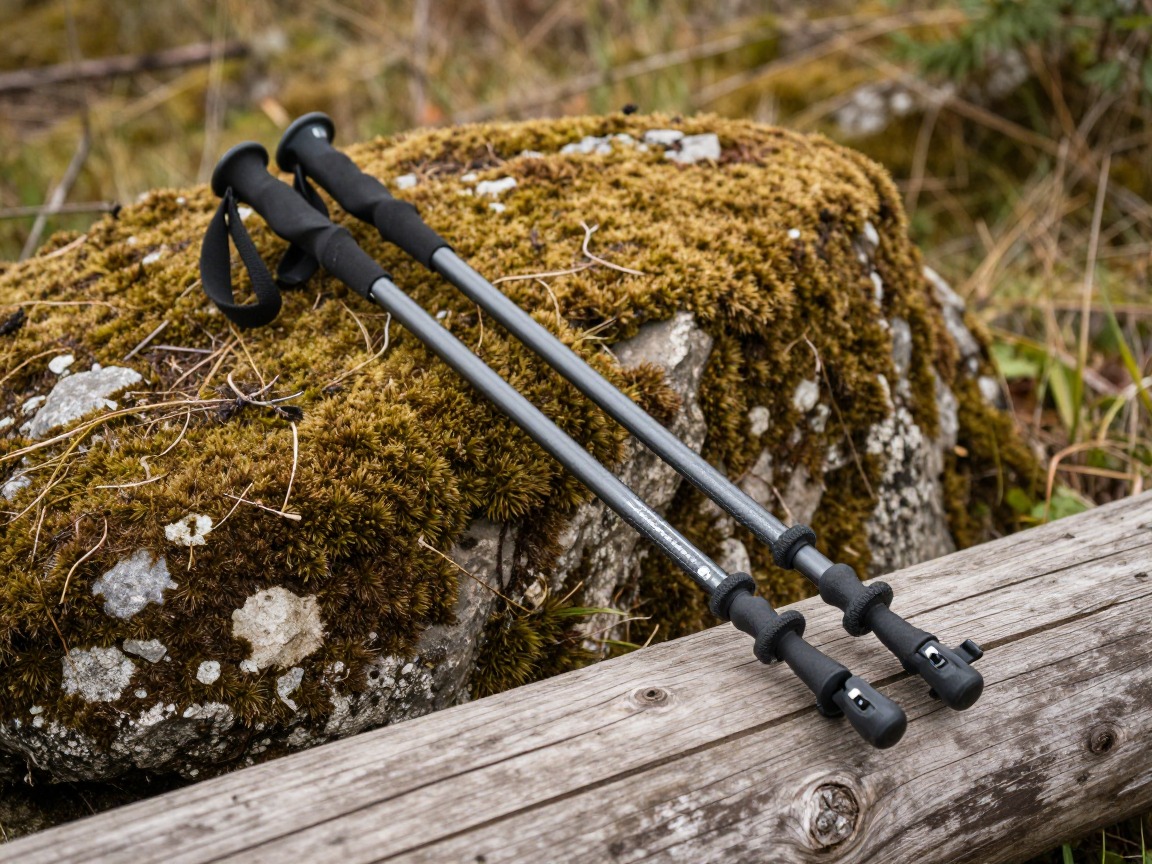
Trekking poles
Add stability crossing streams, picking through mud, and climbing the exposed rock slides many routes go straight up.
What to look for: Sturdy poles with locks that hold on wet rock, and baskets that work in soft mud as well as bare rock.
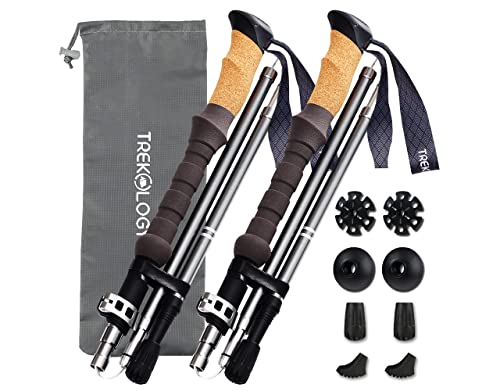 Trekology Trek-Z Cork Grip Collapsible Lightweight Hiking Trekking P Check price
 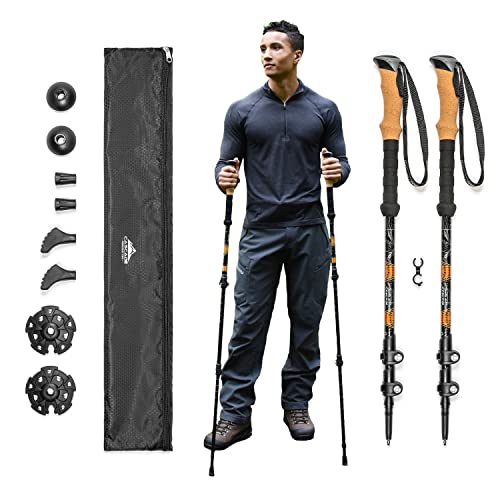 Cascade Mountain Tech Trekking Poles Check price
 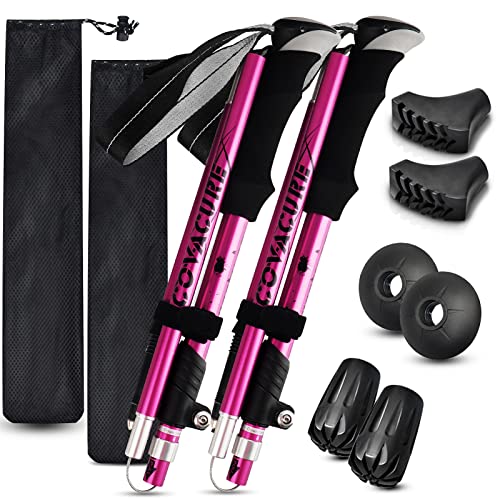 covacure Hiking Poles Check price
 - Wool hiking socks plus a dry spare — feet stay damp for hours on a wet Adirondack trail
- The habit of walking through a mud pit instead of around it, keeping the trail from widening further
Water & food
Water is rarely scarce in the High Peaks — the real challenge is a long, slow day burning more calories than the mileage implies.
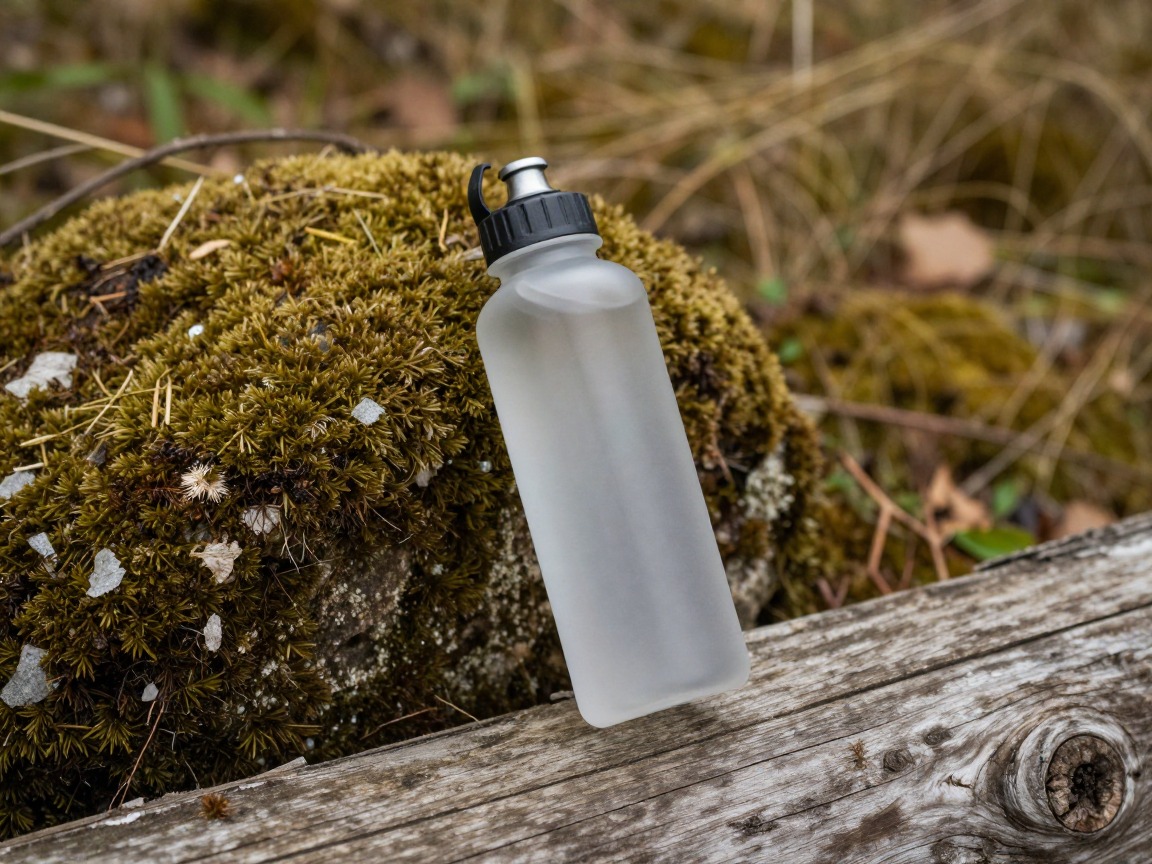
Water bottle
A simple, tough bottle for the frequent stream crossings and springs along most High Peaks routes.
What to look for: Wide-mouth and easy to refill one-handed at a stream without breaking stride on technical footing.
 Nalgene 32 oz Wide Mouth Water Bottle Check price
  Nalgene 32 oz Wide Mouth Water Bottle Check price
  Nalgene 32 oz Wide Mouth Water Bottle Check price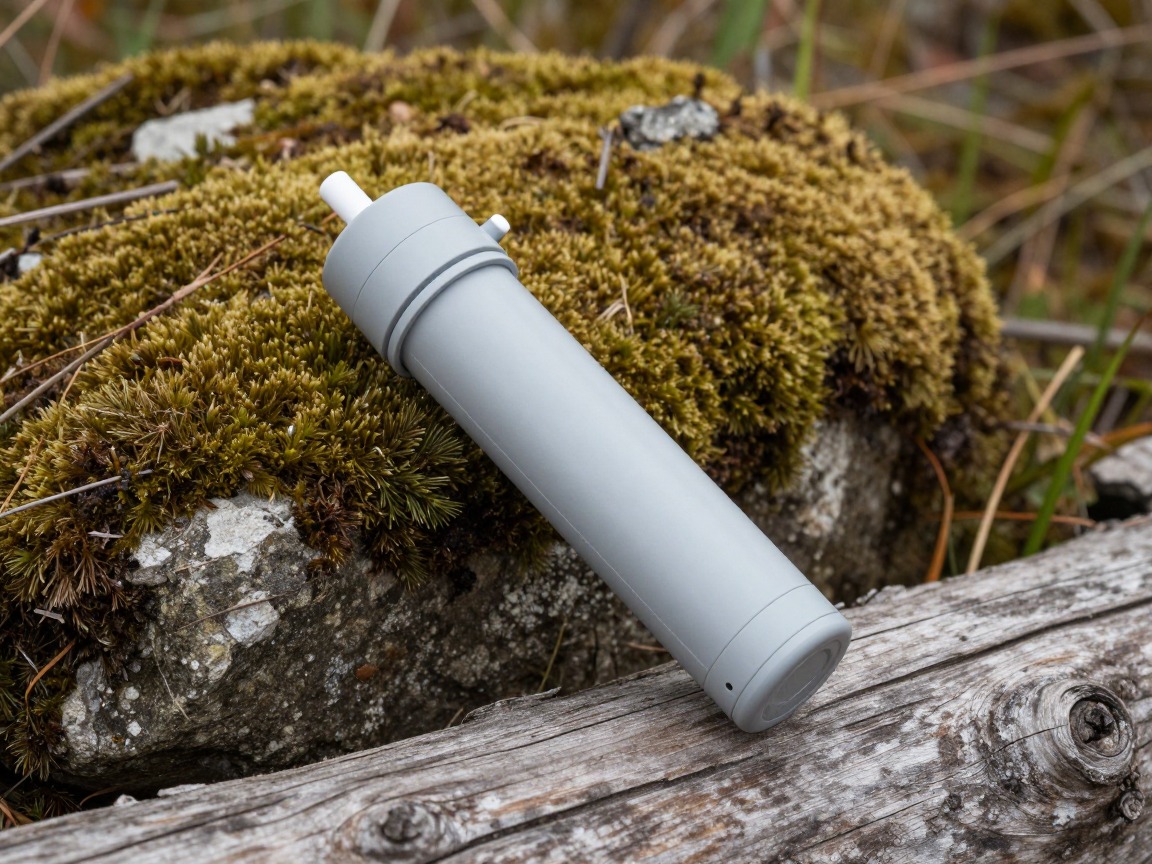
Water filter
Lets you refill at the many streams High Peaks trails cross, instead of carrying a full day's water.
What to look for: A fast, simple filter — a squeeze or gravity filter suits the frequent, small water sources typical of Adirondack trail.
 Sawyer Squeeze Water Filtration System Check price
  Sawyer Products SP128 Mini Water Filtration System Check price
  LifeStraw Personal Water Filter for Hiking Check price
 - Calorie-dense food for a day that runs longer than its mileage suggests
- Electrolyte mix or tabs for a long day of sweating through humid Adirondack summers
Layers & bug protection
Adirondack summits make their own weather, turning fast well below the elevation you'd expect — and black flies and mosquitoes define the season, not just a nuisance.
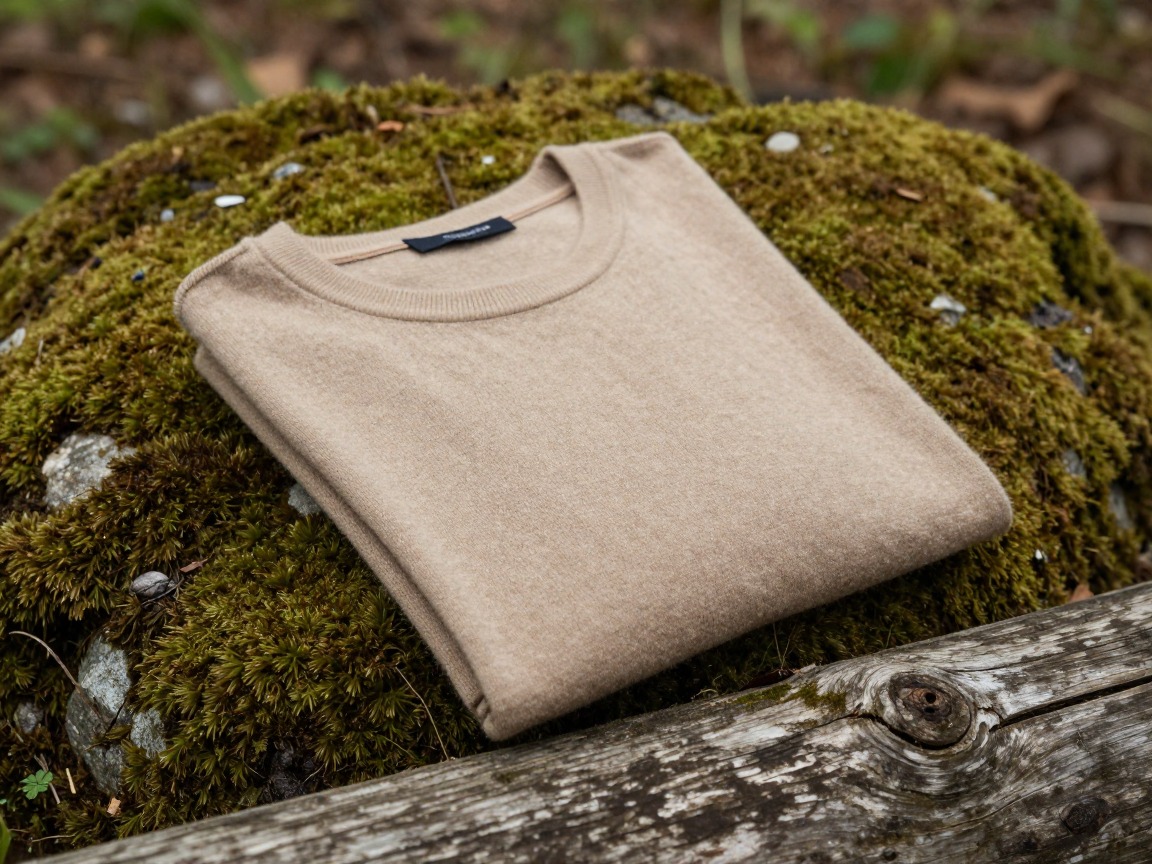
Moisture-wicking base layer
Keeps you working through humid lowland stretches and colder air near open summits without soaking through.
What to look for: Merino wool or synthetic — never cotton, which stays wet for the rest of a long, sweaty day on this kind of trail.
 100% Merino Wool Base Layer Men Set - Thermal Underwear for Men Long Check price
  Merino.tech Merino Wool Base Layer Women Set - Heavyweight Check price
  100% Merino Wool Base Layer Men Set - Thermal Long Underwear with Ba Check price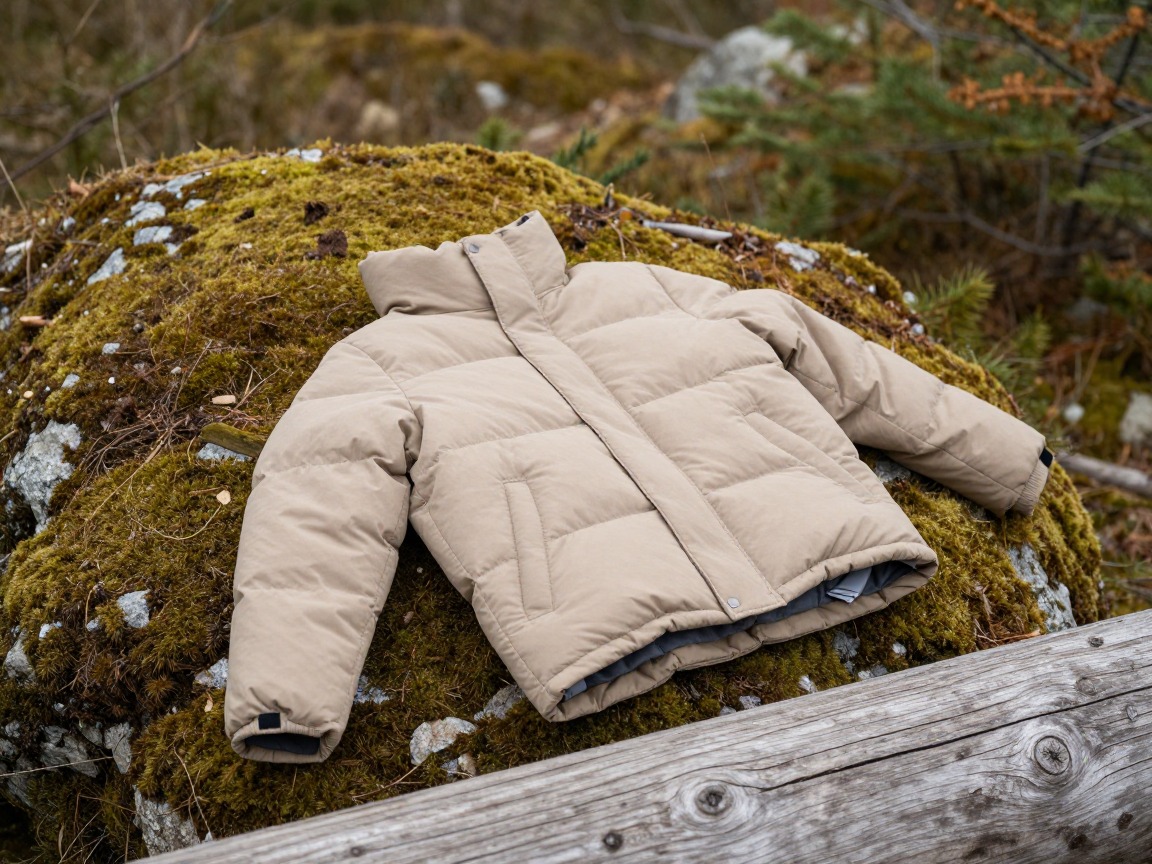
Packable insulating layer
Covers a summit stop or a sudden weather shift — mountain weather here turns faster than the modest elevation suggests it should.
What to look for: Warm for its weight and easy to pull on over a wet base layer. Synthetic fill handles damp conditions better than down.
 Outdoor Ventures Women's Packable Lightweight Puffer Jacket with Hoo Check price
  Amazon Essentials Women's Lightweight Long-Sleeve Water-Resistant Pa Check price
  Outdoor Ventures Women's Packable Lightweight Puffer Jacket with Hoo Check price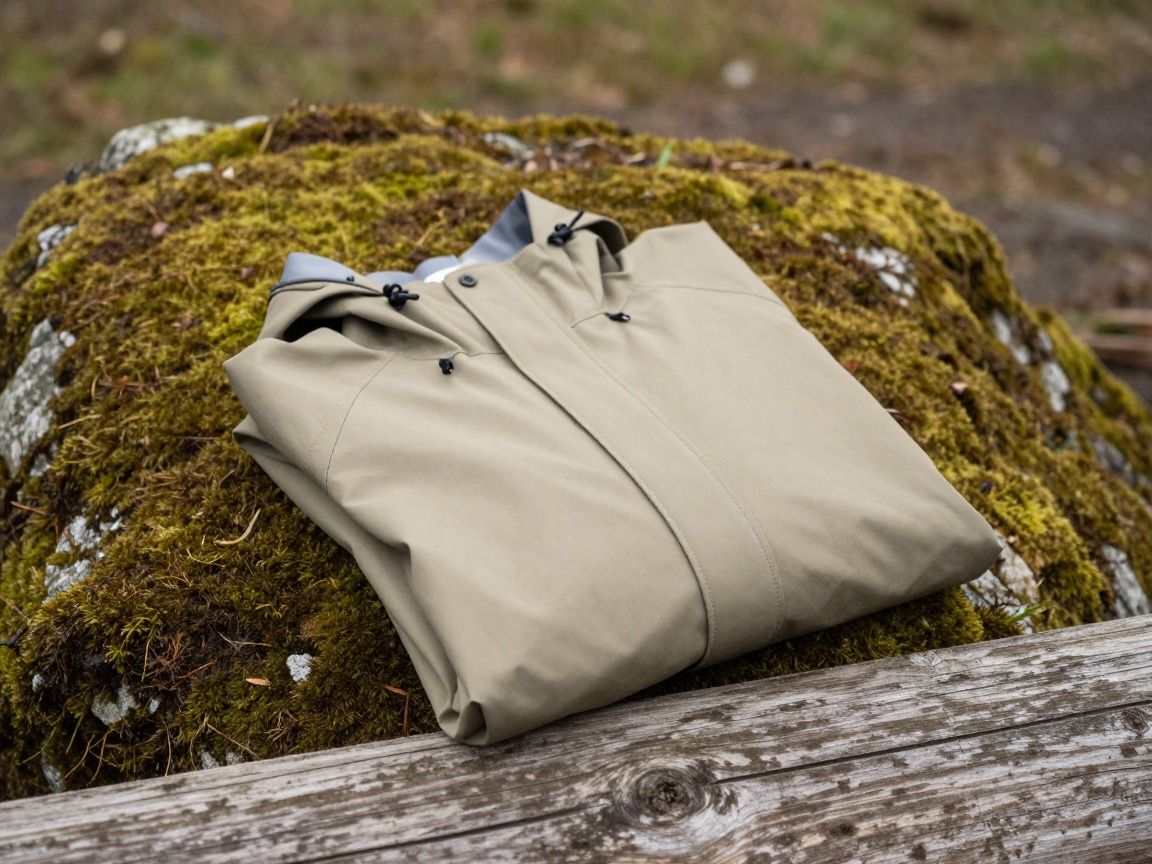
Rain shell
Blocks wind and rain on an exposed summit or slide, where weather can shift from clear to socked-in with little warning.
What to look for: Genuinely waterproof and windproof, and packable enough that it comes along regardless of the forecast.
 UIQUR Mens Rain Jacket Raincoat Waterproof Windbreaker Black L Check price
  COOFANDY Men's Waterproof Hiking Travel Shell Breathable Rain Jacket Check price
  Columbia Womens Arcadia II Waterproof Rain Jacket Check price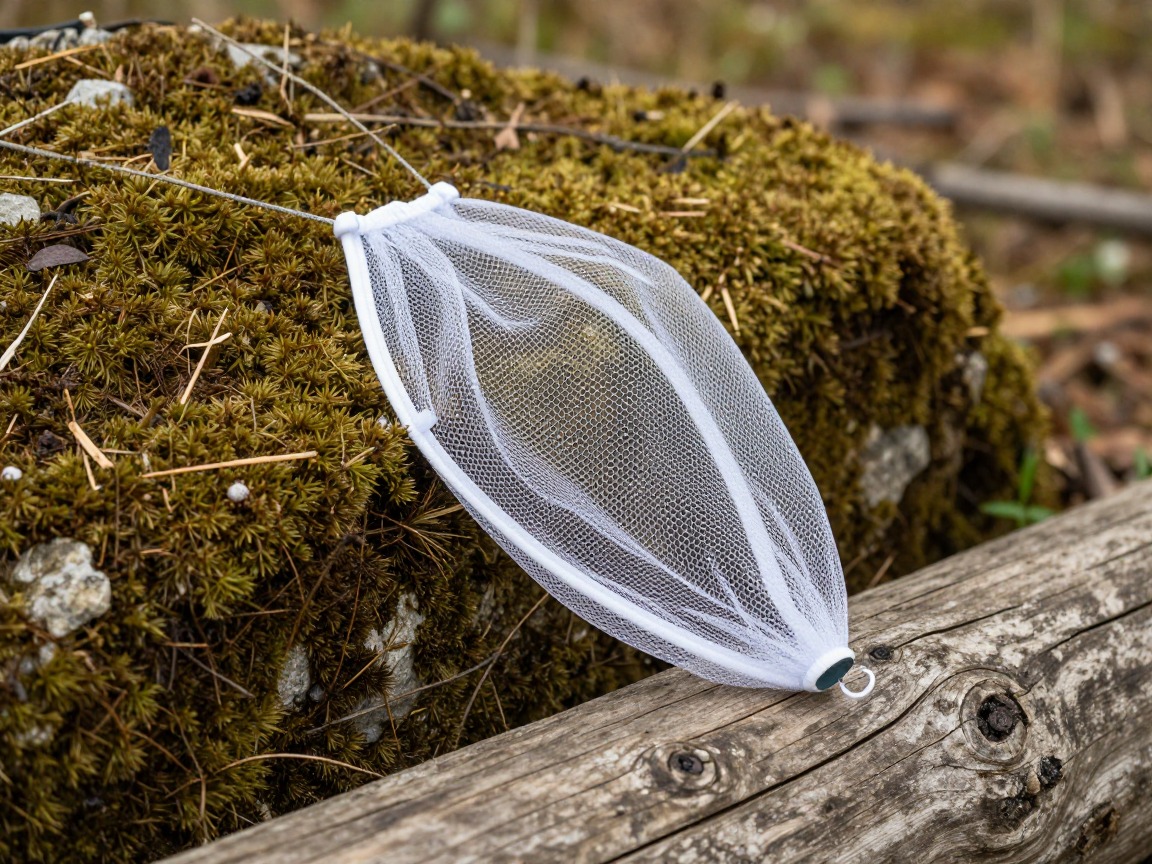
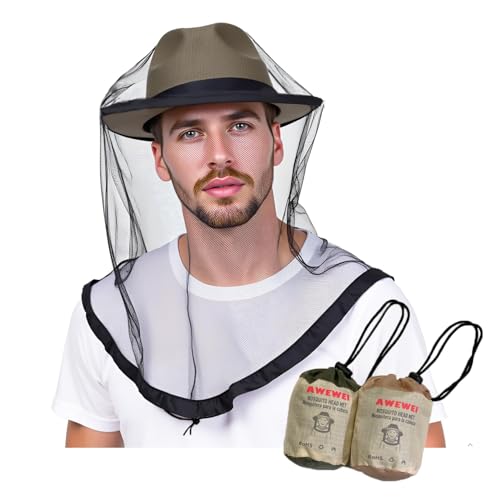
Bug protection
Covers the black fly and mosquito pressure that builds through spring and early summer, near water and below treeline.
What to look for: A head net for the worst black fly weeks, plus a repellent registered for the insects you're facing. Permethrin-treated clothing is a common extra layer.
 South to East Mosquito Head Net for Insects 2 Pack Check price
  2 Pack Mosquito Head Net Mesh for Hiking & Outdoors Check price
  AWEWEI Mosquito Head Net Check price
 - A warm hat and light gloves for cold, exposed summits even in summer
- Moisture-wicking shirt and pants for humid conditions and bad black fly stretches
- Sunscreen and sunglasses for open summits and bare slide rock
Herd paths, navigation & safety
The trailless peaks are where this kit earns its keep — herd paths carry none of a maintained trail's blazes or cairns, and losing one is easy.
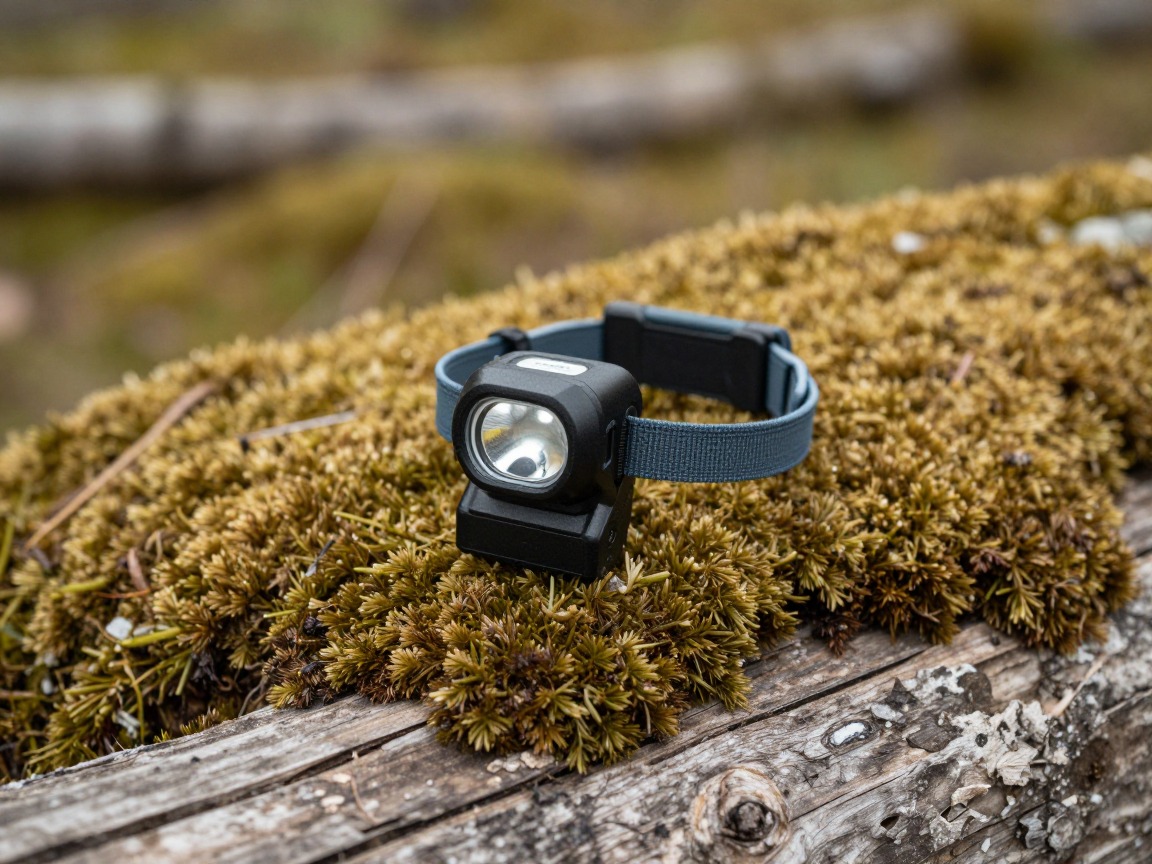
Headlamp
Covers an early start or a day that runs past dark on slow, technical trail.
What to look for: Enough output for confident movement on root-and-rock terrain in the dark, plus a lock mode so it doesn't drain in your pack.
 LHKNL Headlamp Flashlight Check price
 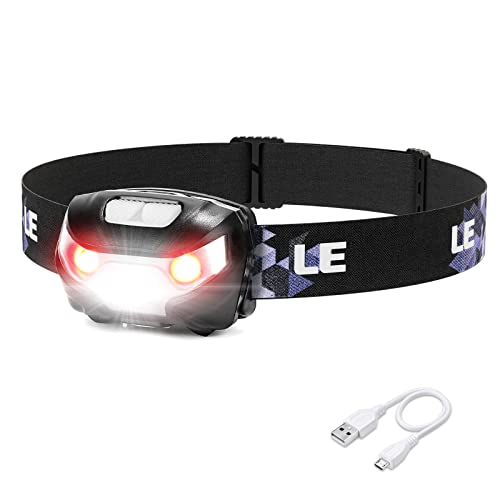 Lepro LED Headlamp Rechargeable IPX4 Waterproof Headlight 5 Modes - Check price
 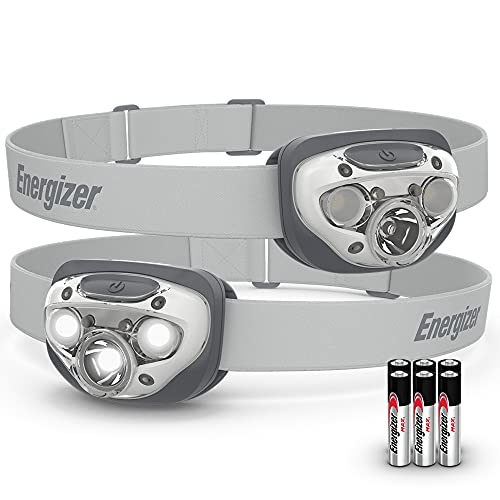 Energizer LED Headlamp PRO Check price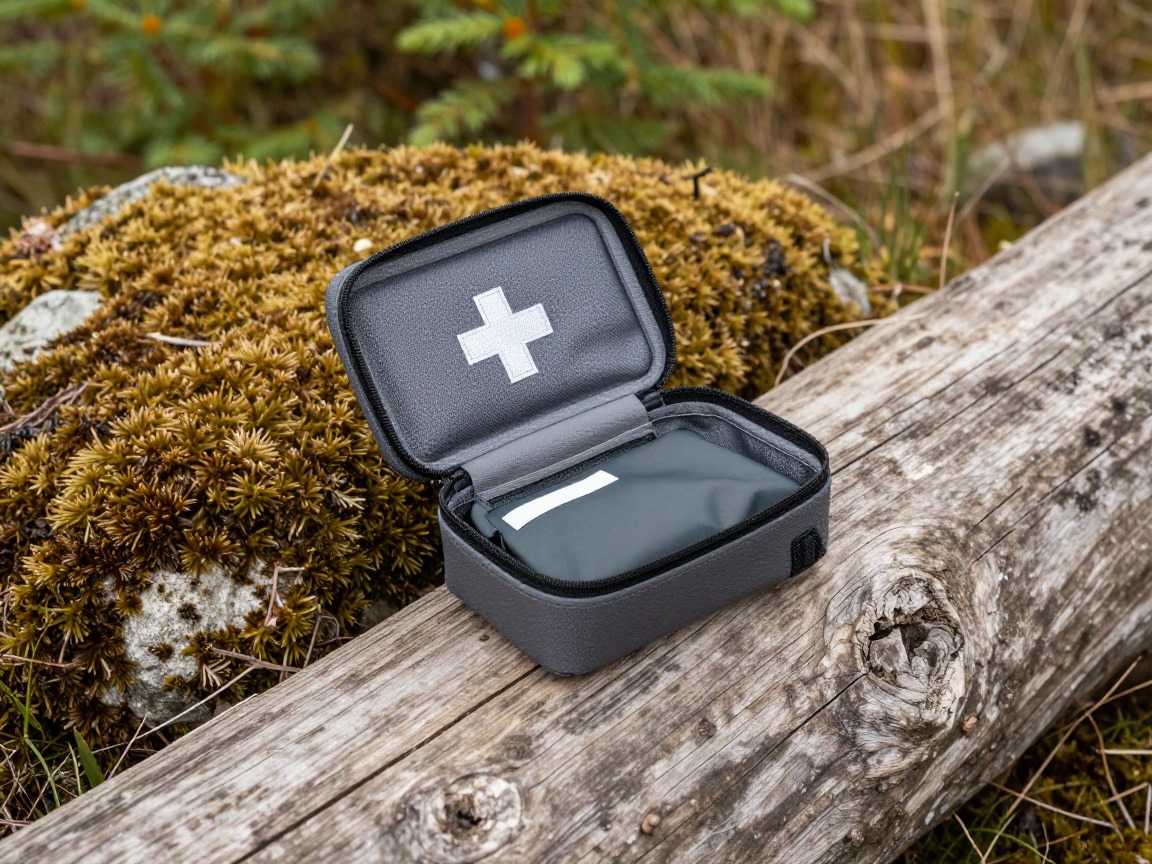
First-aid kit
Covers blisters, cuts and scrapes from scrambles, plus the basics for a long, rough day.
What to look for: A compact kit weighted toward blisters and cuts — the most common issues on trail like this — learned before you need it.
 Mini First Aid Kit - 150 Piece Small Waterproof EVA Hard Shell Case Check price
  Adventure Medical Kits Ultralight/Watertight Medical Kit .5 Check price
 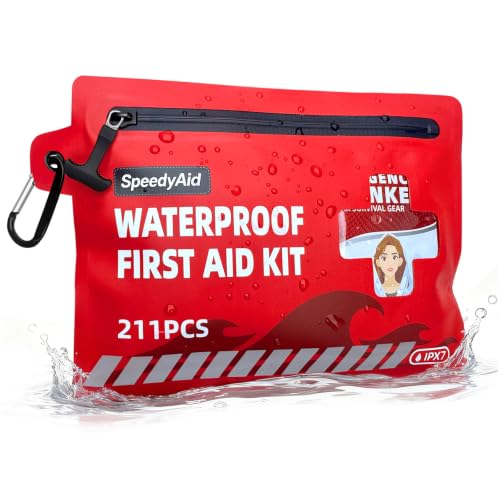 211 PCS Waterproof First Aid Kit Check price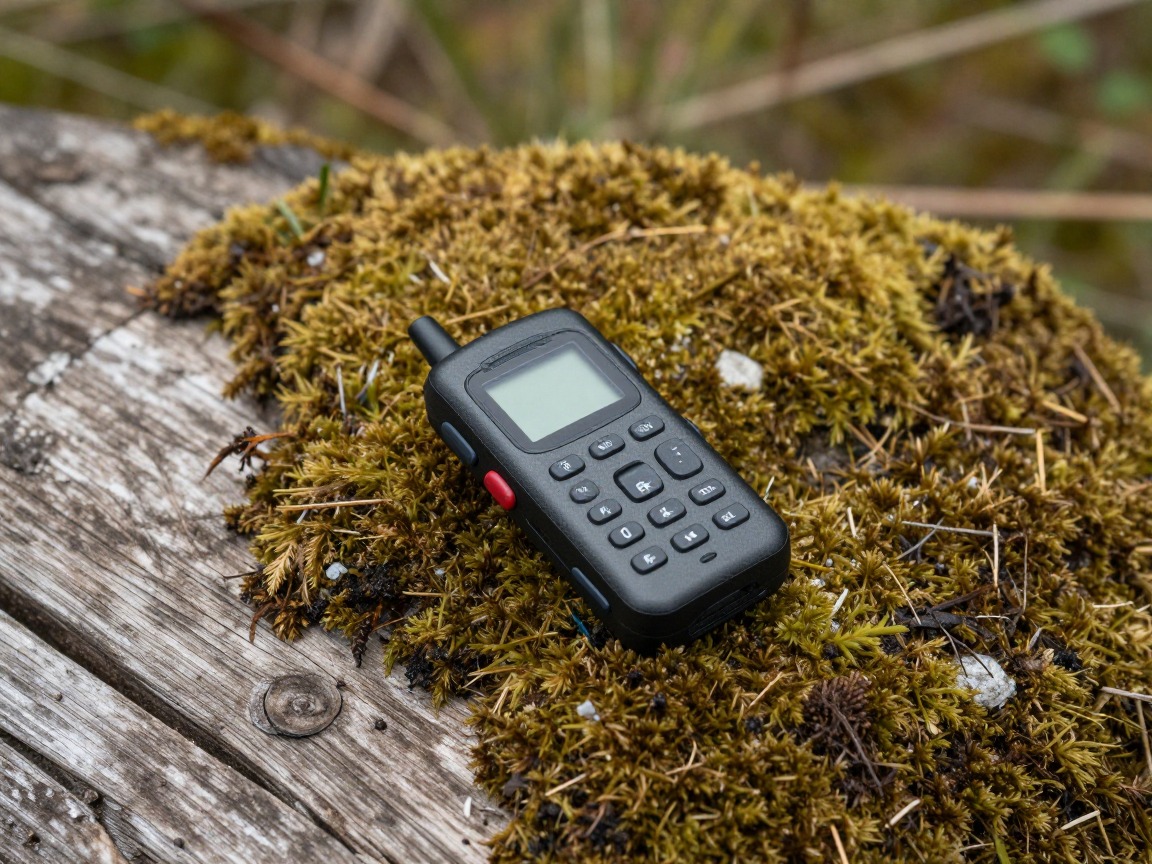
Satellite messenger
Extra reassurance on a trailless herd path or a remote summit where cell service is unreliable.
What to look for: A simple two-way messenger with SOS capability. Treat it as backup to good navigation, not a replacement for it.
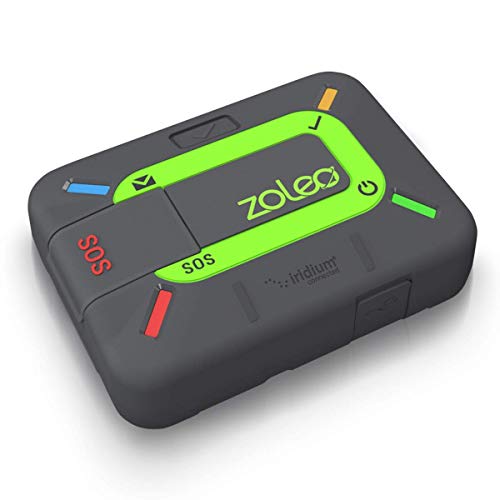 ZOLEO Satellite Communicator Check price
  Garmin inReach® Messenger Satellite Communicator Check price
  Garmin inReach® Mini 2 Check price
 - A topo map and compass, or a GPS app with the herd path route loaded before you lose cell service
- Trailhead register sign-in — how search and rescue knows where to start looking
- Whistle
- A written route and turnaround time left with someone
- Extra food and an emergency shelter such as a bivy or space blanket
How to adapt this setup
If your route includes a herd path, treat navigation as the priority item — load the track before the trailhead and know your bail-out point.
Late spring through early summer, bug protection stops being optional — a head net, repellent, and long sleeves make the difference between a good day and a miserable one.
After rain, mud deepens and rock slides get slicker — favor grippier footwear and more conservative pacing than you would on a dry week.
Routes with exposed rock slides reward poles you can stash quickly and boots with real edge grip. Treat wet slide rock as a turnaround signal.
The slowest hiker sets the pace on trail like this — plan the day around them, and make sure everyone carries their own layers and bug protection.
Common mistakes to avoid
- Judging the day by elevation gain alone and being surprised by how long a 'short' High Peaks hike actually takes.
- Stepping around mud instead of through it, widening the trail and eroding the edges further.
- Following a faint herd path without a loaded track or a real map, then losing it in blowdown or at a stream crossing.
- Skipping bug protection during black fly season and spending the hike more focused on insects than the trail.
- Wearing smooth-soled or overly cushioned footwear that skates on wet roots and slide rock.
- Treating a clear morning at the trailhead as a guarantee of clear weather on an open summit hours later.
Make it yours
Frequently asked questions
What are the Adirondack 46 High Peaks?
The Adirondack 46 High Peaks are a list of 46 summits in New York's Adirondack Park, historically considered the region's tallest, that hikers work through over time to become an 'Adirondack 46er.' Several are trailless, reached only by unmarked herd paths.
Why are High Peaks trails so muddy?
Thin soil over bedrock, heavy foot traffic, and a wet regional climate keep much of the trail network muddy for long stretches of the year. The accepted etiquette is to walk through mud rather than around it, since stepping off-trail widens the mud pit and damages trailside vegetation.
What is a herd path?
A herd path is an unofficial route worn in by hikers over time, rather than built and blazed by a trail crew — the way most trailless High Peaks are reached. Herd paths can fade, split, or disappear at a stream crossing, so real navigation matters more here than on a marked trail.
When are black flies worst in the Adirondacks?
Black flies are typically worst from late spring through early summer, tapering off as the weather warms further into the season. Mosquitoes often continue past that window, especially near water, so bug protection is worth carrying for most of the season.
Do I need microspikes or an ice axe for the High Peaks?
Not for a typical three-season hike on dry, snow-free trail, which is what this setup assumes. Any route carrying snow or ice calls for traction, and steep or icy terrain moves into territory needing formal winter or alpine training beyond a standard packing list.
Illustrative images show the type of gear, not specific products. Recommendations link to similar items on Amazon; we only ever link real listings and never show fabricated prices or ratings. General planning guidance, not a substitute for your own judgment or professional backcountry-safety instruction.