
Best Sun Hats for Hiking (2026)
A hiking sun hat shields your face, ears and neck from UV exposure on trail, doing a job sunscreen alone can't finish. Above treeline or on exposed ridgelines, hours of direct sun add up fast, and a good hat cuts glare, lowers your sunburn risk, and keeps you cooler than going bare-headed. It's cheap insurance for gear you'll wear on nearly every sunny hike.
Who it's for
Anyone hiking in open sun benefits, but the right hat depends on terrain and trip length. Day hikers on shaded or partly wooded trails can get by with a simple cap, while desert, alpine and thru-hikers facing long exposed stretches need fuller coverage for ears and neck. Fair-skinned hikers and multi-day travelers in strong sun should favor coverage over minimal weight.
How to choose a sun hat
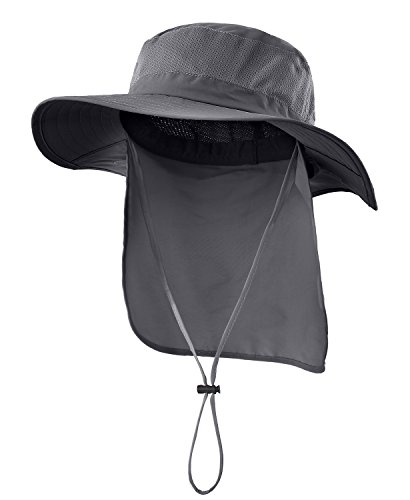
A wide-brim hat shades your whole face and sheds rain, but it can catch wind and block peripheral vision on scrambles. A ball cap is low-profile and pairs well with sunglasses but leaves ears and neck exposed. A cap with a neck cape, sometimes called a legionnaire style, adds fabric over the ears and neck without the bulk of a full brim.
Look for a hat labeled with a UPF rating, which measures how much UV radiation the fabric blocks; UPF 30 blocks about 97% and UPF 50 blocks about 98%, with tighter weaves and darker colors rating higher. A pale, loosely woven hat can let meaningful UV through, so check the label rather than assume fabric on your head is doing the job.
Sun protection and heat buildup are two sides of one problem, since blocking UV often means blocking airflow too. Mesh side panels, small eyelet vents, or a wicking sweatband help move air and pull sweat away from your scalp on hot climbs. If you run warm, favor a hat with visible ventilation over one relying on thin fabric alone to stay cool.
A floppy brim shades well at rest but can flap or fold down in a headwind, while a stiffer, wire-reinforced brim holds its shape and can even be crimped to block low sun from the side. Either way, look for a chin strap or drawcord; losing a hat to a gust on an exposed ridge is a common, easily avoided annoyance.
A hat that only works flat in a pack is one you'll leave behind, so look for it to crush or roll into a stuff sack and spring back into shape. Quick-dry synthetic fabrics resist soaking up sweat and rain and dry fast overnight, which matters most on multi-day trips where you can't just towel off and start fresh each morning.
4 sun hats to compare
Real options that fit the criteria above. We don't publish prices or ratings — check the current price and reviews on Amazon.



Common questions
Do I need a UPF-rated hat, or will any hat do?
Any brim helps block direct sun, but only a UPF-rated fabric has been tested for how much UV actually passes through. Thin, pale or loosely woven fabric can let a surprising amount of radiation reach your scalp and ears. For long trail exposure, a hat rated UPF 30 or higher gives real, measurable protection rather than just shade.
Wide-brim hat or cap with a neck cape — which is better for hiking?
It depends on terrain and expected wind. A wide-brim hat gives the most all-around shade and rain runoff but catches more wind and can limit visibility on technical sections. A cap with a neck cape covers ears and neck almost as well, sits closer to your head, and holds up better in gusty conditions.
How do I keep a sun hat from blowing off on windy ridges?
Use the chin strap or drawcord that comes with most hiking sun hats, and cinch it snug rather than leaving it loose. A stiffer or wire-reinforced brim also resists flipping inside out in gusts. If a hat has no strap at all, it's worth adding a cord loop before relying on it above treeline.
This is a general buying guide, not a lab review — it explains what to look for so you can choose well, and links to real products to compare. We publish no prices or ratings; current price, availability and reviews are shown on Amazon. Product links are affiliate links: we may earn a commission at no extra cost to you. See our affiliate disclosure.