
Best Satellite Messengers (2026)
A satellite messenger or personal locator beacon sends an SOS, and often a two-way text message, from places with zero cell signal, using satellite networks instead of cell towers. That link matters the moment a trip goes sideways in a canyon, above treeline, or a day's walk from the trailhead, where a phone alone is just a flashlight and a camera. For anyone spending real time in the backcountry, it's the difference between waiting and calling for help.
Who it's for
These devices matter most for solo hikers, remote or off-trail routes, and multi-day trips far from roads and cell coverage. A day hiker on a busy, well-traveled trail has less need than someone crossing a wilderness area alone for a week. Winter travel, exposed alpine terrain, and international trekking raise the stakes further, since rescue can take much longer to arrive in those settings.
How to choose a satellite messenger
The biggest split in this category is subscription-free PLBs versus satellite messengers that require an ongoing paid plan. A PLB registers to you personally, sends a one-way SOS on a government emergency frequency, and needs no monthly fee once purchased. Satellite messengers run on commercial networks, need an active subscription to function at all, but add two-way texting, tracking, and everyday messages a PLB can't offer.
A basic beacon sends a single SOS with your location and nothing else, alerting a rescue coordination center with no confirmation of what's actually wrong. Two-way messengers let you describe the problem, get a reply, and even cancel a false alarm, which matters when a situation is serious but not life-threatening. That back-and-forth also reassures family at home during long, remote trips without any emergency at all.
Battery life ranges from a few days of active tracking to several weeks in standby, so match the device to your trip length and how often you plan to send check-ins. Coverage varies by satellite network and can thin out near the poles, in deep canyons, or under dense tree cover, so check a manufacturer's coverage map for the regions you actually travel. Cold weather drains batteries faster than expected.
Look for a large, unmistakable SOS button that's guarded against accidental presses, plus controls simple enough to work with cold or gloved hands under stress. Many models pair with a phone app for typing longer messages, checking weather, or viewing maps, though the device should still function fully on its own if the phone dies, gets wet, or gets left behind. Simple menus matter most in a real emergency.
A satellite messenger doesn't replace a trip plan left with someone at home, a map and compass you know how to use, or turning back when conditions sour. It buys you a way to call for help once something has already gone wrong, not a reason to push further into risk than your skills and gear support. Good decisions on the trail still do most of the work.
4 satellite messengers to compare
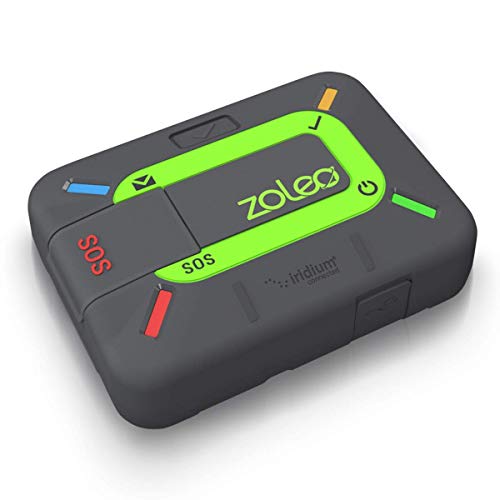
Real options that fit the criteria above. We don't publish prices or ratings — check the current price and reviews on Amazon.


Common questions
Do I need a subscription for these devices to work?
It depends on the device. A dedicated personal locator beacon needs only a one-time registration and works with no ongoing fees for its lifetime. A satellite messenger, by contrast, requires an active paid plan to send or receive messages, including SOS alerts on some models, so check whether emergency functions still work if a subscription lapses or expires.
Will it work everywhere I hike?
Most satellite devices cover the large majority of the globe, but coverage isn't identical between networks, and deep canyons, dense forest canopy, or extreme high latitudes can weaken a signal or slow down a location fix. Check the specific network's coverage map for the regions you hike most, and expect any device to take a little longer to connect under heavy cover or steep canyon walls.
Can I use it to tell my family I'm okay, not just for emergencies?
Yes, on two-way messengers and most trackers, you can send scheduled check-ins or short custom messages so people at home aren't left guessing about your progress. Basic SOS-only beacons don't offer this since they're built for one purpose: signaling a genuine emergency. If routine check-ins matter to you, that's a strong argument for a subscription-based messenger over a plain PLB.
This is a general buying guide, not a lab review — it explains what to look for so you can choose well, and links to real products to compare. We publish no prices or ratings; current price, availability and reviews are shown on Amazon. Product links are affiliate links: we may earn a commission at no extra cost to you. See our affiliate disclosure.