
Best Hydration Bladders (2026)
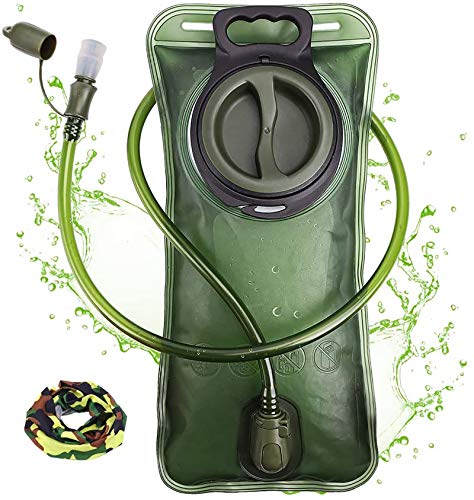
A hydration bladder is a soft, refillable water reservoir that sits inside your pack and connects to a hose and bite valve near your shoulder strap, letting you sip water hands-free as you walk. Because drinking takes no effort, most hikers stay better hydrated across long days, steep climbs, and hot, exposed stretches where digging out a bottle would mean stopping every time.
Who it's for
Day hikers and casual walkers often do fine with bottles, but anyone covering long miles, climbing steadily, or hiking in heat benefits from a bladder's easy, constant sipping. Thru-hikers and backpackers typically want larger capacity and a wide-mouth design for quick refills at streams, while winter hikers need hose insulation to keep water moving instead of freezing at the bite valve.
How to choose a hydration bladder
Most reservoirs hold between 1.5 and 3 liters; a shorter day hike rarely needs more than 2 liters, while a hot, dry, or remote stretch calls for the full 3. Check that your chosen size actually slides into your pack's hydration sleeve without bulging, since an oversized bladder can throw off how the pack sits and reduce your remaining storage space.
A reservoir lets you sip constantly without stopping or breaking stride, which matters most on steady climbs or hot days. The trade-off is that it's harder to see or track exactly how much you've drunk, and reservoirs generally take more effort to clean, dry, and refill than a simple bottle you can unscrew and rinse in seconds.
Look for a wide-mouth opening that lets your hand reach all the way inside for scrubbing, since a narrow neck makes thorough cleaning and drying nearly impossible. A reservoir that stays damp between trips grows mold and off-tastes fast, so also consider whether it comes apart for airflow or if you'll need a separate drying rack or hanger.
A good bite valve should flow easily with light suction but shut off cleanly so it doesn't drip inside your pack when not in use. Look for a hose that routes comfortably over your shoulder and, if you'll hike in cold weather, consider an insulated sleeve or cover to keep the line from freezing shut on exposed winter climbs.
Check seam construction and material thickness, since thin or poorly welded reservoirs are more prone to punctures and slow leaks inside your pack. A reliable seal at the fill opening matters just as much as the material itself, so look for a locking cap or slider closure that stays shut under the weight and jostling of a loaded pack.
4 hydration bladders to compare
Real options that fit the criteria above. We don't publish prices or ratings — check the current price and reviews on Amazon.


Common questions
How much water capacity do I actually need?
For most day hikes, 1.5 to 2 liters is plenty, while longer or hotter outings often call for a full 2 to 3 liters. Consider your hike's length, temperature, and how far apart water sources are; carrying extra capacity you don't use is better than running dry between refill points on an exposed trail.
Are hydration bladders better than water bottles?
Neither is strictly better; they suit different habits. Bladders make sipping effortless and hands-free, which helps you drink more consistently, but bottles are easier to clean, refill, and monitor at a glance. Many hikers carry both, using a bladder for steady sipping and a bottle as backup or for mixing electrolytes.
How do I stop my hydration bladder from growing mold?
Rinse it after every trip, dry it completely with the opening propped wide, and store it somewhere cool and dry, never sealed up damp. A wide-mouth design makes this far easier since you can reach inside to scrub. Between longer breaks in use, some hikers freeze a mostly-dry reservoir to prevent buildup.
This is a general buying guide, not a lab review — it explains what to look for so you can choose well, and links to real products to compare. We publish no prices or ratings; current price, availability and reviews are shown on Amazon. Product links are affiliate links: we may earn a commission at no extra cost to you. See our affiliate disclosure.