
Best Headlamps for Hiking (2026)
A headlamp is the small, hands-free light that gets you through camp chores after dark, keeps you moving safely on a pre-dawn start, and gets you back to the trailhead if a hike runs long. It straps to your head so both hands stay free for cooking or setting up camp. It's one of the Ten Essentials for a reason: a reliable light source keeps a late finish or an unplanned night out from turning into an emergency.
Who it's for
Every hiker benefits from carrying a headlamp on a short day trip, since weather or a slow pace can push you past sunset. A day hiker mainly needs light for the walk back to the car, while a backpacker relies on one nightly for camp chores and often night navigation. Winter hikers face longer dark hours and colder batteries, so they need brighter output and more runtime.
How to choose a headlamp
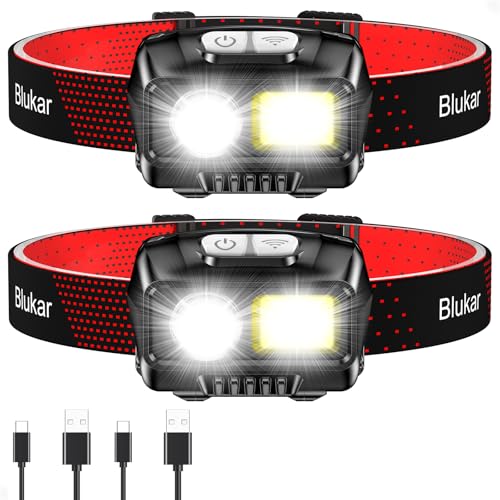
Lumens measure raw brightness, but beam shape matters just as much. A flood beam spreads light wide and close, ideal for reading a map, cooking, or moving around camp without blinding your tentmates. A spot beam focuses light farther down the trail, which is what you need for hiking after dark. Many headlamps offer both.
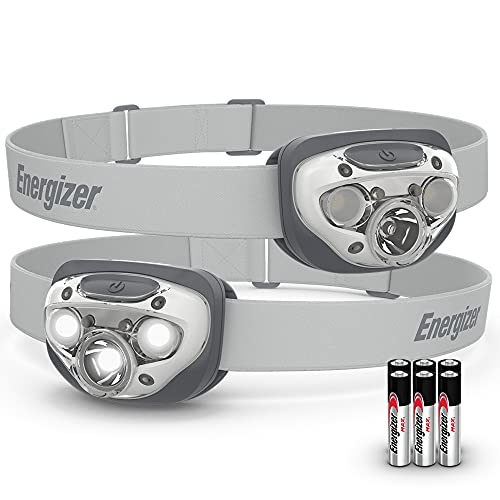
Rechargeable lithium batteries are convenient and often lighter, but they're useless once drained unless you carry a power bank. Replaceable AAA batteries are less efficient but let you swap in fresh ones anywhere, which matters on a multi-day trip. Many backcountry hikers carry a spare set regardless of type, and check runtime at both the highest and a lower setting.
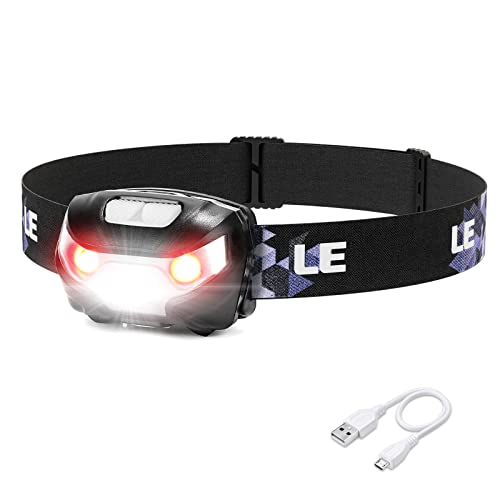
A dedicated red-light setting preserves your night vision far better than white light, so you can check a map or dig through your pack without losing your eyes' adjustment to the dark. It's also a courtesy in a shared campsite, since red light is far less disruptive to people trying to sleep nearby. Look for a mode that's easy to reach quickly.
A headlamp sits against your forehead for hours, so a few extra ounces matter more than in a pack. Units with the battery built into the housing feel less bulky but can be front-heavy, while a rear battery pack balances the weight at the cost of some bulk. Adjust the strap fully before judging comfort.
Trail weather is unpredictable, so a reasonable water-resistance rating protects against rain, sweat, and stream splashes. Just as important is how the controls work in the dark or with gloves on: a single, obvious button you can operate by feel beats a small switch you can only use by reading a manual. Test the interface before relying on it at night.
4 headlamps to compare
Real options that fit the criteria above. We don't publish prices or ratings — check the current price and reviews on Amazon.

Common questions
How many lumens do I actually need for hiking?
For most camp tasks, a lower setting in the tens of lumens is plenty and saves battery life. For hiking on a trail after dark, a brighter setting in the low hundreds of lumens helps you see farther and spot uneven footing. Look for adjustable brightness rather than judging by a single maximum number.
Rechargeable or battery-powered headlamp for backpacking?
Both work well; the right choice depends on trip length. Rechargeable models are convenient for shorter trips or when you're carrying a solar panel or power bank. On longer backcountry trips without charging access, replaceable AAA batteries are more practical, since you can carry lightweight spares instead of waiting for a recharge.
Why does my headlamp seem dimmer than its lumen rating?
Brightness typically drops as batteries drain, and cold temperatures reduce battery output further, so a headlamp rarely runs at its rated maximum for the full stated runtime. This is normal. It's why it helps to choose a model with some brightness margin above what you think you'll need, especially for winter or multi-day trips.
This is a general buying guide, not a lab review — it explains what to look for so you can choose well, and links to real products to compare. We publish no prices or ratings; current price, availability and reviews are shown on Amazon. Product links are affiliate links: we may earn a commission at no extra cost to you. See our affiliate disclosure.