
What to Wear Hiking by Season
Hiking clothing is less about one perfect outfit and more about matching what you wear to the season you're walking into. A July ridgeline, an October shoulder-season trail, and a January snowshoe route ask completely different things of your shirt, your legs, and your feet. This guide walks through what changes season by season — what to prioritize in heat, how to handle unpredictable spring and fall swings, and what winter genuinely demands.
Affiliate disclosure: this page contains affiliate links. Purchases made through them may earn us a commission at no extra cost to you. See our affiliate disclosure.
In plain English
What you wear hiking should change with the seasons, but the idea stays the same. Keep sweat off your skin, keep the sun and wind off you, and bring a little more warmth than you think you need. Weather on a trail often changes faster than it does in town.
In summer, loose, light-colored clothes and a hat keep you cooler and protect you from sunburn. In spring and fall, mornings can be cold and afternoons warm, so wear thin layers you can take off and put on. In winter, staying warm and dry matters most.
One rule works all year: avoid cotton. Cotton T-shirts and jeans soak up sweat and rain and stay wet, and wet clothes make you cold fast. Hiking clothes made of wool or synthetic fabric dry much more quickly.
Who it's for
Every hiker dresses for a season, but the stakes scale with exposure. A two-hour valley walk in mild weather forgives a cotton tee; an alpine day hike, a shoulder-season overnight, or any winter outing does not. Hikers who run cold, sweat heavily, or spend time above treeline need more deliberate seasonal choices than someone staying low and close to the trailhead.
Dressing by season
In heat, the job is moving sweat off your skin while keeping sun off it at the same time. Light, loosely woven synthetic or merino shirts dry quickly and resist odor, and a long-sleeve sun hoody often works better than a t-shirt plus repeated sunscreen on exposed trail. Add a brimmed hat and sunglasses, favor light colors, and plan your water carry around the hottest hours.
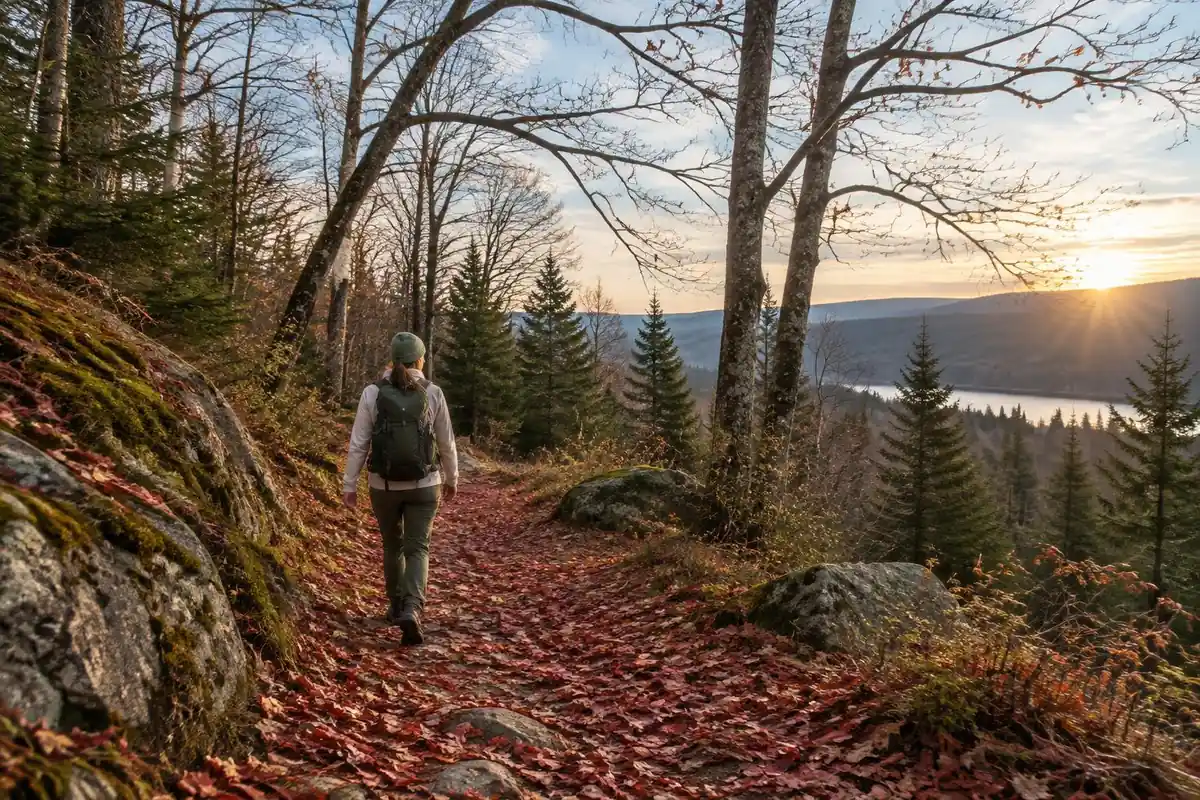
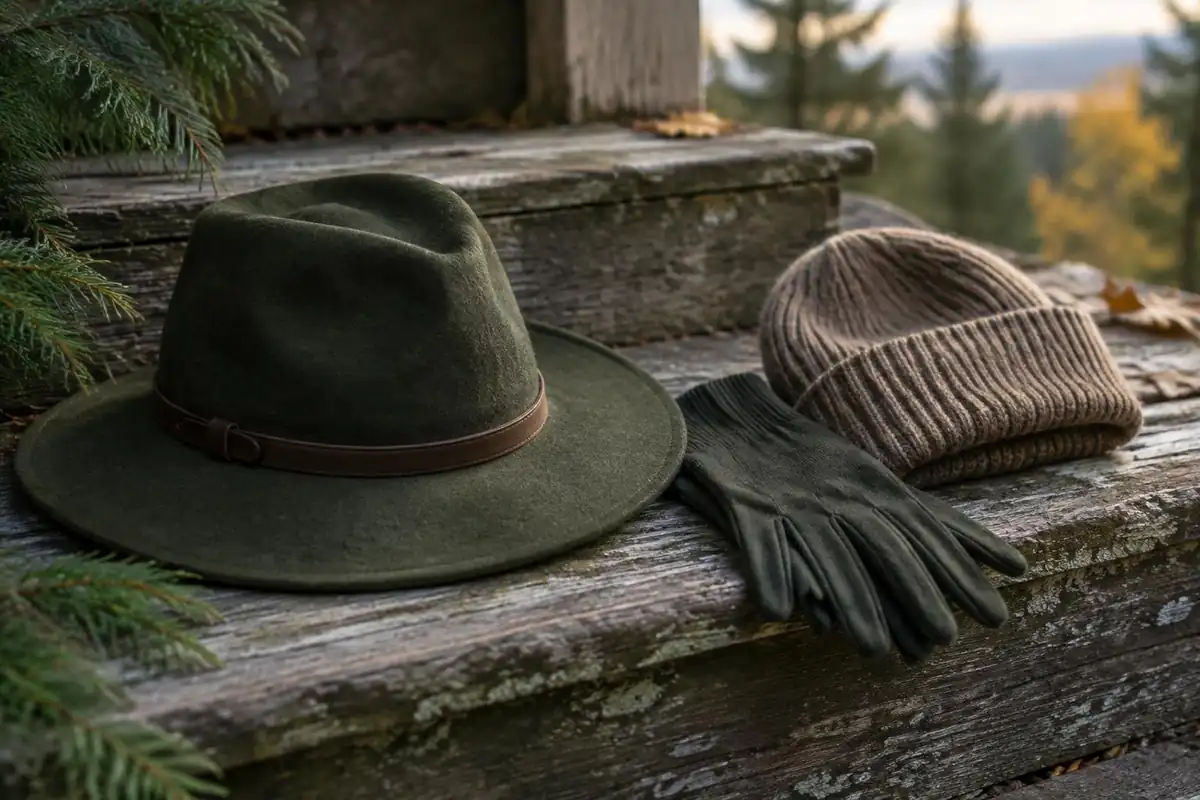
Shoulder seasons hand you a cold, damp trailhead and a warm, sunny ridge in the same morning, so flexibility matters more than any single warm garment. Build from a wicking base, a light insulating midlayer that stuffs down small, and a shell — the approach covered in detail at /footwear/layering-system-for-hiking-clothing/. Carry gloves and a beanie even when the forecast looks mild.
Winter clothing balances two opposing needs: staying warm while standing still, and not soaking your layers while climbing. Choose insulation you can vent or remove quickly, avoid cotton entirely, and treat a dry spare base layer as safety equipment rather than luxury. Synthetic insulation holds some warmth when damp, while down packs smaller for its warmth but needs real protection from wet.
Footwear shifts with the ground, not the calendar alone. Breathable trail runners shed heat and dry fast in summer, while waterproof mid boots make more sense in cold mud and snowmelt. On packed snow and ice, slip-on traction devices matter more than the boot itself, and insulated boots with room for a thicker sock keep circulation going on frozen ground.
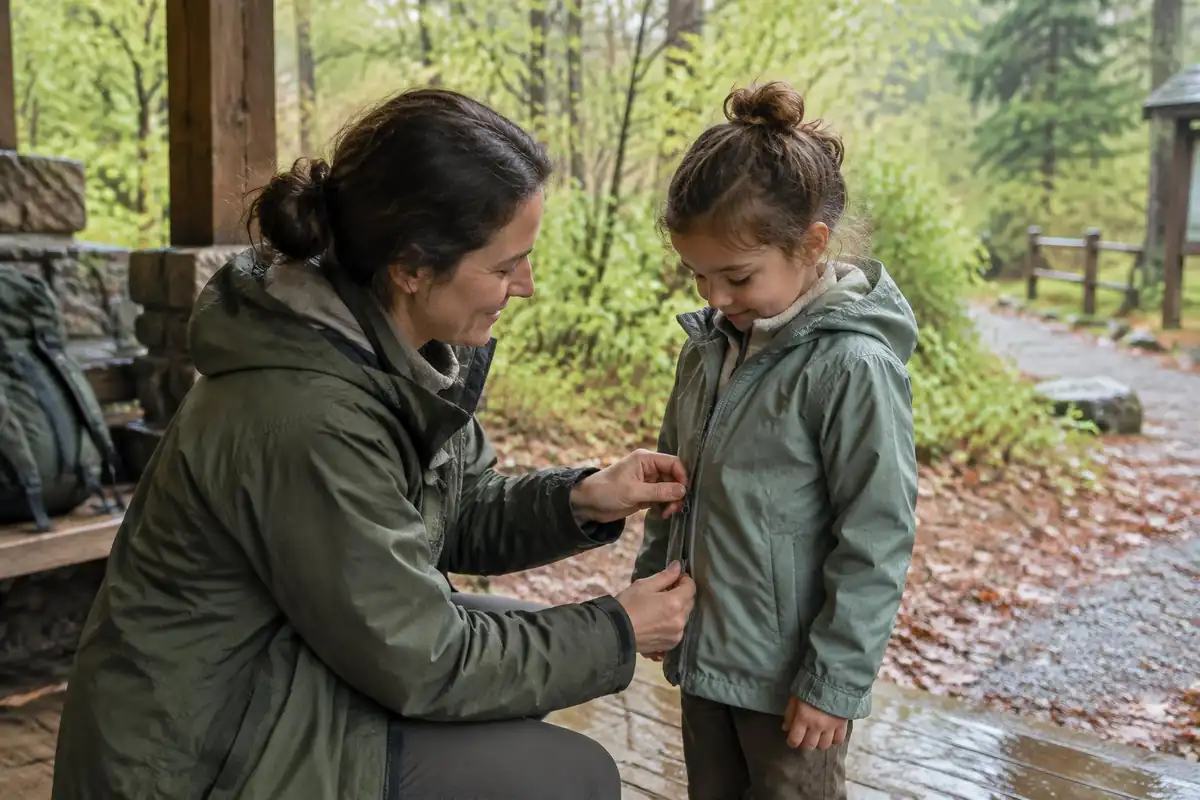
Wind and rain change what your clothing has to do in every season, since a soaked layer in cold air drains body heat fast. A hooded shell with pit zips handles rain without steaming you from the inside, and wind alone often calls for nothing heavier than a windshirt. Trail-side tactics for wet, hot and cold conditions live at /trail-smarts/hiking-in-rain-heat-and-cold/.
Summer: sun and heat are the main risks
Sun exposure on the trail is often higher than at home. The CDC Yellow Book says UVB is most intense from 10 a.m. to 4 p.m., at higher elevations and closer to the equator, and that snow, water and sand reflect UV and raise exposure.1 The EPA estimates UV rises about 6% per kilometer of elevation, and that overcast skies still transmit about 31% of UV.5 A long-sleeve shirt and a brimmed hat give steady cover on exposed ridges.
Heat is the other summer risk. The CDC suggests doing outdoor activities during the coolest parts of the day when heat risk is high.2 The National Weather Service lists heat exhaustion signs including heavy sweating, weakness, cool pale clammy skin, dizziness and nausea. It says heat stroke, marked by confusion and a body temperature above 103°F, is a severe medical emergency: call 911 or get the person to a hospital immediately.6
Spring and fall: the cold you don't expect
Shoulder seasons catch people out because the air rarely feels dangerous. The CDC says hypothermia can develop even in cool temperatures above 40°F if a person gets chilled by rain, sweat or cold water, and it lists hikers among those at higher risk.3 The National Weather Service goes further, noting hypothermia can occur at air temperatures as warm as 60°F, particularly in water or with long exposure while underdressed.7
That is why the page's advice to carry gloves and a beanie on a mild forecast matters. Dressing in layers lets you add or remove clothing to regulate body temperature, and the NPS says to choose wool or synthetic over cotton because wet cotton will not keep you warm.4 Spring through early fall is also tick season: the CDC says ticks are most active from April through September.8
Winter: extremities, wet feet and snow glare
In winter the focus shifts to fingers, toes and face. The NWS says frostbite can develop within minutes, especially on fingers, toes, nose and ears, and that mittens are better than gloves.7 The CDC notes that people often do not notice their own frostbite because the frozen tissue is numb, and that redness or pain in any skin area is an early warning.9 Wet feet are a particular risk: NIOSH says they lose heat 25 times faster than dry feet.10
Winter sun still matters. The EPA says water, snow and sand reflect the sun's rays, and that UVB can cause snow blindness, a temporary loss of vision from sunburned corneas.11 Sunglasses or goggles belong in the winter kit. The page's note that synthetic insulation holds warmth when damp while down needs protection from wet is common outdoor practice; this site's library has no neutral source comparing the two, so treat it as guidance rather than a measured result.
Common questions
What should I wear hiking in summer heat?
Light-colored, loose, quick-drying synthetic or merino layers, plus a brimmed hat and sunglasses, and a sun hoody or long sleeves if you'll be exposed for hours. Skip cotton, which holds sweat and chafes once wet. Shorts and lightweight pants both work — pants trade a little airflow for protection from sun, brush and insects.
How do I dress when the temperature swings 30 degrees in a day?
Layer so you can shed and add without a long stop. Start slightly cool at the trailhead, since you'll warm up within ten minutes of walking, and keep your midlayer and shell where you can reach them without unpacking. A hat and gloves weigh almost nothing and cover most of the gap between a shaded creek bottom and a windy ridge.
Do I need waterproof clothing for every hike?
Not always, but a packable shell earns its place on most trips because forecasts get unreliable as you gain elevation. In dry summer heat a windshirt is often enough. In shoulder season and winter a genuine waterproof-breathable layer matters far more, because staying dry is the main thing standing between you and losing heat quickly.
This is general footwear & apparel guidance, not a lab review — it explains what to look for and how to choose so you can pick well. See our affiliate disclosure.