
No-Cook Backpacking Meals (Cold-Soak Method)
Cold soaking means rehydrating food in cool or room-temperature water inside a sealed container, letting time do the work that boiling water usually does in minutes. Hikers use it to leave the stove, fuel, and pot at home, to eat within minutes of reaching camp, and to keep cooking low-profile where fires and stoves are restricted. It is a genuine trade-off, and this page covers what it does well and where it falls short.
Affiliate disclosure: this page contains affiliate links. Purchases made through them may earn us a commission at no extra cost to you. See our affiliate disclosure.
In plain English
Cold soaking means making a meal without any heat. You put dry food, like couscous or instant mashed potatoes, into a jar with a tight lid, add cool water, close it, and wait. After half an hour or so the food has soaked up the water and is soft enough to eat. It is the same idea as leaving oats in milk in the fridge overnight.
People do it to skip carrying a stove, a pot and fuel, and to eat where fires are not allowed. The food will not be hot, so it tastes different, and some foods work much better than others.
Two things keep it safe. The water must be clean enough to drink, because nothing is being boiled. And the jar counts as food, so it has to be stored away from animals just like the rest of your meals.
Who it's for
Cold soaking suits hikers counting ounces on long trails, anyone hiking where stoves or fires are restricted, and weekenders who would rather not fuss with a stove. It fits warm-weather and shoulder-season trips best. On cold, wet trips, or any night when a hot meal is what keeps morale up, most hikers carry a stove and are glad they did.
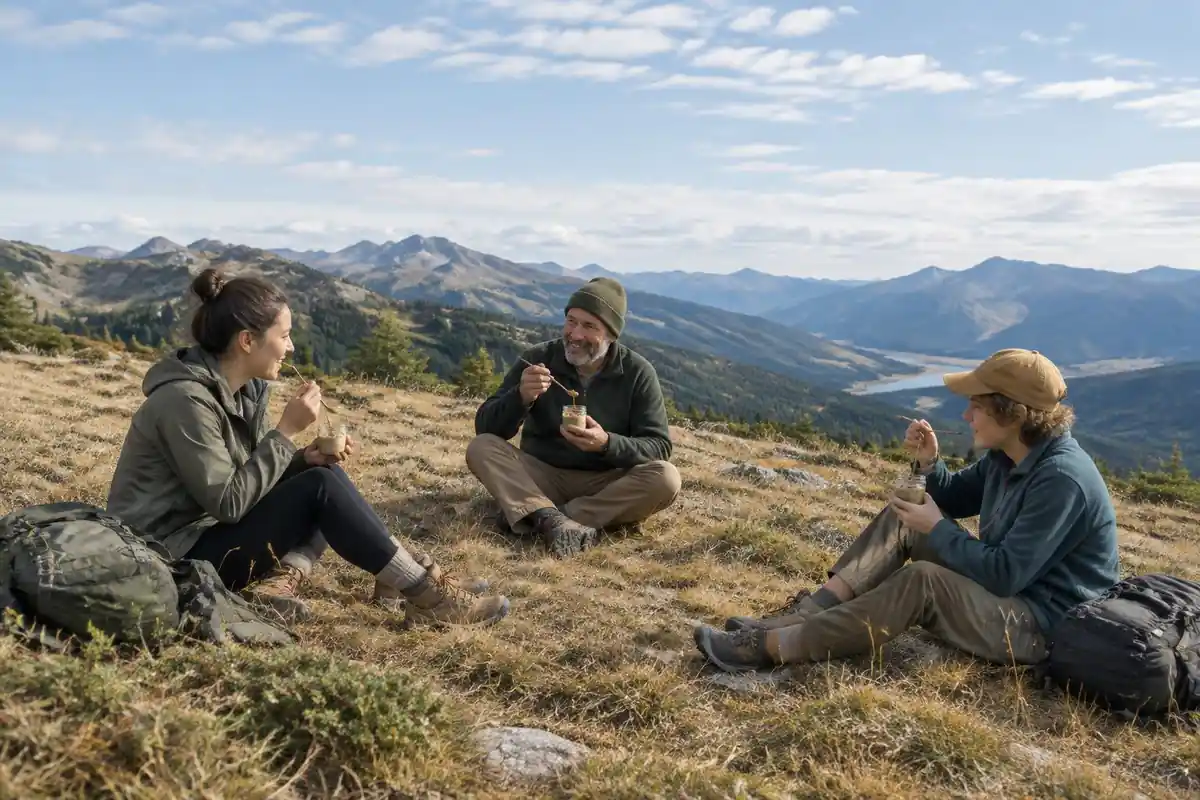
How cold-soaking works
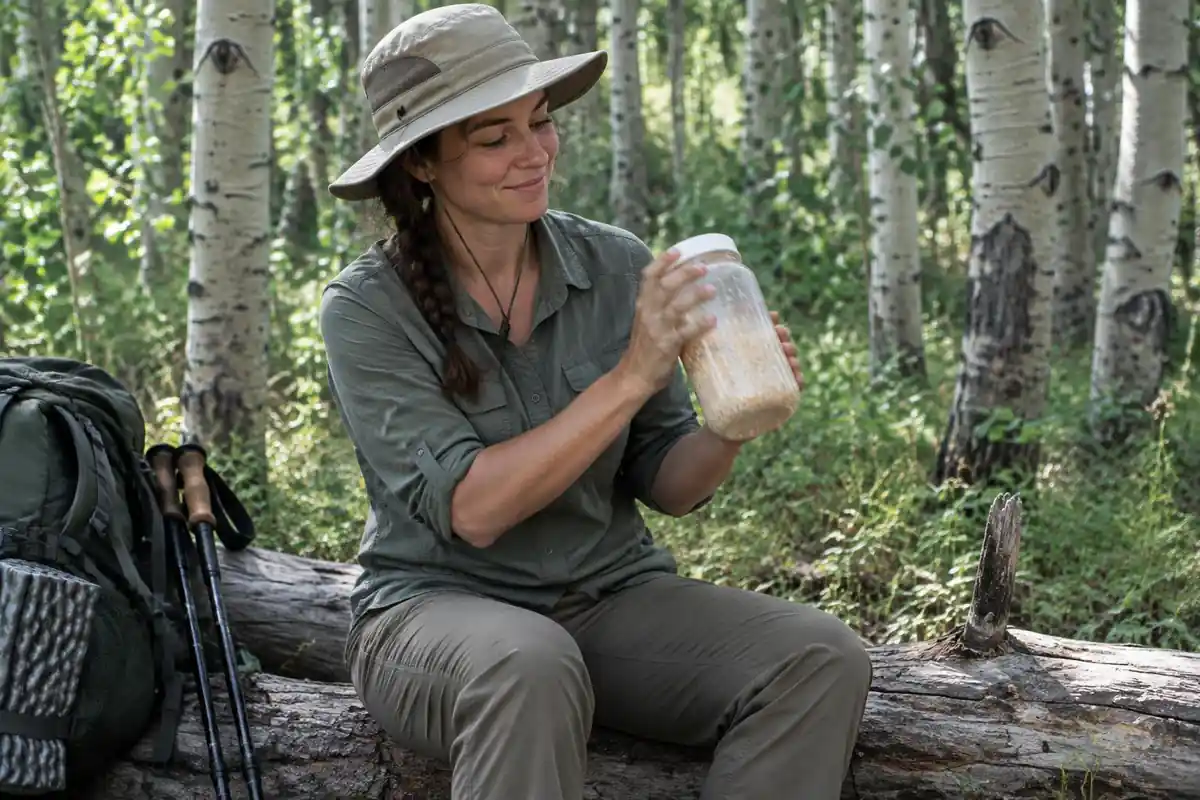
A stove, pot, lighter, and fuel together commonly run from roughly half a pound to well over a pound depending on the setup, and fuel has to be resupplied along the way. Cold soaking drops all of it. It also removes the wait for water to boil, works where open flames are banned (fire restrictions vary by forest, and many still allow stoves, so check), and makes no noise, smell, or light at a quiet campsite.
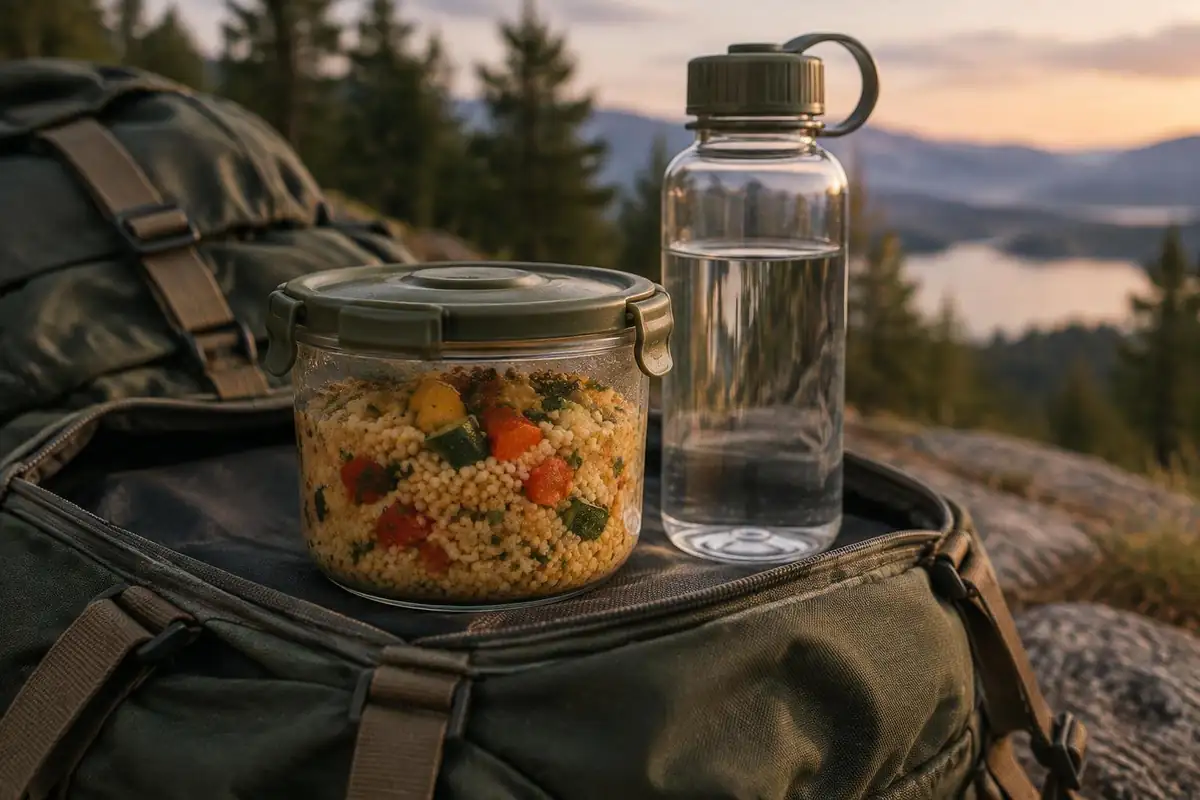
The reliable performers are foods already cooked and dried, or milled fine enough that water penetrates quickly: instant couscous, instant mashed potato flakes, dehydrated refried beans, rolled or instant oats, ramen noodles broken small, instant rice, and powdered milk or hummus mix. Dried fruit, tortillas, tuna packets, olive oil, and hard cheese ride along without soaking at all.
Anything raw stays raw. Dry pasta, uncooked rice, whole lentils, dried split peas, and raw beans need heat to become edible and will only swell into something unpleasant in a jar. Thick freeze-dried meat chunks and large vegetable pieces rehydrate slowly and unevenly in cold water. Chocolate, cheese, and anything with a lot of fat resists cold water entirely and tends to clump.
The jar matters more than people expect. You want a leakproof screw lid, a mouth wide enough to eat from and scrub out, walls stiff enough to survive being squashed in a pack, and a depth your long spoon can actually reach. Many hikers repurpose a lightweight plastic food jar; a dedicated leakproof container works too. Test the seal at home with water before the trip.
Fine-textured foods rehydrate fastest; times vary with the food and the water temperature, and colder water takes longer, so follow package directions and start earlier on cool days. Adding water at an afternoon break means dinner is waiting at camp. Keep the jar out of direct sun and hot pack pockets, do not let a wet soak sit warm all day, use treated water, and rinse the jar after every meal.
Be honest with yourself about this part. Cold-soaked couscous is fine; cold-soaked mashed potato is edible but a little gluey; cold ramen is a texture some people never make peace with. Salt, olive oil, hot sauce, spice blends, and bouillon powder carry a lot of the weight here. And on a cold, rainy night, the food that was fine in July can feel bleak.
What fire restrictions actually cover
The page says cold soaking works where fire restrictions ban open flames, which is true, but a fire ban does not always mean a stove ban. In Arizona's Coconino National Forest, stage restrictions ban fires, including charcoal, while pressurized-fuel stoves remain allowed; Stage 2 extends the campfire ban to developed sites.2 The rule names pressurized-fuel stoves specifically, so check before assuming another stove type is covered.
California is stricter on paperwork. The Forest Service's Pacific Southwest Region says California national forests require campfire permits year-round outside developed sites, and that includes stoves.3 So cold soaking is the one method that sidesteps every version of these rules, but you may not have to give up a hot dinner. Read the current restriction order for the forest or park you are visiting.
Soaking is not disinfecting
Heat does two jobs in camp cooking: it softens food and it kills germs in the water. Cold soaking only does the first. The CDC says water from a clear mountain stream can still contain germs and is generally not safe to drink untreated, and that boiling is the best way to kill them.1 Its hiking page also says most portable filters remove parasites but not viruses or bacteria, and that chlorine and iodine do not work well against parasites, so it advises filtering before chemical treatment.1 The CDC Yellow Book adds that portable microfilters do not reliably remove viruses such as norovirus.6 Check what your method covers, and combine methods if it falls short.
The food matters too. Utah State University Extension notes that bacteria may survive freeze-drying in a dormant state, and that meats and eggs must be cooked before freeze-drying or after rehydration.5 Commercial freeze-dried ingredients are cooked first. If you freeze-dry your own, make sure meat and egg were cooked before they went in, because a cold jar will not cook them later.
Your jar is food storage too
A jar soaking in your pack all afternoon smells like dinner. The National Park Service says bears treat any scented item as food, that bear-resistant containers only work when closed and locked, and that canisters should sit on level ground 100 feet or more from camp.4 If you soak breakfast overnight, the jar goes into the canister with everything else.
That has a sizing consequence. New York's environmental agency describes typical canisters as about 8 by 12 inches, holding up to 5 days of food for one person.7 Measure your jar against your canister at home, because a tall jar may not fit alongside a full load of food.
Common questions
How long does cold soaking actually take?
Fine, pre-cooked ingredients like couscous, potato flakes, and instant oats rehydrate fastest. Denser items such as dehydrated beans or broken ramen take noticeably longer. Cold mountain water slows everything down, so give yourself extra time rather than eating something still crunchy in the middle.
Do I need to treat water before cold soaking?
Yes. Treat or filter it the same way you would treat drinking water. Soaking is not cooking, so nothing in the jar is being disinfected by heat. Use water you would happily drink straight, and keep the jar and its lid clean, since a jar that lives in a pack all week can get grubby fast.
Does cold soaking really save much weight?
It saves the stove, pot, lighter, and fuel, which is a real chunk of a cook kit, minus the few ounces the soaking jar adds back. The bigger gains are often time and simplicity. Whether that trade is worth giving up hot food is personal, and plenty of hikers cold soak in summer and carry a stove the rest of the year.
This is general backpacking-food guidance, not a lab review — it explains what to look for and how to plan so you can choose well. See our affiliate disclosure.